Myanmar Visa RequirementsFor United States passport holders
US citizens can enter Myanmar with an e-visa for stays of up to 28 days. The US State Department has issued a Level 4 "Do Not Travel" advisory for Myanmar following the 2021 military coup.
United States passport holders must apply for an electronic visa (eVisa) online before traveling to Myanmar.
An e-visa is available for tourism ($50 fee, single entry, 28-day stay). Applications are submitted at evisa.moip.gov.mm. Required documents include passport photo, flight details, and accommodation confirmation. Processing takes 3 business days. A tourist visa on arrival is not available to US citizens. The e-visa portal has experienced outages during the political crisis; apply well in advance if proceeding with travel.
Entry Requirements
Passport Validity
6 months beyond date of entry
Blank Pages
2 blank pages required
Multiple Entry
Single entry only
Work Permitted
No - requires work visa
Required Documents
Valid US Passport
Must be valid for at least 6 months beyond your planned arrival date with at least one blank page
Digital Passport Photo
Recent color photo in JPEG format meeting specific size requirements (usually 35x45mm, 600x600 pixels)
Completed Online Application
Fill out the official eVisa application form on the government portal
Travel Itinerary
Detailed travel plans including dates and places you intend to visit
Proof of Accommodation
Hotel bookings, Airbnb reservations, or host invitation letter
Return or Onward Flight
Confirmed flight booking showing departure from the country
Proof of Sufficient Funds Recommended
Bank statements or credit card showing adequate funds for your stay
Travel Insurance Recommended
Recommended coverage for medical emergencies and trip cancellation
Travel Essentials
Health & Safety
Safety Rating
Vaccinations
Hepatitis A/B, typhoid, malaria prophylaxis, rabies.
Tap Water
Bottled water recommended
Safety Tips
CAUTION: Due to ongoing political situation following 2021 coup, many governments advise against travel. Check current advisories before planning.
Money & Costs
Currency
K Myanmar Kyat (MMK)
Daily Budget (USD)
Budget: $30 · Mid: $80 · Luxury: $200+
Tipping
Tipping appreciated but not expected.
Practical Info
Power
Type C, D, F, G, 230V
Driving
Right side
Emergency
199 (police), 191 (fire)
Getting There
Main Airports
Mandalay (MDL) · Yangon (RGN)
Culture & Travel Tips
Best Time to Visit
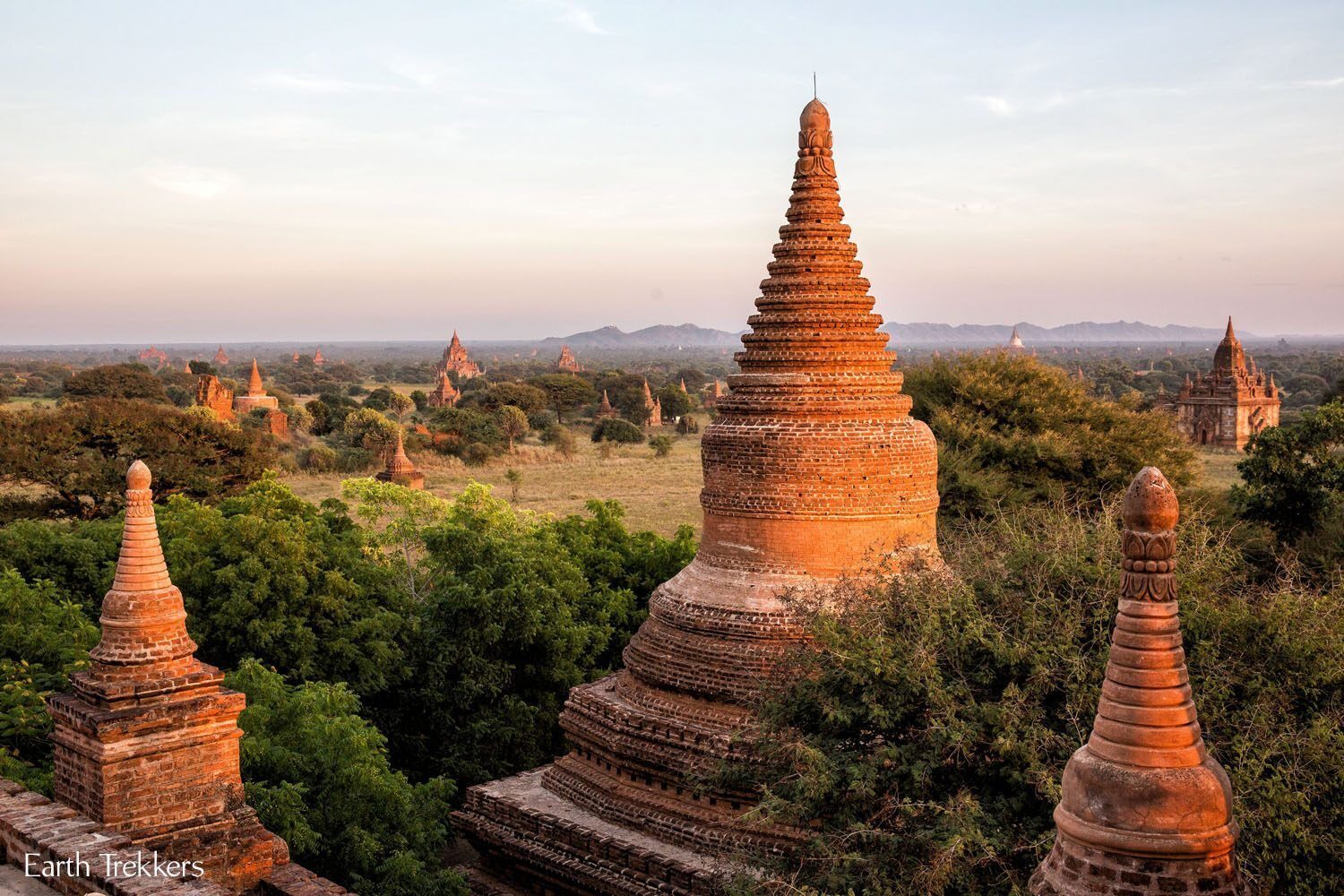
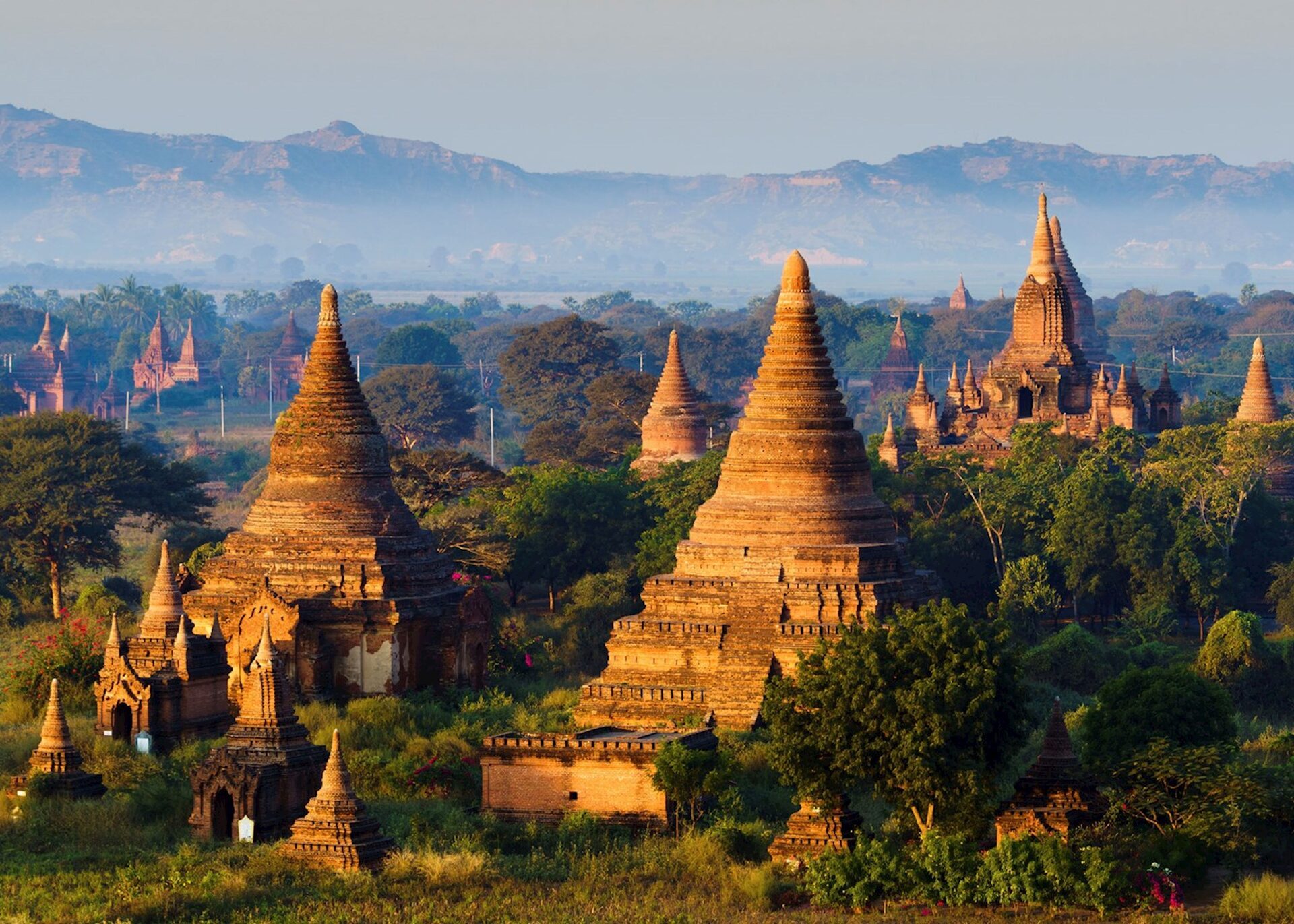
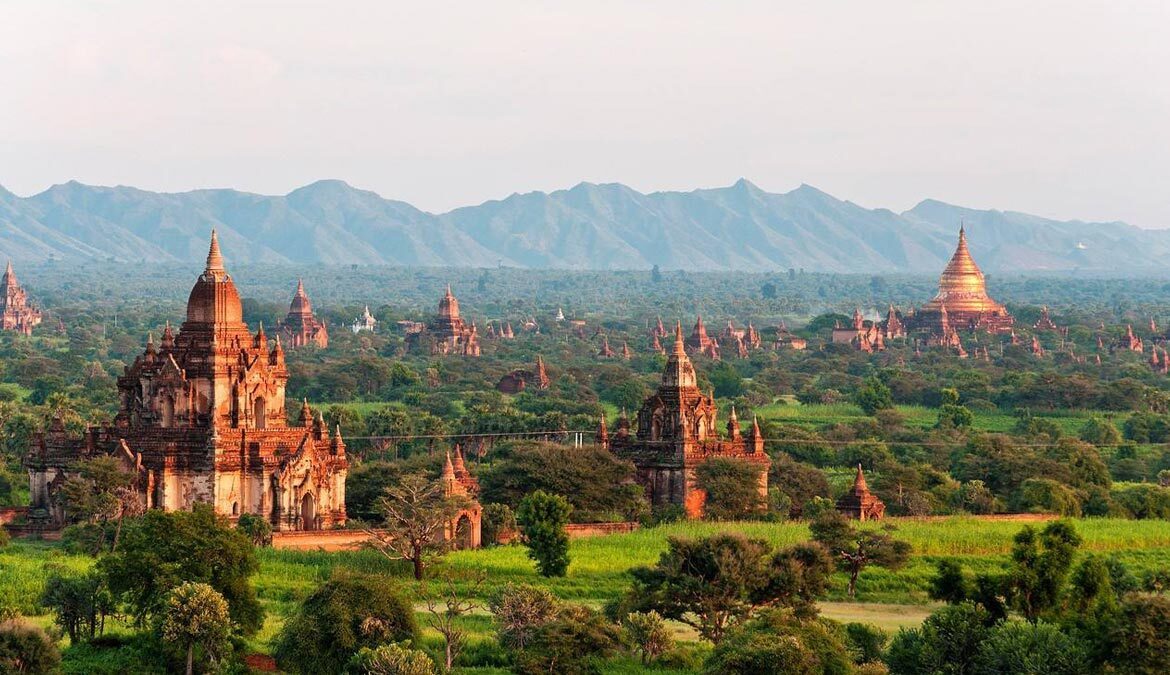
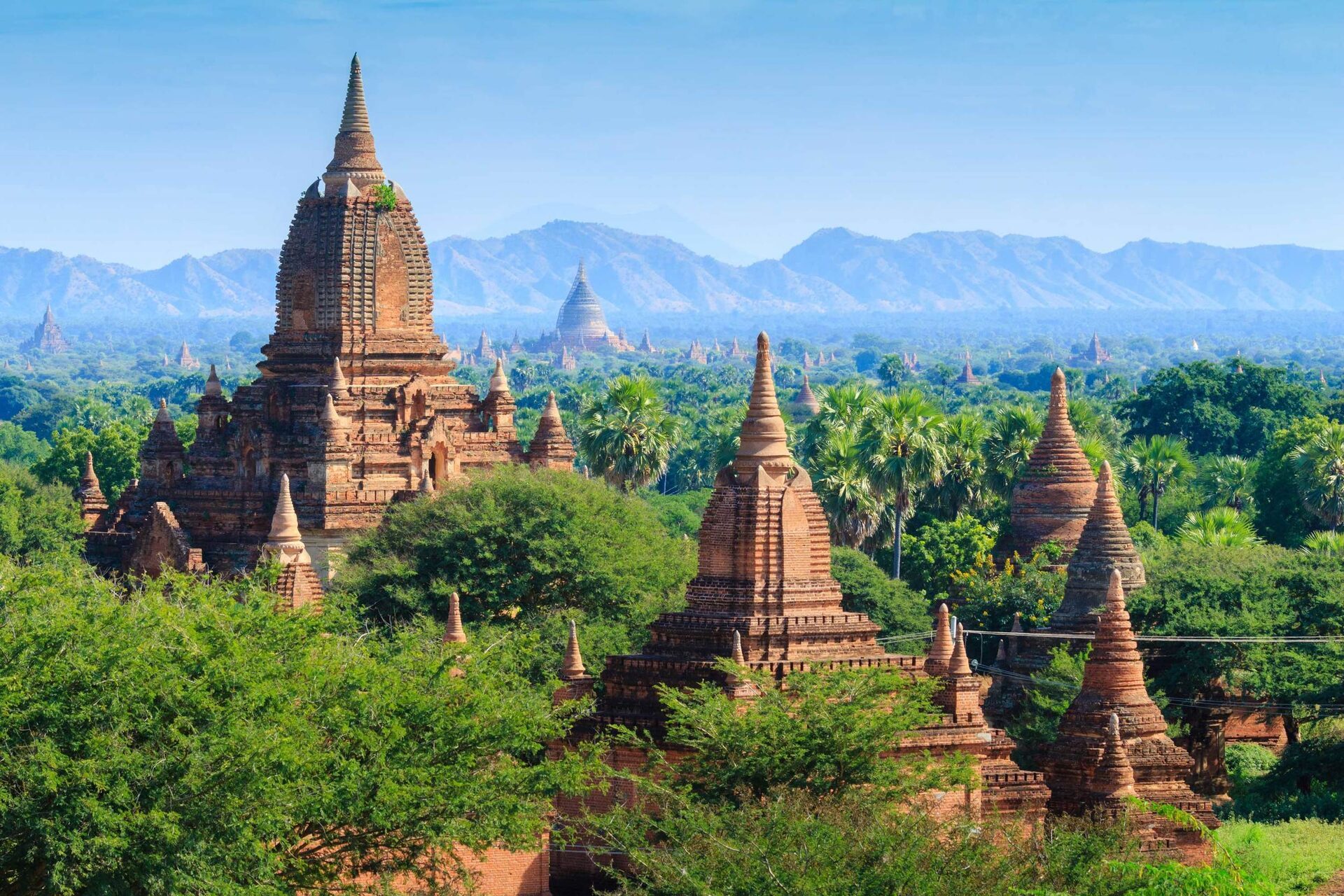
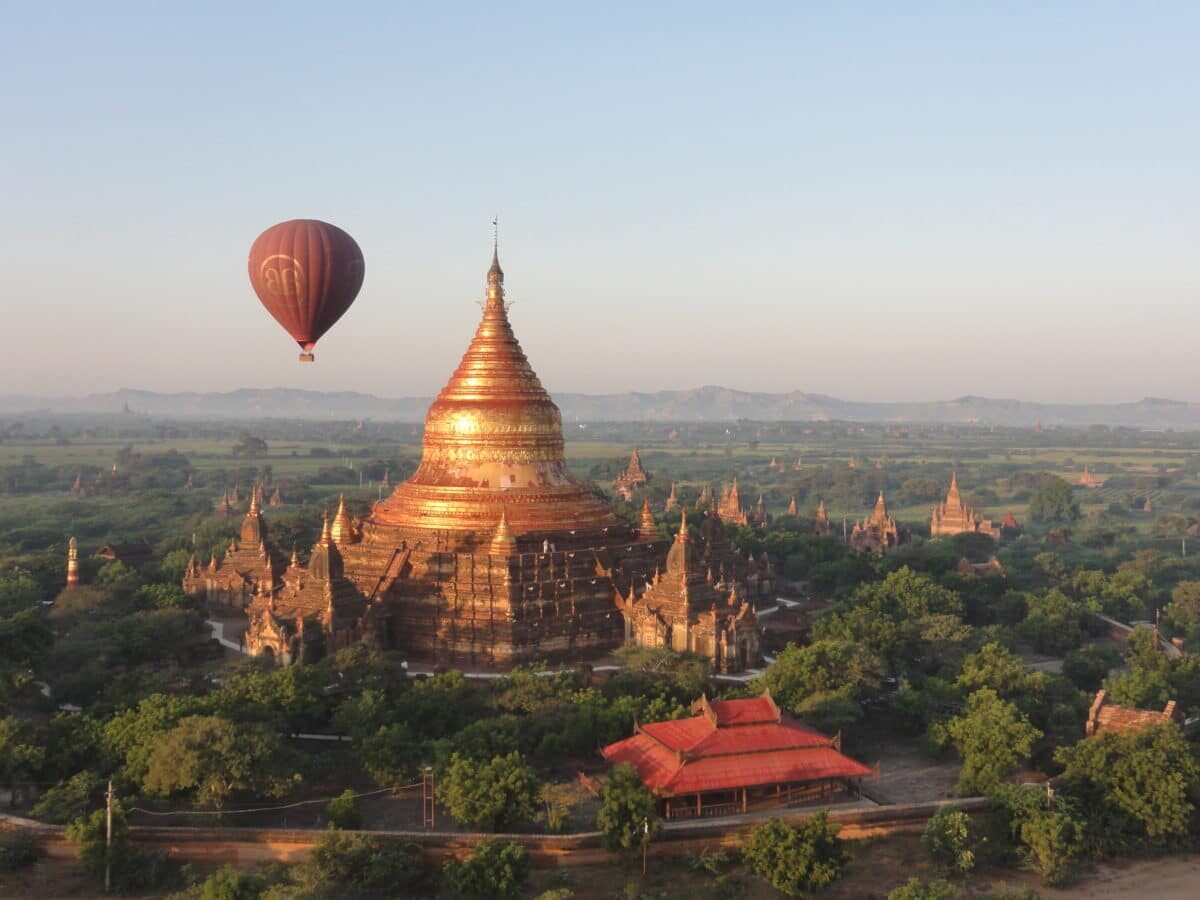
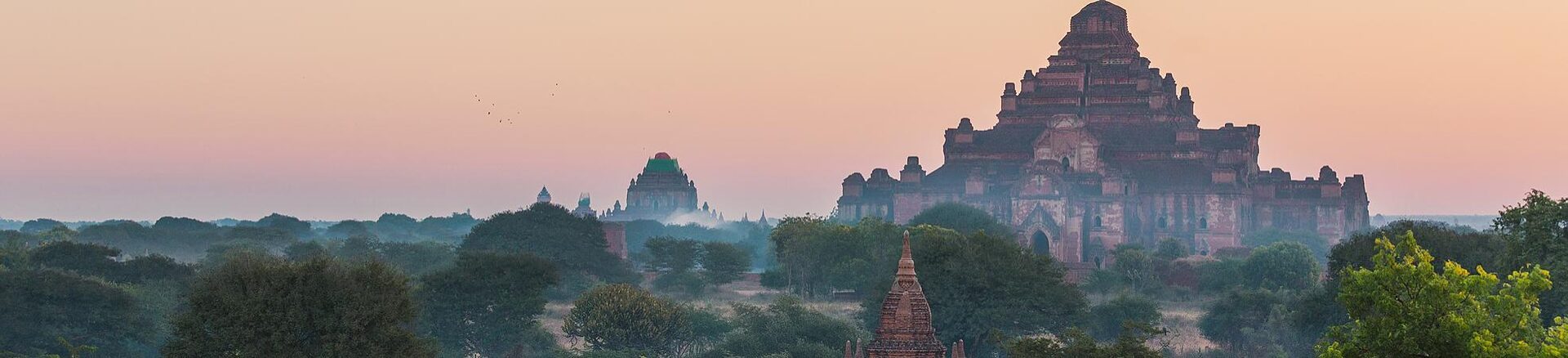
Myanmar has a tropical monsoon climate with three seasons: cool and dry (November-February), hot (March-May), and wet monsoon (June-October). The cool dry season is ideal for most visitors, with comfortable temperatures and clear skies perfect for temple visits at Bagan and lake explorations at Inle. Hot season can be extreme, especially in the central plains around Bagan (up to 40°C/104°F). The monsoon brings heavy rains that can disrupt travel but also transforms landscapes to lush green. The Inle Lake floating gardens and Bagan temples are spectacular during either dry season month. Avoid beach destinations during monsoon.
Cultural Notes
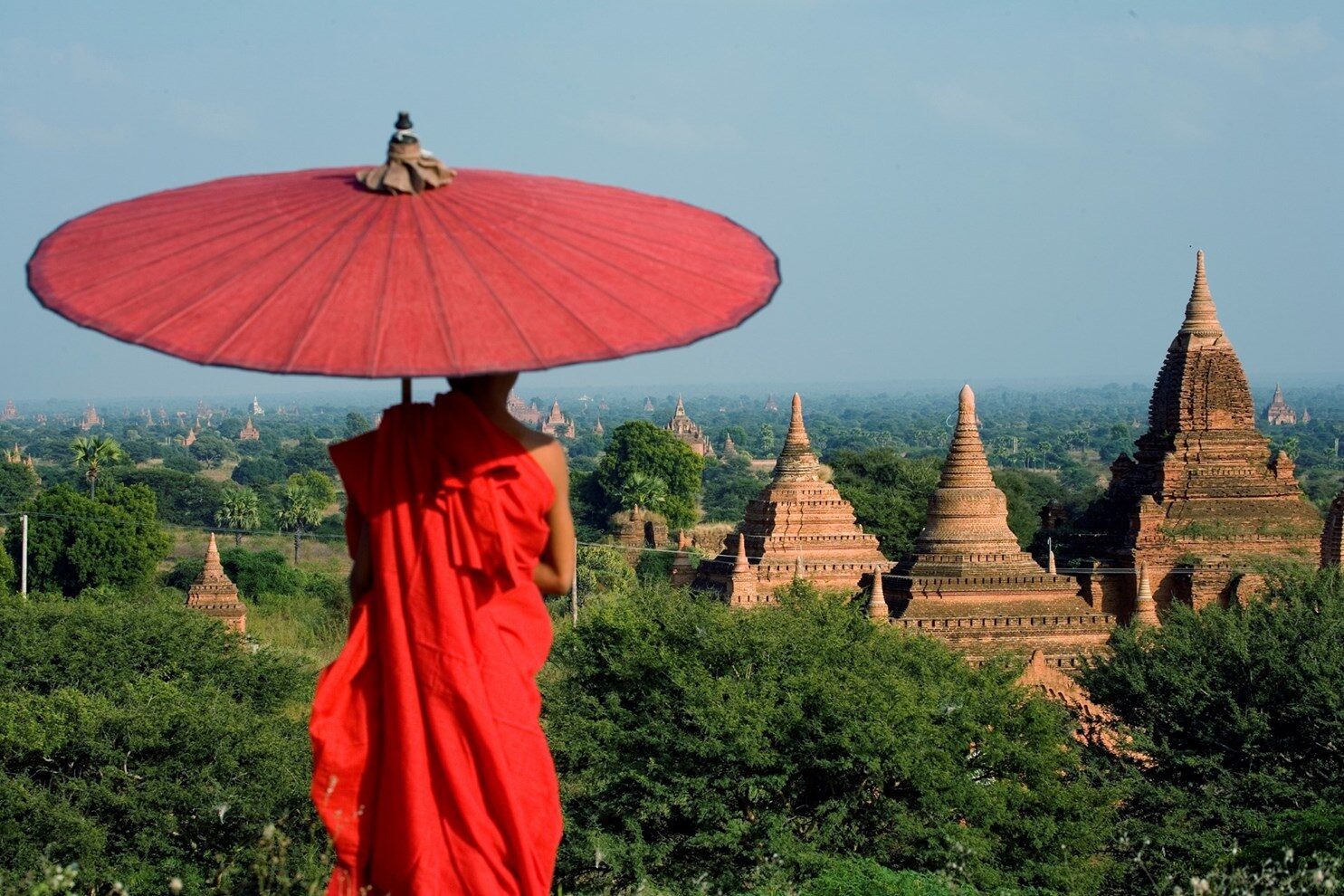
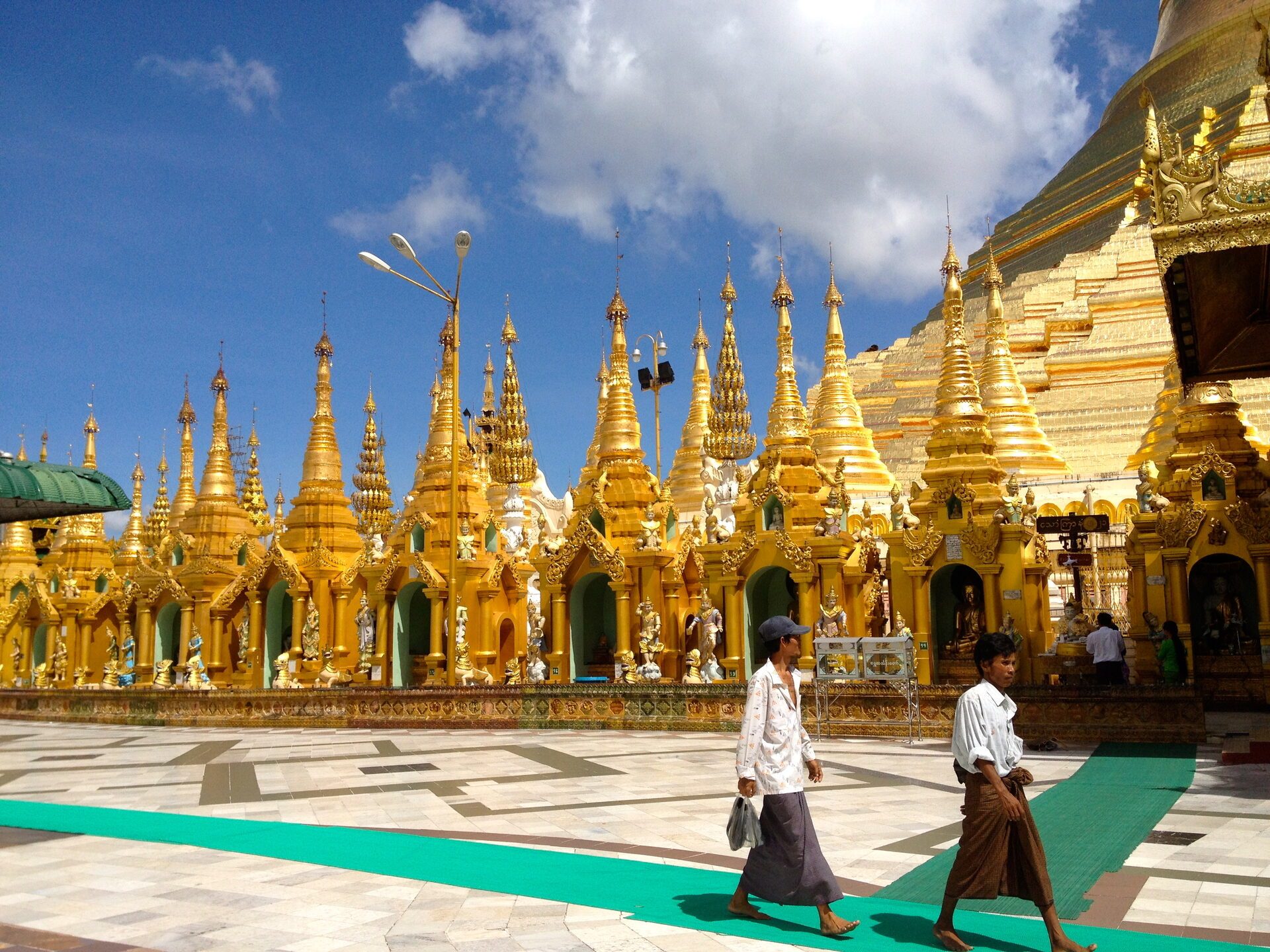
Myanmar (Burma) is a deeply Buddhist country where monasteries and pagodas are central to daily life. The morning alms round sees monks in saffron robes collecting food; lay people gain merit through giving. Temples require removing shoes and covering knees and shoulders. The military coup in 2021 overthrew the elected government, triggering ongoing civil conflict and international sanctions. Travel supports both local communities and potentially the military regime - visitors should consider this ethical dimension. Burmese people are warm and hospitable despite hardships. Traditional dress (longyi) is still worn by both genders. Thanaka paste on faces provides sun protection. Betel nut chewing is common, visible in red-stained teeth and streets.
Insider Tips
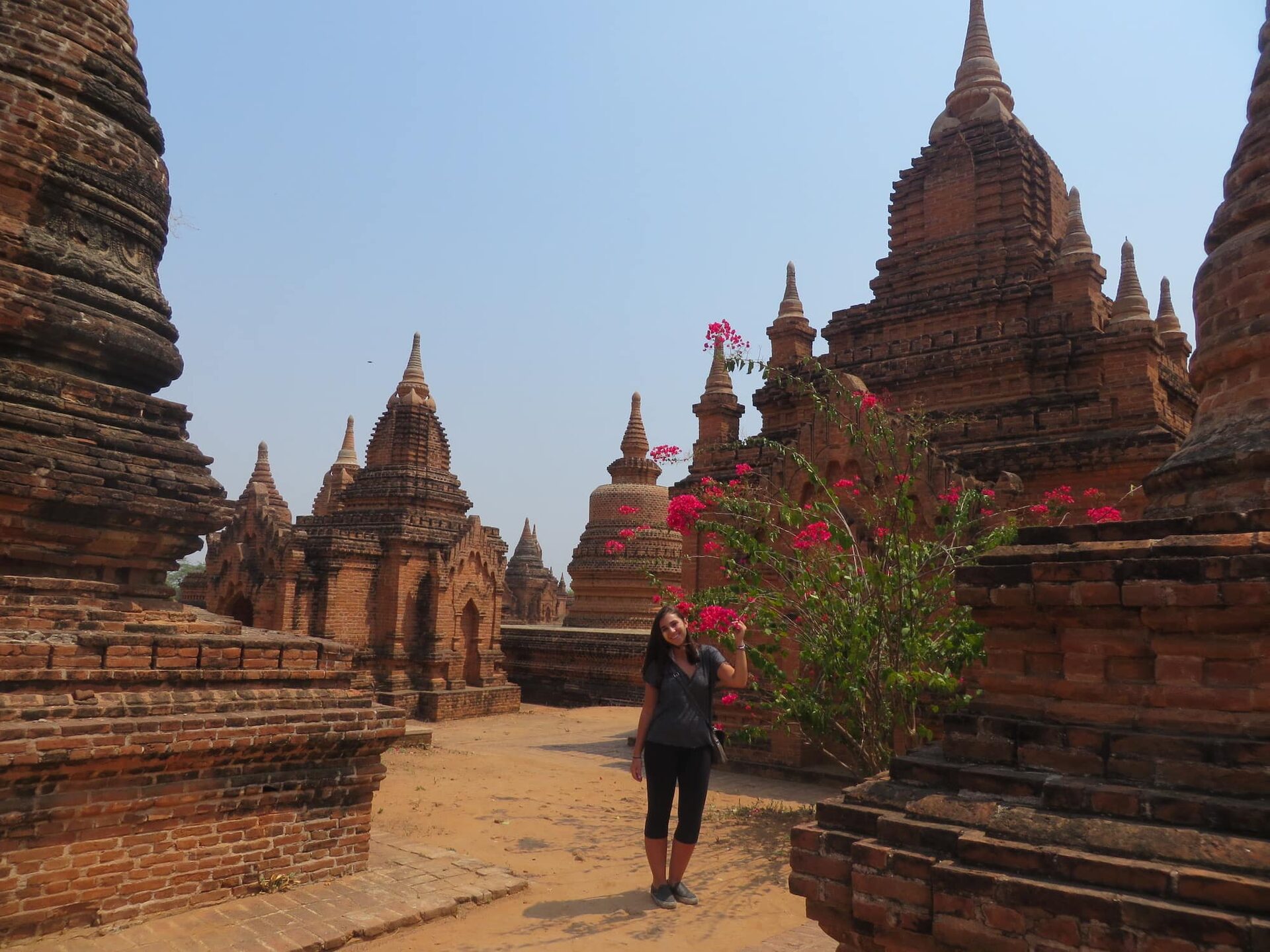
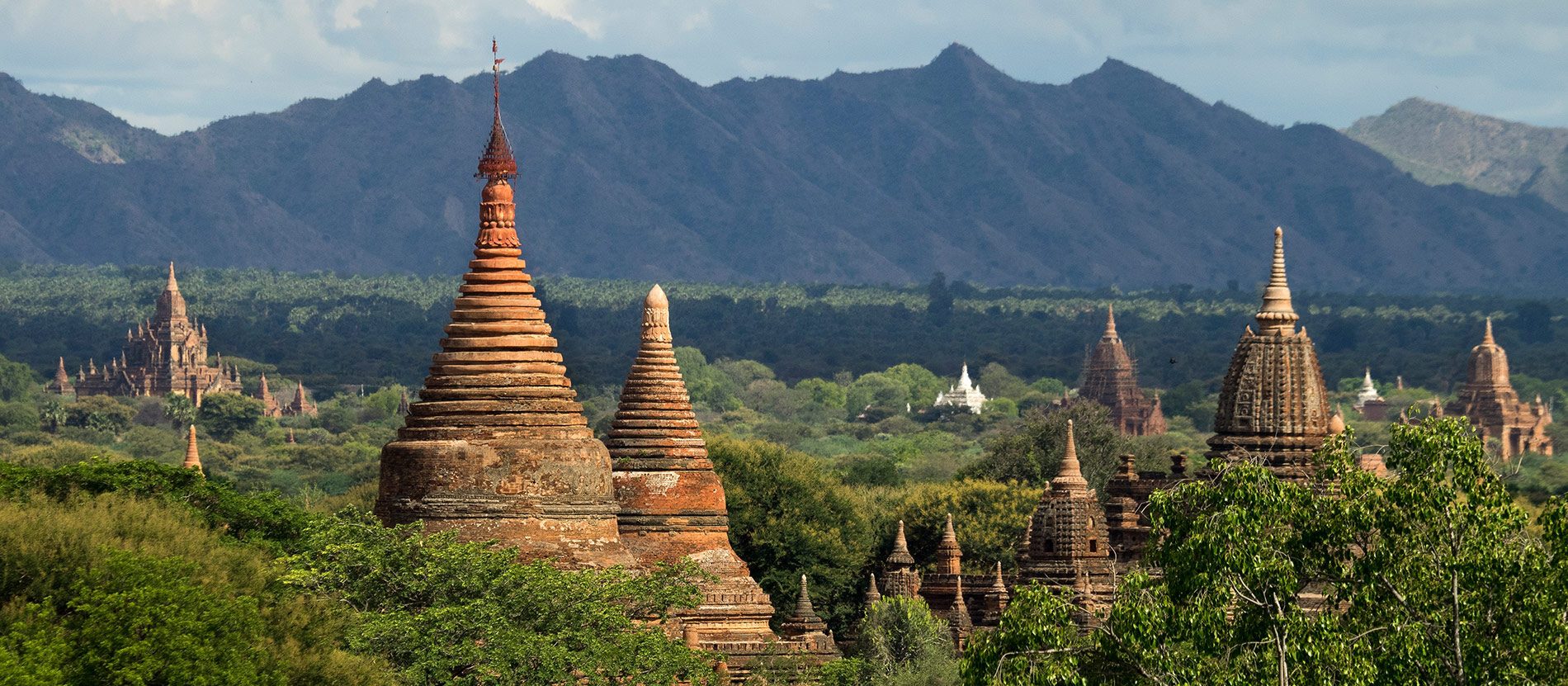
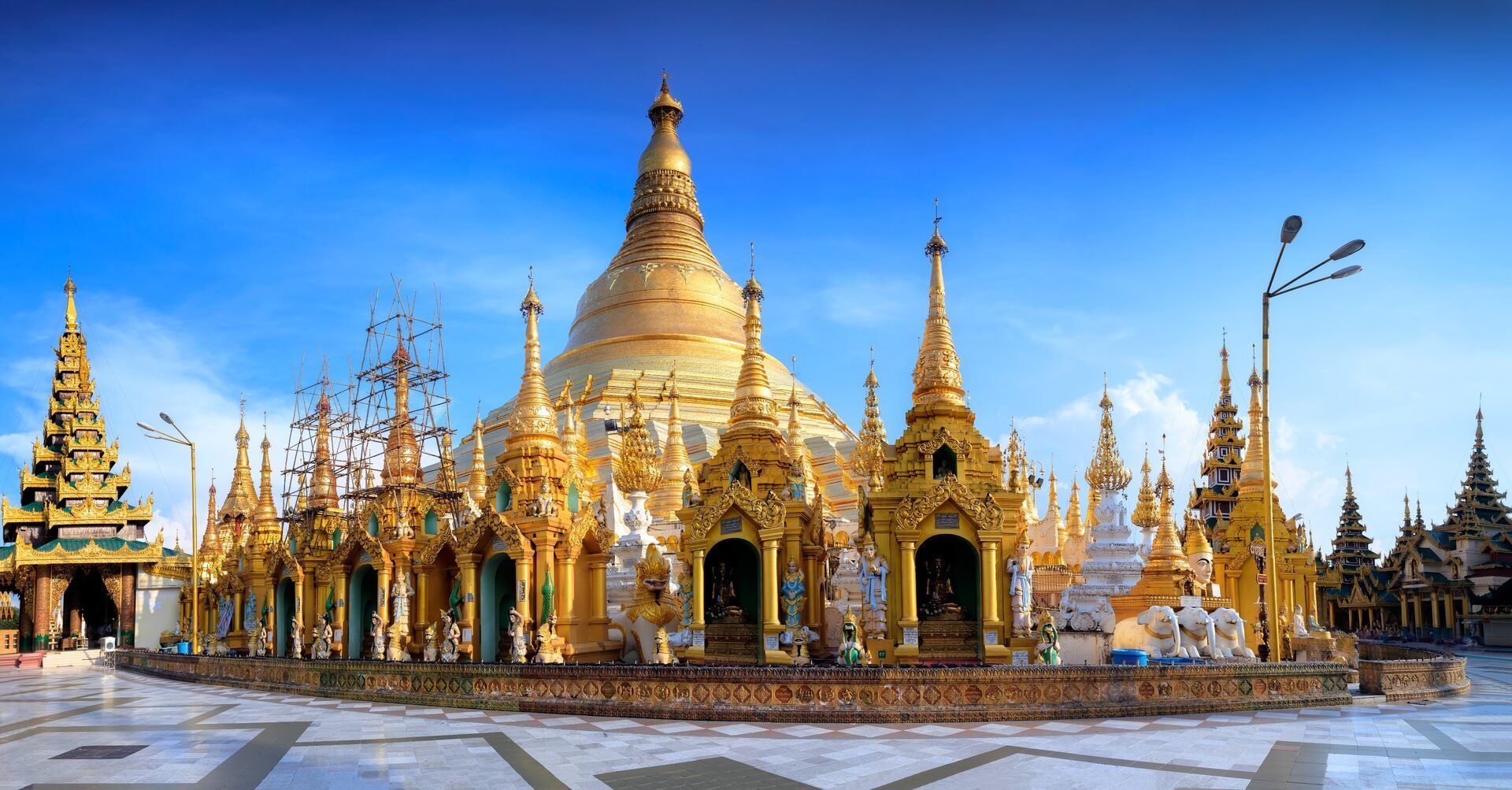
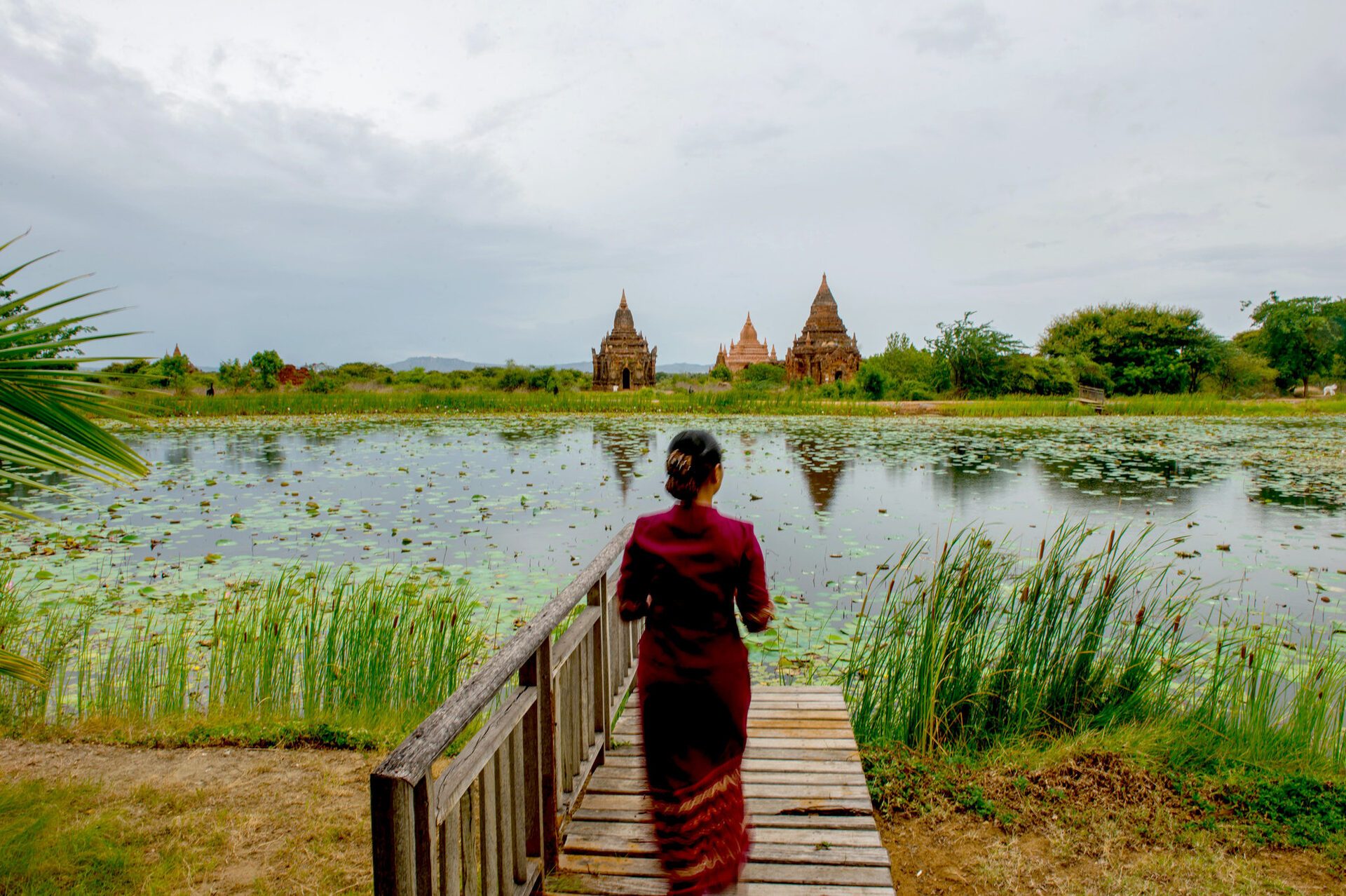
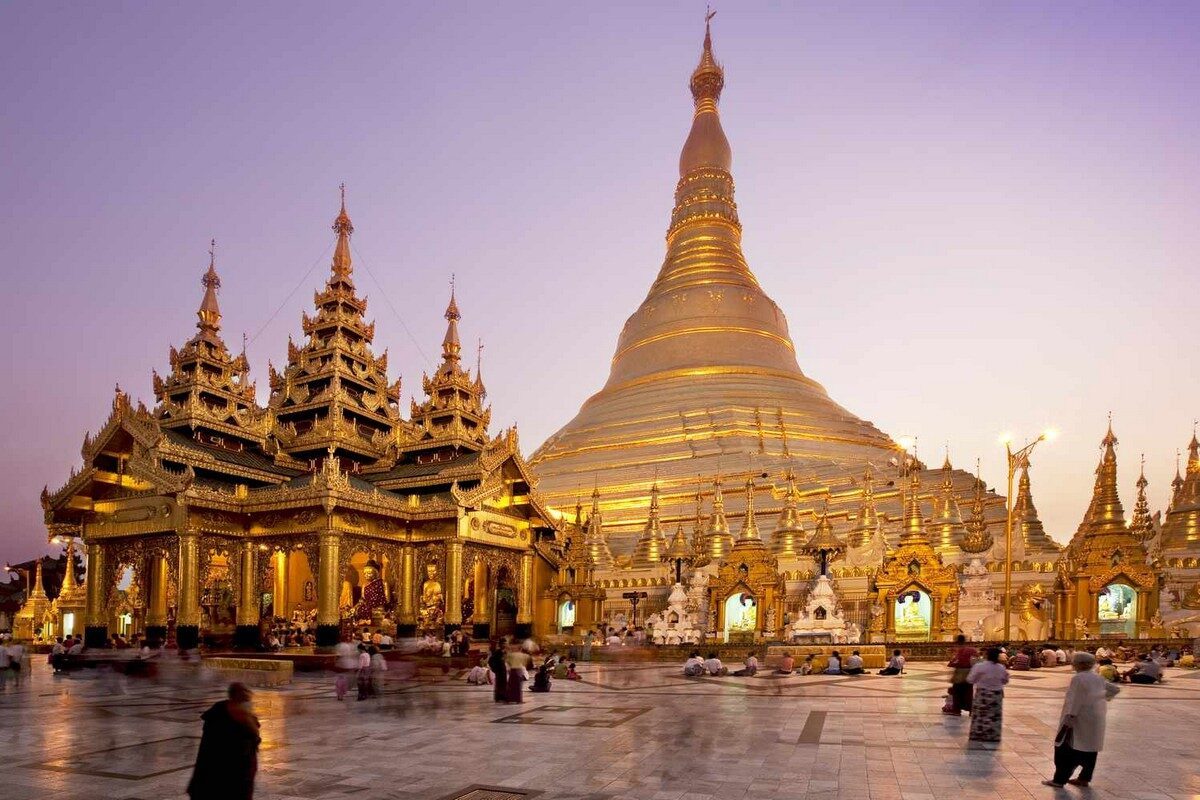
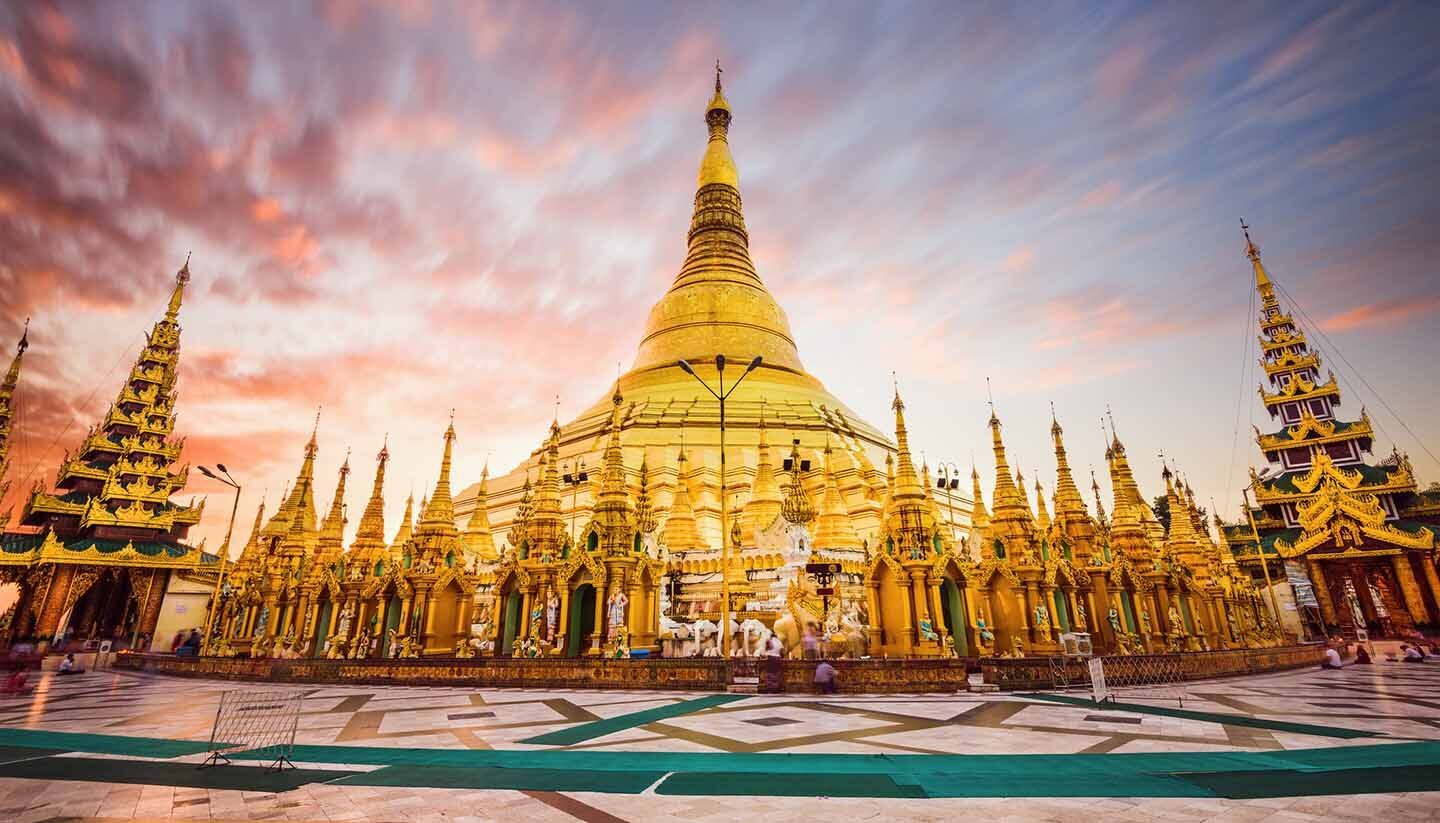
Myanmar offers some of Southeast Asia most remarkable sights - the 2,000+ temples of Bagan at sunrise, the floating villages of Inle Lake, and the golden Shwedagon Pagoda in Yangon. Tourism infrastructure has improved but remains basic outside main destinations. Internal flights are efficient; buses and trains are slower and less comfortable. The kyat is the currency; bring pristine US dollar bills for exchange (no tears, marks, or folds accepted). ATMs now exist but have withdrawal limits and fees. Dress modestly at religious sites (knees and shoulders covered). Note: The 2021 military coup has created an ongoing humanitarian crisis; check travel advisories and consider the ethics of visiting.
Current Travel Situation
United States to Myanmar: What You Need to Know
Myanmar's military (Tatmadaw) seized power in a coup on February 1, 2021, overthrowing the democratically elected government. The country has been in a state of civil war since then, with armed conflict in many regions including Sagaing, Chin, Karenni, Karen, and Shan states. Yangon and Mandalay see sporadic protests and security crackdowns. The US State Department advises against travel due to civil unrest, arbitrary enforcement of local laws, and limited ability to provide consular assistance. Travelers who proceed do so at significant personal risk.
How to Get There
Bangkok (Thailand) has many flight connections to Yangon (RGN) and Mandalay (MDL). Singapore, Kuala Lumpur, and Hong Kong also serve Myanmar. Land border crossings between Thailand and Myanmar are limited and some have been closed. Overland entry from China, India, or Laos requires special permits and is not straightforward for independent tourists.
Money & Banking
Myanmar uses the Kyat (MMK). USD cash is widely accepted and often preferred at guesthouses, hotels, and tourist sites. Post-coup, the banking system has been severely disrupted; ATMs frequently run out of cash and international cards may not work reliably. Bring sufficient USD cash. Exchange rates vary; licensed money changers in cities typically offer better rates than banks.
Practical Tips
If proceeding with travel despite the advisory: register with the US Embassy in Rangoon (Yangon) via the STEP program. Avoid politically sensitive areas and military installations. Do not photograph soldiers, checkpoints, or government buildings. Bagan (ancient temple city), Inle Lake, and the Mandalay Palace were the top attractions before the coup. Monitor the security situation closely; it changes rapidly by region.
Frequently Asked Questions
Is Myanmar safe to visit in 2024-2025?
The US State Department has issued a Level 4 "Do Not Travel" advisory for Myanmar following the 2021 military coup and ongoing civil war. Travel is strongly discouraged. Parts of the country are under active armed conflict. If you must travel, register with the US Embassy via STEP and avoid conflict zones.
How do I apply for a Myanmar e-visa?
Apply at evisa.moip.gov.mm at least 3 business days before travel. The fee is $50 for a tourist e-visa (single entry, 28 days). You need a passport scan, photo, and accommodation details. Note that the portal has experienced technical issues during the political crisis.
Can I use my credit card in Myanmar?
International credit and debit cards are unreliable due to banking disruptions since the 2021 coup. Many ATMs are frequently empty. Bring sufficient USD cash for your entire trip. USD is widely accepted at hotels and tourist sites.