Montenegro Visa RequirementsFor United States passport holders
US citizens can visit Montenegro without a visa for up to 90 days in a 180-day period. Montenegro is not a Schengen member, so these days do not count against your Schengen allowance.
Great news! United States passport holders can enter Montenegro without a visa for tourism or business purposes. You can stay up to 90 days.
No visa or application needed. Your US passport should be valid for the duration of your stay. There are no pre-registration requirements for Americans. Register at the local police station or municipality within 24 hours if staying privately (hotels do this automatically).
Entry Requirements
Passport Validity
6 months beyond date of entry
Blank Pages
2 blank pages required
Multiple Entry
Allowed
Work Permitted
No - requires work visa
Required Documents
Valid US Passport
Must be valid for at least 3-6 months beyond your planned departure date (varies by country)
Return or Onward Ticket
Proof of departure from the country, such as a return flight or onward travel booking
Proof of Accommodation Recommended
Hotel reservation, Airbnb booking, or address where you will be staying
Proof of Sufficient Funds Recommended
Credit cards, bank statements, or cash to cover expenses during your stay
Travel Insurance Recommended
Recommended for all international travel covering medical emergencies
Travel Essentials
Health & Safety
Safety Rating
Vaccinations
Routine vaccinations.
Tap Water
Safe to drink
Safety Tips
Montenegro is safe for tourists. Standard precautions apply in cities. Mountain roads require careful driving.
Money & Costs
Currency
€ Euro (EUR)
Daily Budget (USD)
Budget: $40 · Mid: $100 · Luxury: $300+
Tipping
Round up or 10% for good service.
Practical Info
Power
Type C, F, 230V
Driving
Right side
Emergency
112 (all emergencies)
Getting There
Main Airports
Podgorica (TGD) · Tivat (TIV)
Culture & Travel Tips
Best Time to Visit
Montenegro is ideal for coastal visits from May to September, with July and August being peak beach season along the stunning Bay of Kotor and Budva Riviera. Spring (April-June) and autumn (September-October) offer pleasant temperatures for exploring the UNESCO-listed Kotor old town and mountain regions with fewer crowds. The Durmitor National Park is best from June to September for hiking; winter (December-March) brings skiing at Kolasin. The mountains can be cold year-round at altitude. The Bay of Kotor is spectacular in any season, though summer brings cruise ship crowds to Kotor.
Cultural Notes
Montenegro gained independence from Serbia in 2006 after a referendum that passed by the slimmest margin. The tiny nation has a distinct identity shaped by its mountainous terrain (the name means Black Mountain) and history of resistance. Serbian Orthodox Christianity predominates, with beautiful monasteries like Ostrog carved into cliffsides. Montenegrins share cultural ties with Serbia but increasingly cultivate their own identity. The coast has Venetian influences, while the interior is rugged and traditional. Montenegrins are proud, hospitable, and known for a relaxed approach to time. Football and water polo are popular sports. The country is working toward EU membership, with tourism driving economic growth.
Insider Tips
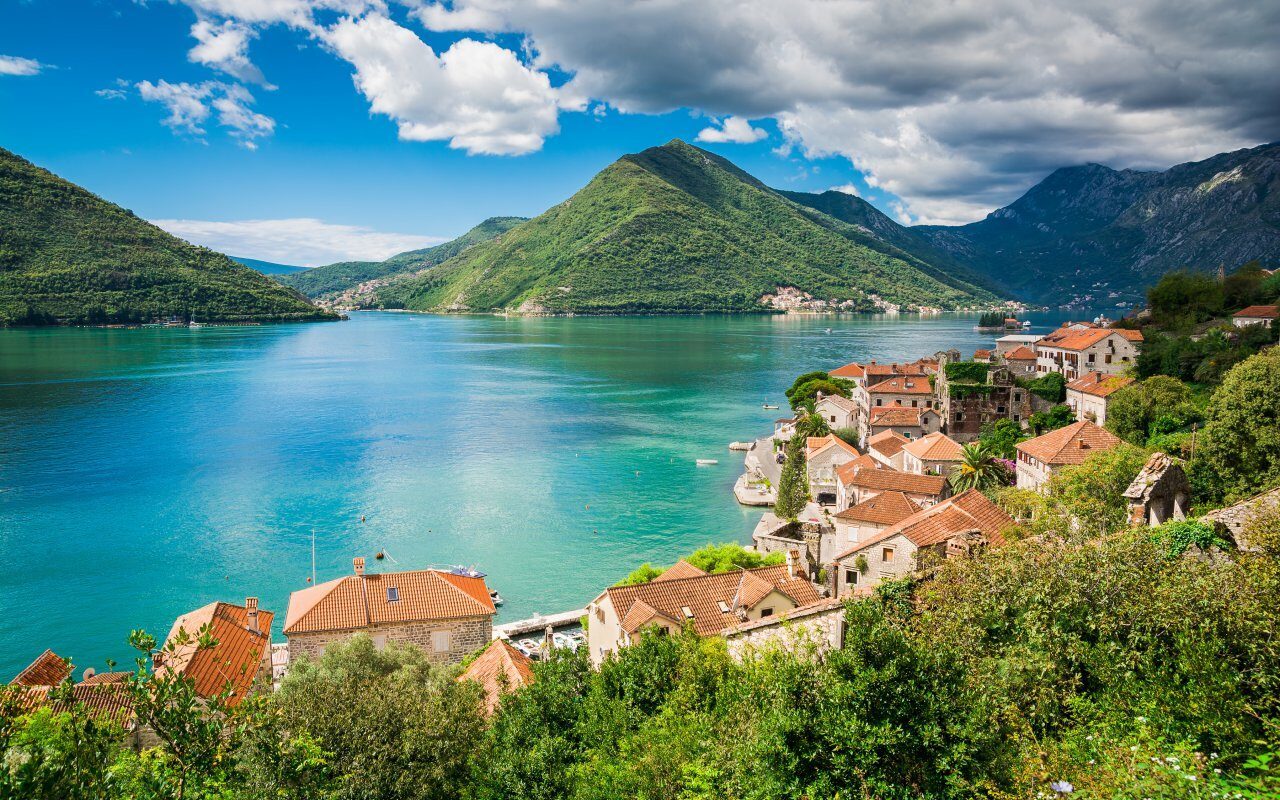
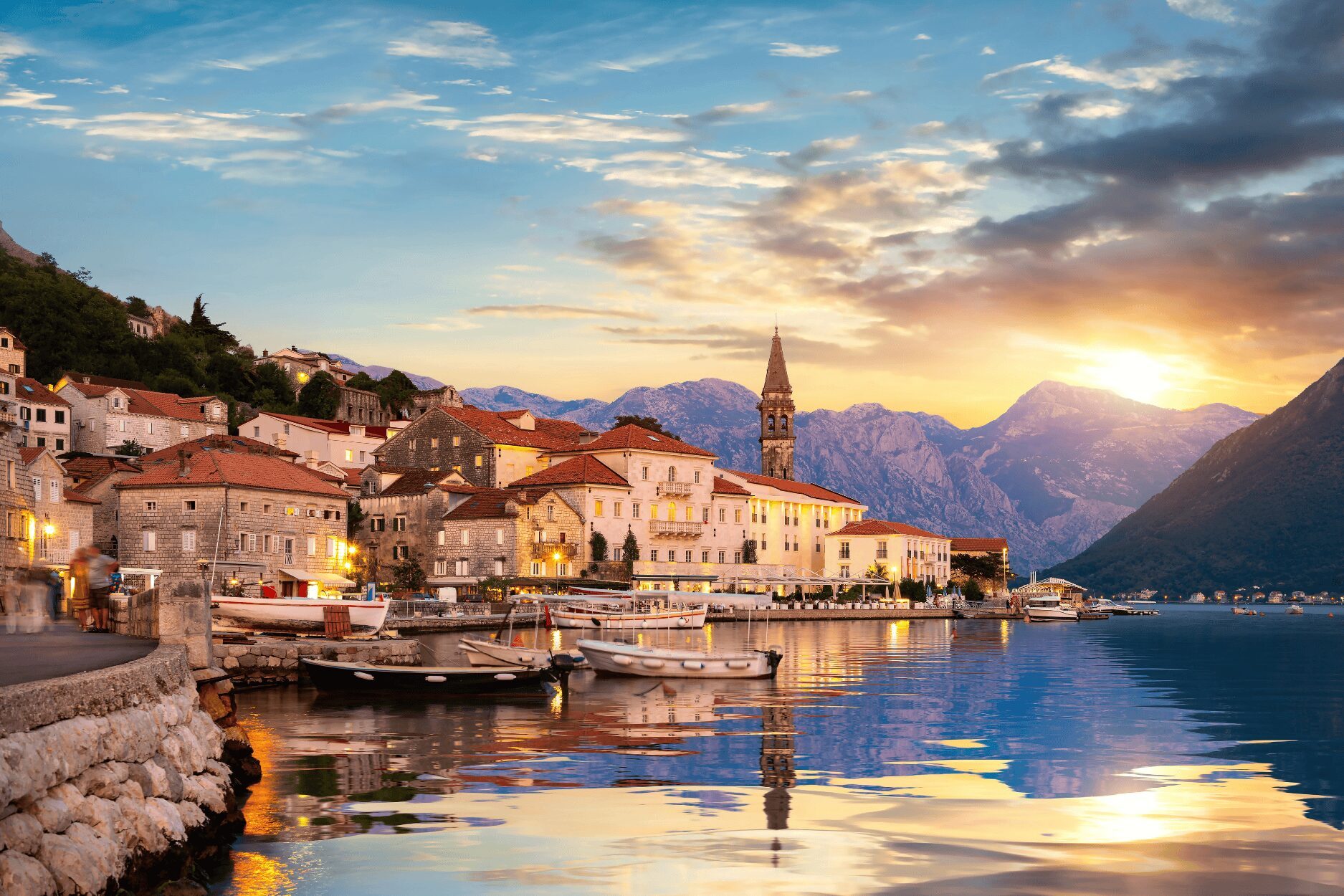
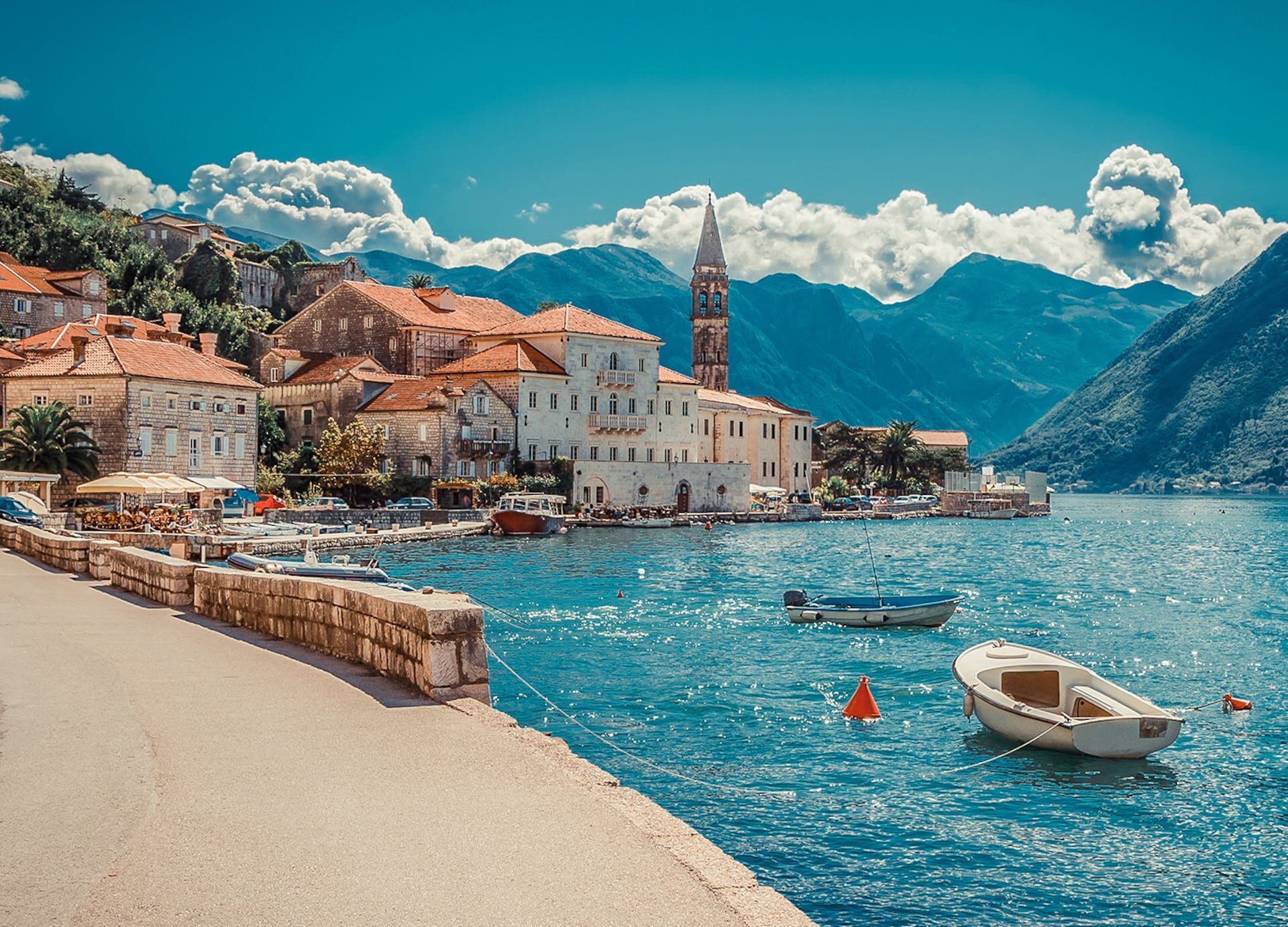
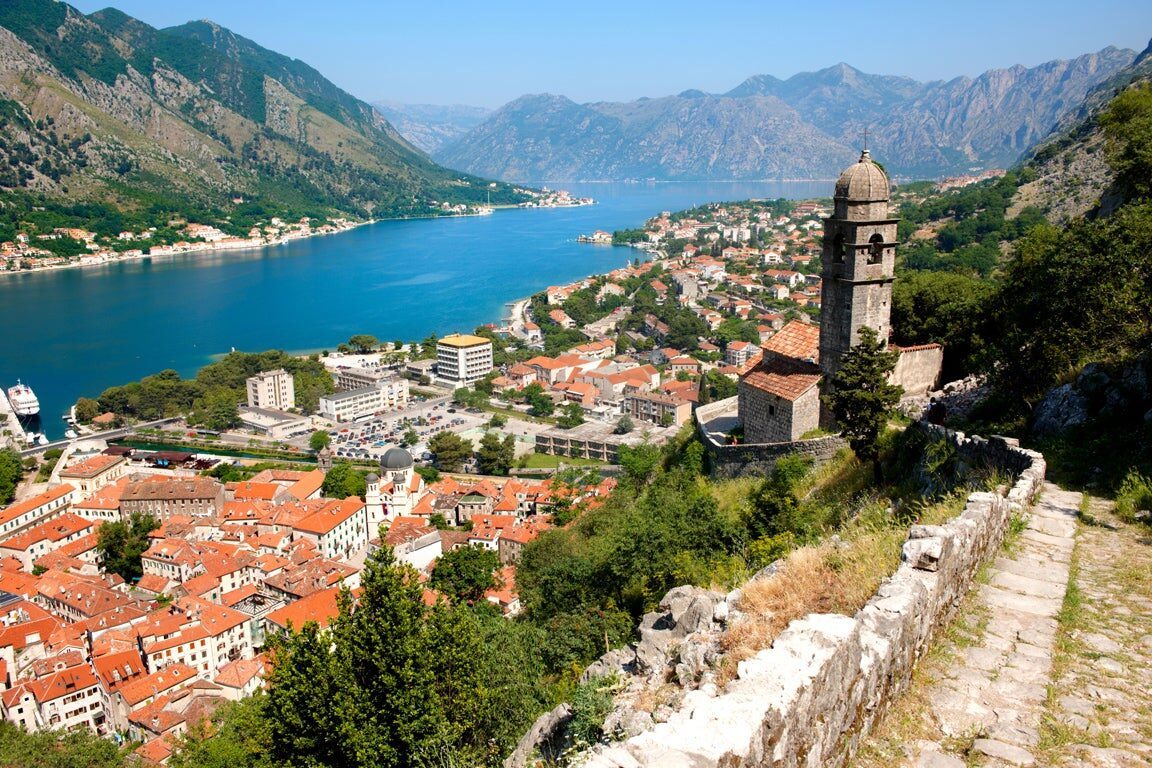
Montenegro packs dramatic scenery into a tiny country - the Bay of Kotor rivals Norwegian fjords, Durmitor offers alpine adventures, and the Adriatic coast has charming medieval towns and beaches. Kotor old town is the highlight, with Venetian architecture and fortress walls climbing the mountainside. Budva is the party hub; quieter Perast offers elegance. Rent a car to explore - roads are winding but scenic. The coastal road from Kotor to Dubrovnik (Croatia) is one of Europes great drives. Montenegro uses the Euro despite not being in the EU. English is widely spoken. Seafood and grilled meats are staples; try Njeguski prsut (smoked ham) from the mountains.
Current Travel Situation
United States to Montenegro: What You Need to Know
Montenegro is a small Balkan country on the Adriatic coast, an EU candidate country and NATO member. Its airport at Podgorica (TGD) and the coastal airport at Tivat (TIV) serve European routes. Dubrovnik (Croatia, Schengen) is just 2-3 hours by bus from Kotor, making a combined Croatia-Montenegro trip very popular. Montenegro uses the Euro despite not being an EU member (unilateral adoption). It borders Croatia, Bosnia-Herzegovina, Serbia, Kosovo, and Albania.
How to Get There
Dubrovnik (Croatia) to Kotor (Montenegro) is one of the most scenic coastal drives or bus rides in the Balkans (2-3 hours). Split to Kotor buses run daily. Belgrade to Podgorica takes about 10 hours by bus. Albanian Riviera to Montenegro is possible by crossing at Muriqan-Sukobin border for an Adriatic coast road trip.
Money & Banking
Montenegro uses the Euro (EUR) unilaterally; no currency exchange needed from most EU travel. ATMs are available in cities and tourist areas; card acceptance is growing but cash is preferred in rural areas and small towns. Montenegro is moderately priced: more expensive than Albania and North Macedonia but cheaper than Croatia. Kotor Bay accommodation is pricier in peak summer (July-August).
Practical Tips
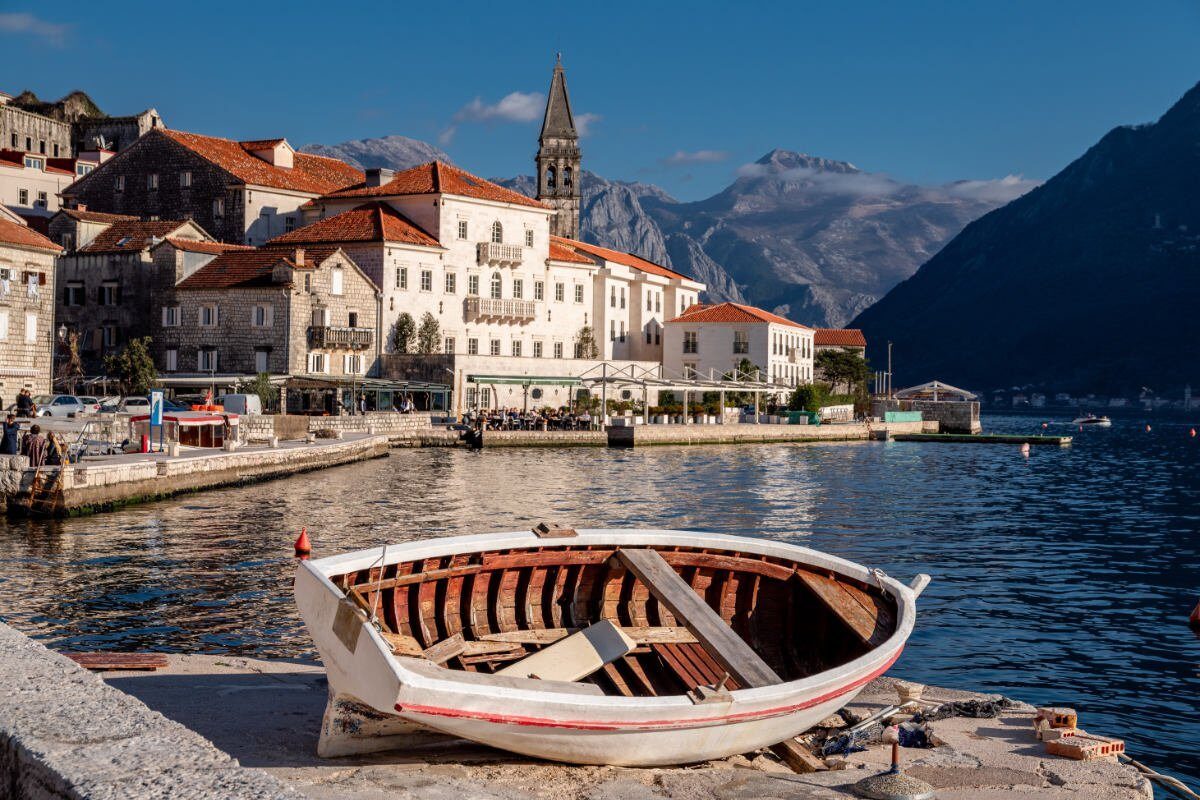
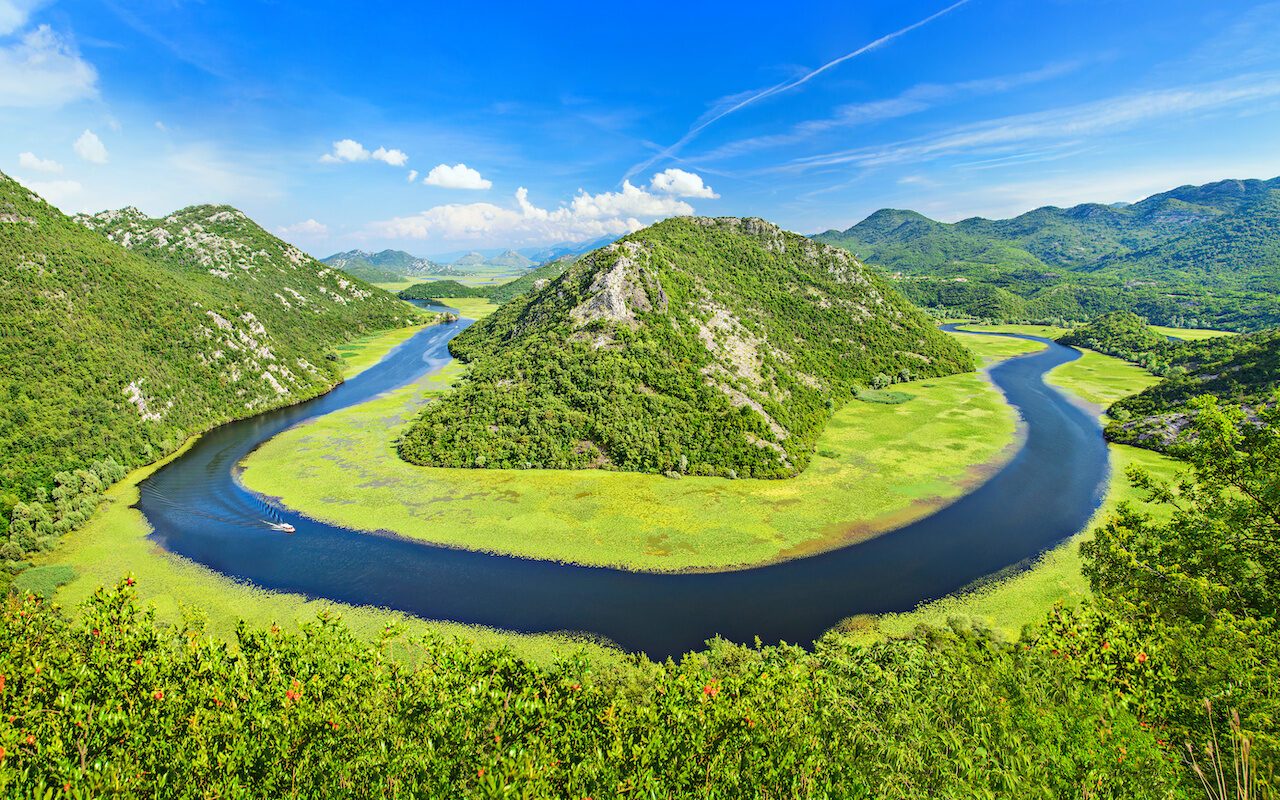
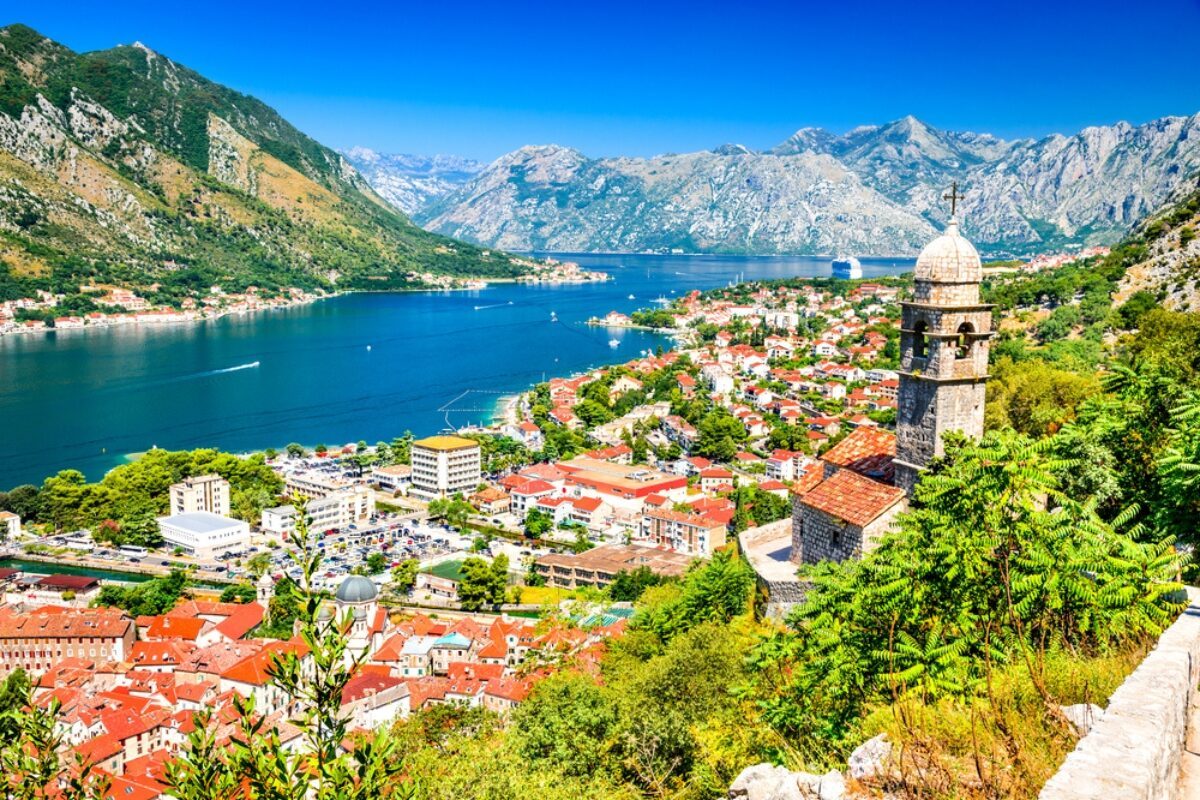
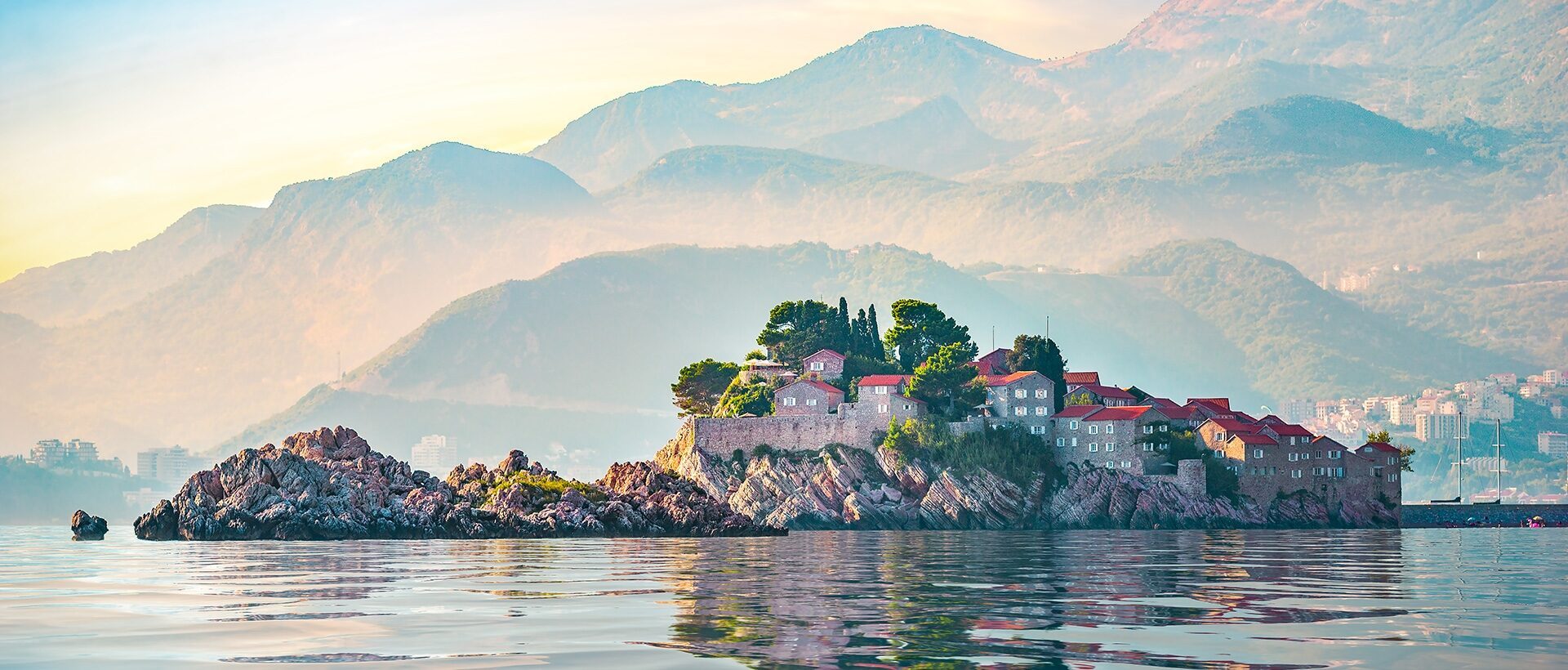
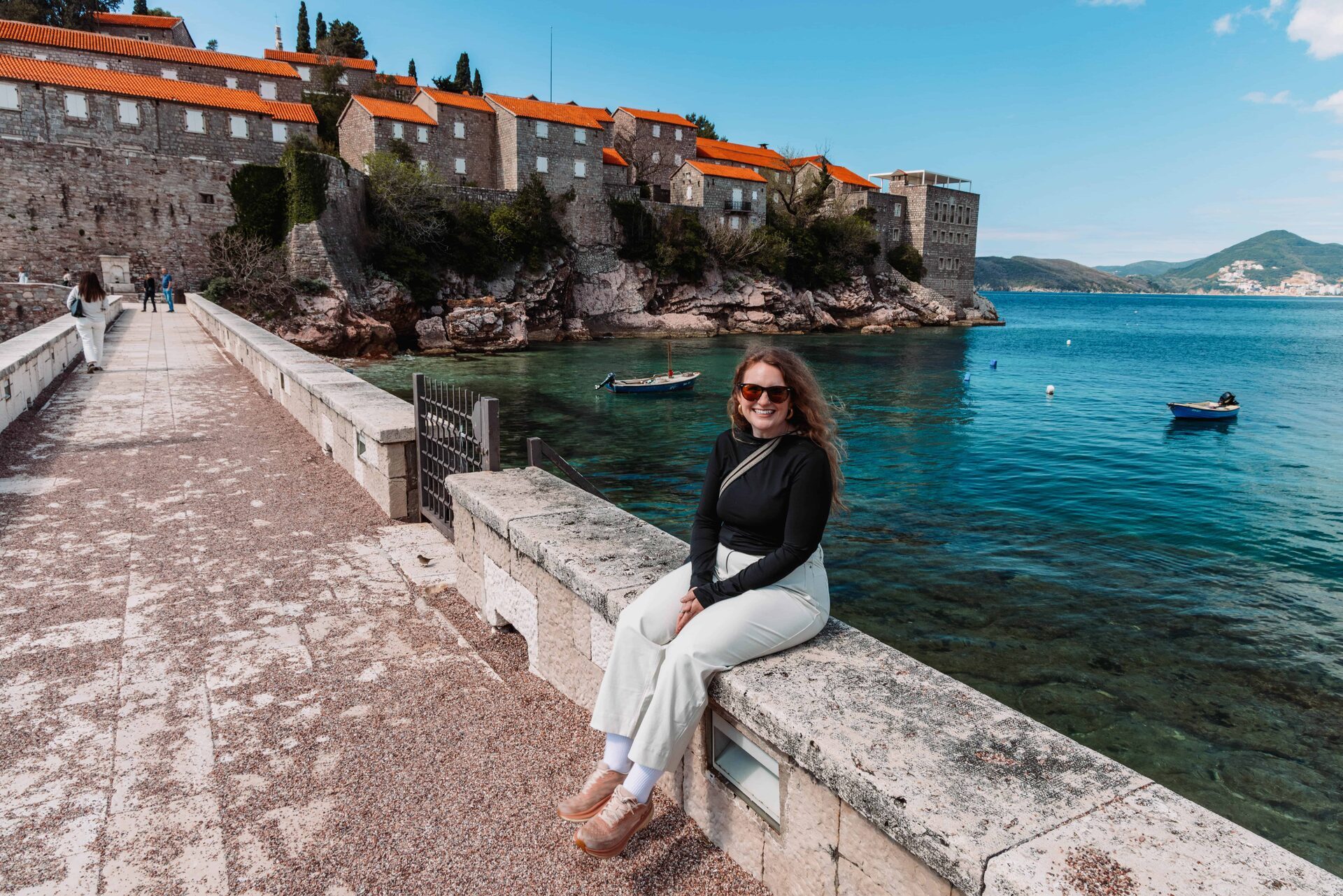
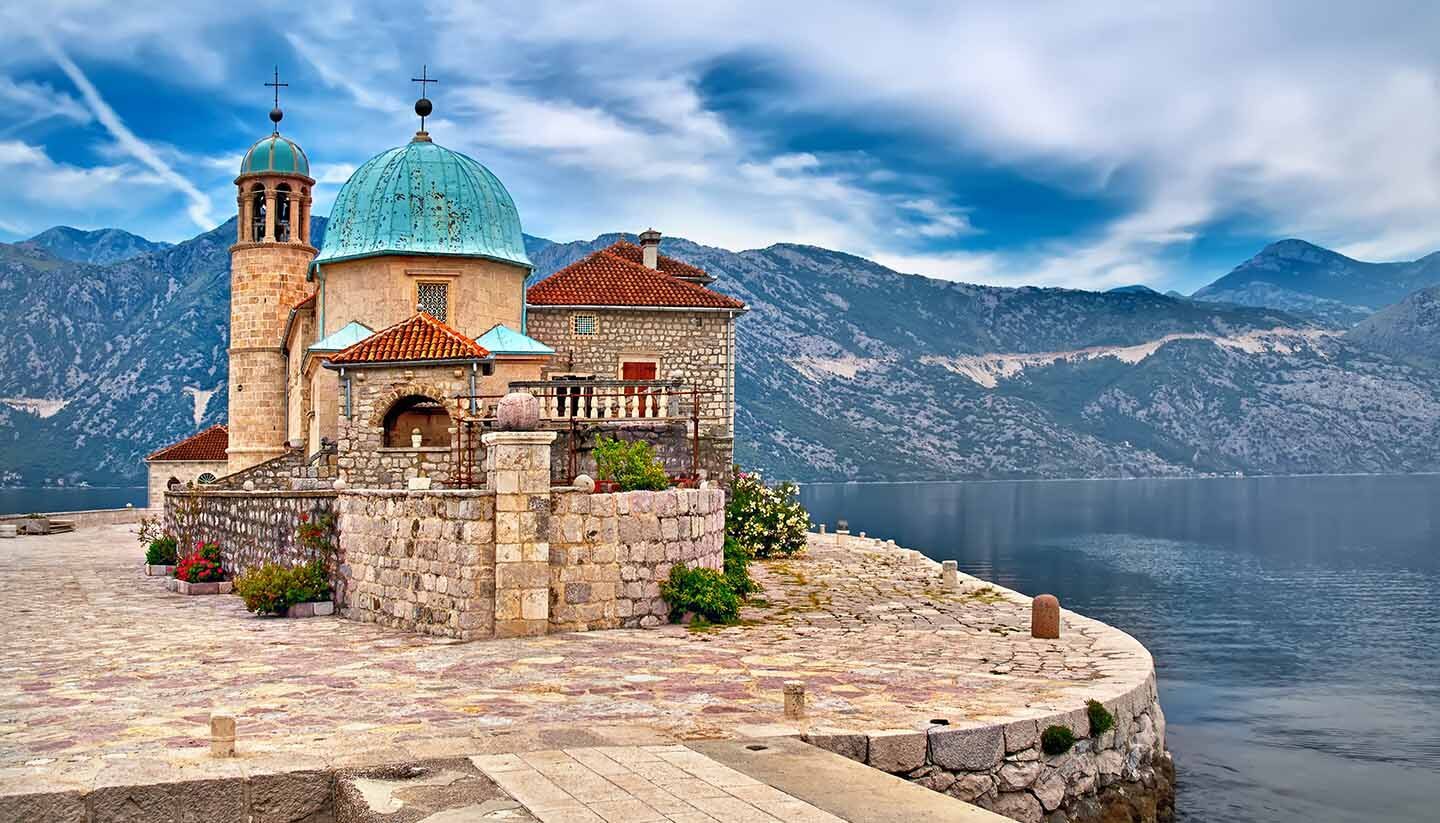
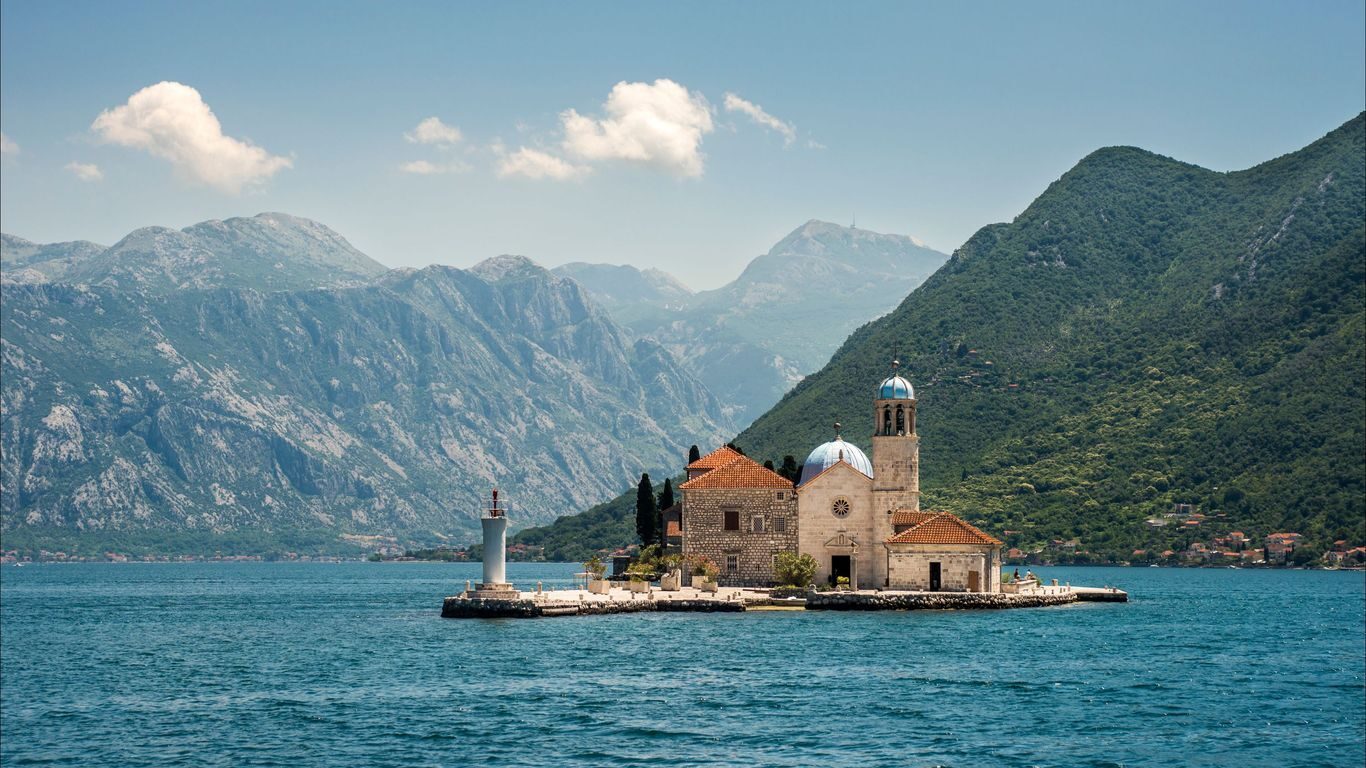
Kotor's UNESCO-listed medieval walled city is breathtaking; the walls climb steeply up Mount Lovcen for panoramic bay views. Perast and its two island churches in Kotor Bay are postcard-perfect. Durmitor National Park in the north features dramatic mountain scenery, the Tara River Canyon (Europe's deepest), and excellent trekking. The Sveti Stefan island resort is one of the Adriatic's most photographed spots. The beach towns of Budva and Ulcinj cater to summer tourism.
Frequently Asked Questions
Can I combine Montenegro with Croatia in one trip?
Yes, very easily. Dubrovnik (Croatia) is just 2–3 hours by bus from Kotor, Montenegro. Both countries allow US citizens visa-free for 90 days. Note that Croatia is Schengen while Montenegro is not, so their day counts run on separate 90/180-day clocks.
Does Montenegro use the Euro?
Yes. Montenegro adopted the Euro unilaterally (not as an EU member), so the Euro is the official currency. No currency exchange is needed from Eurozone travel.
Is Montenegro safe?
Yes, Montenegro is generally very safe for tourists. Kotor, Budva, and Podgorica are all tourist-friendly. Take standard precautions in nightlife areas. The country has a low violent crime rate.