Mongolia Visa RequirementsFor United States passport holders
US citizens can visit Mongolia visa-free for up to 90 days. No advance application is required.
Great news! United States passport holders can enter Mongolia without a visa for tourism or business purposes. You can stay up to 90 days.
No visa is needed. Your US passport should be valid for at least 6 months beyond your intended departure. Keep your entry registration card (provided on arrival) safe; you will need it on departure. US citizens staying over 30 days must register with the General Authority for Border Protection (GABP) in Ulaanbaatar within 7 days of arrival (hotels register guests automatically).
Entry Requirements
Passport Validity
6 months beyond date of entry
Blank Pages
1 blank page required
Multiple Entry
Allowed
Work Permitted
No - requires work visa
Entry Conditions
Passport valid for at least 6 months beyond entry date.
Fines of approximately $200 plus $10-30 per day overstayed.
Required Documents
Valid US Passport
Must be valid for at least 3-6 months beyond your planned departure date (varies by country)
Return or Onward Ticket
Proof of departure from the country, such as a return flight or onward travel booking
Proof of Accommodation Recommended
Hotel reservation, Airbnb booking, or address where you will be staying
Proof of Sufficient Funds Recommended
Credit cards, bank statements, or cash to cover expenses during your stay
Travel Insurance Recommended
Recommended for all international travel covering medical emergencies
Travel Essentials
Health & Safety
Safety Rating
Vaccinations
Hepatitis A and B, Typhoid, Rabies, and routine vaccinations.
Tap Water
Bottled water recommended
Safety Tips
Mongolia is very safe with low crime. Ulaanbaatar requires standard urban precautions. Pickpocketing can occur in crowded markets. Rural areas are extremely safe but remote.
Money & Costs
Currency
₮ Mongolian Tugrik (MNT)
Daily Budget (USD)
Budget: $40 · Mid: $80 · Luxury: $200+
Tipping
Tipping not traditional but appreciated by guides and drivers. 10% at upscale restaurants.
Practical Info
Power
Type Type C/E, 220V, 50Hz
Driving
Right side
Emergency
102 (police), 103 (ambulance), 101 (fire)
Getting There
Main Airports
Ulaanbaatar (UBN)
Culture & Travel Tips
Best Time to Visit
Mongolia has extreme continental climate with harsh winters and pleasant summers. The best time to visit is June through August when the steppe is green, nomads hold Naadam Festival, and temperatures are comfortable (20-25°C/68-77°F). The Naadam Festival in July showcases the "three manly sports" of wrestling, archery, and horse racing. September offers beautiful autumn colors with fewer tourists. Winters (November-March) are brutally cold, reaching -40°C (-40°F), though the Gobi is accessible for adventurous visitors. The Gobi Desert is hot in summer but manageable with early starts. Spring (April-May) can bring dust storms.
Cultural Notes
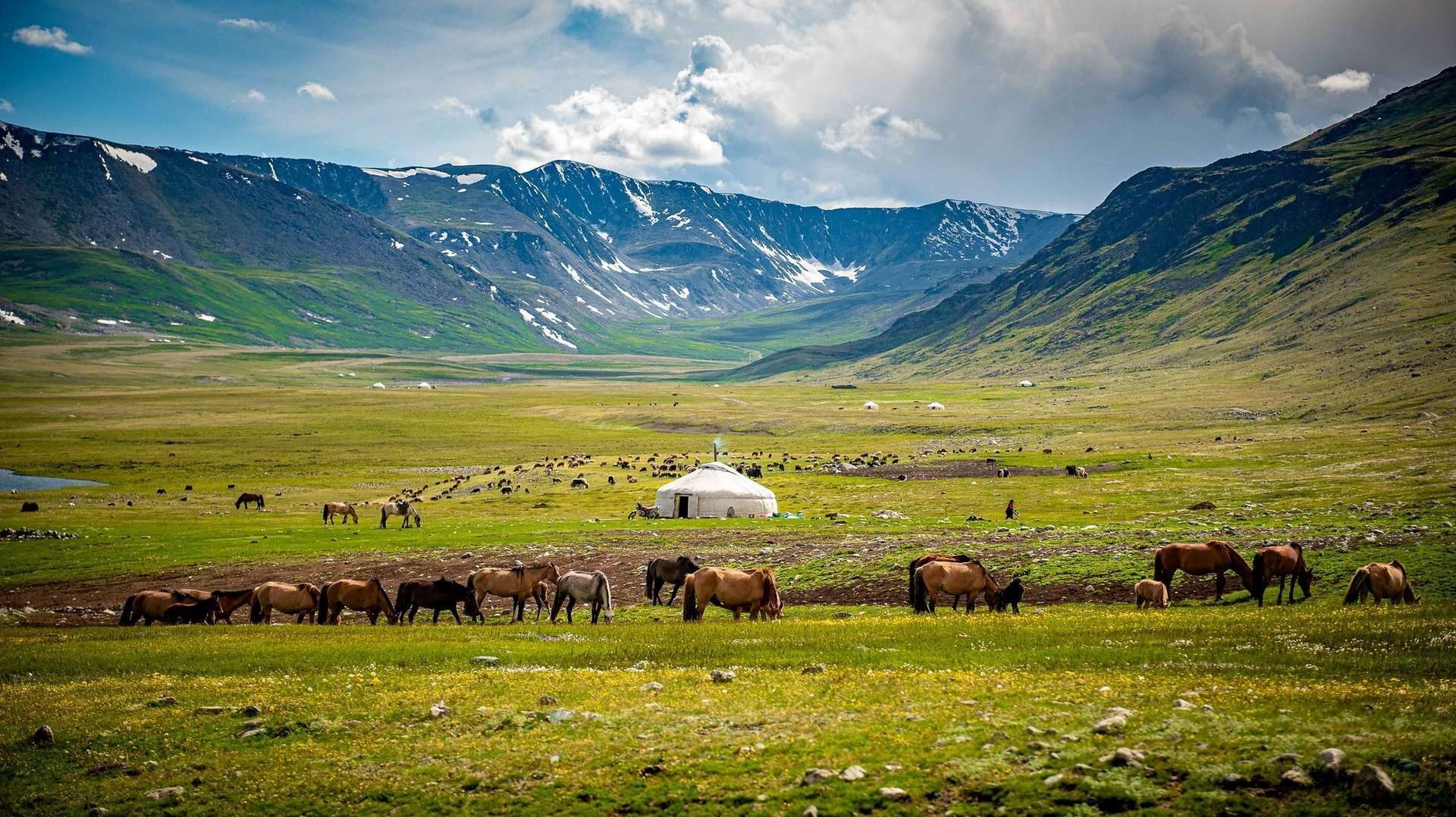
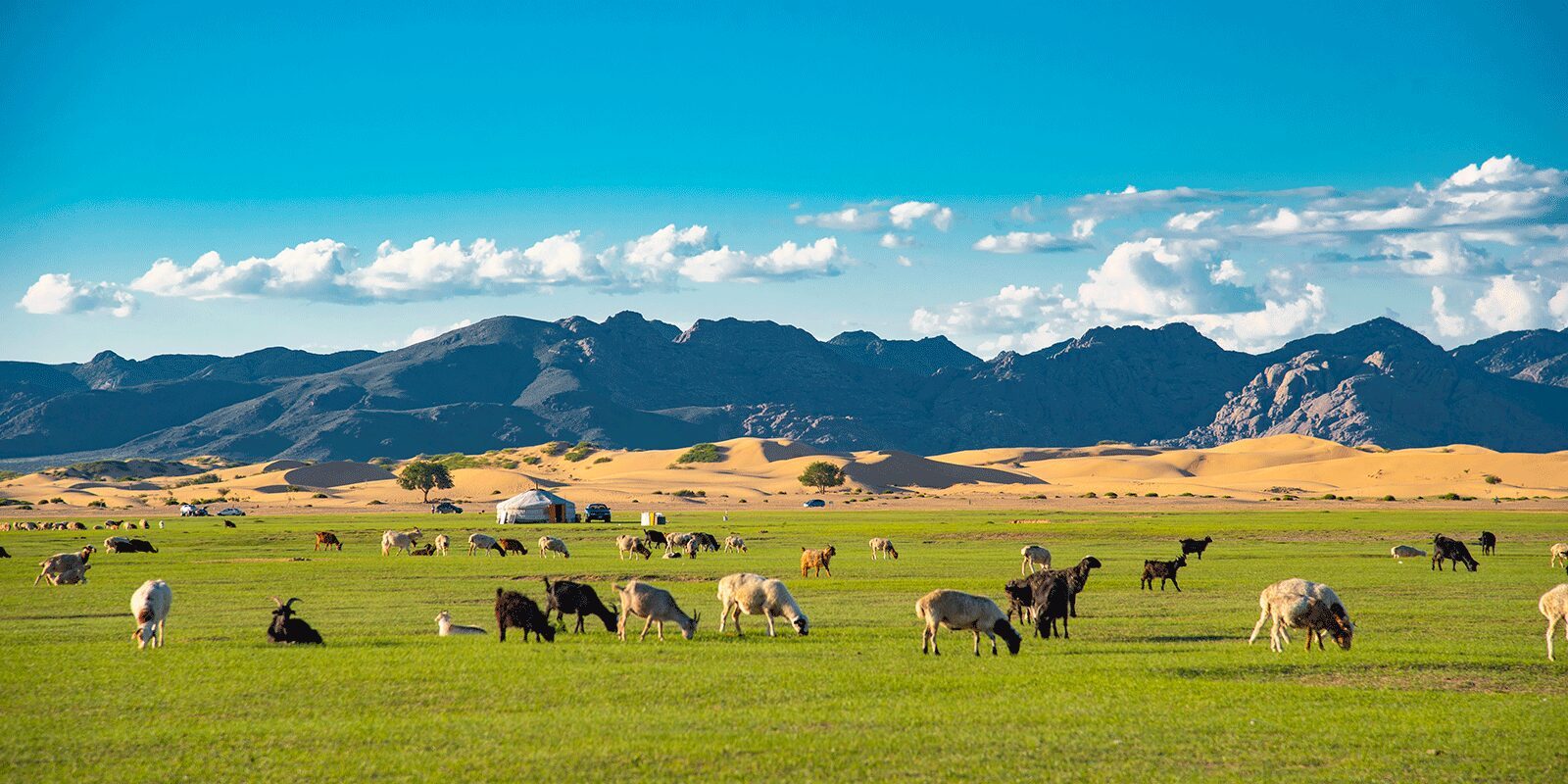
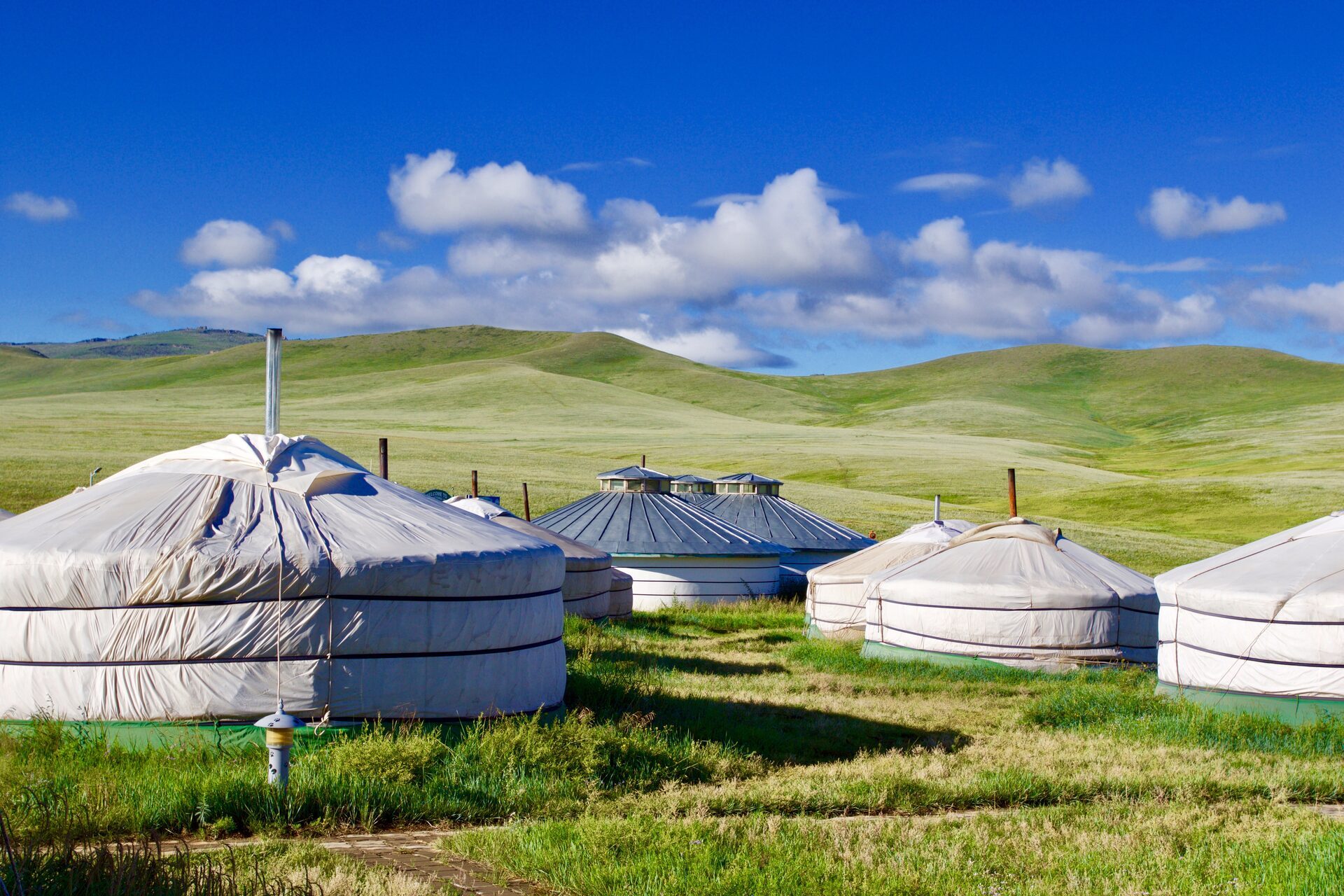
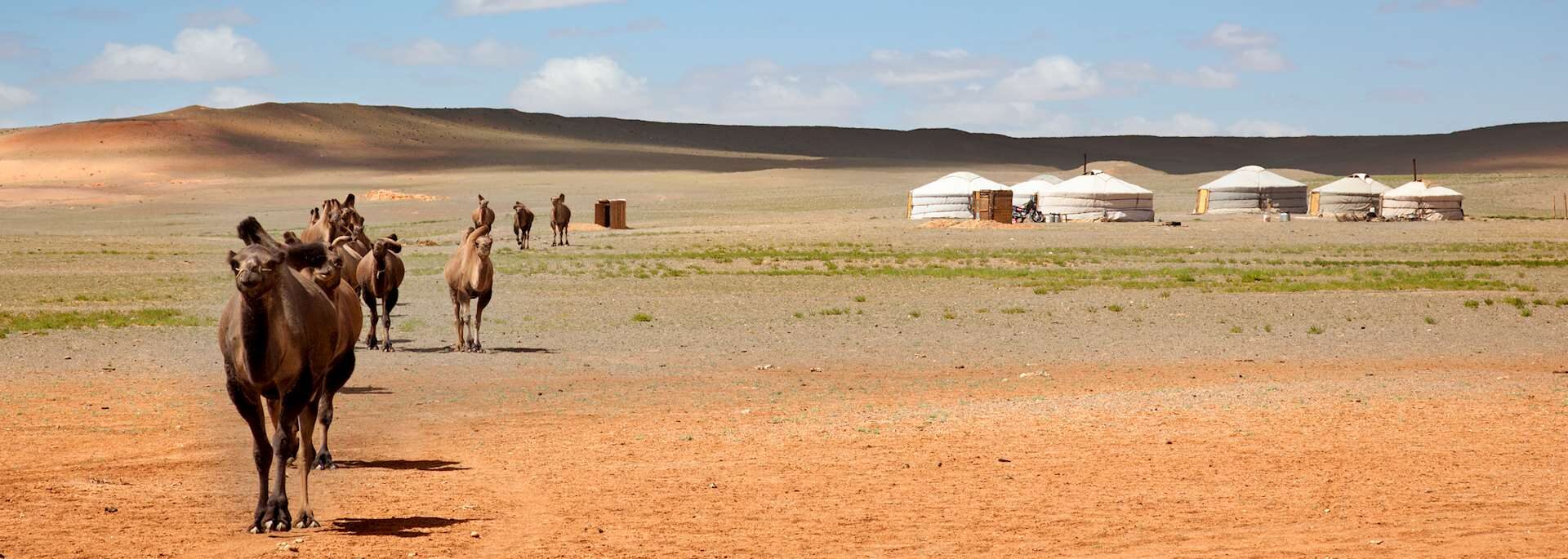
Mongolian culture remains rooted in the nomadic traditions that produced Genghis Khan and the largest contiguous empire in history. About 30% of the population still lives nomadically, moving with their livestock across the steppe as seasons change. The ger (yurt) is the home, and hospitality to travelers is deeply ingrained - refusing offered food or drink is offensive. Buddhism, suppressed under Soviet influence, has revived since 1990, with monasteries rebuilt and monks returning. Shamanic traditions also persist. Horse culture is paramount - Mongolian children often learn to ride before they walk. The Naadam Festival celebrates national identity through traditional sports. Mongolians are proud of their heritage but also pragmatic, having transitioned from communism to democracy and market economy since 1990.
Insider Tips
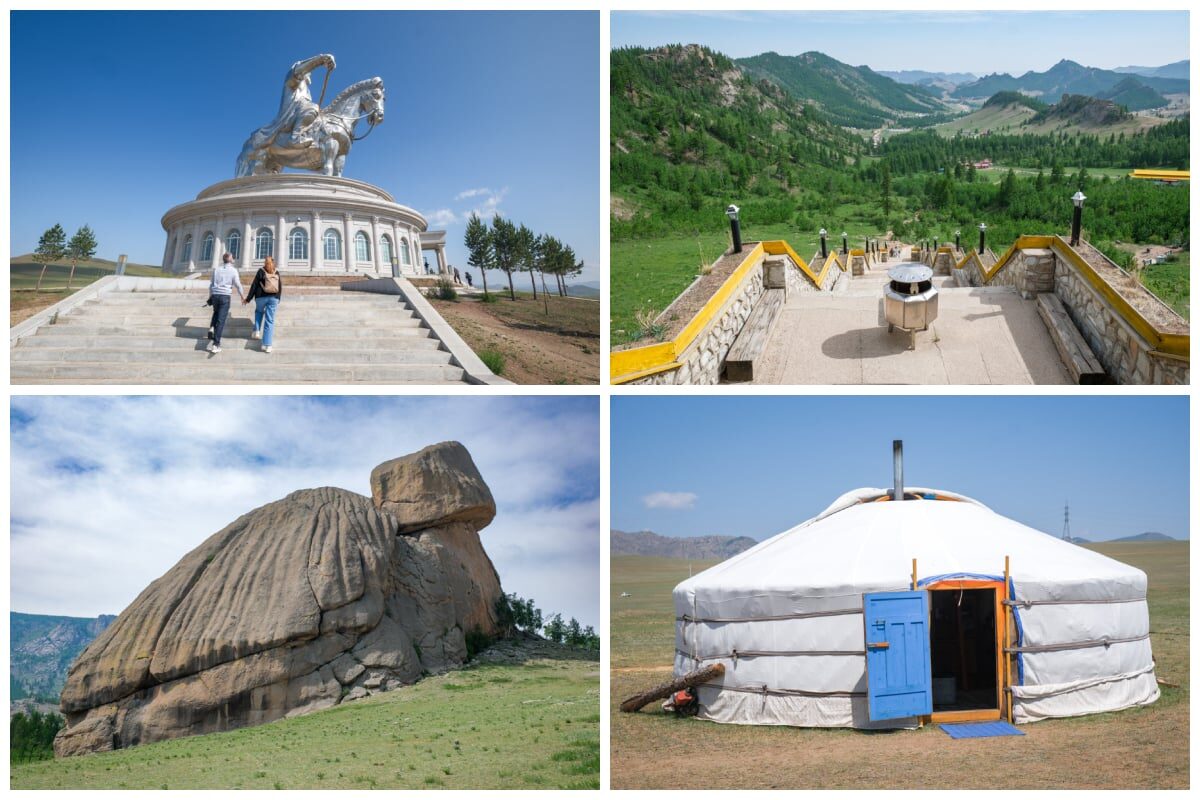
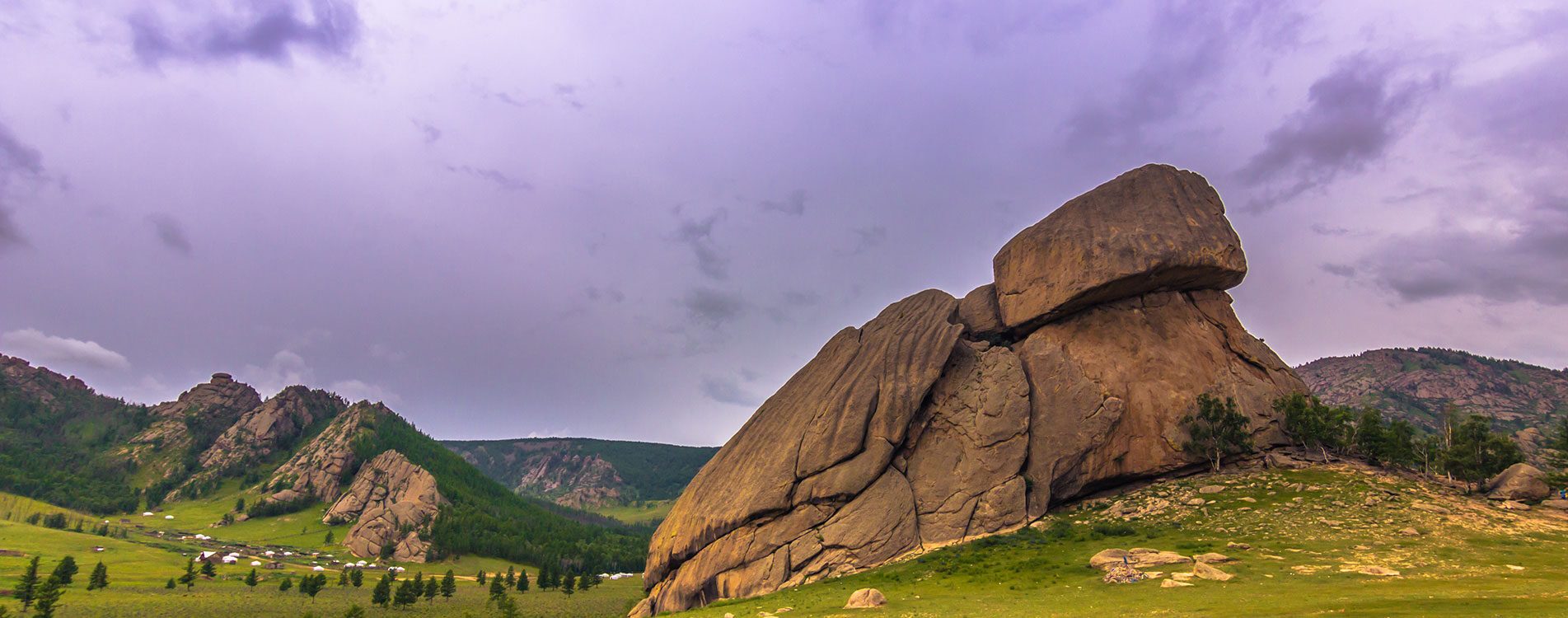
Mongolia is one of the worlds last great wilderness destinations - endless steppe, nomadic culture, and Genghis Khans legacy. Ulaanbaatar is the chaotic capital; escape quickly to the countryside. The Gobi Desert offers dinosaur fossils, sand dunes, and stark beauty. Khuvsgul Lake is Mongolia answer to Siberia. Terelj National Park near UB provides accessible ger camp experiences. Most travel outside the capital requires 4WD vehicles and experienced drivers - infrastructure is minimal, and distances are vast. Staying with nomadic families in their gers (yurts) is the quintessential experience. The tugrik is the currency; bring sufficient cash. Russian and English are somewhat spoken. Try airag (fermented mare milk) and buuz (dumplings).
Current Travel Situation
United States to Mongolia: What You Need to Know
Mongolia and the United States have a visa exemption agreement allowing US citizens to stay for up to 90 days without a visa. Ulaanbaatar (ULN) is the only international airport with connections from Beijing (PEK), Seoul (ICN), Moscow (SVO), Tokyo (NRT), Istanbul (IST), and a few other cities. There are no direct flights from the US; Beijing and Seoul are the most common connection hubs. Mongolia is a vast, sparsely populated country (the world's most sparsely populated sovereign state) with extraordinary nomadic culture, steppe landscapes, and the Gobi Desert.
How to Get There
Beijing (China) to Ulaanbaatar: the Trans-Mongolian Railway is a legendary rail journey (30 hours). The Trans-Siberian route from Moscow to Ulaanbaatar via Irkutsk (Lake Baikal) is another iconic overland option (3-4 days by train). Seoul (ICN) has several weekly direct flights to Ulaanbaatar. Summer (June-August) is peak season for the Naadam festival and steppe travel.
Money & Banking
Mongolia uses the Mongolian Tugrik (MNT). USD is widely accepted in Ulaanbaatar and tourist areas. ATMs are available in the capital; rural areas are cash-only. Mongolia is moderately priced: mid-range restaurant meals in Ulaanbaatar cost $5-15. Ger (yurt) camp stays in the steppe typically cost $50-100/person/night including meals. Credit cards are accepted at larger hotels and some restaurants in Ulaanbaatar.
Practical Tips
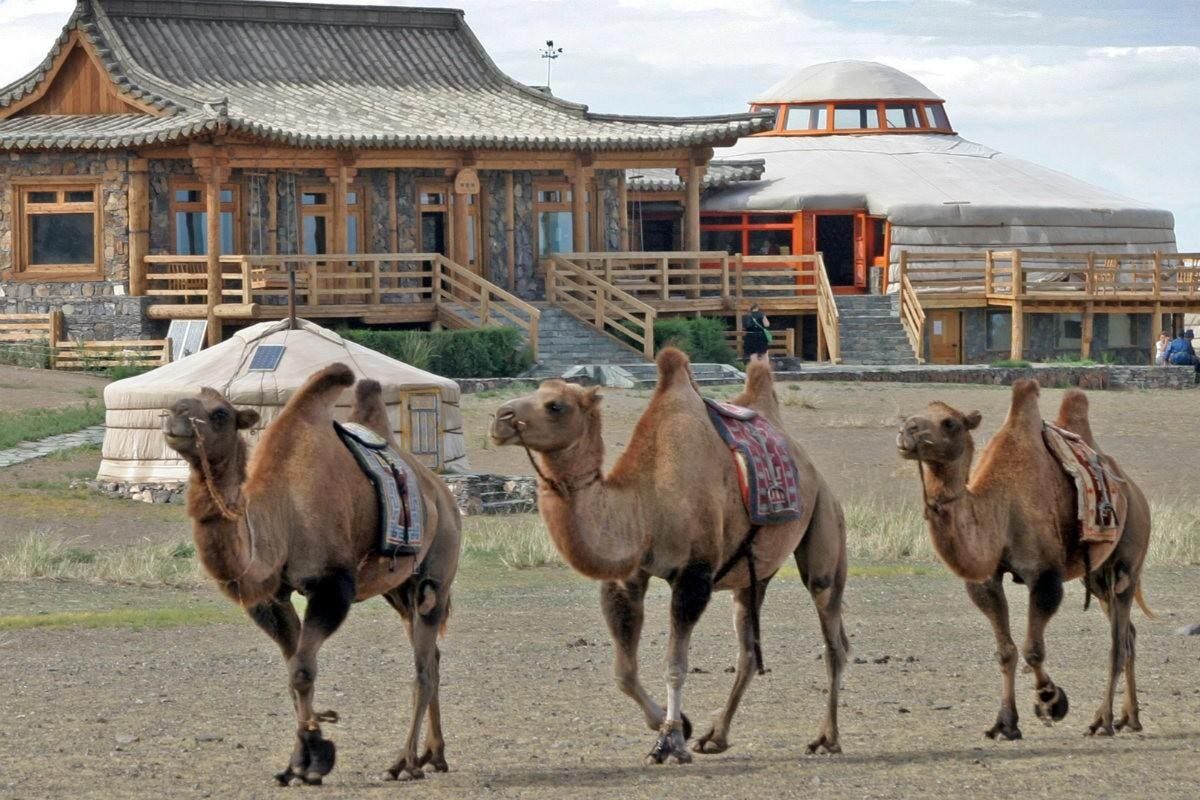
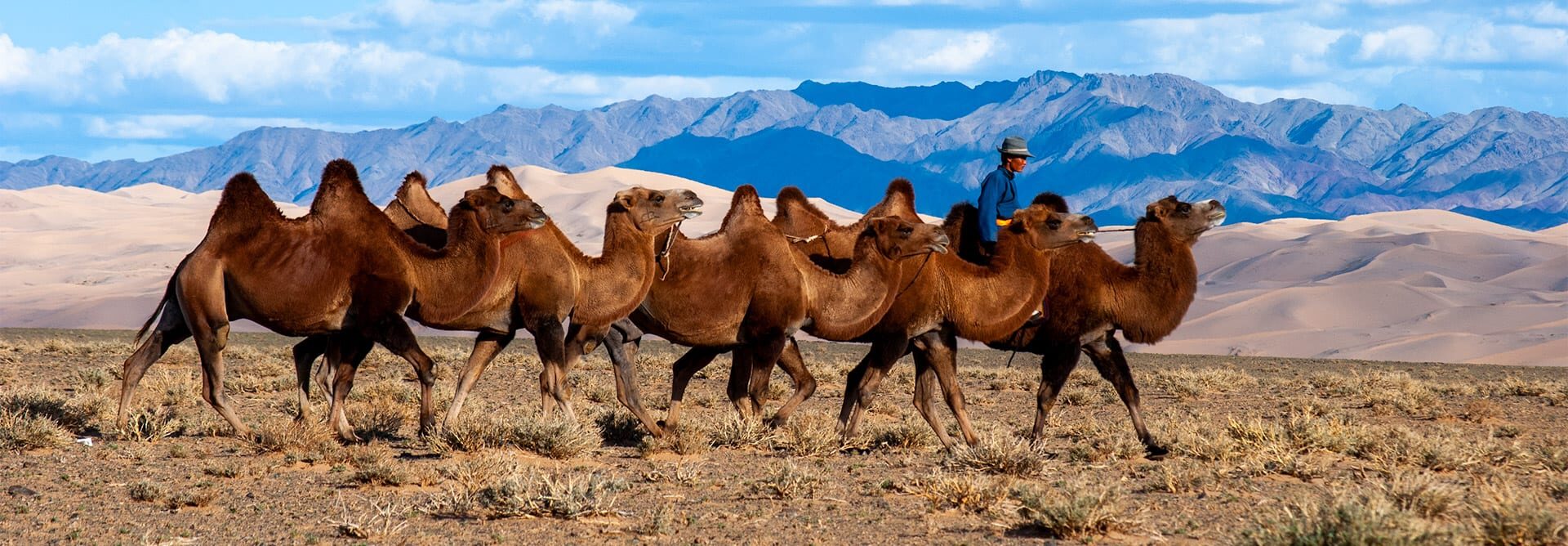
Naadam (July 11-13) is Mongolia's national festival celebrating the Three Manly Games: wrestling, archery, and horse racing, an extraordinary cultural experience. The Gobi Desert offers camel trekking, sand dunes (Khongoryn Els), and dinosaur fossil sites. The Orkhon Valley (UNESCO) is the heartland of the Mongol Empire. Staying in a ger (yurt) with a nomadic family is a highlight that requires advance arrangement through a local tour agency.
Frequently Asked Questions
How do I get from the US to Mongolia?
There are no direct flights from the US to Mongolia. The most common routes are via Seoul Incheon (ICN) on Korean Air or MIAT Mongolian Airlines, or via Beijing (PEK). The Trans-Mongolian Railway from Beijing to Ulaanbaatar (30 hours) is a famous overland alternative.
What is the best time to visit Mongolia?
Summer (June to August) is peak season -- the Naadam festival (July 11-13) is a highlight. Weather is warm and the steppe is green. Spring and autumn are also good. Winters are extremely cold (temperatures reach -40C/-40F in Ulaanbaatar, one of the world's coldest capitals). Desert travel in Gobi is best in spring and autumn to avoid extreme heat.
Is Mongolia good for independent travel?
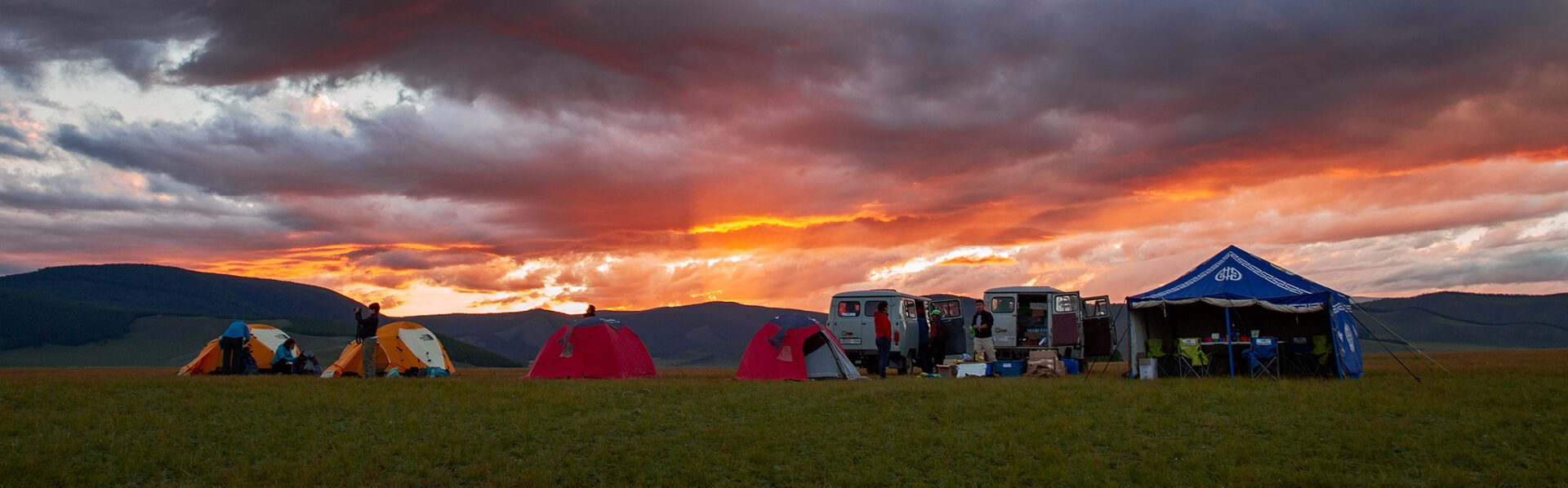
Ulaanbaatar is straightforward to navigate independently. Outside the capital, Mongolia is one of the world's least densely populated countries with few roads and vast distances. Most travelers outside the city use a tour agency, hire a local driver-guide, or join organized camping expeditions. Renting a Russian 4WD with a driver is the standard way to explore the steppe and Gobi.
Do US citizens need a visa to visit Mongolia?
No, US citizens can visit Mongolia for up to 90 days without a visa for tourism purposes. This makes Mongolia one of the most accessible Central Asian destinations. You'll need a passport valid for at least 6 months. Extensions are possible at the Immigration Agency in Ulaanbaatar for up to 30 additional days. The Trans-Mongolian Railway from Moscow or Beijing is a classic way to arrive.
What is the best time to visit Mongolia?
The best time is June through September when temperatures are pleasant (15-30°C) and the steppes are green. July is particularly special for Naadam Festival, the "Three Manly Games" of wrestling, horse racing, and archery, a UNESCO-recognized cultural event. June can have some rain. September offers golden autumn colors. Winter (November-March) is extremely cold (-20 to -40°C) but offers unique experiences like staying with eagle hunters in western Mongolia. Spring (April-May) can have dust storms.
How do I travel around Mongolia?
Outside Ulaanbaatar, there are very few paved roads, and public transportation is limited. Most travelers hire a driver with a 4x4 vehicle and guide, often through guesthouses or tour companies. This is practical and affordable, especially when sharing costs with other travelers. Domestic flights connect to some regional centers. The Trans-Mongolian Railway runs north-south. For short trips from UB, marshrutkas (shared minivans) run to popular destinations. Many travelers organize multi-day ger-to-ger treks or horseback trips with local guides.
What is Naadam Festival and should I plan my trip around it?
Naadam is Mongolia's most important festival, held July 11-13, celebrating the "Three Manly Games": wrestling, horse racing (with child jockeys riding 15-30km), and archery. It's a fantastic cultural experience and the most popular time to visit Mongolia. The main events occur in Ulaanbaatar's stadium, but local naadams throughout the country are more intimate. Book accommodation and tours months in advance for this period. If crowds aren't your thing, visiting just before or after Naadam still offers good weather with fewer tourists.