Malta Visa RequirementsFor United States passport holders
US citizens can visit Malta visa-free for up to 90 days within any 180-day Schengen period. Malta is a tiny Mediterranean island nation with extraordinary ancient heritage.
Great news! United States passport holders can enter Malta without a visa for tourism or business purposes. You can stay up to 90 days.
No visa is required for US citizens for stays up to 90 days in the Schengen area. Malta's international airport (Malta International Airport, MLA) has direct connections from London, Rome, Amsterdam, and other European hubs , no direct flights from the US, so route via a European hub. Carry a valid US passport with at least 3 months validity beyond planned Schengen departure. ETIAS pre-registration may be required starting 2025.
Malta is part of the Schengen Area. Your stay counts toward the 90-day limit within any 180-day period for the entire Schengen zone. Learn more about Schengen rules →
Entry Requirements
Passport Validity
6 months beyond departure from Schengen
Blank Pages
2 blank pages required
Multiple Entry
Allowed
Work Permitted
No - requires work visa
Required Documents
Valid US Passport
Must be valid for at least 3 months beyond planned departure from Schengen Area
Valid US Passport
Must be valid for at least 3-6 months beyond your planned departure date (varies by country)
Return or Onward Ticket
Proof of departure from the country, such as a return flight or onward travel booking
Proof of Onward Travel Recommended
Return or onward flight ticket — recommended
Proof of Accommodation Recommended
Hotel booking — recommended
Proof of Accommodation Recommended
Hotel reservation, Airbnb booking, or address where you will be staying
Proof of Sufficient Funds Recommended
Credit cards, bank statements, or cash to cover expenses during your stay
Travel Insurance Recommended
Recommended for all international travel covering medical emergencies
Travel Essentials
Health & Safety
Safety Rating
Vaccinations
Routine vaccinations.
Tap Water
Safe to drink
Safety Tips
Malta is very safe. Main concerns are sun exposure and swimming safety. Petty crime is minimal.
Money & Costs
Currency
€ Euro (EUR)
Daily Budget (USD)
Budget: $60 · Mid: $130 · Luxury: $350+
Tipping
Service often included. 5-10% for good service.
Practical Info
Power
Type G, 230V
Driving
Left side
Emergency
112 (all emergencies)
Getting There
Main Airports
Luqa (MLA)
Culture & Travel Tips
Best Time to Visit
Malta enjoys a Mediterranean climate with mild winters and hot, dry summers. The best time to visit is spring (April-June) or autumn (September-October) when temperatures are pleasant (20-25°C/68-77°F), seas are warm enough for swimming, and the islands are less crowded. Summer (July-August) brings scorching heat and peak tourist numbers, particularly for beach resorts. Winter (November-February) is mild by European standards but can be wet and windy; the islands remain pleasant for exploring historic sites. The Carnival in February and Holy Week in March/April showcase Maltese traditions. Diving is excellent from May to October.
Cultural Notes
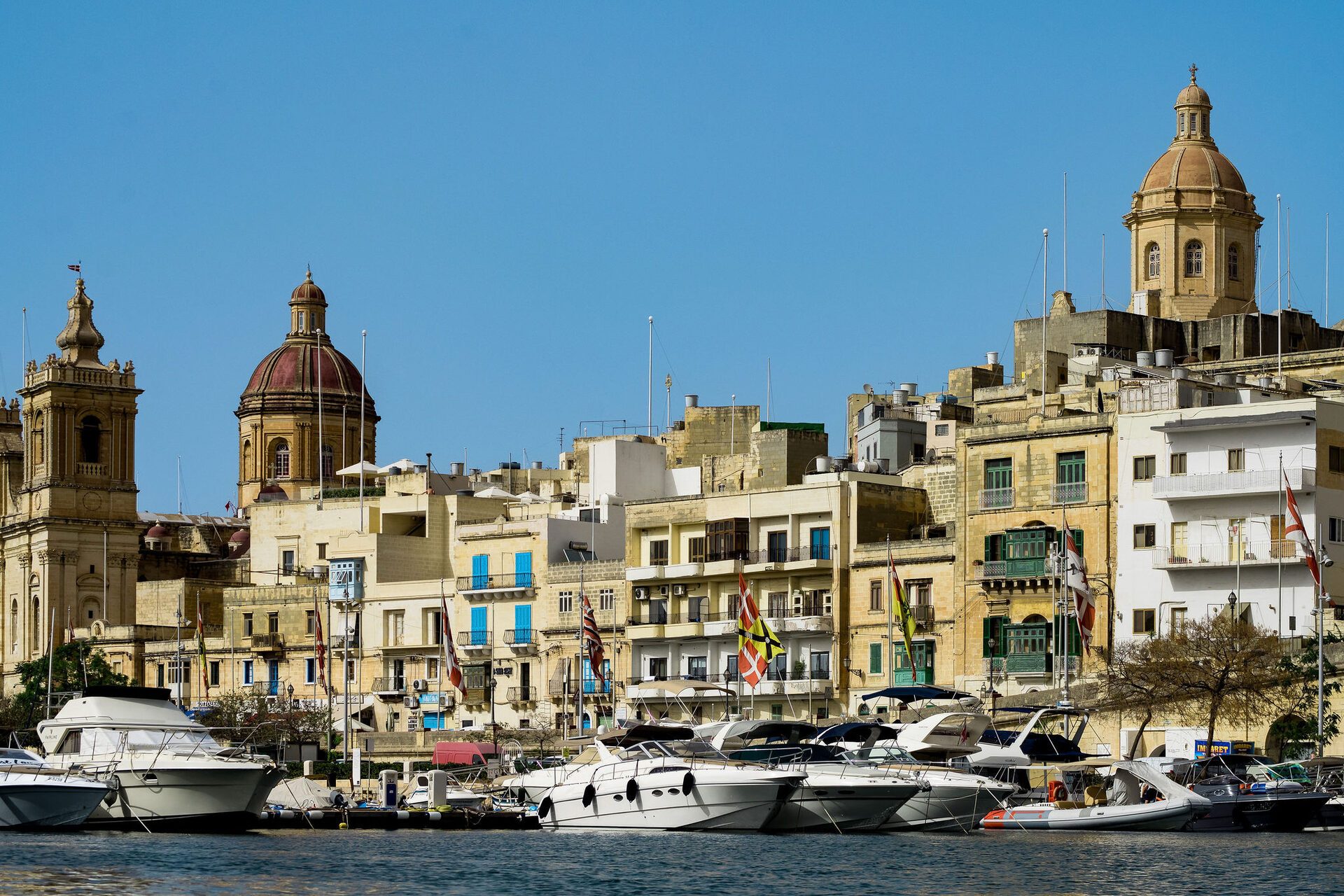
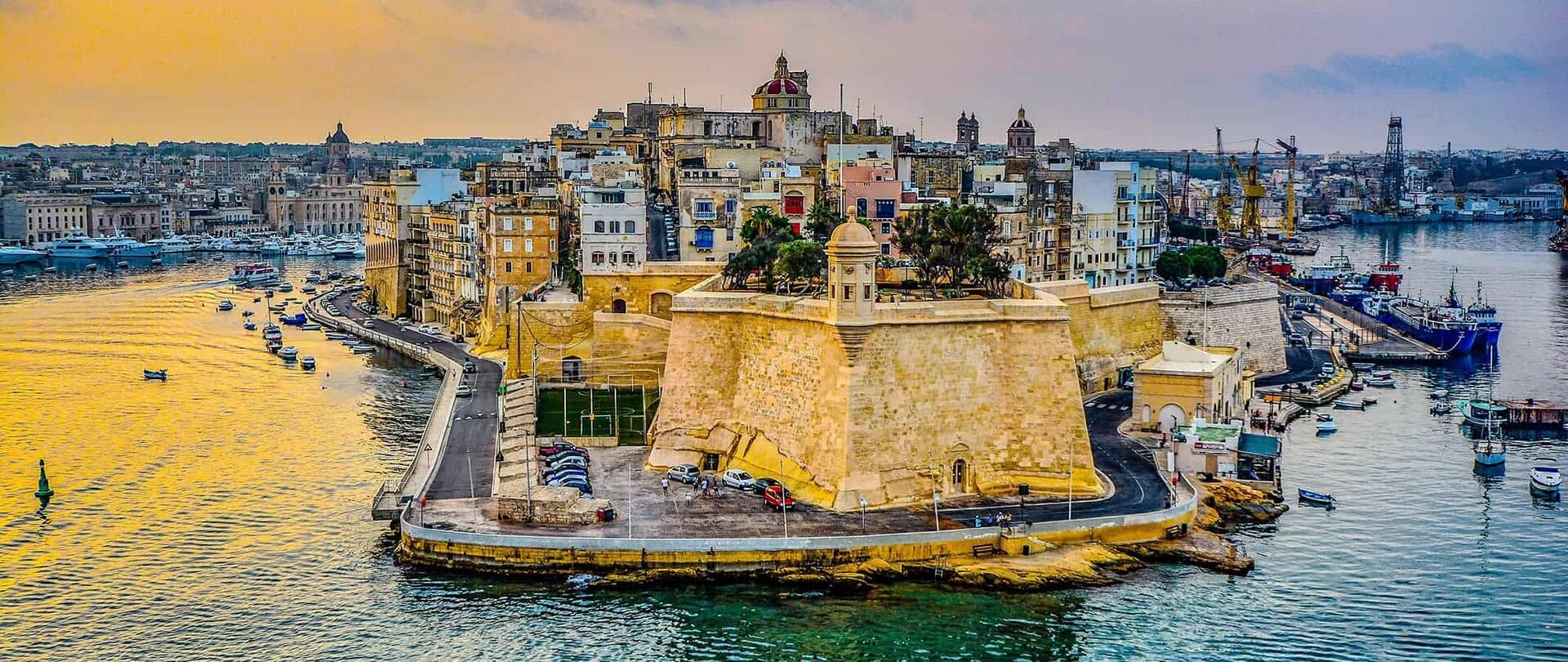
Malta has been ruled by Phoenicians, Romans, Arabs, Normans, Knights of St. John, French, and British, creating a unique cultural blend. The Maltese language, derived from Arabic with Italian influences written in Latin script, is one of Europes most distinctive. The Knights of St. John built Valletta as a fortress city, leaving a magnificent baroque heritage. Catholicism is deeply rooted - village festas (feast days) celebrate patron saints with fireworks, processions, and brass bands throughout summer. The George Cross awarded to Malta for WWII bravery features on the national flag. Maltese are friendly and proud of their islands. The population is small (around 500,000), creating close-knit communities. British influences remain visible in driving, red telephone boxes, and afternoon tea.
Insider Tips
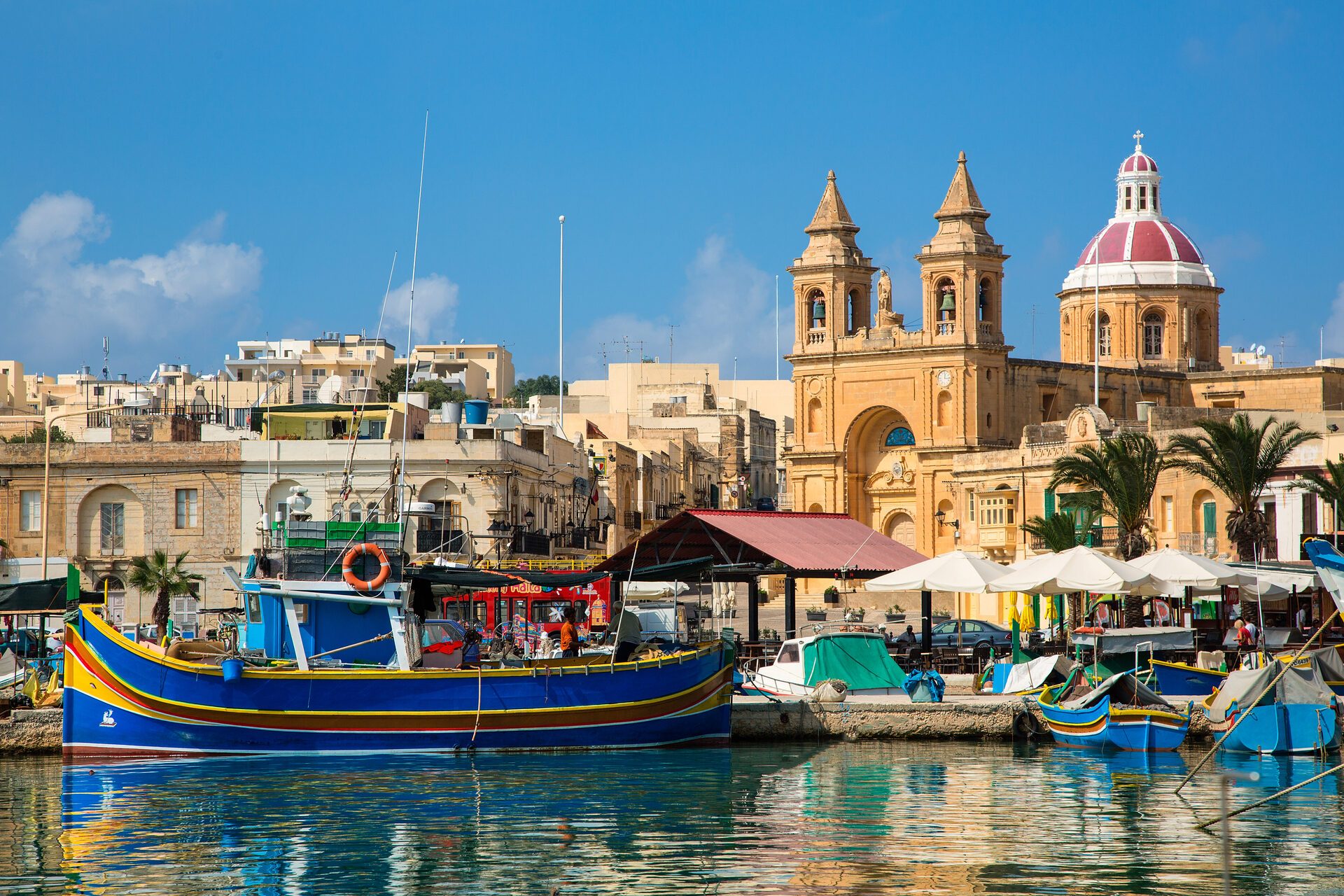
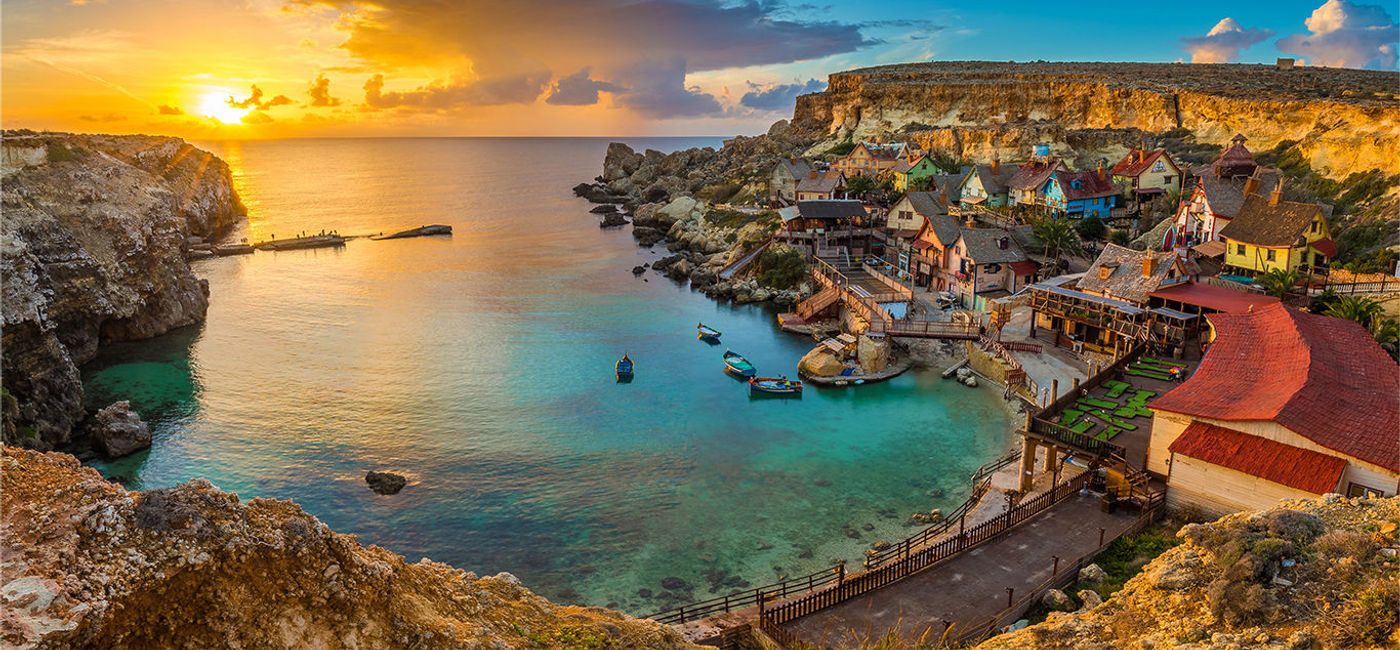
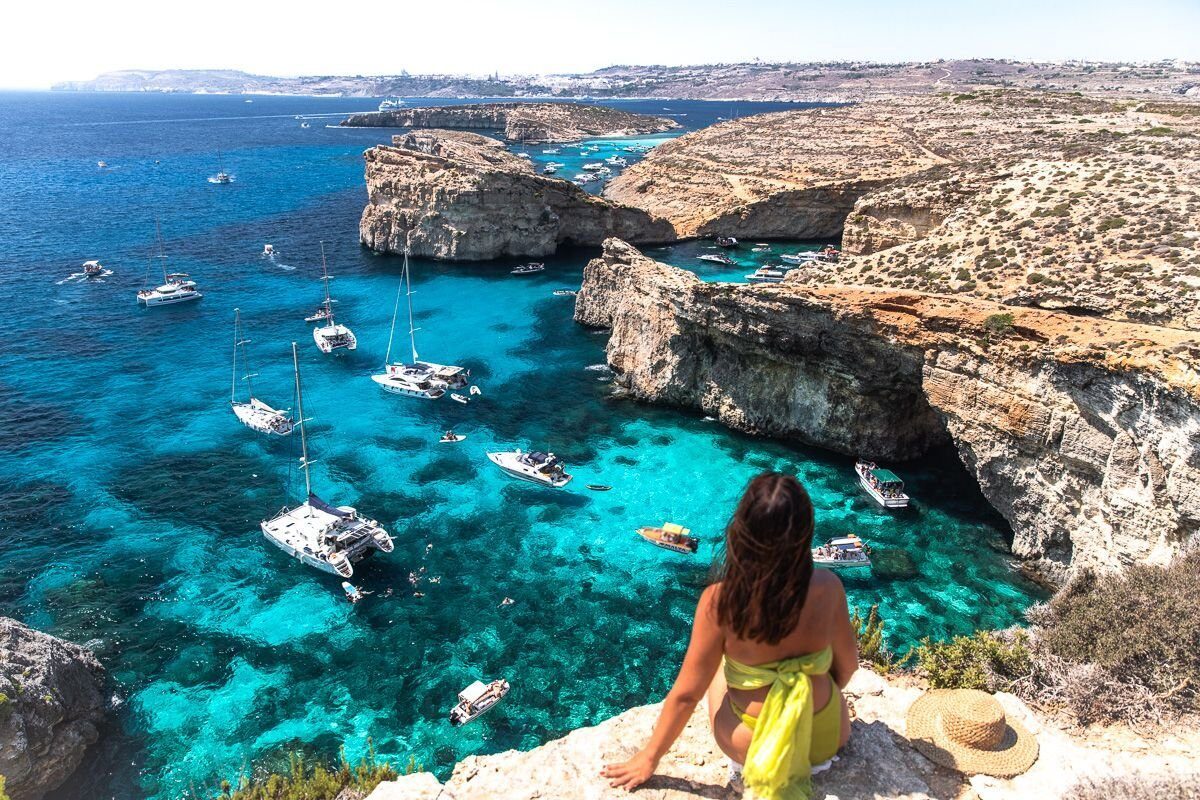
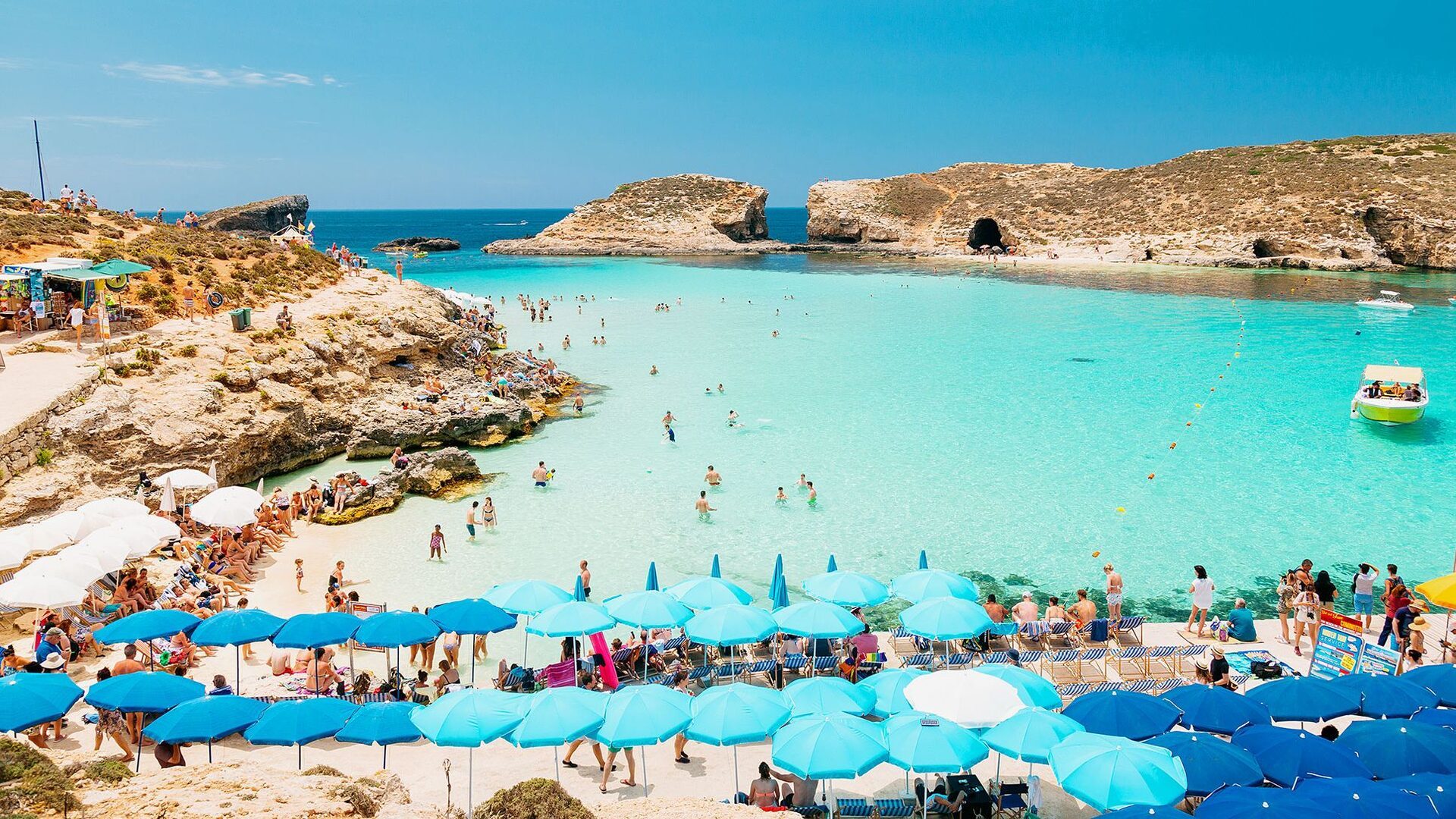
Malta packs remarkable history into a tiny archipelago - 7,000 years of civilization including megalithic temples older than the pyramids, medieval Valletta built by the Knights of St. John, and WWII heritage. The three main islands (Malta, Gozo, Comino) offer distinct characters: Malta has cities and historical sites, Gozo is rural and relaxed, and Comino has the Blue Lagoon swimming spot. Public buses cover Malta efficiently; ferries connect the islands. Rent a car for flexibility but expect chaotic driving. The Euro is the currency. English is an official language alongside Maltese, making communication easy. Seafood and rabbit stew are traditional specialties. Diving and boat excursions reveal stunning coastlines and underwater caves.
Current Travel Situation
United States to Malta: What You Need to Know
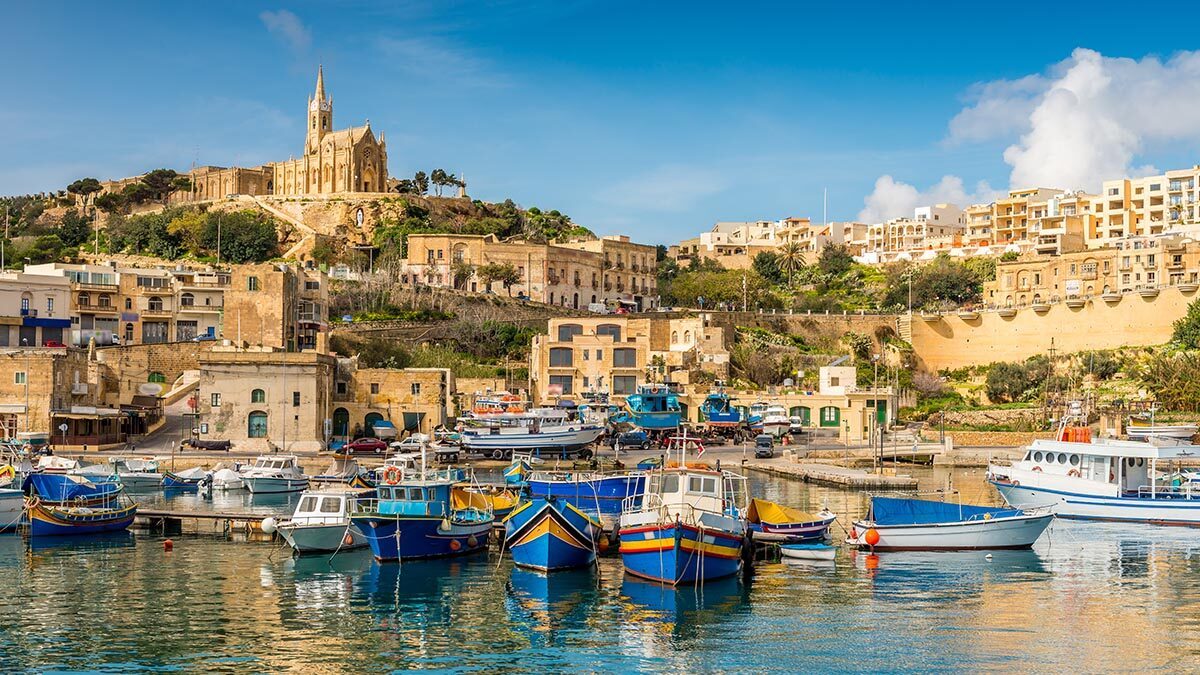
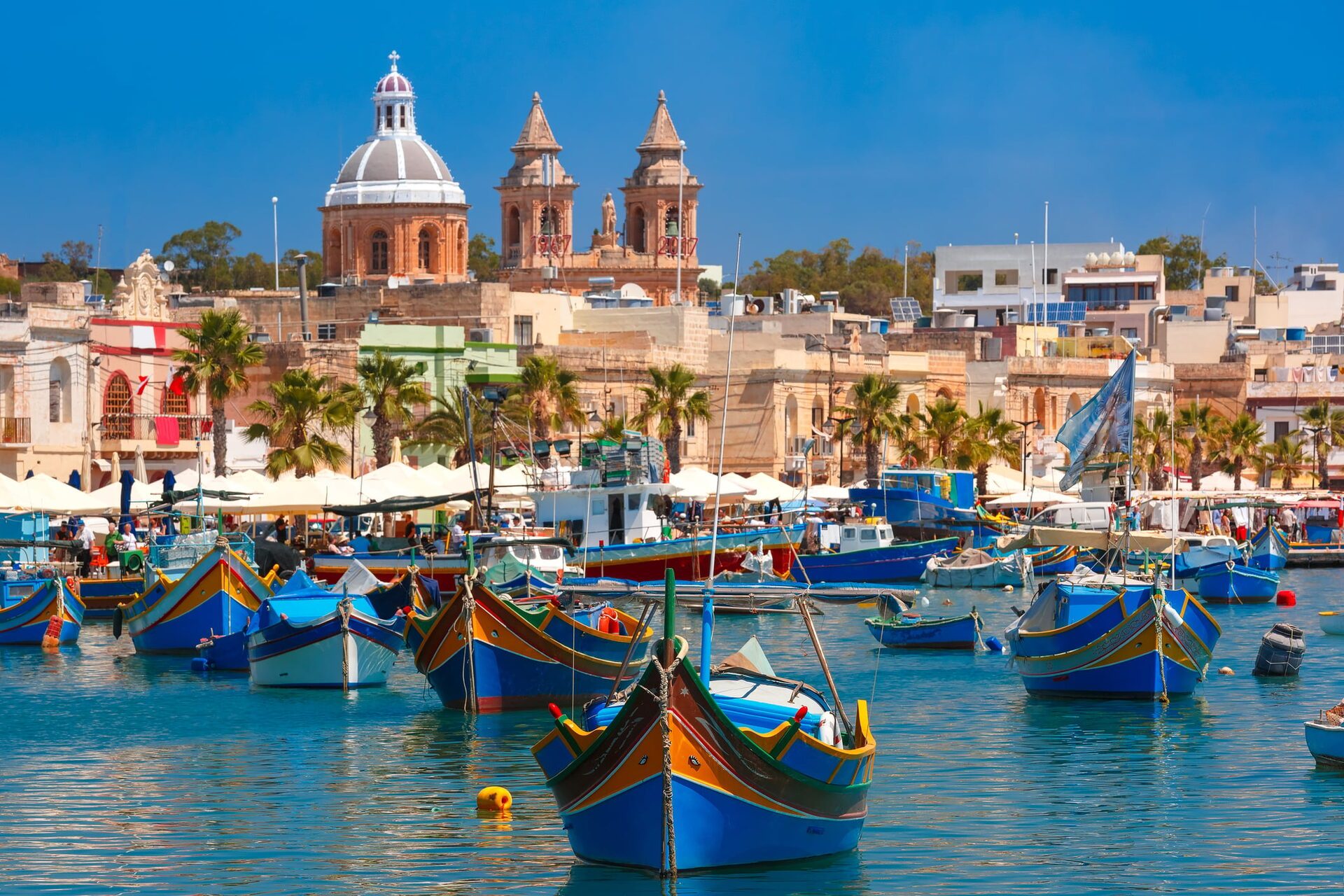
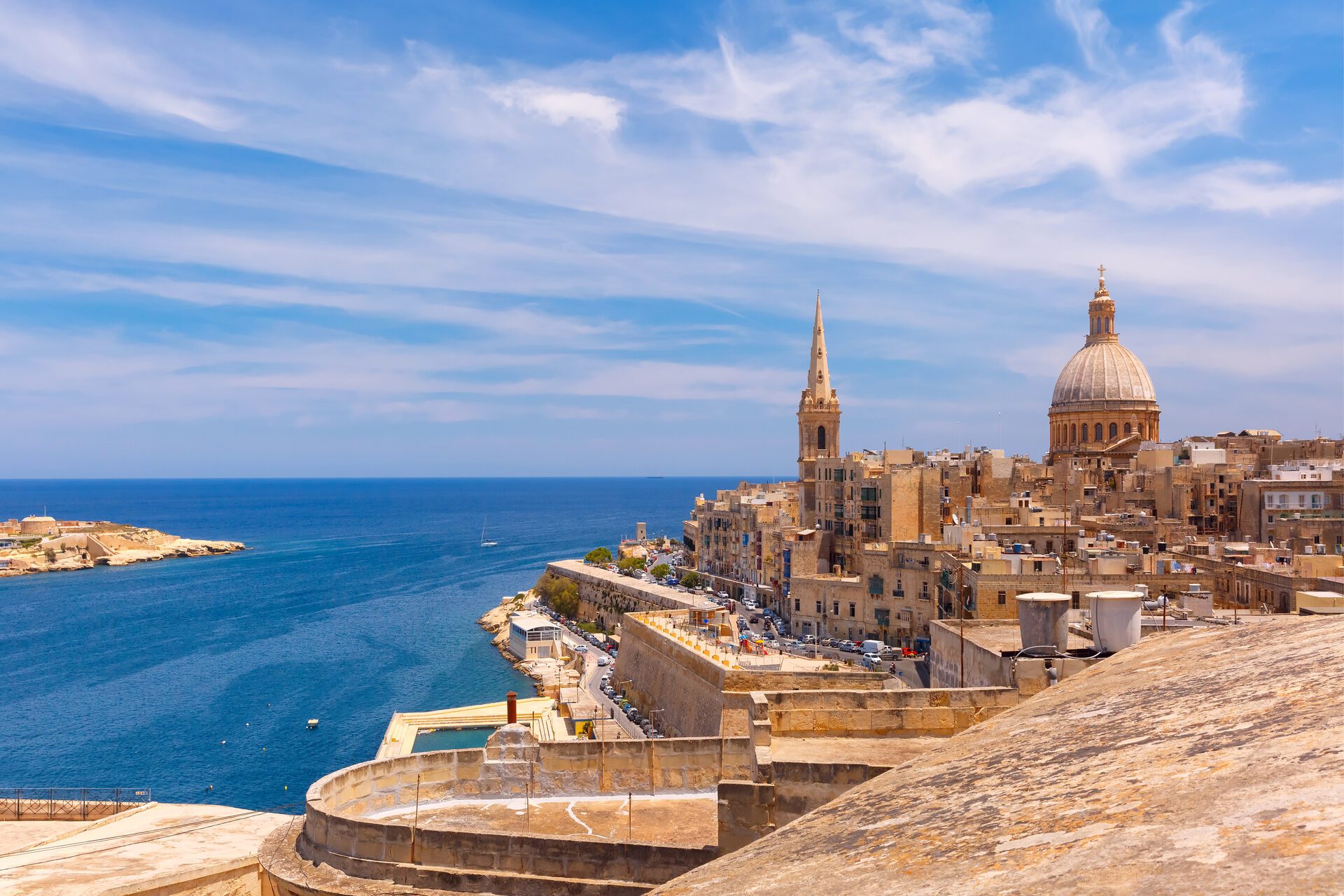
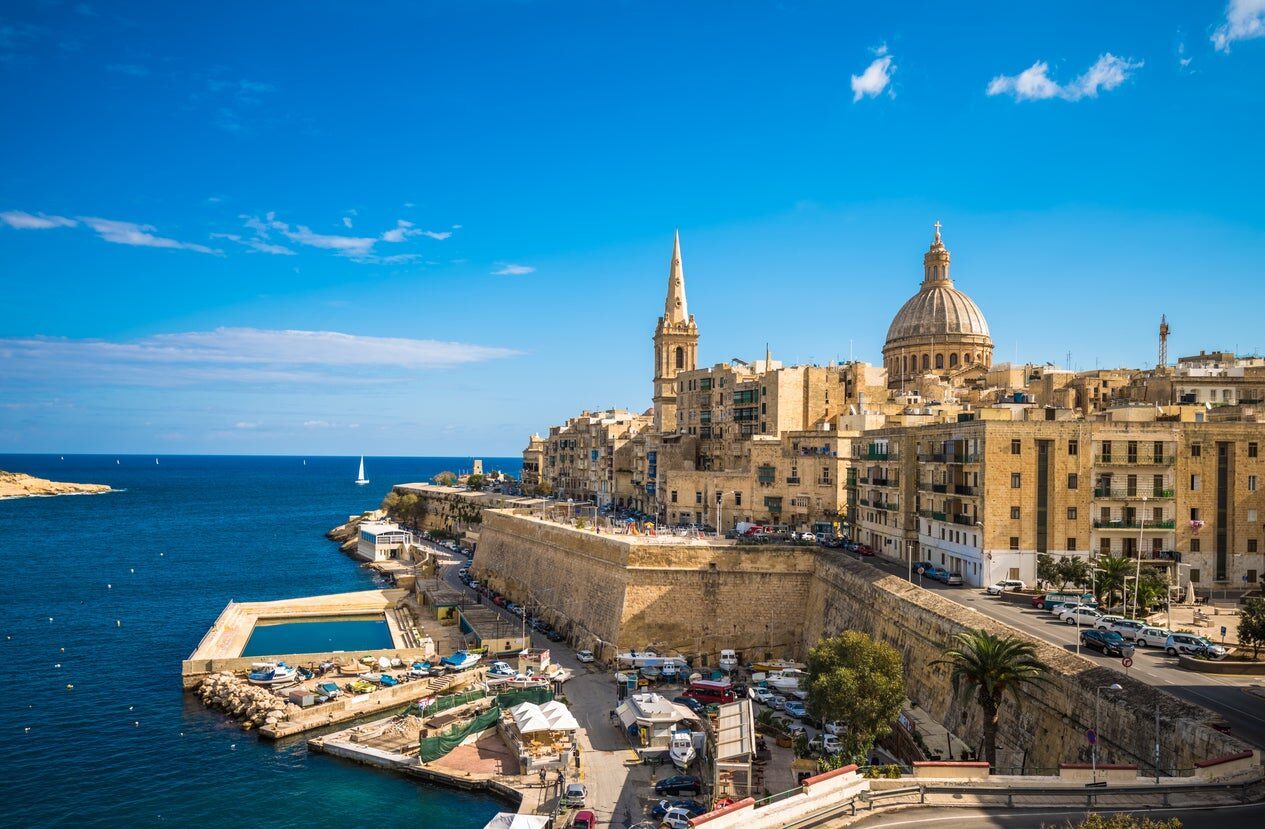
Malta is a full Schengen and EU member state. US citizens benefit from the Schengen visa exemption. Malta is one of the world's smallest and most densely populated countries, yet it has an extraordinary concentration of history for its size: prehistoric megalithic temples older than Stonehenge (Ggantija, Hagar Qim , UNESCO), the ancient Baroque capital Valletta (UNESCO World Heritage, European Capital of Culture 2018), the medieval walled city of Mdina, the Azure Window sea arch (collapsed 2017, but the underwater arch structure is a dive site), and the Blue Lagoon on the tiny island of Comino. Malta was a British colony until 1964 and English is co-official with Maltese, making communication very easy for Americans.
How to Get There
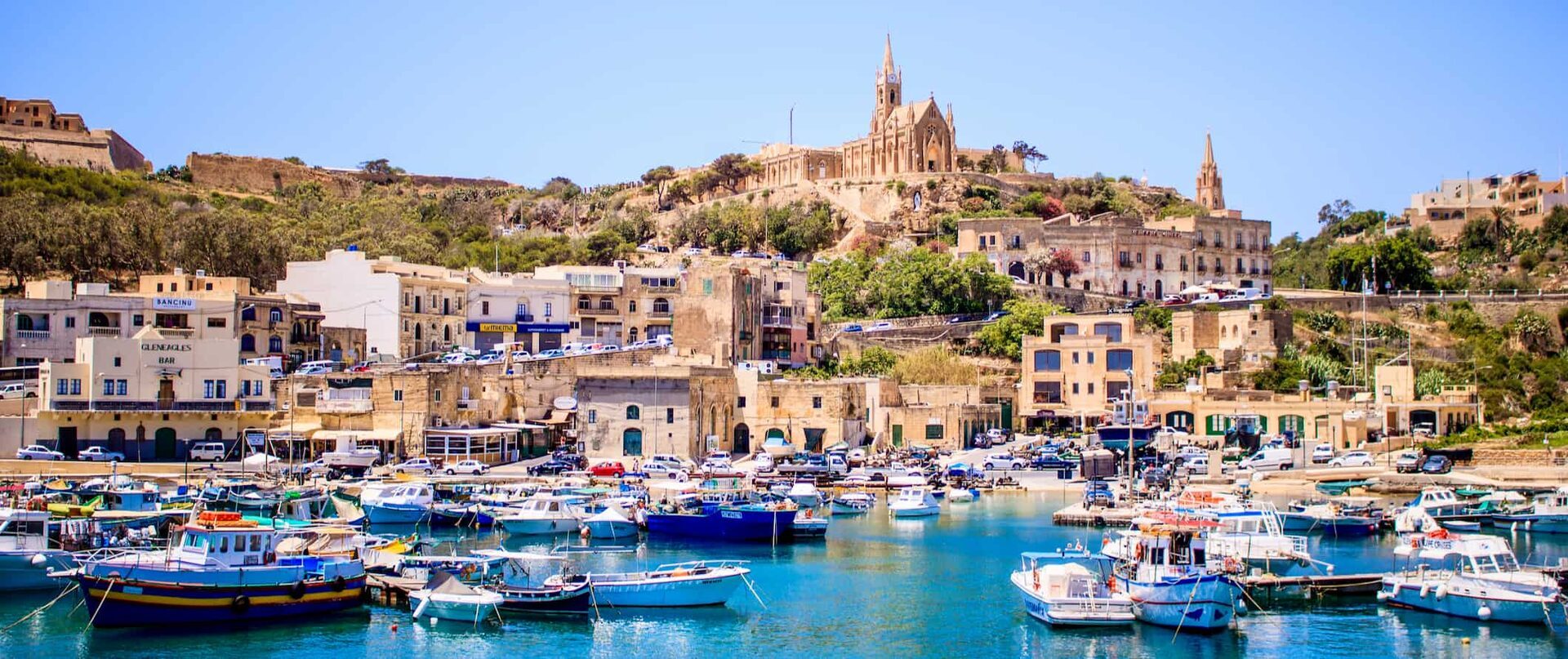
Sicily (Italy) is 93km north , accessible by Virtu Ferries (fast catamaran, 1.5 hours). The Maltese island Gozo is accessible by 25-minute ferry from Malta and has a more rural character. Libya is 350km south (not recommended for tourism given the security situation). Most Americans visit Malta as part of a broader Mediterranean trip combining it with Italy and/or Greece.
Money & Banking
Malta uses the euro (EUR). Card payments are widely accepted throughout Malta. Malta is moderately priced , slightly cheaper than Italy and comparable to Portugal. Accommodation in Valletta from EUR 60-150/night; meals from EUR 10-25 at local restaurants. Kinnie (a Maltese bitter orange and herbs soft drink) is the local non-alcoholic staple. Maltese wine is improving significantly.
Practical Tips
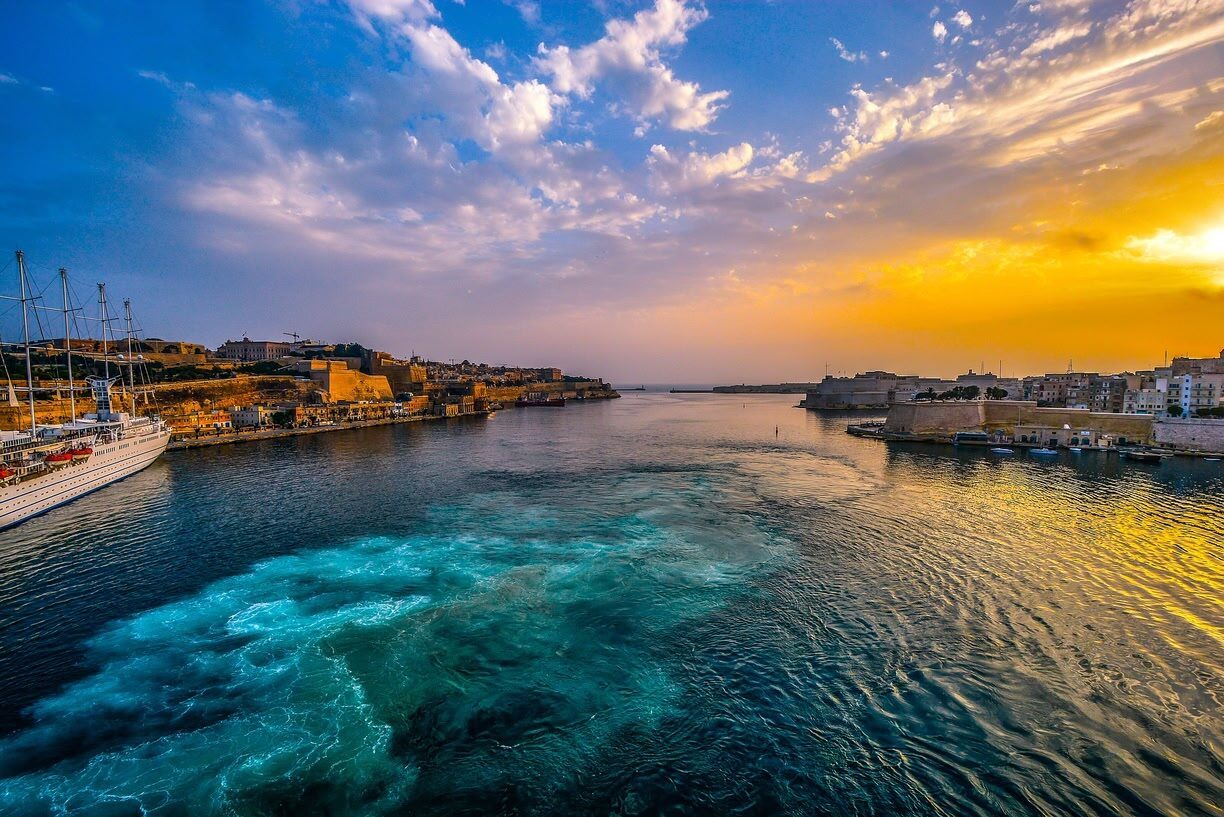
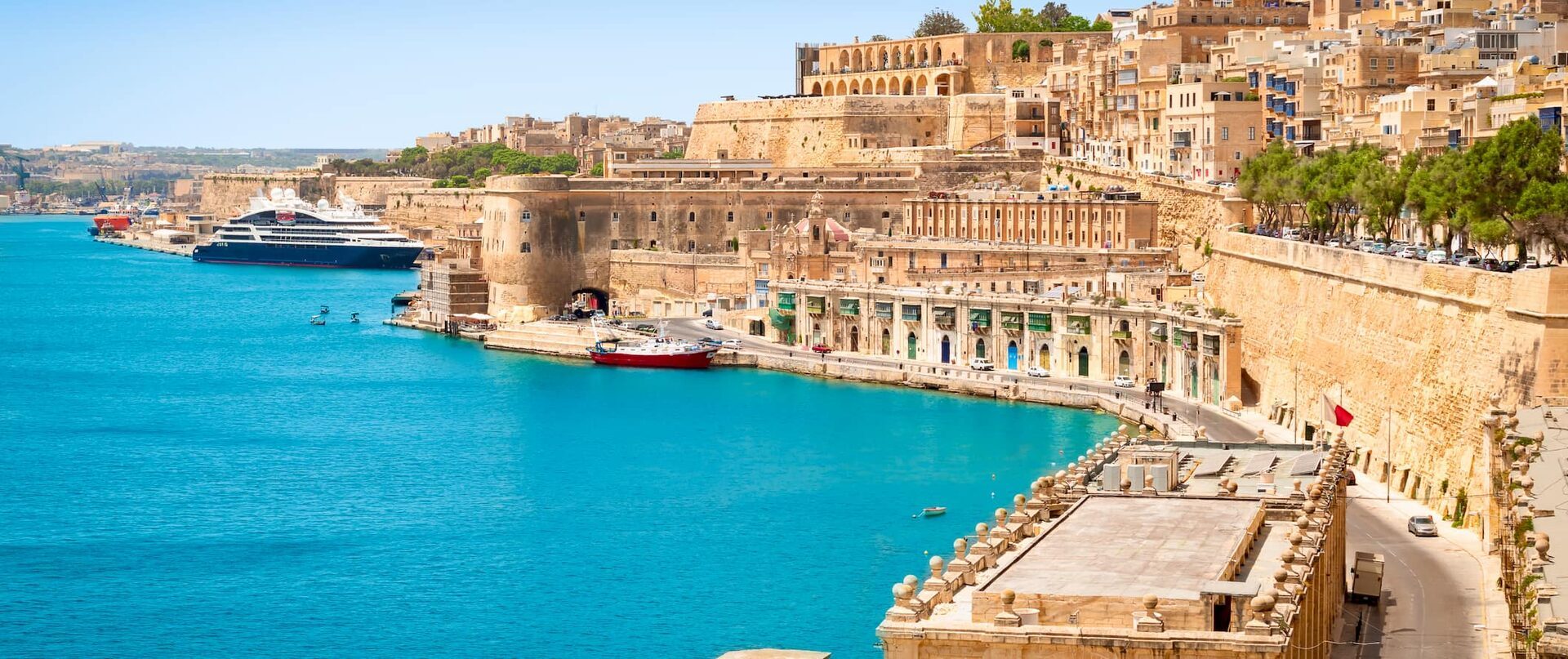
Malta drives on the left side of the road (British legacy). Buses cover the entire main island. The ferry to Gozo runs frequently from Cirkewwa in the north. Valletta is extremely walkable and compact , the entire historic center is smaller than 1km across. The Valletta waterfront (Barrakka Gardens with cannon salute daily at noon, views over the Grand Harbour to the Three Cities) is extraordinary. WWII history is prominent at the War Museum and the Lascaris War Rooms. Maltese cuisine includes ftira (local flatbread), pastizzi (flaky pastries with ricotta or peas), and rabbit (fenek) stewed in wine and herbs.
Frequently Asked Questions
Do US citizens need a visa for Malta?
No. US citizens can visit Malta visa-free for up to 90 days as part of the Schengen Agreement. ETIAS pre-registration may be required starting 2025.
Is English spoken in Malta?
Yes. English is co-official with Maltese in Malta — a legacy of British colonial rule until 1964. Malta is one of the few non-Anglophone European countries where English is widely and comfortably spoken at all levels of society, making it particularly accessible for American visitors.
How do I get from the US to Malta?
There are no direct flights from the US to Malta. Fly via Rome (1h20m connecting), London (3h), Amsterdam (3h), or Frankfurt (3h20m). Malta is a well-connected hub with budget and full-service carriers from most European cities.