Mali Visa RequirementsFor United States passport holders
US citizens require a visa to visit Mali. The US State Department has issued a Level 4 "Do Not Travel" advisory for Mali due to widespread jihadist insurgency, terrorism, kidnapping of foreigners, and ongoing civil conflict.
United States passport holders require a visa to enter Mali.
Despite the Level 4 advisory, a tourist visa process exists: apply at the Malian Embassy in Washington D.C. Required: application form, valid US passport (6+ months validity), two passport photos, yellow fever certificate, return ticket, bank statement, and approximately $100. The US Embassy strongly advises against travel.
Entry Requirements
Passport Validity
6 months beyond date of entry
Blank Pages
2 blank pages required
Multiple Entry
Single entry only
Work Permitted
No - requires work visa
Entry Conditions
Valid passport with 6 months validity, yellow fever certificate.
Required Documents
Valid US Passport
Must be valid for at least 6 months beyond your planned stay with at least 2 blank pages for visa stamps
Completed Visa Application Form
Fill out the official visa application form from the embassy or consulate
Passport-size Photos
Two recent color photos (2x2 inches or 35x45mm) with white background, taken within last 6 months
Proof of Accommodation
Hotel reservations, rental agreement, or invitation letter with host address
Proof of Sufficient Funds
Recent bank statements (last 3 months), credit card statements, or sponsorship letter
Round-trip Flight Itinerary
Confirmed return or onward flight booking showing departure from the country
Employment or Business Letter
Letter from employer stating position, salary, and approved leave dates, or business registration documents
Travel Insurance Recommended
Comprehensive travel insurance covering medical expenses and emergency evacuation
Cover Letter Recommended
Personal letter explaining purpose of visit, itinerary, and ties to home country
Travel Essentials
Health & Safety
Safety Rating
Vaccinations
Hepatitis A, Hepatitis B, Typhoid, Malaria prophylaxis, Meningitis, Rabies
Tap Water
Bottled water recommended
Safety Tips
Mali has significant security risks including terrorism, armed conflict, kidnapping, and civil unrest. Most governments advise against all travel to Mali. The northern and central regions are particularly dangerous with active extremist groups. Even Bamako has experienced attacks. If travel is essential, use extreme caution, register with your embassy, and use professional security services.
Money & Costs
Currency
CFA West African CFA Franc (XOF)
Daily Budget (USD)
Budget: $40 · Mid: $80 · Luxury: $150+
Tipping
Tipping is appreciated but not mandatory. Small tips for services are welcome when tourism operates normally.
Practical Info
Power
Type C, E, 220V 50Hz
Driving
Right side
Emergency
17 (Police), 18 (Fire), 15 (Ambulance)
Getting There
Main Airports
Bamako (BKO) · Mopti (MZI)
Culture & Travel Tips
Best Time to Visit
If traveling to Mali, the best time is from November to February when temperatures are cooler (20-35°C). Avoid the extreme heat of March to May (up to 45°C) and the rainy season (June-October). However, due to ongoing security concerns, most governments advise against all travel to Mali.
Cultural Notes
Mali has an incredibly rich cultural heritage as home to the ancient empires of Ghana, Mali, and Songhai. Timbuktu was a legendary center of learning. Traditional music featuring the kora, balafon, and ngoni has influenced global music. The Dogon people have fascinating astronomical knowledge and traditions. The Festival in the Desert showcased this heritage before security concerns forced its relocation.
Insider Tips
French is the official language. The West African CFA franc is the currency. Due to security concerns, normal tourism has largely ceased. If traveling, use only reputable tour operators with security experience, avoid all overland travel outside cities, and maintain a low profile. Have evacuation plans ready.
Current Travel Situation
United States to Mali: What You Need to Know
Mali has been in a severe security crisis since 2012, when a Tuareg rebellion and jihadist takeover captured the north and threatened Bamako before French military intervention (Operation Serval) pushed back the jihadists. Despite French and UN peacekeeping presence, jihadist groups (JNIM affiliated with al-Qaeda, and ISGS affiliated with Islamic State) have expanded their control steadily. Two military coups (2020 and 2021) brought Colonel Assimi Goita to power. The junta expelled French forces in 2022, the UN peacekeeping mission (MINUSMA) in 2023, and invited Russian Wagner Group (Africa Corps) mercenaries. Kidnappings of foreigners for ransom are common. Bamako Senou International Airport (BKO) has limited connections.
How to Get There
Bamako is connected to Paris, Casablanca, and West African regional hubs. However, the security situation makes all travel arrangements hazardous. Overland routes from Senegal, Guinea, Ivory Coast, and other neighbors carry significant risk.
Money & Banking
Mali uses the West African CFA Franc (XOF). Financial infrastructure is severely disrupted in conflict areas. Bamako has some banking services but carrying cash is essential for any travel beyond the capital.
Practical Tips
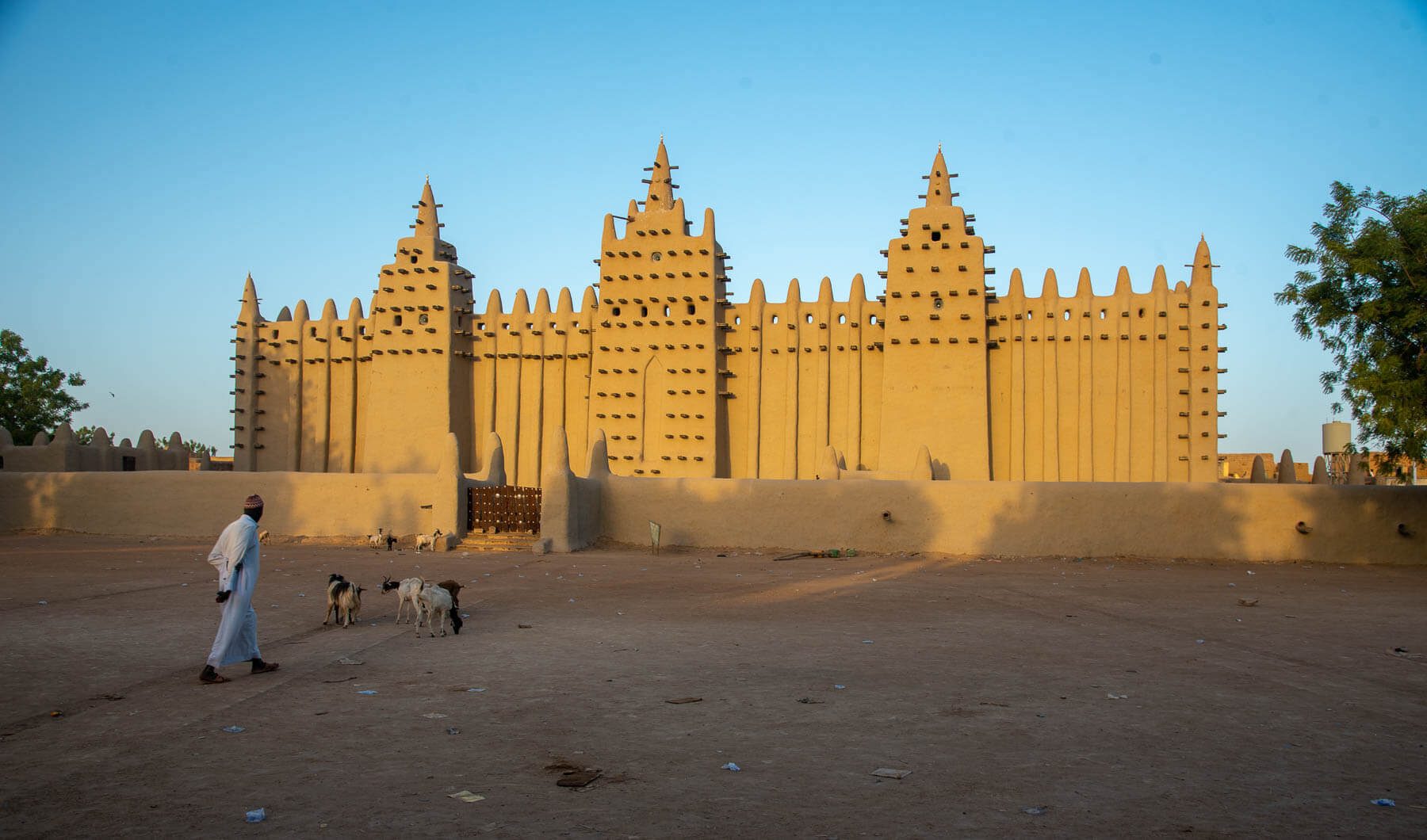
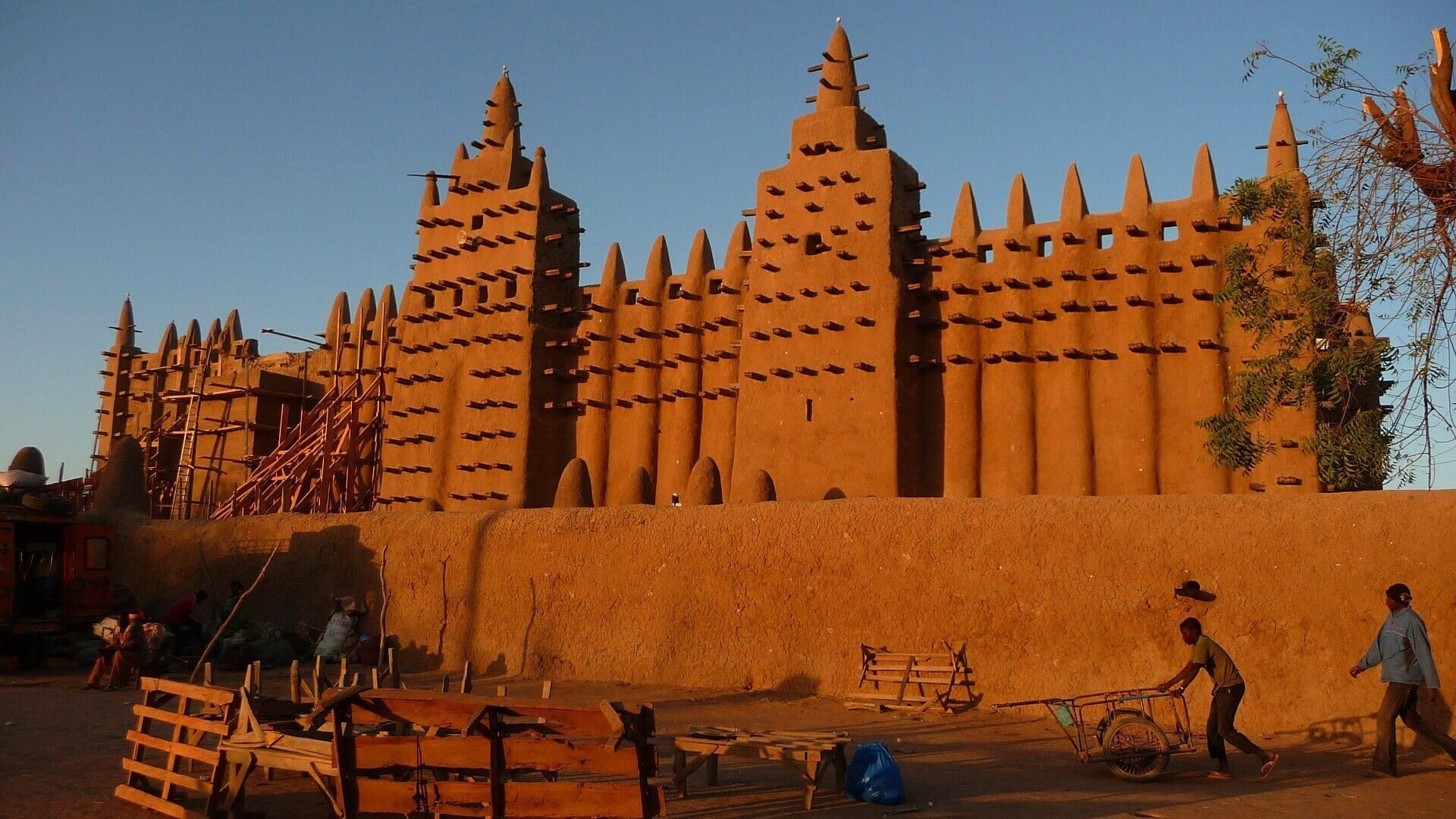
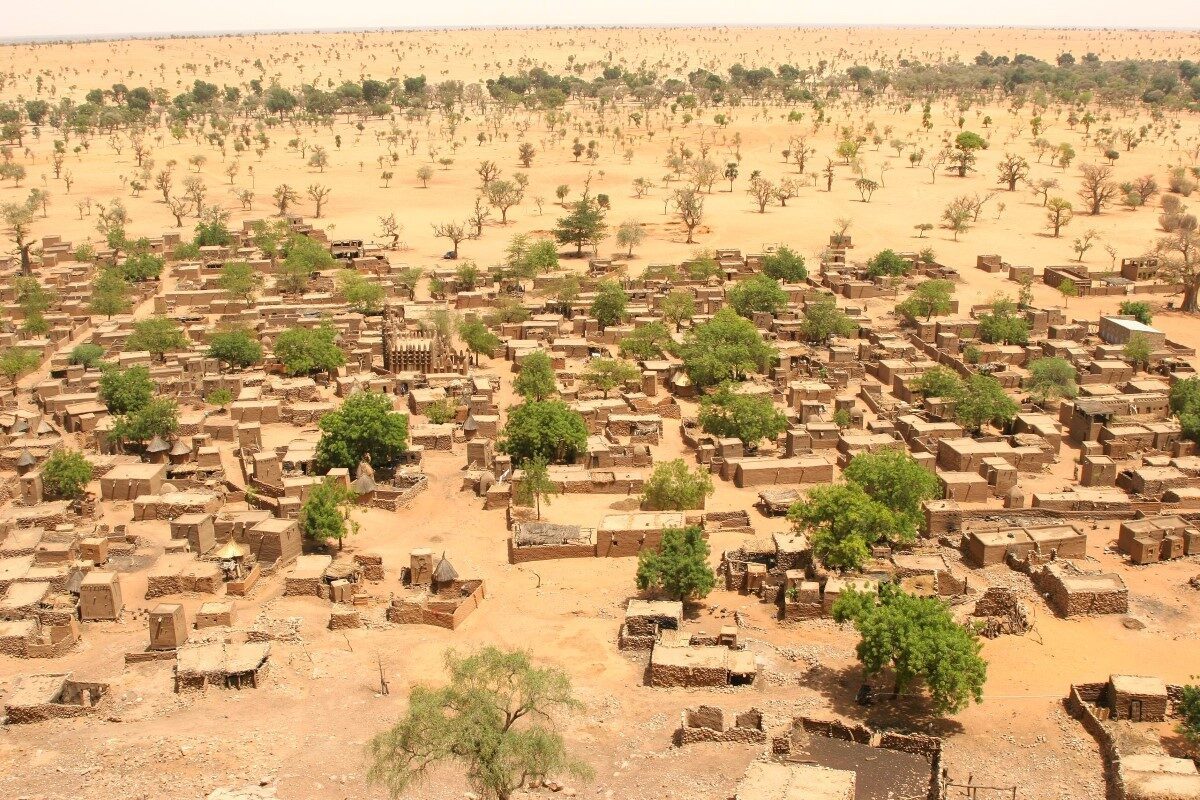
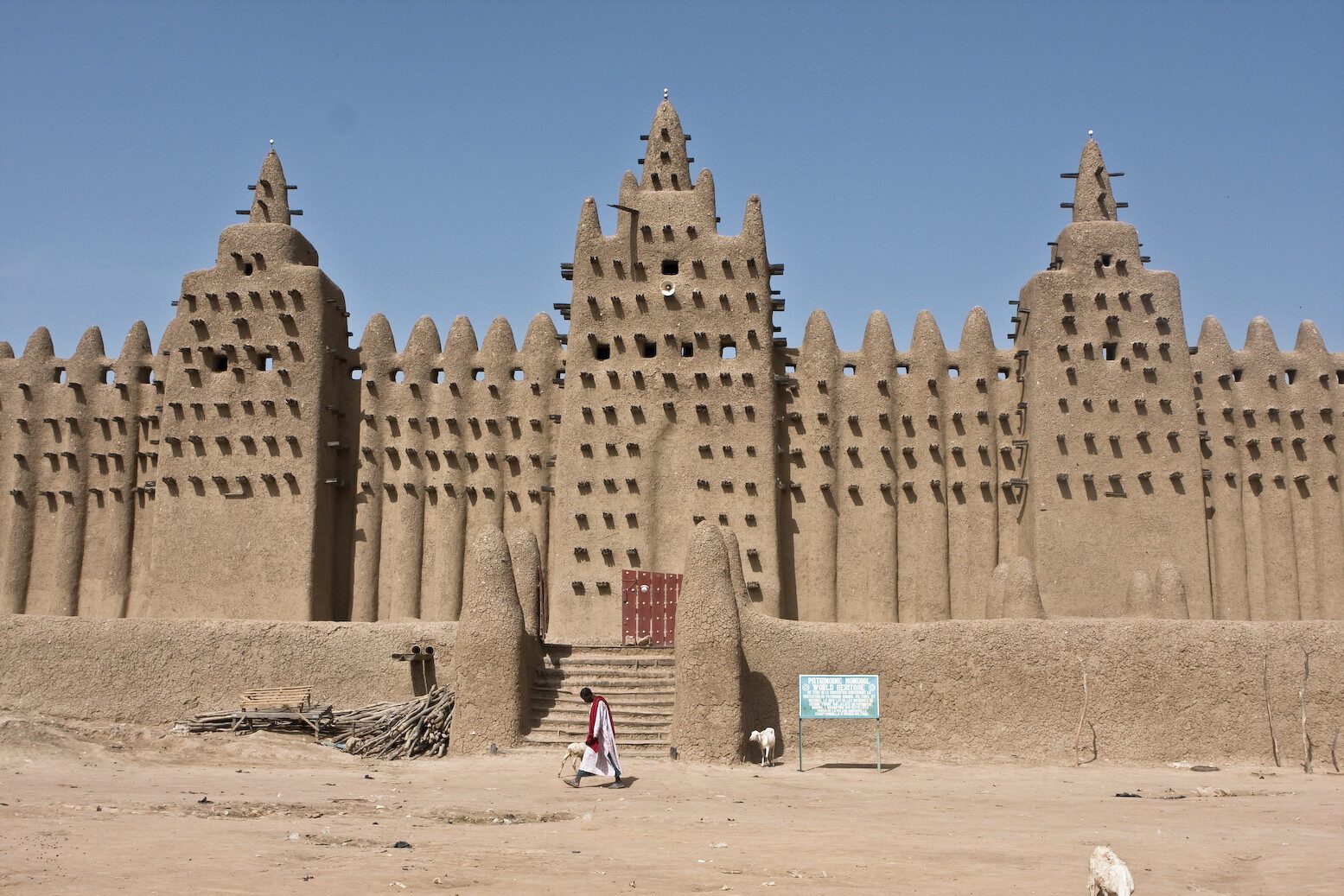
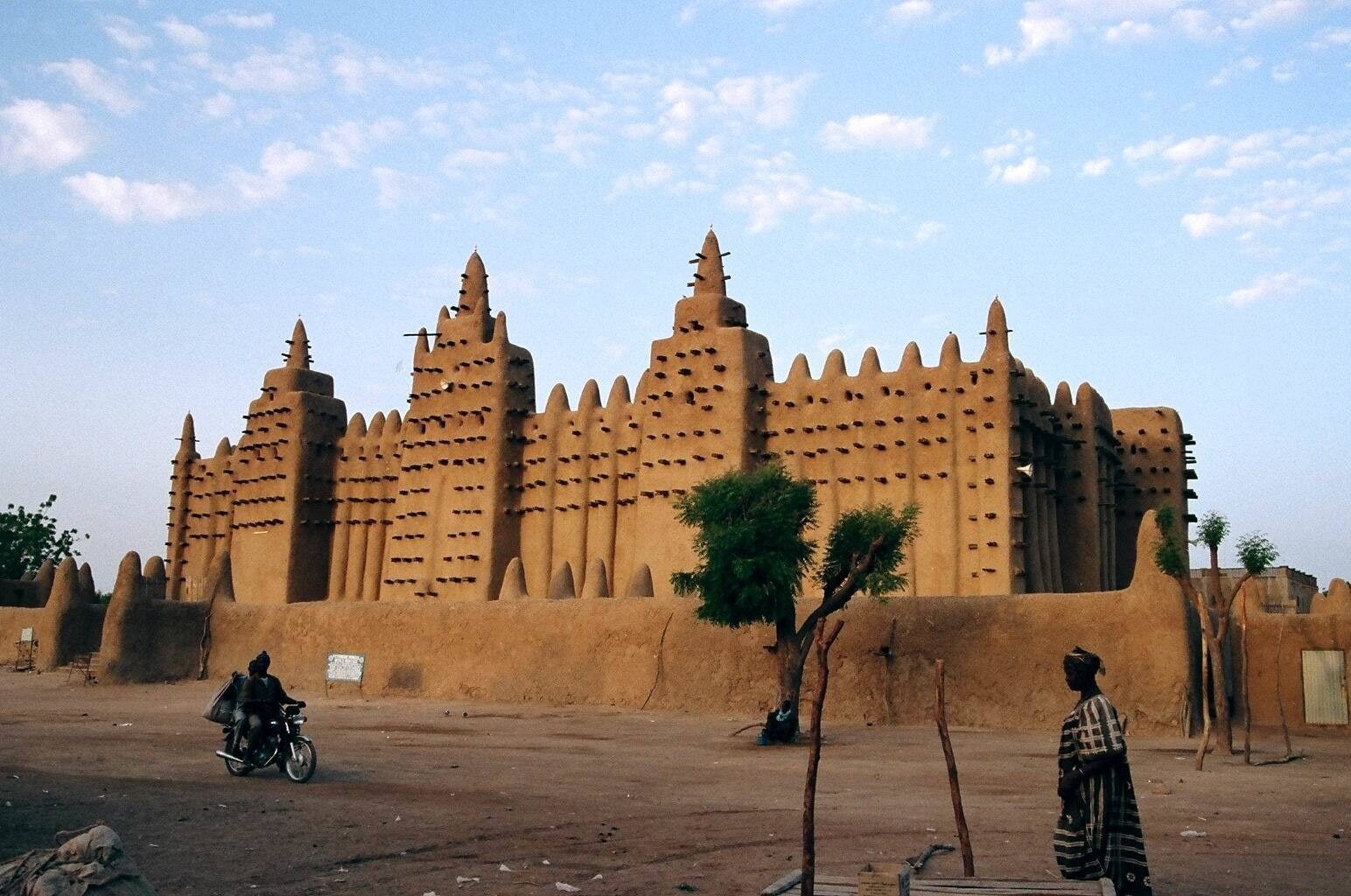
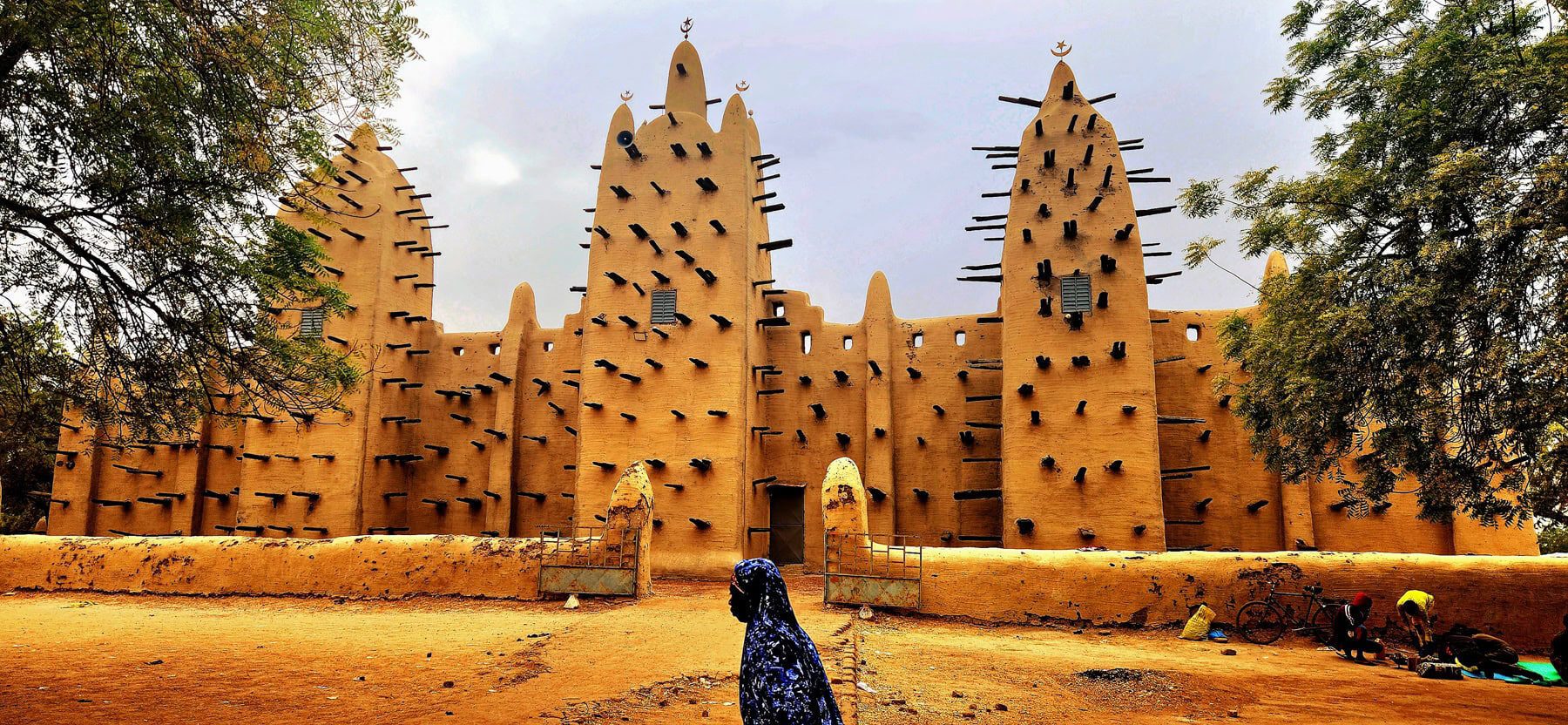
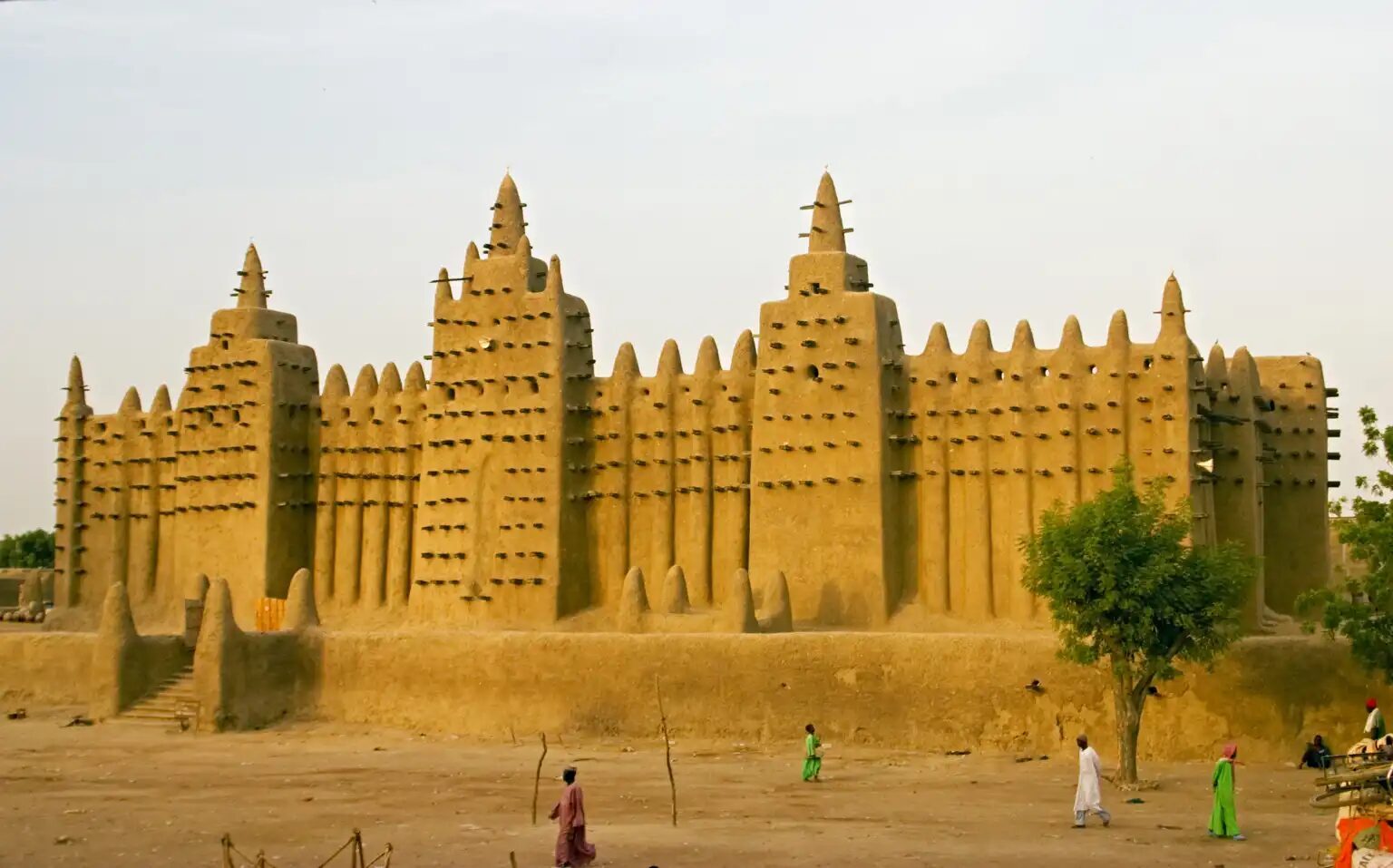
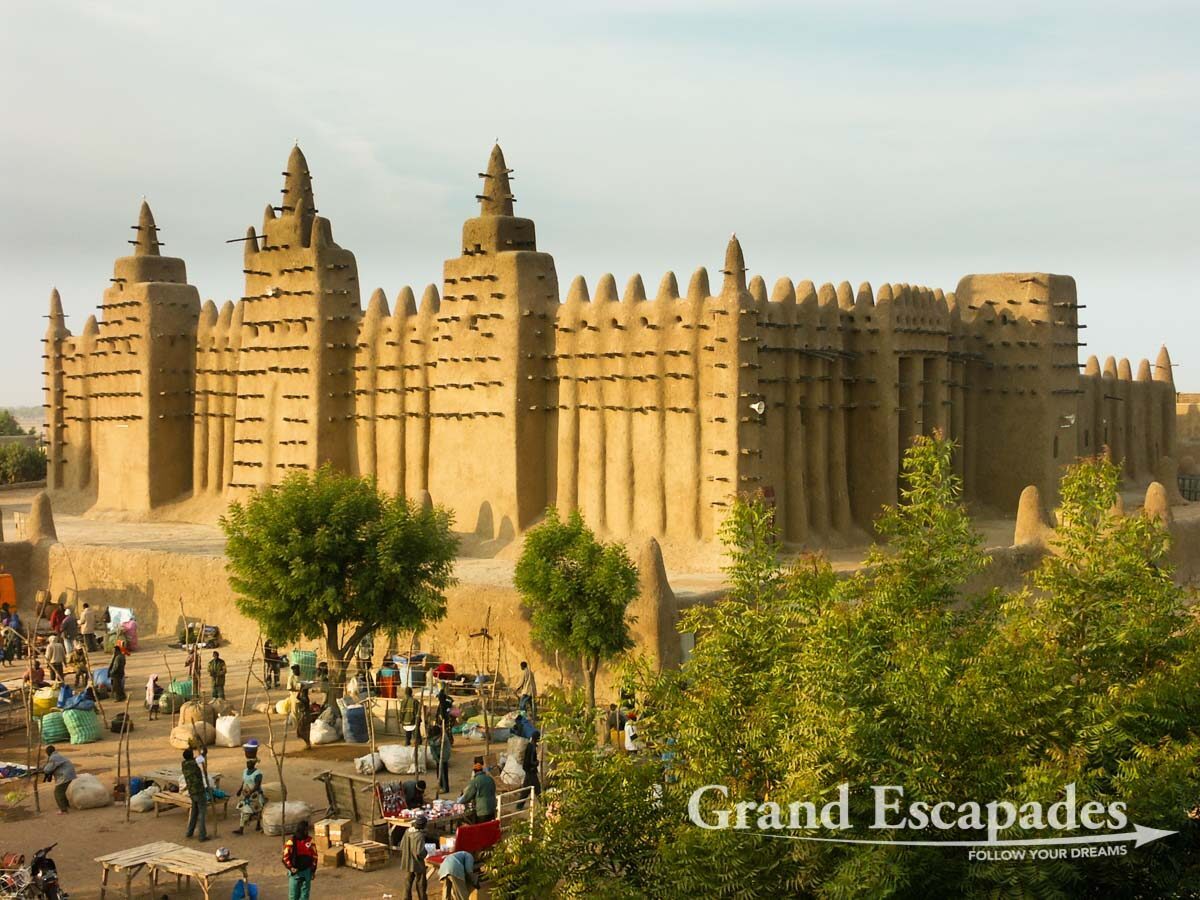
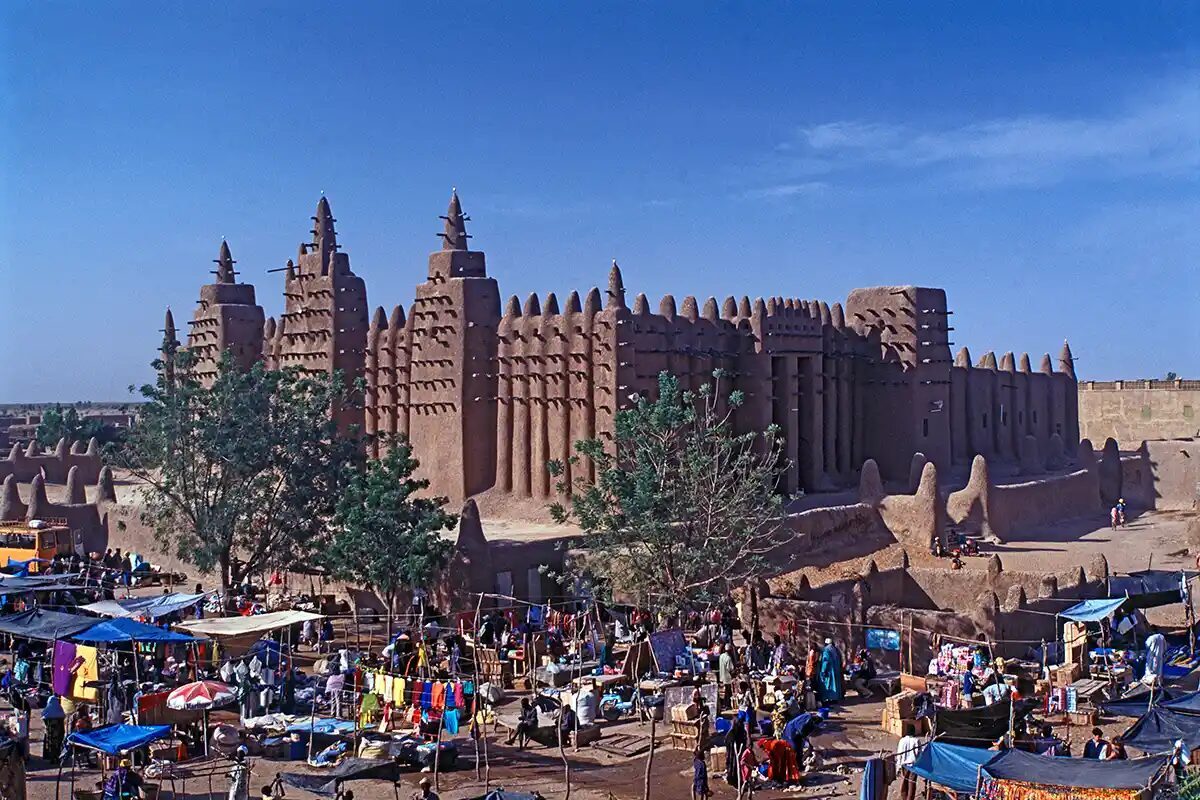
Travel to Mali is strongly discouraged. The extraordinary cultural heritage that once drew tourists, the legendary city of Timbuktu (UNESCO, the city of 333 saints), the Dogon Country (UNESCO, villages built into dramatic cliffs), the Grand Mosque of Djenne (the world's largest mud-brick building, UNESCO), and the Niger Inland Delta, is essentially inaccessible under current conditions. Armed groups control or threaten all of these sites. The Malian army and Wagner mercenaries have committed serious human rights abuses documented by the UN.
Frequently Asked Questions
Is Timbuktu still accessible to tourists?
No. Timbuktu (Tombouctou) in northern Mali is under jihadist threat and is not safely accessible to tourists. The legendary city -- once a great center of Islamic scholarship and trade on trans-Saharan routes -- was occupied by jihadists in 2012, who destroyed many ancient shrines and manuscripts. Even after liberation by French forces, the security situation has remained dangerous. The US State Department has a Level 4 advisory for all of Mali.
What happened to the Dogon Country?
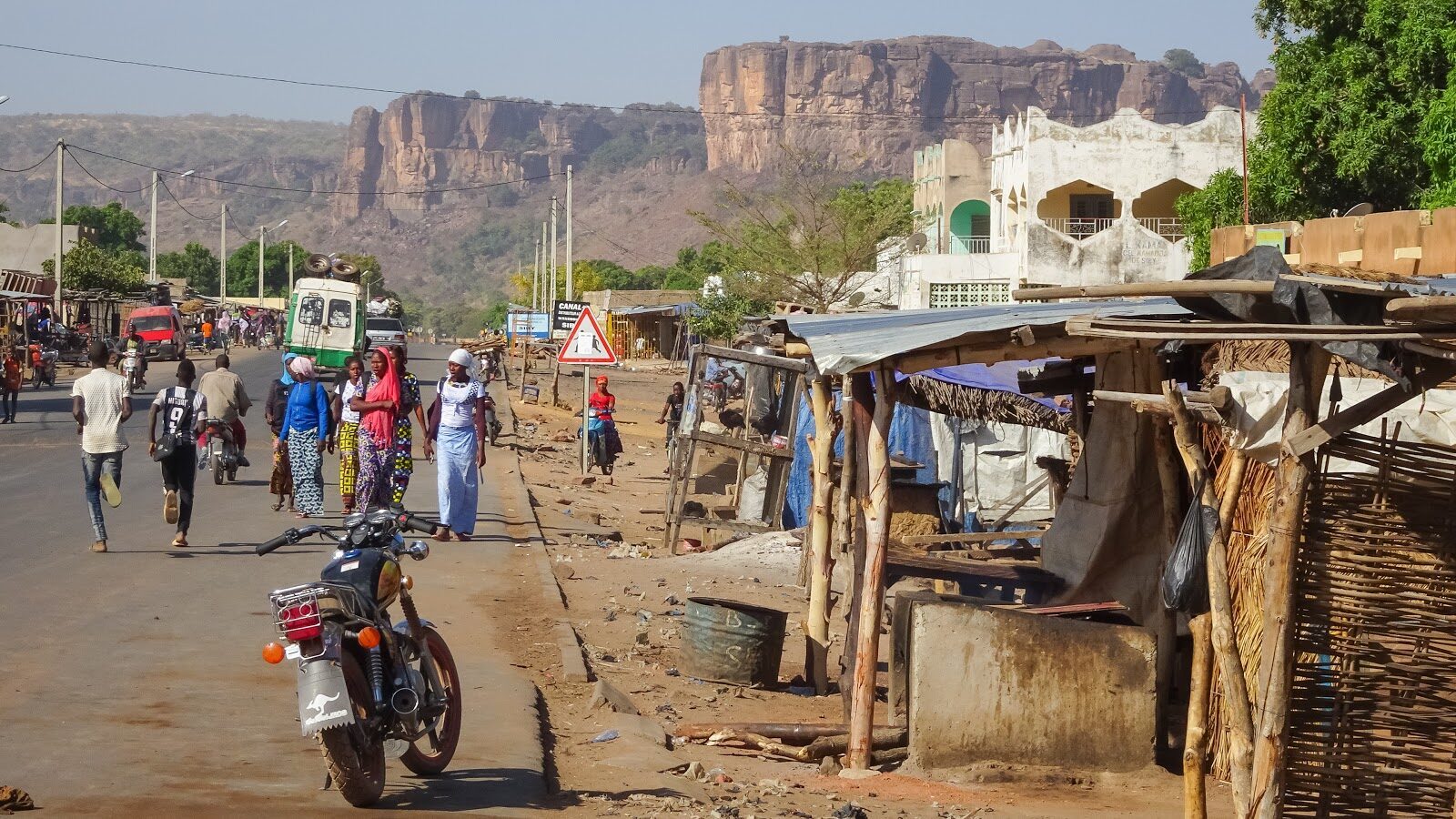
The Dogon villages built into the cliffs of the Bandiagara Escarpment in central Mali were once one of West Africa's premier tourist destinations -- an extraordinary living cultural landscape of cliff-face houses, granaries, and traditional animist ceremonies. The jihadist insurgency has spread into central Mali and the Dogon area is no longer safely accessible. Many Dogon villages have been attacked and the population displaced.
Was Mali ever safe to visit?
Mali was a significant tourist destination before 2012, particularly for Timbuktu, the Dogon Country, Djenne's mosque, and desert Tuareg culture. The country was considered one of West Africa's most rewarding destinations, attracting tens of thousands of visitors annually. The 2012 jihadist takeover, subsequent coups, and jihadist expansion have made tourism essentially impossible. The country's extraordinary heritage sites and landscapes remain, but are inaccessible.