Madagascar Visa RequirementsFor United States passport holders
US citizens can obtain a visa on arrival in Madagascar for $35, valid for up to 60 days. Madagascar is a biodiversity hotspot unlike anywhere else on Earth.
United States passport holders can obtain a Visa on Arrival at Madagascar ports of entry.
Visa on arrival is available at Ivato airport. Fee: approximately $35 USD or EUR (cash, exact amount preferred). Provides a 30-day stay with potential extension to 60 days at immigration offices (total cost $35 additional). A 60-day visa can be obtained for the initial $35 at some reports; confirm current policy with the embassy before travel. Required: valid US passport, passport photo, return/onward ticket. An advance visa can also be obtained at Madagascar embassies or consulates.
Entry Requirements
Passport Validity
6 months beyond date of entry
Blank Pages
2 blank pages required
Multiple Entry
Single entry only
Work Permitted
No - requires work visa
Entry Conditions
Passport valid for at least 6 months with 2 blank pages. Return/onward ticket.
Fines and complications at departure.
Required Documents
Valid US Passport
Must be valid for at least 6 months beyond your arrival date with at least 2 blank pages
Passport-size Photos
Two recent color photos (2x2 inches or 35x45mm). Bring extra copies as requirements may vary
Completed Arrival Card
Immigration arrival/departure card provided on flight or at port of entry
Proof of Accommodation
Hotel reservation, booking confirmation, or address where you will be staying
Return or Onward Flight Ticket
Confirmed flight booking showing departure from the country within visa validity
Visa Fee (Cash)
Payment for visa on arrival fee - bring exact amount in USD or local currency
Proof of Sufficient Funds Recommended
Cash, credit cards, or bank statements showing adequate funds for your stay
Travel Insurance Recommended
Recommended coverage for medical emergencies during your trip
Travel Essentials
Health & Safety
Safety Rating
Vaccinations
Hepatitis A and B, Typhoid, Rabies, Malaria prophylaxis essential, Polio booster.
Tap Water
Bottled water recommended
Safety Tips
Antananarivo requires caution, especially at night. Rural areas are generally safe. Check conditions before visiting; political instability occurs periodically. Roads are challenging.
Money & Costs
Currency
Ar Malagasy Ariary (MGA)
Daily Budget (USD)
Budget: $30 · Mid: $80 · Luxury: $200+
Tipping
Tipping guides $5-10/day expected. 10% at restaurants appreciated.
Practical Info
Power
Type Type C/D/E/J/K, 220V, 50Hz
Driving
Right side
Emergency
117 (police), 118 (fire/ambulance)
Getting There
Main Airports
Nosy Be (NOS) · Antananarivo (TNR)
Culture & Travel Tips
Best Time to Visit
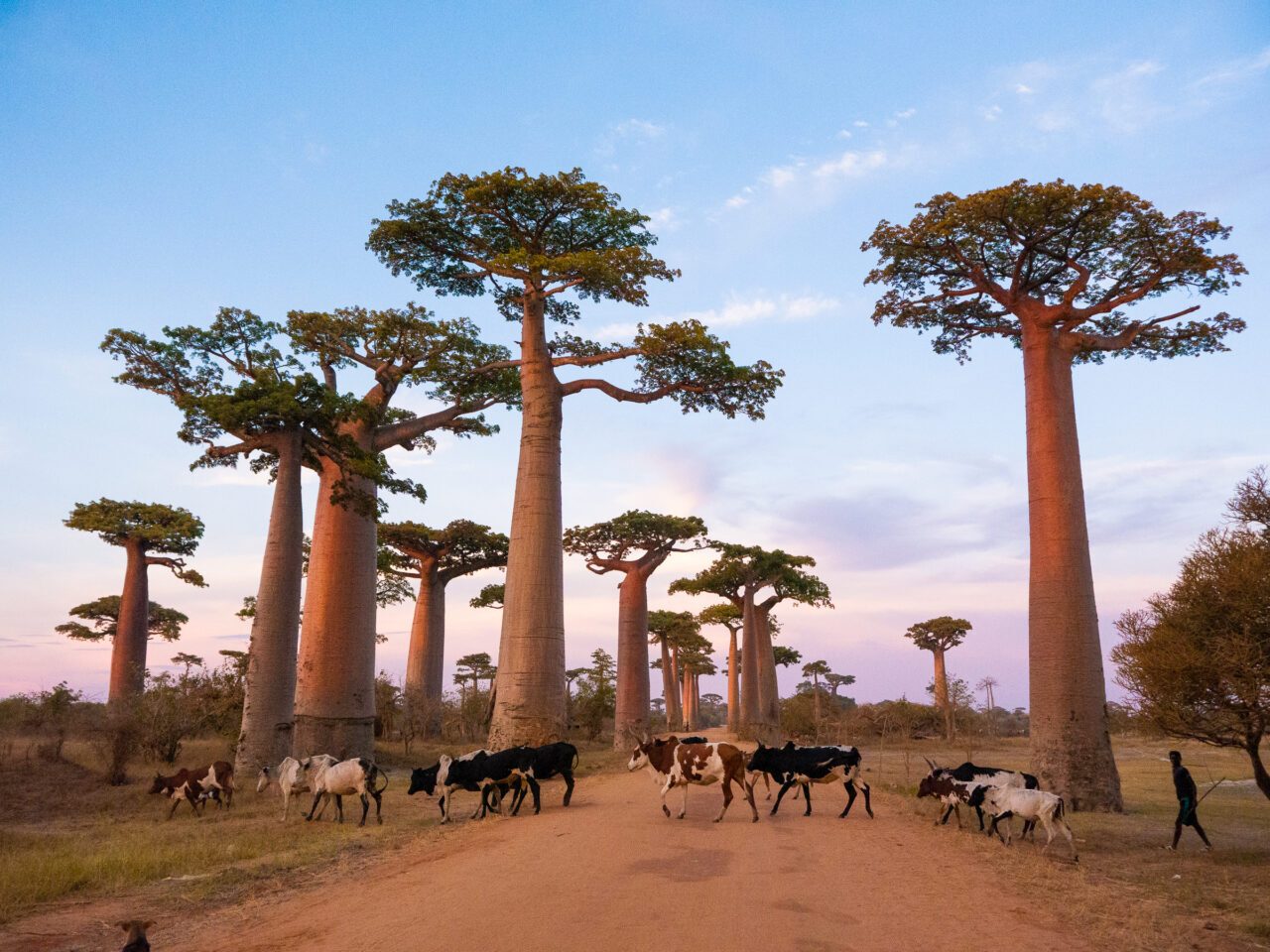
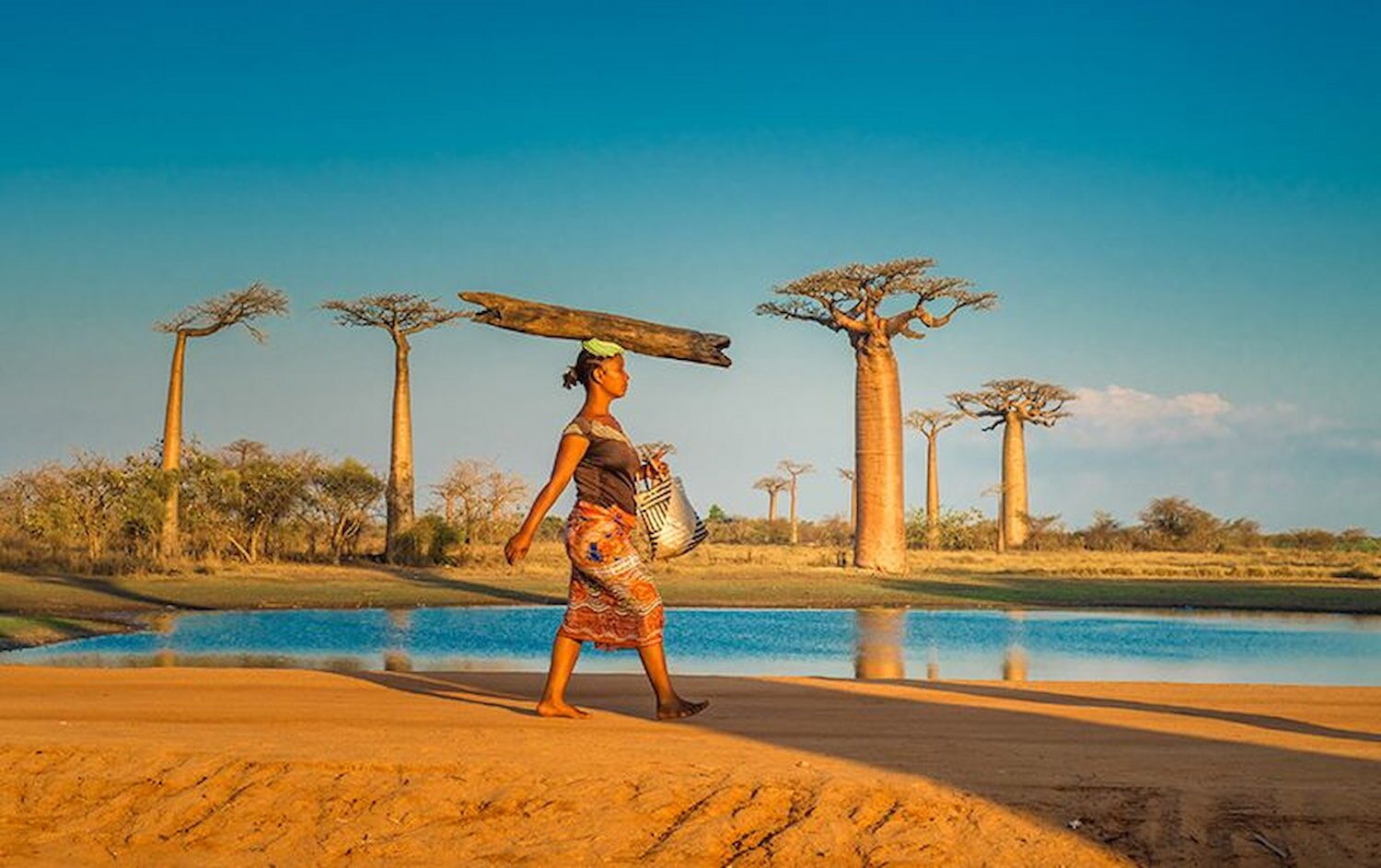
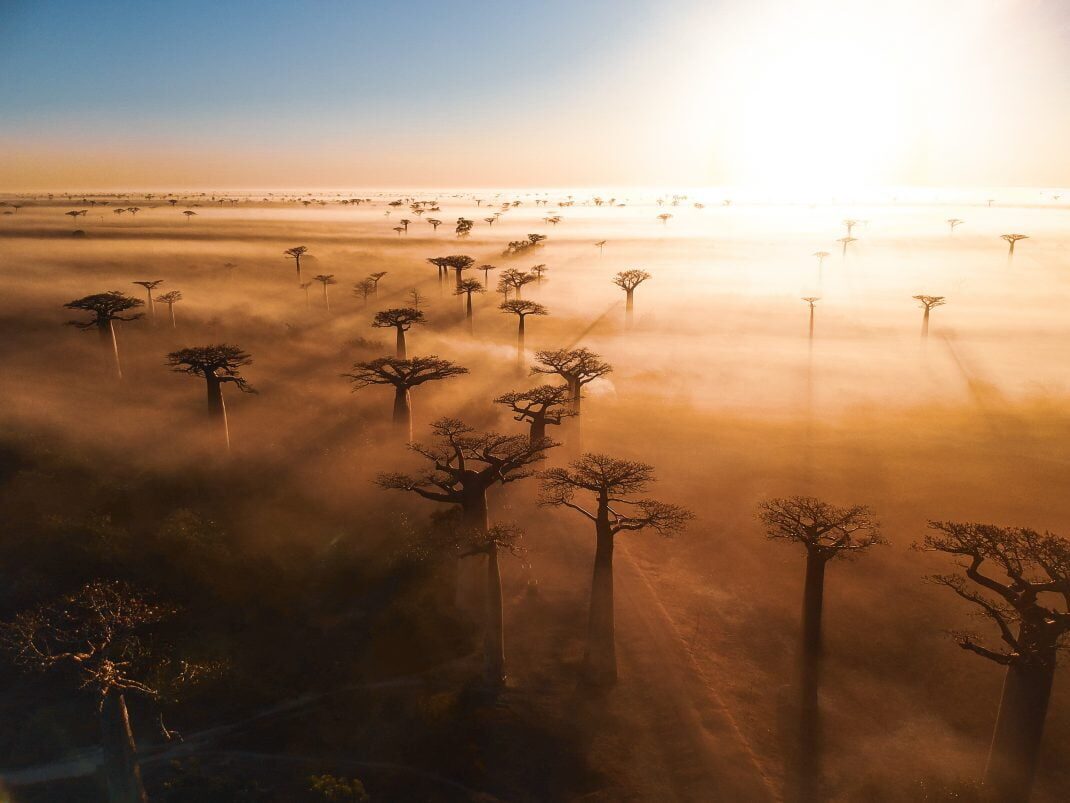
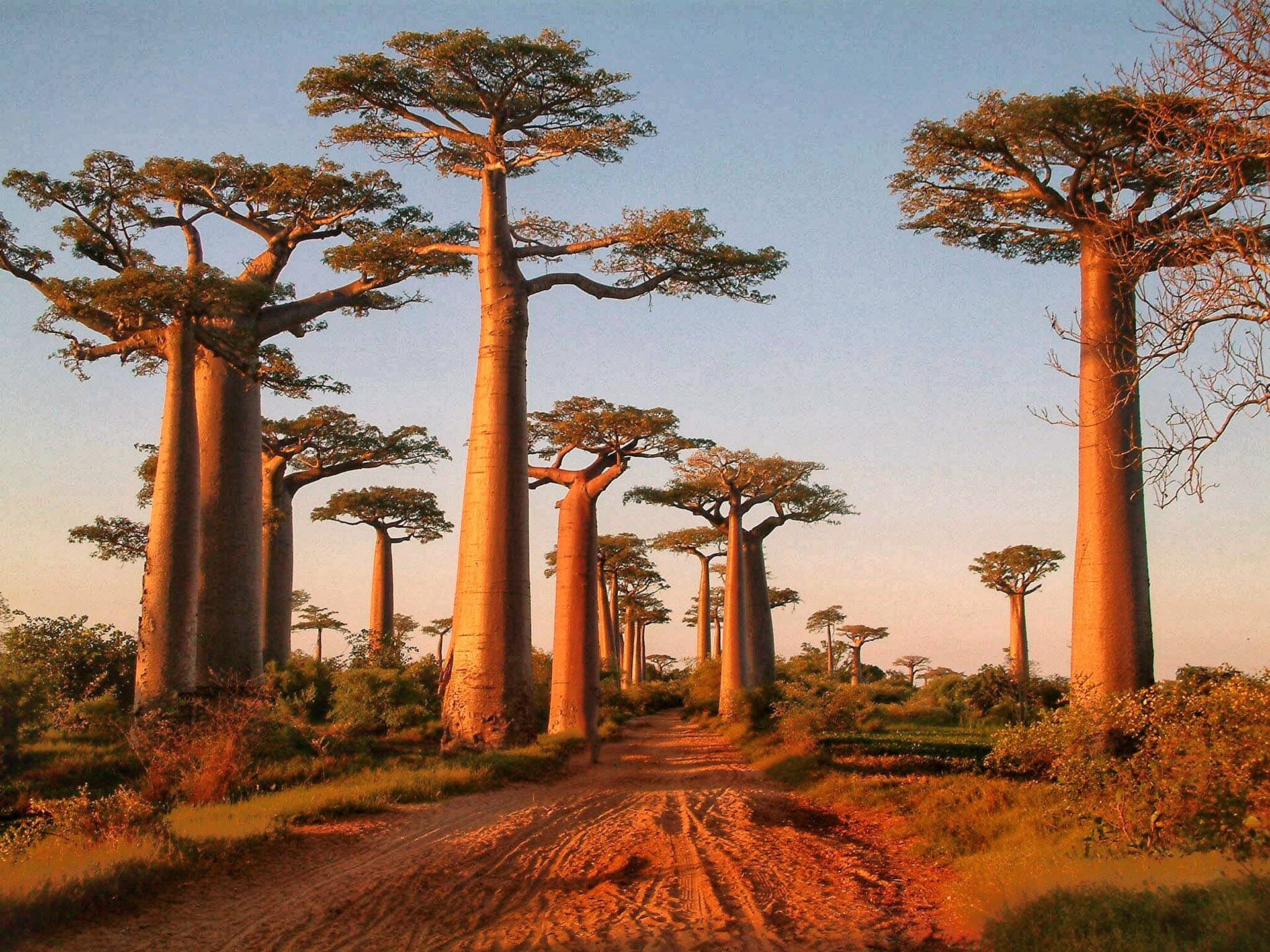
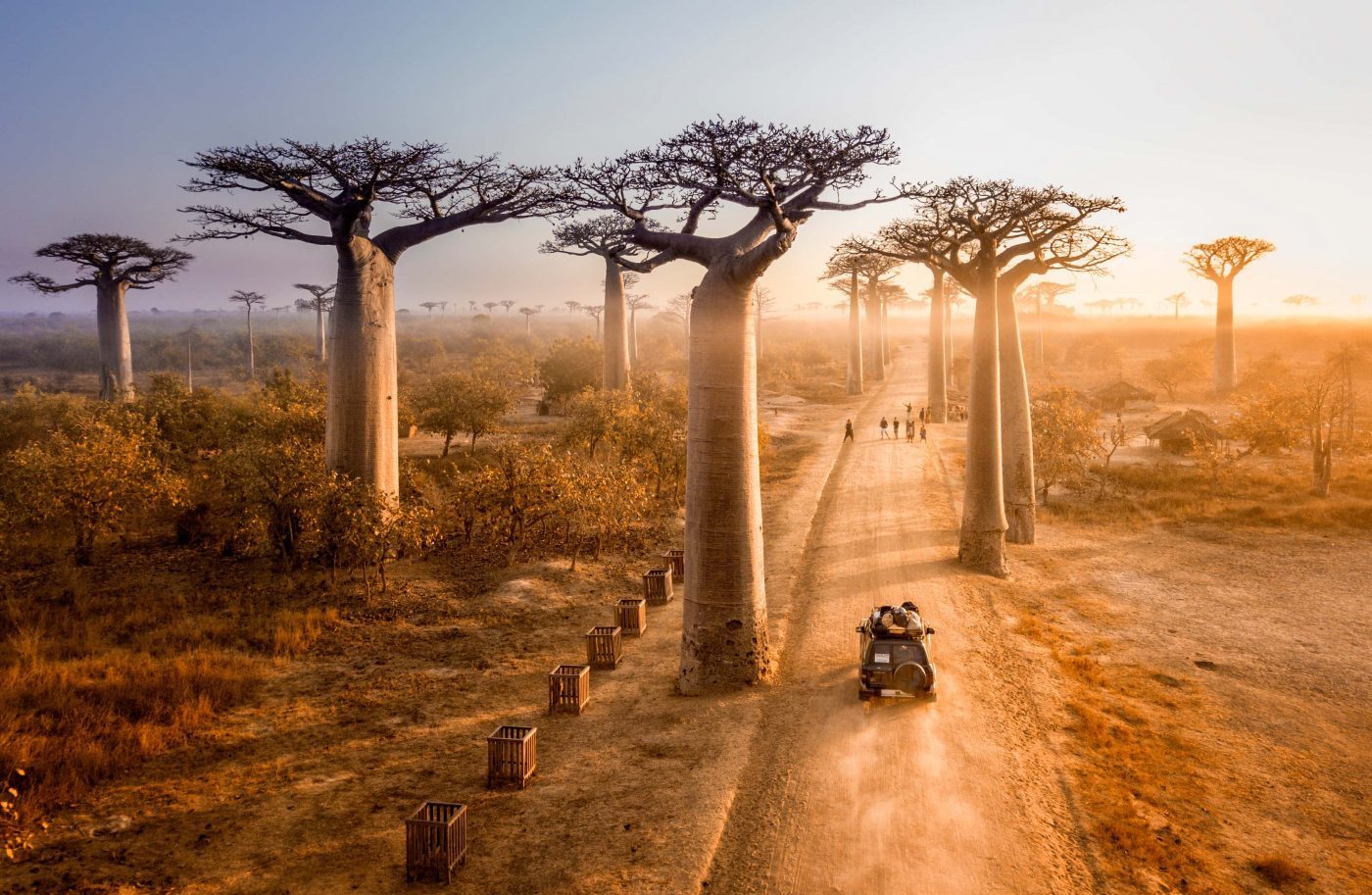
Madagascar has two main seasons: a hot, wet summer (November-April) and a cooler, dry winter (May-October). The dry season is generally best for travel - roads are more passable, weather is pleasant, and wildlife is easier to spot. September-October offers excellent wildlife viewing with baby lemurs and humpback whales. The east coast receives rain year-round. The south and west are driest, with Avenue of Baobabs most photogenic in dry season. Cyclone season (January-March) can disrupt travel, particularly on the east coast. Nosy Be and coastal islands are pleasant year-round outside cyclone season.
Cultural Notes
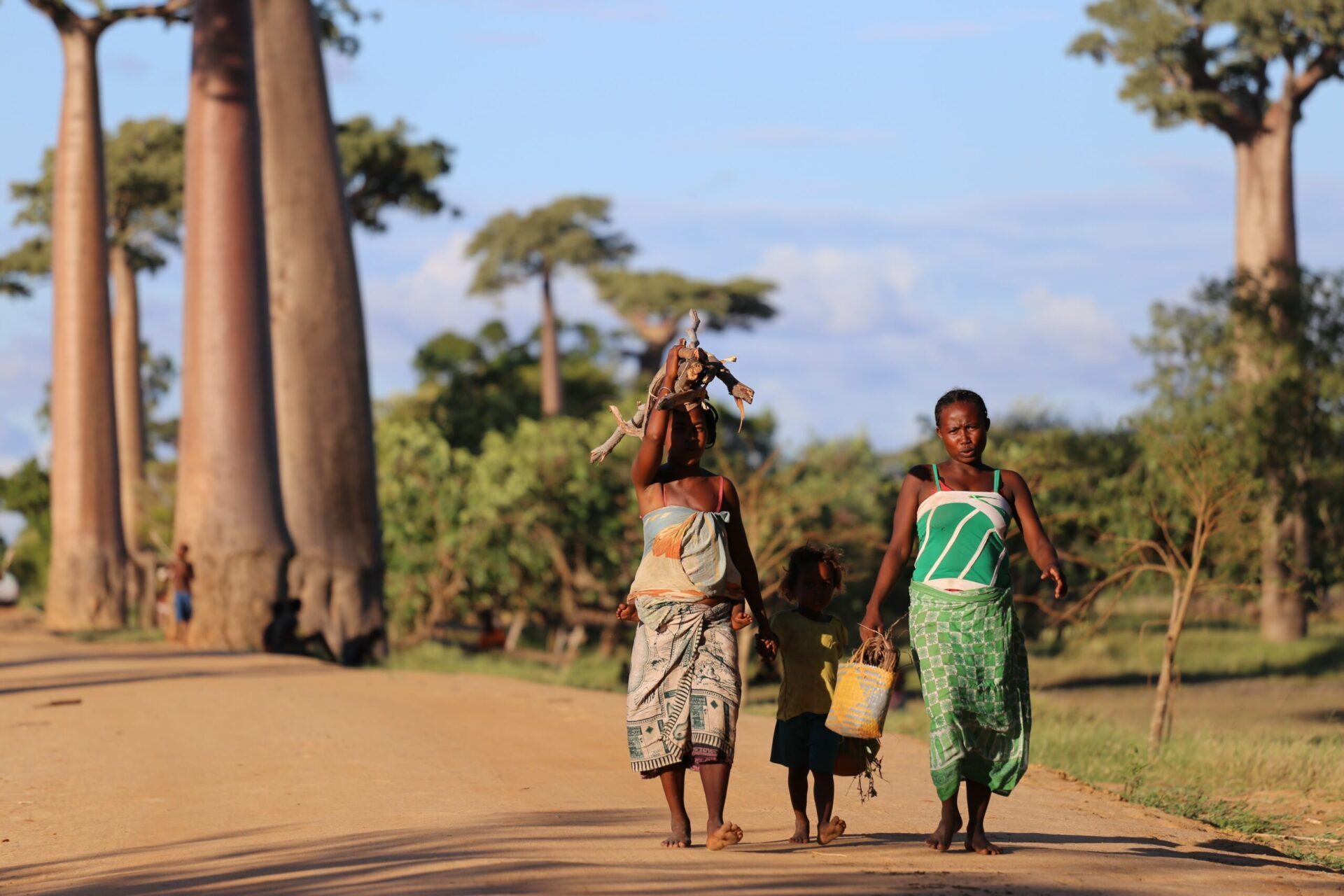
Madagascar culture blends Southeast Asian origins (the Malagasy people arrived from Borneo around 1,500 years ago) with African influences and later Arab and French colonial additions. This unique ancestry is visible in rice cultivation, ancestor veneration, and physical features. The famadihana (turning of the bones) ceremony, where ancestors remains are rewrapped and danced with, reflects the centrality of ancestor worship. Taboos called fady vary by region and must be respected. There are 18 distinct ethnic groups with different traditions. Poverty is widespread, and environmental challenges including deforestation are severe - vanilla and ecotourism are key sustainable income sources. Malagasy are generally gentle and welcoming, if reserved until trust is established.
Insider Tips
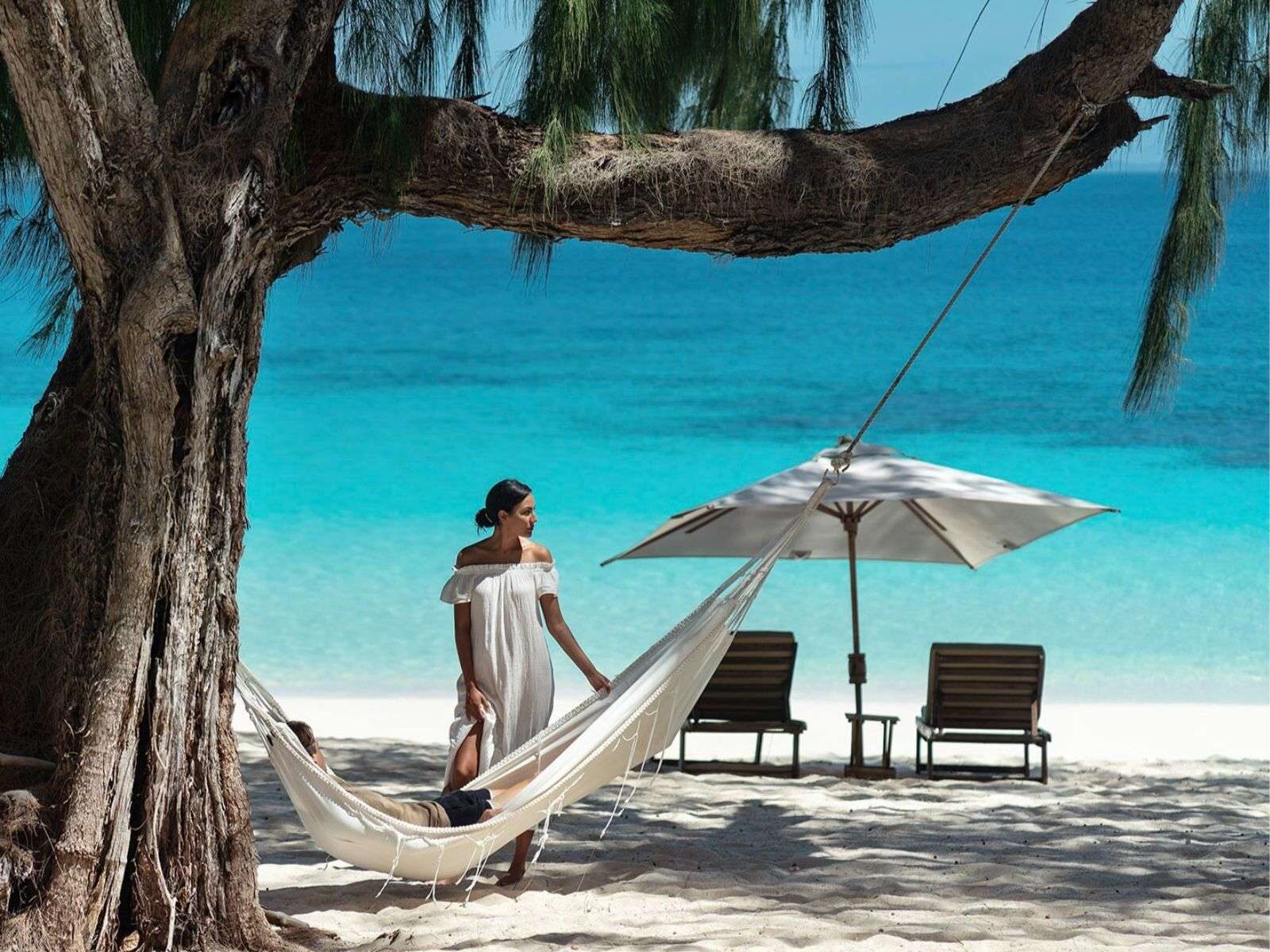
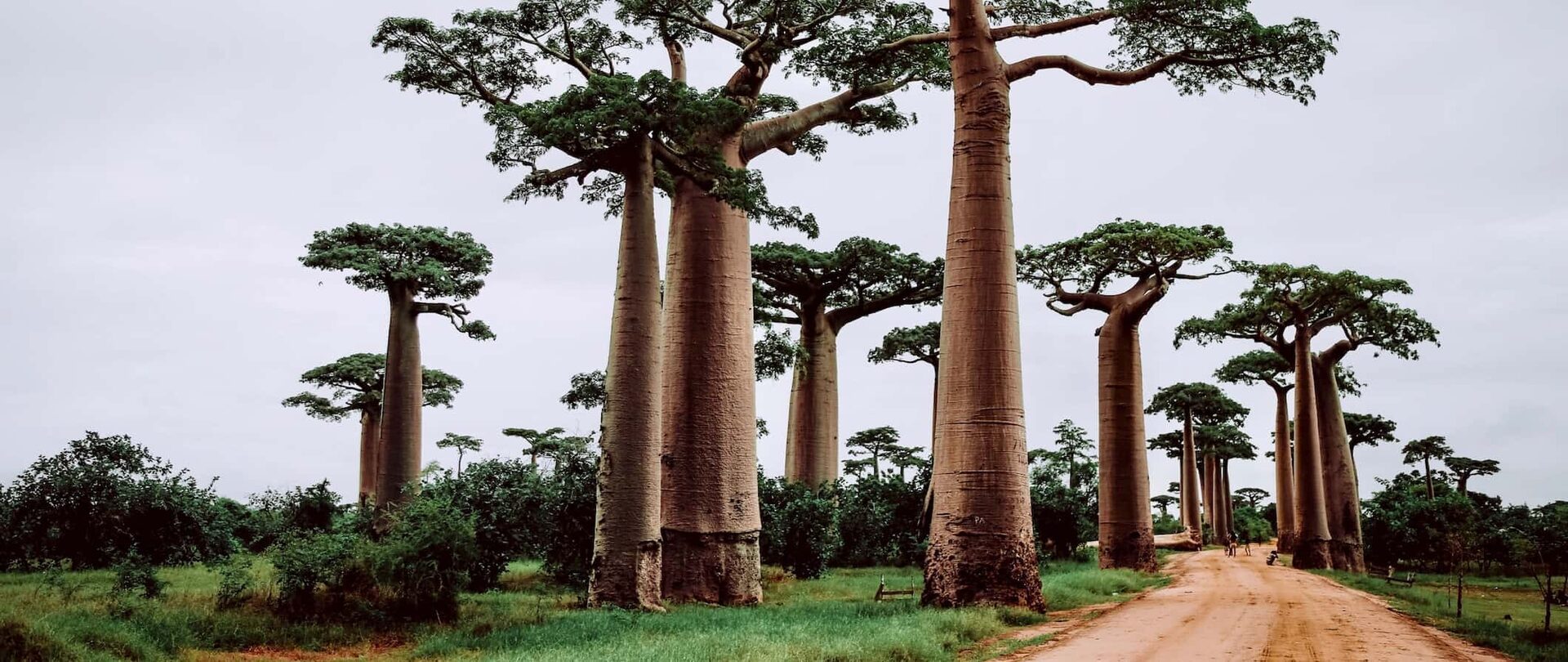
Madagascar is unlike anywhere else on Earth - 90% of its wildlife is found nowhere else, having evolved in isolation for 88 million years. Lemurs, chameleons, baobabs, and unique ecosystems await. The Avenue of Baobabs near Morondava is iconic at sunset. Andasibe-Mantadia offers accessible lemur encounters near the capital. Ranomafana and Isalo national parks showcase diverse landscapes. Nosy Be island has beaches and relaxed vibes. Infrastructure is challenging - roads are rough, distances long, and domestic flights limited and unreliable. Hiring a driver-guide is recommended. The Malagasy ariary is the currency; bring sufficient euros or dollars cash. French is widely spoken alongside Malagasy. Zebu cattle are culturally important; try zebu steak.
Current Travel Situation
United States to Madagascar: What You Need to Know
Madagascar separated from the African continent 88 million years ago, allowing evolution to produce extraordinary endemic wildlife; 90% of its species exist nowhere else. The island nation is home to lemurs (the most threatened group of mammals on Earth), chameleons (half the world's species), and unique plant life including the Baobab alley. Ivato International Airport (TNR) in Antananarivo is the main gateway with connections from Paris (Air France, Air Austral), Nairobi, Dubai, Reunion, and Mauritius. The US State Department advises Level 2 (Increased Caution) due to crime and petty theft.
How to Get There
Paris (CDG) is the primary hub: Air France and Air Austral fly to Antananarivo. Kenya Airways connects via Nairobi. Turkish Airlines flies via Istanbul. Reunion (RUN) and Mauritius (MRU) have connections and can be combined for an Indian Ocean island itinerary. There are no direct flights from the US to Madagascar.
Money & Banking
Madagascar uses the Malagasy Ariary (MGA). USD and Euros are exchangeable at banks and hotels. ATMs in Antananarivo accept international cards; outside the capital, cash is essential. Madagascar is one of Africa's poorest countries and very affordable for tourists: local food costs $2-5, guesthouses $10-30/night, and upscale eco-lodges $100-300/night (all-inclusive). Tour operators must be booked for most national park access.
Practical Tips
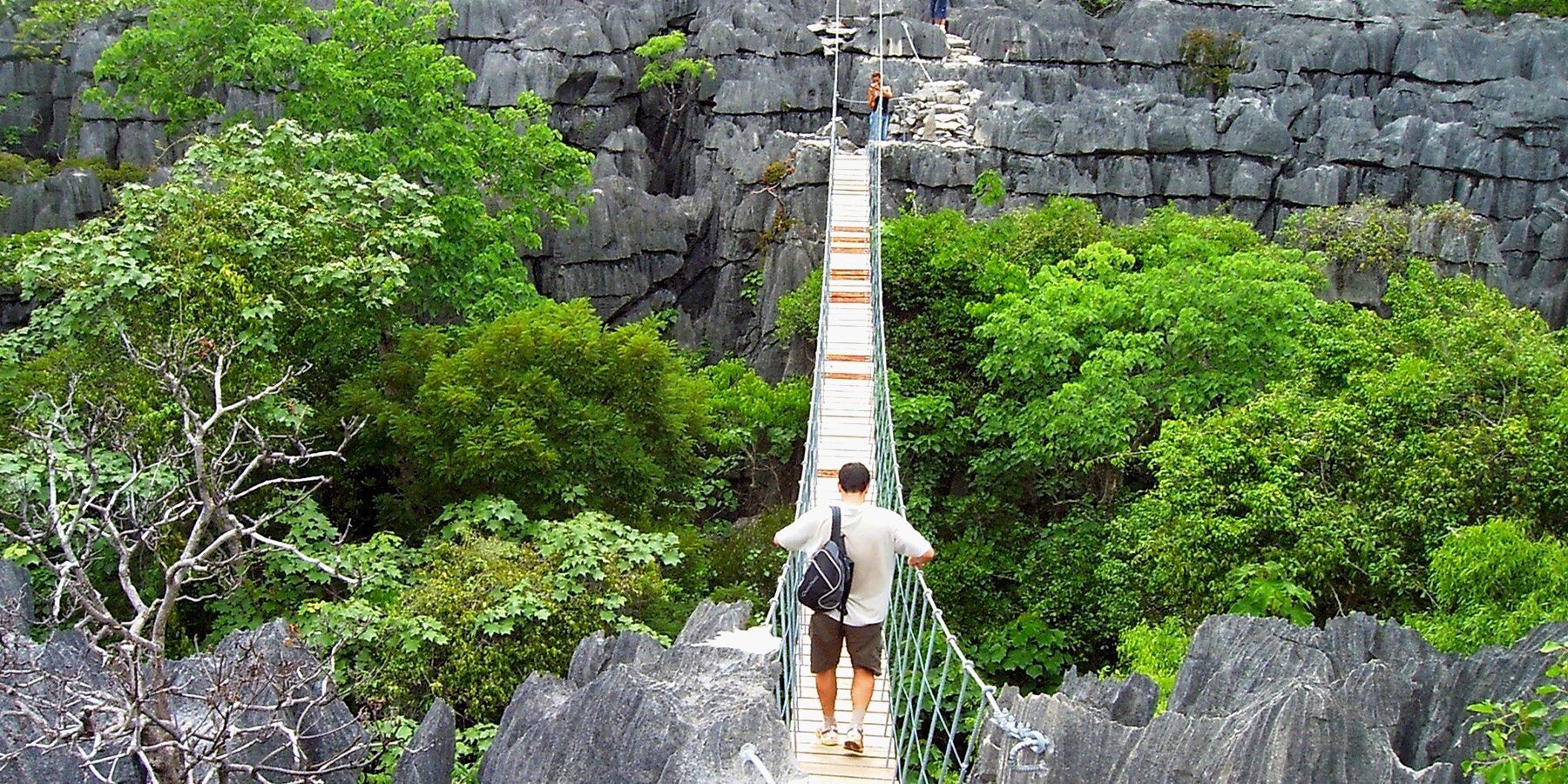
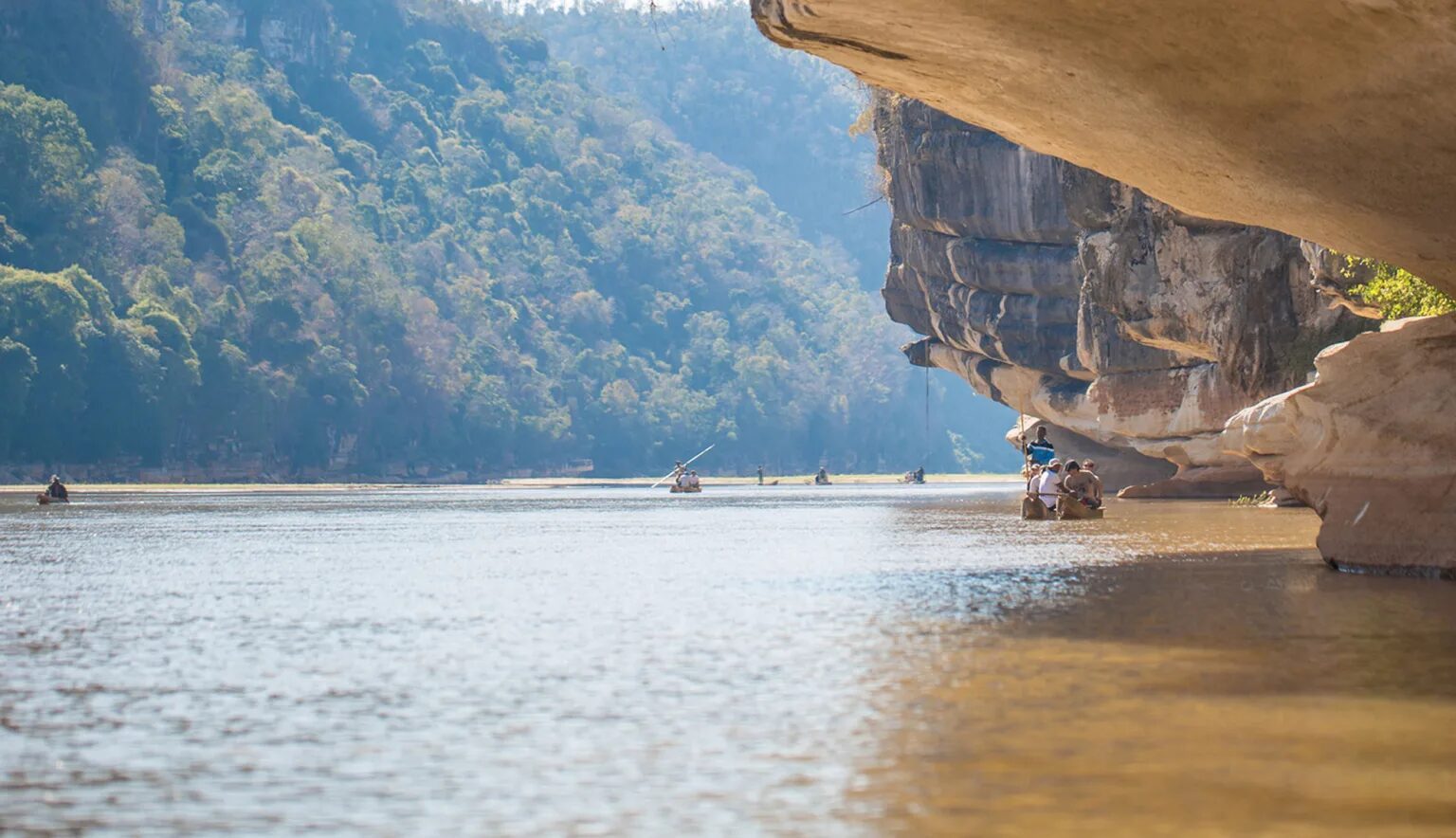
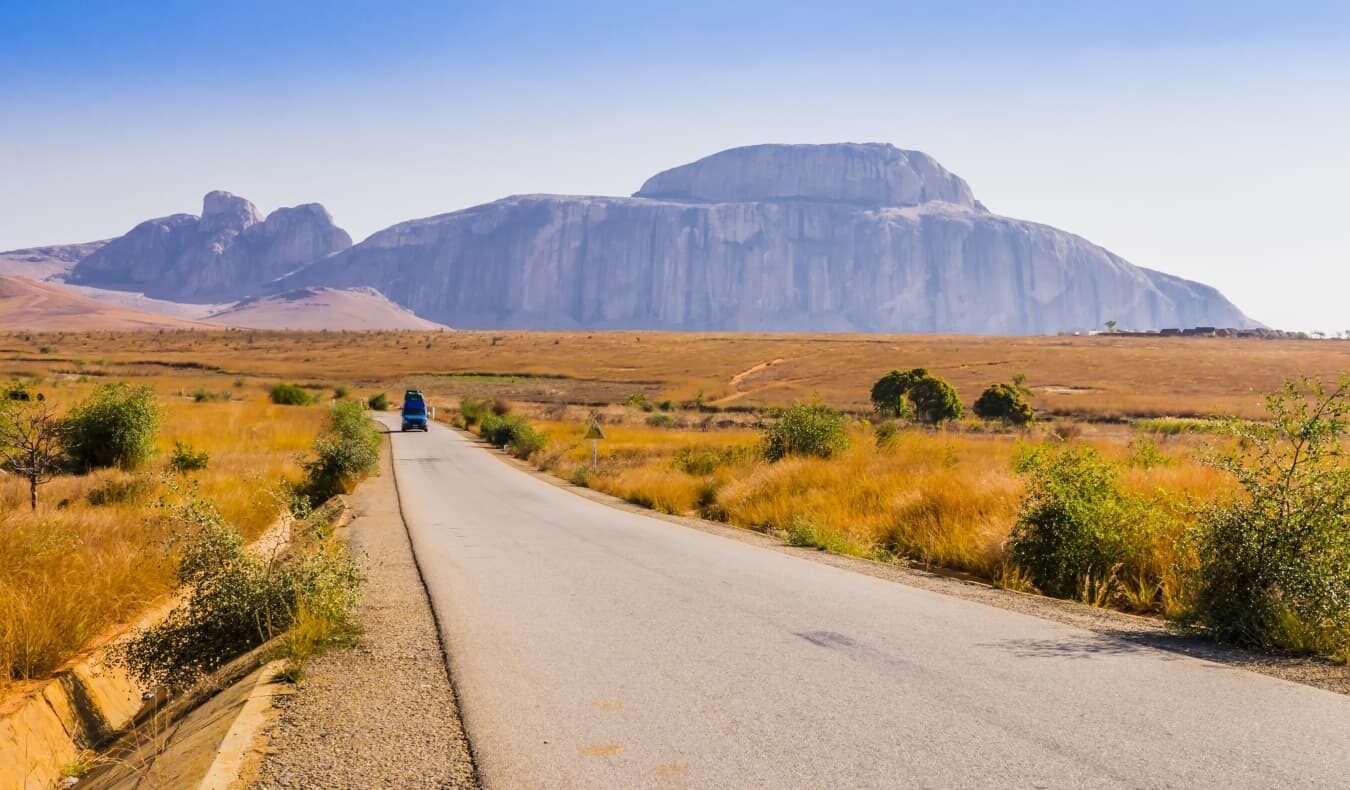
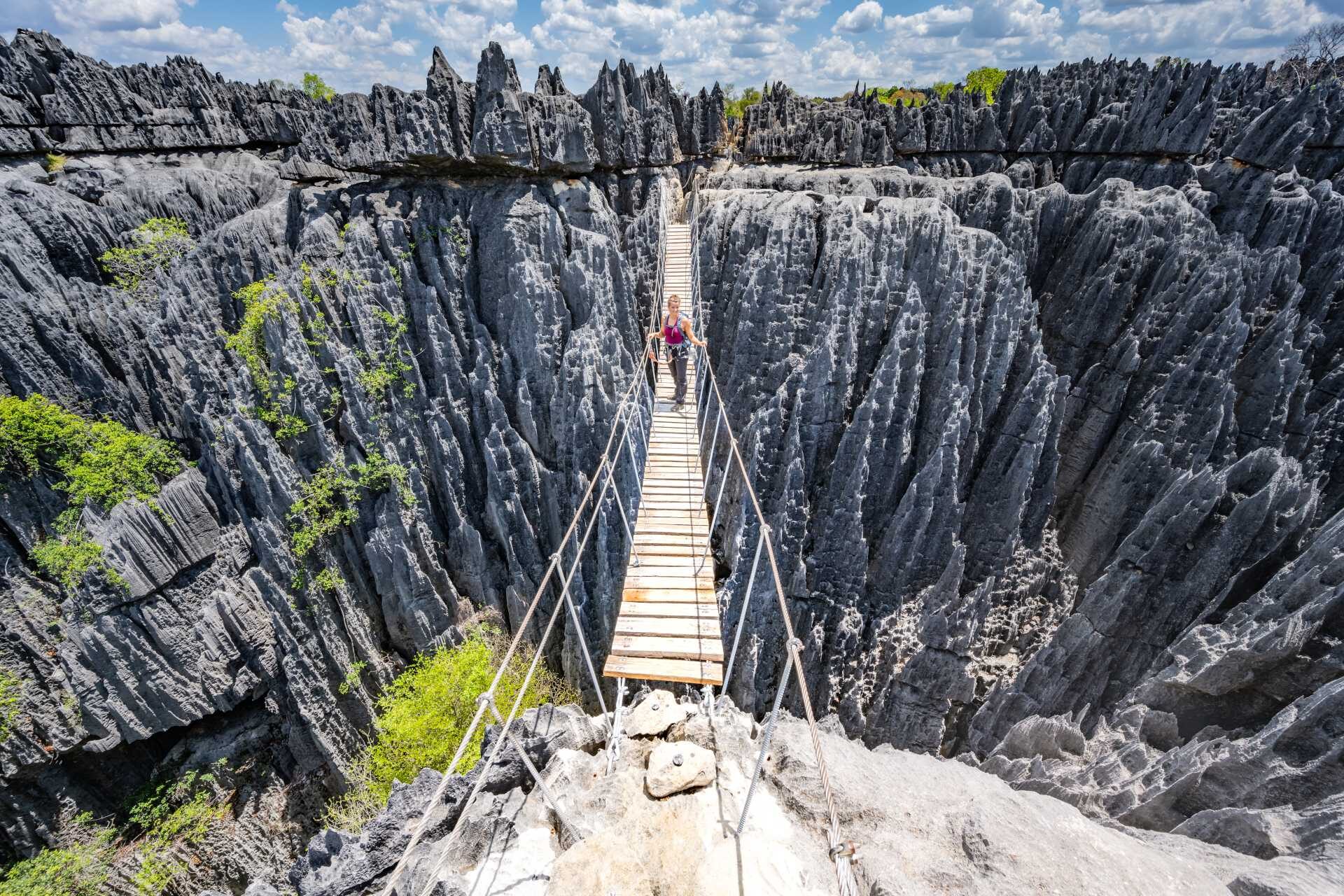
Ranomafana and Andasibe-Mantadia national parks offer the best lemur encounters (indri, the largest lemur with haunting calls, and other species). Nosy Be is the main beach resort island with diving and whale watching (humpbacks July-September). The Avenue of the Baobabs near Morondava is Madagascar's most iconic image. Isalo National Park has canyons, natural pools, and ring-tailed lemurs. The Tsingy de Bemaraha (UNESCO), extraordinary limestone needle formations, is one of the world's strangest landscapes. Note: internal travel by road can be very slow on poor roads.
Frequently Asked Questions
Is Madagascar difficult to travel independently?
Madagascar is challenging for independent travelers -- road infrastructure is poor, distances are vast, and few signs are in English. Most visitors book tours through local operators who handle transport, guides, and national park logistics. Renting a 4WD with a driver is the most flexible option. The northwest (Nosy Be) is easier to navigate independently.
What lemurs can I see in Madagascar?
Madagascar has over 100 lemur species. The most accessible are indri (largest, haunting whale-like calls, in Andasibe), ring-tailed lemurs (Isalo, Berenty), mouse lemurs (various parks, nocturnal), and sifakas (dancing sideways on the ground). Most are in national parks and reserves requiring guide accompaniment. Half of all lemur species are critically endangered.
When is the best time to visit Madagascar?
April-November is generally best. April-June offers lush landscapes after rain and good wildlife. July-September is peak season with whales in the north (Nosy Be) and dry conditions. October-November is warm and good for lemurs. December-March is the hot, rainy season -- some roads become impassable and cyclones affect the northeast coast. The dry Spiny Forest south is best visited May-October.
Do US citizens need a visa to visit Madagascar?
Yes, but US citizens can obtain a tourist visa on arrival at Antananarivo (Ivato) Airport and some other ports of entry. Fees are approximately $35 for 30 days or $40 for 60 days, payable in cash (US dollars, euros, or Malagasy ariary). You'll need a passport valid for 6 months with 2 blank pages and proof of return travel. An e-visa option (evisamada.gov.mg) is also available for advance application. The on-arrival process is generally smooth but can have long queues.
What makes Madagascar's wildlife unique?
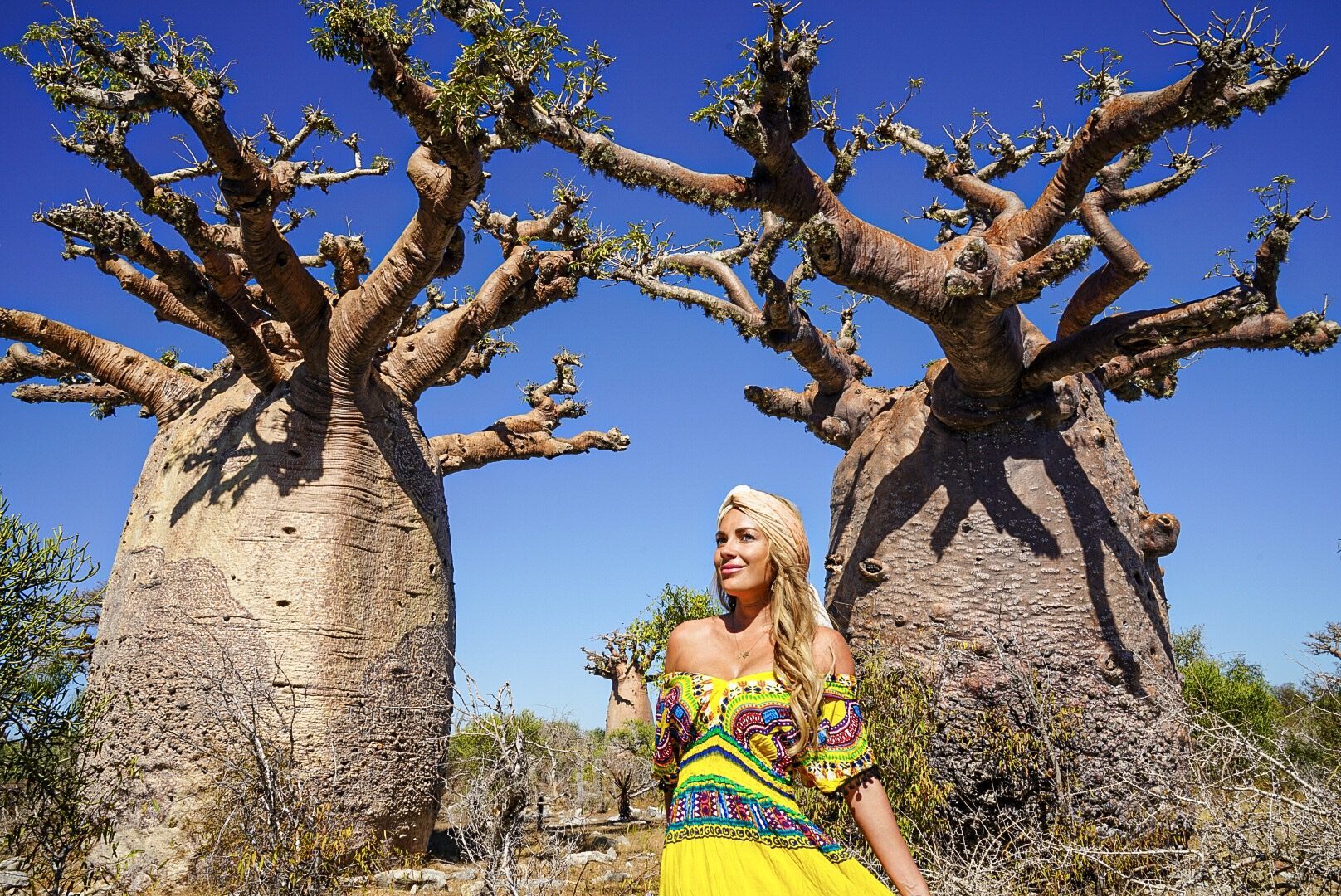
Madagascar split from the African mainland about 160 million years ago, and its isolation created a living laboratory of evolution. Approximately 90% of its wildlife is found nowhere else on Earth. Lemurs (over 100 species) are the famous residents, ranging from tiny mouse lemurs to the large indri. Chameleons, including half of all species worldwide, are abundant. Baobab trees, the bizarre fossa predator, colorful frogs, and thousands of unique plants make Madagascar a biodiversity hotspot. Sadly, deforestation threatens this irreplaceable heritage, making conservation tourism important.
How do I plan a trip to Madagascar?
Madagascar is challenging to travel independently due to poor infrastructure. Key planning tips: Focus on one or two regions (the country is huge); book internal flights early (Air Madagascar); hire guides for national parks (mandatory and valuable); bring cash (ATMs unreliable outside major cities); roads are terrible (what looks like a short drive takes hours); dry season (April-October) is best. Popular routes include: Avenue of the Baobabs and Tsingy near Morondava (west), Ranomafana and Isalo national parks (south-central), Andasibe for indri lemurs (east of the capital), and Nosy Be island for beaches and whale watching.
What wildlife experiences should I prioritize?
For lemur watching, Andasibe-Mantadia National Park (3 hours east of the capital) is most accessible, home to the largest lemur, the indri, with its haunting calls. Ranomafana has excellent biodiversity including golden bamboo lemurs. Berenty Reserve in the south has ring-tailed lemurs and sifakas in dry forest. For chameleons and baobabs, western Madagascar near Morondava features the iconic Avenue of the Baobabs. The bizarre Tsingy de Bemaraha stone forest is a UNESCO site. From July-September, humpback whales visit Nosy Be and Île Sainte-Marie. Night walks reveal nocturnal lemurs, chameleons, and tree frogs throughout.