Lithuania Visa RequirementsFor United States passport holders
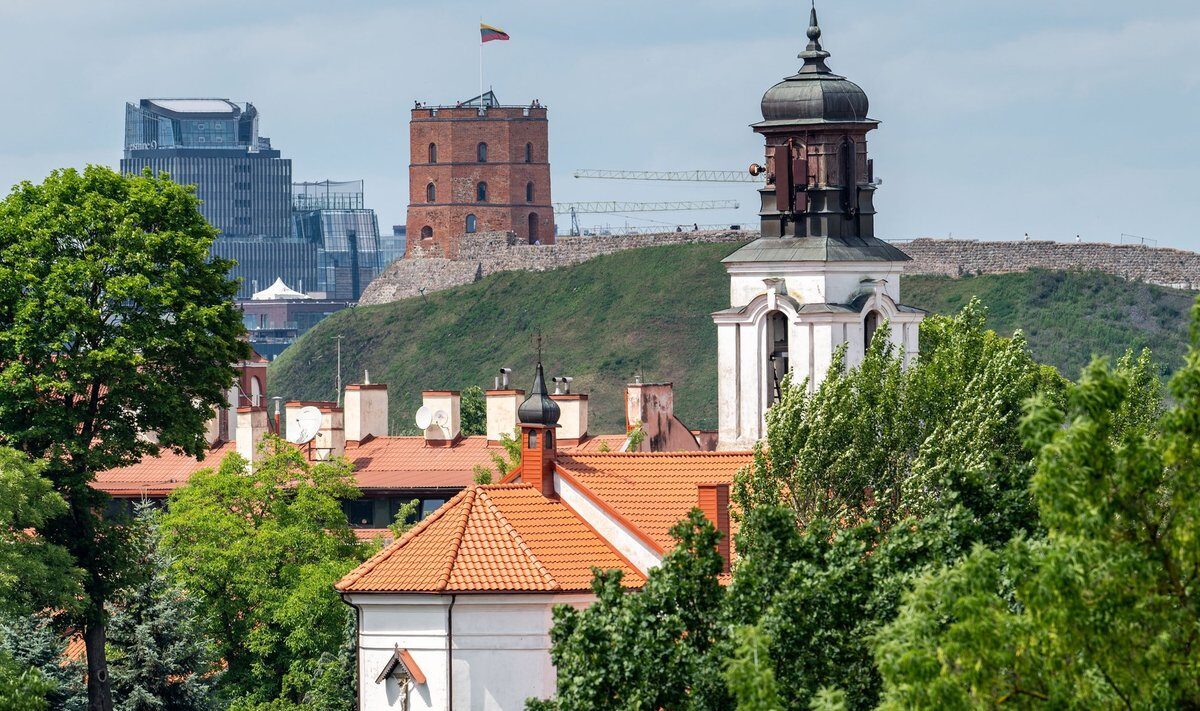
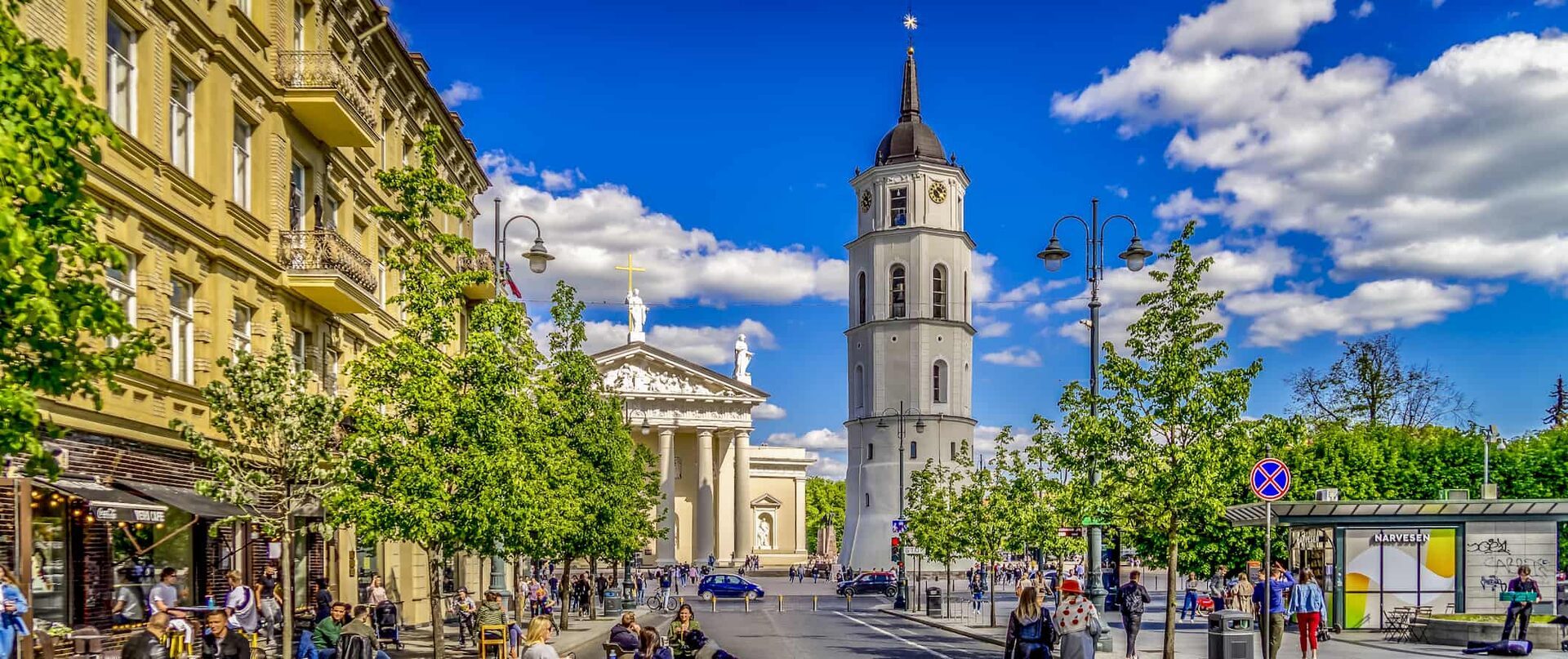
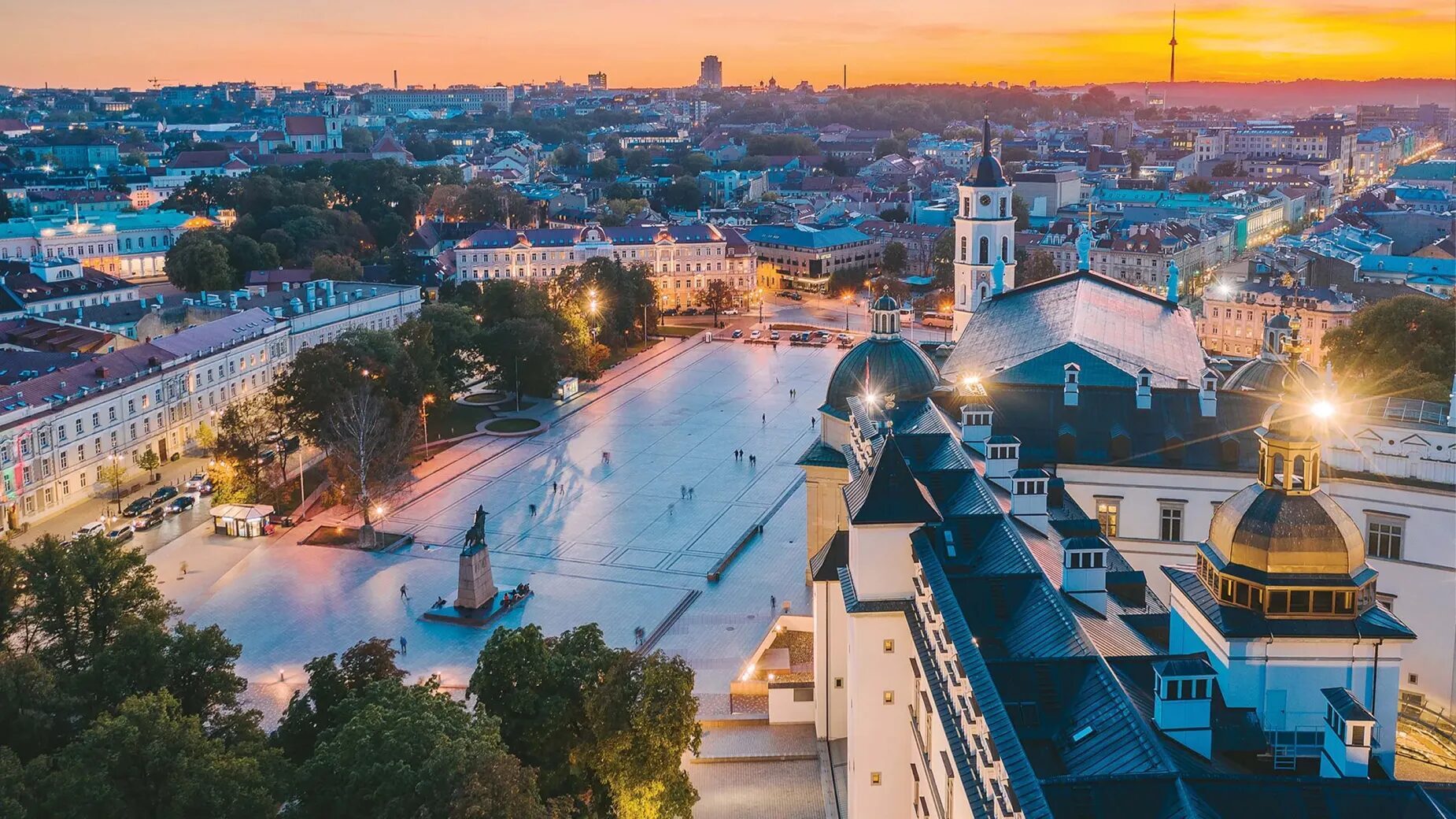
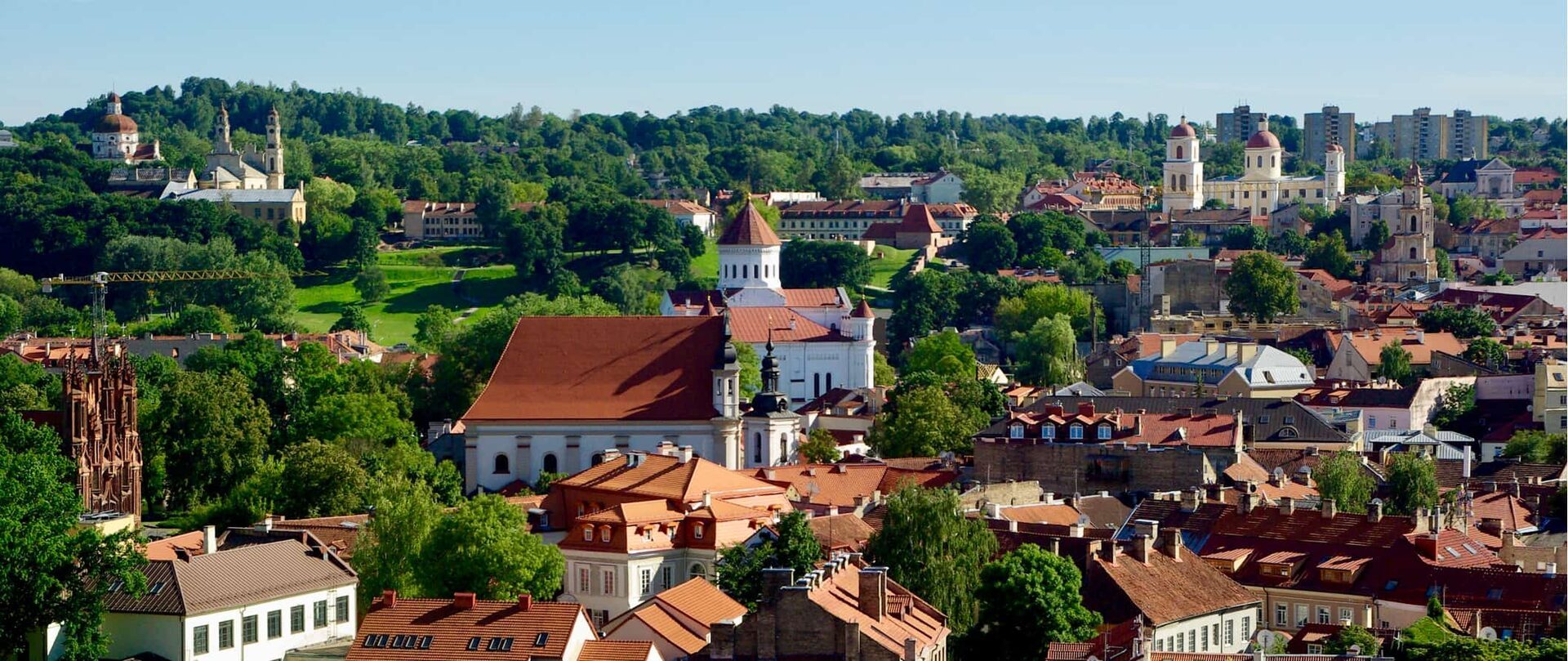
US citizens can visit Lithuania visa-free for up to 90 days within any 180-day Schengen period. Vilnius has one of Europe's most beautiful and unspoiled baroque old towns.
Great news! United States passport holders can enter Lithuania without a visa for tourism or business purposes. You can stay up to 90 days.
No visa is required for US citizens for stays up to 90 days in the Schengen area. Carry a valid US passport with at least 3 months validity beyond planned Schengen departure. Vilnius Airport has good connections to major European hubs. ETIAS pre-registration for Americans may be required starting 2025.
Lithuania is part of the Schengen Area. Your stay counts toward the 90-day limit within any 180-day period for the entire Schengen zone. Learn more about Schengen rules →
Entry Requirements
Passport Validity
6 months beyond departure from Schengen
Blank Pages
2 blank pages required
Multiple Entry
Allowed
Work Permitted
No - requires work visa
Required Documents
Valid US Passport
Must be valid for at least 3 months beyond planned departure from Schengen Area
Valid US Passport
Must be valid for at least 3-6 months beyond your planned departure date (varies by country)
Return or Onward Ticket
Proof of departure from the country, such as a return flight or onward travel booking
Proof of Onward Travel Recommended
Return or onward flight ticket — recommended
Proof of Accommodation Recommended
Hotel reservation, Airbnb booking, or address where you will be staying
Proof of Sufficient Funds Recommended
Credit cards, bank statements, or cash to cover expenses during your stay
Travel Insurance Recommended
Recommended for all international travel covering medical emergencies
Travel Essentials
Health & Safety
Safety Rating
Vaccinations
Tick-borne encephalitis if hiking.
Tap Water
Safe to drink
Safety Tips
Lithuania is very safe. Standard city precautions apply.
Money & Costs
Currency
€ Euro (EUR)
Daily Budget (USD)
Budget: $40 · Mid: $90 · Luxury: $220+
Tipping
5-10% appreciated.
Practical Info
Power
Type C, F, 230V
Driving
Right side
Emergency
112 (all emergencies)
Getting There
Main Airports
Vilnius (VNO)
Culture & Travel Tips
Best Time to Visit
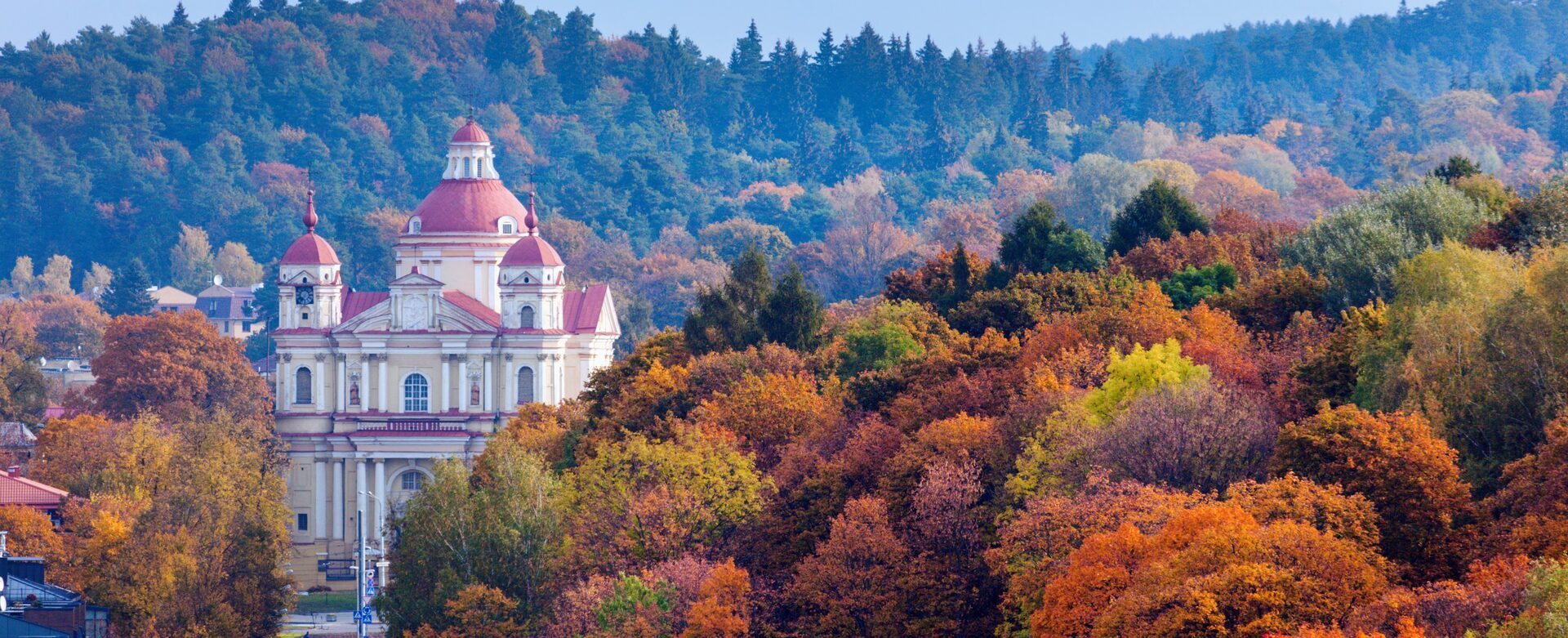
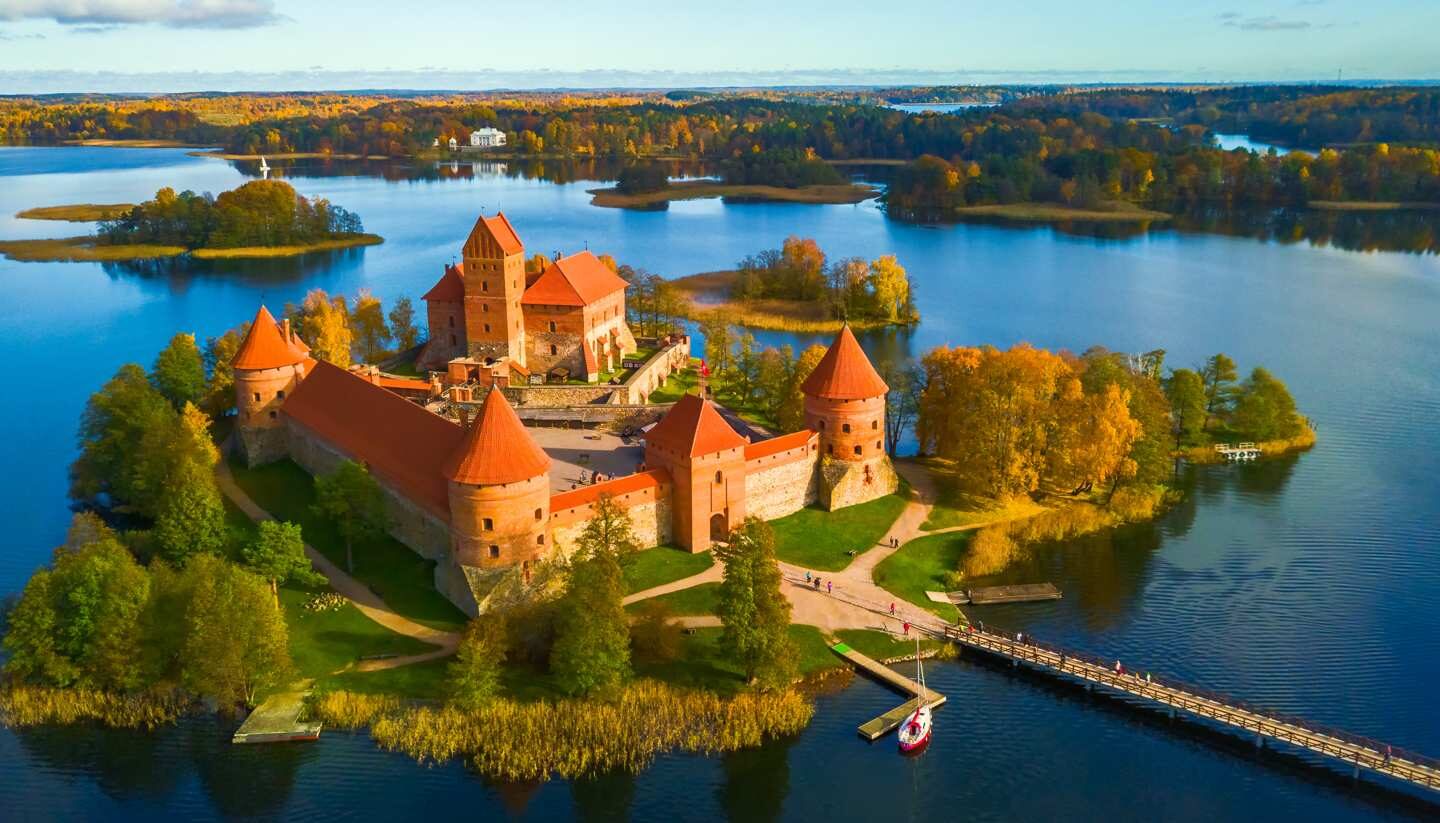
Lithuania has a temperate continental climate with four distinct seasons. The best time to visit is late spring through early autumn (May-September) when days are long and temperatures pleasant. June and July offer the longest days with the famous White Nights near the summer solstice. Summer (June-August) is warm (20-25°C/68-77°F) and ideal for exploring Vilnius, the Curonian Spit, and hill fort sites. Autumn brings beautiful foliage, particularly around Trakai. Winters are cold (around -5°C/23°F) and gray but Christmas markets in Vilnius are charming. The Kaziukas Fair in early March celebrates traditional crafts.
Cultural Notes
Lithuania was the last European nation to convert to Christianity (1387) and was once a vast empire stretching to the Black Sea. This medieval golden age is a source of national pride. Soviet occupation (1940-1990) and the peaceful Singing Revolution that ended it are central to modern identity - Vilnius Museum of Occupations and Genocide documents this history. Lithuanians are proud, somewhat reserved, and deeply attached to their language, one of the oldest surviving Indo-European tongues. Basketball is the national passion, bordering on religion. Traditional folk culture survives in song festivals and craft traditions. Catholicism remains influential though society has secularized. The diaspora, particularly in Chicago, maintains strong ties.
Insider Tips
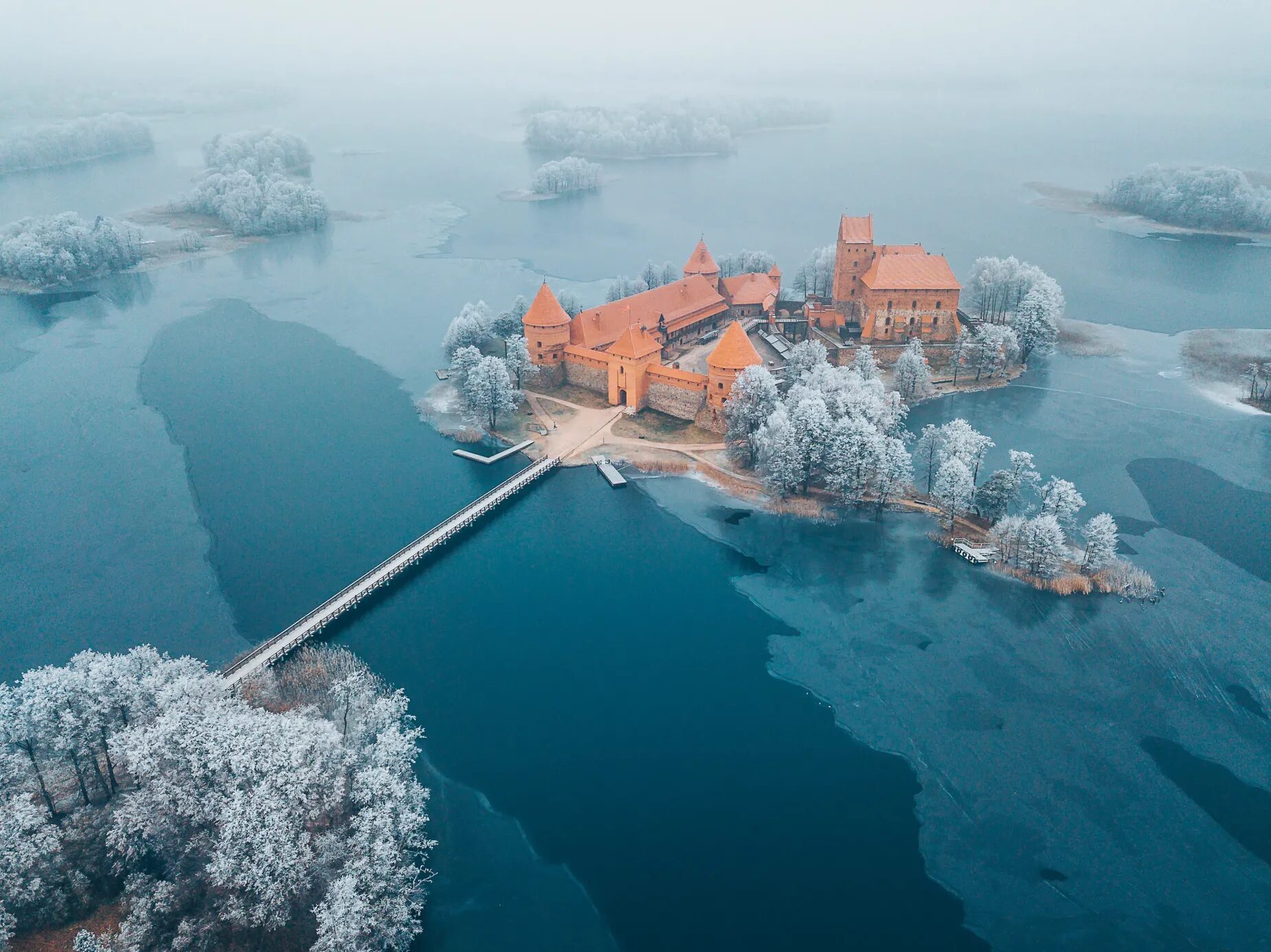
Lithuania is the largest and southernmost Baltic state, with the beautifully restored Vilnius old town as its UNESCO-listed highlight. The capital blends baroque churches, cobblestone streets, and contemporary art galleries with excellent coffee culture. Day trips reach Trakai castle (island fortress) and the Hill of Crosses (pilgrimage site with thousands of crosses). The Curonian Spit, a UNESCO sand dune peninsula shared with Russia, offers unique beaches and nature. Buses connect cities efficiently; trains serve some routes. Lithuania uses the Euro. English is widely spoken, especially among younger generations. Try cepelinai (potato dumplings), saltibarsciai (cold beet soup), and local beer.
Current Travel Situation
United States to Lithuania: What You Need to Know
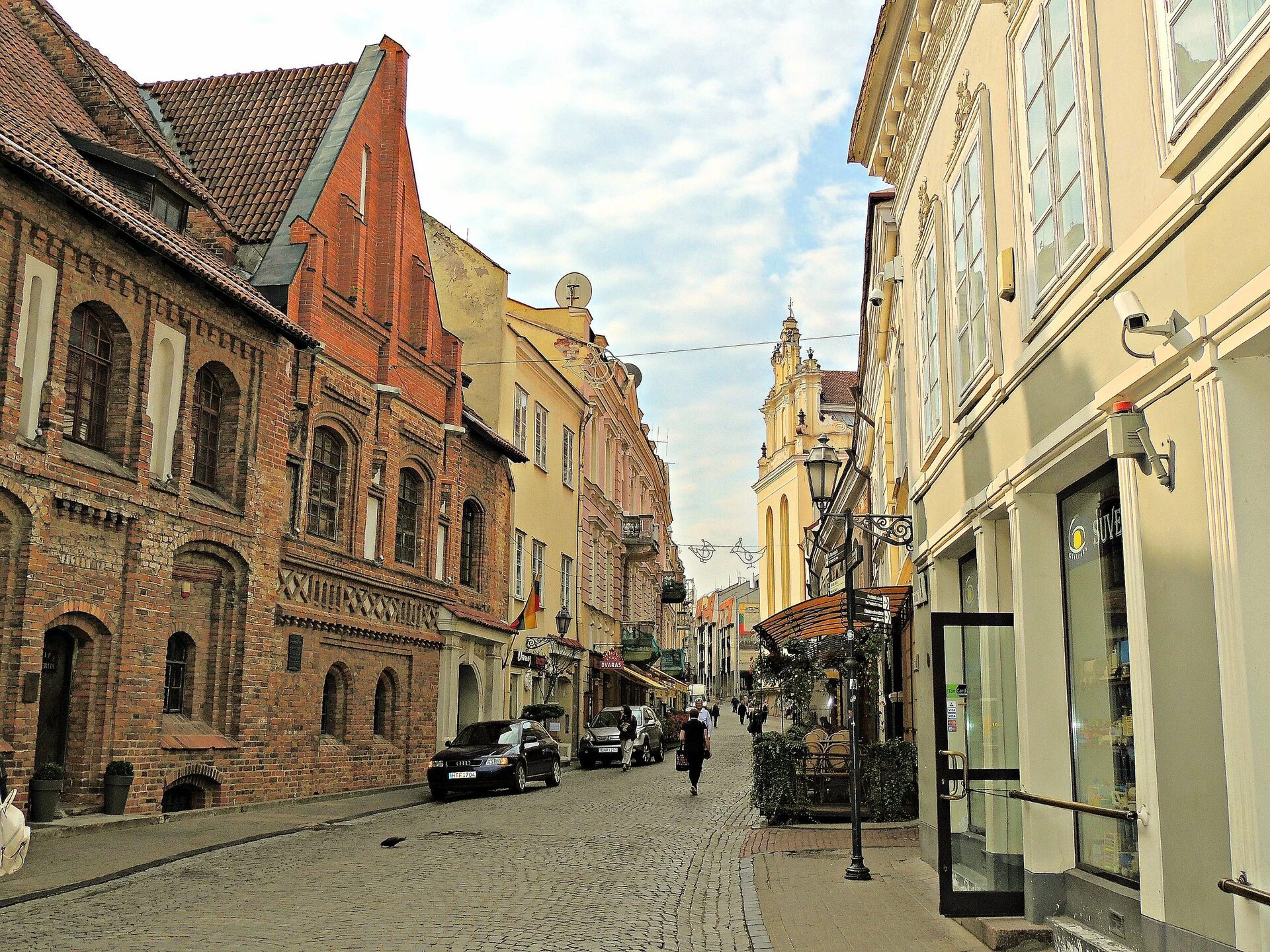
Lithuania is a Schengen member state and US citizens benefit from the Schengen visa exemption. Lithuania is the southernmost and largest of the three Baltic States. The capital Vilnius has one of Europe's most extensive and best-preserved Baroque old towns (UNESCO World Heritage Site), extensive Jewish heritage (Vilnius was once called the "Jerusalem of Lithuania"), and the unique Republic of Uzupis , an artistic self-declared independent republic within the city. Lithuania was the first Soviet republic to declare independence in 1990, and its history of Soviet and Nazi occupation is deeply part of the national identity. Lithuania joined both NATO and the EU in 2004.
How to Get There
Latvia (Riga) is 3 hours by bus from Vilnius. Poland (Warsaw, Gdansk) is accessible by bus or overnight train (Berlin 9 hours via Kaunas). The Curonian Spit (a UNESCO-listed sand dune peninsula on the Baltic Sea coast) extends from Lithuania into Russia's Kaliningrad Oblast , a spectacular natural area reachable from Klaipeda. Kaliningrad (Russia) is an exclave accessible from Lithuania, but check current border situation given Russia-NATO tensions.
Money & Banking
Lithuania uses the euro (EUR). Card payments are widely accepted in Vilnius and major towns. Lithuania is affordable by Western European standards , good restaurant meals from EUR 8-18; accommodation from EUR 40-80/night in Vilnius. The Amber Museum shops in Palanga are famous for Baltic amber jewelry. Lithuanian beer (Svyturys, Utenos) is excellent and cheap.
Practical Tips
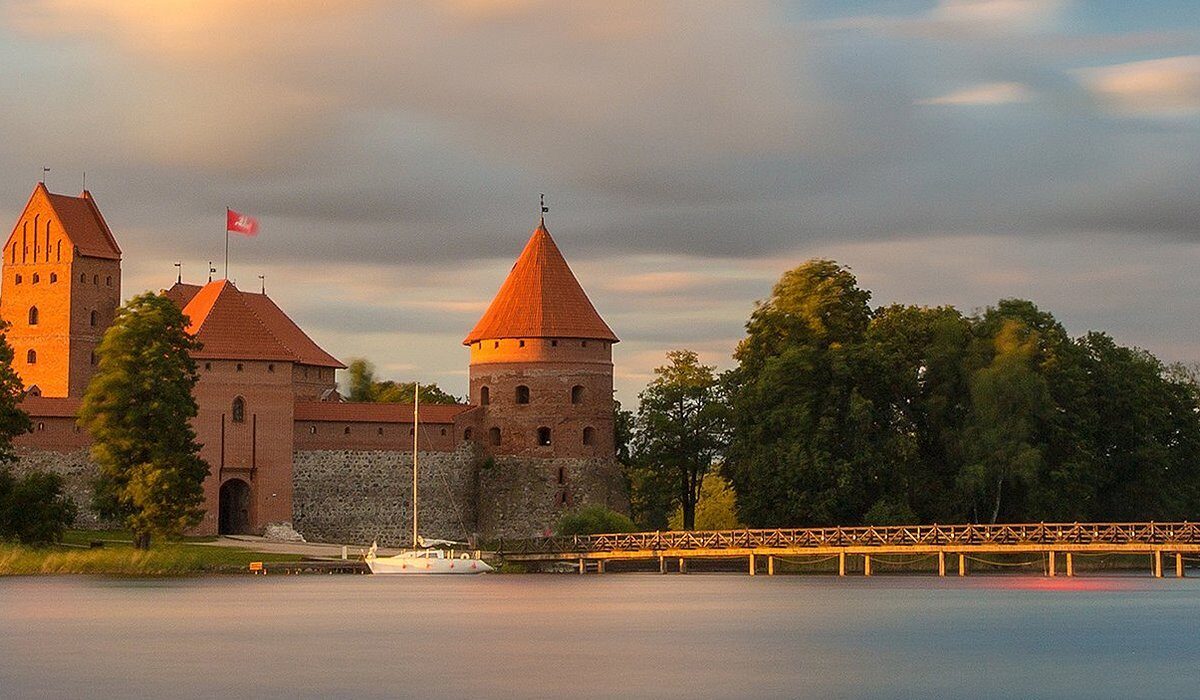
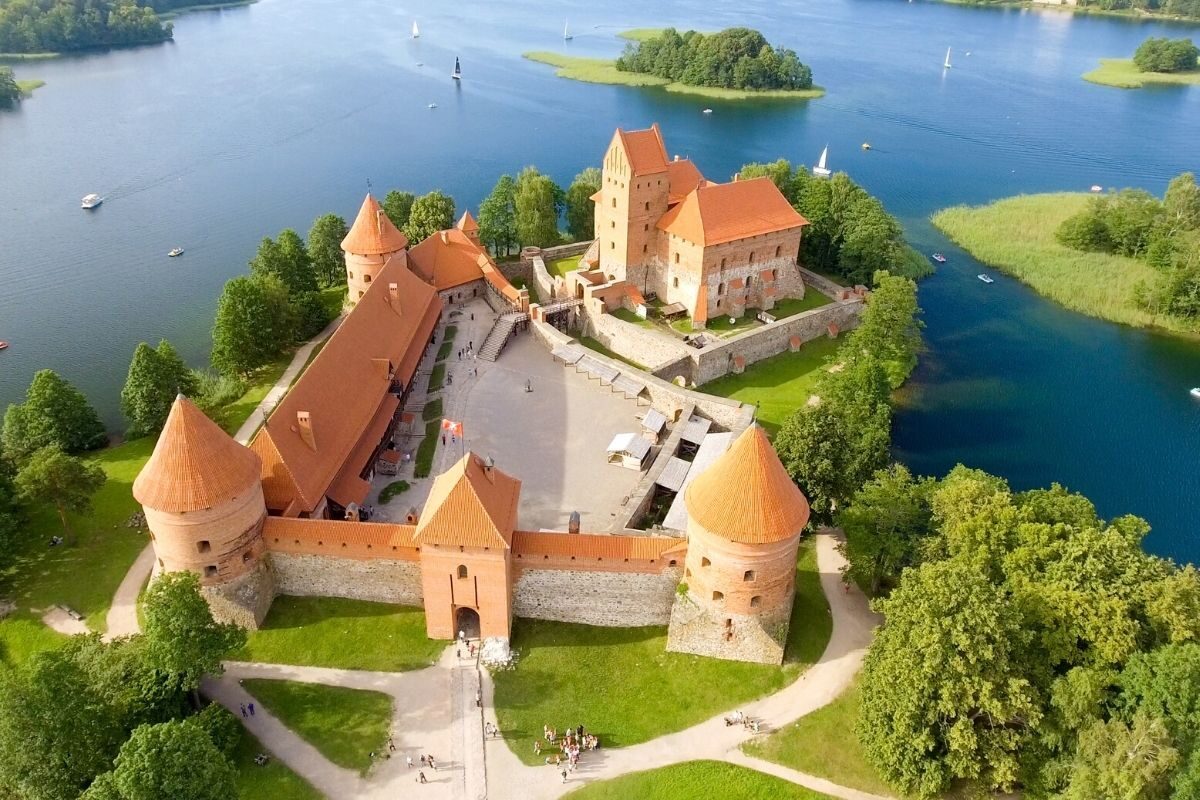
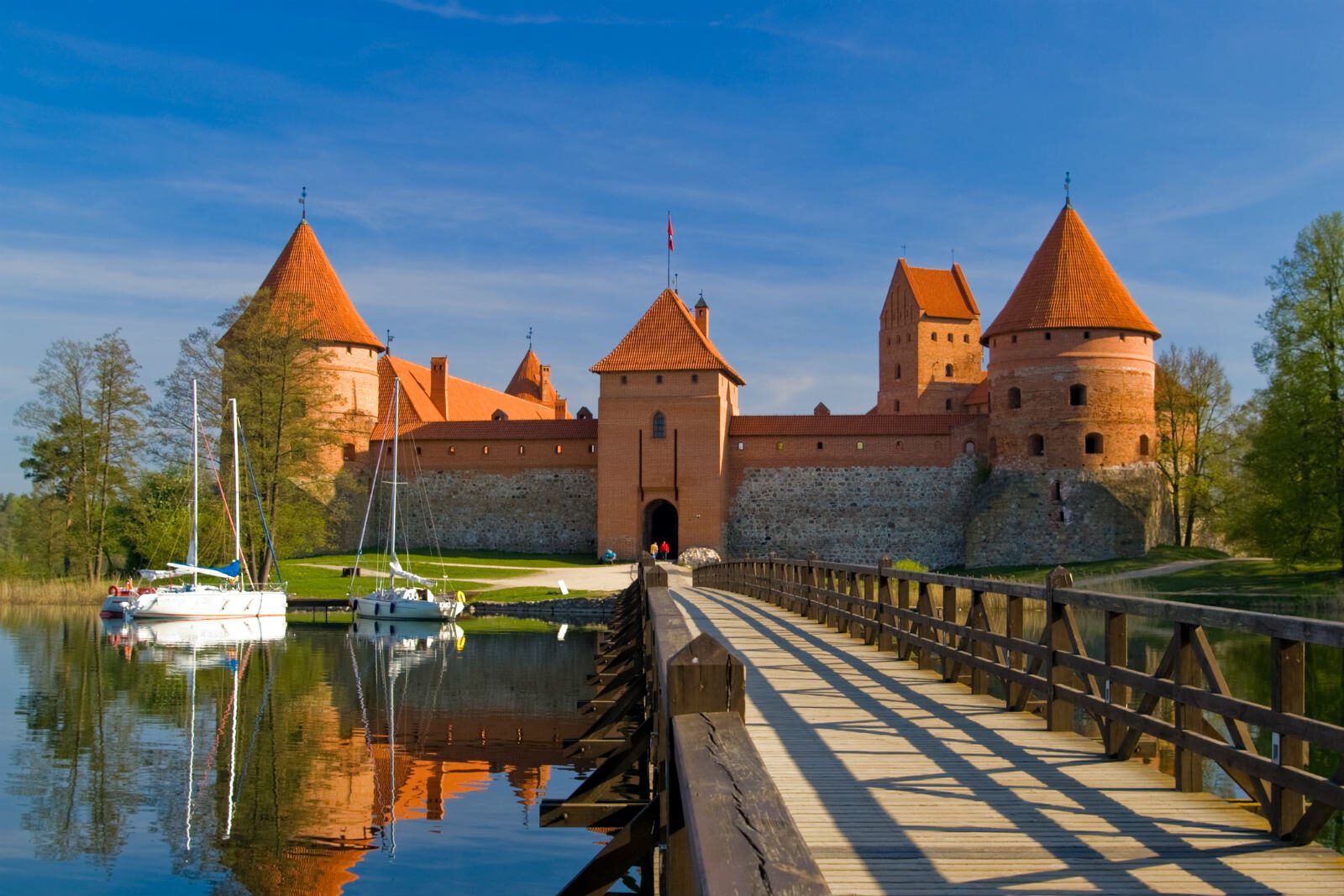
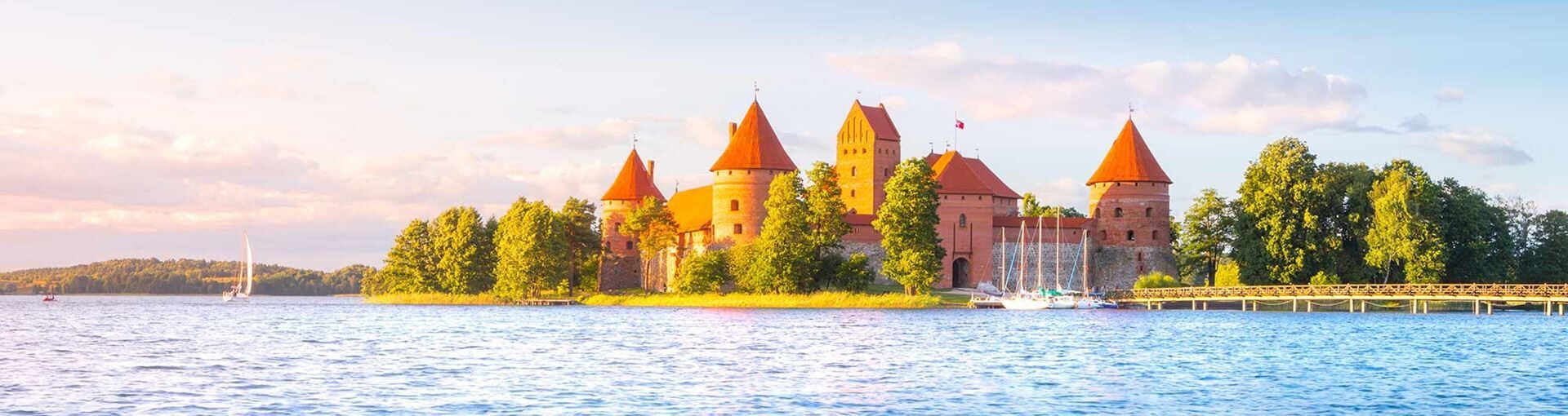
Vilnius' Old Town is a UNESCO marvel of Baroque architecture rarely crowded with mass tourism. The Gates of Dawn (Aušros Vartai) houses a miraculous icon and is a major pilgrimage site. The Hill of Crosses near Siauliai (3 hours from Vilnius) is an extraordinary site of over 100,000 crosses spontaneously placed by Lithuanians as resistance to Soviet occupation , deeply moving and unique. Trakai Castle (30 minutes from Vilnius) is a picturesque island castle on Lake Galve. Lithuanian food highlights: cepelinai (potato dumplings stuffed with meat), cold beet soup (šaltibarščiai, a shocking pink color), and smoked sausages.
Frequently Asked Questions
Do US citizens need a visa for Lithuania?
No. US citizens can visit Lithuania visa-free for up to 90 days as part of the Schengen Agreement. ETIAS pre-registration may be required starting 2025.
What is the Republic of Uzupis in Vilnius?
Uzupis is a quirky bohemian neighborhood in Vilnius that declared itself an independent republic on April 1, 1997. It has its own "constitution" (written in multiple languages on plaques around the neighborhood), president, and army of 11 soldiers. It is a serious artistic community that also celebrates absurdist humor.