Libya Visa RequirementsFor United States passport holders
US citizens require a visa to visit Libya. The US State Department has issued a Level 4 "Do Not Travel" advisory for Libya due to ongoing civil war, terrorism, and the risk of arbitrary detention.
United States passport holders require a visa to enter Libya.
Obtaining a Libyan visa is extremely difficult for Americans. The US Embassy in Libya is closed and there is no Libyan Embassy in the US in normal operation. Prior to 2011, tourist visas required an authorized guide and documents translated into Arabic. Under current conditions, visa issuance to Western nationals is essentially suspended. Travel is strongly discouraged.
Entry Requirements
Passport Validity
6 months beyond date of entry
Blank Pages
2 blank pages required
Multiple Entry
Single entry only
Work Permitted
No - requires work visa
Entry Conditions
Visa required. Embassy services suspended. No reliable visa process exists.
Required Documents
Valid US Passport
Must be valid for at least 6 months beyond your planned stay with at least 2 blank pages for visa stamps
Completed Visa Application Form
Fill out the official visa application form from the embassy or consulate
Passport-size Photos
Two recent color photos (2x2 inches or 35x45mm) with white background, taken within last 6 months
Proof of Accommodation
Hotel reservations, rental agreement, or invitation letter with host address
Proof of Sufficient Funds
Recent bank statements (last 3 months), credit card statements, or sponsorship letter
Round-trip Flight Itinerary
Confirmed return or onward flight booking showing departure from the country
Employment or Business Letter
Letter from employer stating position, salary, and approved leave dates, or business registration documents
Travel Insurance Recommended
Comprehensive travel insurance covering medical expenses and emergency evacuation
Cover Letter Recommended
Personal letter explaining purpose of visit, itinerary, and ties to home country
Travel Essentials
Health & Safety
Safety Rating
Vaccinations
Hepatitis A, Hepatitis B, Typhoid, Rabies
Tap Water
Bottled water recommended
Safety Tips
Libya has been in civil conflict since the 2011 revolution that overthrew Gaddafi. Multiple armed factions compete for control. Kidnapping of foreigners, terrorism, and armed violence are significant risks. Tripoli and major cities have varying degrees of control. Most governments advise against all travel.
Money & Costs
Currency
ل.د Libyan Dinar (LYD)
Daily Budget (USD)
Budget: $60 · Mid: $120 · Luxury: $250+
Tipping
Not a primary concern given current situation.
Practical Info
Power
Type C, L, 230V 50Hz
Driving
Right side
Emergency
No reliable emergency services.
Getting There
Main Airports
Benghazi (BEN) · Tripoli (MJI)
Culture & Travel Tips
Best Time to Visit
If travel were safe, the best time would be October to April when temperatures are mild. Summers are extremely hot (40°C+). However, the security situation makes all travel inadvisable regardless of weather.
Cultural Notes
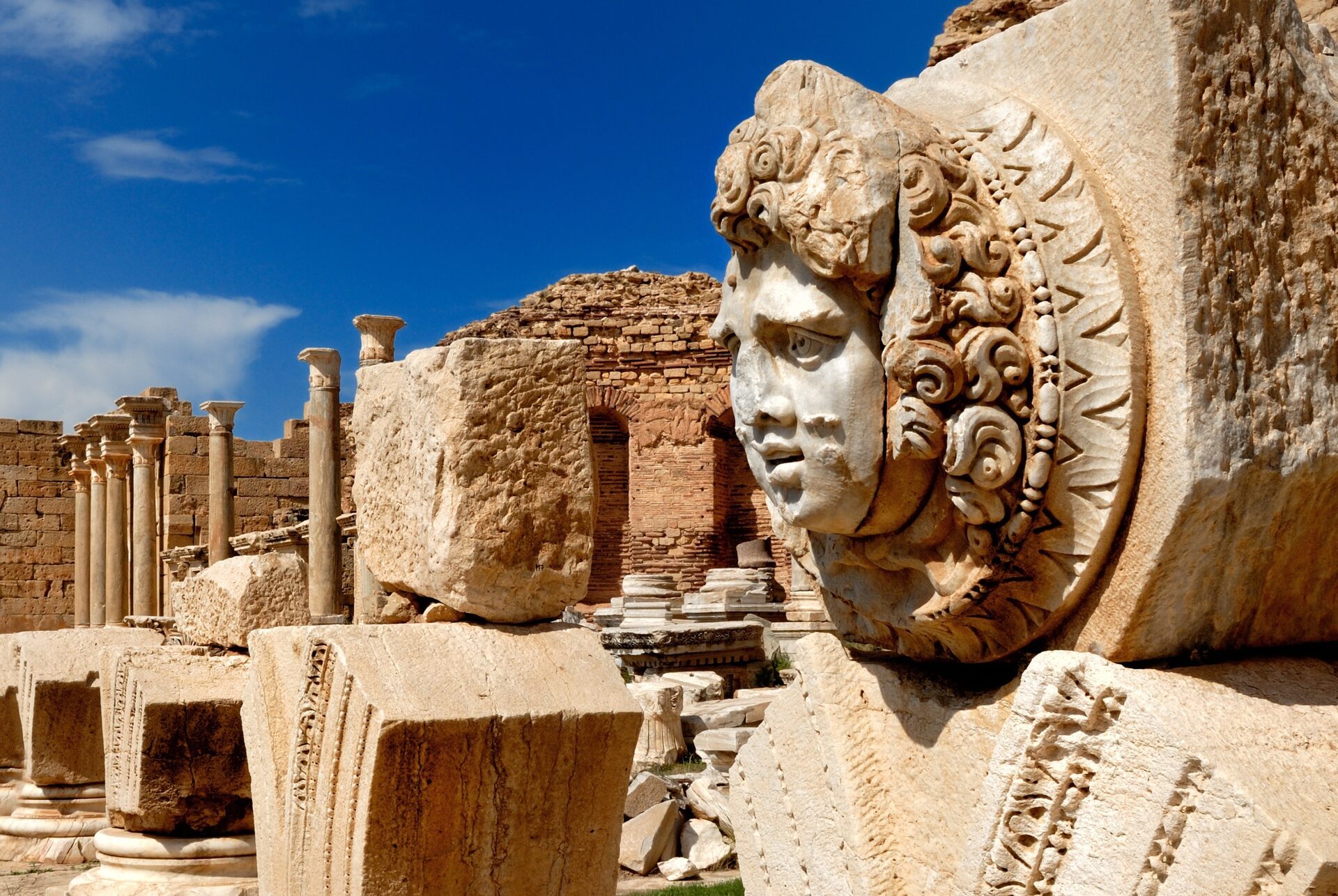
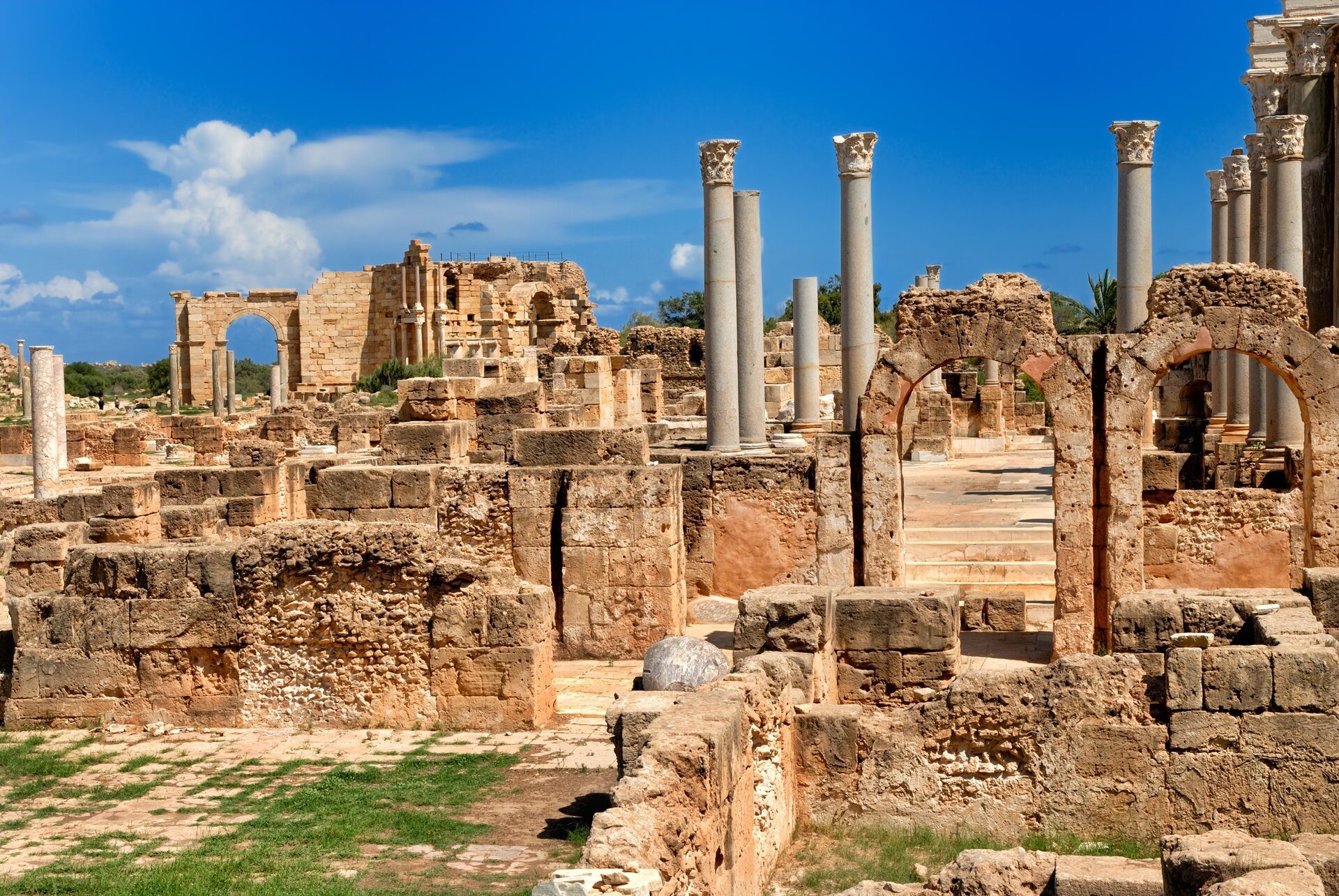
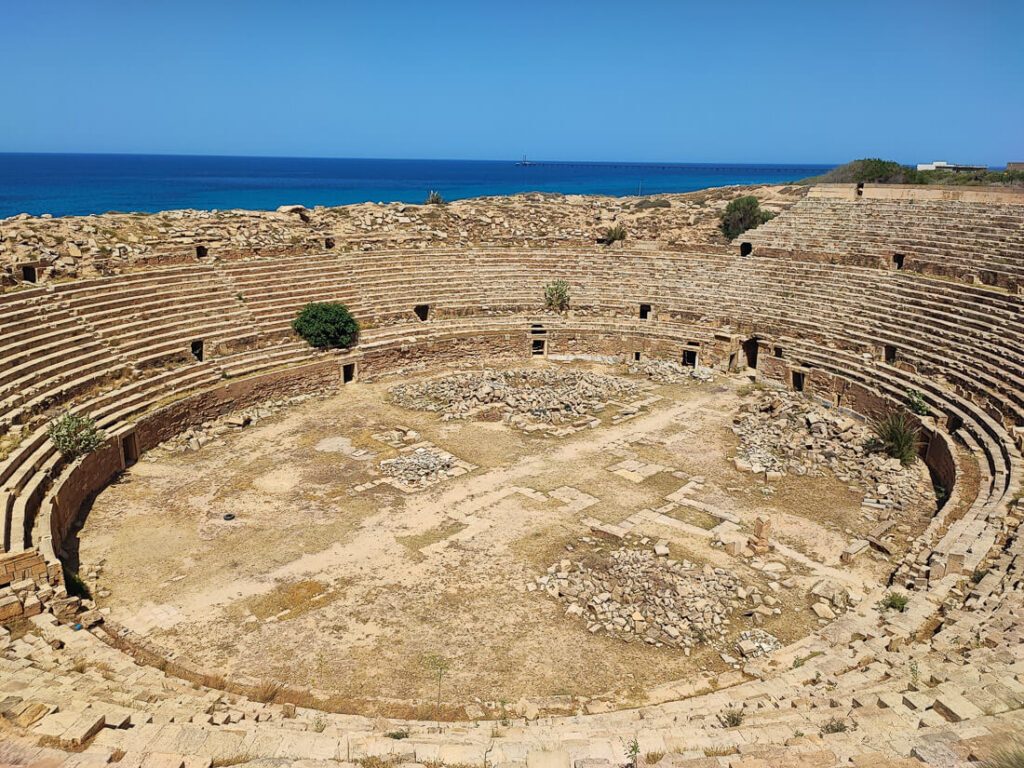
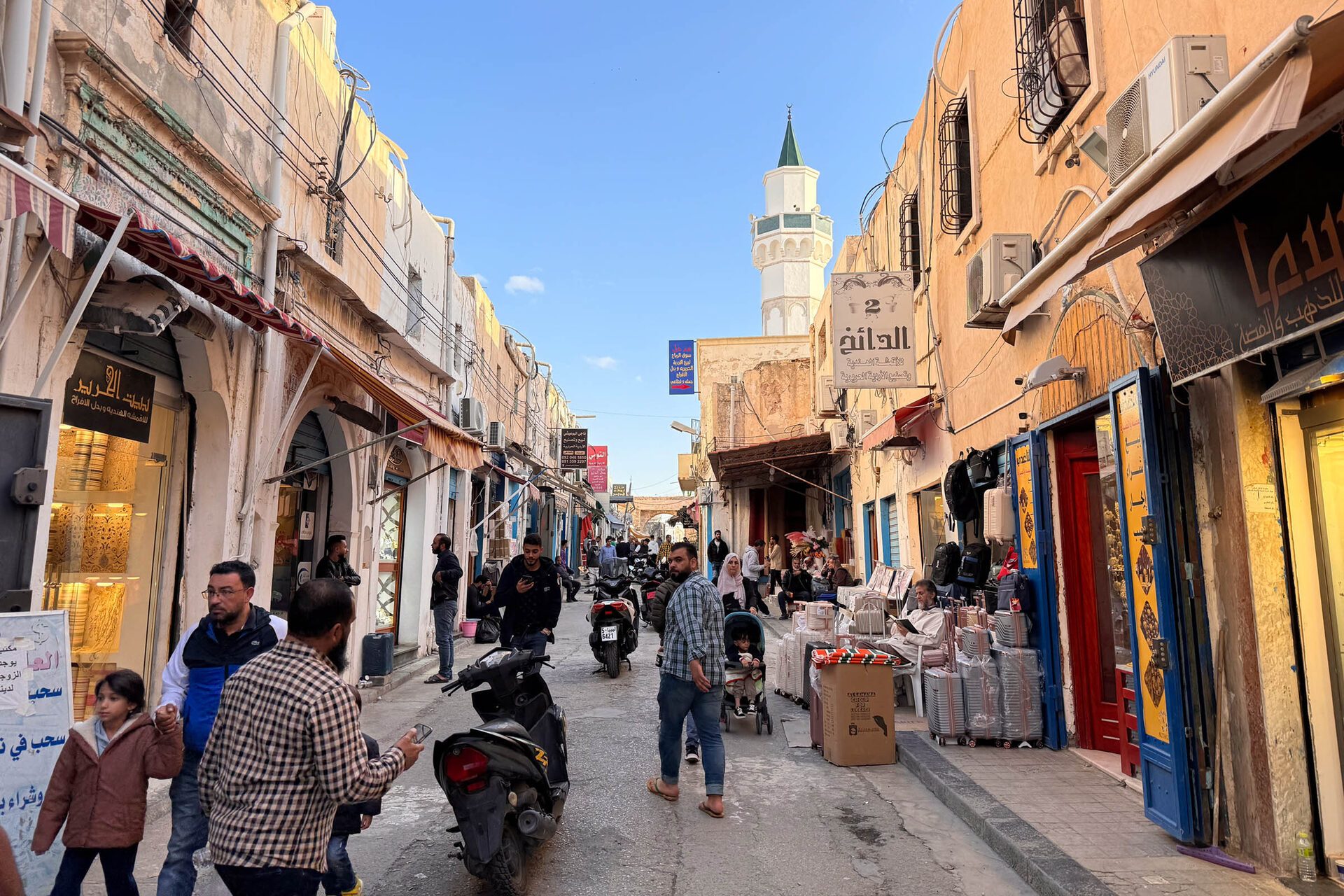
Libya has a rich history from ancient Phoenician and Roman times through Ottoman rule. The Roman ruins at Leptis Magna are among the Mediterranean's finest. Libyan culture blends Arab, Berber, and Mediterranean influences. Traditional crafts and desert Tuareg culture are significant. The Gaddafi era (1969-2011) shaped modern Libya.
Insider Tips
Arabic is the official language. The Libyan Dinar is the currency. Tourism has essentially ceased. The country has remarkable Roman ruins at Leptis Magna and Sabratha that were world-class attractions before the conflict. Anyone considering travel should have professional security arrangements.
Current Travel Situation
United States to Libya: What You Need to Know
Libya has been in a state of civil war and political fragmentation since the 2011 overthrow and death of Muammar Gaddafi. The country is divided between rival governments and armed groups: the Government of National Unity (Tripoli) and the Libyan National Army (Benghazi/eastern Libya), with various other militias controlling territory. Foreign nationals including Americans face serious risk of kidnapping, arbitrary detention, and being caught in armed conflict. The US Embassy in Tripoli has been closed since 2014, with operations suspended. US citizen services are provided by the US Embassy in Tunisia.
How to Get There
Mitiga International Airport (MJI) in Tripoli and Benina International Airport (BEN) in Benghazi have limited connections to Tunis, Cairo, Istanbul, and a few other cities. These connections are unreliable given the security situation. Most airports in Libya have been damaged, closed, or are operating with extremely limited capacity.
Money & Banking
Libya uses the Libyan Dinar (LYD). The financial system is severely disrupted by the civil war. Banking is unreliable and the black market exchange rate differs substantially from the official rate. USD cash would be required for any travel.
Practical Tips
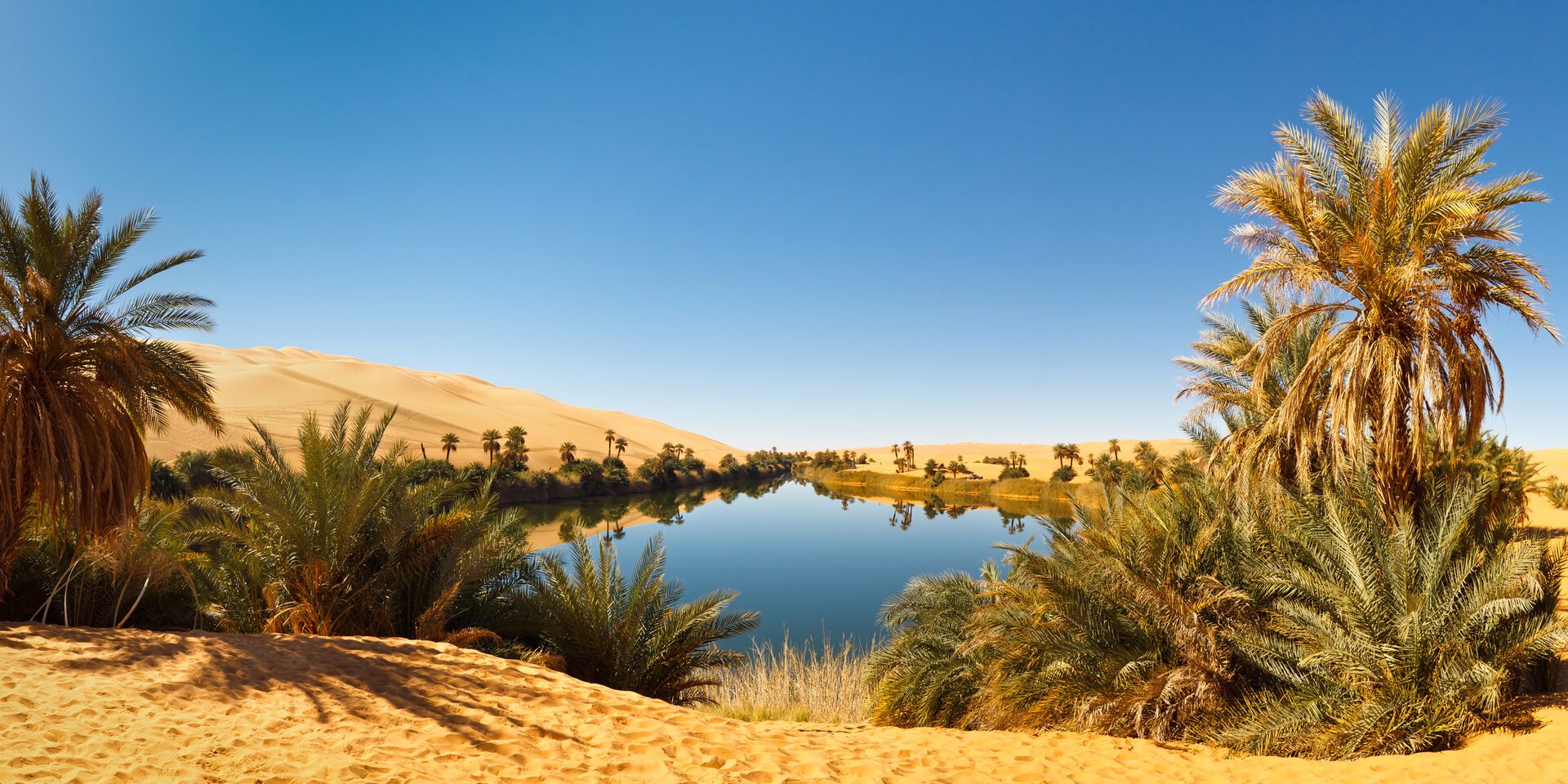
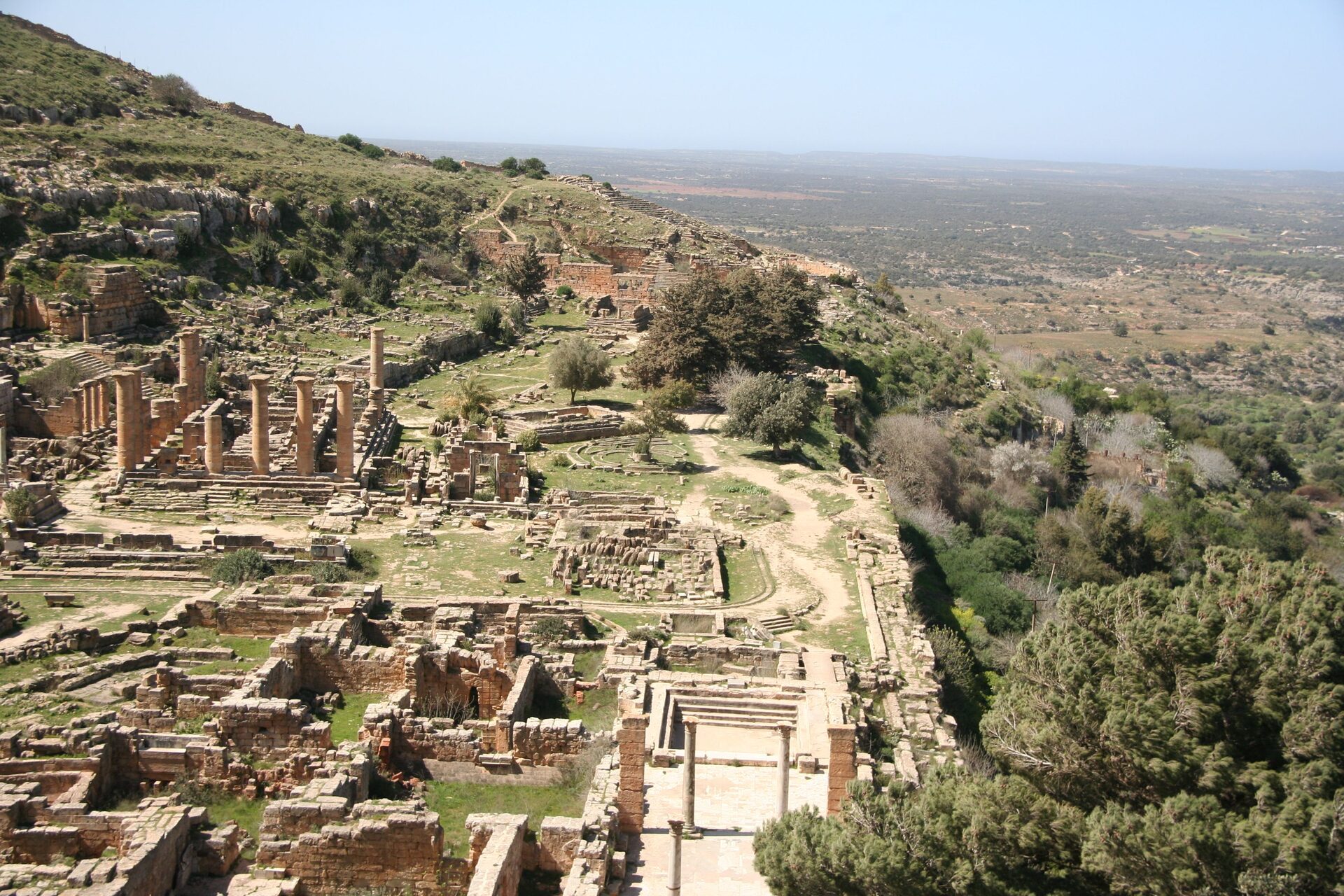
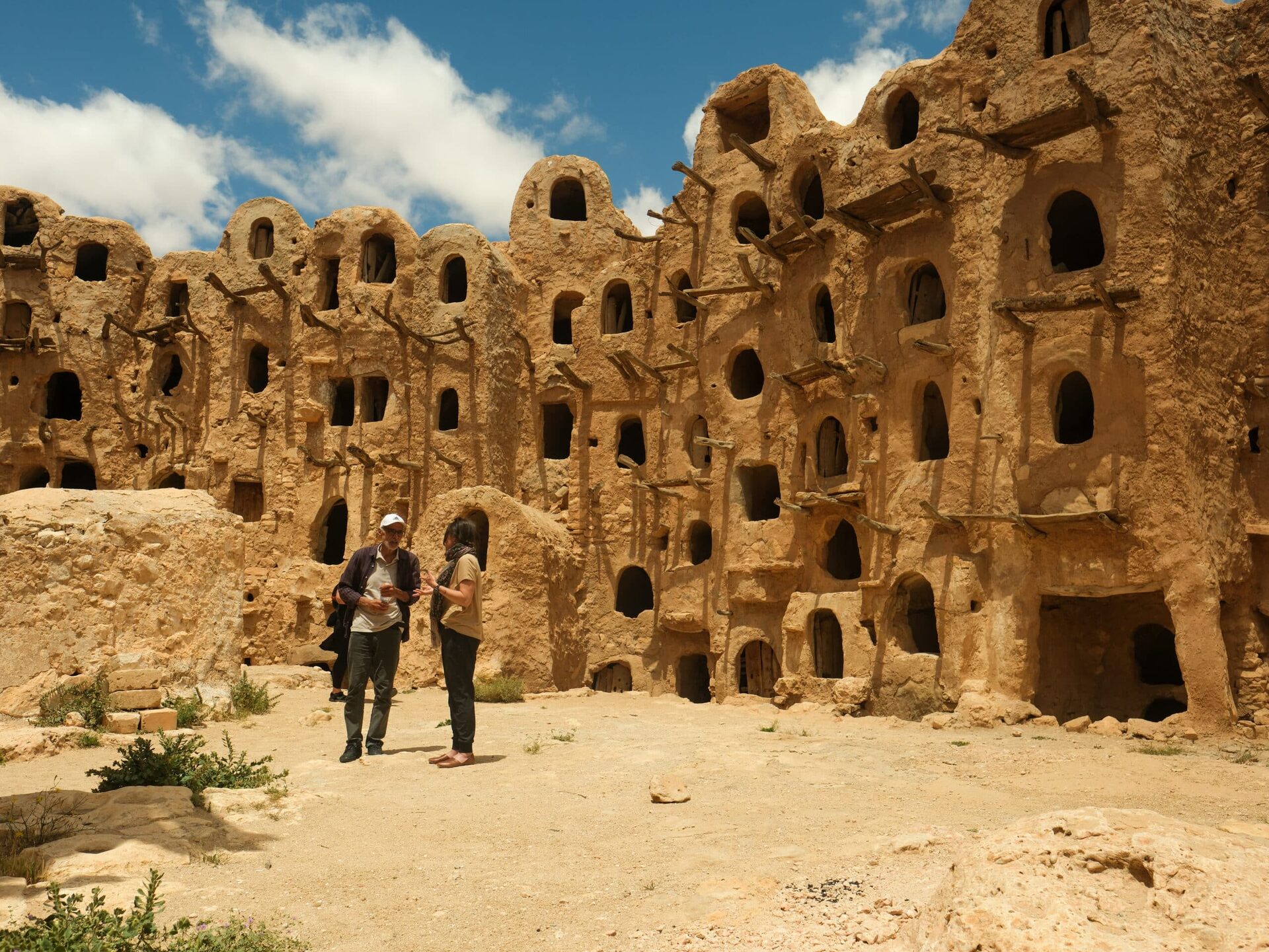
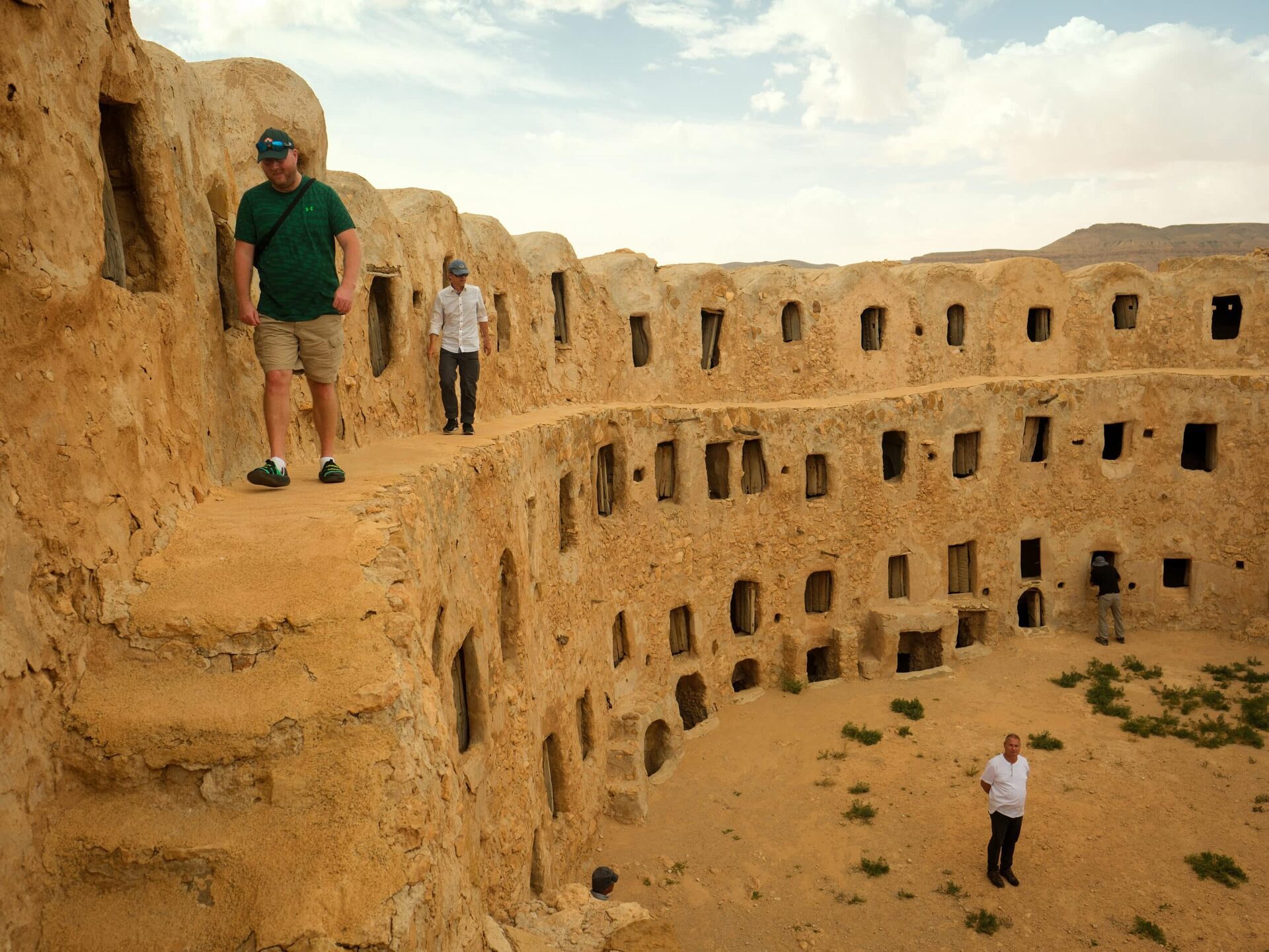
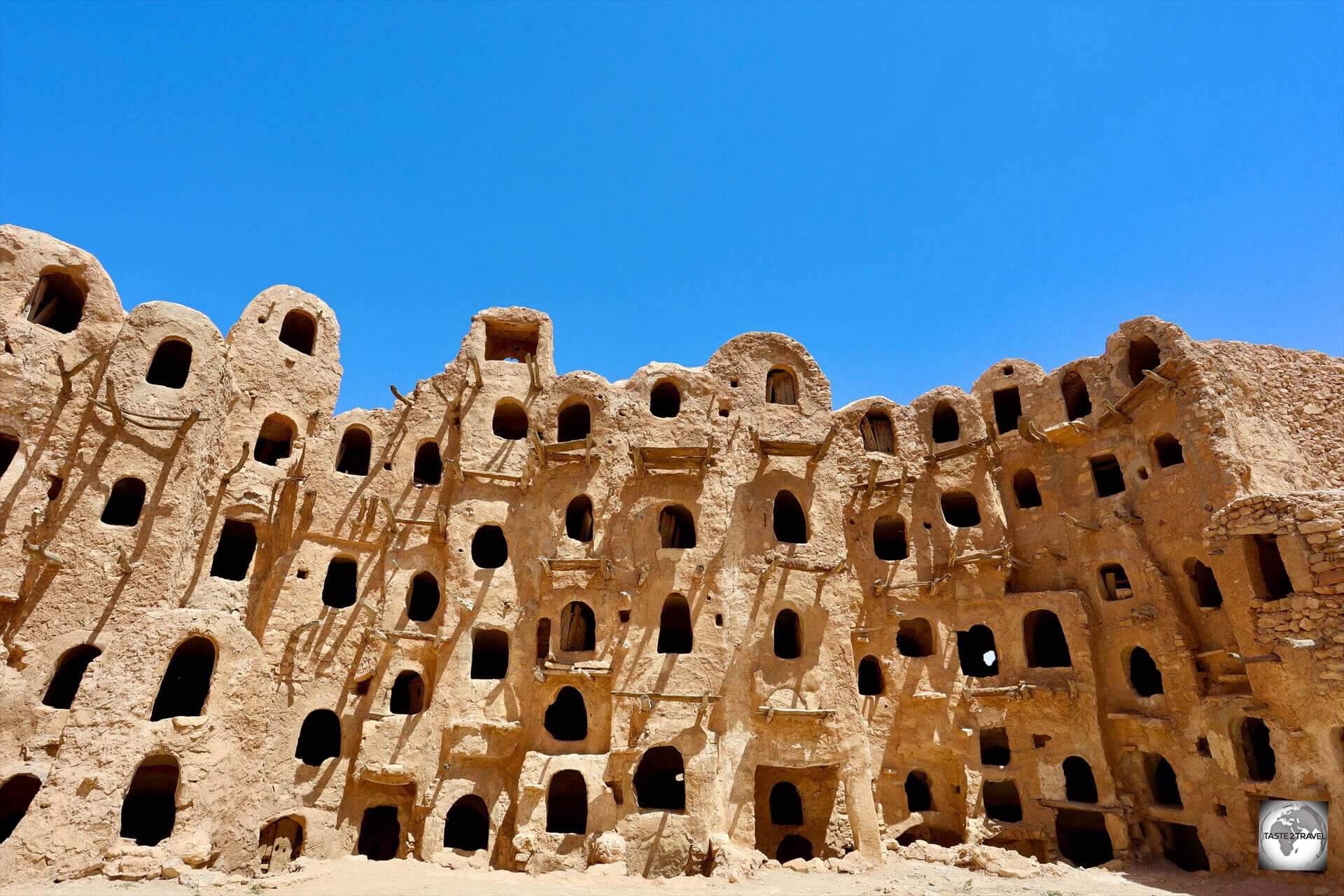
Travel to Libya is strongly discouraged. The US State Department has issued a Level 4 "Do Not Travel" advisory. Americans in Libya should depart immediately if it is safe to do so. Libya's extraordinary archaeological heritage, the Roman cities of Leptis Magna (one of the best-preserved Roman cities in the world, UNESCO) and Sabratha, Greek Cyrene (UNESCO), and the Saharan landscapes of the Fezzan, have been severely impacted by the civil conflict. Accessing any of these sites safely is currently impossible.
Frequently Asked Questions
Is Libya safe to visit?
No. Libya is in a state of ongoing civil war with rival governments, militias, and terrorist groups controlling different parts of the country. The US State Department has issued a Level 4 "Do Not Travel" advisory. Americans face risks of kidnapping, arbitrary detention, and being caught in armed conflict. The US Embassy in Tripoli has been closed since 2014.
What happened to Libya after Gaddafi?
The 2011 Arab Spring uprising and NATO-supported military campaign overthrew and killed Muammar Gaddafi, who had ruled since 1969. The post-Gaddafi power vacuum led to competing factions, civil war, and the fragmentation of the country between rival governments -- the Government of National Unity in Tripoli and the Libyan National Army in the east -- along with numerous armed militias and jihadist groups.
What are Leptis Magna and Cyrene?
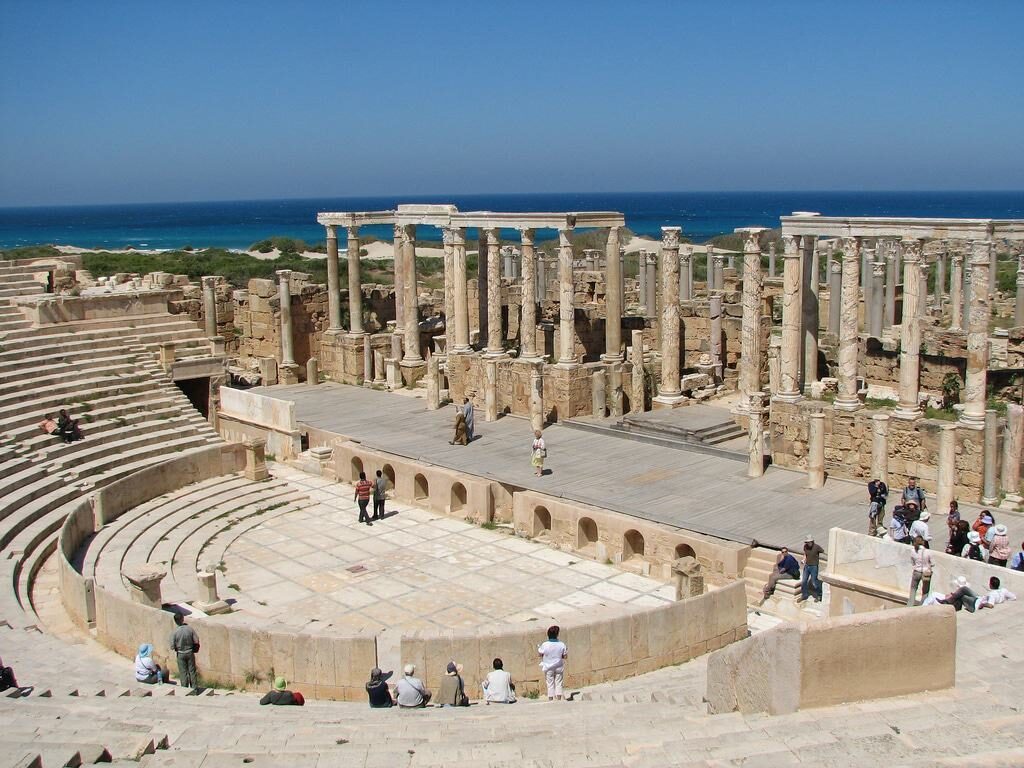
Leptis Magna (near modern Khoms) is one of the best-preserved Roman cities in the world -- birthplace of Emperor Septimius Severus, with extraordinary forums, basilicas, arches, and a theater largely intact. Cyrene in eastern Libya is a Greek colony (founded 631 BCE) and UNESCO World Heritage Site. Both were previously accessible to tourists but are currently inaccessible due to the civil war. Libya's Roman and Greek heritage is considered among the finest in the Mediterranean world.