Laos Visa RequirementsFor United States passport holders
US citizens can get a visa on arrival in Laos for $42 USD (30 days) or apply for an e-Visa in advance. Laos is Southeast Asia's most relaxed and unspoiled destination.
United States passport holders can obtain a Visa on Arrival at Laos ports of entry.
Option 1: Visa on Arrival at major airports (Wattay Airport in Vientiane, Luang Prabang International Airport) and some land border crossings , $42 USD cash (the fee varies slightly by entry point). Option 2: Laos e-Visa , apply online at laoevisa.gov.la for $35 USD, processed in 3 business days, usable at designated entry points. Both options provide a 30-day single-entry visa. Your US passport must be valid for at least 6 months.

Entry Requirements
Passport Validity
6 months beyond date of entry
Blank Pages
2 blank pages required
Multiple Entry
Single entry only
Work Permitted
No - requires work visa
Entry Conditions
Passport valid for at least 6 months with at least 2 blank pages. Two passport photos required. Visa fee in US dollars cash.
Overstay fine of $10 per day. Extended overstays may result in detention.
Required Documents
Valid US Passport
Must be valid for at least 6 months beyond planned stay
Visa on Arrival Fee or e-Visa
VOA: $42 USD cash at airport or designated border crossing; or e-Visa: $35 USD online at laoevisa.gov.la
Passport Photo
1-2 recent passport photos for VOA application
Valid US Passport
Must be valid for at least 6 months beyond your arrival date with at least 2 blank pages
Passport-size Photos
Two recent color photos (2x2 inches or 35x45mm). Bring extra copies as requirements may vary
Completed Arrival Card
Immigration arrival/departure card provided on flight or at port of entry
Proof of Accommodation
Hotel reservation, booking confirmation, or address where you will be staying
Return or Onward Flight Ticket
Confirmed flight booking showing departure from the country within visa validity
Visa Fee (Cash)
Payment for visa on arrival fee - bring exact amount in USD or local currency
Proof of Return Travel Recommended
Onward or return flight ticket — recommended
Proof of Sufficient Funds Recommended
Cash, credit cards, or bank statements showing adequate funds for your stay
Travel Insurance Recommended
Recommended coverage for medical emergencies during your trip
Travel Essentials
Health & Safety
Safety Rating
Vaccinations
Hepatitis A/B, typhoid, malaria (some areas), rabies.
Tap Water
Bottled water recommended
Safety Tips
Laos is generally safe. UXO (unexploded ordnance) remains in some areas - stay on marked paths. Petty theft occurs in tourist areas.
Money & Costs
Currency
₭ Lao Kip (LAK)
Daily Budget (USD)
Budget: $25 · Mid: $60 · Luxury: $180+
Tipping
Not expected but appreciated.
Practical Info
Power
Type A, B, C, E, F, 230V
Driving
Right side
Emergency
191 (police), 190 (ambulance)
Getting There
Main Airports
Luang Prabang (LPQ) · Vientiane (VTE)
Culture & Travel Tips
Best Time to Visit
Laos has three seasons: hot and dry (February-April), wet monsoon (May-October), and cool and dry (November-January). The cool dry season is ideal for most visitors, with comfortable temperatures and clear skies perfect for temple visits and river cruises. November-February is peak tourist season, especially in Luang Prabang. The hot season can be uncomfortable with temperatures exceeding 35°C (95°F). The wet season brings lush green landscapes and fewer tourists but makes some roads impassable; however, waterfalls like Kuang Si are more spectacular with higher water. The Mekong is navigable year-round but levels vary significantly.
Cultural Notes
Laos is a Buddhist country where monastic life remains central - most Lao men spend some time as monks. The morning alms-giving ceremony in Luang Prabang is sacred; observe respectfully without flash photography or blocking the procession. Laos was heavily bombed during the Vietnam War era (the Secret War), making it the most bombed country per capita in history - UXO remains a danger in some areas. The communist government maintains single-party rule but the atmosphere is not oppressive for visitors. Lao people are genuinely gentle and hospitable. The concept of "bor pen yang" (no problem) reflects the relaxed attitude. Traditional weaving, particularly silk, is an important craft. Animist traditions blend with Buddhism in everyday practice.
Insider Tips
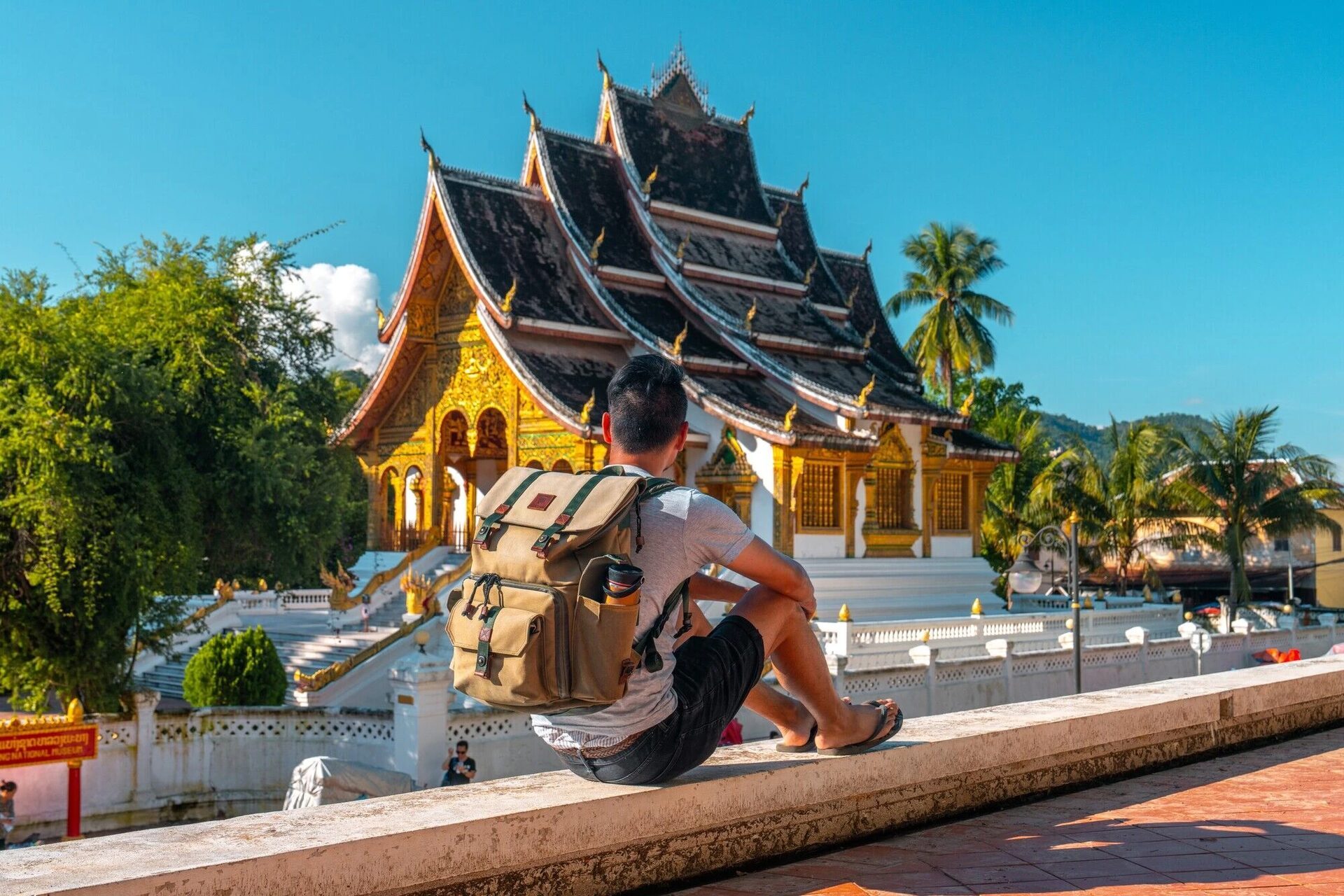
Laos is Southeast Asia most laid-back country, offering ancient temples, pristine nature, and a pace of life that encourages slowing down. Luang Prabang, a UNESCO World Heritage city, is the highlight with its morning alms-giving ceremony, night market, and French colonial charm. Vientiane is one of the worlds most relaxed capitals. The Plain of Jars and Four Thousand Islands (Si Phan Don) on the Mekong offer unique experiences. Buses connect major destinations, though roads are winding and journeys long. The kip is the currency but Thai baht and US dollars are widely accepted. Street food is excellent and cheap - try laap, sticky rice, and Beerlao. French colonial influences mean baguettes and coffee are excellent.
Current Travel Situation
United States to Laos: What You Need to Know
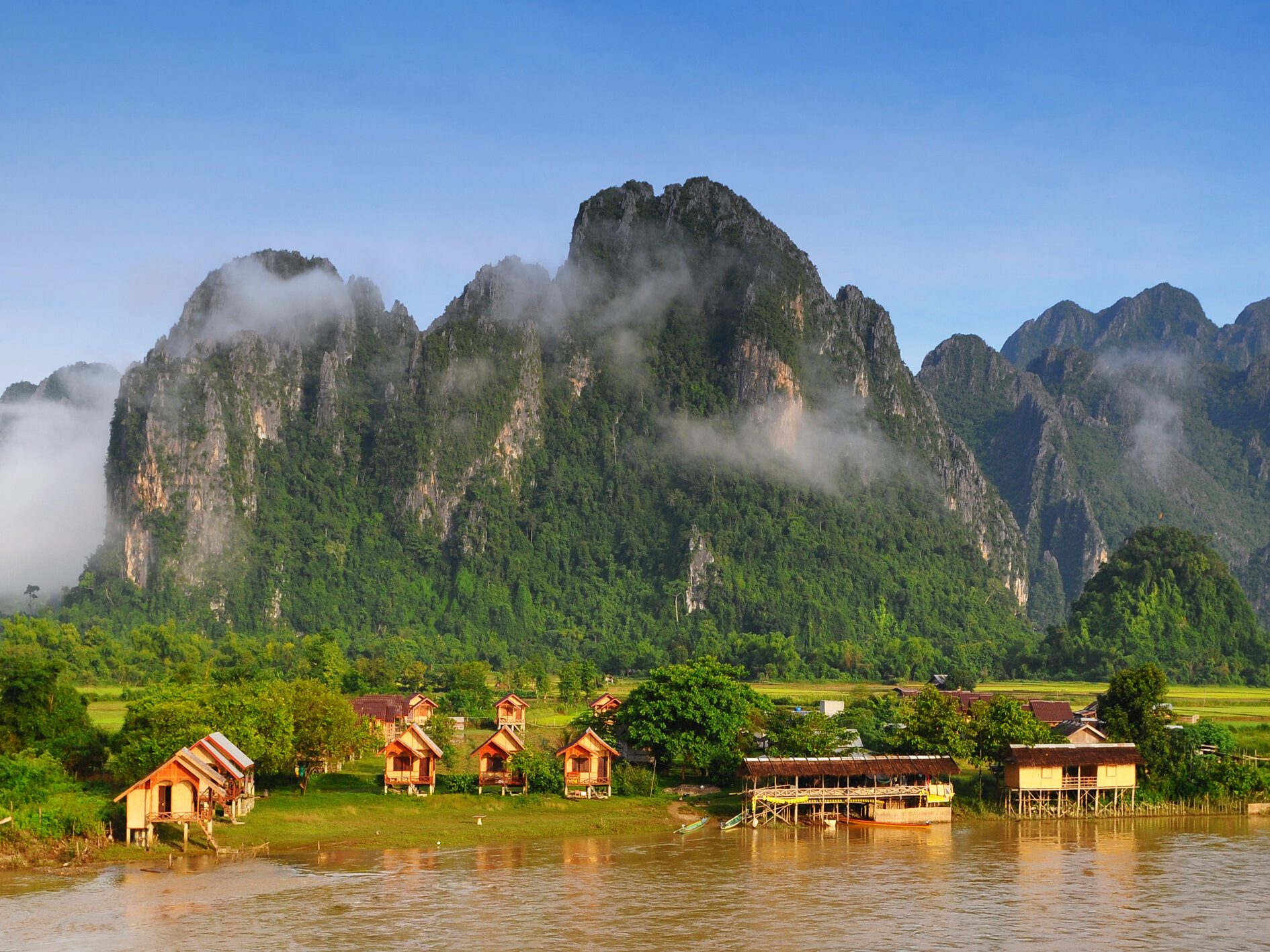
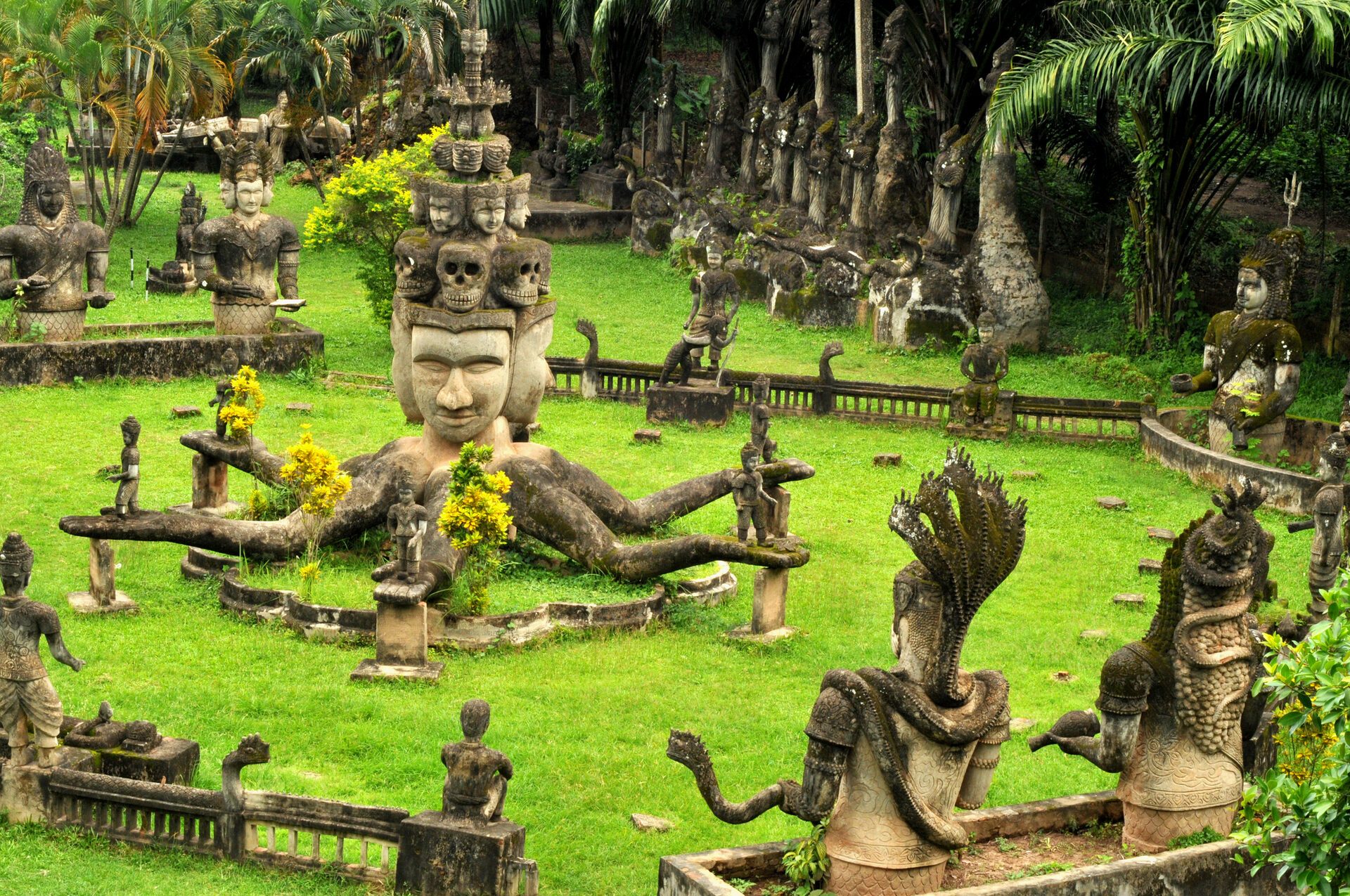
Laos is a landlocked country in Southeast Asia bordered by China, Vietnam, Cambodia, Thailand, and Myanmar. US citizens can obtain a visa on arrival at main international airports and border crossings, or apply online in advance for an e-Visa. Laos is often described as the "Land of a Million Elephants" , it is Southeast Asia's most laid-back and least developed country for tourism, offering the ancient Buddhist city of Luang Prabang (UNESCO World Heritage), the Mekong River landscapes, the mystical Plain of Jars (Xieng Khouang province, prehistoric megalithic jar sites), Vang Vieng (outdoor activities and nightlife), and the capital Vientiane. Laos has a complex relationship with the United States , it is the most heavily bombed country per capita in history from the Vietnam War era (Secret War), with unexploded ordnance (UXO) still killing people annually.
How to Get There
Thailand is the most natural companion , Bangkok is 2 hours by flight from Vientiane or Luang Prabang. The Nong Khai-Vientiane friendship bridge crossing is popular for overland travelers between Thailand and Laos. Vietnam borders Laos to the east and is accessible by sleeper bus (Vientiane to Hanoi, 18 hours). Cambodia is accessible by bus or flight from southern Laos. China is accessible from northern Laos via Boten, and the new Laos-China high-speed rail connects Vientiane to Boten (Chinese border) in approximately 4 hours.
Money & Banking
Laos uses the Lao kip (LAK). Thai baht and US dollars are widely accepted in tourist areas. The kip trades at approximately 20,000 LAK per USD. ATMs are available in Vientiane and Luang Prabang; scarce elsewhere. Card acceptance is limited outside the capital and Luang Prabang. Laos is very affordable , street food from $1-3 USD; guesthouse rooms from $8-20 USD/night; excellent lao food.
Practical Tips
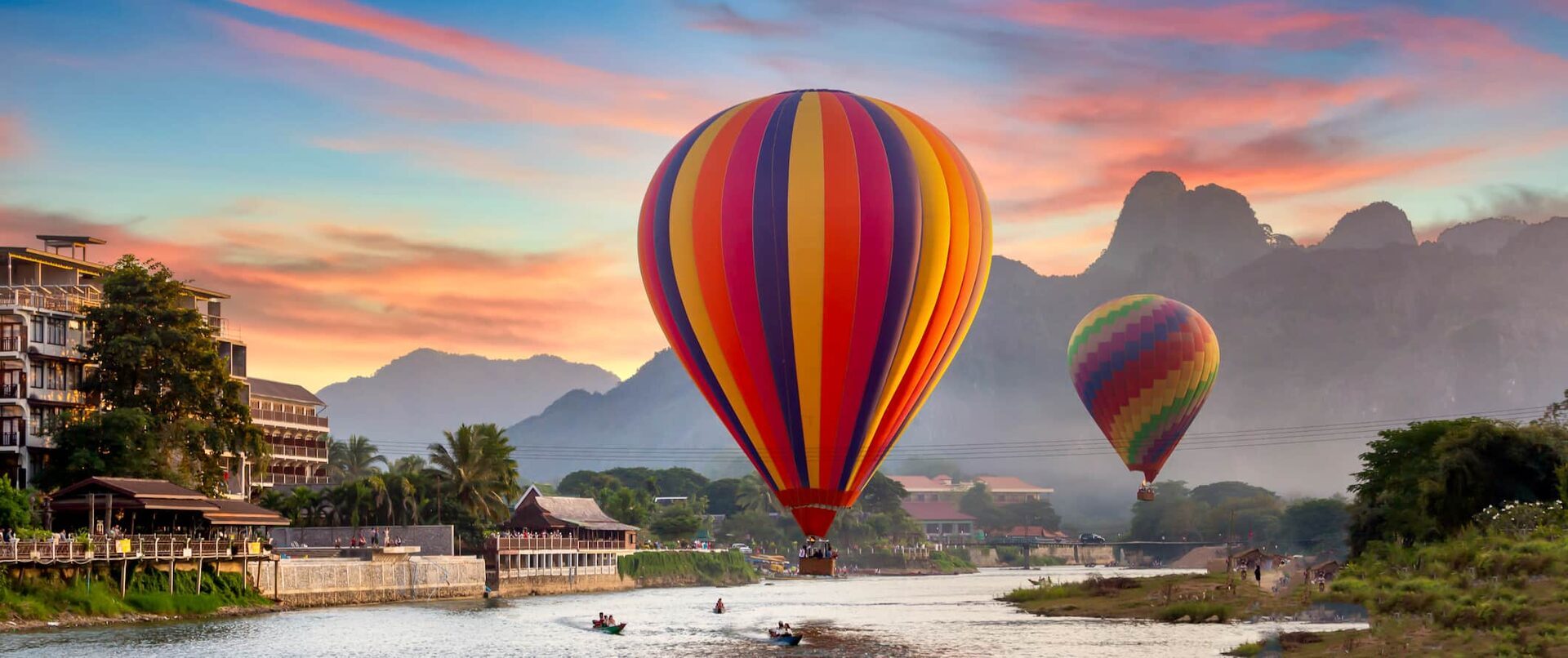
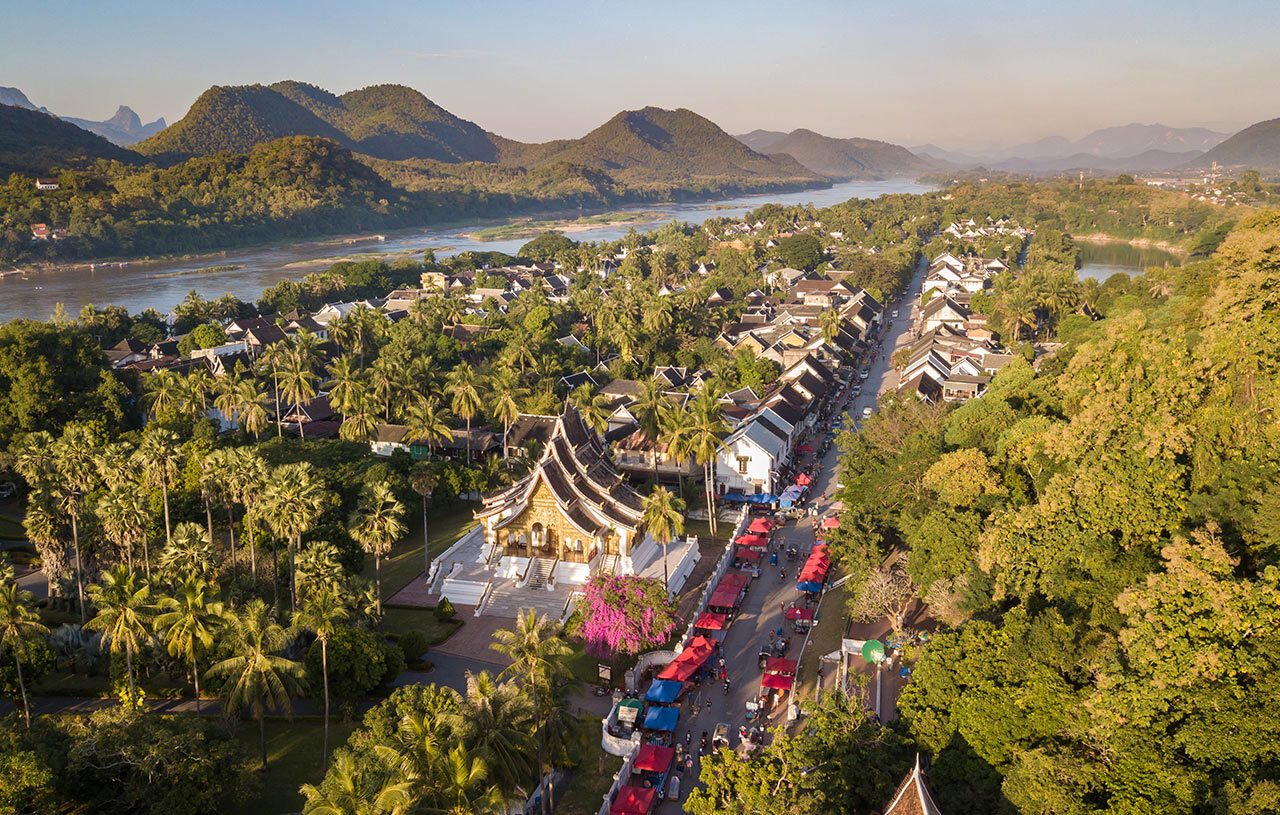
Luang Prabang is the crown jewel of Laos , a perfect UNESCO city at the confluence of the Mekong and Nam Khan rivers, with golden temples, French colonial villas, the alms-giving ceremony at dawn (monks in saffron robes collecting morning offerings), and the Kuang Si waterfall (turquoise pools in the jungle). The UXO/COPE visitor center in Vientiane (free) movingly documents the legacy of American bombing and UXO casualties. The 4,000 Islands (Si Phan Don) in southern Laos are a magical slow-travel zone. Vang Vieng has transformed from party backpacker town to adventure sports center (kayaking, hot air balloons, caving).
Frequently Asked Questions
Do US citizens need a visa to visit Laos?
Yes, but US citizens can easily obtain a 30-day tourist visa on arrival at international airports (Vientiane, Luang Prabang) and most major land border crossings. The fee for US passport holders is $42, payable in US dollars cash. Bring two passport photos and ensure your passport is valid for at least 6 months with two blank pages. Some smaller land borders don't offer visa on arrival, so verify before planning overland travel. An e-Visa is also available through laoevisa.gov.la for certain entry points.
Do US citizens need a visa for Laos?
US citizens need a visa for Laos. The easiest option is the Visa on Arrival at major airports ($42 USD cash) or the e-Visa applied online at laoevisa.gov.la ($35 USD, 3 business days processing). Both allow 30-day single-entry stays.
What are the main things to see and do in Laos?
Laos offers a slower, more authentic Southeast Asian experience. Luang Prabang, a UNESCO World Heritage city, is the highlight with its blend of French colonial and traditional Lao architecture, night markets, and morning alms-giving ceremony. The Plain of Jars near Phonsavan features mysterious ancient stone vessels. Vientiane, the laid-back capital, has golden temples and French-influenced cafes. The 4000 Islands region (Si Phan Don) in the south offers riverside relaxation and the rare Irrawaddy dolphins. Adventurers enjoy tubing in Vang Vieng and trekking to hill tribe villages.
What is the best Laos itinerary for a first visit?
Fly into Vientiane (or directly to Luang Prabang), spend 3-4 days in Luang Prabang (temples, alms-giving, Kuang Si Falls), continue to Vang Vieng (2-3 days, outdoor activities), then Vientiane (2 days) before departing. If more time, add the Plain of Jars or 4,000 Islands in the south.
How do I get to Laos and travel within the country?
Laos is landlocked with no coastal access. Most visitors arrive by air to Vientiane or Luang Prabang, or overland from Thailand (most common), Vietnam, Cambodia, or China. From Thailand, the Friendship Bridge near Vientiane is popular. The slow boat from Huay Xai to Luang Prabang along the Mekong is a classic two-day journey. Within Laos, buses and minivans connect major destinations, though roads can be rough. Domestic flights link Vientiane to Luang Prabang and other cities. Tuk-tuks handle local transport. The Laos-China railway now connects Vientiane to China via Luang Prabang.
What is the unexploded ordnance (UXO) situation in Laos?
Laos is the most heavily bombed country per capita in history due to the Vietnam War-era \"Secret War.\" Unexploded ordnance (UXO) remains in some rural areas, particularly eastern provinces along the Vietnamese border. However, major tourist routes, cities, and popular destinations are safe and well-cleared. Always stick to established paths and roads, especially in rural areas. Never touch any unknown metal objects. The Plain of Jars has marked safe paths; stay within them. This history is sobering, and the COPE Visitor Centre in Vientiane provides important education about ongoing clearance efforts.