Kiribati Visa RequirementsFor United States passport holders
US citizens can obtain a free visa on arrival in Kiribati for up to 30 days. Kiribati is one of the world's most remote and climate-vulnerable nations, spread across a vast expanse of the central Pacific Ocean.
United States passport holders can obtain a Visa on Arrival at Kiribati ports of entry.
Visa on arrival is available at Tarawa airport at no charge for US citizens for 30 days. Required: valid US passport (6+ months validity), return or onward ticket, and accommodation confirmation. The stay can be extended at the immigration office.
Entry Requirements
Passport Validity
6 months beyond date of entry
Blank Pages
2 blank pages required
Multiple Entry
Single entry only
Work Permitted
No - requires work visa
Entry Conditions
Valid passport, return ticket, and proof of funds required.
Required Documents
Valid US Passport
Must be valid for at least 6 months beyond your arrival date with at least 2 blank pages
Passport-size Photos
Two recent color photos (2x2 inches or 35x45mm). Bring extra copies as requirements may vary
Completed Arrival Card
Immigration arrival/departure card provided on flight or at port of entry
Proof of Accommodation
Hotel reservation, booking confirmation, or address where you will be staying
Return or Onward Flight Ticket
Confirmed flight booking showing departure from the country within visa validity
Visa Fee (Cash)
Payment for visa on arrival fee - bring exact amount in USD or local currency
Proof of Sufficient Funds Recommended
Cash, credit cards, or bank statements showing adequate funds for your stay
Travel Insurance Recommended
Recommended coverage for medical emergencies during your trip
Travel Essentials
Health & Safety
Safety Rating
Vaccinations
Hepatitis A, Hepatitis B, Typhoid
Tap Water
Bottled water recommended
Safety Tips
Kiribati is very safe with almost no crime against tourists. The main challenges are environmental: strong sun, heat, and sea conditions. Healthcare is very limited - bring all medications. The islands are extremely remote and flat (vulnerable to sea level rise). Water and food safety require attention.
Money & Costs
Currency
$ Australian Dollar (AUD)
Daily Budget (USD)
Budget: $50 · Mid: $100 · Luxury: $180+
Tipping
Tipping is not expected or part of the culture.
Practical Info
Power
Type I, 240V 50Hz
Driving
Left side
Emergency
Limited services - seek local help.
Getting There
Main Airports
Tarawa (TRW) · Kiritimati (CXI)
Culture & Travel Tips
Best Time to Visit
Kiribati has tropical weather year-round. The drier season from March to October is slightly preferable. The wet season (November-February) brings more rain. Temperatures are consistently 28-32°C. Christmas Island (Kiritimati) has different weather patterns from the Gilbert Islands.
Cultural Notes
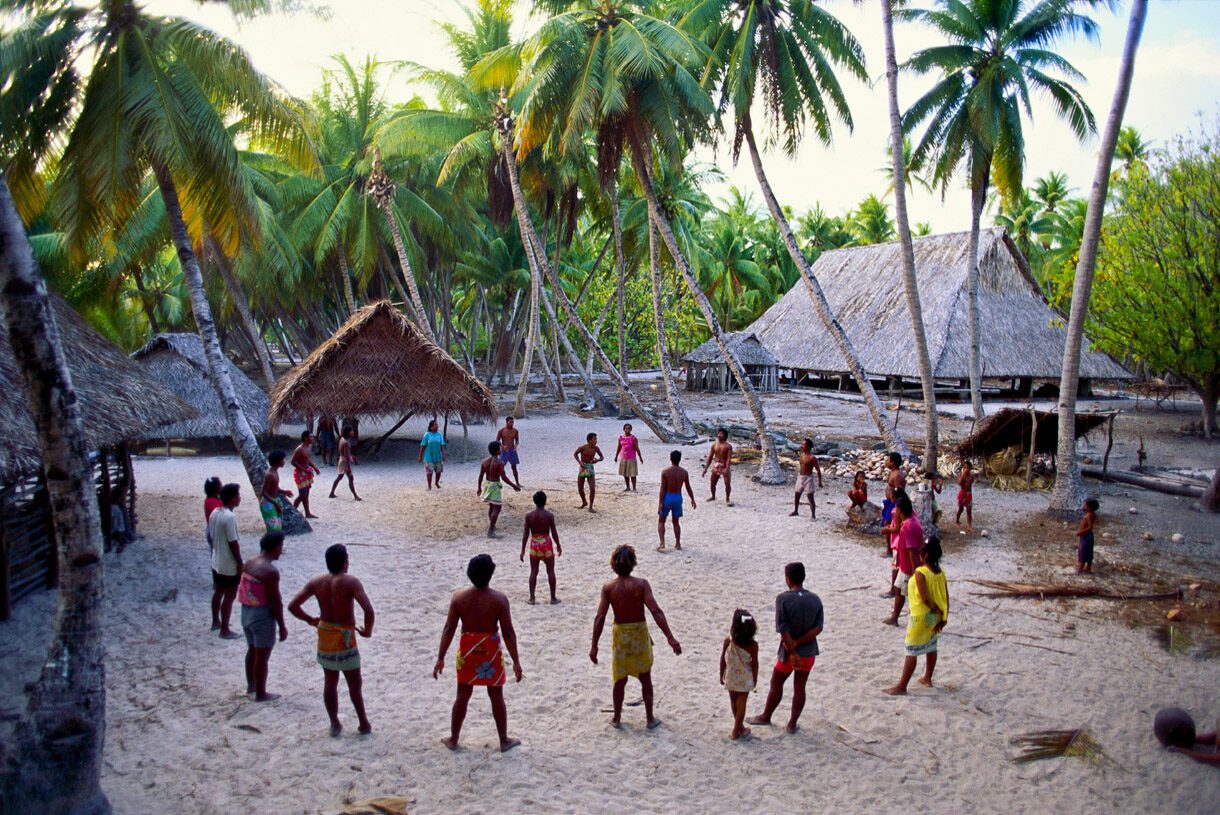
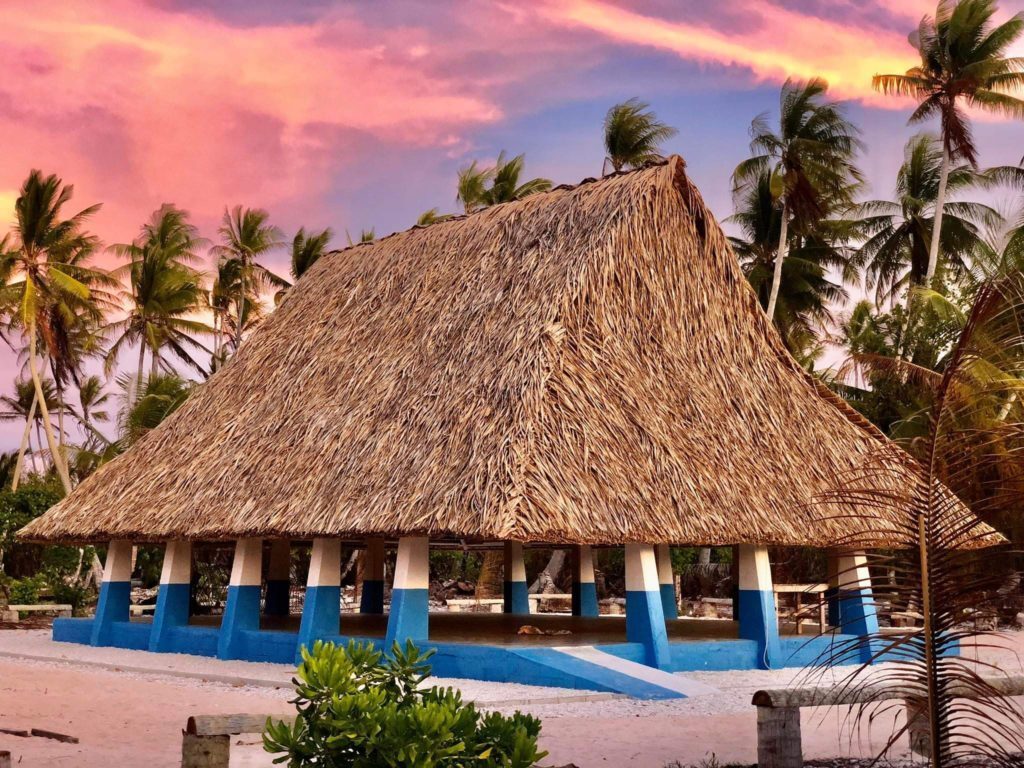
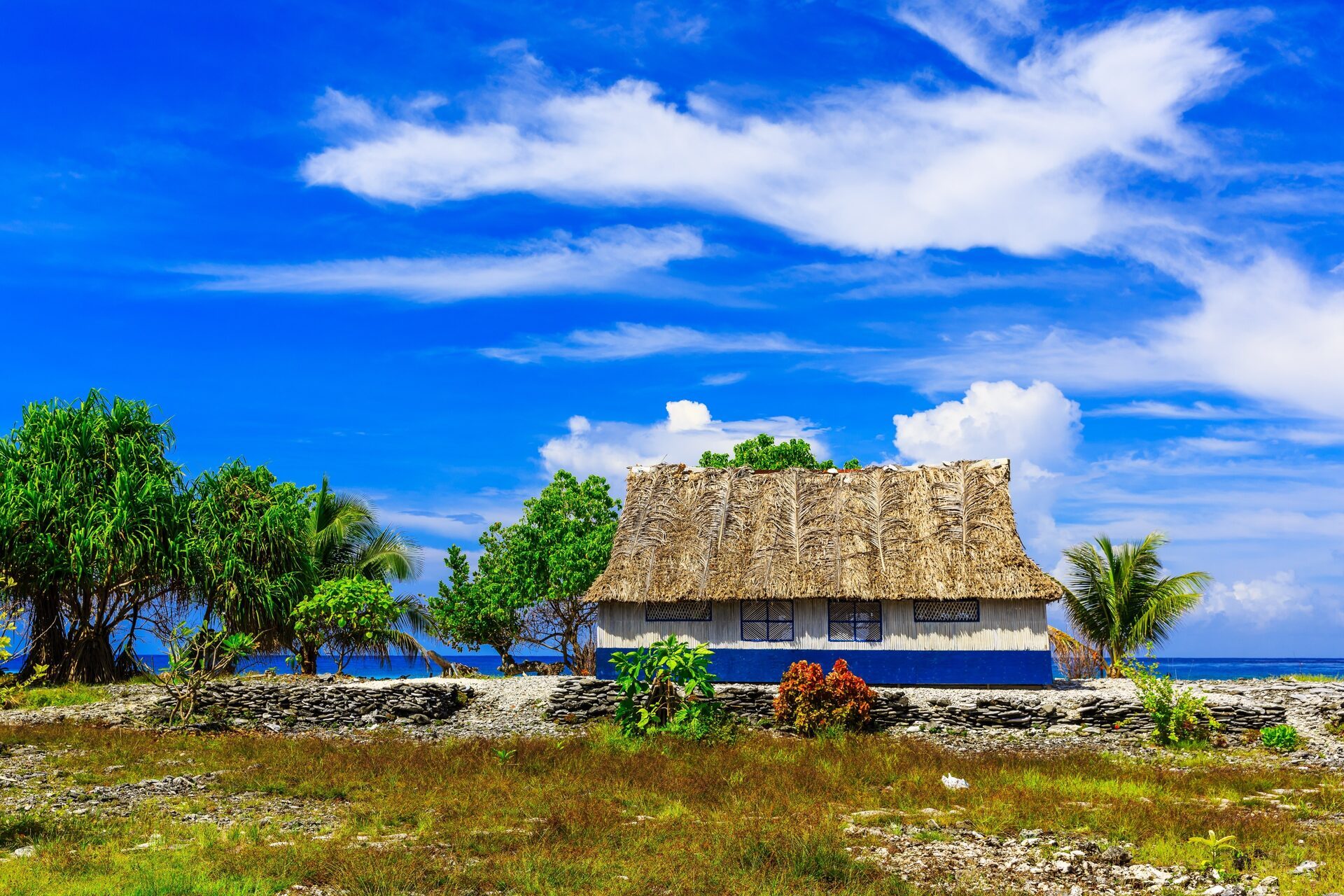
I-Kiribati culture is based on communal living (maneaba system), fishing, and navigation traditions. Traditional dances and music are important. The Battle of Tarawa (WWII) left significant remains. The country faces existential threat from sea level rise - some islands may become uninhabitable this century.
Insider Tips
English and Gilbertese (Kiribati) are official languages. The Australian Dollar is the currency. Kiribati is one of the first places to see each new day (Christmas Island). Infrastructure is very basic. Internet is limited and expensive. Flights are infrequent. This is remote adventure travel.
Current Travel Situation
United States to Kiribati: What You Need to Know
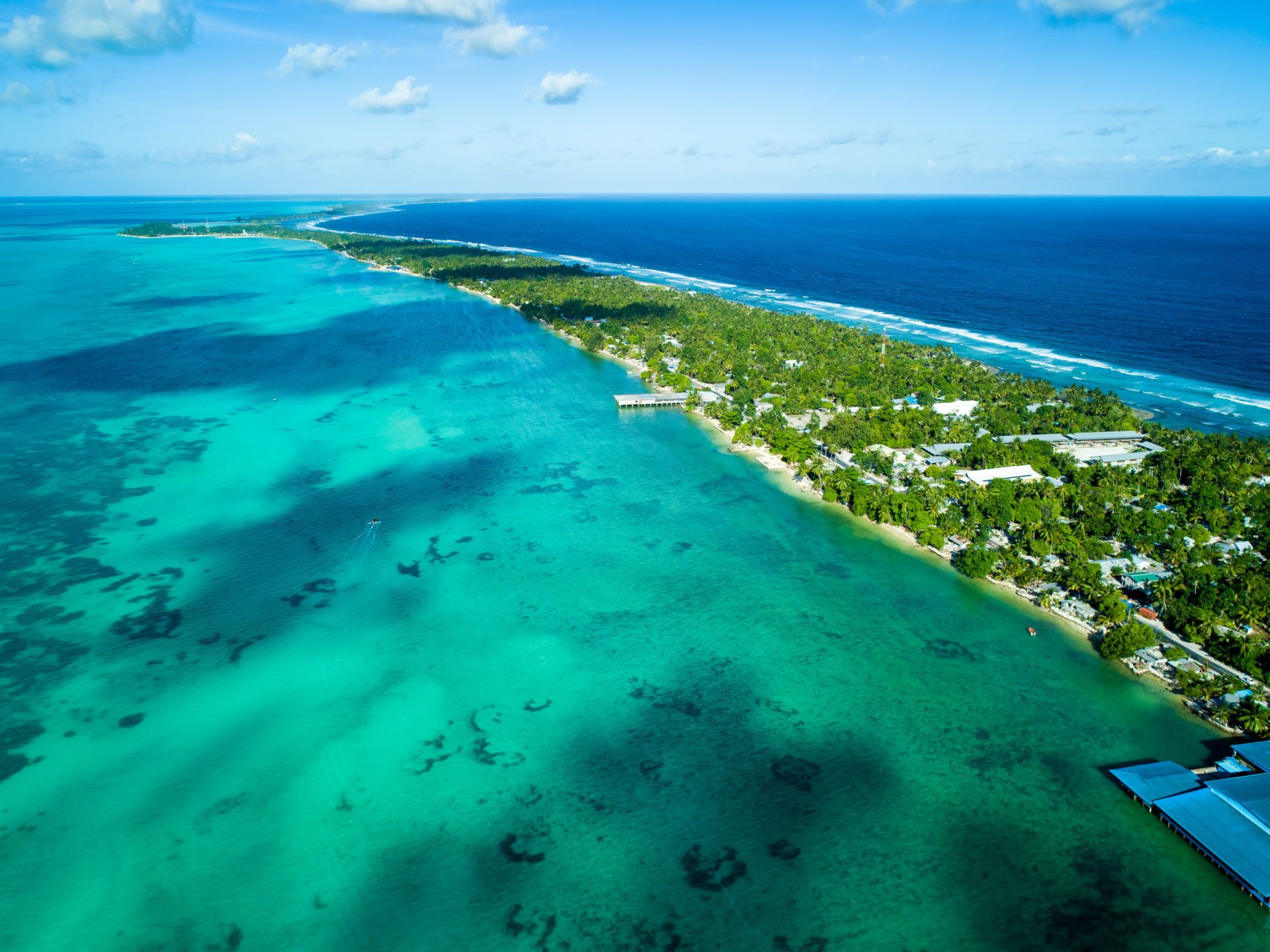
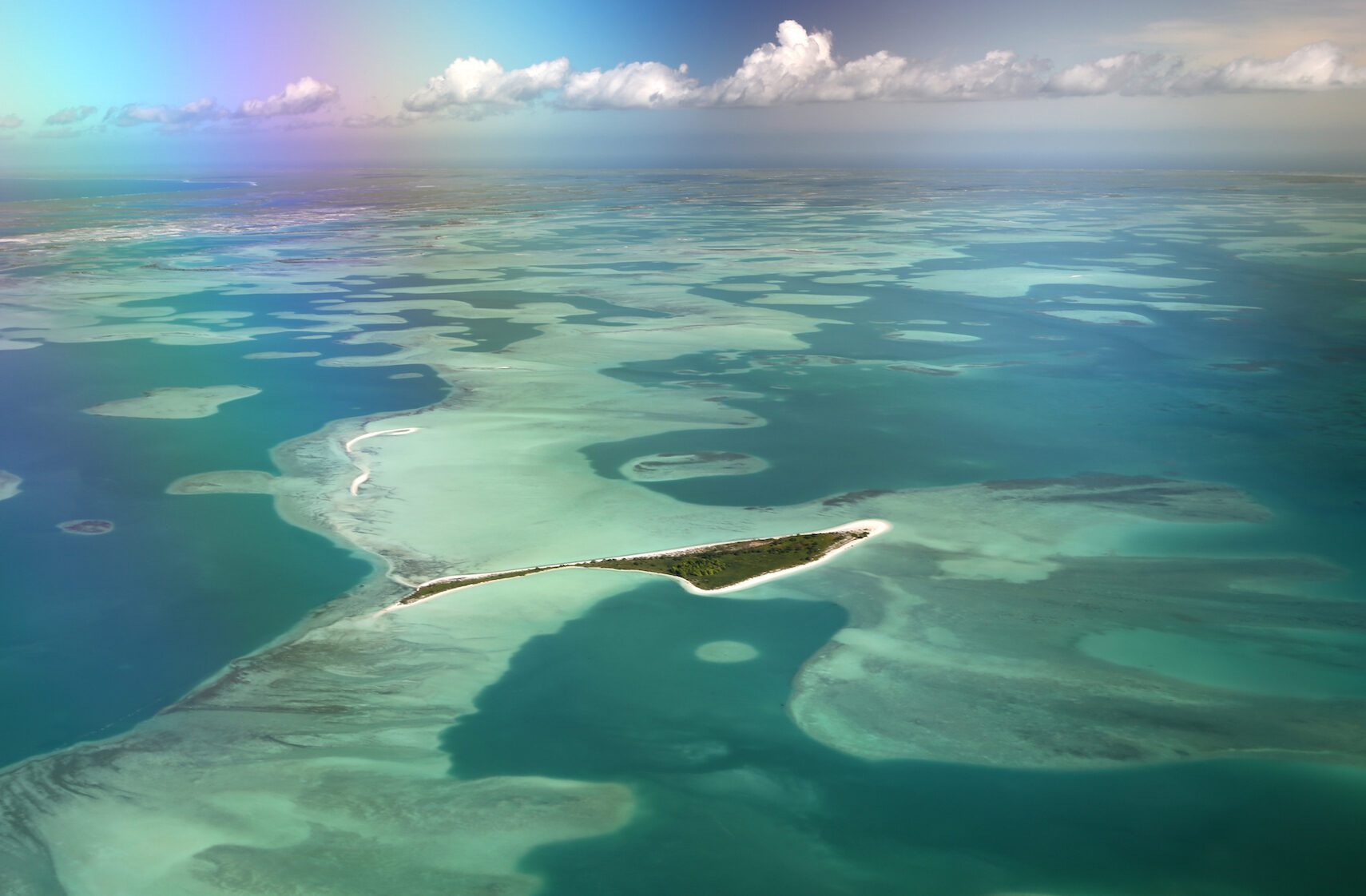
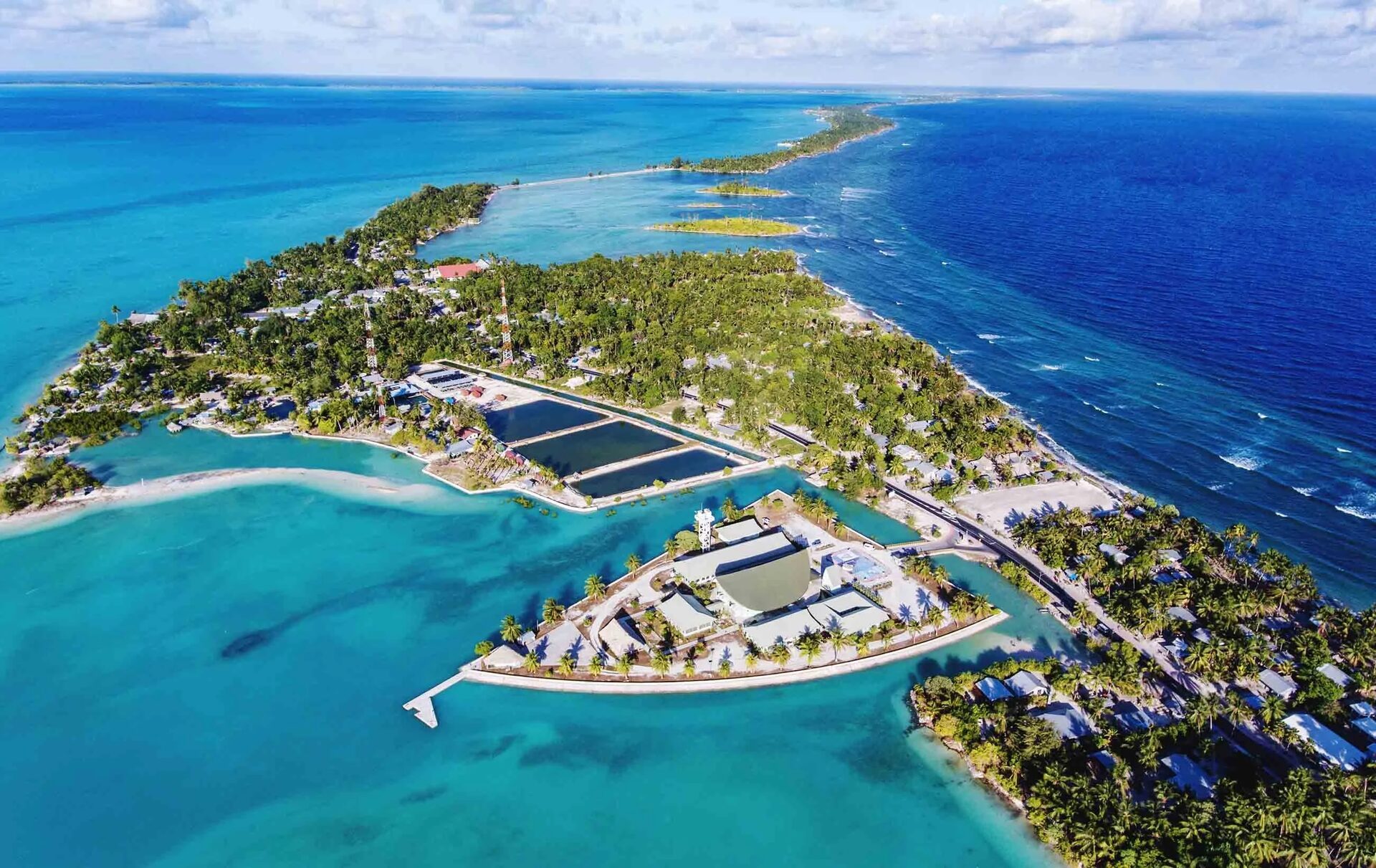
Kiribati (pronounced "Kiribas") is a Pacific island nation comprising 33 atolls spread across 3.5 million km2 of ocean in three island groups: the Gilbert Islands (including Tarawa, the capital), the Phoenix Islands, and the Line Islands. Bonriki International Airport (TRW) on South Tarawa has connections from Fiji (Nadi) and Nauru via Air Kiribati and Fiji Airways. Kiribati straddles both the equator and the International Date Line, making it the first inhabited place to experience each new day. The Phoenix Islands Protected Area (UNESCO) is one of the world's largest marine protected areas.
How to Get There
Fiji (NAN) is the main hub for Kiribati connections: Air Kiribati and Fiji Airways connect Nadi to Tarawa. Nauru has a connection. From the US, routing typically goes via Honolulu or Los Angeles to Fiji and then onward; total travel time exceeds 24 hours from most US cities. Kiribati is among the most remote destinations accessible by scheduled air service.
Money & Banking
Kiribati uses the Australian Dollar (AUD). USD can be exchanged at the bank in Tarawa. ATMs are limited and may be out of cash. Carry adequate USD or AUD cash for your entire trip. Kiribati is moderately priced but very limited in tourist infrastructure: most guesthouses run $50-100/night.
Practical Tips
Kiribati is one of the world's most climate-vulnerable nations: its land averages less than 2 meters above sea level and some atolls are already experiencing inundation at high tide. The I-Kiribati culture (dance, maneaba meeting houses, traditional weaving) is extraordinary and welcoming. Tarawa Atoll has significant WWII significance (the Battle of Tarawa, 1943, was one of the bloodiest in Pacific island warfare). The Phoenix Islands (Christmas Island/Kiritimati is in the Line Islands group) have remote unspoiled beaches and extraordinary birdlife. The Line Islands (Kiritimati/Christmas Island) are famous for fishing and birdwatching.
Frequently Asked Questions
How is Kiribati pronounced?
Kiribati is pronounced "Kiribas" (with an "s" sound), not "Kiribati" with a hard "t". In the Gilbertese (I-Kiribati) language, "ti" is pronounced as "s". Similarly, the capital Tarawa is "Tarava" and the atoll Abaiang is "Abayan". The country's unusual pronunciation catches most visitors off guard.
Is Kiribati disappearing due to climate change?
Kiribati is one of the countries most threatened by climate change. Its 33 atolls average about 2 meters above sea level. Rising seas and increasingly powerful storm surges are causing saltwater intrusion into freshwater lenses, beach erosion, and periodic flooding of low-lying areas. President Taneti Maamau has been a prominent advocate for climate action. Kiribati purchased land in Fiji as a potential future refuge for its population.
What was the Battle of Tarawa?
The Battle of Tarawa (November 20-23, 1943) was one of the bloodiest battles in the Pacific theater of WWII. US Marines landed on the small Betio atoll (part of Tarawa Atoll) to capture a Japanese fortified base. In 76 hours of intense combat on less than one square mile of land, approximately 1,000 Americans and 4,500 Japanese defenders were killed. The battle demonstrated the difficulty of Pacific island assaults and led to improved tactics for later landings.