Israel Visa RequirementsFor United States passport holders
US citizens can visit Israel visa-free for up to 90 days. Israel is one of the most historically significant countries on Earth , home to Jerusalem's Old City, the Dead Sea, Masada, Galilee, and a thriving modern Mediterranean culture. A US-Israel travel relationship means Americans are welcomed but should be aware of the security situation.
Great news! United States passport holders can enter Israel without a visa for tourism or business purposes. You can stay up to 90 days.
No advance visa needed. Present your valid US passport at Ben Gurion International Airport (TLV) near Tel Aviv. Israeli immigration officers may ask detailed questions about your purpose of visit, where you are staying, and who you know in Israel , answer honestly and patiently. Israeli immigration is thorough. Note: if your passport contains stamps from certain Arab countries that do not recognize Israel, you may face extra scrutiny. Israel no longer stamps passports , you receive a printed entry slip, keeping your passport clean.

Entry Requirements
Passport Validity
6 months beyond date of entry
Blank Pages
2 blank pages required
Multiple Entry
Allowed
Work Permitted
No - requires work visa
Required Documents
Valid US Passport
Must be valid for at least 3-6 months beyond your planned departure date (varies by country)
Return or Onward Ticket
Proof of departure from the country, such as a return flight or onward travel booking
Proof of Accommodation Recommended
Hotel reservation, Airbnb booking, or address where you will be staying
Proof of Sufficient Funds Recommended
Credit cards, bank statements, or cash to cover expenses during your stay
Travel Insurance Recommended
Recommended for all international travel covering medical emergencies
Travel Essentials
Health & Safety
Safety Rating
Vaccinations
Hepatitis A/B, Typhoid.
Tap Water
Safe to drink
Safety Tips
Security situation variable. Avoid Gaza border. Check advisories. Tel Aviv generally safe.
Money & Costs
Currency
₪ Israeli Shekel (ILS)
Daily Budget (USD)
Budget: $70 · Mid: $150 · Luxury: $350+
Cards & ATMs
Widely accepted.
Tipping
10-15% in restaurants.
Practical Info
Power
Type C, H, 230V, 50Hz
Driving
Right side
Emergency
Police: 100
Ambulance: 101
Fire: 102
Mobile/SIM
Buy at airport or Cellcom, Partner, Pelephone.
Getting There
Airport Transfers
Ben Gurion: Train ₪13.5/15min to Tel Aviv. Taxi ₪150-200.
Local Transport
Buses and trains. Sheruts (shared taxis). Tel Aviv has bikes.
Culture & Travel Tips
Best Time to Visit
Visit Israel during spring (March-May) or autumn (September-November) for ideal weather - comfortable temperatures for sightseeing and pleasant beach conditions without summer's intensity.
Summer (June-August) brings extreme heat, especially in Jerusalem, the Dead Sea, and the desert regions where temperatures exceed 100°F (38°C). Tel Aviv's beach scene thrives but expect crowds.
Jewish holidays significantly impact travel: Yom Kippur (September/October) shuts down the entire country including airports. Passover (March/April) and Sukkot (September/October) bring domestic tourism peaks.
The Dead Sea and desert regions (Masada, Negev) are best October through April - summer is dangerously hot. Winter can bring occasional rain but temperatures remain mild.
Christmas in Bethlehem and Easter in Jerusalem offer profound experiences but accommodation books up months ahead and crowds are intense at holy sites.
Cultural Notes
Israel is remarkably diverse: secular Tel Aviv, religious Jerusalem, Arab communities, kibbutzim, and immigrant cultures from Ethiopia to Russia. Don't expect homogeneity.
Israelis are famously direct - what might seem rude is actually straightforward communication. They cut lines, argue loudly, and speak their minds. It's cultural, not personal.
Security is part of daily life. Armed soldiers are everywhere, bag checks are routine, and questions about your visit are normal. Israelis accept this as necessary.
The Palestinian-Israeli conflict is ever-present and deeply complex. Avoid taking firm stances unless you truly understand the nuances - which takes years. Listen more than you speak.
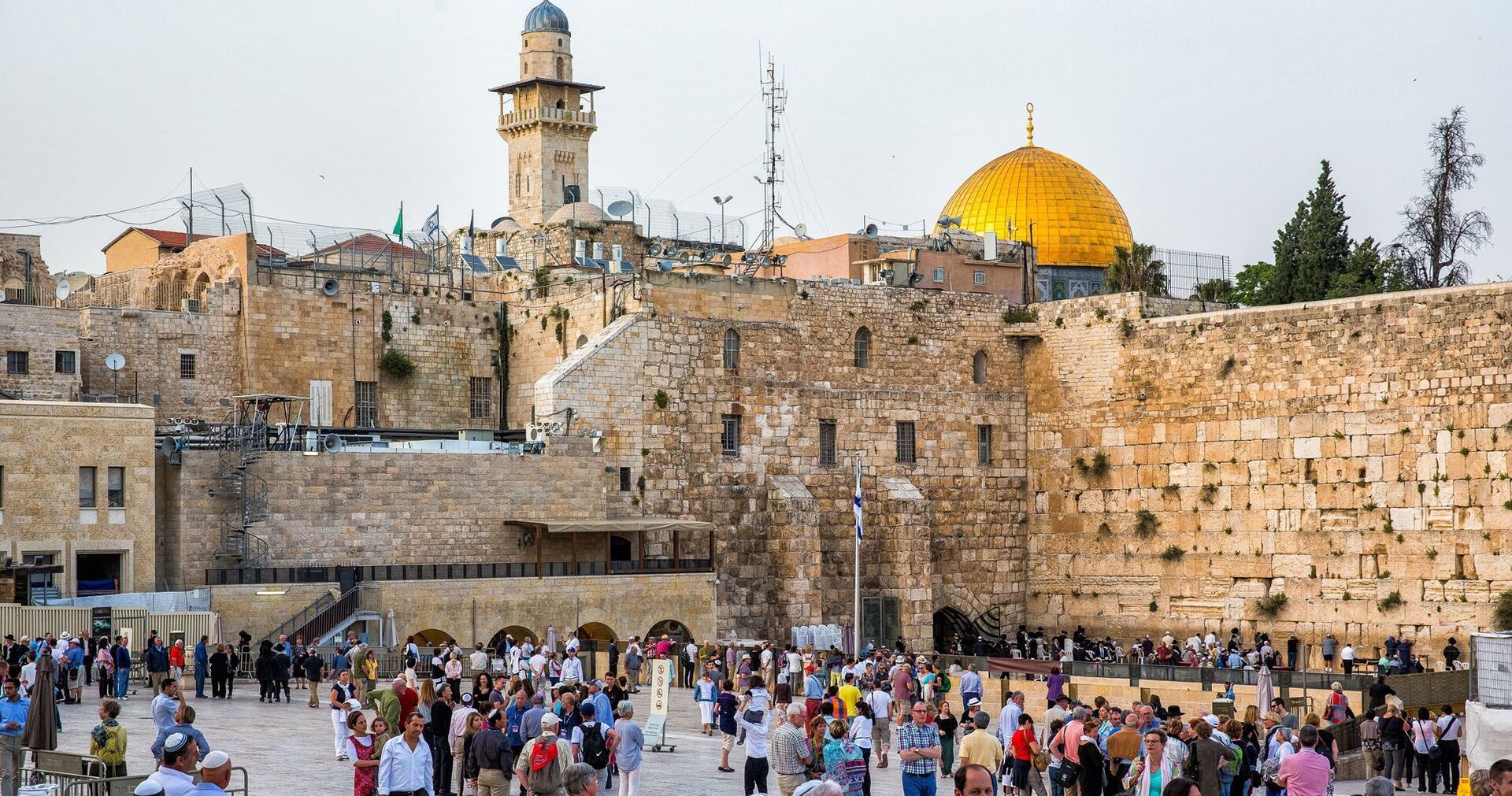
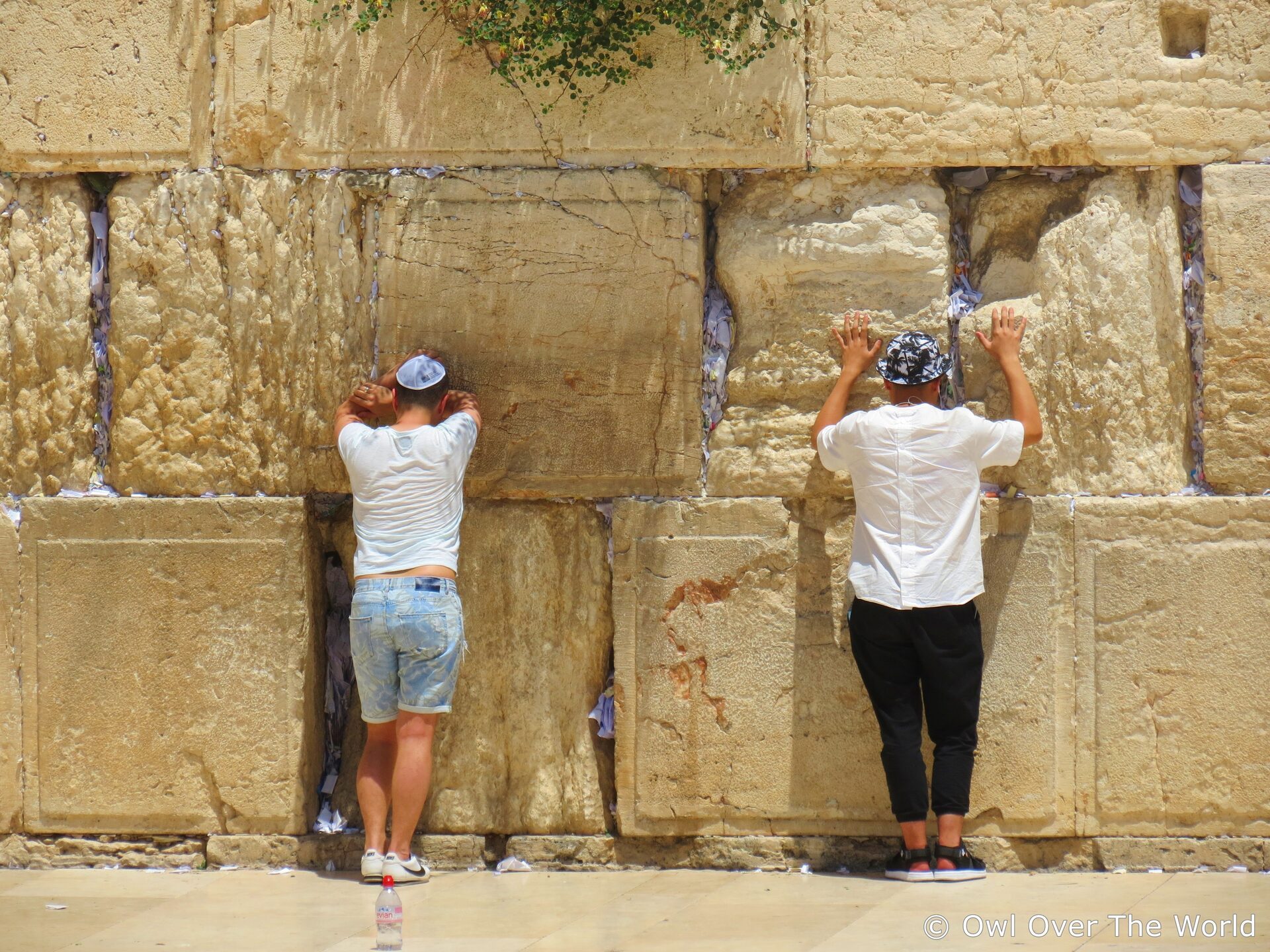
Religious sites require appropriate dress - covered shoulders and knees. The Western Wall has separate sections for men and women. Temple Mount/Haram al-Sharif has strict visiting hours for non-Muslims.
Friday afternoon pre-Shabbat bustle is wonderful - markets overflow, everyone rushes home, and family dinner preparations begin. It's authentic life happening around you.
Insider Tips
Security is tight - expect airport screening to take longer than anywhere else. Answer questions honestly and straightforwardly. Arrive at the airport 3 hours early for international flights.
Shabbat (Friday sunset to Saturday sunset) transforms the country - public transport stops, many businesses close, and the pace changes completely. Tel Aviv is more secular; Jerusalem shuts down.
The Israeli Shekel (NIS) is the currency. Credit cards work widely in cities but carry cash for markets, smaller shops, and Arab areas of Jerusalem's Old City.
Download the Moovit app for public transport - Israel's bus system is excellent and affordable. Trains connect Tel Aviv and Jerusalem in under an hour.
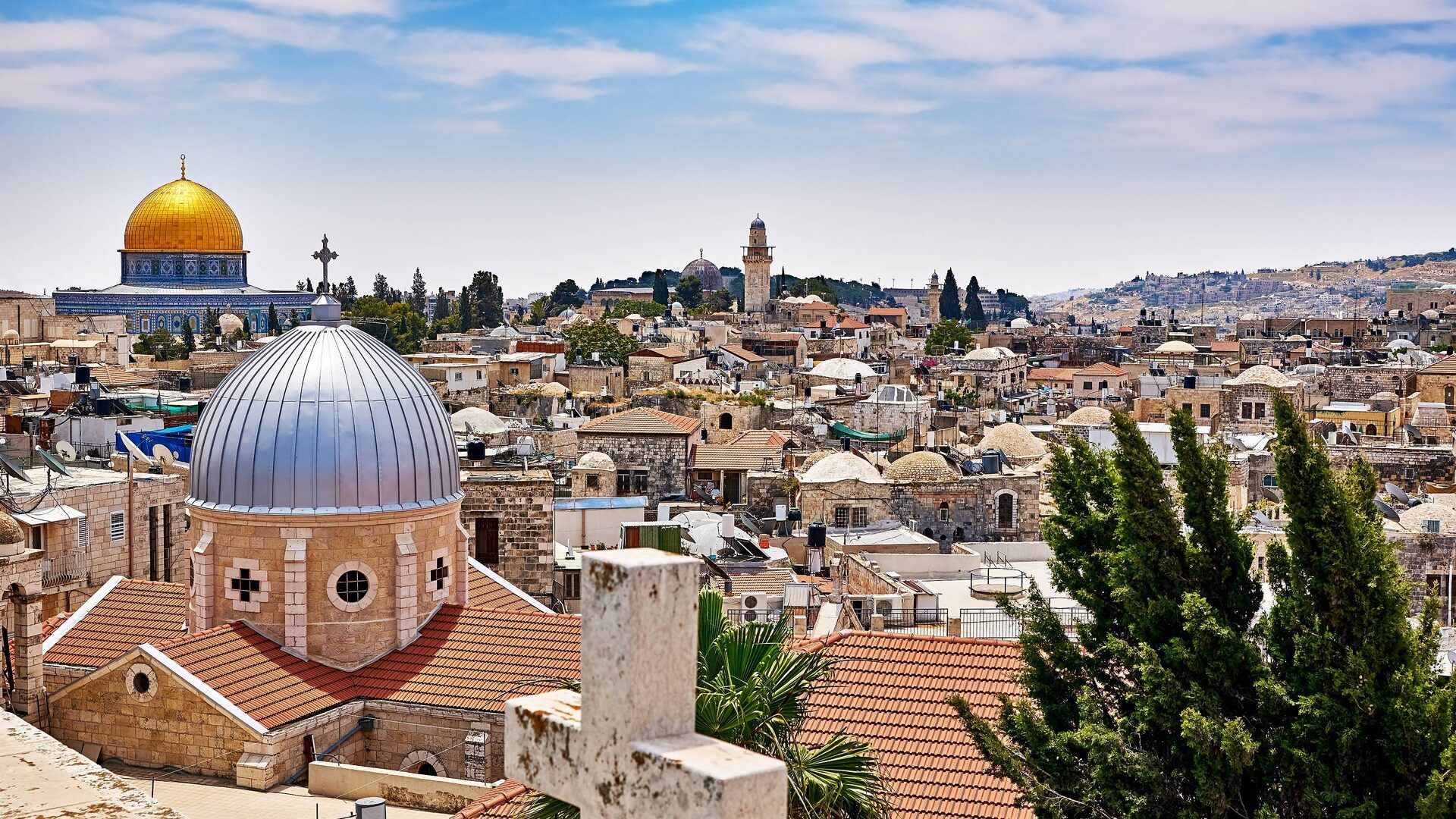
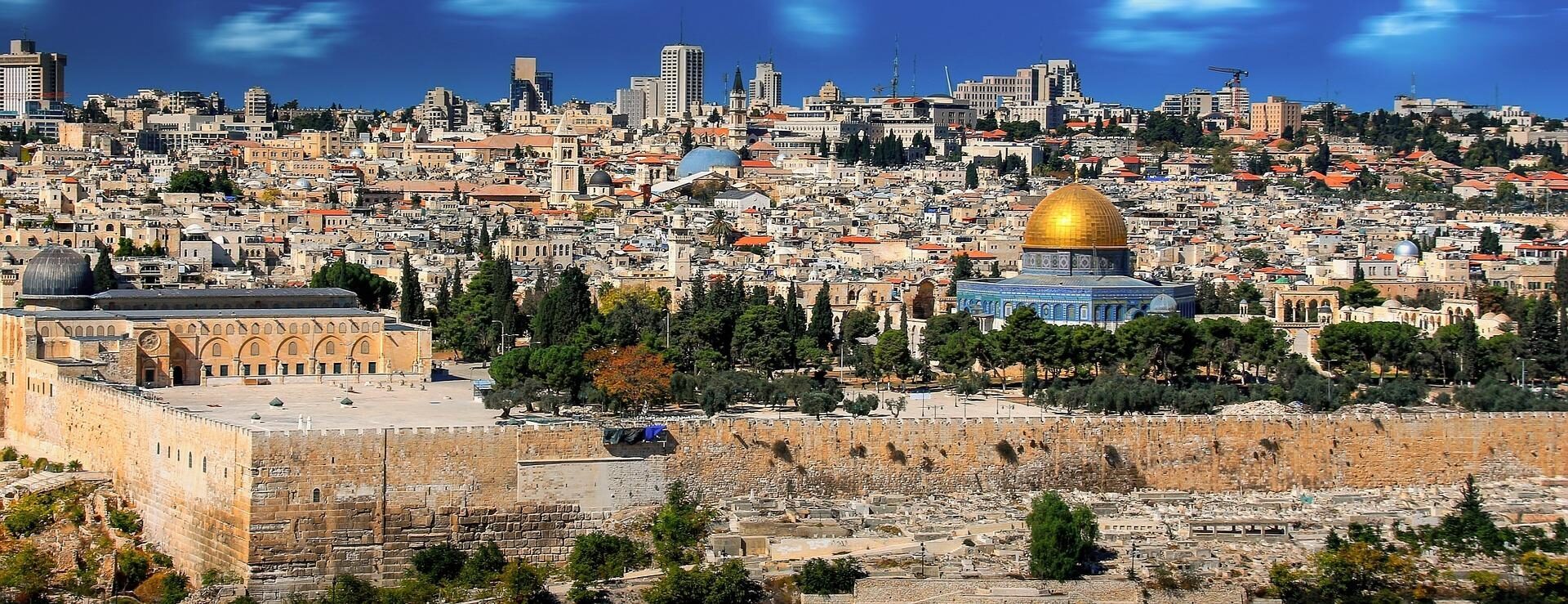
Jerusalem's Old City is divided into quarters: Jewish, Christian, Muslim, and Armenian. Each has distinct character - explore all four. Security checkpoints exist between areas.
The Dead Sea is not just swimming - the mineral-rich water and mud are therapeutic. Don't shave beforehand (salt burns!), don't splash water in eyes, and shower immediately after.
Dress Code
Modest at holy sites. Cover shoulders and knees.
Current Travel Situation
United States to Israel: What You Need to Know
The United States and Israel have an extremely close alliance, and US citizens receive visa-free entry under a tourism agreement. Israel also reciprocally allows Americans into the US without visas (under the Visa Waiver Program). Note: the security situation in and around Israel/Gaza has been significantly elevated since October 2023. The US State Department has issued various travel advisories for different regions of Israel, the West Bank, and Gaza. Check the current advisory at travel.state.gov before visiting.
How to Get There
Many US airlines (United, Delta, American) and Israeli airlines (El Al) fly direct to Tel Aviv (TLV) from New York (JFK/EWR), Miami, Los Angeles, Chicago, and other major US cities. El Al is the national carrier with the most routes. Nonstop flights from New York take about 11–12 hours. Current flight availability may fluctuate based on the security situation.
Money & Banking
Israel uses the Israeli New Shekel (ILS). ATMs are widely available. Credit cards accepted everywhere. Israel is a moderately expensive country , comparable to Southern Europe. Budget $100–180+/day for mid-range travel. Tel Aviv is more expensive than Jerusalem or the north. Excellent Israeli street food (hummus, falafel, sabich) offers affordable eating options.
Practical Tips
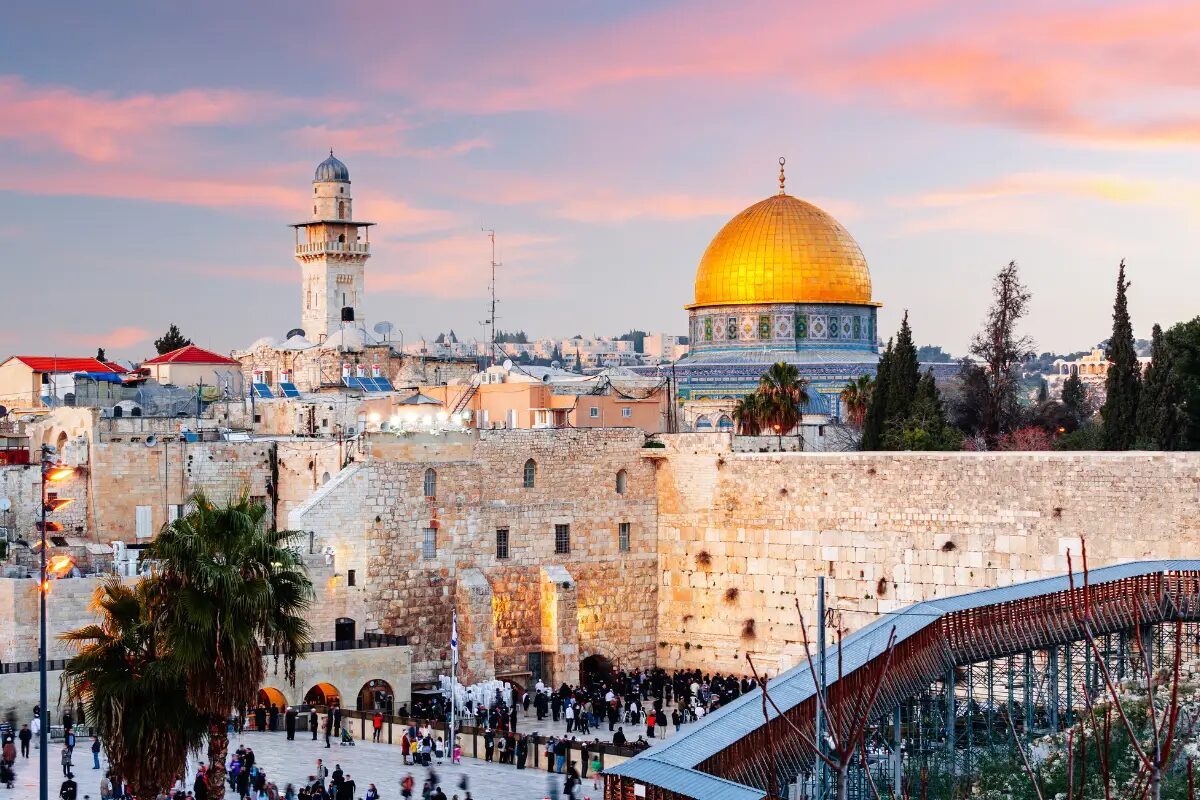
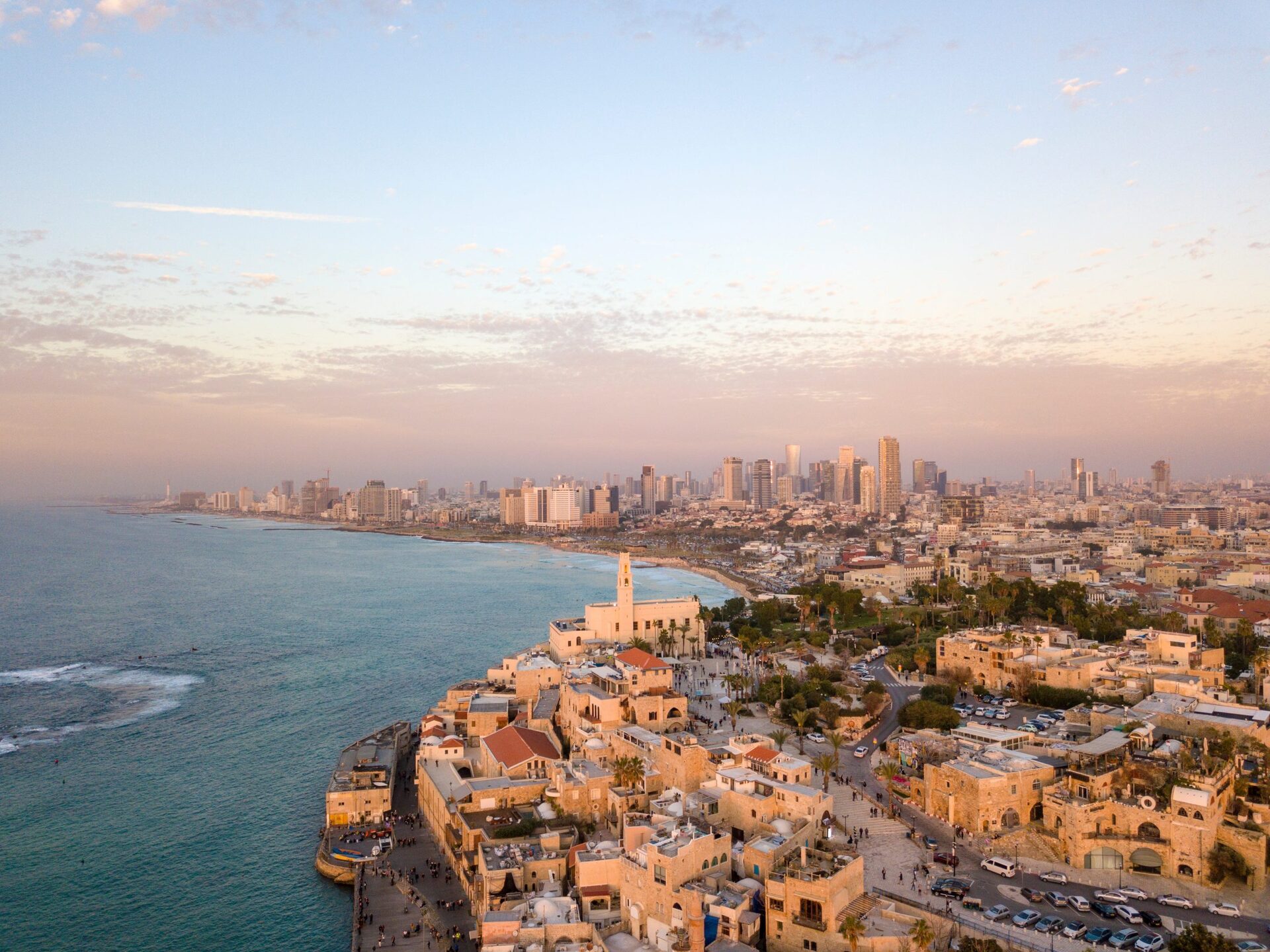
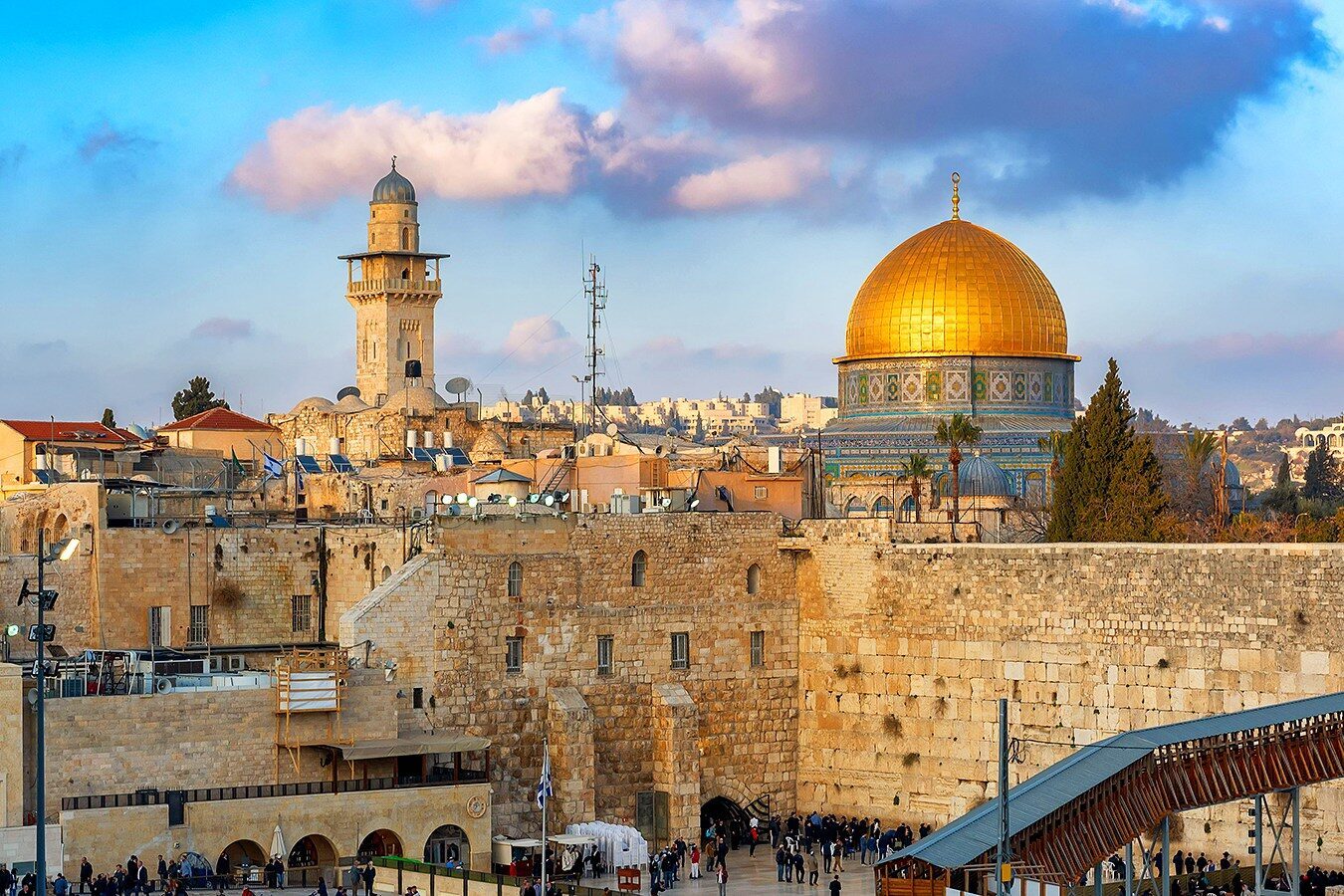
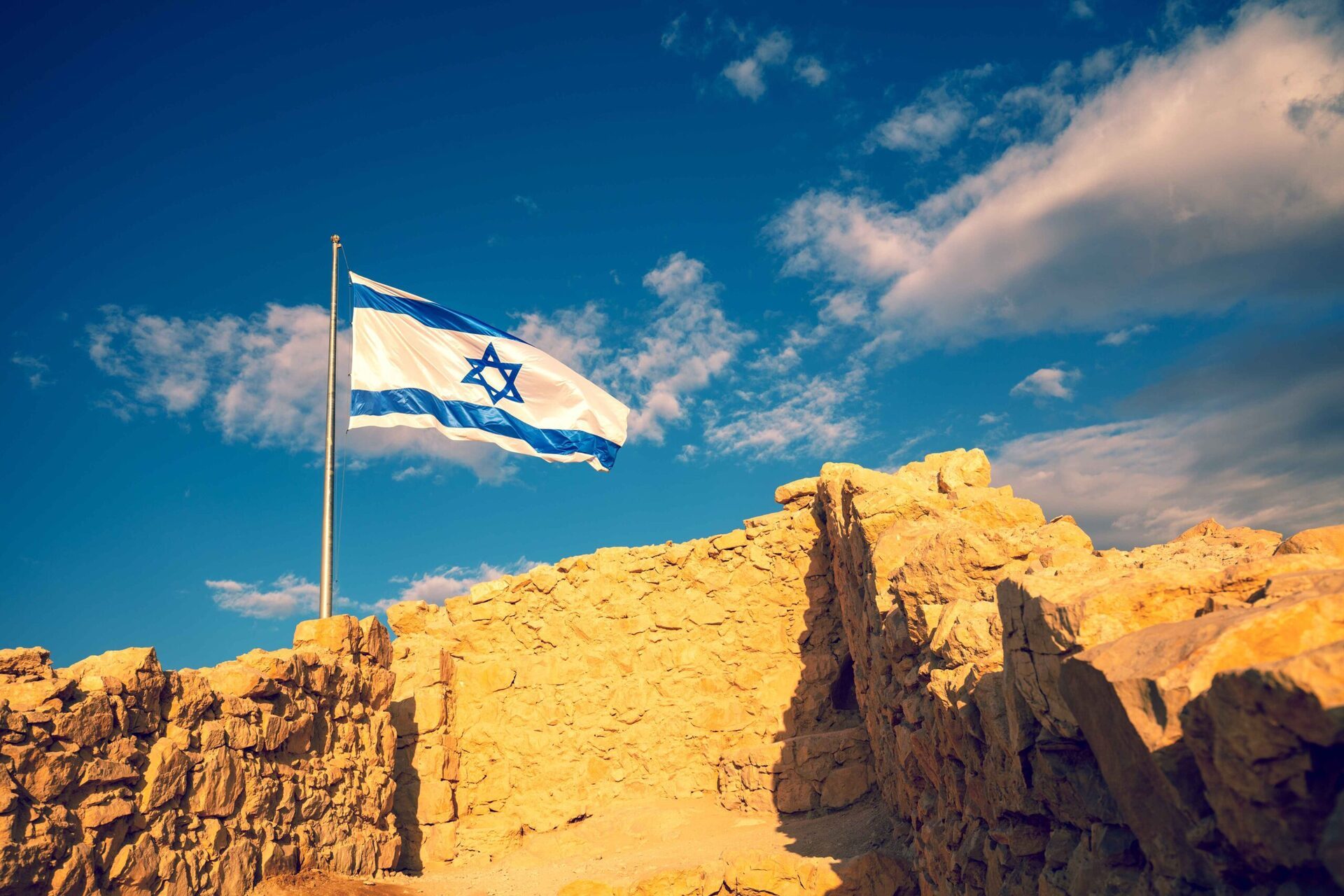
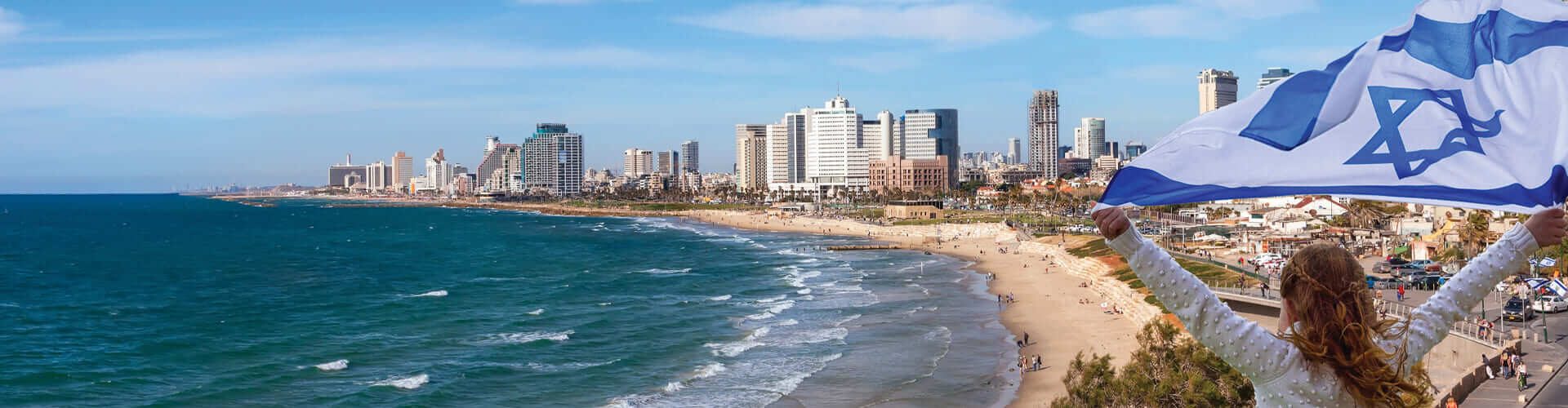
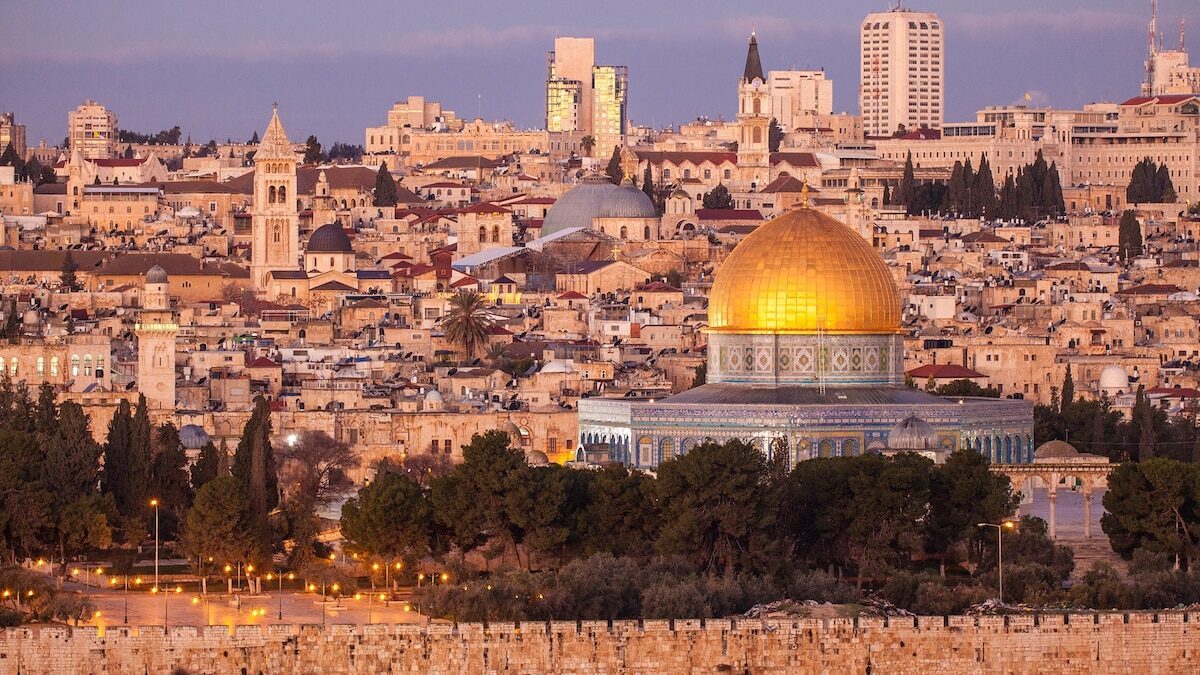
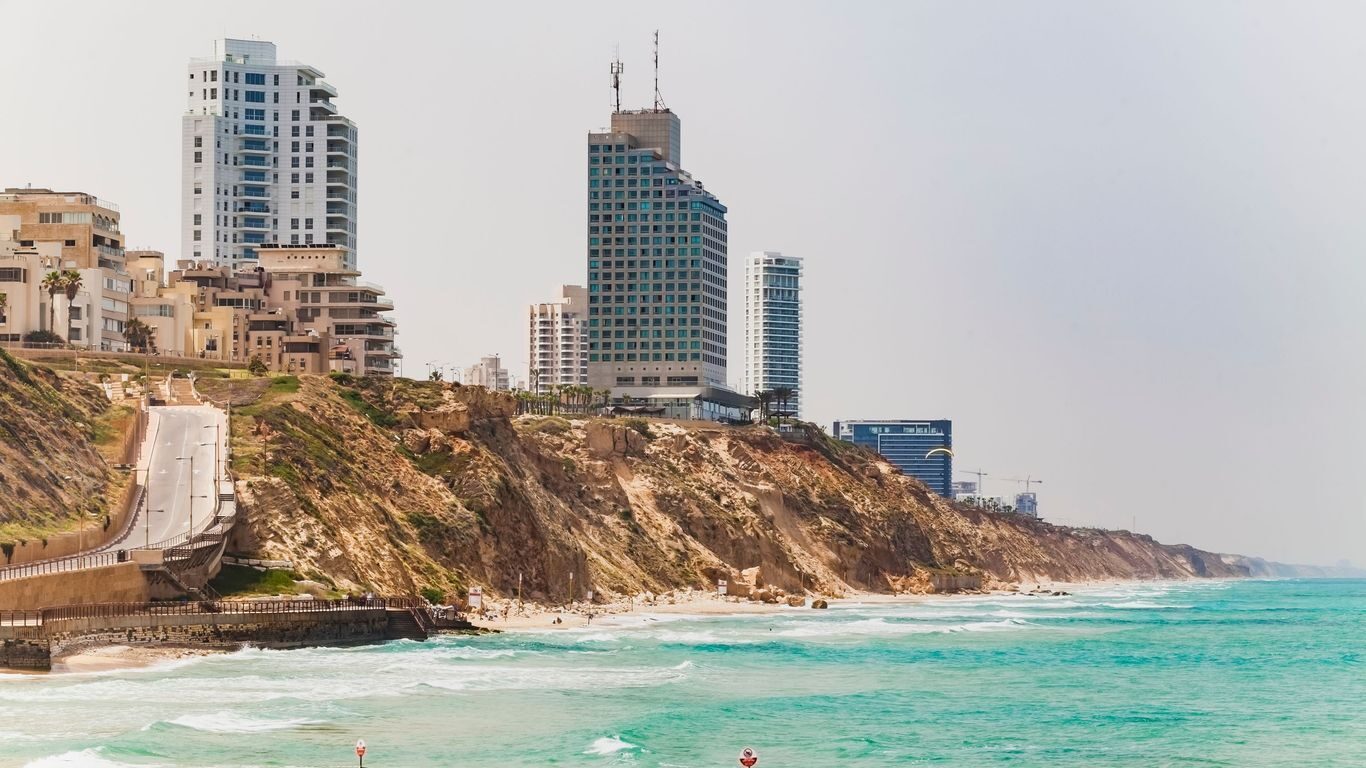
Israel's highlights: Jerusalem (Old City UNESCO , Western Wall, Church of the Holy Sepulchre, Dome of the Rock, Via Dolorosa, Jewish, Christian, Muslim, and Armenian Quarters), Tel Aviv (modern Mediterranean beach city with extraordinary food scene, nightlife, Bauhaus architecture UNESCO, Carmel Market), the Dead Sea (float in hypersaline water, lowest point on Earth), Masada (UNESCO, Herod's mountain fortress and site of Jewish resistance in 73 CE), the Galilee (Sea of Galilee, Nazareth, Capernaum), Caesarea Maritima (Roman ruins), Eilat (Red Sea diving), and the Negev Desert.
Frequently Asked Questions
Do US citizens need a visa for Israel?
No. US passport holders can visit Israel visa-free for up to 90 days. No advance application needed.
Is Israel safe for American tourists?
The security situation varies by region and current events. Jerusalem and Tel Aviv tourist areas are well-protected, but the conflict with Gaza and tensions in the West Bank affect travel safety. Check the current US State Department advisory (travel.state.gov) before visiting.
Will Israel stamp my passport?
Israel no longer stamps passports — instead, you receive a separate printed entry slip. This prevents complications when traveling to Arab countries that don't recognize Israel. Keep this slip as proof of legal entry during your visit.
Can I visit the West Bank and Palestinian Territories as a US citizen?
US citizens can visit the West Bank — no separate visa is needed if entering from Israel. The US Embassy advises increased caution for the West Bank. Gaza is under a Level 4 Do Not Travel advisory. Check current conditions carefully.
What are must-see sites in Jerusalem for first-time visitors?
The Old City walls and all four quarters (Jewish, Muslim, Christian, Armenian), the Western Wall, the Church of the Holy Sepulchre, the Dome of the Rock (entry may be restricted), Via Dolorosa, Yad Vashem Holocaust Memorial, the Israel Museum (Dead Sea Scrolls), and Mount of Olives viewpoint.