Ireland Visa RequirementsFor United States passport holders
US citizens can visit Ireland visa-free for up to 90 days. Ireland is not in the Schengen Area , its visa exemption is separate from the 90-day Schengen allowance.
Great news! United States passport holders can enter Ireland without a visa for tourism or business purposes. You can stay up to 90 days.
No visa is required. Present your valid US passport on arrival at Dublin, Cork, or Shannon airport (or Rosslare seaport). The immigration officer grants admission for up to 90 days. Having proof of return travel and accommodation is recommended. Note: Ireland is not Schengen , your 90-day Irish allowance is completely separate from your Schengen allowance. You can visit Ireland for 90 days and then visit Europe for 90 more days (or vice versa) without any conflict.







Entry Requirements
Passport Validity
6 months beyond date of entry
Blank Pages
2 blank pages required
Multiple Entry
Allowed
Work Permitted
No - requires work visa
Required Documents
Valid US Passport
Must be valid for the duration of stay
Valid US Passport
Must be valid for at least 3-6 months beyond your planned departure date (varies by country)
Return or Onward Ticket
Proof of departure from the country, such as a return flight or onward travel booking
Proof of Onward Travel Recommended
Return or onward flight ticket — strongly recommended
Proof of Accommodation Recommended
Hotel or Airbnb bookings may be requested
Proof of Accommodation Recommended
Hotel reservation, Airbnb booking, or address where you will be staying
Proof of Sufficient Funds Recommended
Credit cards, bank statements, or cash to cover expenses during your stay
Travel Insurance Recommended
Recommended for all international travel covering medical emergencies
Travel Essentials
Health & Safety
Safety Rating
Vaccinations
Routine vaccines.
Tap Water
Safe to drink
Safety Tips
Very safe.
Money & Costs
Currency
€ Euro (EUR)
Daily Budget (USD)
Budget: $80 · Mid: $175 · Luxury: $400+
Cards & ATMs
Cards widely accepted.
Tipping
10% in restaurants appreciated.
Practical Info
Power
Type G, 230V, 50Hz
Driving
Left side
Emergency
Emergency: 112 or 999
Mobile/SIM
Buy at Three, Vodafone, Eir.
Getting There
Airport Transfers
Dublin: Bus €7/30min, taxi €25-30.
Local Transport
Dublin has LUAS tram, buses. Trains connect cities.
Culture & Travel Tips
Best Time to Visit
Visit Ireland from May through September for the best weather and longest days. Irish summers are mild (60-70°F/15-21°C) but 'guaranteed' sunshine doesn't exist - expect rain anytime and pack waterproof layers.
May and June often have the driest weather, plus stunning wildflowers along the Wild Atlantic Way. September brings smaller crowds and autumn colors beginning.
July and August are warmest with festivals throughout the country, but also busiest on tourist routes like the Ring of Kerry. Book accommodations months ahead.
St. Patrick's Day (March 17) is massive in Dublin and smaller towns - a party atmosphere but accommodation and prices spike. Book very early.
Winter (November-February) is dark, cold, and rainy but uncrowded with cozy pub sessions and authentic atmosphere. Many rural attractions have reduced hours or close.
The Wild Atlantic Way and western coast get significantly more rain than the east coast - Dublin is actually one of Ireland's drier cities.
Cultural Notes
Irish hospitality is genuine and legendary. Strangers talk to everyone - join conversations in pubs and you'll make friends quickly. Isolation at a bar counter is nearly impossible.
Traditional music sessions in pubs are magical - they happen organically, not on stage. Don't talk over the music; don't request songs; do applaud between pieces.
The Irish sense of humor features self-deprecation, irony, and 'slagging' (teasing). If Irish people tease you, it means they like you. Respond in kind.
Political topics require care: The Troubles in Northern Ireland ended only in 1998, and Brexit has complicated things. Follow locals' lead on these discussions.
'Irish goodbye' means leaving without saying goodbye - ironically, actual goodbyes in Ireland take forever with multiple rounds of 'well, I'd better be going' before anyone moves.
Drinking culture is real but excessive drunkenness is embarrassing, not celebrated. Pace yourself. Guinness should be sipped, not chugged, and tastes genuinely different in Ireland.
Insider Tips
Renting a car is the best way to explore rural Ireland - public transport outside cities is limited. Drive on the left and roads can be narrow, especially on scenic routes.
The Wild Atlantic Way is spectacular but don't try to do it all quickly - 1,600 miles of coastal road deserves at least a week. Pick highlights or focus on one region.
Irish pubs serve food until 9pm typically, then become drinking establishments. 'Last call' is strict at 11:30pm weeknights, 12:30am weekends (earlier in rural areas).
Dublin is expensive by European standards - consider basing outside the city and day-tripping. Galway, Cork, and smaller towns offer better value and often more charm.
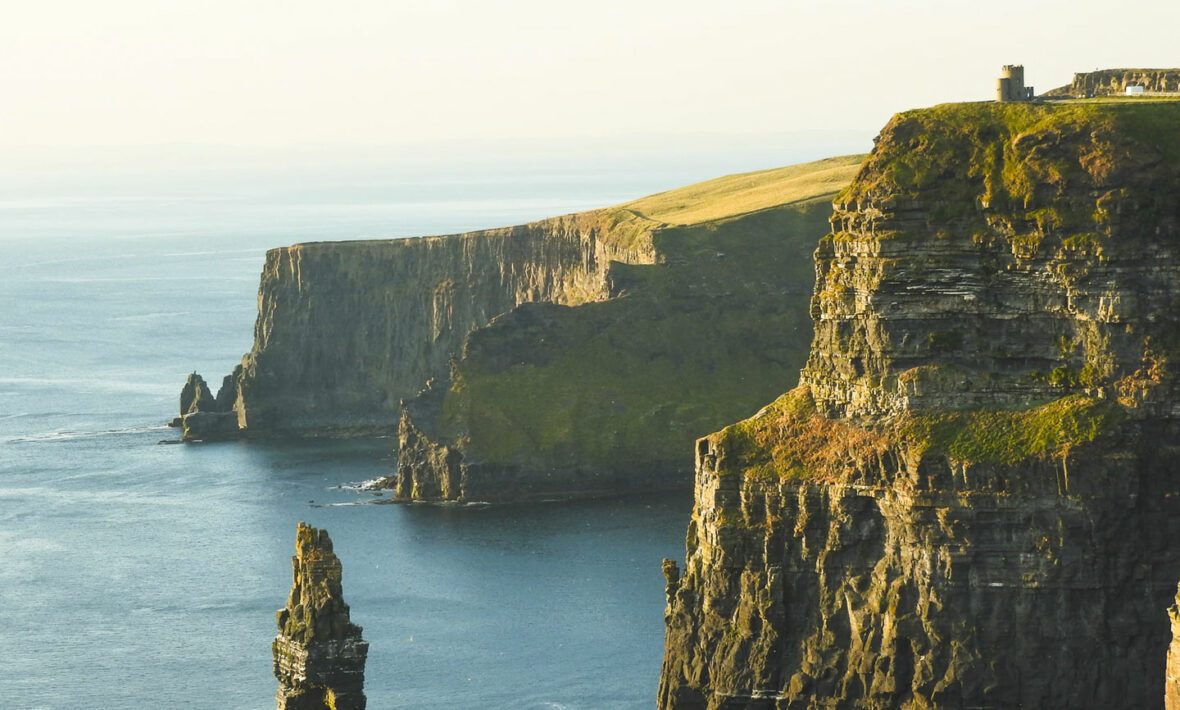
Book popular attractions like Cliffs of Moher, Blarney Castle, and Ring of Kerry accommodation well ahead in summer. Some sites now have timed entry.
Ireland uses Euros (€), not British Pounds. Northern Ireland (UK) uses Pounds - the border is invisible but the currency change isn't.
Dress Code
Casual. Bring rain gear.
Current Travel Situation
United States to Ireland: What You Need to Know
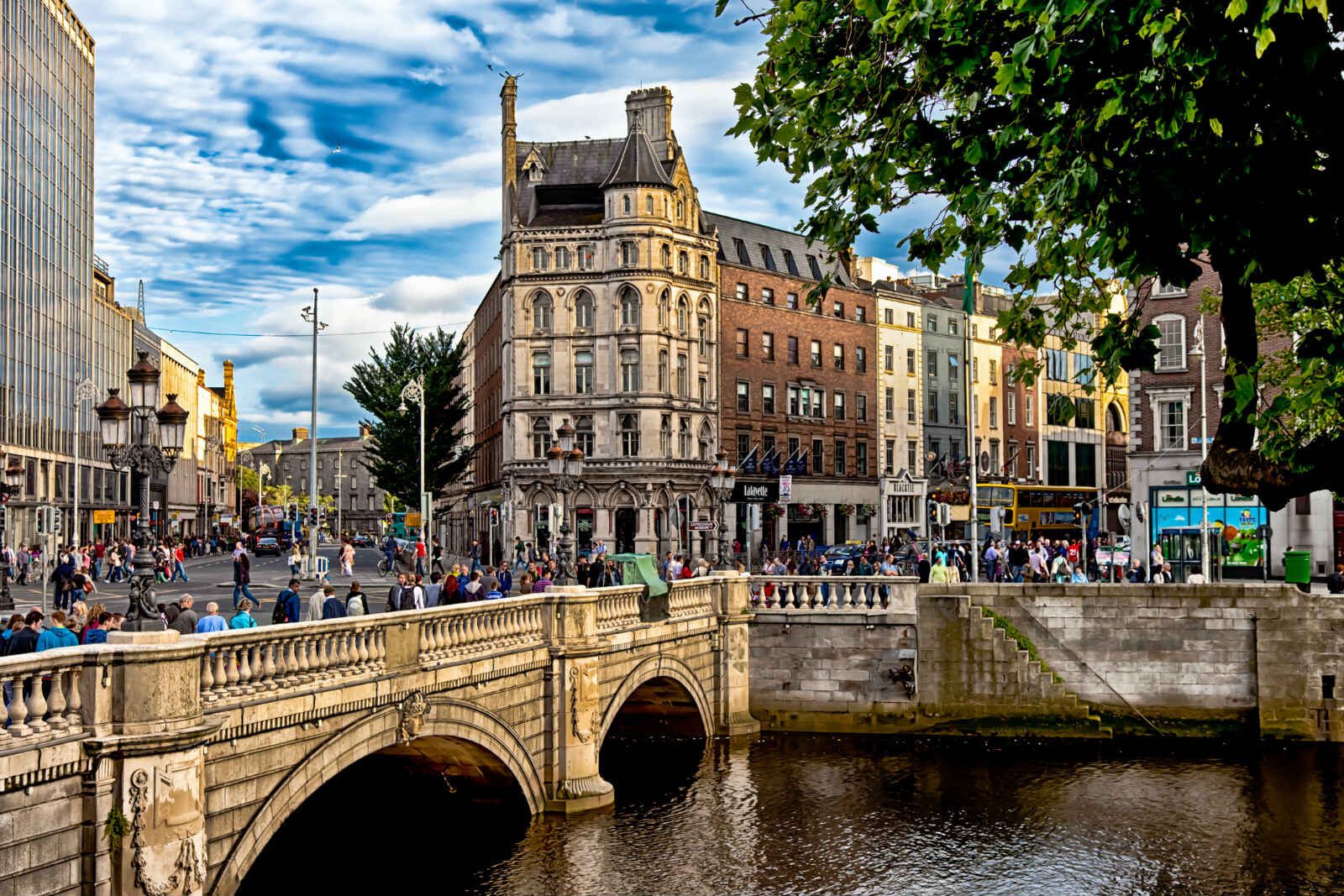
Ireland has one of the world's strongest Irish diaspora connections to the United States , over 32 million Americans claim Irish ancestry. US citizens have enjoyed visa-free access to Ireland for decades, and this remains unchanged. Importantly, Ireland is NOT a member of the Schengen Area, meaning visits to Ireland use a separate 90-day allowance and do not affect Schengen day counting. Ireland is also not part of the EU Common Travel Area for passport purposes in the same way , US citizens need to present a valid US passport on arrival at Dublin, Cork, or Shannon airports. Ireland is known for its dramatic Atlantic coastline, Georgian Dublin, whiskey distilleries, medieval castles, pubs, and strong literary culture (Joyce, Beckett, Wilde).
How to Get There
The UK (via Dublin-London or Belfast-London routes) is accessible for Americans with a UK ETA. Given Ireland's Common Travel Area membership with the UK, you can cross between the Republic of Ireland and Northern Ireland (UK) by land freely once in Ireland. Ferry services connect Dublin to Holyhead (Wales) in about 2 hours, and Dublin to Pembroke (Wales). London is 1h20m by air from Dublin. Paris is 2h by air. Iceland is 2h30m , a popular extension for Americans visiting Ireland.
Money & Banking
Ireland uses the euro (EUR). Northern Ireland (UK) uses the pound sterling (GBP). Card payments are universal throughout the Republic. ATMs are common in cities and towns. Ireland is moderately expensive to expensive , Dublin in particular has seen significant price increases. Accommodation in Dublin city center starts at EUR 80-120/night for budget options; midrange EUR 120-200/night. Irish pub meals offer good value at EUR 12-18. Guinness poured in Ireland is far superior to elsewhere , the Irish say it travels badly.
Practical Tips
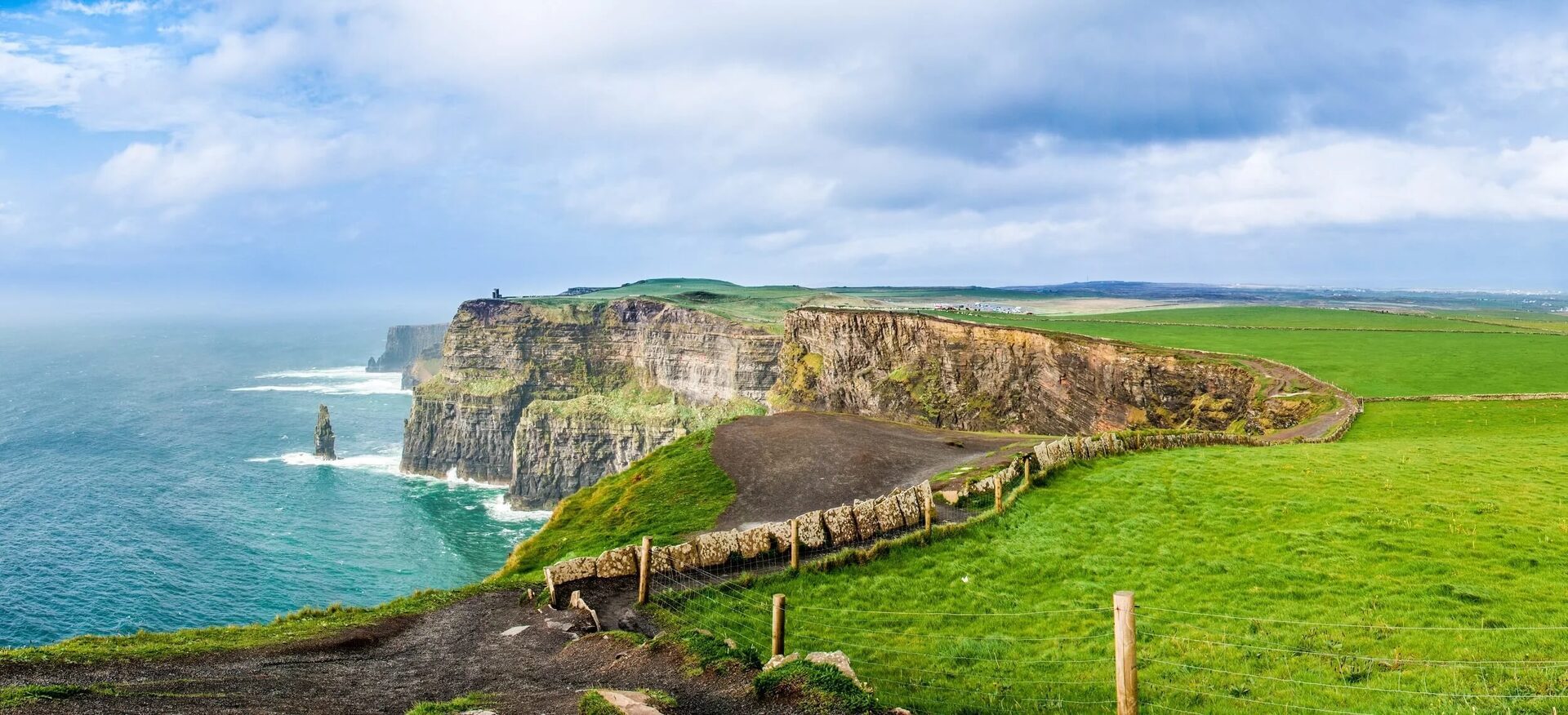
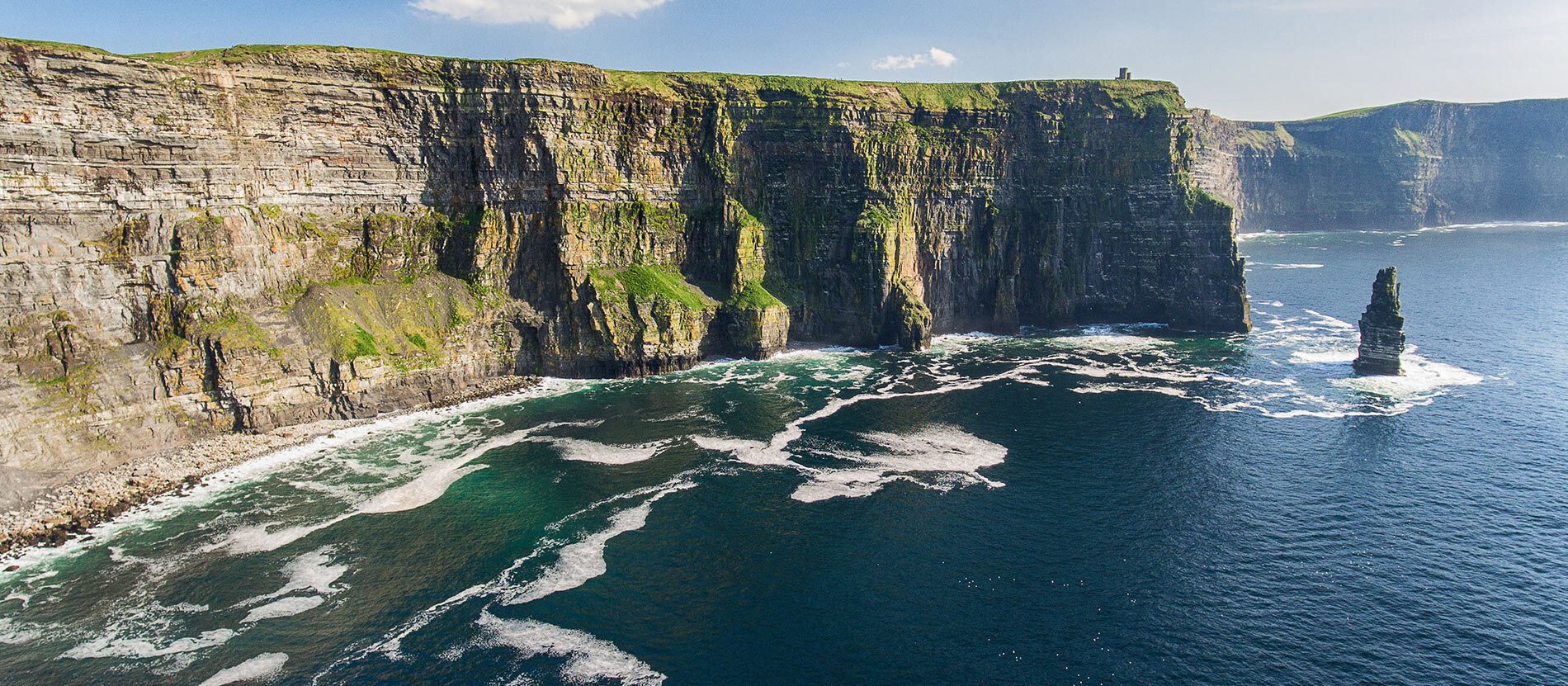
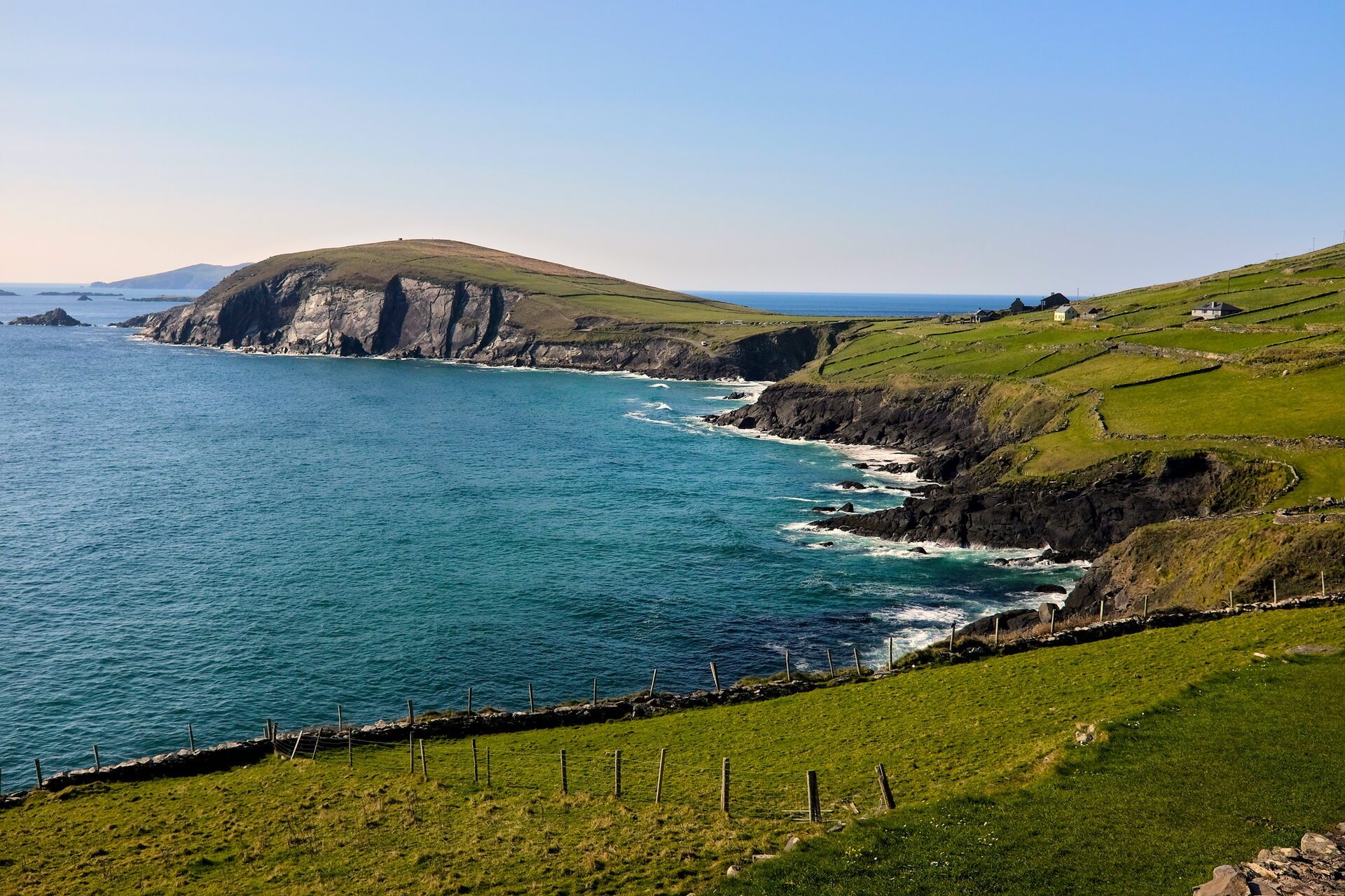
Driving a rental car is the best way to see Ireland outside Dublin , the Wild Atlantic Way, Ring of Kerry, Connemara, and County Clare are all best experienced by road. Ireland drives on the LEFT side of the road , US visitors used to right-hand traffic must be cautious. Dublin is compact and walkable; the Dart commuter rail serves the coastline. Irish weather is unpredictable year-round , waterproof layers are always essential. The best weather is May-September; June-August is warmest. The Cliffs of Moher, Killarney National Park, and Dingle Peninsula are must-sees.
Frequently Asked Questions
Do US citizens need a visa for Ireland?
No. US passport holders can visit Ireland visa-free for up to 90 days. Ireland is not part of Schengen — time in Ireland does not count toward the 90-day Schengen allowance.
Does visiting Ireland affect my Schengen days?
No. Ireland is not a Schengen member. Time spent in Ireland is completely separate from the 90-day Schengen allowance. You can spend 90 days in Ireland and then 90 days in Schengen countries (France, Spain, Germany, etc.) without conflict.
Can I drive from Ireland to Northern Ireland?
Yes. The border between the Republic of Ireland and Northern Ireland (UK) is completely open — there are no border checks. You can drive freely between them. Note that Northern Ireland uses the British pound, drives on the left, and uses UK (not Irish) emergency services.
What side of the road does Ireland drive on?
Ireland drives on the LEFT side of the road, like the UK. This is the opposite of the US. Be especially careful at roundabouts and when pulling out of parking. Renting an automatic car is recommended for US visitors unfamiliar with left-hand traffic.