Iran Visa RequirementsFor United States passport holders
US citizens require a visa to visit Iran. The US State Department has a Level 4 Do Not Travel advisory for Iran. Since the US-Israel military offensive (Operation Epic Fury, February 28, 2026) and ongoing conflict, travel to Iran by US nationals is effectively impossible and extremely dangerous.
United States passport holders require a visa to enter Iran.
Independent tourist visa applications from US citizens are not accepted. The only legal tourist pathway is through an approved Iranian tour company that submits an authorization code to the Iranian consulate (typically in a third country, as the US has no Iranian consulate). This process is extremely uncertain and approvals are not guaranteed. Processing can take 4-8 weeks. Even if approved, US cardholders cannot use credit or debit cards in Iran due to sanctions.
Entry Requirements
Passport Validity
6 months beyond date of entry
Blank Pages
2 blank pages required
Multiple Entry
Single entry only
Work Permitted
No - requires work visa
Entry Conditions
Visa required through Iranian Interests Section at Pakistan Embassy in Washington DC. US citizens face additional scrutiny.
Required Documents
Valid US Passport
Must be valid for at least 6 months beyond your planned stay with at least 2 blank pages for visa stamps
Completed Visa Application Form
Fill out the official visa application form from the embassy or consulate
Passport-size Photos
Two recent color photos (2x2 inches or 35x45mm) with white background, taken within last 6 months
Proof of Accommodation
Hotel reservations, rental agreement, or invitation letter with host address
Proof of Sufficient Funds
Recent bank statements (last 3 months), credit card statements, or sponsorship letter
Round-trip Flight Itinerary
Confirmed return or onward flight booking showing departure from the country
Employment or Business Letter
Letter from employer stating position, salary, and approved leave dates, or business registration documents
Travel Insurance Recommended
Comprehensive travel insurance covering medical expenses and emergency evacuation
Cover Letter Recommended
Personal letter explaining purpose of visit, itinerary, and ties to home country
Travel Essentials
Health & Safety
Safety Rating
Vaccinations
Hepatitis A, Hepatitis B, Typhoid, Rabies
Tap Water
Safe to drink
Safety Tips
Iran is generally safe for tourists with very low crime. However, political tensions, periodic protests, and the ongoing conflict with Western governments create risks. Avoid border areas with Iraq and Afghanistan. Dual nationals face additional risks. The hospitality of Iranian people is legendary.
Money & Costs
Currency
﷼ Iranian Rial (IRR)
Daily Budget (USD)
Budget: $30 · Mid: $70 · Luxury: $180+
Tipping
Tipping is appreciated but not mandatory. 10% in restaurants. Tips for guides expected.
Practical Info
Power
Type C, F, 220V 50Hz
Driving
Right side
Emergency
110 (Police), 125 (Fire), 115 (Ambulance)
Getting There
Main Airports
Tehran (IKA) · Isfahan (IFN) · Mashhad (MHD) · Shiraz (SYZ)
Culture & Travel Tips
Best Time to Visit
The best time to visit Iran is spring (March-May) and autumn (September-November) when temperatures are pleasant. Nowruz (Persian New Year) in March is special but busy. Summers are very hot in most regions. Winter is cold, especially in mountainous areas, but good for skiing.
Cultural Notes
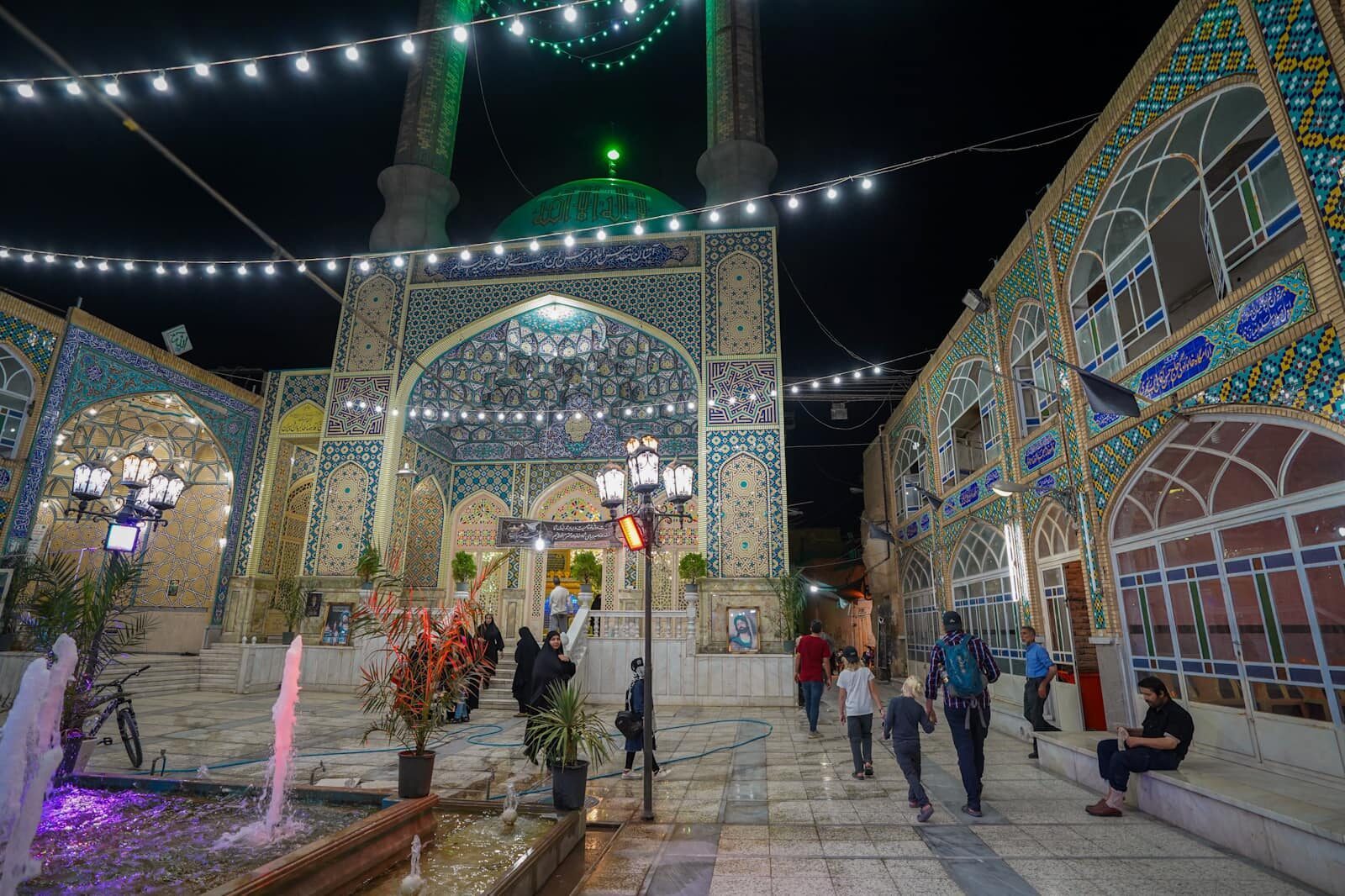
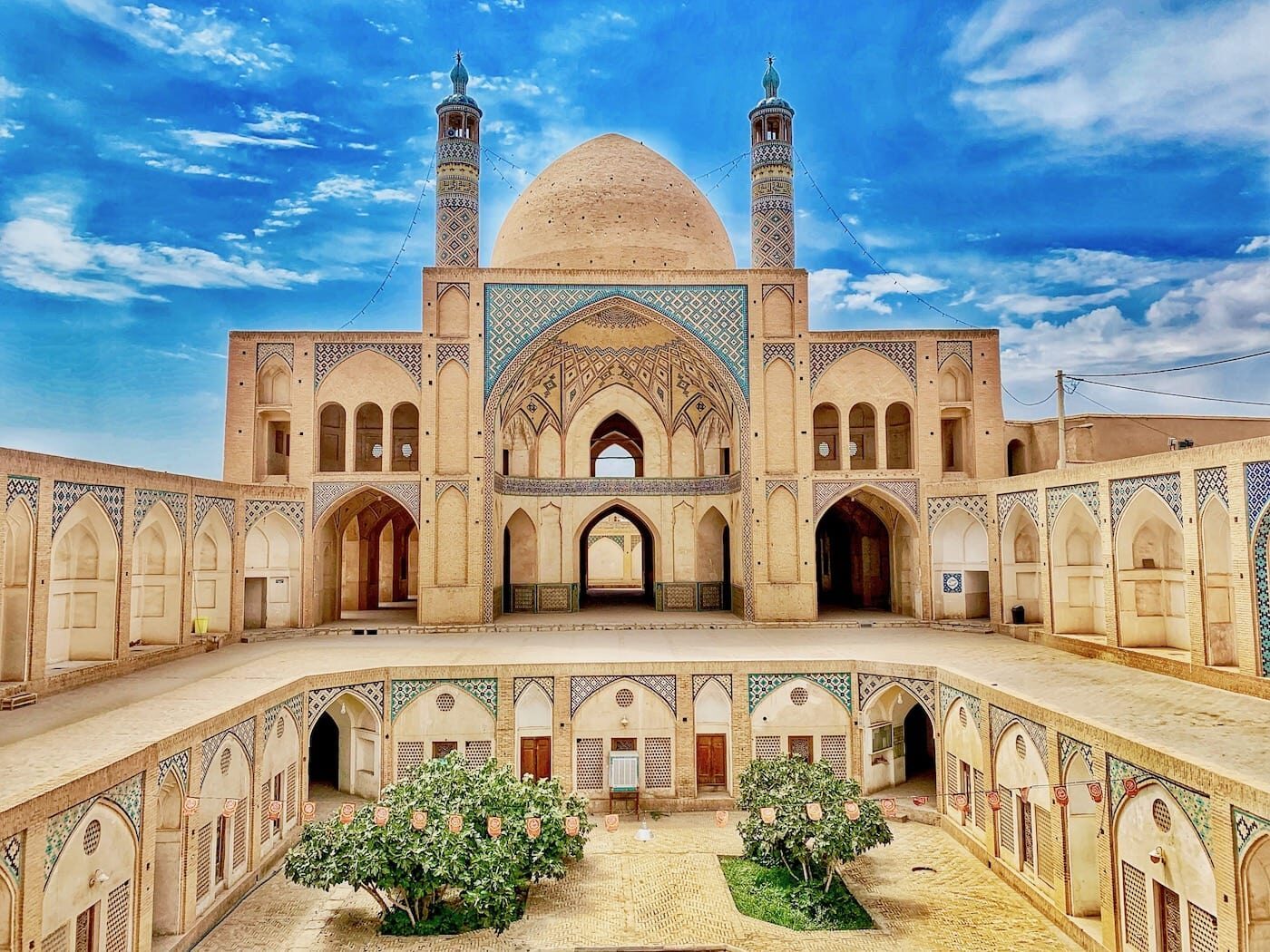
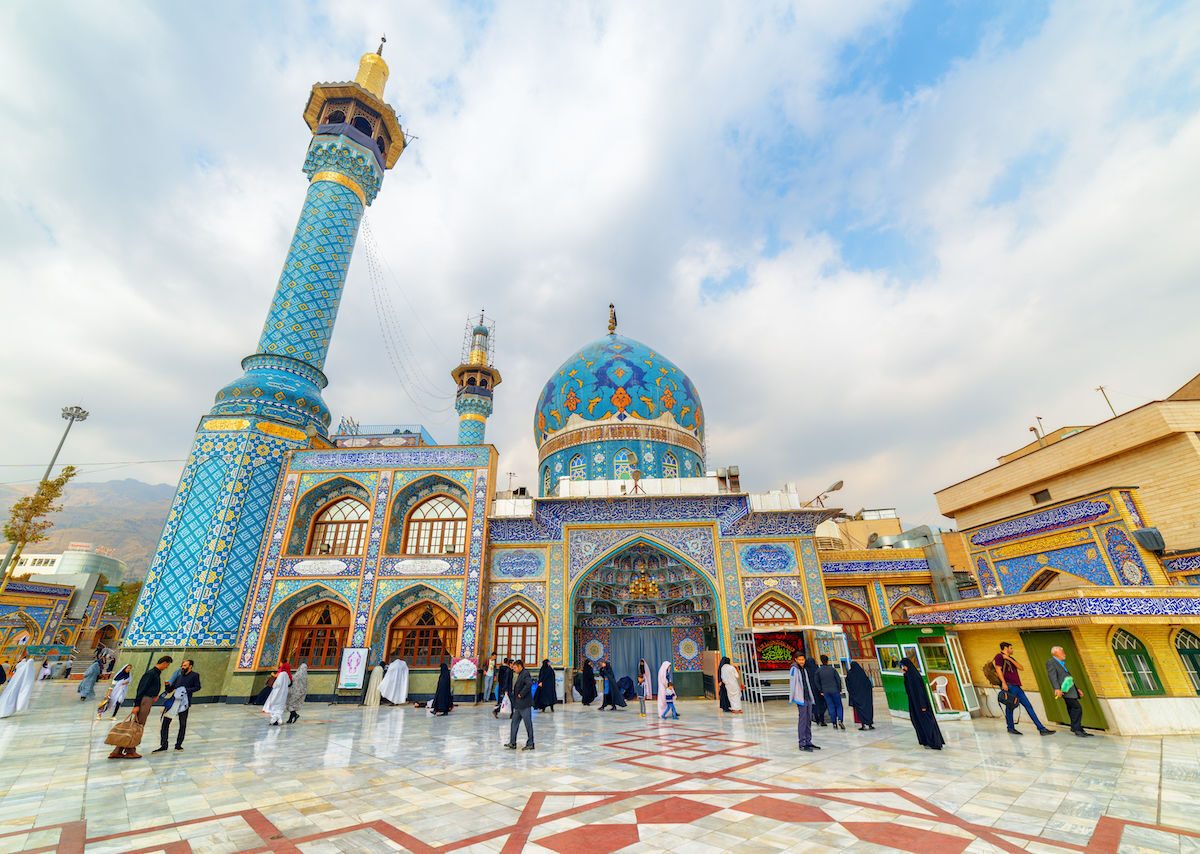
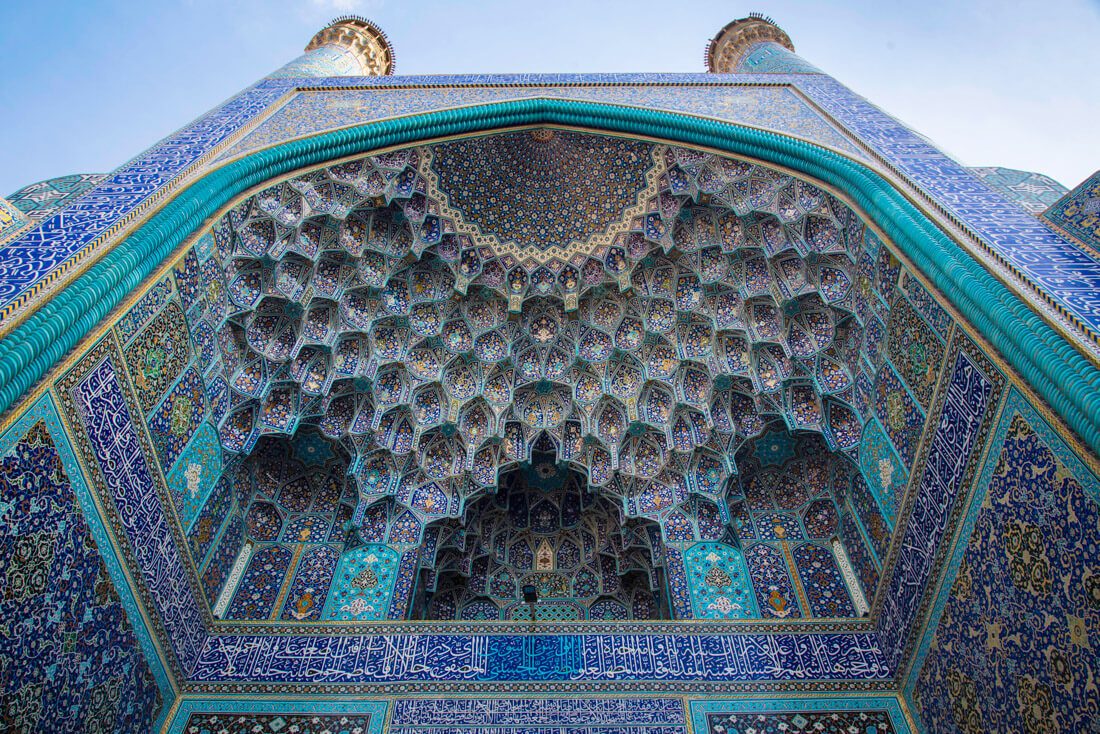
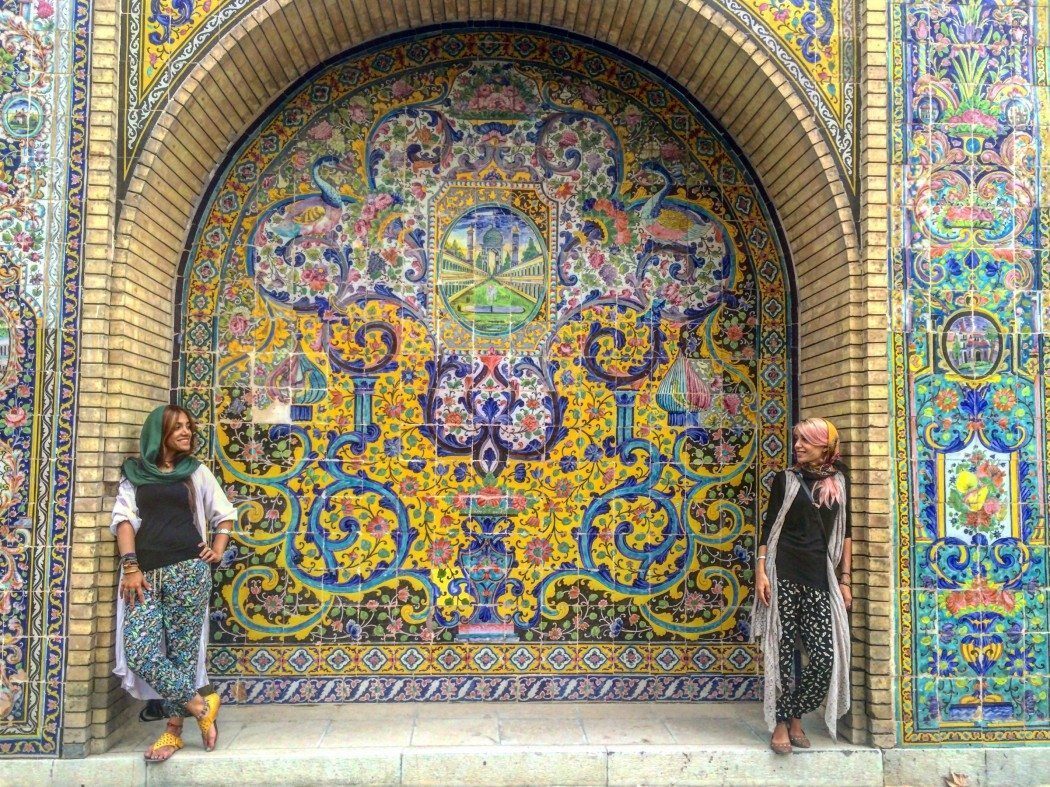
Iran has one of the world's oldest continuous civilizations with remarkable cultural heritage. Persian poetry (Hafez, Rumi, Ferdowsi), art, architecture, and gardens are celebrated globally. The people are famously hospitable. Islam is the state religion with Shia majority. Traditional arts, music, and carpets are significant.
Insider Tips
Farsi (Persian) is the official language; English is limited. The Rial is the currency but people often quote prices in Tomans (1 Toman = 10 Rials). International credit cards don't work - bring cash. Women must wear hijab. Alcohol is prohibited. The culture and history are extraordinary.
Current Travel Situation
United States to Iran: What You Need to Know
Iran and the United States have had no diplomatic relations since the 1979 Islamic Revolution and hostage crisis. US citizens have faced extreme restrictions on travel to Iran for decades, requiring guided tours through approved Iranian agencies even before recent events. On February 28, 2026, the United States and Israel launched Operation Epic Fury, a coordinated military offensive against Iranian military infrastructure. Iran retaliated with missile strikes across the region. The Swiss Embassy, which previously provided limited US consular services in Tehran, has evacuated its staff and suspended all services. There is currently no way for US citizens to obtain consular assistance in Iran.
How to Get There
Turkey (Istanbul), UAE (Dubai), Oman (Muscat), and Armenia (Yerevan) have connections to Tehran Imam Khomeini Airport (IKA). However, given the Level 4 advisory and the impossibility of US card use or consular assistance, these routes are effectively unavailable for most US citizens.
Money & Banking
Iran uses the Iranian Rial (IRR). US-issued Visa and Mastercard do not work in Iran due to sanctions. No international money transfer is possible. Visitors must bring sufficient cash (typically Euros) to cover the entire trip. Currency exchange at official booths gives official rates; the street rate is higher but illegal. Pre-revolution Iran's tourist economy was well-developed but sanctions have severely impacted infrastructure.
Practical Tips
Do not travel to Iran under any circumstances as of March 2026. The US State Department Level 4 Do Not Travel advisory is in full effect. Active military conflict is ongoing between US-led forces and Iran. US nationals in Iran face risk of detention, hostage-taking, missile strikes, and inability to receive consular assistance. If you are a US citizen currently in Iran, contact the Swiss Embassy (US protecting power) immediately — though their services are currently suspended. Register with the Smart Traveler Enrollment Program (STEP) at step.state.gov.
Frequently Asked Questions
Can Americans visit Iran at all?
In theory, yes -- through an approved Iranian tour agency that files for authorization on your behalf. In practice, visa approvals for US citizens are very uncertain, the process is complex and lengthy, US credit/debit cards do not work due to sanctions, there is no US Embassy, and the risk of arbitrary detention is real (especially for dual nationals). The US State Department has a Level 4 advisory. Most US citizens opt not to attempt the trip.
Why can't US citizens use credit cards in Iran?
US sanctions on Iran have cut the country off from the international banking system. Visa, Mastercard, and all other US-based payment networks do not operate in Iran. International wire transfers to Iran are blocked. US travelers would need to bring sufficient cash (typically Euros) for their entire trip. This also means no ATMs work for US cardholders anywhere in Iran.
What are Iran's main tourist attractions?
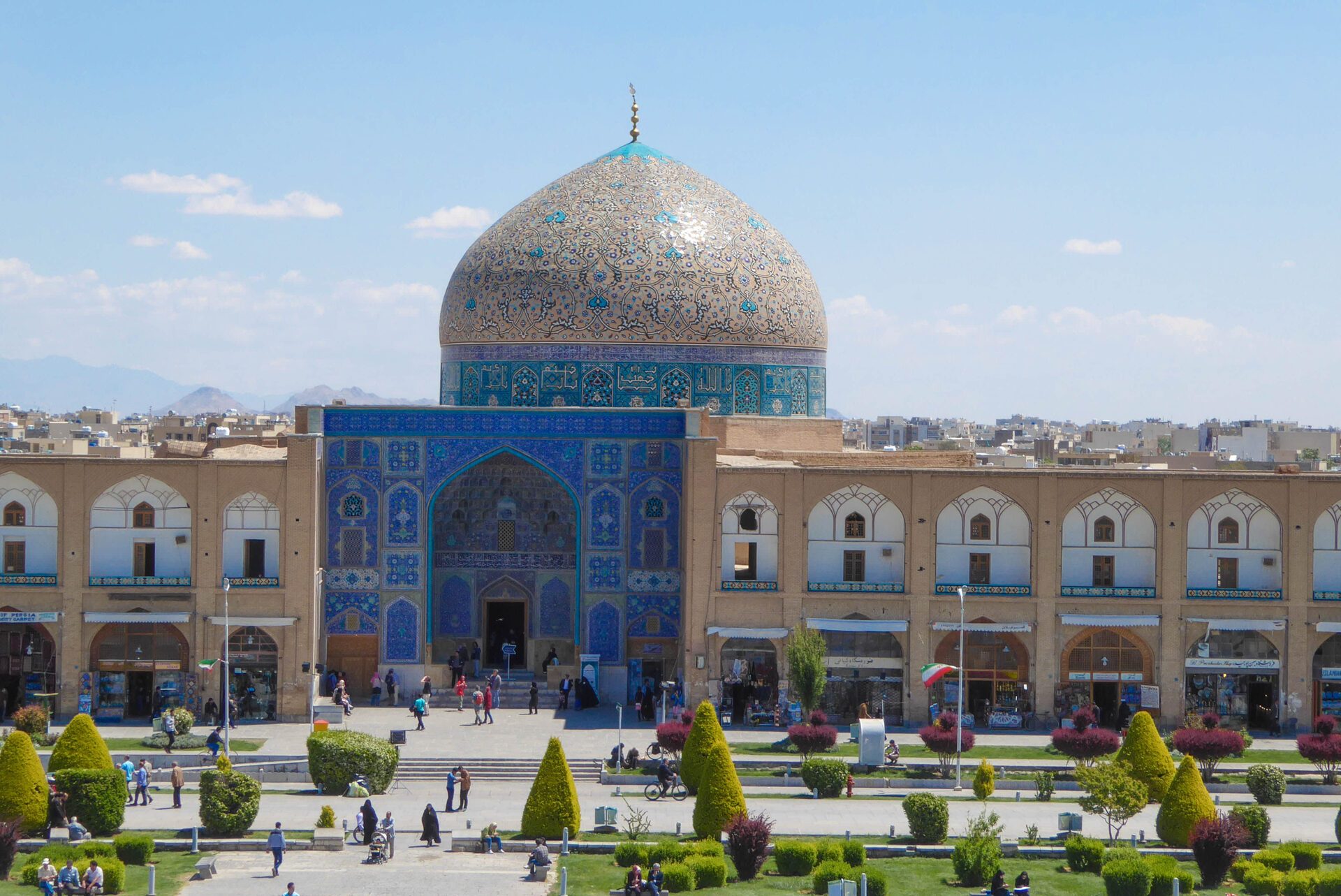
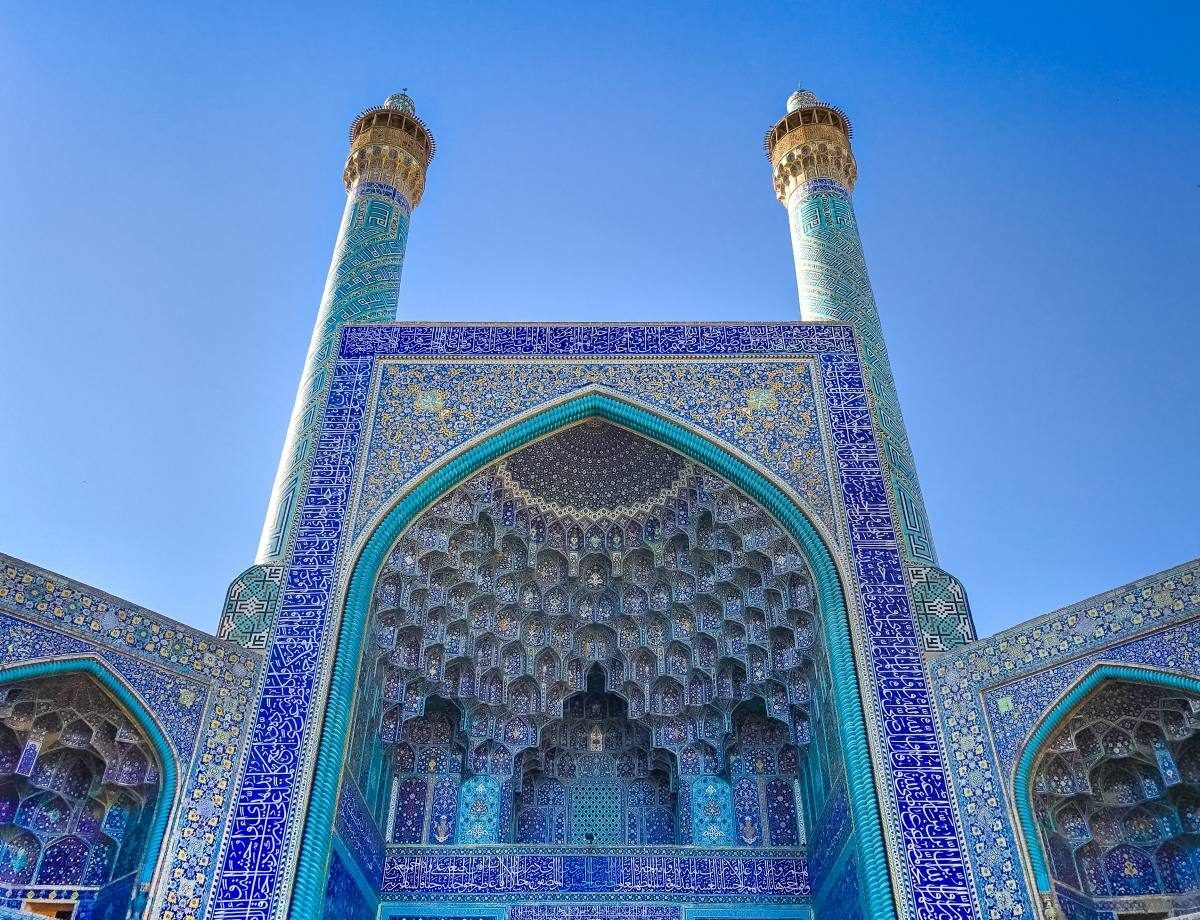
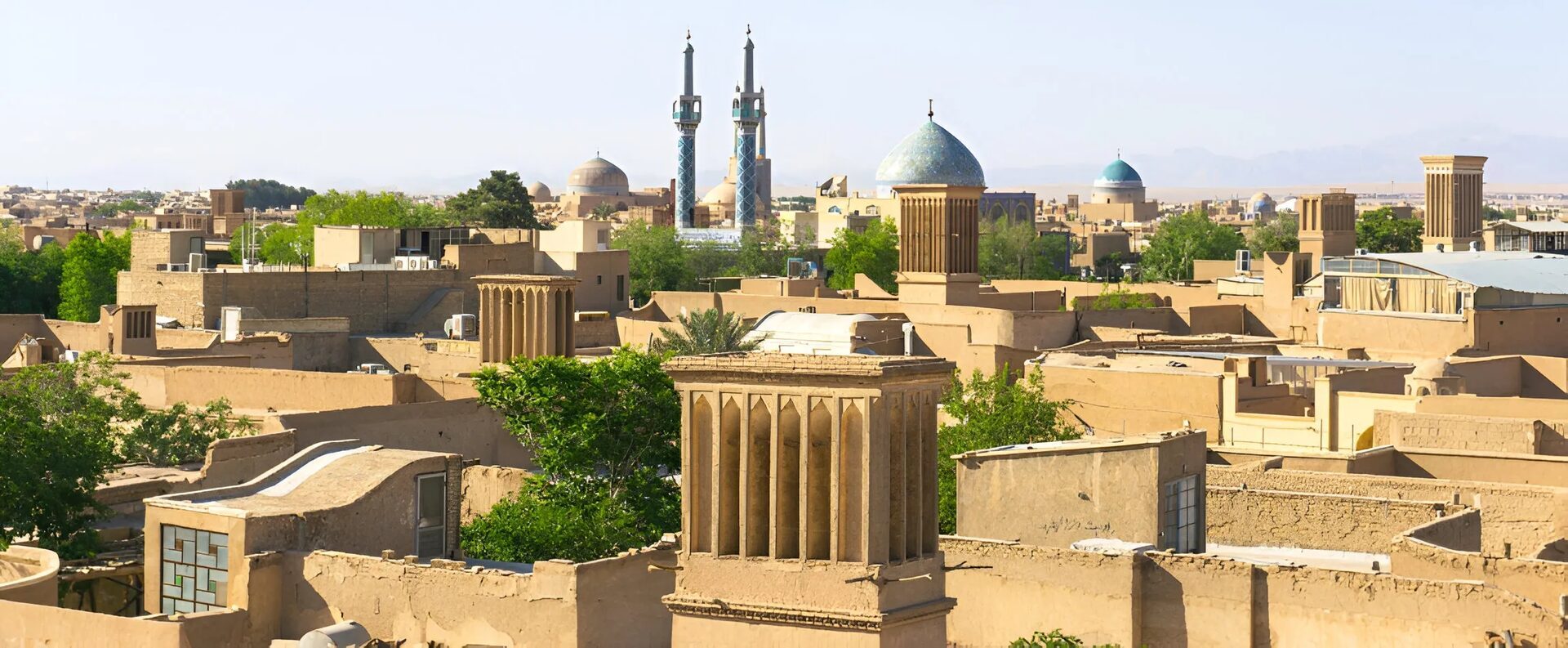
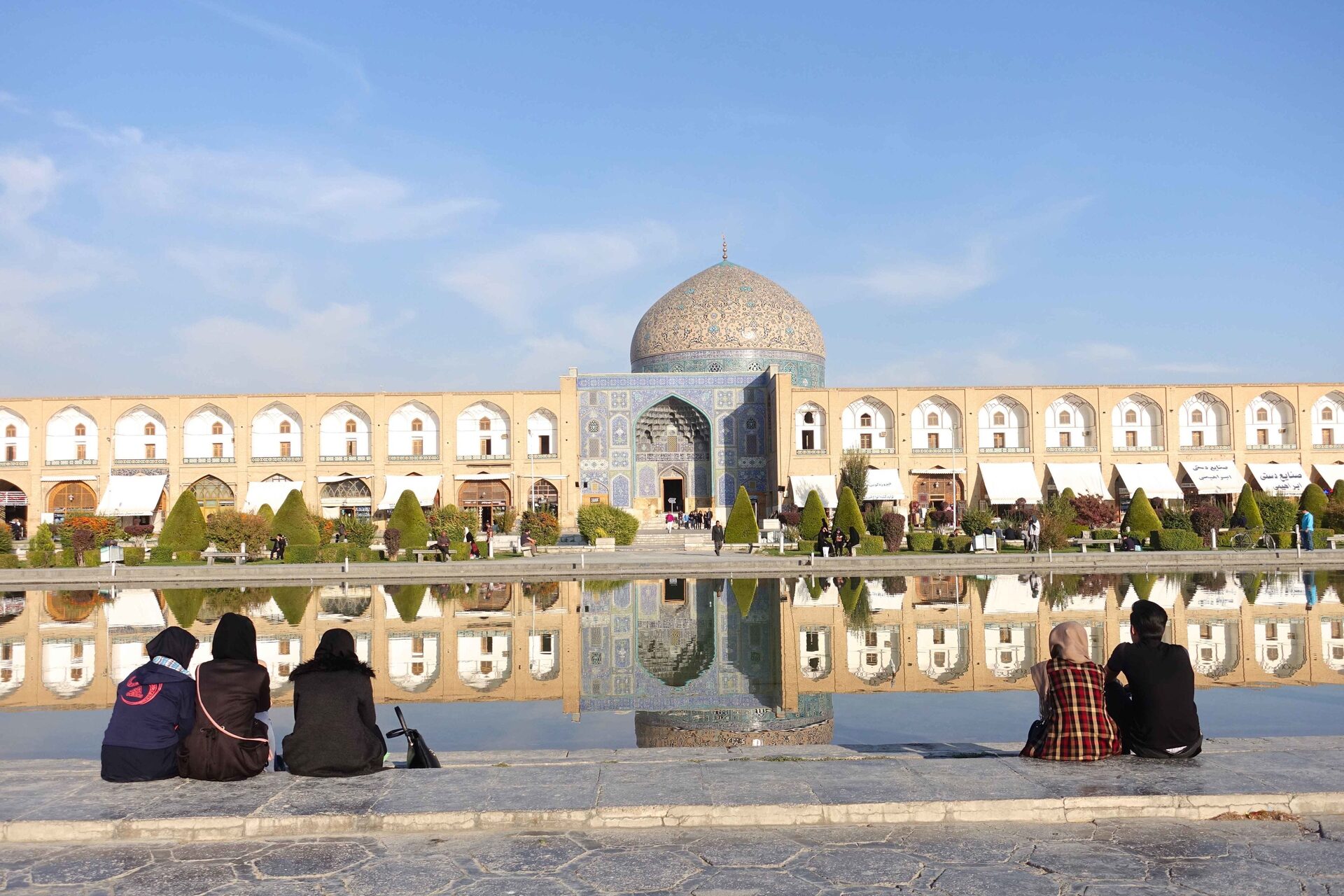
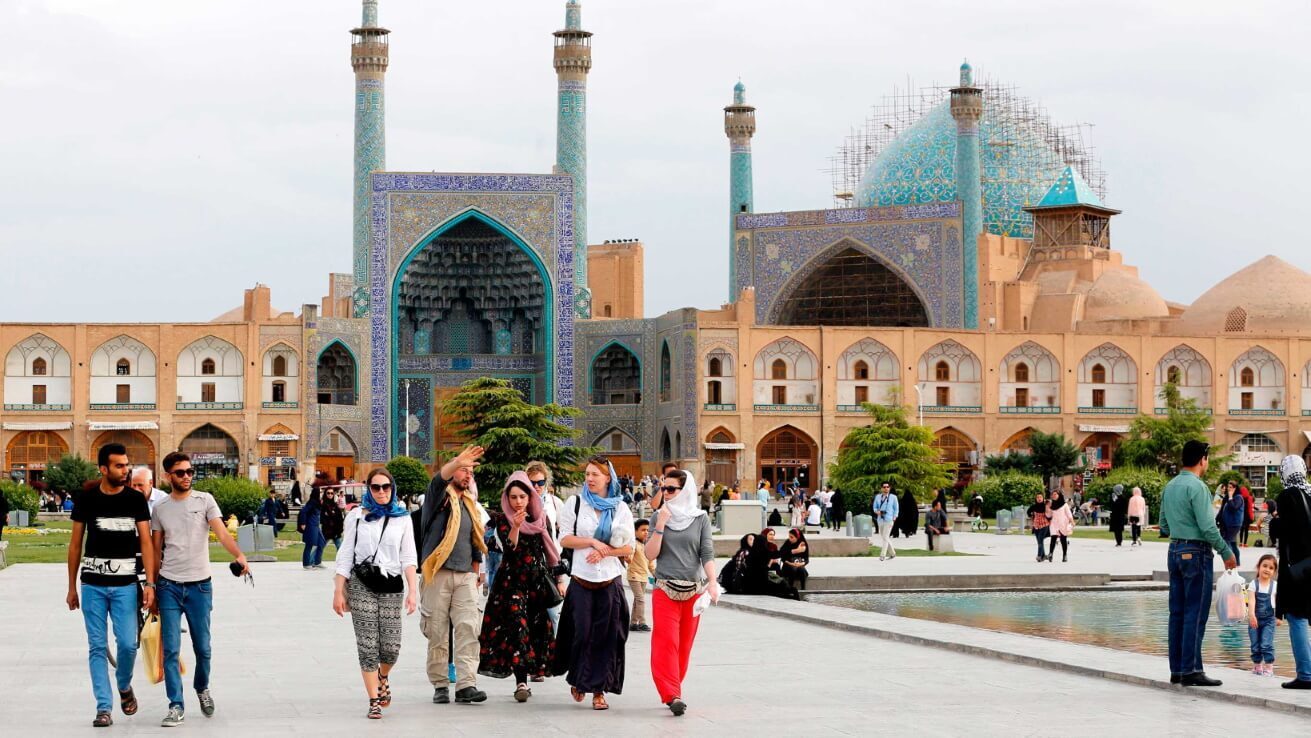
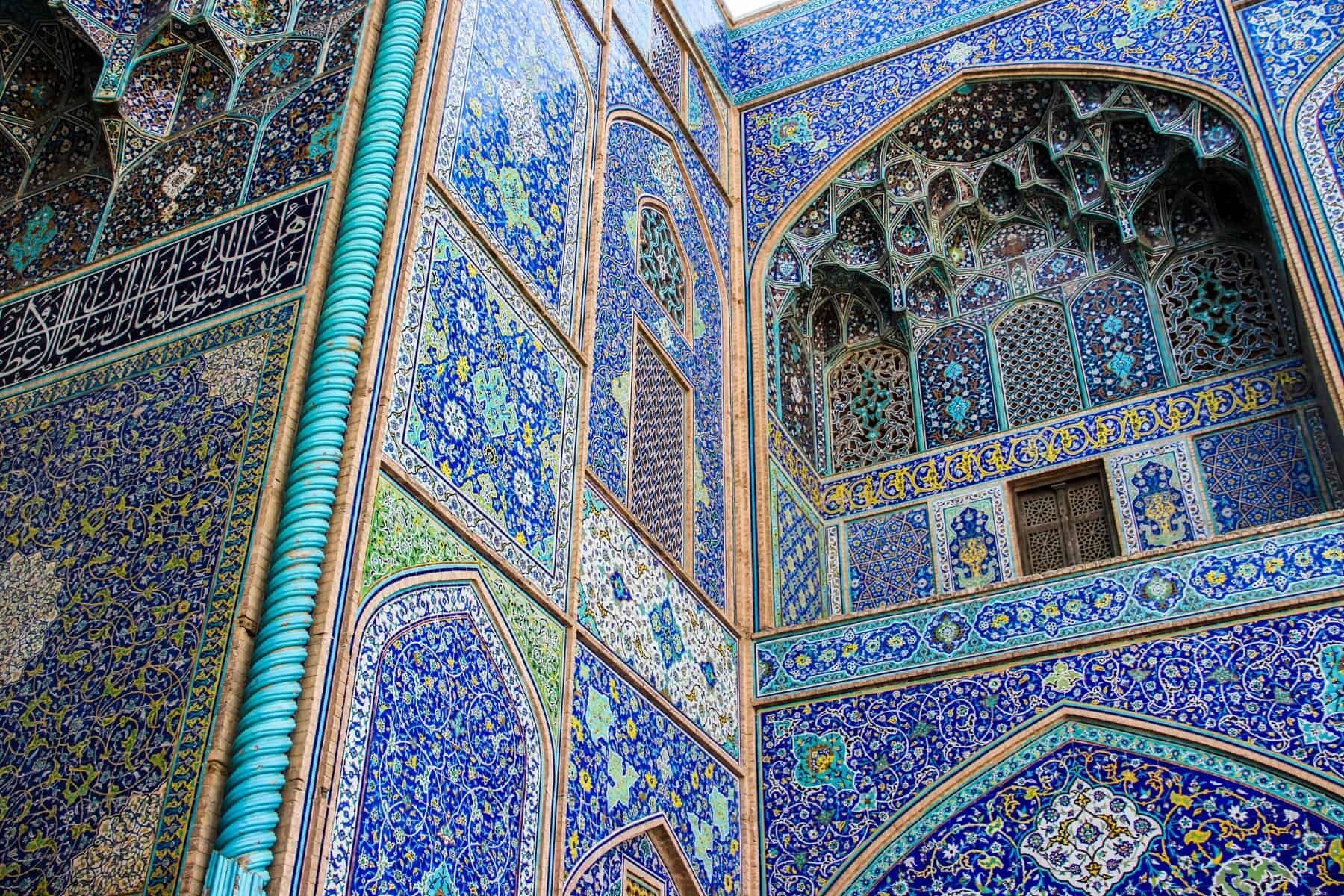
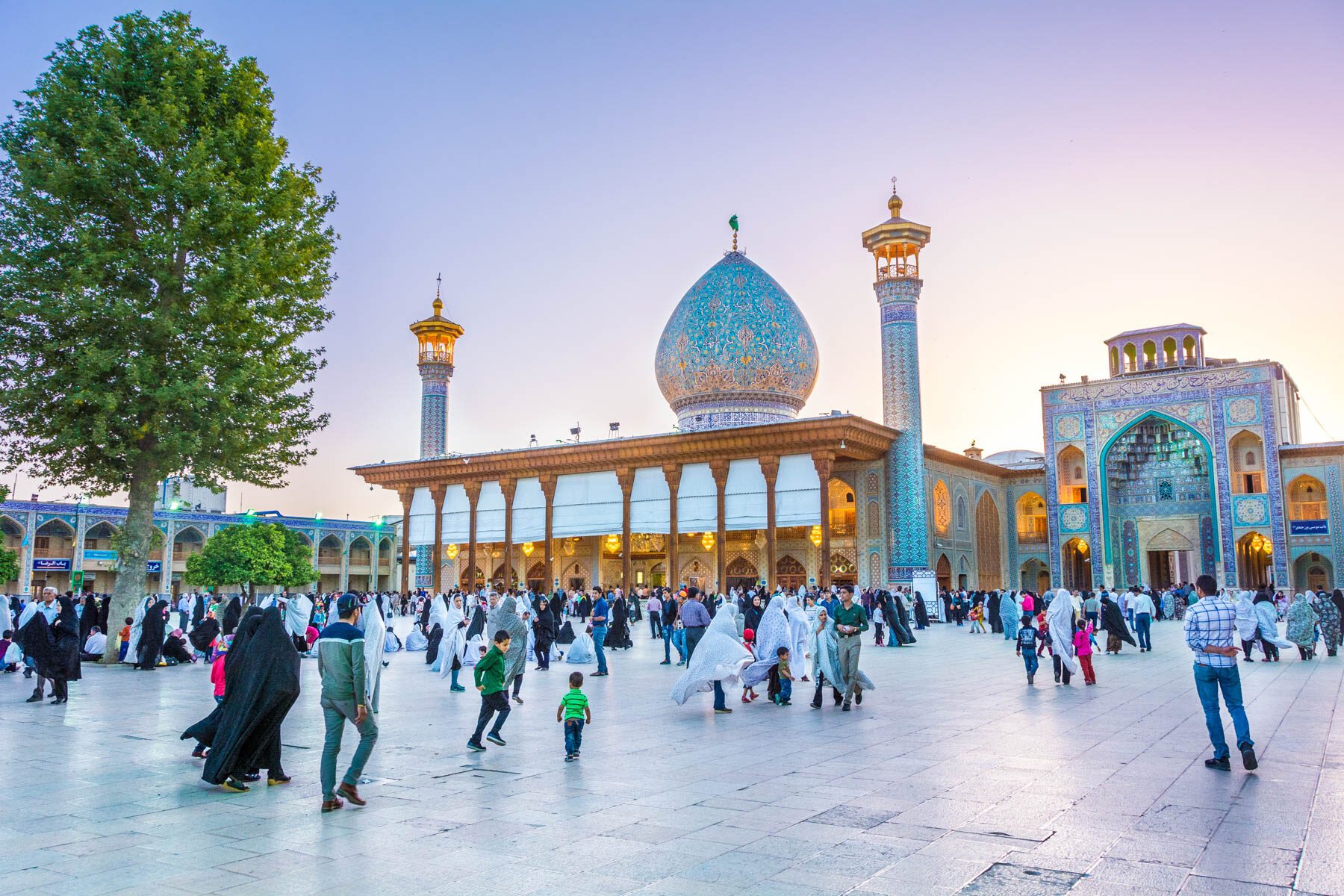
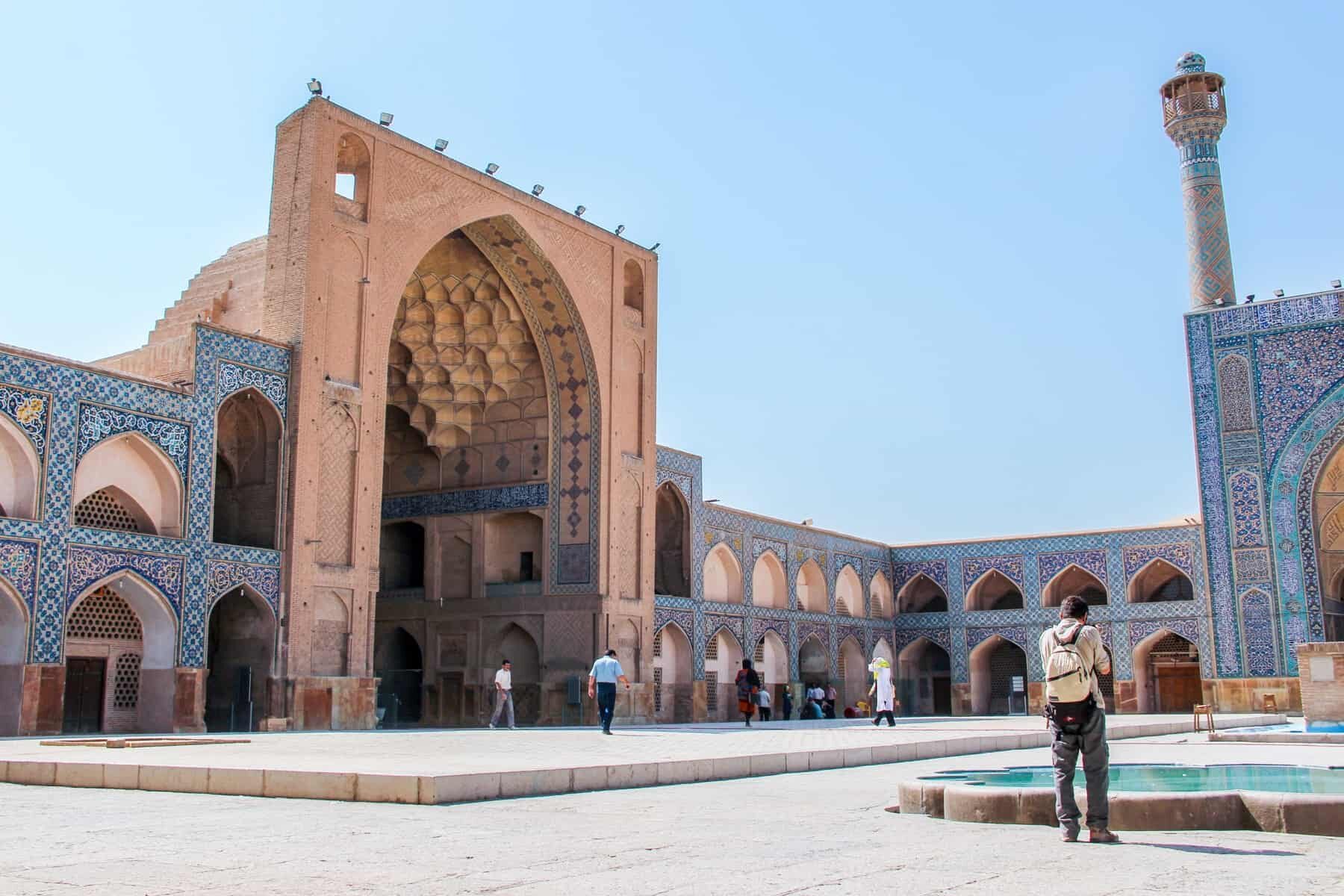
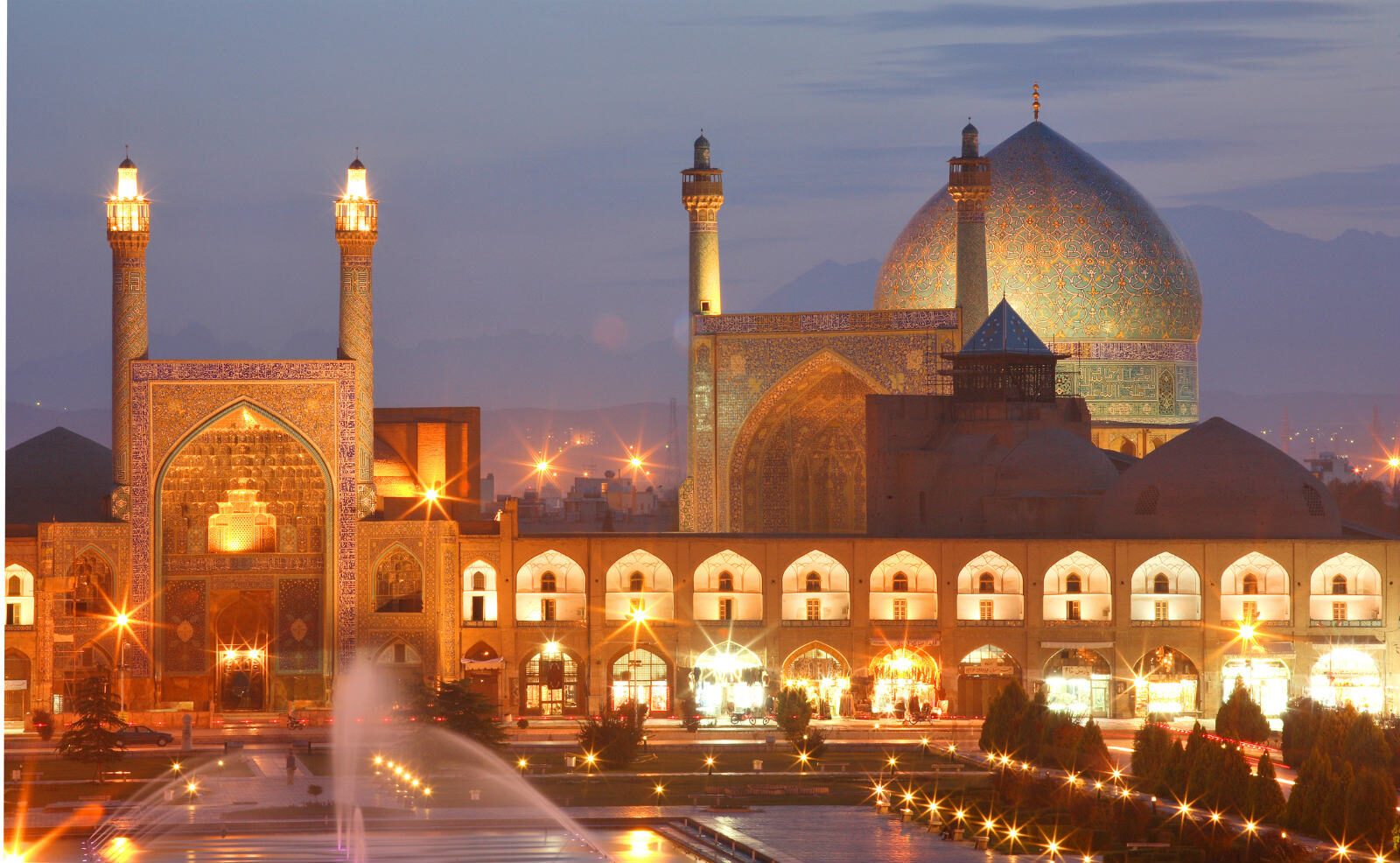
Iran has extraordinary cultural heritage. Isfahan's Imam Square (UNESCO) with the Shah Mosque and Sheikh Lotfollah Mosque is considered one of the world's greatest architectural ensembles. Persepolis (UNESCO) is the ceremonial capital of the Achaemenid Empire. Yazd has remarkable desert architecture and Zoroastrian fire temples. Shiraz has beautiful Persian gardens and literary shrines. These are visited by European, Australian, and Asian travelers but require careful navigation for US citizens.