Iceland Visa RequirementsFor United States passport holders
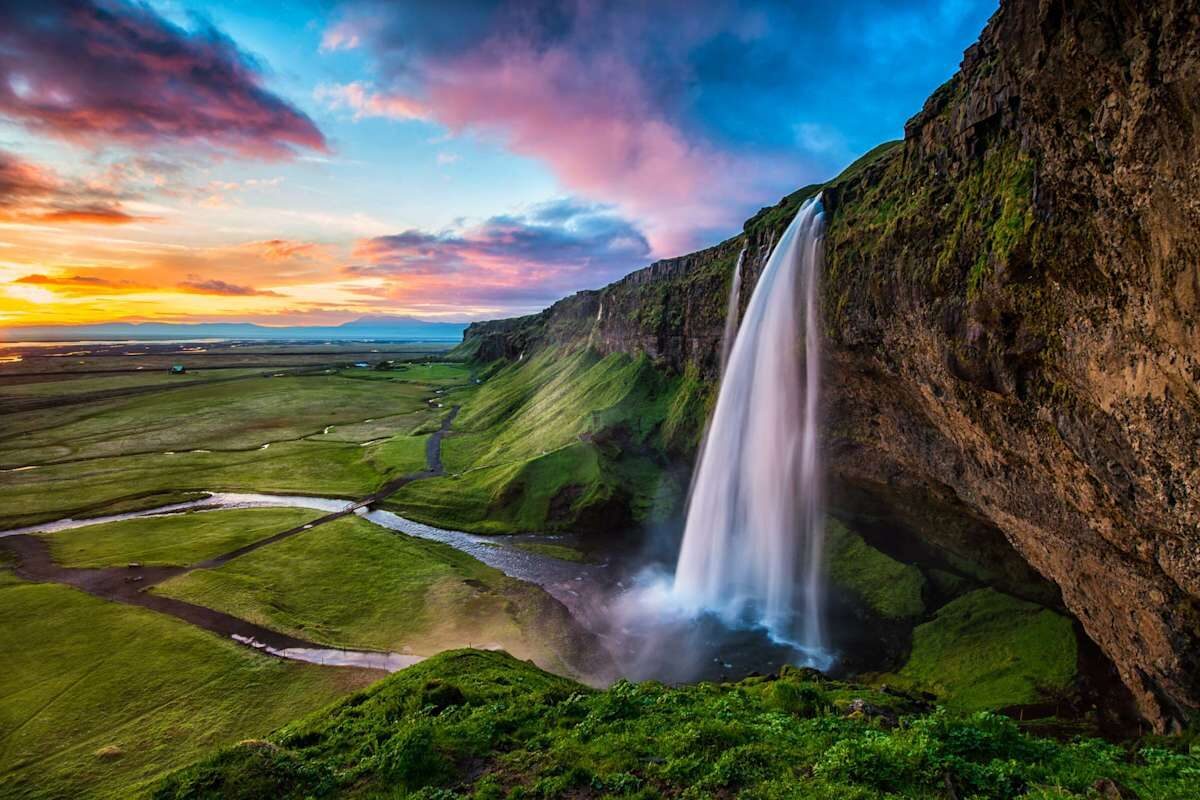
US citizens can visit Iceland visa-free for up to 90 days. Iceland, a member of the Schengen Area, is a land of otherworldly landscapes , Northern Lights, midnight sun, geysers, volcanoes, and glaciers. Reykjavík is one of the world's most livable and charming capitals.
Great news! United States passport holders can enter Iceland without a visa for tourism or business purposes. You can stay up to 90 days.
No visa needed. Present your valid US passport at Keflavík International Airport (KEF), Iceland's main international airport located 50 km from Reykjavík. Immigration is typically brief for US citizens. Ensure your passport is valid for the duration of your stay. Track Schengen days if you plan to visit other Schengen countries before or after Iceland.
Iceland is part of the Schengen Area. Your stay counts toward the 90-day limit within any 180-day period for the entire Schengen zone. Learn more about Schengen rules →
Entry Requirements
Passport Validity
3 months beyond departure from Schengen
Blank Pages
1 blank page required
Multiple Entry
Allowed
Work Permitted
No - requires work visa
Entry Conditions
Passport valid at least 3 months beyond planned Schengen departure. May require proof of accommodation, itinerary, sufficient funds, and travel insurance.
Overstaying results in fines, deportation, and potential Schengen-wide entry ban.
Required Documents
Valid US Passport
Must be valid for at least 3-6 months beyond your planned departure date (varies by country)
Return or Onward Ticket
Proof of departure from the country, such as a return flight or onward travel booking
Proof of Accommodation Recommended
Hotel reservation, Airbnb booking, or address where you will be staying
Proof of Sufficient Funds Recommended
Credit cards, bank statements, or cash to cover expenses during your stay
Travel Insurance Recommended
Recommended for all international travel covering medical emergencies
Travel Essentials
Health & Safety
Safety Rating
Vaccinations
Routine vaccinations should be current.
Tap Water
Safe to drink
Safety Tips
Iceland is one of the world's safest countries with virtually no violent crime. Main risks are weather-related and natural hazards. Respect warning signs at geothermal areas and cliffs.
Money & Costs
Currency
kr Icelandic Króna (ISK)
Daily Budget (USD)
Budget: $150 · Mid: $300 · Luxury: $600+
Tipping
Tipping is not expected or customary in Iceland. Service is included in prices.
Practical Info
Power
Type Type F, 230V, 50Hz
Driving
Right side
Emergency
112 (all emergencies)
Getting There
Main Airports
Reykjavik (KEF) · Reykjavik (RKV)
Culture & Travel Tips
Best Time to Visit
Iceland is spectacular year-round, with each season offering different experiences. Summer (June-August) brings the midnight sun with near-24-hour daylight, accessible highland roads, puffin colonies, and the most reliable weather - this is peak season. Winter (November-February) offers Northern Lights viewing, ice caves in the glaciers, and dramatic snowscapes, but limited daylight and some road closures. Spring (April-May) and autumn (September-October) provide shoulder season benefits with fewer crowds and still-possible aurora sightings. The Golden Circle is accessible year-round; the highlands require summer travel only.
Cultural Notes
Icelandic culture blends Viking heritage with modern Nordic sensibilities. The country has one of worlds highest literacy rates and publishes more books per capita than anywhere else - the Sagas are national literature. Icelanders are self-reliant and egalitarian, with little class distinction. Most believe in (or at least respect) the existence of huldufolk (hidden people/elves) - construction projects sometimes route around believed elf habitations. Sustainability is increasingly important as tourism has surged. The language remains remarkably close to Old Norse, and Icelanders use patronymic surnames (Bjorks surname is Guomundsdottir, meaning daughter of Guomundur). Geothermal energy heats most homes and pools. The financial crisis of 2008 is still remembered, having led to banking collapse and economic reforms.
Insider Tips
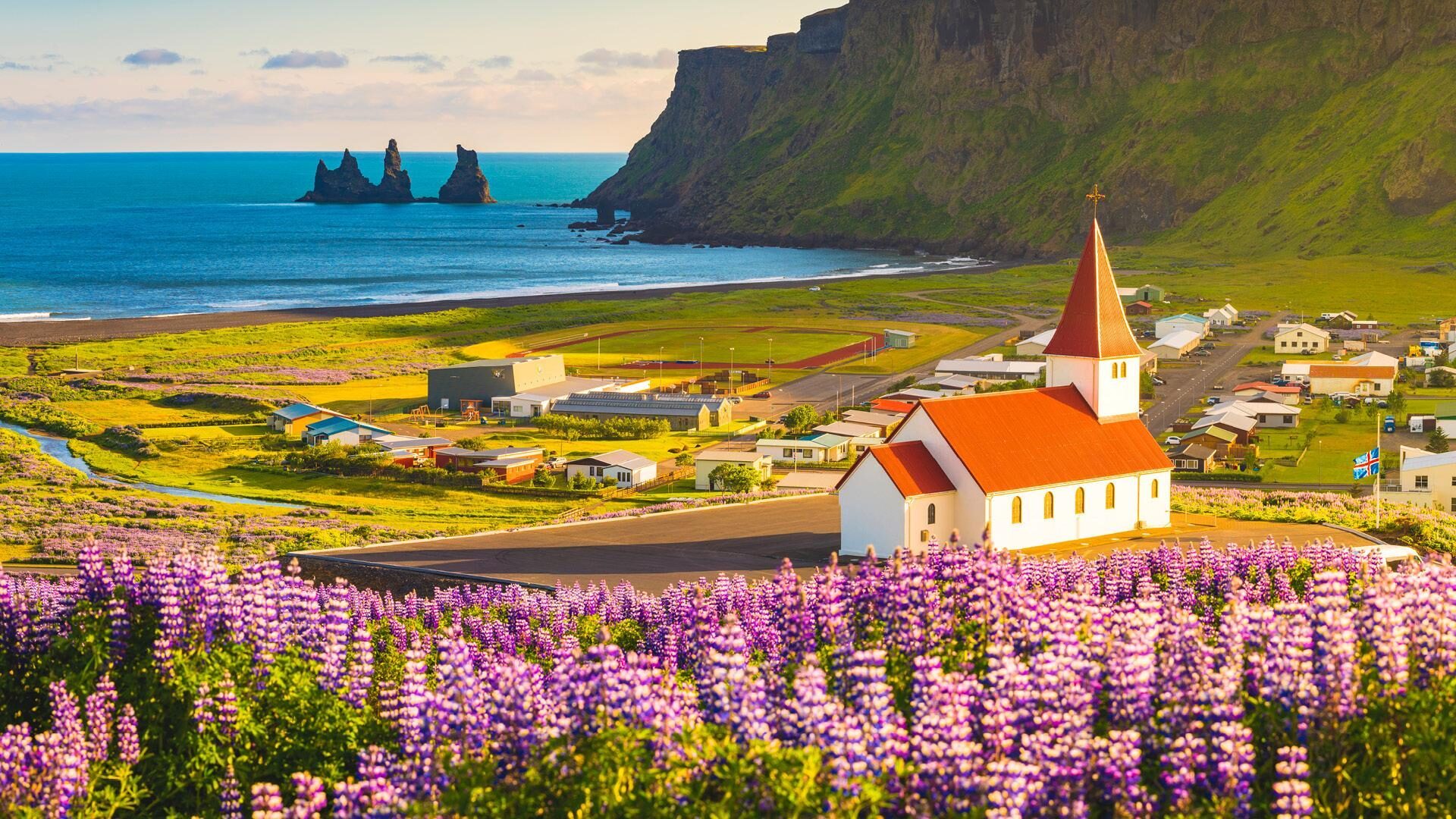
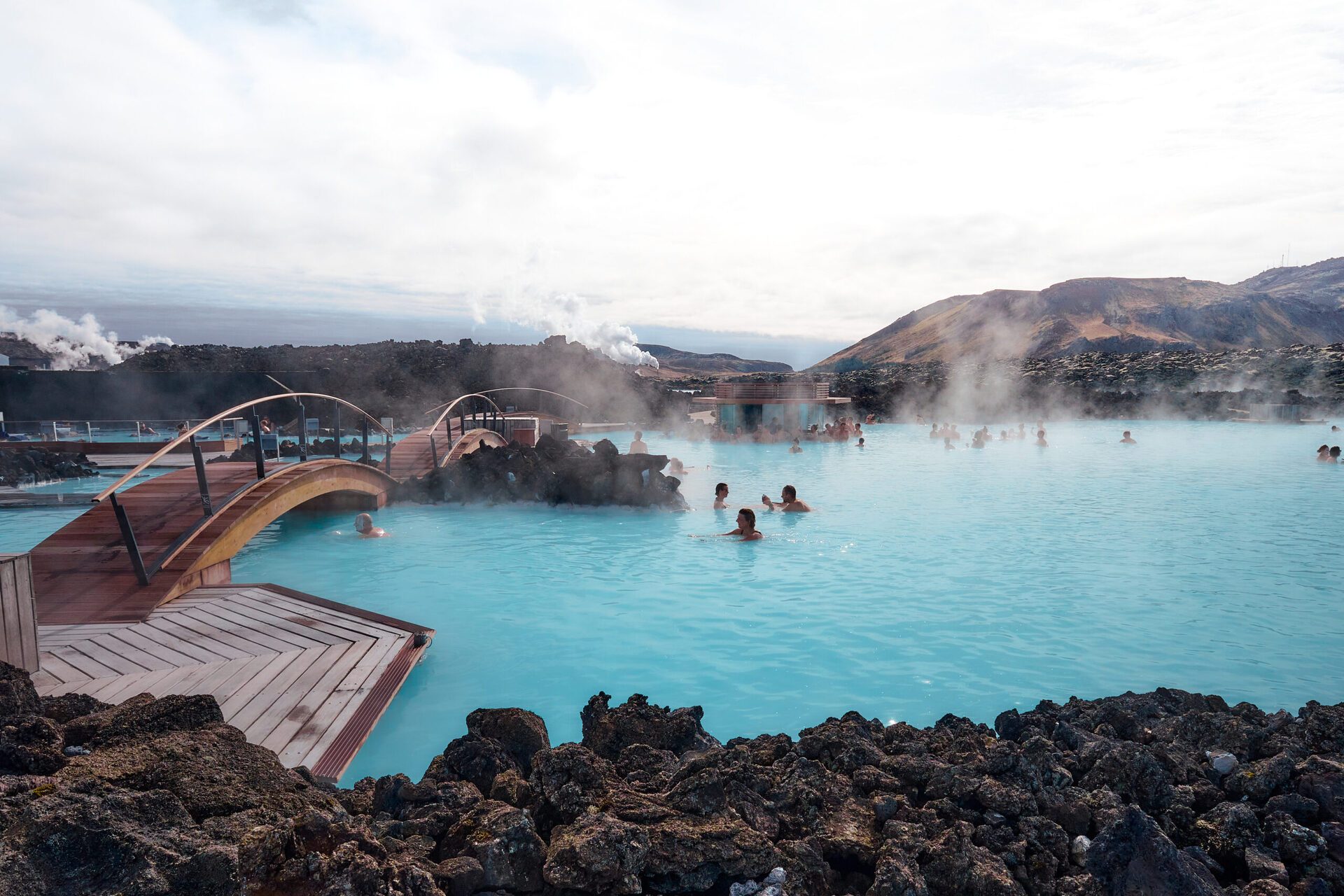
Iceland offers otherworldly landscapes - geysers, waterfalls, glaciers, volcanoes, and hot springs packed into a relatively small island. The Golden Circle (Thingvellir, Geysir, Gullfoss) is the classic day trip from Reykjavik. The South Coast extends to Vik black sand beach, Jokulsarlon glacier lagoon, and Skaftafell. The Ring Road circles the island but requires about 10 days minimum. Renting a car provides the most flexibility; 4WD is essential for highland roads (F-roads). Iceland is expensive - budget travelers should self-cater and camp. The krona is the currency; credit cards work almost everywhere. Hot springs and geothermal pools are everywhere - the Blue Lagoon is touristy but memorable. Weather changes rapidly; layer clothing.
Current Travel Situation
United States to Iceland: What You Need to Know
Iceland is a Schengen country and applies the standard 90-day-in-180-day Schengen visa exemption for US citizens. US passport holders can travel freely between Iceland and all other Schengen states without any visa. Iceland is not an EU member but participates in the Schengen Agreement. It is consistently ranked among the world's safest countries.
How to Get There
Iceland is extremely well-connected to the US thanks to Icelandair, which operates year-round flights from Boston, New York JFK, Seattle, Denver, Orlando, Minneapolis, Baltimore, and other US cities to Reykjavík (KEF). Icelandair's Stopover program allows a free Iceland stopover when flying to Europe. WOW Air was a popular budget option but ceased operations in 2019; Icelandair now dominates the route.
Money & Banking
Iceland uses the Icelandic Króna (ISK). Credit cards (Visa, Mastercard) are accepted almost everywhere , Iceland is essentially cashless. ATMs exist but are rarely needed. Iceland is one of the world's most expensive countries. Budget ISK 25,000–50,000/day ($175–350 USD) for mid-range accommodation, food, and car rental. Grocery stores are the best way to manage food costs. The Blue Lagoon and geothermal pool entry costs are extra.
Practical Tips
Iceland's highlights: The Golden Circle (Þingvellir National Park, Geysir geothermal area, Gullfoss waterfall), the Ring Road (Route 1, circumnavigates the island in 7–10 days), Jökulsárlón glacial lagoon, Vatnajökull National Park, Landmannalaugar colored rhyolite mountains, Westfjords, whale watching from Húsavík, Northern Lights from September–March, and the midnight sun in June–July. Self-driving the Ring Road is one of travel's great adventures.
Frequently Asked Questions
Do US citizens need a visa to visit Iceland?
No, US citizens can visit Iceland and other Schengen Area countries for up to 90 days within any 180-day period without a visa. Starting in 2025, ETIAS authorization will be required (€7, valid 3 years). Iceland is part of the Schengen Area though not an EU member, so your 90-day limit applies to all Schengen countries combined. Your passport must be valid for at least 3 months beyond your planned departure from the Schengen Area.
Do US citizens need a visa for Iceland?
No. Iceland is in the Schengen Area, so US passport holders can visit visa-free for up to 90 days in any 180-day period.
When is the best time to see the Northern Lights in Iceland?
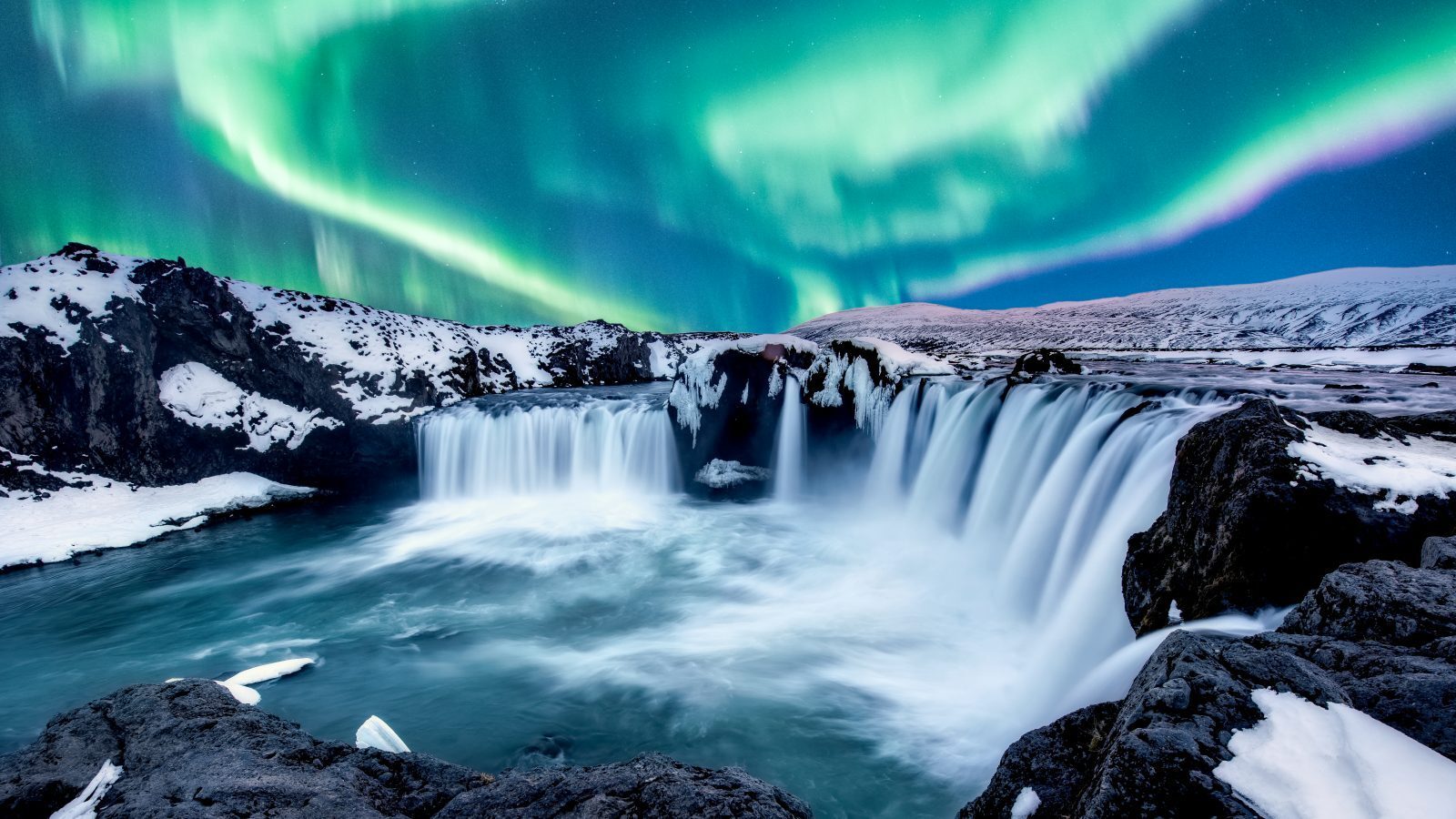
The Northern Lights (Aurora Borealis) are visible from September through March when nights are dark enough. Peak viewing is typically October-February. Success depends on solar activity, clear skies, and darkness. Get away from Reykjavik's light pollution for best viewing. Many tours chase clear skies. The aurora is never guaranteed, but Iceland's location makes sightings relatively common during season. Summer visitors cannot see the Northern Lights due to the midnight sun, but experience 24-hour daylight instead.
When is the best time to see the Northern Lights in Iceland?
September through March offers the best chance — you need darkness and clear skies. Peak is around the winter solstice (December–January). The further from Reykjavík (to avoid light pollution), the better. Download the Aurora forecast app.
How expensive is Iceland and can I visit on a budget?
Iceland is one of the world's most expensive countries. Restaurant meals can easily cost $30-50+ per person, beer is $10-15, and hotel rooms often exceed $200/night in peak season. Budget strategies: rent a campervan and camp at designated sites, shop at Bonus supermarket (pink pig logo), bring instant noodles and snacks from home, drink tap water (it's excellent), skip alcohol, and visit in shoulder season. The Golden Circle and many natural attractions are free. Despite costs, Iceland's unique landscapes offer value you can't find elsewhere.
How do I get from the US to Iceland?
Icelandair flies year-round direct from over 15 US cities to Reykjavík Keflavík Airport (KEF). Their Stopover program lets you visit Iceland for free en route to Europe. Flights from New York take about 5.5 hours.
Do I need a 4x4 vehicle in Iceland?
It depends on your itinerary. For the Ring Road (Route 1) and main tourist attractions in summer, a regular car is fine. You NEED a 4x4 for: F-roads (highland roads, marked with F prefix), winter driving, and any river crossings. F-roads are only open June-September and require 4x4 by law. Rental car insurance often doesn't cover damage on F-roads. For most first-time summer visitors doing the Golden Circle and Ring Road, a regular car works well. Check road conditions at road.is before any drive.
Is Iceland expensive for American tourists?
Yes, Iceland is one of Europe's most expensive destinations. Credit cards are accepted everywhere. Budget $175–350+/day depending on accommodation choice. Self-catering and camping reduce costs significantly.
What should I pack for Iceland?
Iceland's weather is unpredictable year-round. Essential items: waterproof outer layer (jacket and pants), warm layers (wool or fleece), sturdy waterproof hiking boots, swimsuit (for hot springs and pools), sunglasses and sunscreen (even in winter, snow reflects light), and a buff or scarf for wind. In winter add: thermal base layers, insulated jacket, hat covering ears, warm gloves, and hand warmers. Dress in layers as you may experience all seasons in one day. Skip the umbrella; wind makes it useless. Good outdoor gear is sold in Reykjavik but is expensive.
Is a car necessary to see Iceland properly?
A rental car provides the most flexibility, especially for the Ring Road. In winter, a 4WD vehicle (AWD) is strongly recommended. Organized day tours from Reykjavík can cover the Golden Circle and South Coast without a car.