Hungary Visa RequirementsFor United States passport holders
American citizens can visit Hungary visa-free for up to 90 days in any 180-day period as part of the Schengen Area. Budapest is one of Europe's most beautiful capital cities, with a dramatic setting straddling the Danube River, extraordinary thermal baths, a vibrant ruin bar scene, and one of Europe's most impressive castle complexes, all at prices significantly lower than Western European capitals.
Great news! United States passport holders can enter Hungary without a visa for tourism or business purposes. You can stay up to 90 days.
No visa required for US passport holders visiting Hungary for up to 90 days. Hungary is part of the Schengen Area; the 90-day limit applies across all Schengen countries combined. Ensure your US passport has at least 3 months validity beyond your stay. Budapest Ferenc Liszt International Airport (BUD) has good connections from US hubs via European airlines. At immigration, you may be asked for accommodation and return ticket.
Hungary is part of the Schengen Area. Your stay counts toward the 90-day limit within any 180-day period for the entire Schengen zone. Learn more about Schengen rules →
Entry Requirements
Passport Validity
6 months beyond departure from Schengen
Blank Pages
2 blank pages required
Multiple Entry
Allowed
Work Permitted
No - requires work visa
Entry Conditions
Valid passport for 3+ months beyond stay. Proof of accommodation, return ticket, sufficient funds recommended.
Required Documents
Valid US Passport
Must be valid for at least 3-6 months beyond your planned departure date (varies by country)
Valid US passport (minimum 3 months validity beyond stay)
Return or Onward Ticket
Proof of departure from the country, such as a return flight or onward travel booking
Return or onward flight ticket Recommended
Proof of Accommodation Recommended
Hotel reservation, Airbnb booking, or address where you will be staying
Proof of accommodation Recommended
Proof of Sufficient Funds Recommended
Credit cards, bank statements, or cash to cover expenses during your stay
Evidence of sufficient funds Recommended
Travel Insurance Recommended
Recommended for all international travel covering medical emergencies
Travel Essentials
Health & Safety
Safety Rating
Vaccinations
Routine vaccines (MMR, Tetanus, COVID-19). Tick-borne encephalitis vaccine if spending time in forests.
Tap Water
Safe to drink
Safety Tips
Hungary is generally safe. Budapest has typical European city concerns - pickpockets target tourists in popular areas and on public transport. Scams targeting tourists include overcharging at certain restaurants and currency exchange tricks. Use reputable exchange offices and check restaurant bills carefully.
Money & Costs
Currency
Ft Hungarian Forint (HUF)
Daily Budget (USD)
Budget: $50 · Mid: $100 · Luxury: $220+
Cards & ATMs
Cards are widely accepted in Budapest and tourist areas. Smaller towns and traditional markets may prefer cash. Always have some forints on hand. Visa and Mastercard are common; Amex less so.
Tipping
Tipping is expected and typically 10-15% in restaurants - tell the server what you'd like to pay rather than leaving money on the table. Round up taxi fares. Hotel porters and spa attendants appreciate small tips. Hairdressers expect 10-15%.
Practical Info
Power
Type C, F, 230V, 50Hz
Driving
Right side
Emergency
Emergency: 112
Police: 107
Ambulance: 104
Fire: 105
Mobile/SIM
Buy a SIM card from Telekom, Vodafone, or Yettel stores. Tourist packages cost 3,000-5,000 HUF for 5-10GB data. EU SIMs work with no roaming charges. Coverage is excellent throughout the country.
Getting There
Main Airports
Budapest (BUD)
Airport Transfers
Budapest Ferenc Liszt (BUD): Bus 100E express to Deák Ferenc tér (HUF 2,200, 35 minutes) - single ticket, not valid on regular passes. Bus 200E to Kőbánya-Kispest metro, then M3 to center (regular ticket). Taxi HUF 9,000-12,000 (30-45 minutes). Bolt available.
Local Transport
Budapest has excellent public transport - metro, trams, and buses. Buy a Budapest Card for unlimited transport plus museum entry. Validate tickets before boarding. MÁV trains connect cities affordably. FlixBus for budget intercity travel. Bolt (like Uber) works in Budapest.
Culture & Travel Tips
Best Time to Visit
April-June and September-October for pleasant weather and fewer crowds. Summer (July-August) is hot and busy. December for Christmas markets. Winter is cold but atmospheric for thermal bath visits.
Cultural Notes
Hungarians are proud of their unique culture and language. Toasting with beer while making eye contact is important (never clink glasses for beer - a historical tradition). Hungarians may seem reserved initially but warm up quickly. Tipping is expected. Christmas markets are magical.
Insider Tips
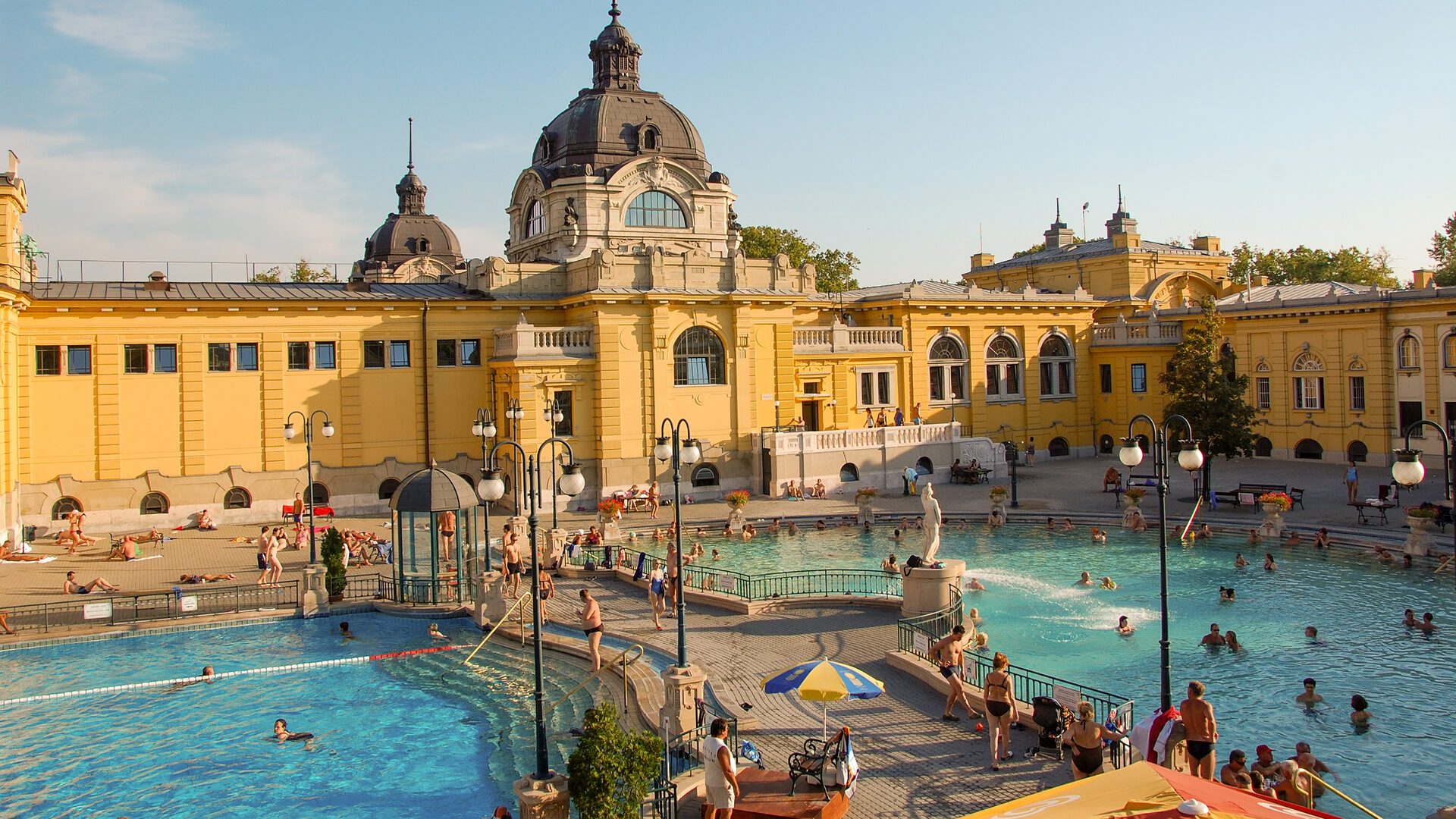
Budapest is really two cities - hilly Buda and flat Pest. The thermal baths are essential - Széchenyi is grand, Gellért is art nouveau, Rudas has rooftop views. Don't miss the ruin bars of the Jewish Quarter. Learn a few Hungarian words - it's unrelated to other languages and locals appreciate effort. Hungarian wines are underrated.
Dress Code
Casual dress is fine for most occasions. Smart casual for upscale restaurants and the opera. Thermal baths require swimwear (rentable if forgotten). Some religious sites require modest dress.
Current Travel Situation
United States to Hungary: What You Need to Know
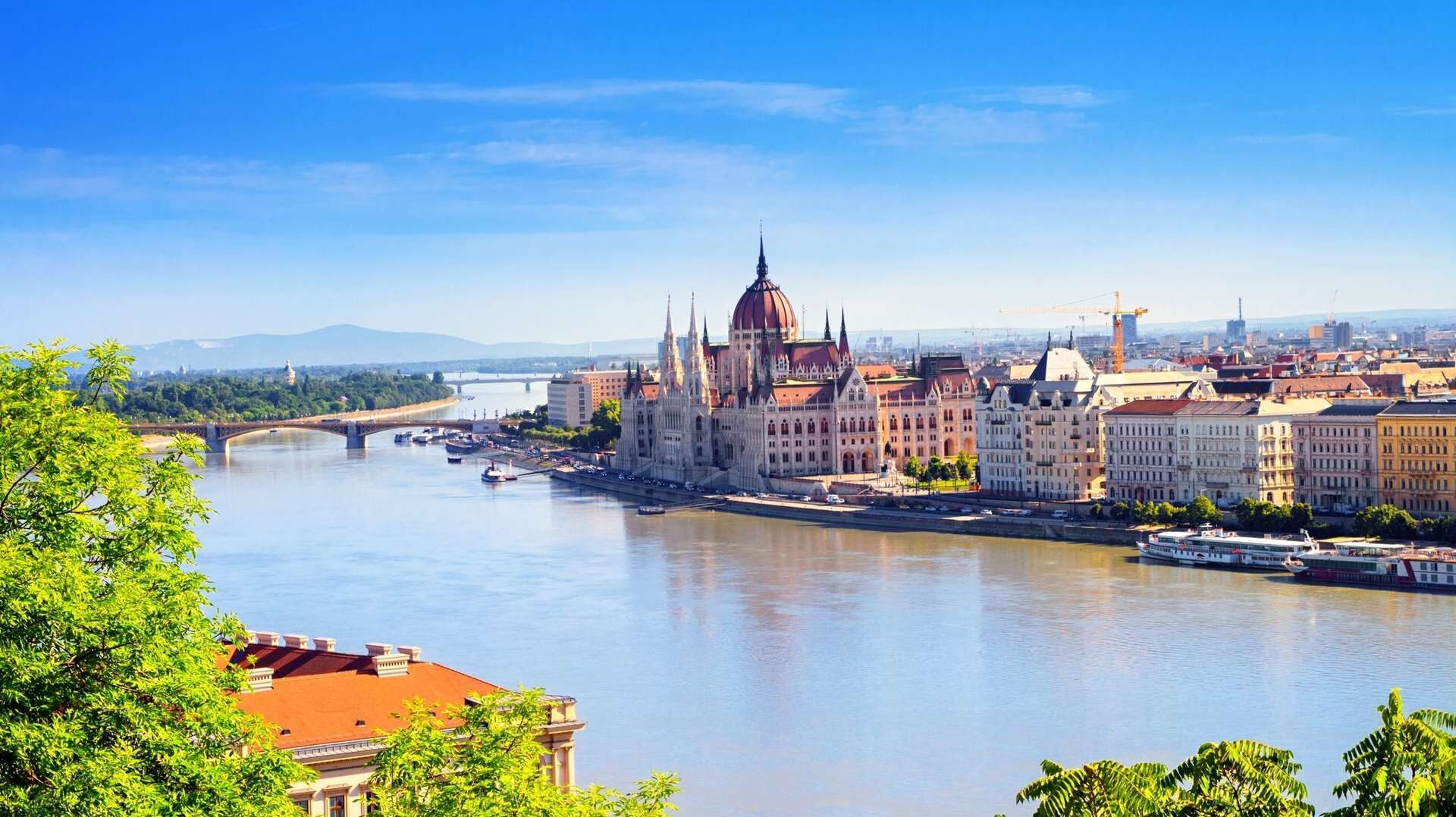
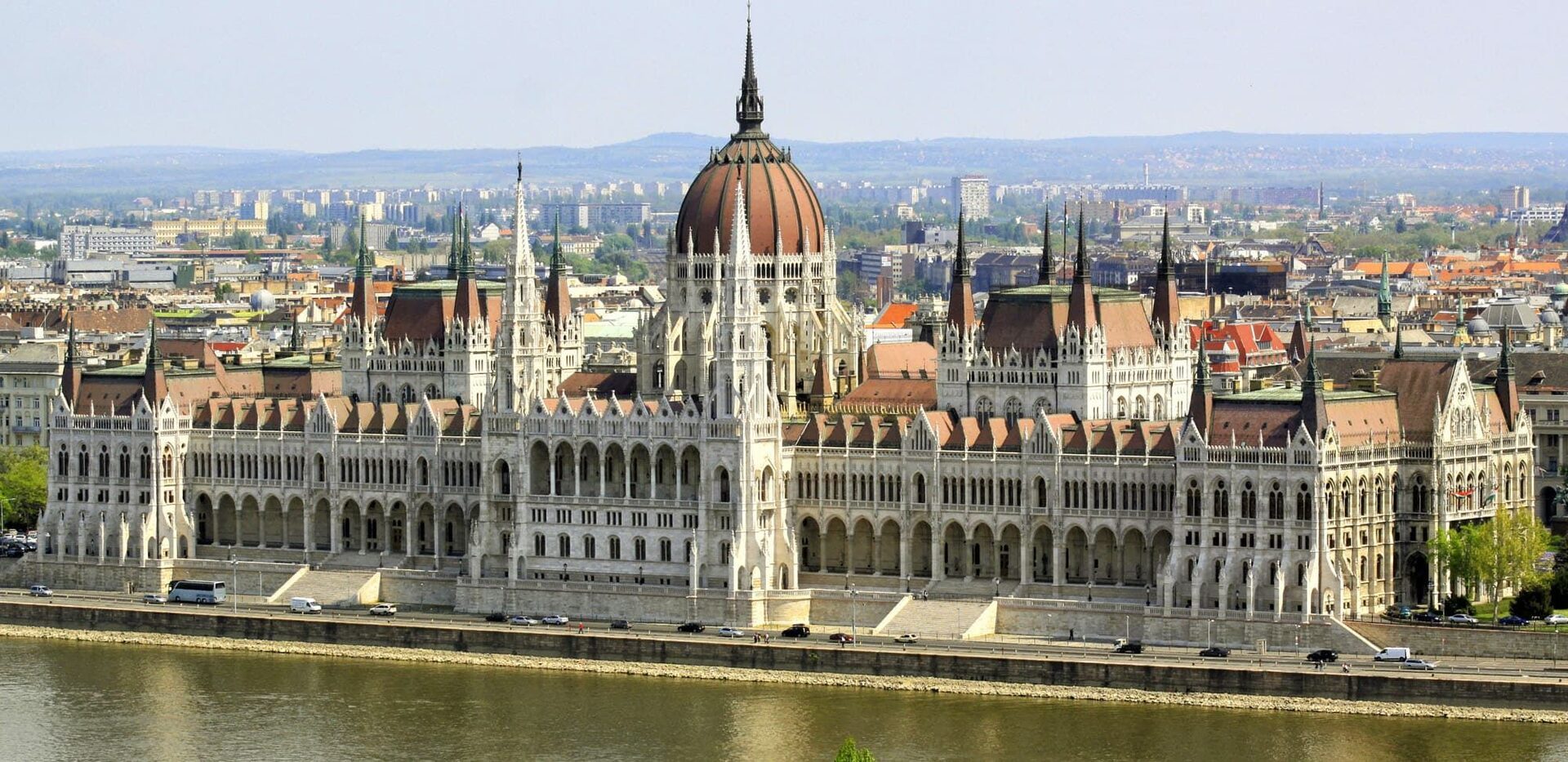
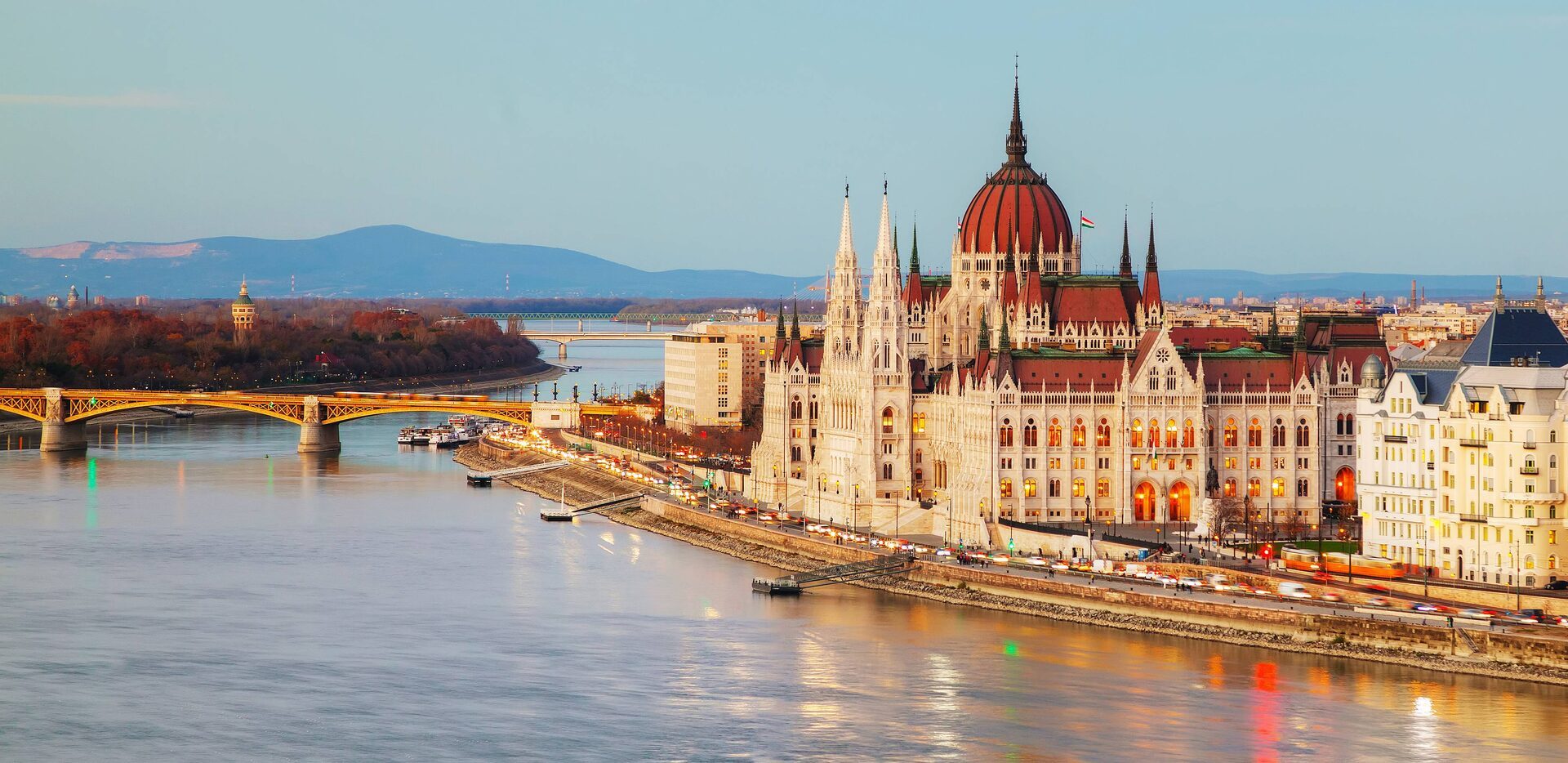
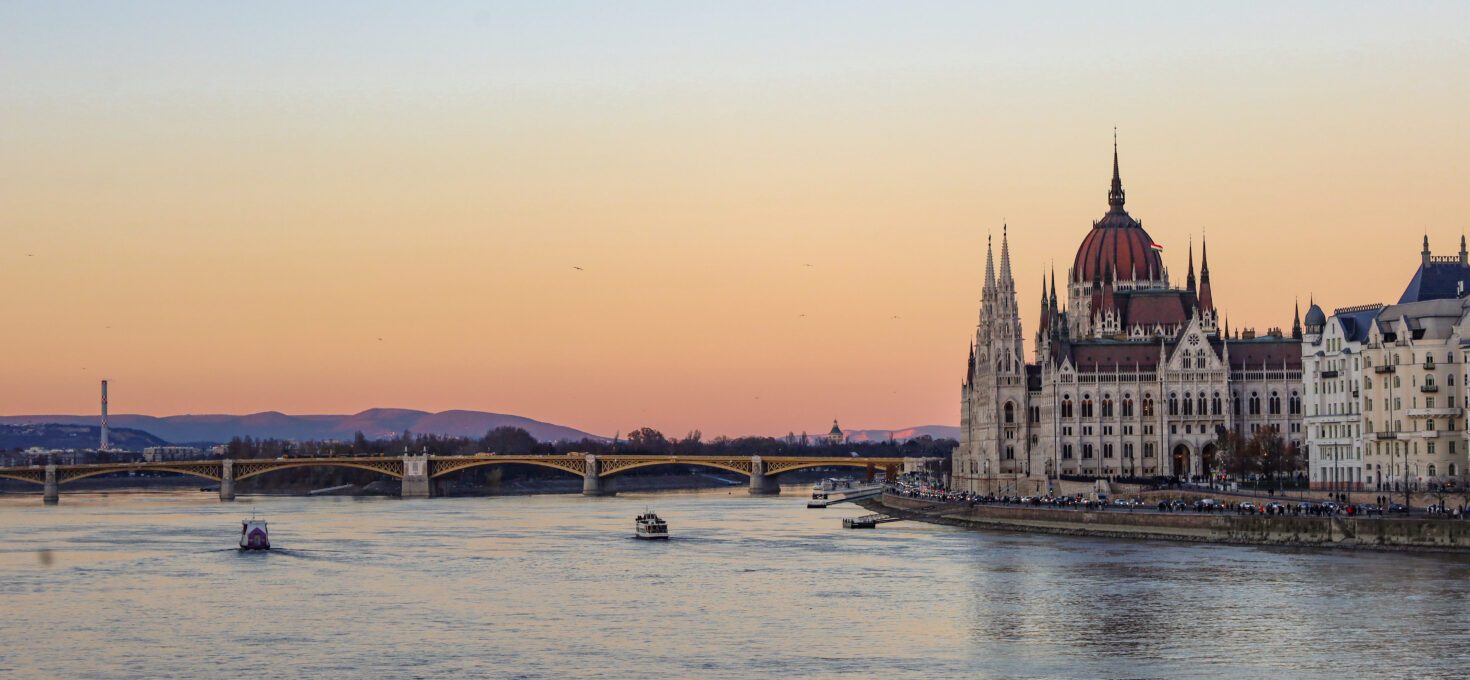
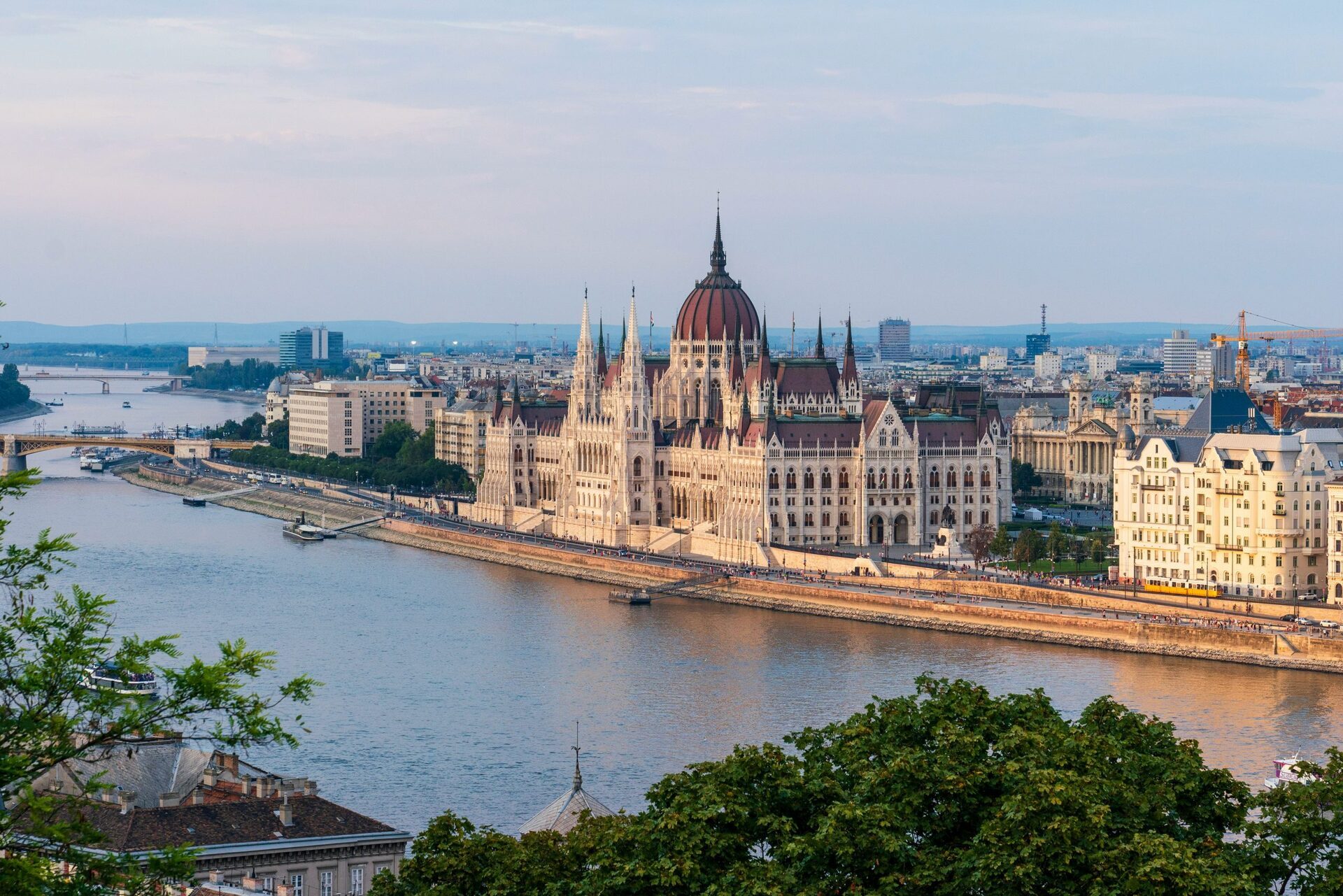
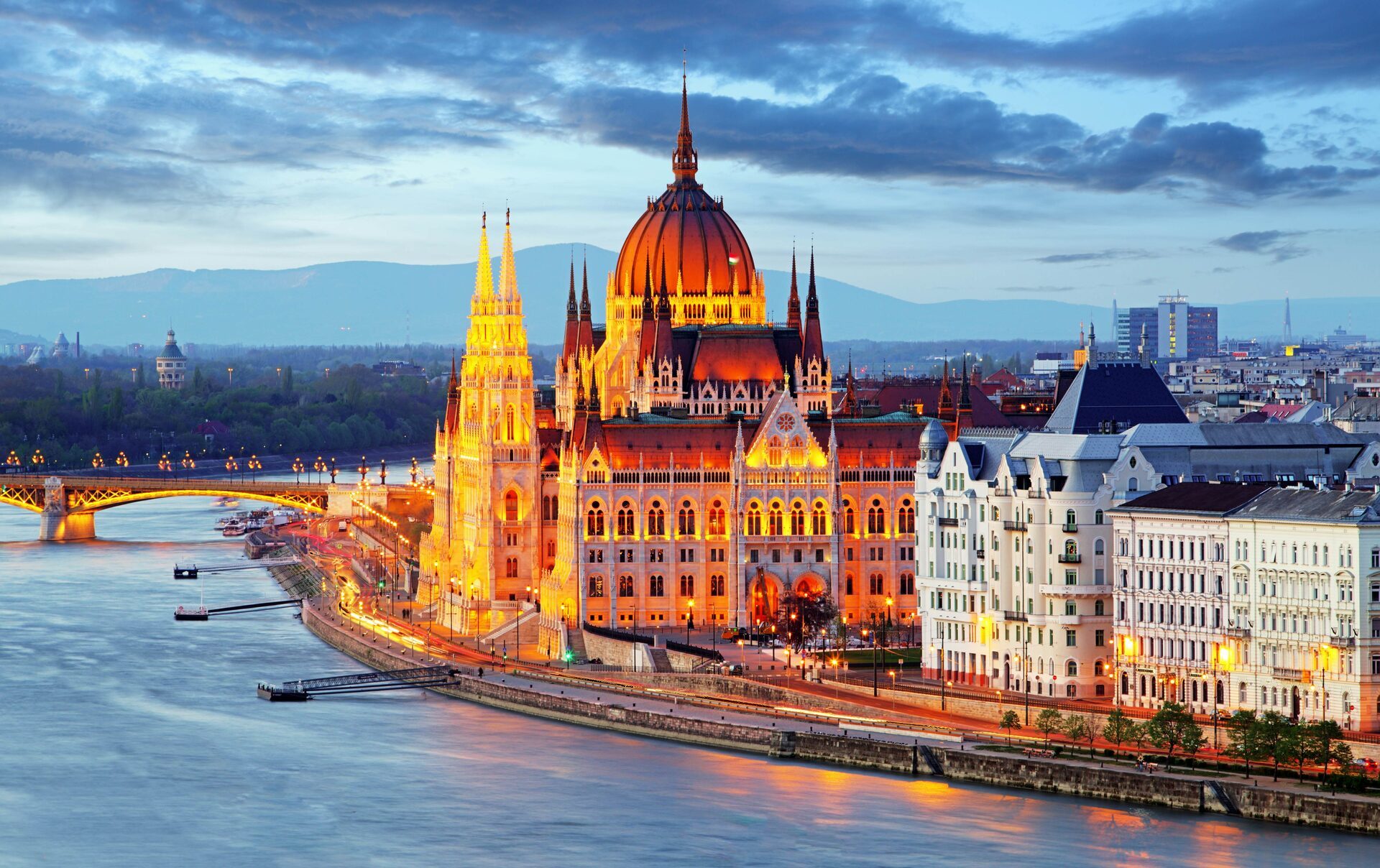
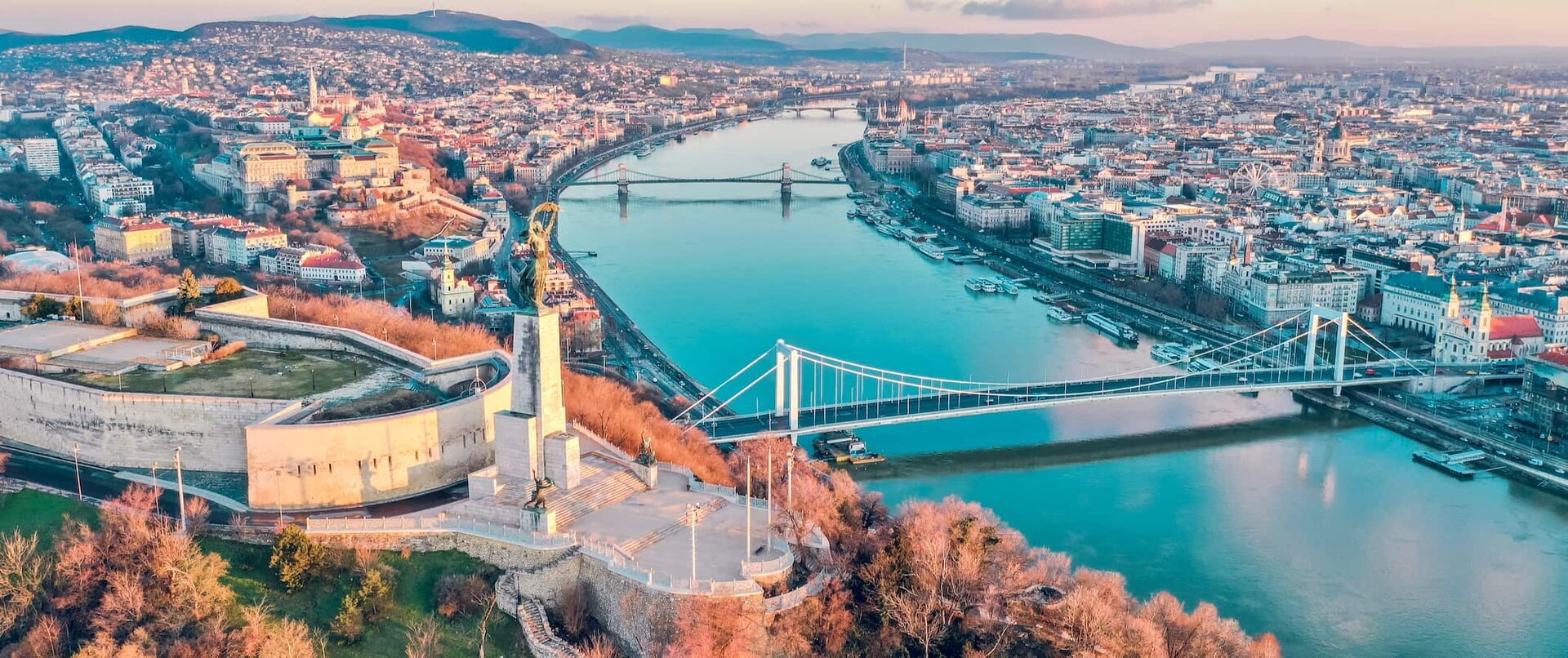
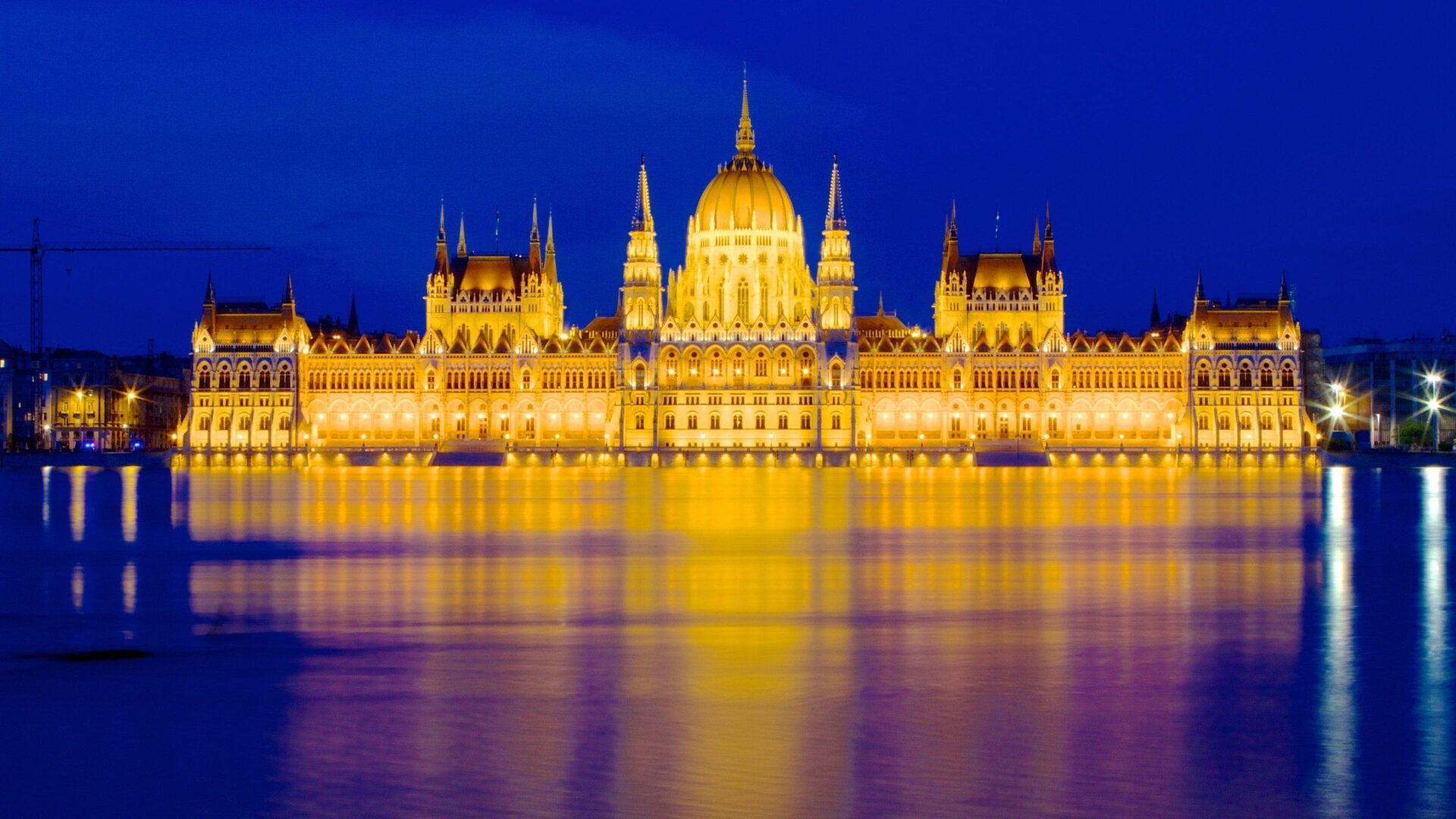
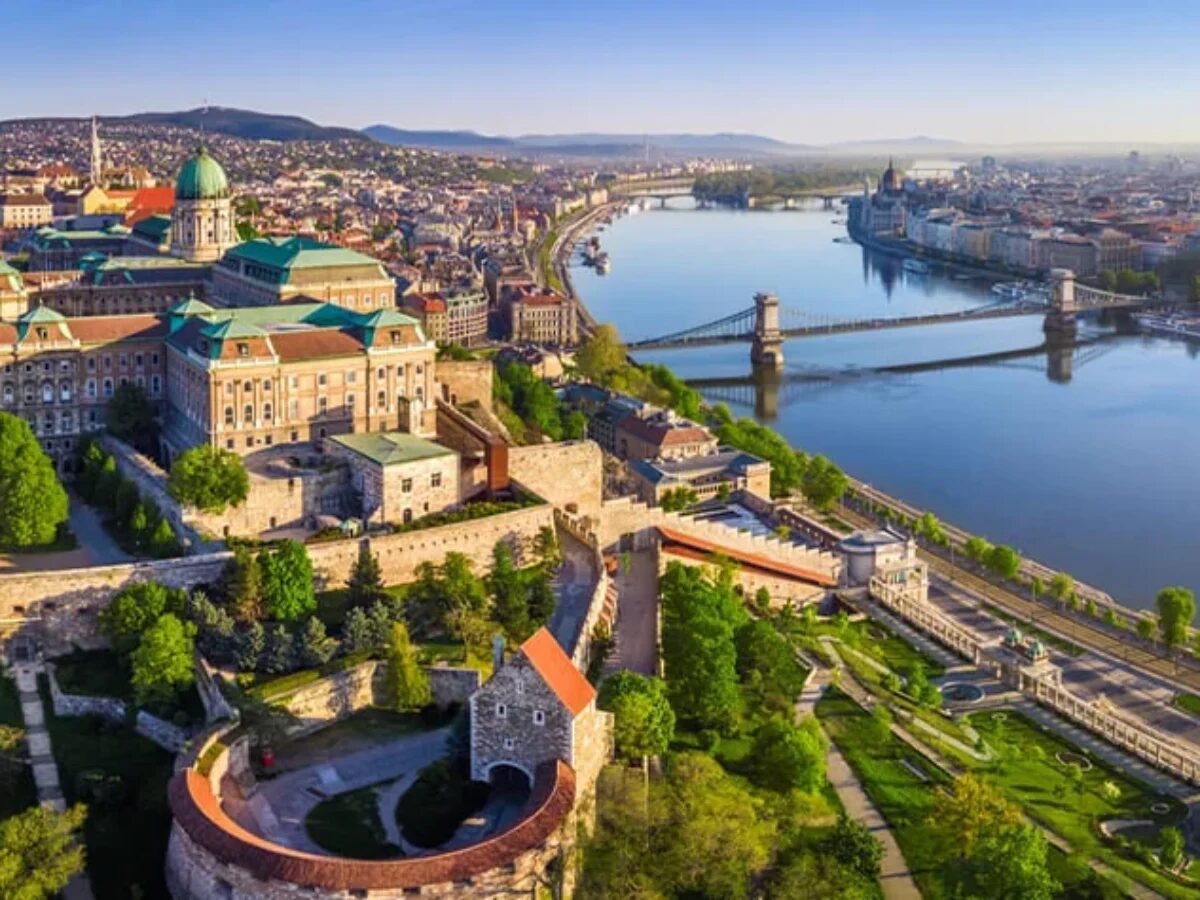
Hungary has been part of the Schengen Area since 2007, extending visa-free access to American citizens. Hungary is a NATO and EU member with complex historical ties to the United States: it was behind the Iron Curtain until 1989, and the Hungarian Revolution of 1956 (crushed by Soviet tanks) was a watershed moment of the Cold War that attracted significant American attention and sympathy. For American travellers, Budapest offers extraordinary value: the Parliament Building (one of the world's most beautiful neo-Gothic government buildings, best viewed from Pest side of the river), the Buda Castle Hill, Fisherman's Bastion, and one of Europe's most vibrant thermal bath cultures (Budapest has 118 thermal springs). Budapest's ruin bar scene in the Jewish Quarter is legendary in European nightlife.
How to Get There
No direct US-Hungary flights exist. Connect to Budapest (BUD) via Amsterdam (KLM from many US cities), Frankfurt (Lufthansa/United), London (British Airways), Vienna (Austrian Airlines), or Warsaw (LOT). Budapest is also easily reached by train from Vienna (2.5 hours), Prague (6.5 hours), or Bratislava (3 hours). Total journey from New York to Budapest via Amsterdam or Frankfurt is approximately 12-14 hours.
Money & Banking
Hungary uses the Hungarian forint (HUF), not the euro despite being an EU member. Budapest is one of Europe's most affordable capital cities: budget HUF 25,000-45,000 ($70-125 USD) per day for comfortable travel including accommodation, meals, and entrance fees. A restaurant dinner with wine in a good Budapest restaurant typically costs HUF 8,000-15,000 ($22-42 USD). Budapest's thermal baths (Szechenyi, Gellert, Rudas) cost HUF 7,000-8,000 ($20-22 USD) for a full day. Hungarian wine (Tokaji, Eger Bikaver) is world-class and affordable.
Practical Tips
Buda Castle Hill: the Royal Palace, the Fisherman's Bastion (neo-Romanesque terrace with panoramic views of the Danube and Parliament), and the Matthias Church. The Parliament Building: one of the world's largest and most ornate parliament buildings, guided tours available. Thermal baths: Szechenyi (grand yellow palace baths in City Park, outdoor pools year-round), Rudas (Turkish-era baths with a rooftop hot tub), Gellert (Art Nouveau hotel baths with beautiful mosaics). Ruin bars in the Jewish Quarter: Szimpla Kert (the original ruin bar, in a derelict factory building, open daily with flea market Sunday mornings), Instant-Fogas, and Anker't. Eger (2 hours from Budapest): red wine region and the castle where Hungarians famously repelled the Ottoman army (1552). The Danube Bend (Visegrad, Esztergom): scenic river gorge 1 hour north of Budapest.
Frequently Asked Questions
Do US citizens need a visa to visit Hungary?
No, US citizens can visit Hungary and other Schengen Area countries for up to 90 days within any 180-day period without a visa. Starting in 2025, travelers will need ETIAS (European Travel Information and Authorization System) authorization, which costs €7 and is valid for 3 years. Your passport must be valid for at least 3 months beyond your planned departure from the Schengen Area and have been issued within the previous 10 years. Hungary joined Schengen in 2007, so border crossings with neighbors are seamless.
Do US citizens need a visa for Hungary?
No. American passport holders can visit Hungary visa-free for up to 90 days in any 180-day period. Hungary is part of the Schengen Area. Note that Hungary uses the forint (HUF), not the euro.
What should I experience in Budapest?
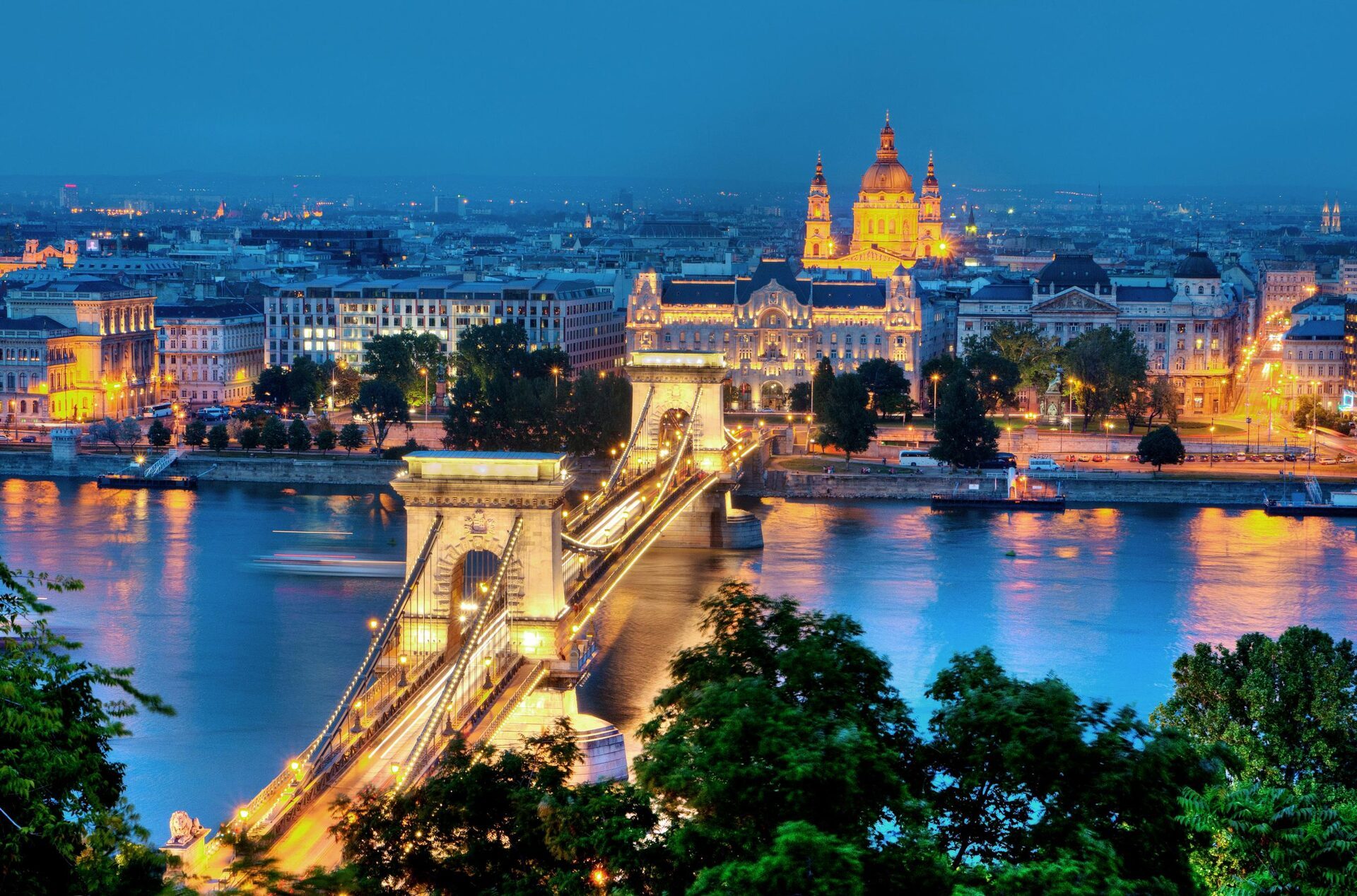
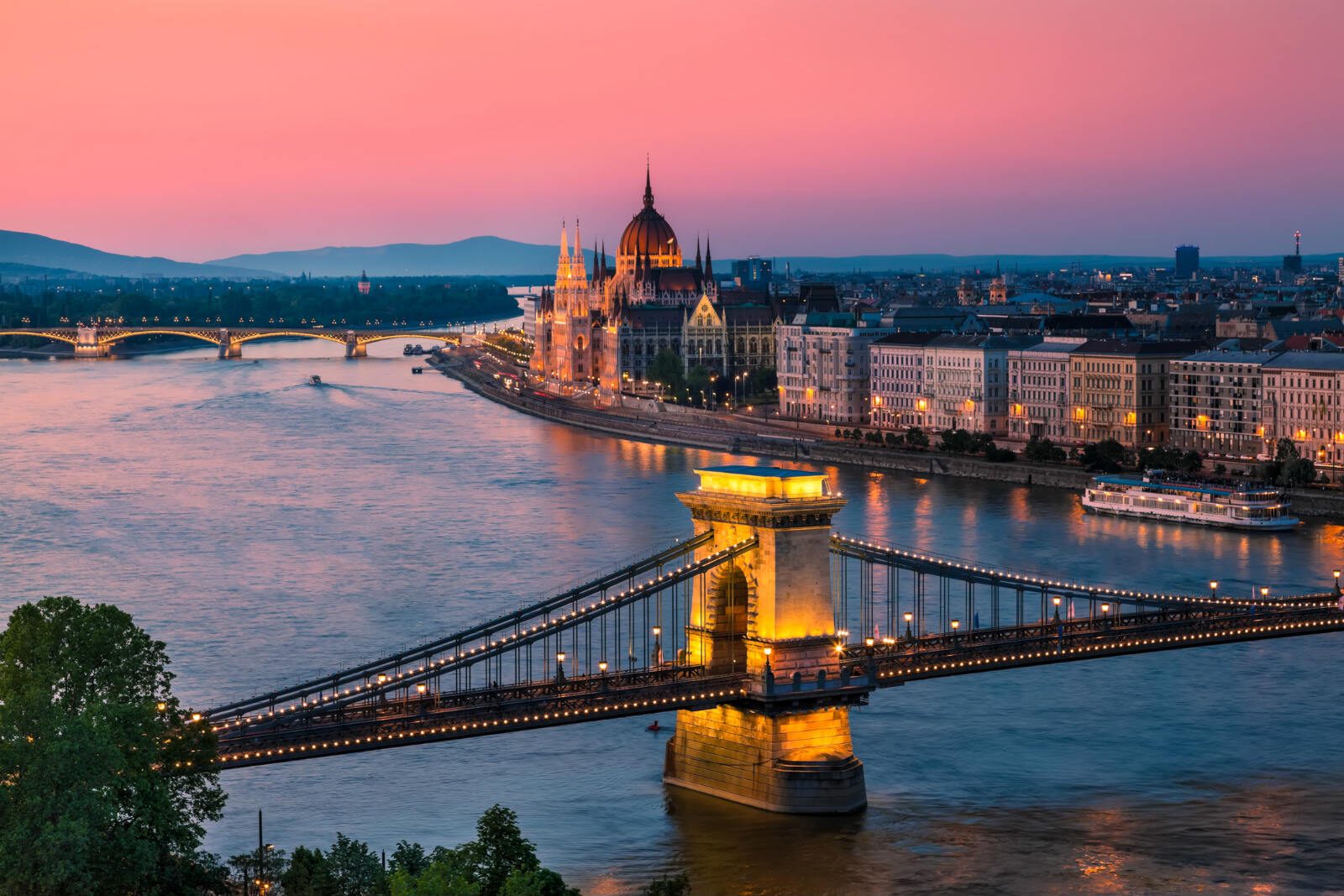
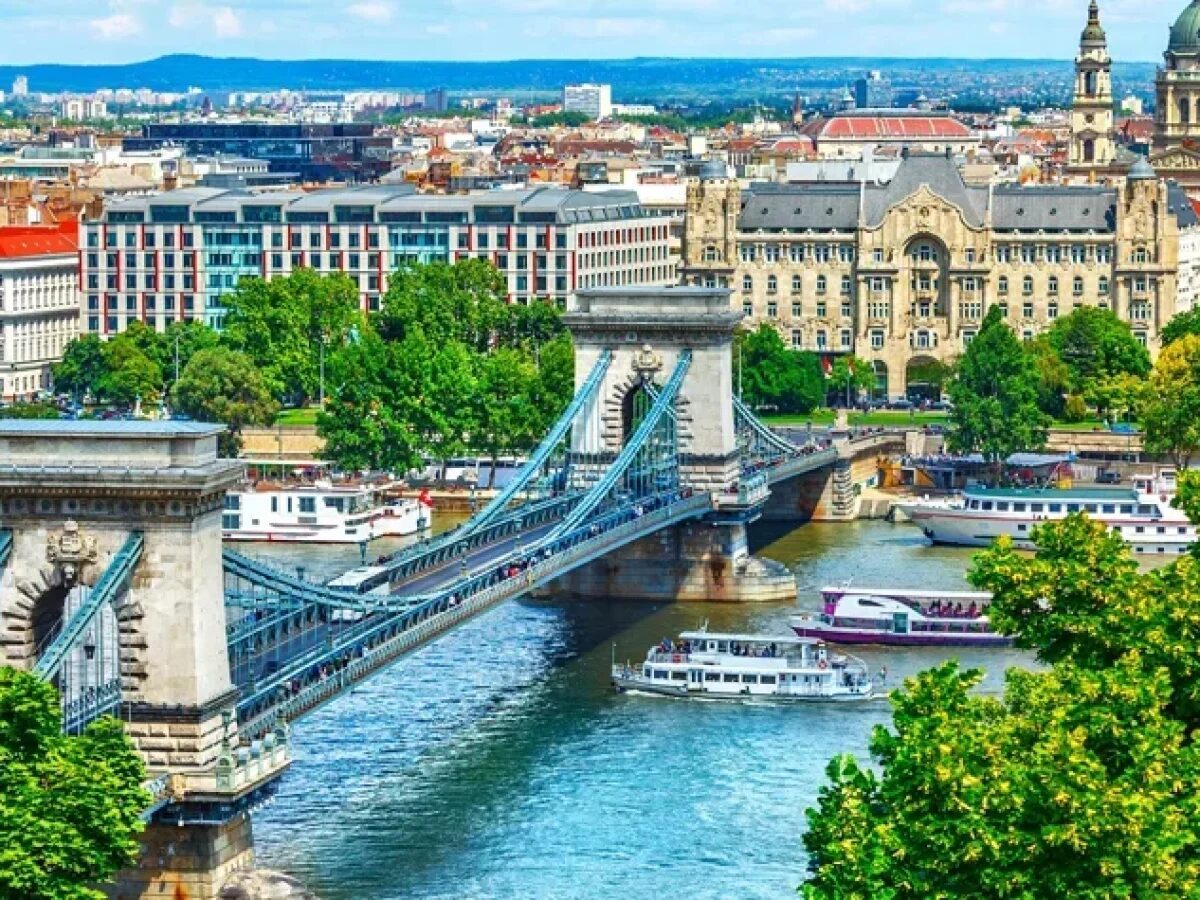
Budapest is divided by the Danube into Buda (hilly, historic) and Pest (flat, vibrant). Must-sees include the Hungarian Parliament Building (stunning interior tours available), Buda Castle and Fisherman's Bastion for panoramic views, and the iconic Chain Bridge. Budapest is famous for its thermal baths; Széchenyi (grand, outdoor pools) and Gellért (art nouveau elegance) are most popular. Explore the ruin bars of the Jewish Quarter, especially Szimpla Kert. The Great Market Hall offers local foods like lángos, goulash, and chimney cake (kürtőskalács). Night cruises on the Danube showcase the illuminated city beautifully. Budapest offers excellent value compared to Western European capitals.
What are Budapest's best thermal baths?
Szechenyi (the most famous, a yellow neo-Baroque palace in City Park with outdoor pools -- great year-round), Gellert (beautiful Art Nouveau hotel baths), and Rudas (historic Turkish-era baths with a rooftop hot tub with Danube views). Entry costs approximately HUF 7,000-8,000 ($20-22 USD) per person for a day pass.
What currency is used in Hungary and how do I pay?
Hungary uses the Hungarian Forint (HUF), not the Euro, despite being in the EU. Credit cards are widely accepted in Budapest at hotels, restaurants, and shops, but carry some cash for smaller establishments, markets, and thermal bath tips. ATMs are widespread; use ones attached to banks for better rates and security. Avoid exchange offices with "0% commission" signs as they often have terrible rates. Tipping is customary: 10-15% in restaurants (check if service is included), small amounts for thermal bath attendants. Prices are generally very reasonable compared to Western Europe, making Budapest an excellent value destination.
Is Budapest easy to combine with other Central European cities?
Yes. Budapest is excellently positioned for multi-city Central Europe trips. Vienna: 2.5 hours by train (Railjet). Prague: 6.5 hours by train. Krakow: 8 hours by train. Bratislava (Slovakia): 3 hours by train. The Budapest-Vienna-Prague triangle is one of Europe's great city-break circuits.
How do I get around Budapest and Hungary?
Budapest has excellent public transportation including metro (4 lines), trams, buses, and trolleybuses. Purchase a travel card (24-hour, 72-hour, or 7-day) for unlimited travel. The historic M1 metro line (yellow, UNESCO listed) runs under Andrássy Avenue. Taxis should be booked by app (Bolt is popular) or phone; avoid hailing on the street. For day trips, MÁV trains connect to destinations like Eger, Szentendre, and Lake Balaton. Intercity buses (Flixbus, Volánbusz) offer affordable connections. Renting a car is useful for exploring the countryside but unnecessary in Budapest. Walking is the best way to experience the city center.
What are the thermal baths and how do I visit them?
Budapest sits on thermal springs, and bathing culture dates back to Roman times and flourished under Ottoman rule. Popular baths include Széchenyi (largest in Europe, outdoor pools, mixed gender), Gellért (art nouveau architecture, indoor and outdoor), Rudas (Ottoman-era, rooftop pool with views), and Király (intimate Ottoman bath). Bring or rent a swimsuit and towel (or wear disposable slippers and use rental items). Baths have various pools at different temperatures, saunas, and steam rooms. Weekends are busiest; mornings are quieter. Some baths host "sparties" with DJs and lights on weekend nights. Etiquette is relaxed, many visitors spend hours reading or chatting between dips.