Hong Kong Visa RequirementsFor United States passport holders
US citizens can visit Hong Kong visa-free for up to 90 days. Hong Kong is a Special Administrative Region of China with its own immigration system, distinct from mainland China.
Great news! United States passport holders can enter Hong Kong without a visa for tourism or business purposes. You can stay up to 90 days.
No visa is required for US citizens for stays up to 90 days. Present your valid US passport at Hong Kong International Airport. An electronic Advance Passenger Information system check occurs automatically. For mainland China, a separate China visa is needed , Hong Kong does not provide access to mainland China without proper authorization. From Hong Kong, it is possible to visit Macau (another SAR, connected by ferry or bridge) and Shenzhen (border city in mainland China, requires separate China visa or Shenzhen-specific approval).
Entry Requirements
Passport Validity
6 months beyond date of entry
Blank Pages
2 blank pages required
Multiple Entry
Allowed
Work Permitted
No - requires work visa
Required Documents
Valid US Passport
Must be valid for the duration of stay in Hong Kong
Valid US Passport
Must be valid for at least 3-6 months beyond your planned departure date (varies by country)
Return or Onward Ticket
Proof of departure from the country, such as a return flight or onward travel booking
Proof of Return Travel Recommended
Return or onward flight ticket — recommended
Proof of Accommodation Recommended
Hotel booking may be requested
Proof of Accommodation Recommended
Hotel reservation, Airbnb booking, or address where you will be staying
Proof of Sufficient Funds Recommended
Credit cards, bank statements, or cash to cover expenses during your stay
Travel Insurance Recommended
Recommended for all international travel covering medical emergencies
Travel Essentials
Health & Safety
Safety Rating
Vaccinations
Routine vaccinations.
Tap Water
Safe to drink
Safety Tips
Hong Kong is very safe with low crime. Be aware of political situation. Crowds and heat are main challenges.
Money & Costs
Currency
HK$ Hong Kong Dollar (HKD)
Daily Budget (USD)
Budget: $80 · Mid: $200 · Luxury: $500+
Tipping
Not customary. Service charge often included.
Practical Info
Power
Type G, 220V
Driving
Left side
Emergency
999 (all emergencies)
Getting There
Main Airports
Hong Kong (HKG)
Culture & Travel Tips
Best Time to Visit
Hong Kong has a subtropical climate with distinct seasons. The best time to visit is October through December when skies are clear, humidity drops, and temperatures are comfortable (18-26°C/64-79°F). Spring (March-May) is pleasant but can be foggy. Summer (June-September) brings high humidity, heavy rain, and typhoon risk, though indoor attractions remain enjoyable. Winter (January-February) is mild but can be surprisingly chilly. Chinese New Year (January/February) is spectacular but extremely crowded. The Hong Kong Rugby Sevens (March) and Dragon Boat Festival (June) are major events. Shoulder seasons offer the best balance of weather and crowds.
Cultural Notes
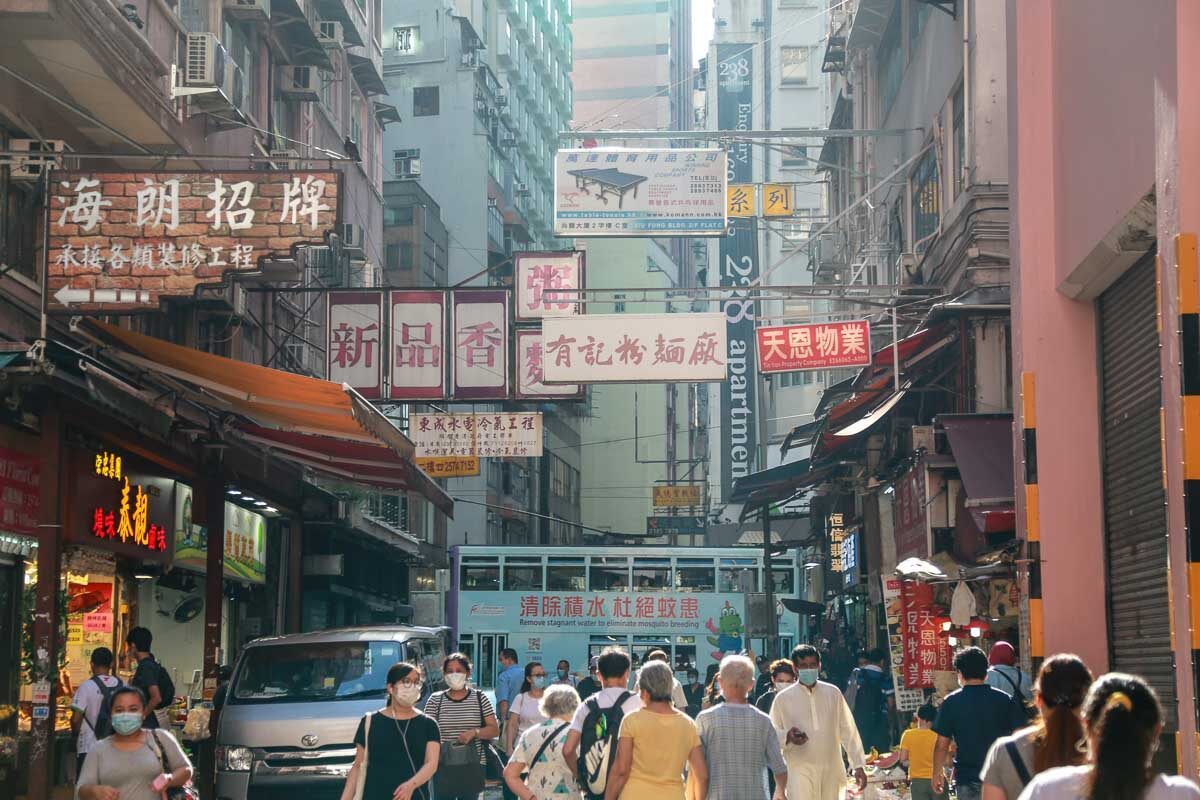
Hong Kong culture blends Cantonese traditions with British colonial heritage and international cosmopolitanism. The handover to China in 1997 and subsequent political developments have shaped contemporary identity - discussions about politics can be sensitive. Traditional practices remain strong: temple visits, feng shui consultations, and elaborate funeral rituals coexist with cutting-edge modernity. Food is paramount - Hong Kongers take dining extremely seriously, from Michelin-starred restaurants to dai pai dong street stalls. The pace of life is fast, space is at premium, and efficiency is valued. Despite the density, traditions of burning offerings, lion dances, and festival celebrations continue. Cantonese pop culture (music, film) has historically influenced the Chinese-speaking world.
Insider Tips
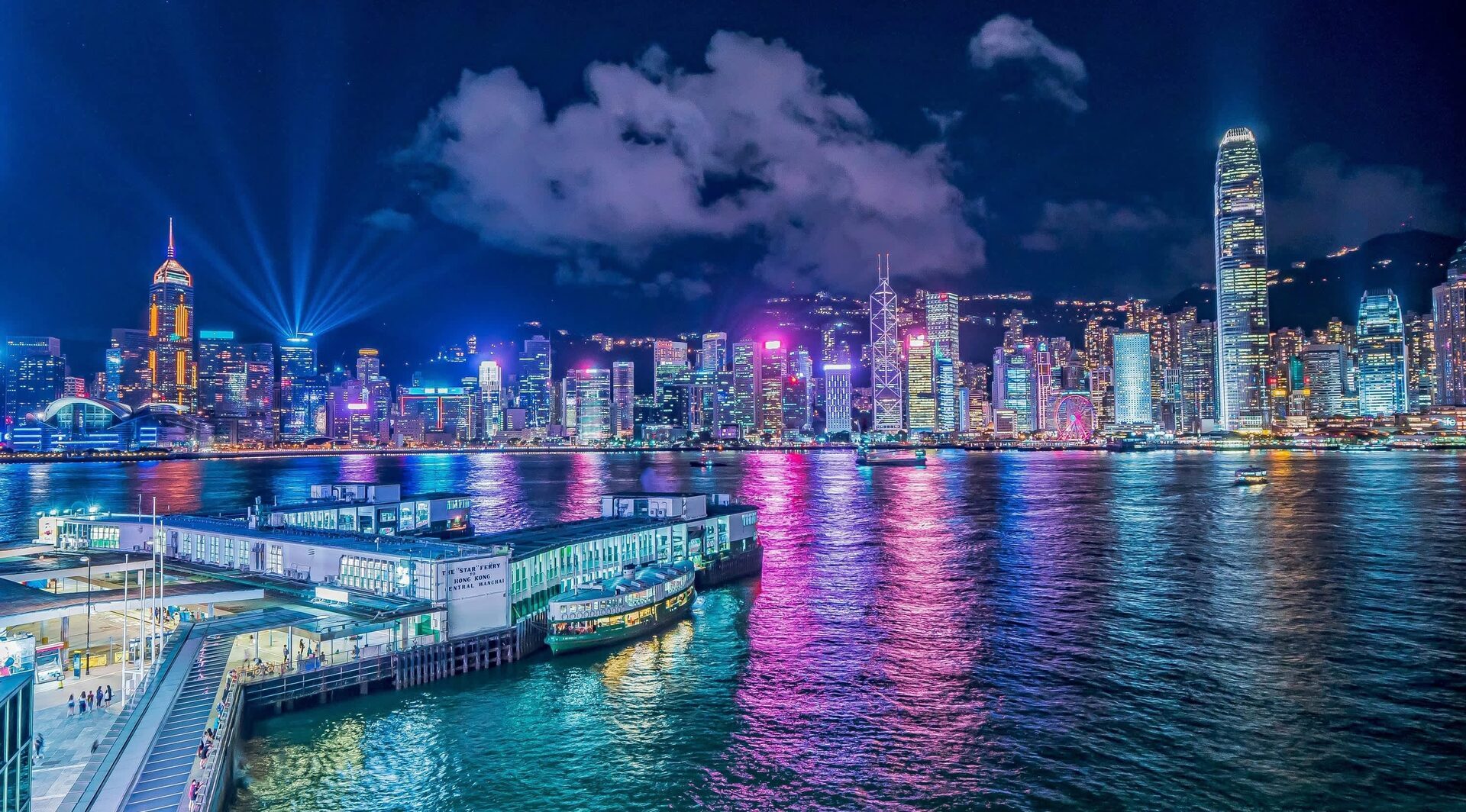
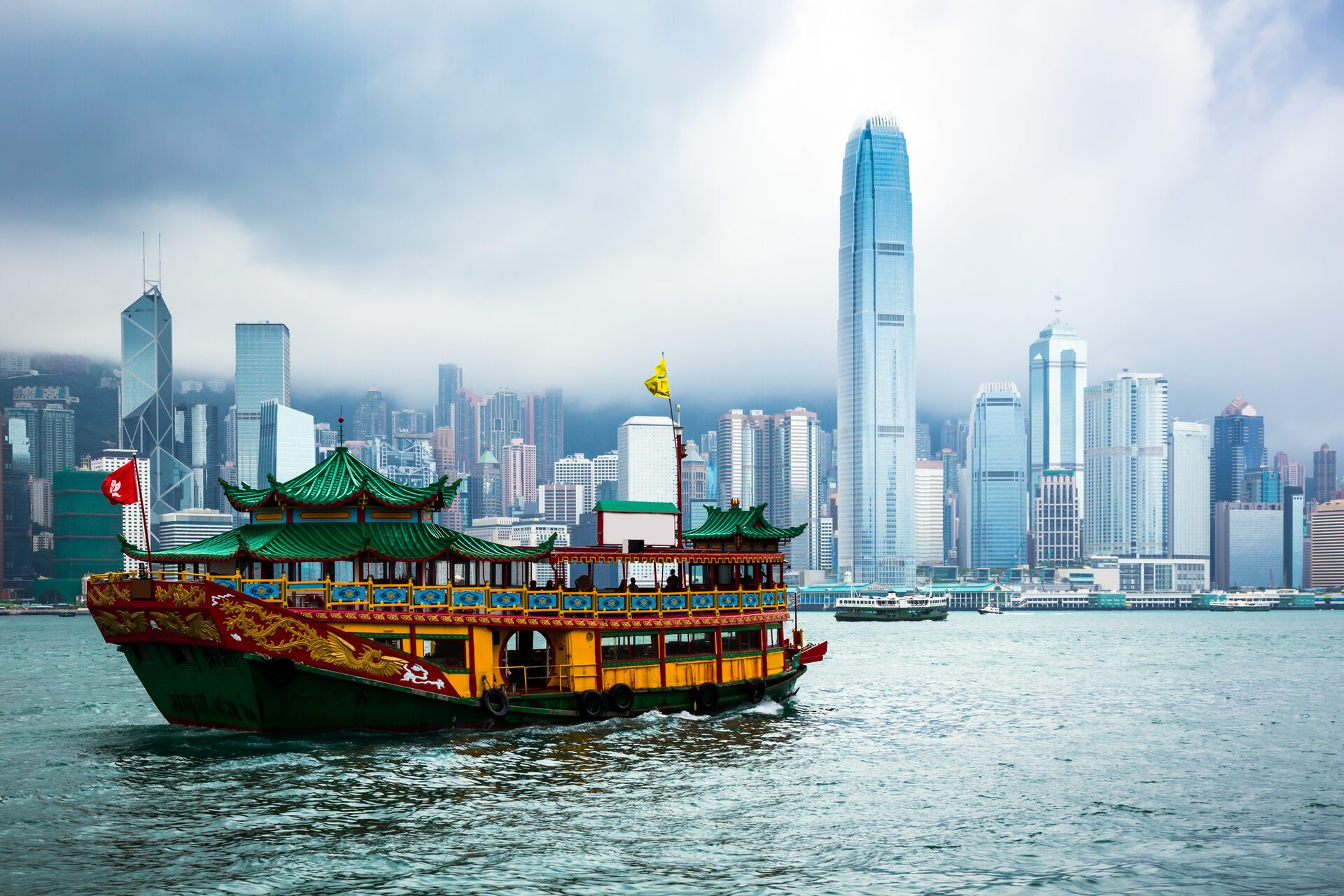
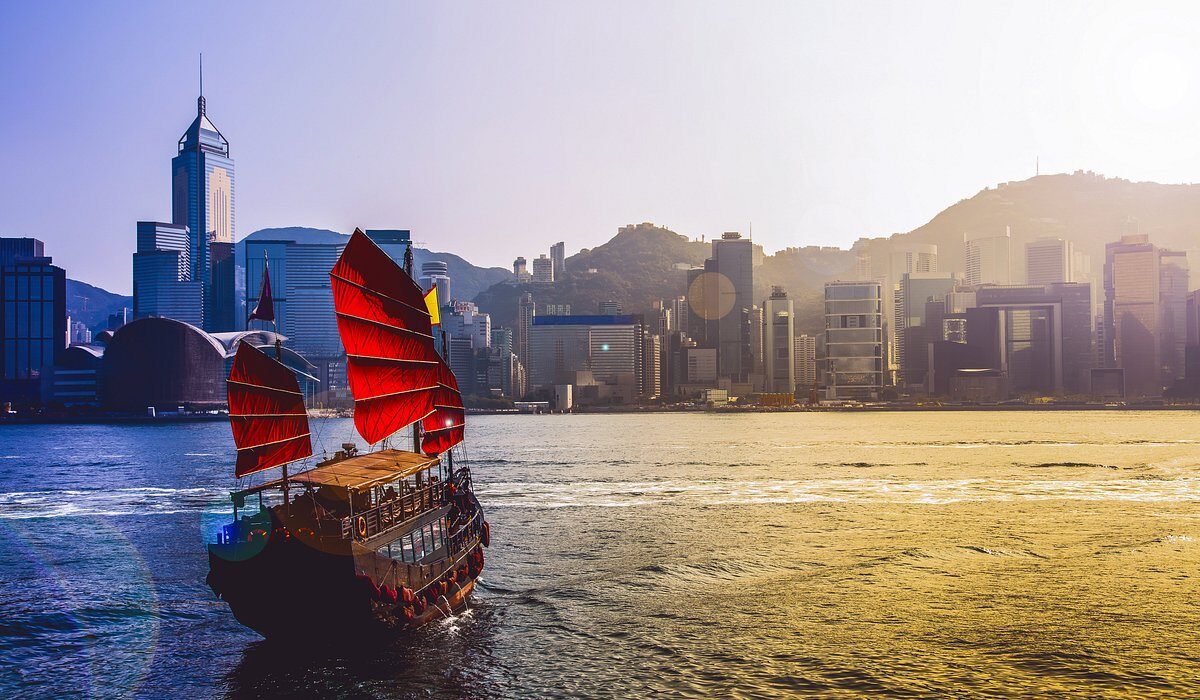
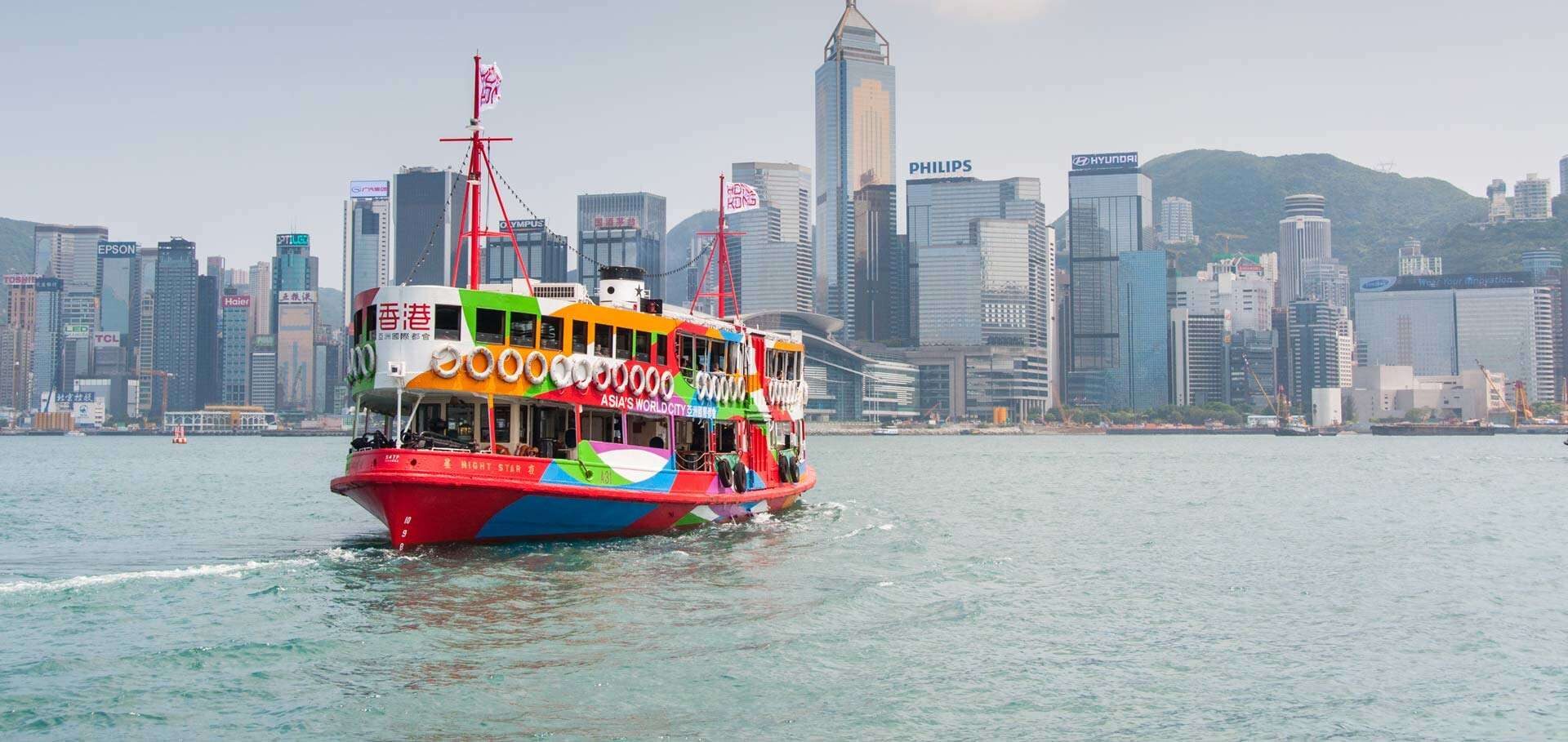
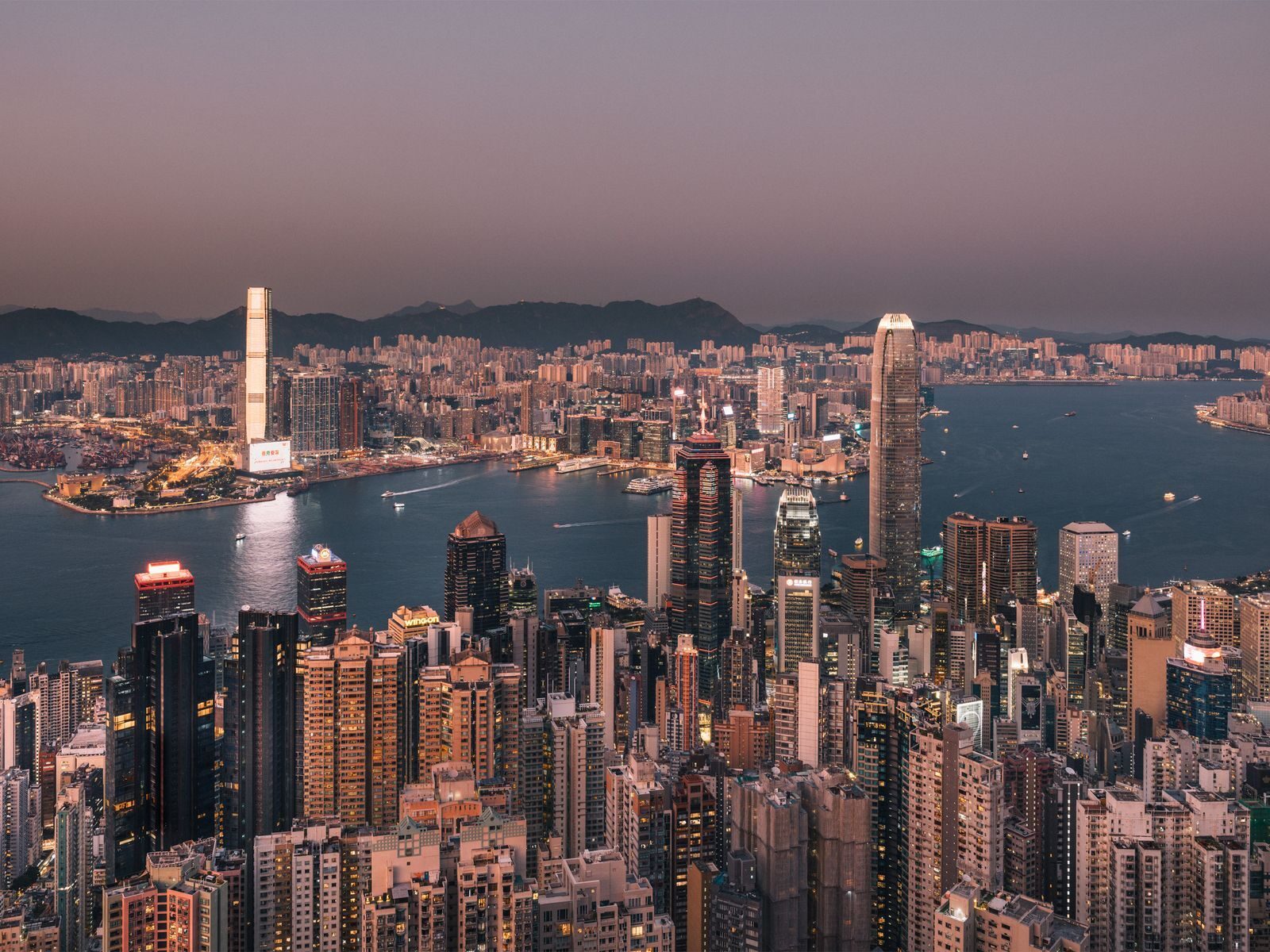
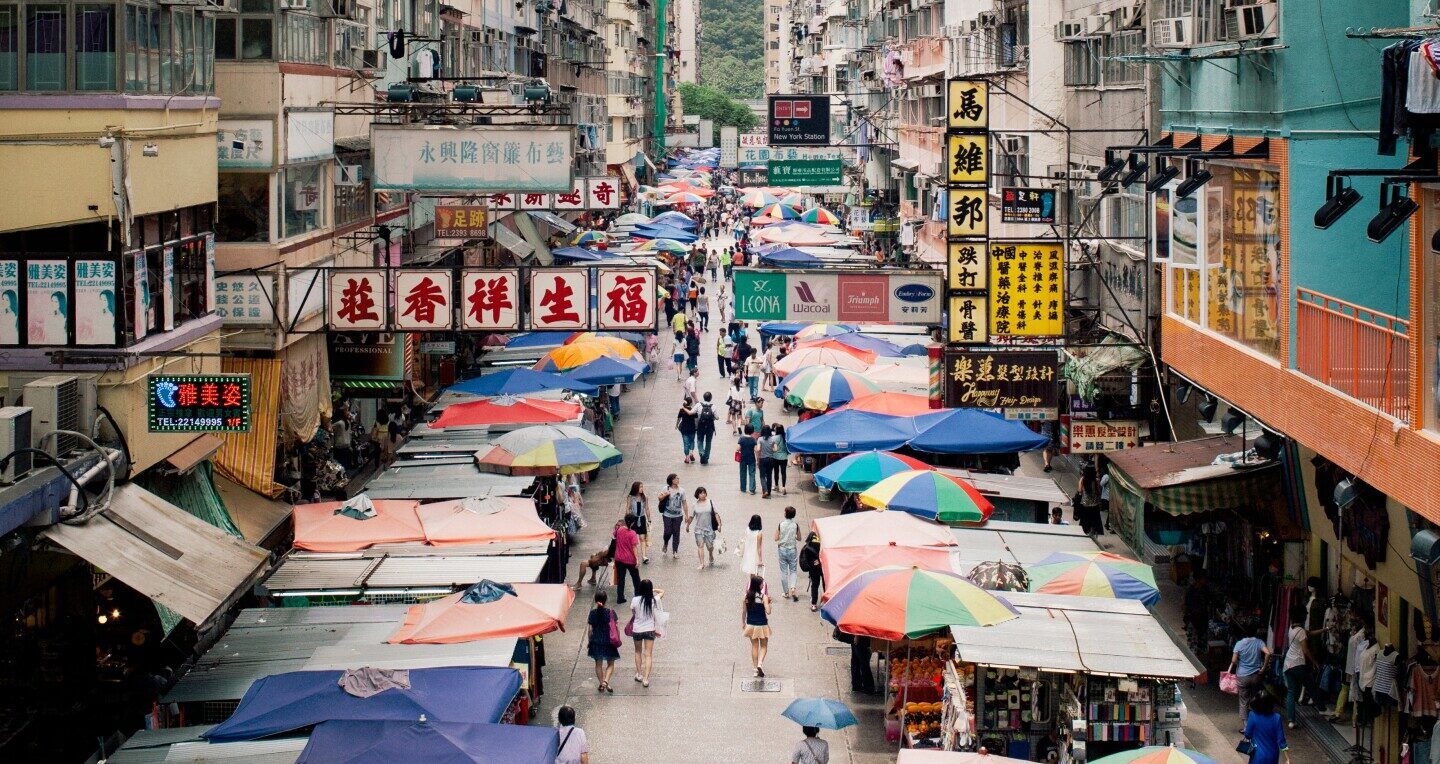
Hong Kong packs incredible density into a small area - world-class dining, dramatic skyline, ancient temples, and hiking trails all within easy reach. The MTR subway system is excellent, with an Octopus card essential for seamless transport on trains, buses, ferries, and even convenience stores. The Star Ferry across Victoria Harbour is an iconic experience. Hiking trails on Hong Kong Island and in the New Territories offer stunning escapes from urban intensity. Dim sum is obligatory - try historic spots like Lin Heung Tea House. English and Chinese (Cantonese) are official languages; both are widely used. The Hong Kong dollar is pegged to the US dollar. Street markets, from Temple Street night market to the Ladies Market, offer bargain hunting.
Current Travel Situation
United States to Hong Kong: What You Need to Know
Hong Kong is a Special Administrative Region (SAR) of China with its own distinct legal system, currency, and immigration policies under the "one country, two systems" framework (valid until 2047). US citizens enjoy visa-free access to Hong Kong that is completely separate from mainland China requirements , a US visa for China does NOT cover Hong Kong, and Hong Kong does not require a visa for US citizens independently. Hong Kong is a spectacular Asian metropolis combining British colonial heritage, Cantonese culture, world-class food, dramatic harbor views, finance sector, and access to Chinese mainland day trips. However, Hong Kong's political landscape has significantly changed since 2020 , the implementation of the National Security Law (NSL) has introduced restrictions and US citizens should be aware of political sensitivities.
How to Get There
Macau (45-minute ferry from Hong Kong, no visa needed for most Western passport holders for short visits) is the world's gambling capital and has extraordinary Portuguese colonial heritage , a UNESCO World Heritage Site. Shenzhen (45-minute MTR/train from Hong Kong border) is a modern Chinese tech city requiring a China visa. Guangzhou (2-hour high-speed train from Hong Kong through the West Kowloon Terminus) is the cultural capital of Guangdong province, requiring a China visa.
Money & Banking
Hong Kong uses the Hong Kong dollar (HKD) pegged at 7.8 HKD = 1 USD. Card payments are universal. Octopus card (a rechargeable contactless payment card) is used for transit (MTR, buses, ferries) and small purchases at convenience stores and many restaurants , buy at the airport on arrival. Hong Kong is expensive for Asia though cheaper than Tokyo for accommodation. Excellent cheap food is available at dai pai dong (open-air food stalls) and cha chaan teng (Hong Kong style cafes) for $3-8 USD per meal.
Practical Tips
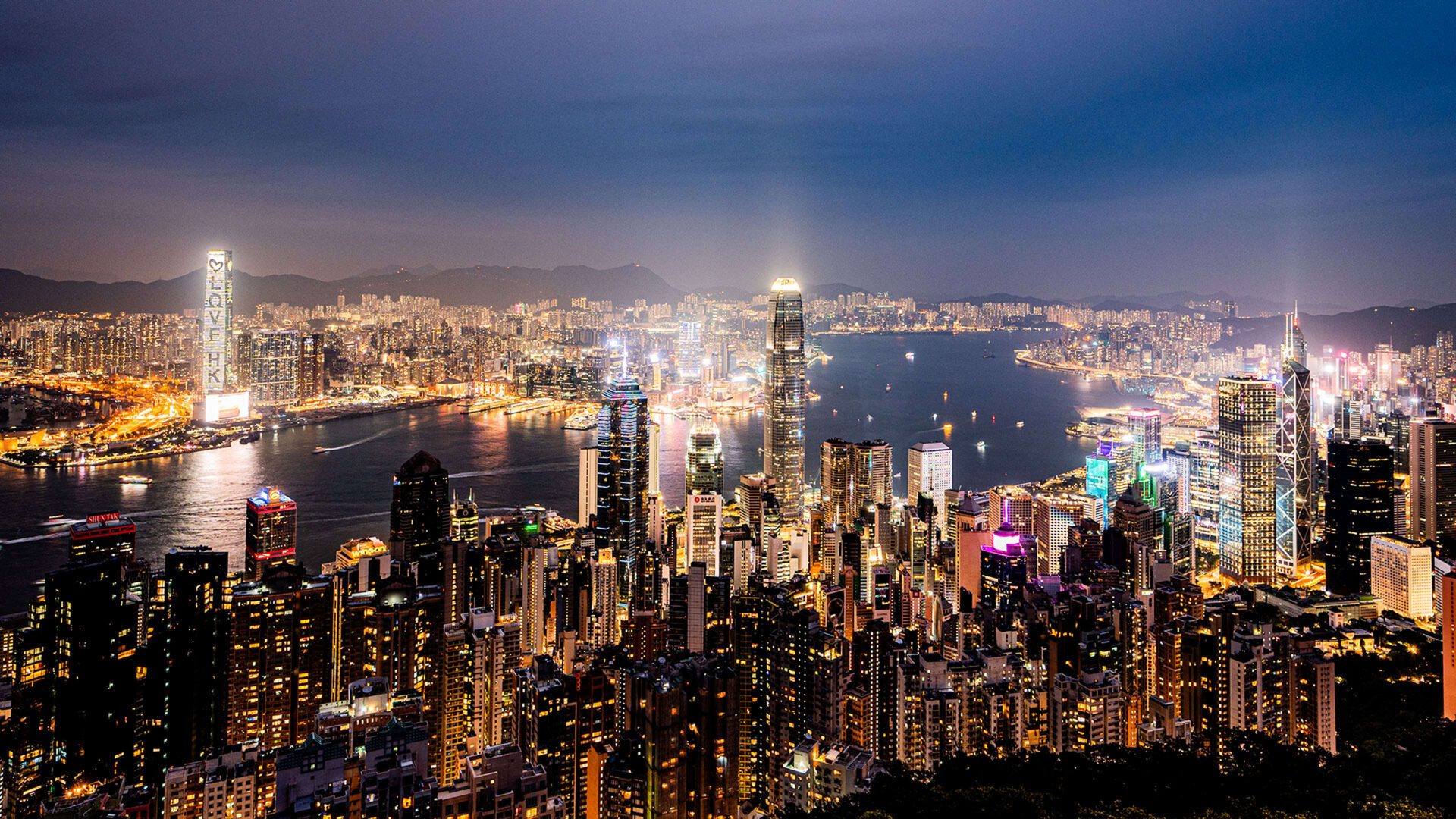
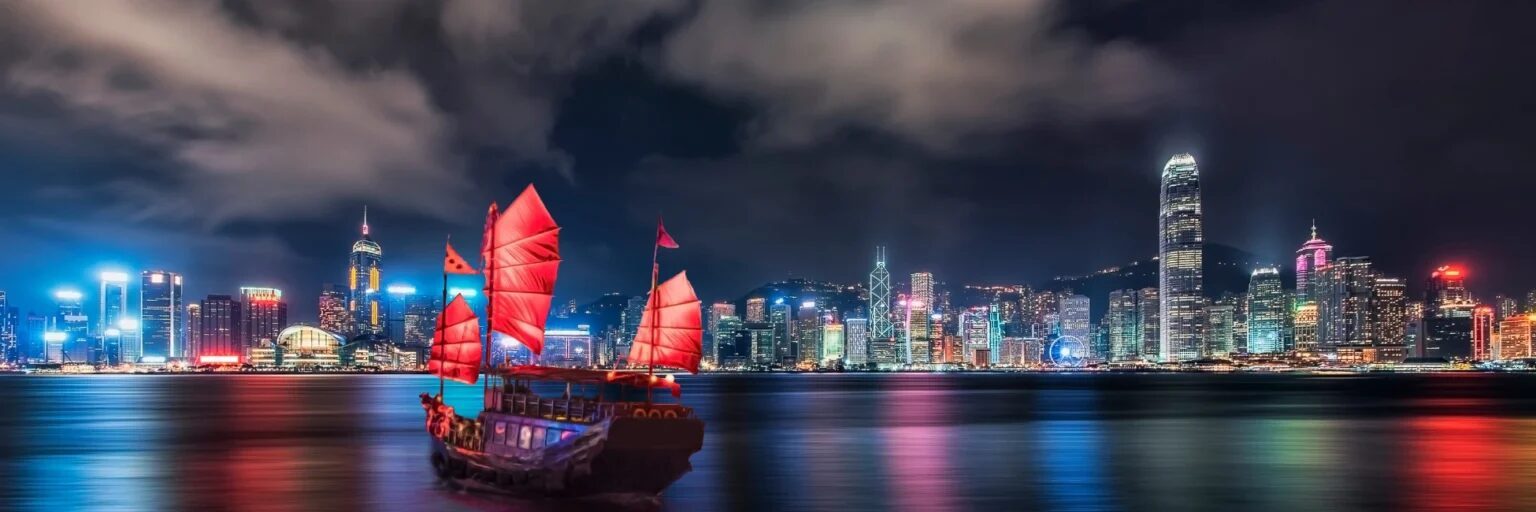
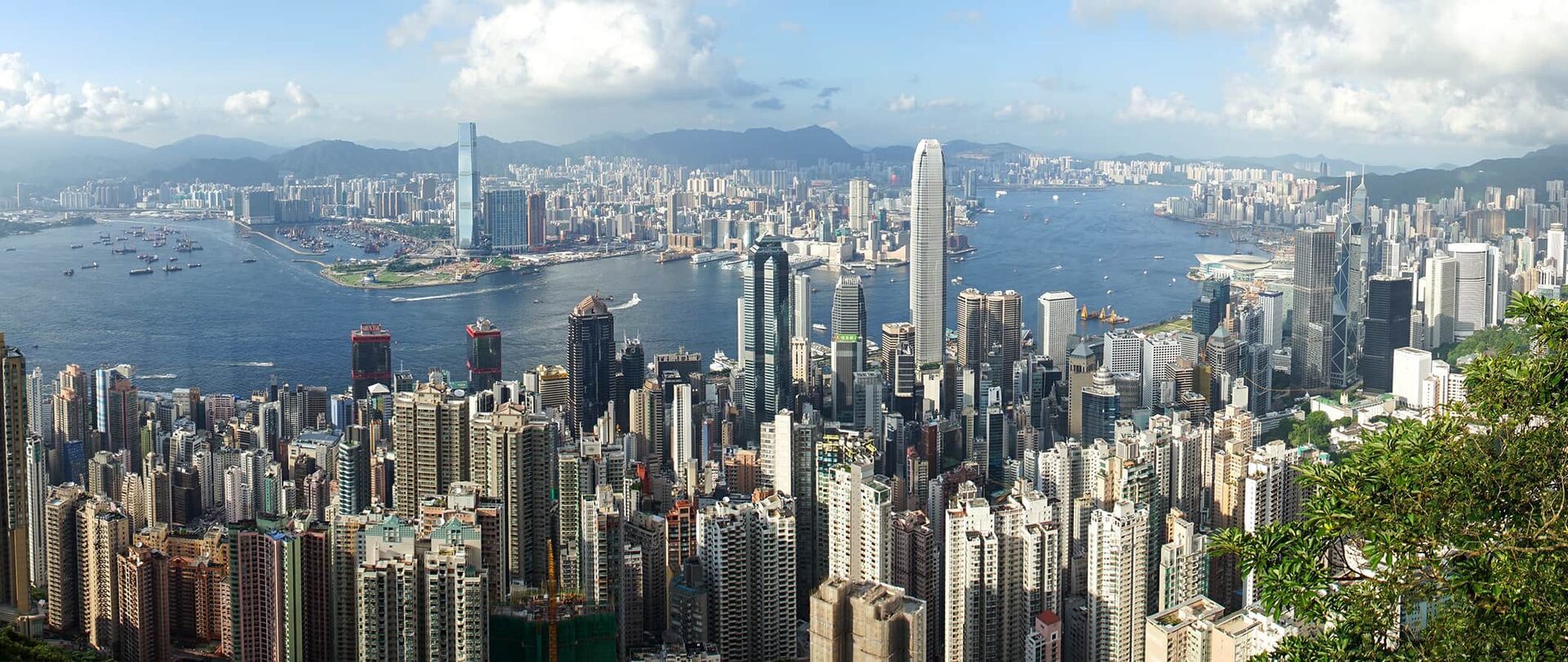
Victoria Harbour views from the Tsim Sha Tsui promenade are among Asia's most iconic. The Star Ferry crossing the harbor costs only HKD 3-4 ($0.50 USD) and is a unique experience. Victoria Peak (The Peak) tram ride and city views are spectacular. The Temple Street Night Market and Mong Kok's Ladies' Market are excellent for street food and shopping. Sham Shui Po is Hong Kong's electronics and fabric district. Lantau Island (Big Buddha statue, Ngong Ping village) is accessible by cable car from Tung Chung. Hong Kong's MTR subway is world-class , clean, efficient, and covers all major areas.
Frequently Asked Questions
Do US citizens need a visa for Hong Kong?
No. US citizens can visit Hong Kong visa-free for up to 90 days. Hong Kong has its own immigration system separate from mainland China — a China visa is NOT needed for Hong Kong and a Hong Kong visit does not require a China visa.
Can I visit mainland China from Hong Kong without a China visa?
No. Mainland China has completely separate immigration requirements. To visit Shenzhen, Guangzhou, or other mainland cities from Hong Kong, you need a valid China visa. The land border at Lo Wu/Lok Ma Chau requires a China visa for US citizens.
Has Hong Kong changed since 2020?
Yes. The National Security Law (NSL) implemented in 2020 has significantly altered Hong Kong's political landscape. Freedom of expression and assembly are more restricted. The US State Department currently rates Hong Kong at Level 2 (Exercise Increased Caution) and advises US citizens to be aware of the NSL and its broad application to political speech and activities.