Guyana Visa RequirementsFor United States passport holders
US citizens can visit Guyana visa-free for up to 90 days. Guyana is an English-speaking South American nation undergoing rapid development driven by offshore oil discoveries.
Great news! United States passport holders can enter Guyana without a visa for tourism or business purposes. You can stay up to 90 days.
No visa is required for US citizens for stays up to 90 days. Present your valid US passport on arrival at Cheddi Jagan International Airport (Georgetown). Georgetown, the capital, is the main gateway. Yellow fever vaccination is recommended for travel beyond Georgetown into the interior, particularly the rainforest and savannah regions.
Entry Requirements
Passport Validity
6 months beyond date of entry
Blank Pages
1 blank page required
Multiple Entry
Allowed
Work Permitted
No - requires work visa
Entry Conditions
Passport valid for at least 6 months. Return/onward ticket. Yellow fever certificate if arriving from endemic country.
Fines and complications at departure.
Required Documents
Valid US Passport
Must be valid for the duration of stay
Valid US Passport
Must be valid for at least 3-6 months beyond your planned departure date (varies by country)
Return or Onward Ticket
Proof of departure from the country, such as a return flight or onward travel booking
Yellow Fever Certificate Recommended
Recommended if traveling to the interior rainforest or savannah regions
Proof of Return Travel Recommended
Return flight ticket — recommended
Proof of Accommodation Recommended
Hotel reservation, Airbnb booking, or address where you will be staying
Proof of Sufficient Funds Recommended
Credit cards, bank statements, or cash to cover expenses during your stay
Travel Insurance Recommended
Recommended for all international travel covering medical emergencies
Travel Essentials
Health & Safety
Safety Rating
Vaccinations
Hepatitis A and B, Typhoid, Yellow Fever, Malaria prophylaxis, Rabies.
Tap Water
Bottled water recommended
Safety Tips
Georgetown has elevated crime rates; exercise caution especially at night. Tourist areas and eco-lodges are generally safe. Avoid displaying valuables. Interior regions are very safe.
Money & Costs
Currency
G$ Guyanese Dollar (GYD)
Daily Budget (USD)
Budget: $50 · Mid: $100 · Luxury: $250+
Tipping
Tipping 10-15% appreciated at restaurants.
Practical Info
Power
Type Type A/B/D/G, 240V, 60Hz
Driving
Left side
Emergency
911 (police), 913 (fire/ambulance)
Getting There
Main Airports
Georgetown (GEO)
Culture & Travel Tips
Best Time to Visit
Guyana has a tropical climate with two wet and two dry seasons. The main dry seasons (mid-February to mid-May and mid-September to mid-November) offer the best conditions for wildlife viewing and rainforest exploration. The wet seasons bring heavy rainfall that makes some interior roads impassable but transforms waterfalls including the spectacular Kaieteur Falls. Georgetown, the capital, can be visited year-round though it is hot and humid. The Rupununi savanna is best during dry seasons for wildlife spotting. Bird watching is excellent year-round but peaks during dry periods when birds congregate at water sources.
Cultural Notes
Guyana has one of the most diverse populations in South America, with Indo-Guyanese (descendants of indentured laborers from India) and Afro-Guyanese as the two largest groups, plus indigenous peoples, Chinese, and Portuguese communities. This diversity creates a vibrant culture with Hindu temples, mosques, and churches neighboring each other. Cricket is the national sport, a legacy of British colonialism. Diwali, Eid, and Christmas are all major celebrations. Political tensions along ethnic lines have historically created challenges. The interior rainforest is home to indigenous Amerindian communities who maintain traditional ways of life. The Guyanese diaspora, particularly in New York and Toronto, is large and influential.
Insider Tips
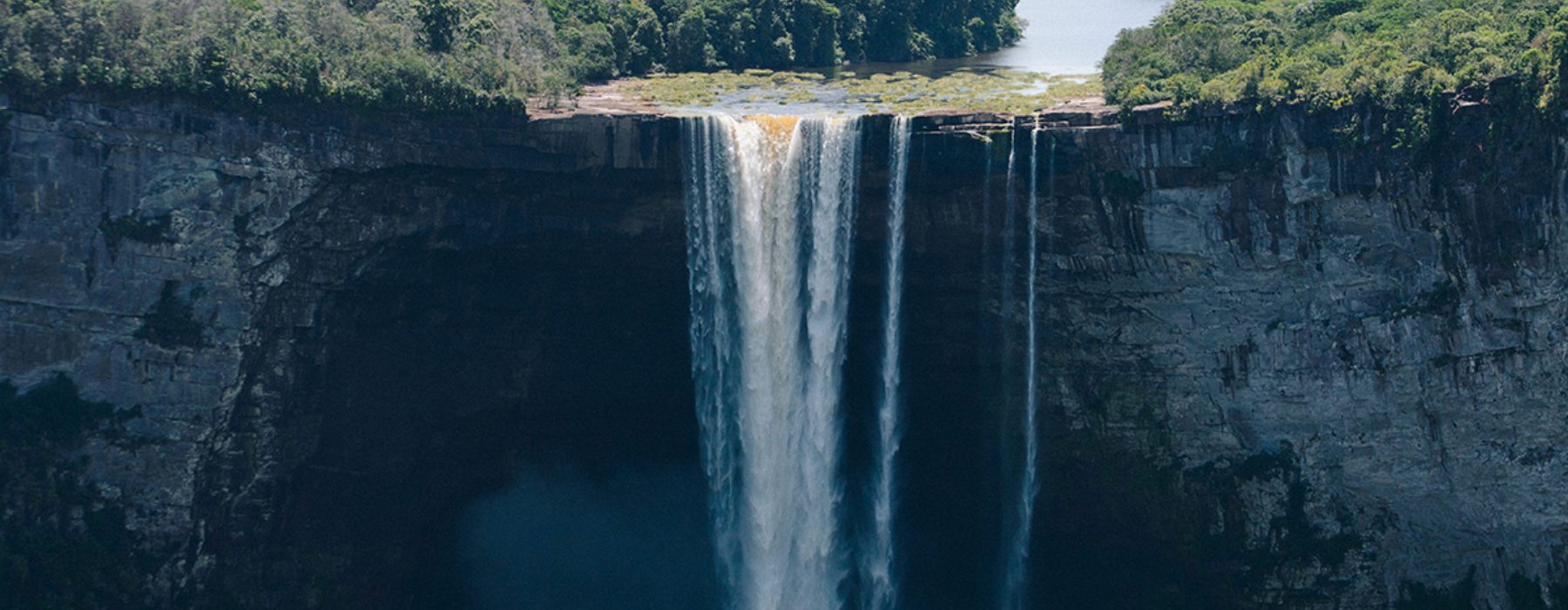
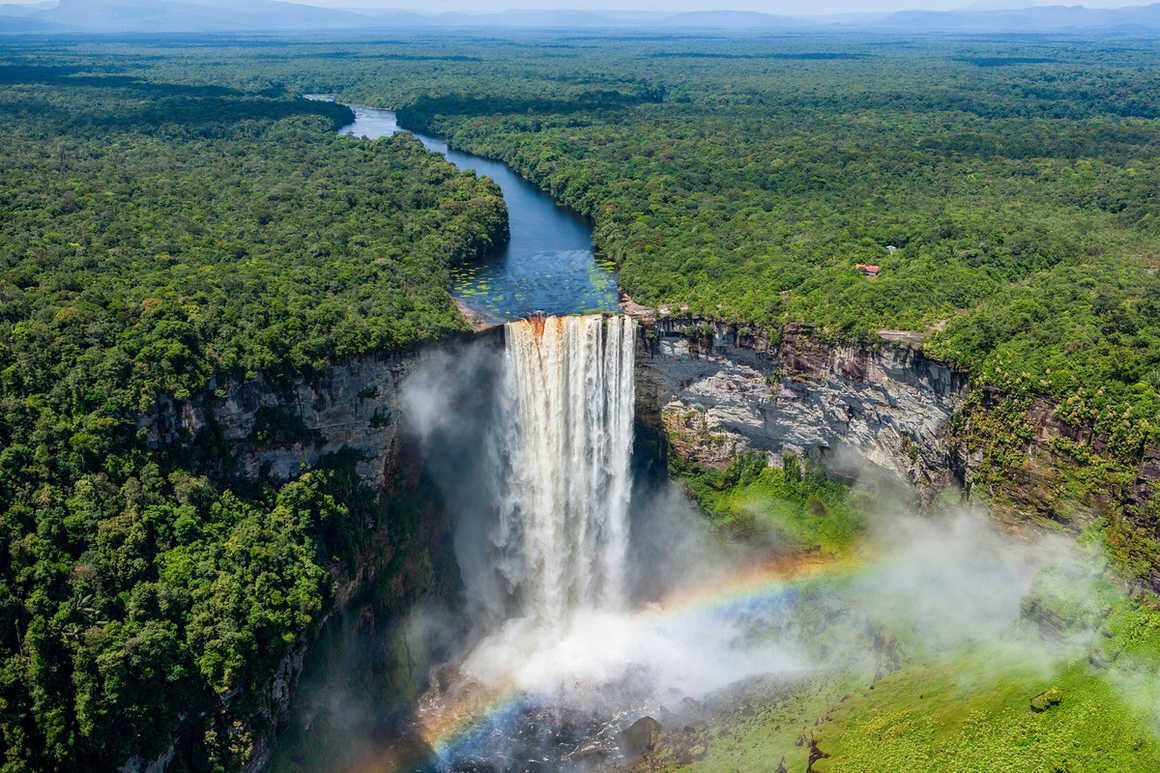
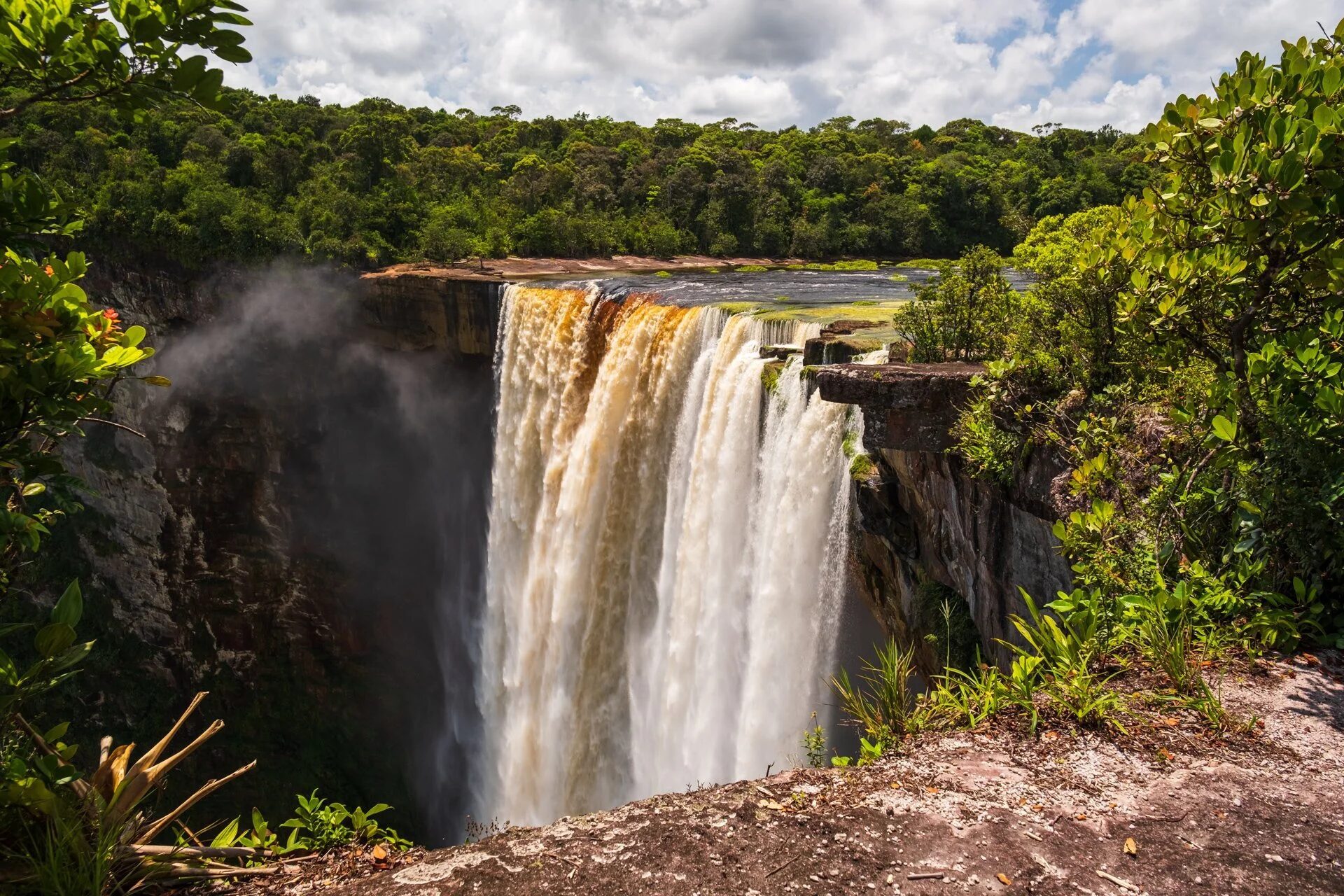
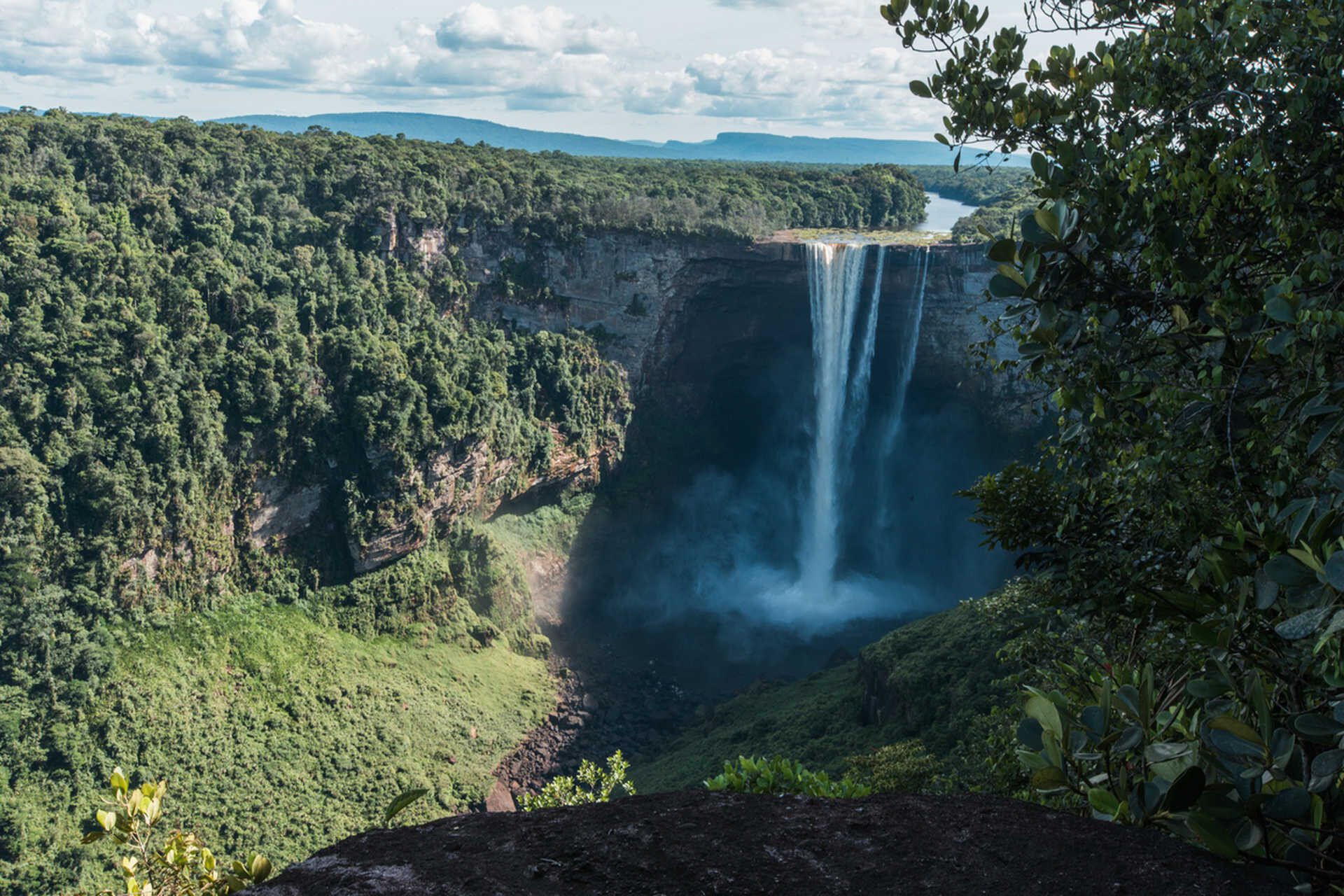
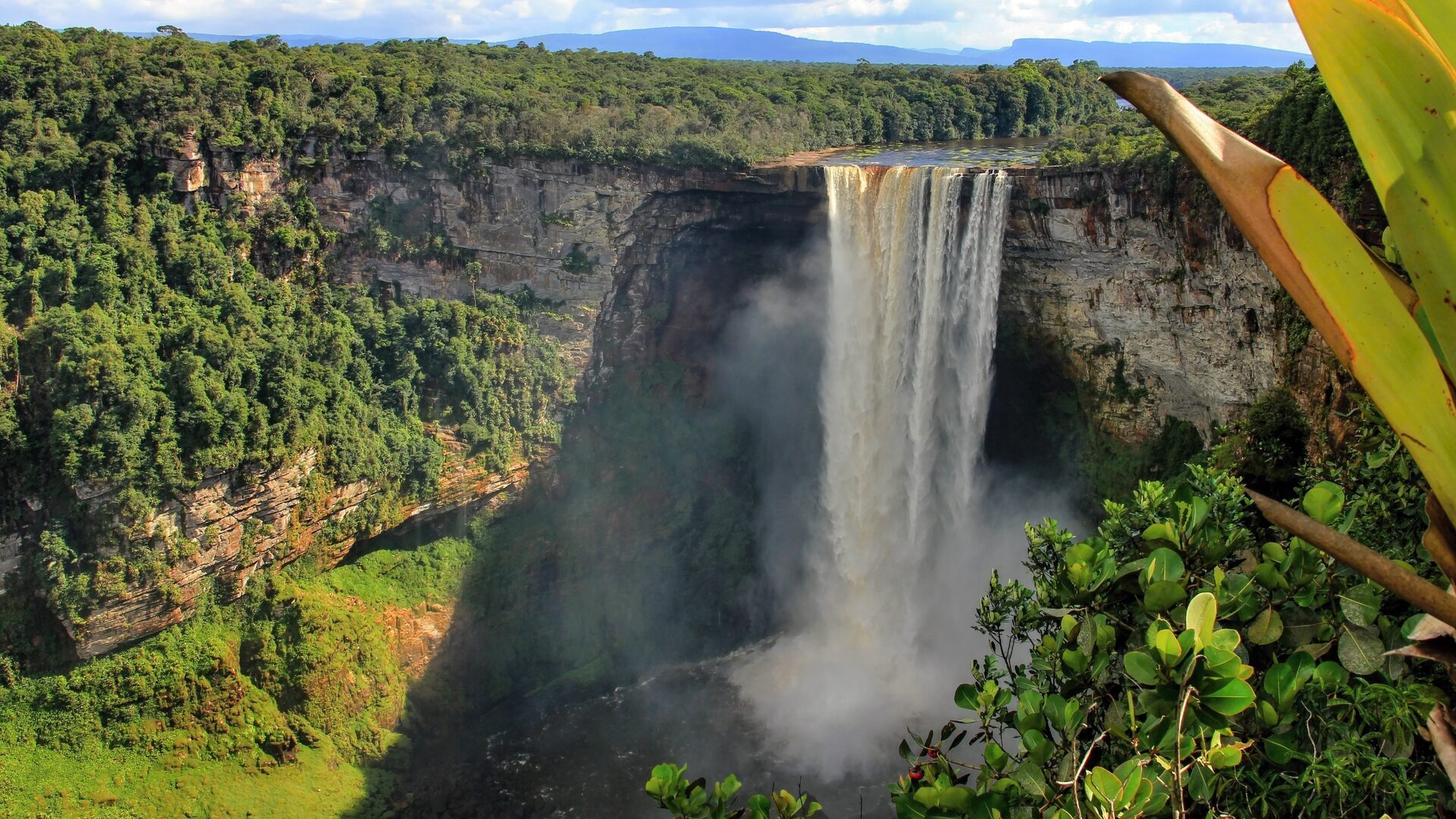
Guyana is South America only English-speaking country and one of its last frontiers - vast rainforests, indigenous communities, and genuine wilderness adventures await. Kaieteur Falls, at 226 meters the worlds largest single-drop waterfall by water volume, is the signature attraction. The Rupununi savanna offers unique wildlife including giant anteaters, jaguars, and countless bird species. Tourism infrastructure is basic; most visitors join organized tours. Georgetown retains colonial wooden architecture but has safety concerns - stay aware. The Guyanese dollar is the currency; US dollars are useful. Internal flights reach remote lodges; overland travel is rough. Creole cuisine blends Caribbean, Indian, Chinese, and indigenous influences.
Current Travel Situation
United States to Guyana: What You Need to Know
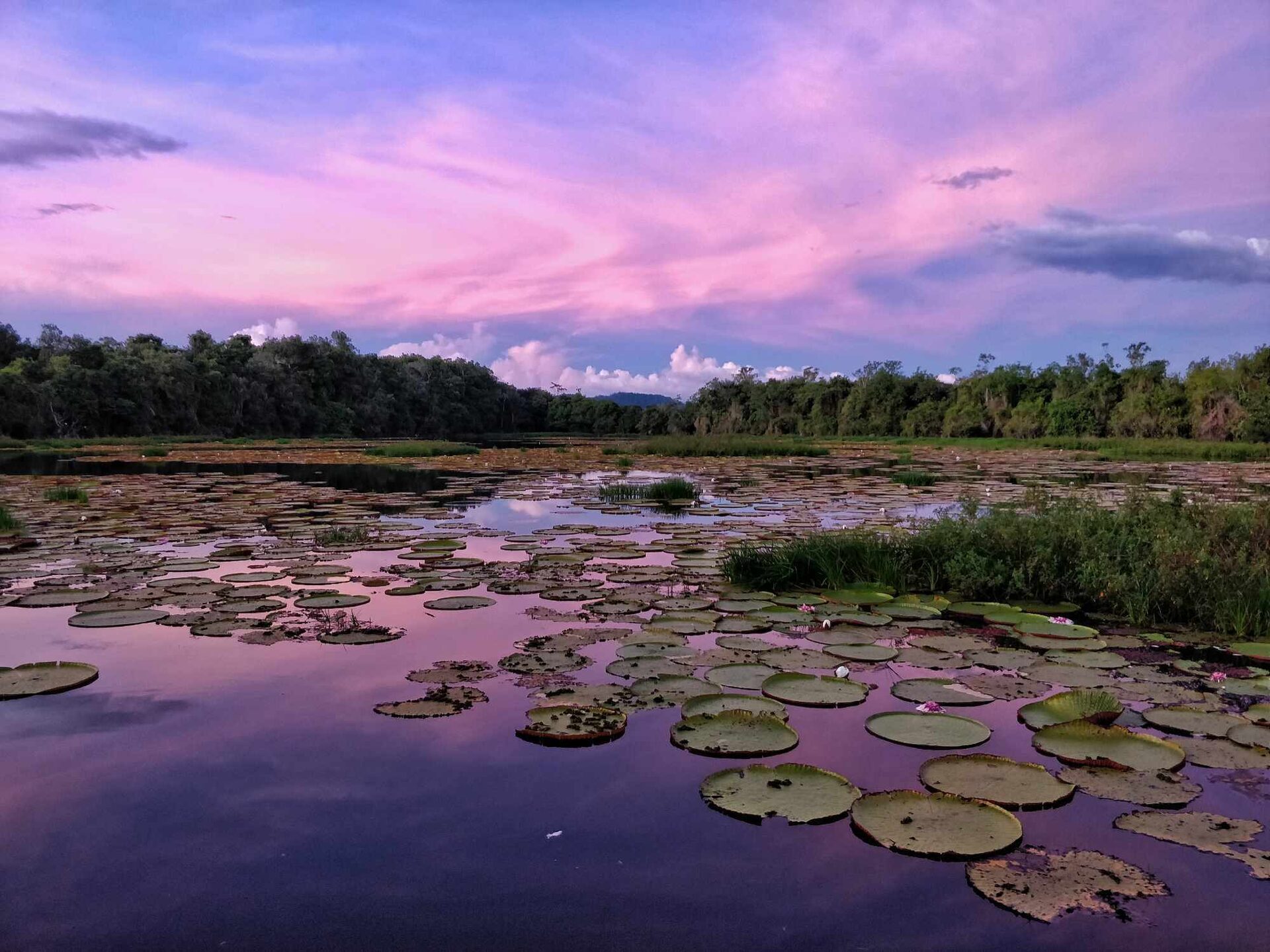
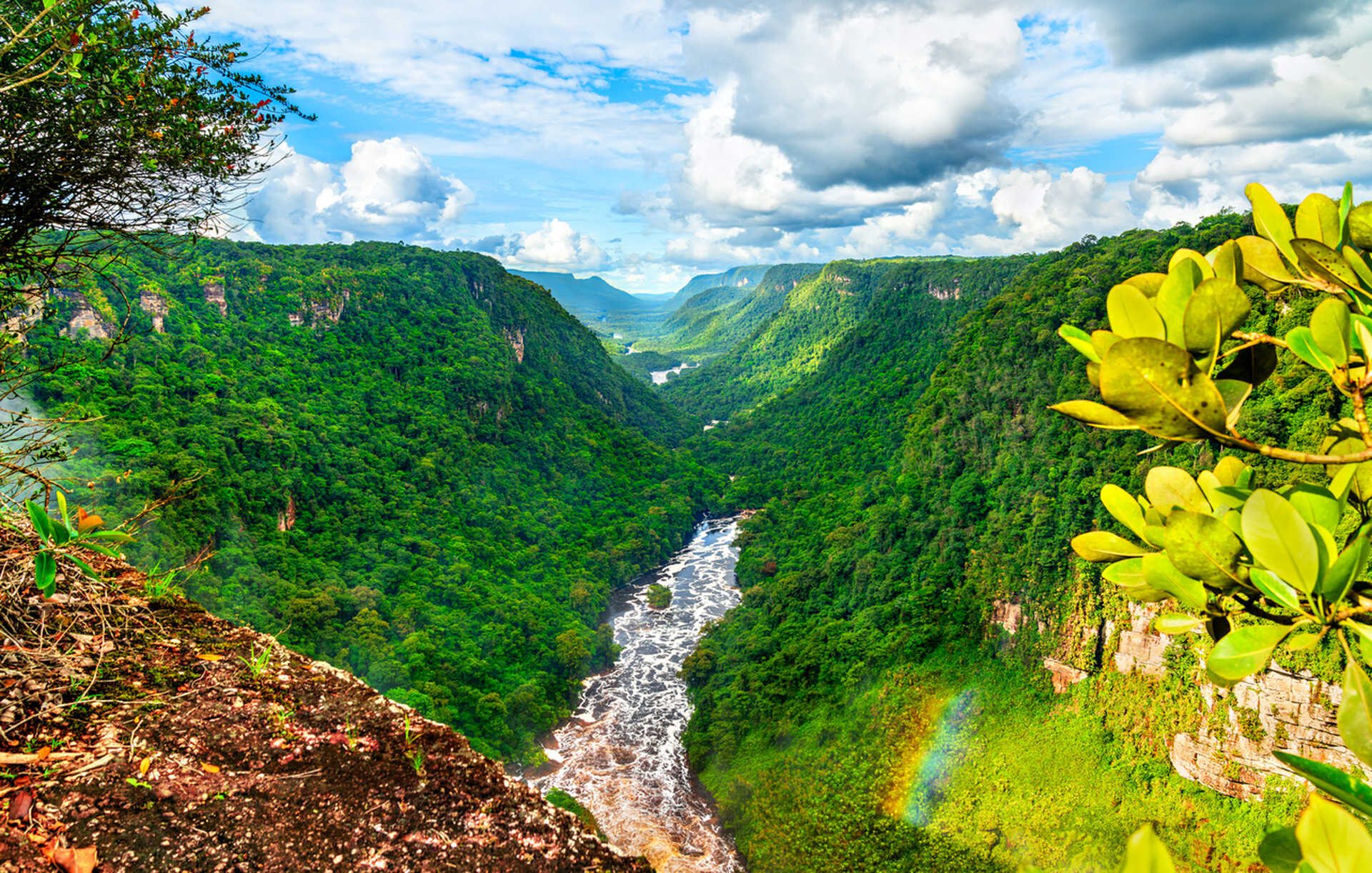
Guyana is a unique English-speaking country on South America's northeastern Atlantic coast , more culturally Caribbean than South American, with British colonial heritage, Indian and African diaspora communities, and Amerindian indigenous people. US citizens enjoy visa-free access. Guyana has undergone dramatic economic transformation since the discovery of major offshore oil reserves in 2015 , it has one of the world's fastest growing economies. Tourism is still nascent, focusing on ecotourism: Kaieteur Falls (one of the world's largest single-drop waterfalls), the Rupununi savannah, Iwokrama rainforest, and wildlife (giant river otters, arapaima fish, harpy eagles, jaguars). Guyana is one of the Amazon basin's most pristine wilderness areas.
How to Get There
Suriname (former Dutch colony, similar Caribbean-South American character) borders Guyana to the east and is accessible by ferry across the Corentyne River. Brazil borders Guyana to the south , the overland route to Boa Vista (Brazil) is passable in the dry season. Trinidad and Tobago (1.5 hours by flight from Georgetown) is a natural Caribbean companion destination.
Money & Banking
Guyana uses the Guyanese dollar (GYD). The GYD trades at approximately 210 GYD per USD. Cash (USD or GYD) is the primary currency , card acceptance is limited in Georgetown and very limited outside the capital. Guyana is generally affordable, though Georgetown has seen price increases due to the oil boom. Accommodation in Georgetown from $60-120 USD/night for decent hotels.
Practical Tips
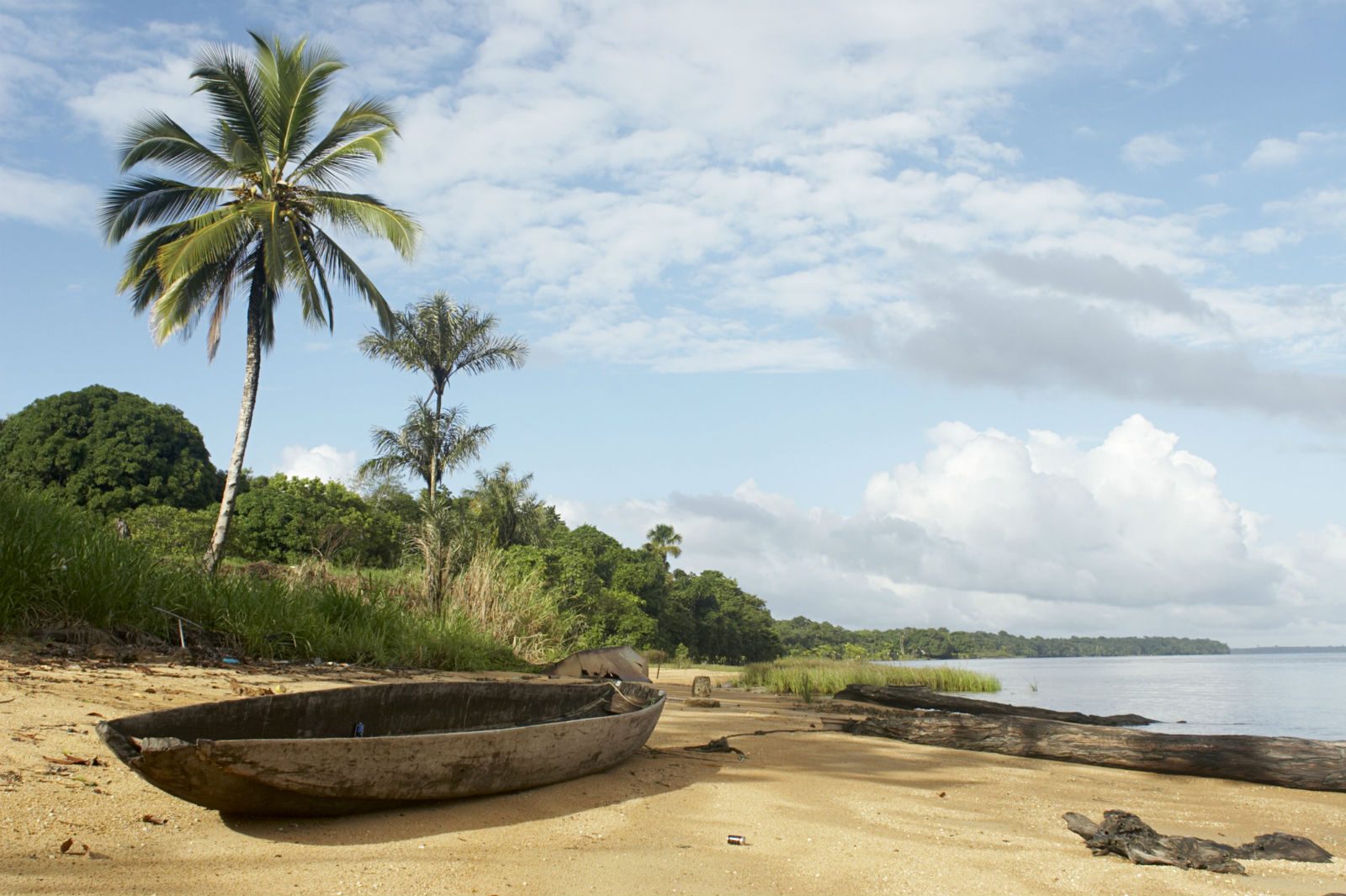
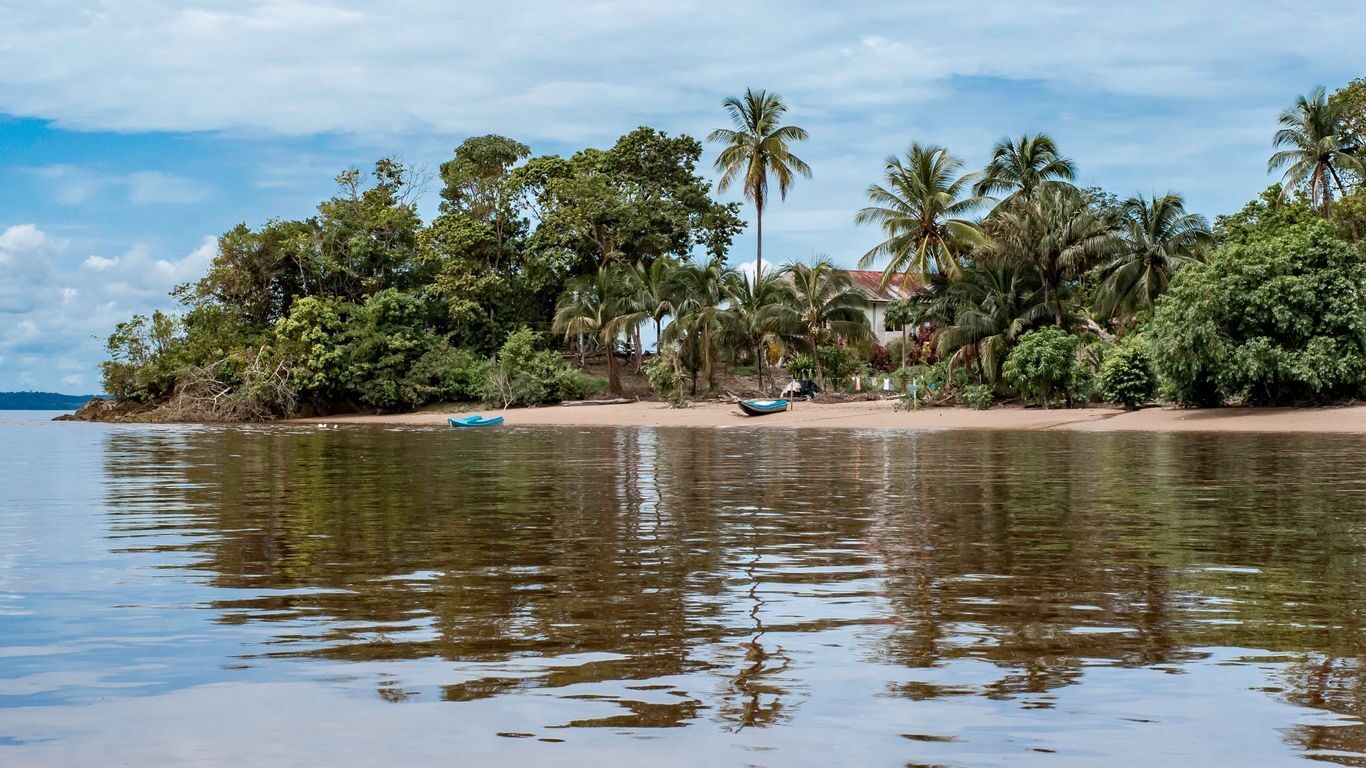
Kaieteur Falls, deep in the Guyanese interior, is five times the height and twice the width of Niagara Falls , one of the world's great waterfalls and remarkably little-visited. The Rupununi savannah (Amerindian villages, giant anteaters, giant otters, caiman) is world-class wildlife territory. Georgetown's St. George's Cathedral is one of the world's tallest wooden churches. The Amerindian cultures of the interior (Wai-Wai, Makushi, Wapishana) offer extraordinary cultural experiences for adventure travelers. Guyana is NOT a beach destination , its coastline is brown from Amazon and Essequibo River sediment.
Frequently Asked Questions
Do US citizens need a visa to visit Guyana?
No, US citizens can visit Guyana for up to 90 days without a visa. You'll need a passport valid for at least 6 months and may be asked for proof of return travel. Guyana is South America's only English-speaking country (a former British colony), making it uniquely accessible for American travelers. The country offers pristine rainforest, waterfalls, and wildlife with developing ecotourism infrastructure.
Do US citizens need a visa for Guyana?
No. US passport holders can visit Guyana visa-free for up to 90 days. Present your US passport on arrival in Georgetown.
What is Kaieteur Falls and how do I visit?
Kaieteur Falls is one of the world's most powerful waterfalls, dropping 226 meters (741 feet) in a single plunge, about five times the height of Niagara Falls. Located in Kaieteur National Park in Guyana's remote interior, it's accessible only by small charter plane from Georgetown (about 1 hour flight). Day trips typically cost $250-400 per person and include flight, park entry, and guided walk to multiple viewing points. The falls are spectacularly uncrowded compared to famous waterfalls elsewhere. Golden frogs and cock-of-the-rock birds live in the surrounding forest.
Is Guyana good for ecotourism?
Yes. Guyana is one of the world's premier ecotourism destinations for serious nature travelers. Kaieteur Falls, the Rupununi savannah, and the Iwokrama rainforest offer exceptional wildlife and wilderness experiences with minimal tourist crowds. Tourism infrastructure is limited but improving.
What wildlife can I see in Guyana?
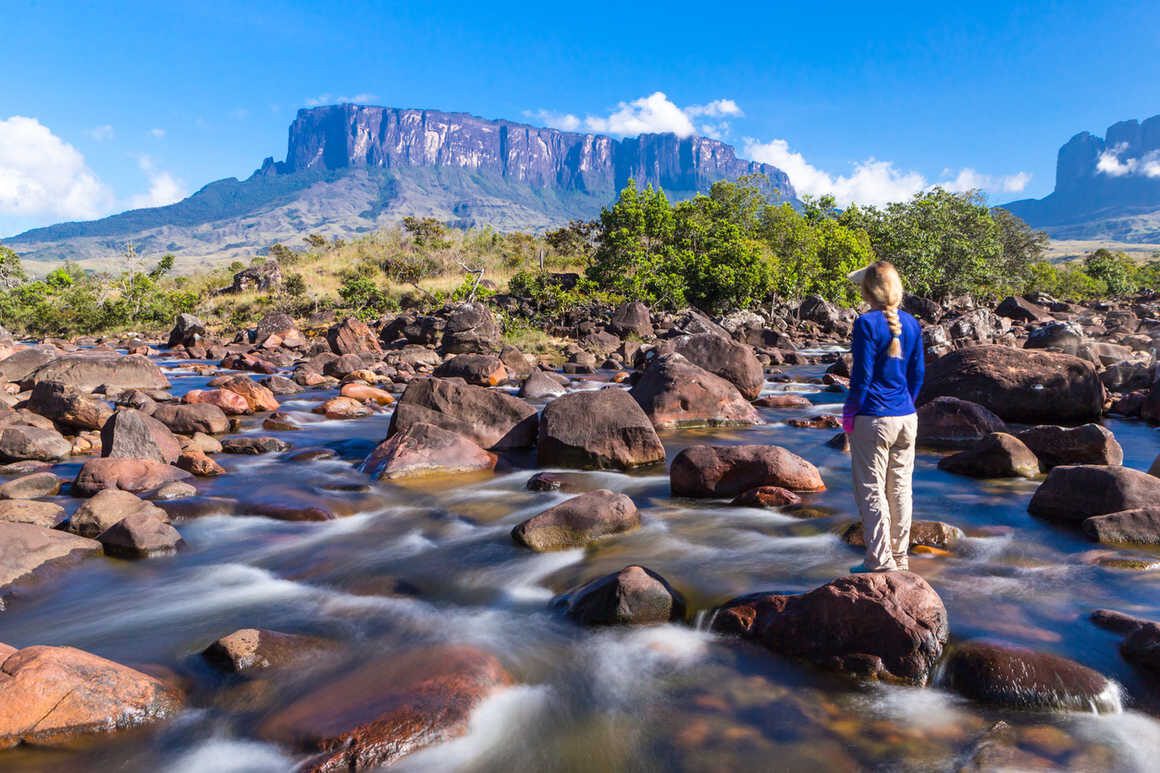
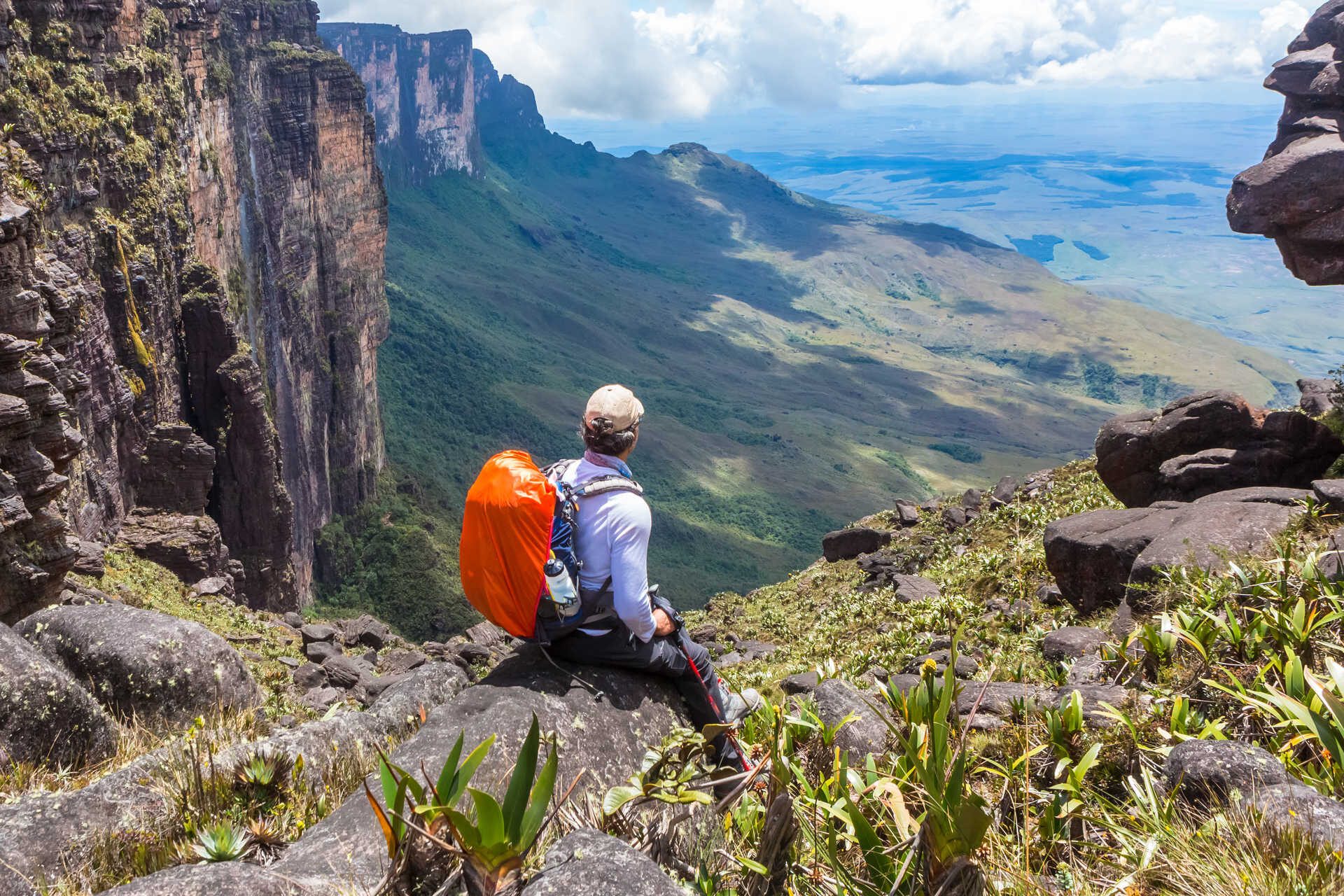
Guyana's interior is pristine rainforest with exceptional wildlife. Jaguars are more commonly spotted here than almost anywhere else in their range. Giant otters, giant anteaters, tapirs, monkeys, and caimans inhabit the rivers and forests. Over 800 bird species include harpy eagles, macaws, and the brilliant cock-of-the-rock. The Rupununi savanna offers different wildlife viewing. Several eco-lodges offer wildlife expeditions with knowledgeable guides. This is not mass tourism; expect authentic jungle experiences with basic but comfortable accommodations and small group sizes.