Guinea-Bissau Visa RequirementsFor United States passport holders
US citizens can obtain a visa on arrival in Guinea-Bissau for $85, valid for up to 90 days. Guinea-Bissau is one of West Africa's smallest and least-visited countries, known for its Bijagos Archipelago.
United States passport holders can obtain a Visa on Arrival at Guinea-Bissau ports of entry.
Visa on arrival is available at Bissau airport and some border crossings. Fee: approximately $85 (USD or Euros accepted). Required: valid US passport, return/onward ticket, and accommodation confirmation. An advance visa can also be obtained through Guinea-Bissau embassies (the nearest for US citizens is typically in New York or via Lisbon). No e-visa system currently exists.
Entry Requirements
Passport Validity
6 months beyond date of entry
Blank Pages
2 blank pages required
Multiple Entry
Single entry only
Work Permitted
No - requires work visa
Entry Conditions
Valid passport, yellow fever certificate, return ticket, and visa fee in cash.
Required Documents
Valid US Passport
Must be valid for at least 6 months beyond your arrival date with at least 2 blank pages
Passport-size Photos
Two recent color photos (2x2 inches or 35x45mm). Bring extra copies as requirements may vary
Completed Arrival Card
Immigration arrival/departure card provided on flight or at port of entry
Proof of Accommodation
Hotel reservation, booking confirmation, or address where you will be staying
Return or Onward Flight Ticket
Confirmed flight booking showing departure from the country within visa validity
Visa Fee (Cash)
Payment for visa on arrival fee - bring exact amount in USD or local currency
Proof of Sufficient Funds Recommended
Cash, credit cards, or bank statements showing adequate funds for your stay
Travel Insurance Recommended
Recommended coverage for medical emergencies during your trip
Travel Essentials
Health & Safety
Safety Rating
Vaccinations
Hepatitis A, Hepatitis B, Typhoid, Malaria prophylaxis, Rabies
Tap Water
Bottled water recommended
Safety Tips
Guinea-Bissau has experienced political instability including coups, though the situation has been calmer recently. Bissau is generally safe but petty crime exists. The interior has poor infrastructure. The Bijagós Islands are peaceful and welcoming. Check current political situation before travel.
Money & Costs
Currency
CFA West African CFA Franc (XOF)
Daily Budget (USD)
Budget: $35 · Mid: $70 · Luxury: $150+
Tipping
Tipping is appreciated but not mandatory. Small tips for guides and good service are welcome.
Practical Info
Power
Type C, 220V 50Hz
Driving
Right side
Emergency
117 (Police), 118 (Fire), 119 (Medical)
Getting There
Main Airports
Bissau (OXB)
Culture & Travel Tips
Best Time to Visit
The best time to visit Guinea-Bissau is during the dry season from November to May. December to February offers ideal conditions with little rain and pleasant temperatures. The rainy season (June-October) brings heavy rainfall that makes many roads impassable. The Bijagós Islands are best visited from November to April.
Cultural Notes
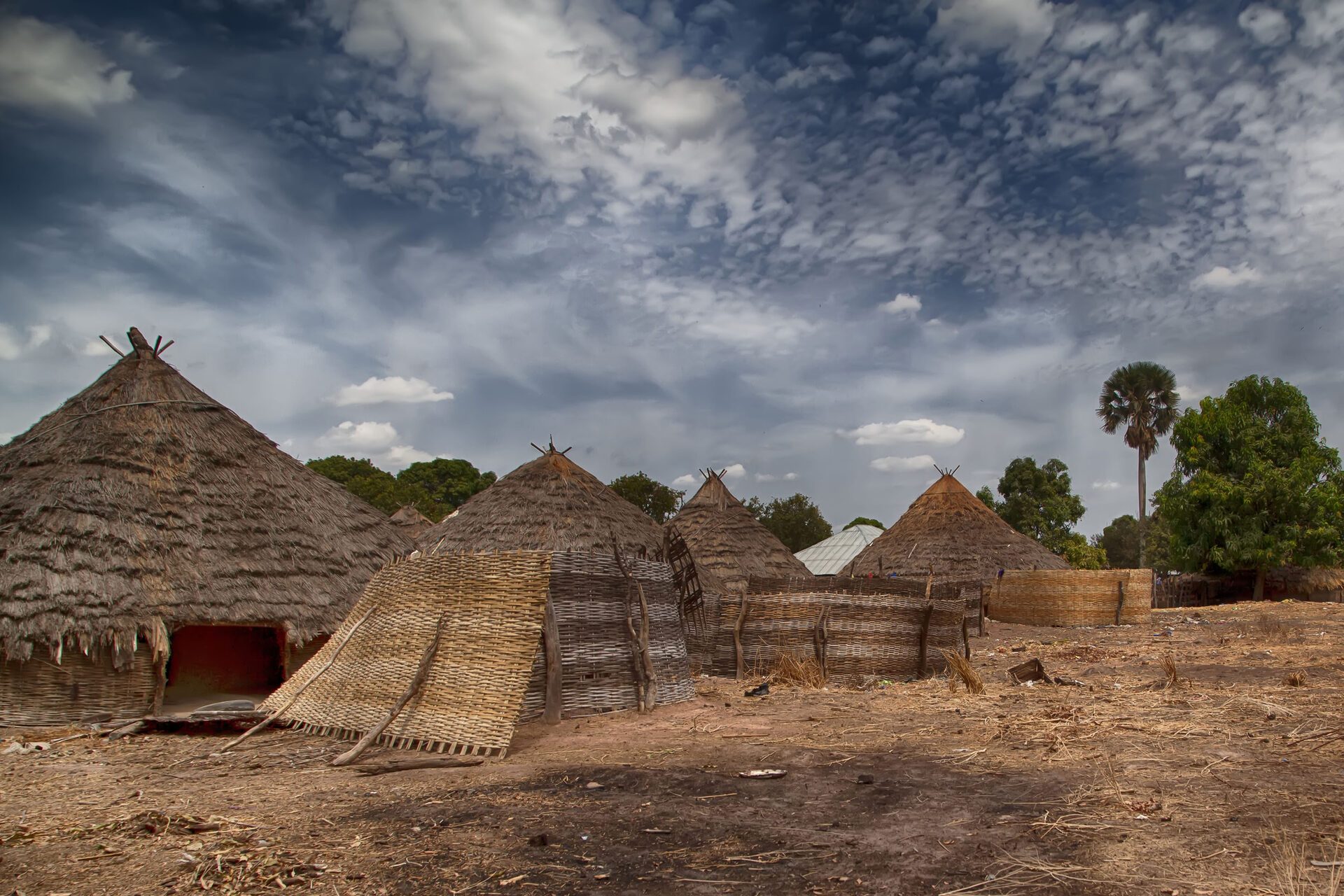
Guinea-Bissau has a rich cultural heritage blending Portuguese colonial influence with African traditions. The country is known for its music, particularly gumbe. The Bijagós Islands have unique animist traditions that have survived relatively intact. Traditional ceremonies and mask dances are important cultural expressions.
Insider Tips
Portuguese is the official language, making it easier for Spanish speakers. The West African CFA franc is the currency. Infrastructure is very limited - expect power outages and poor roads. Cashew season (March-June) is an important economic time. Travel between islands requires boats and advance planning.
Current Travel Situation
United States to Guinea-Bissau: What You Need to Know
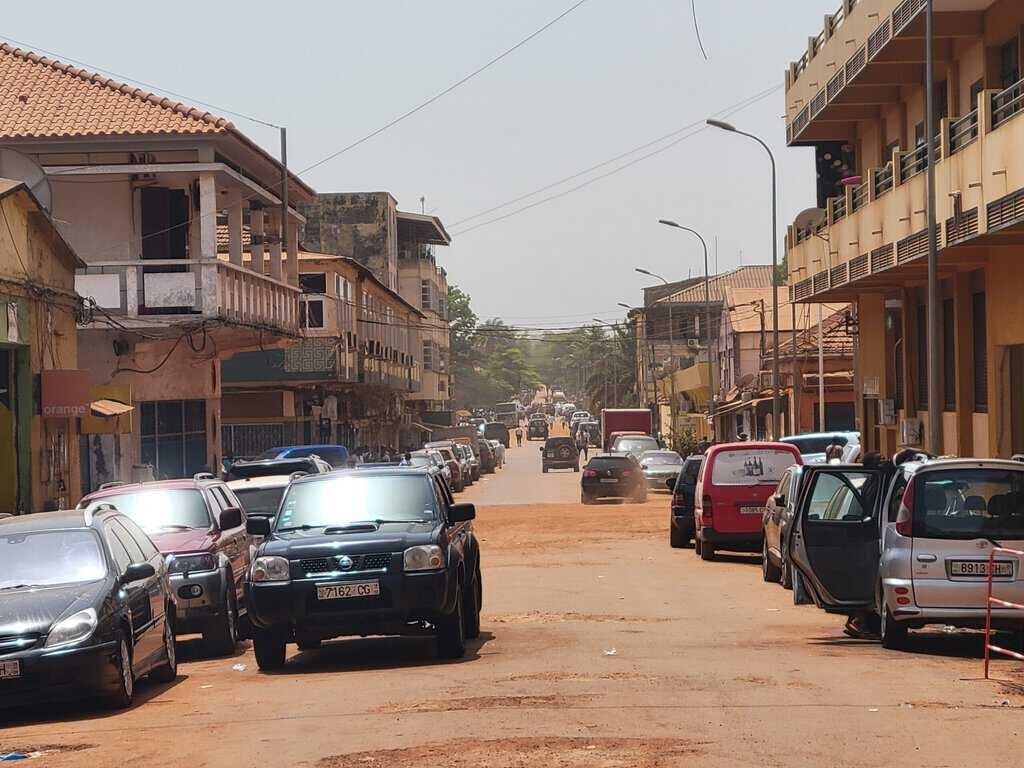
Guinea-Bissau is a small West African country bordering Senegal and Guinea, with a complex history of political instability; it has had more successful military coups than any other country in the world since independence in 1974. Despite the political turbulence, everyday security for tourists is manageable in the capital Bissau. Osvaldo Vieira International Airport (OXB) has connections from Lisbon (TAP), Casablanca (Royal Air Maroc), and regional West African cities including Dakar. The country has a unique heritage from its Creole (Crioulo) culture and the extraordinary Bijagos Archipelago, a UNESCO biosphere reserve.
How to Get There
Lisbon (LIS) via TAP Air Portugal is the most convenient gateway from Europe and the US. Dakar (Senegal) is 3-4 hours by road and has much better flight connections; many travelers fly to Dakar and travel overland to Bissau. Conakry (Guinea) is accessible by road from the south.
Money & Banking
Guinea-Bissau uses the West African CFA Franc (XOF), pegged to the Euro. USD and Euros can be exchanged at banks and hotels in Bissau. ATMs are very limited and unreliable, so bring adequate cash. Guinea-Bissau is one of West Africa's most affordable countries, though the Bijagos lodge prices can be higher.
Practical Tips
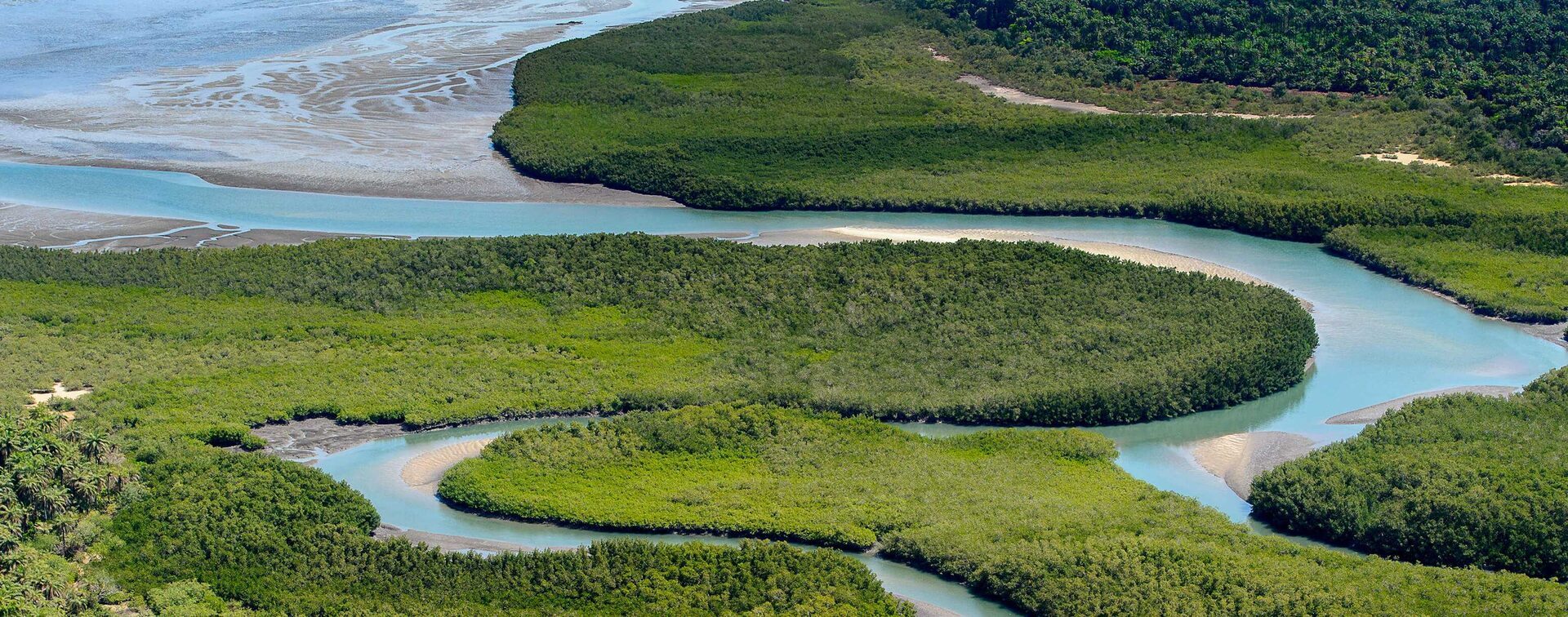
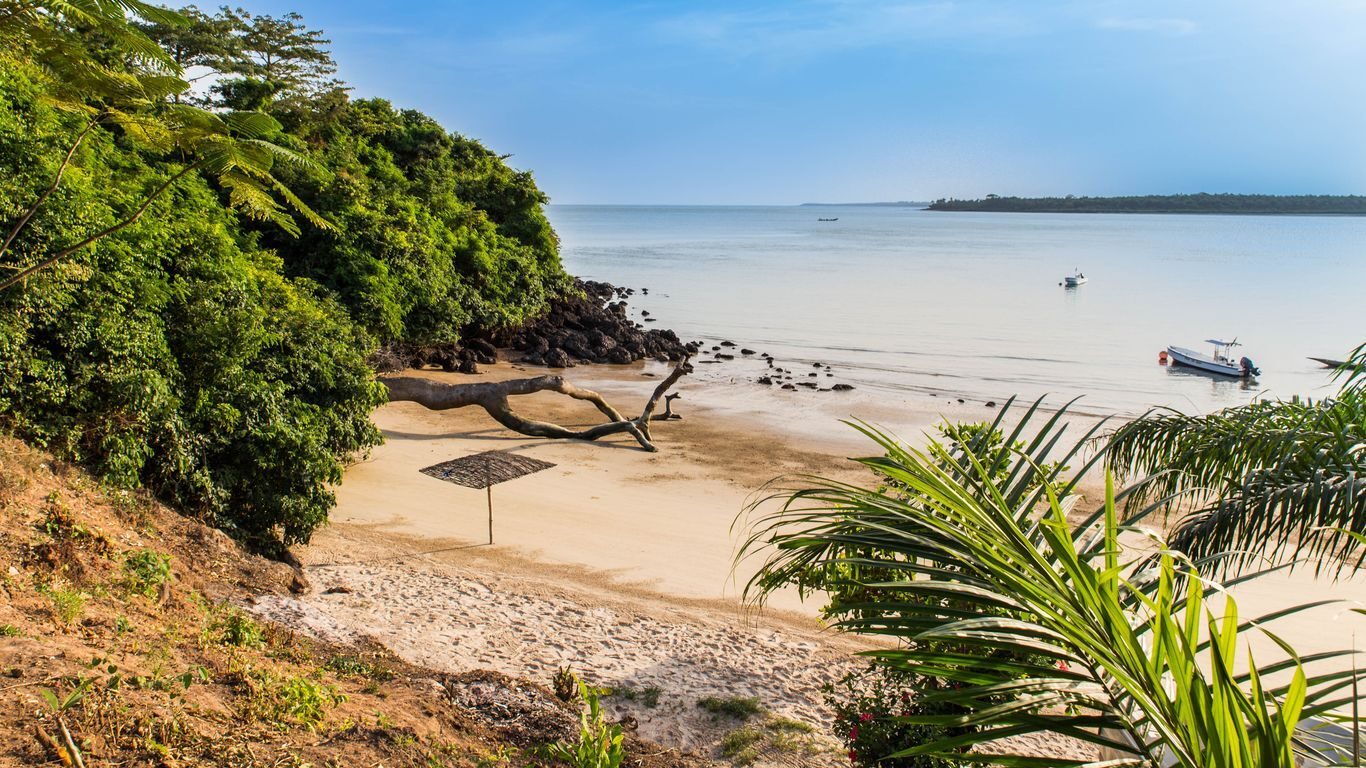
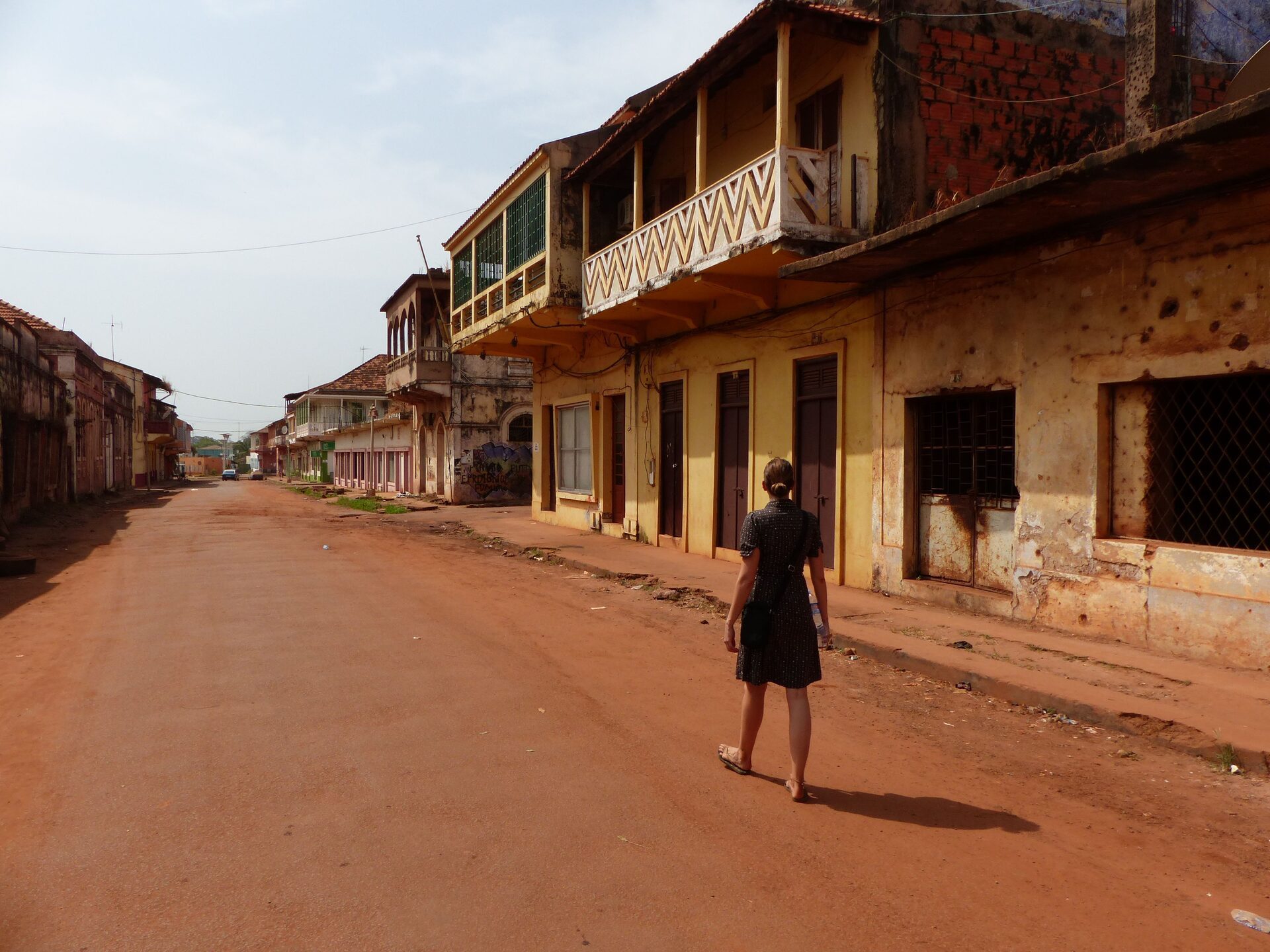
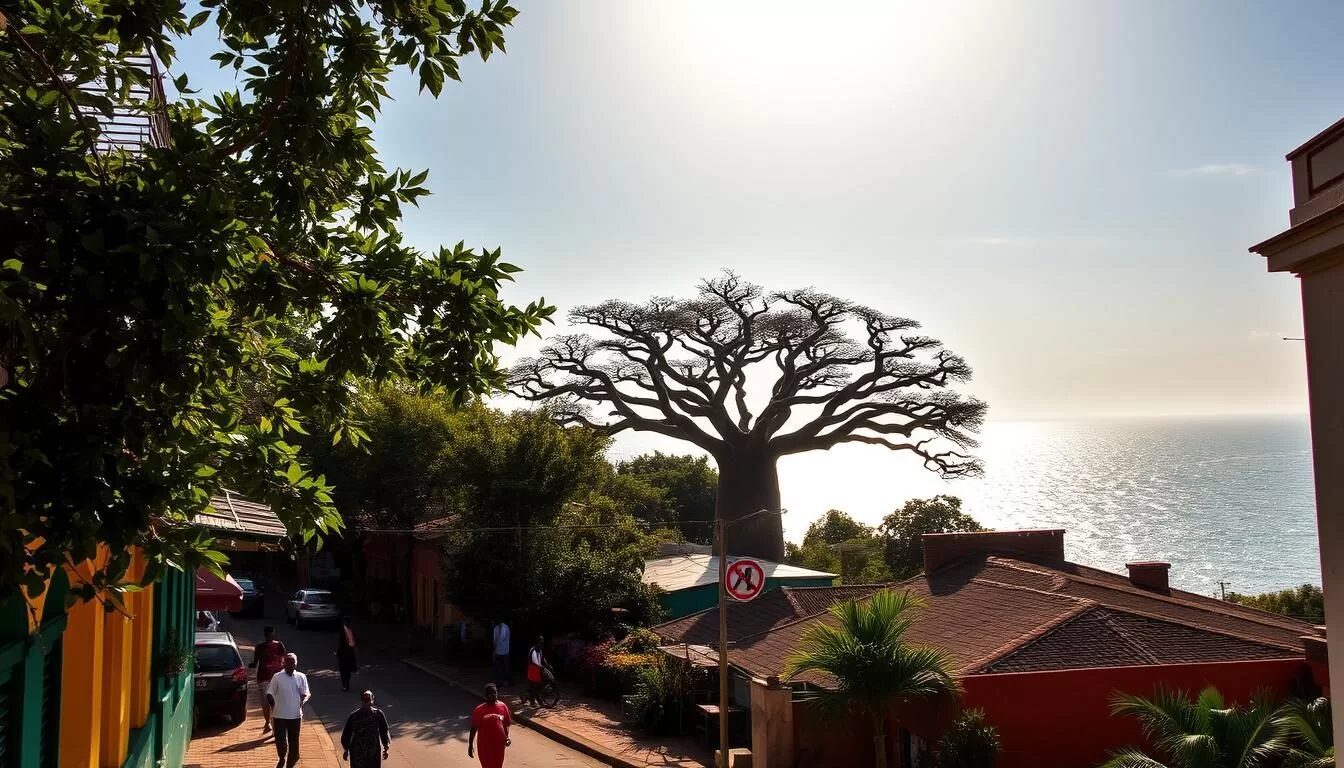
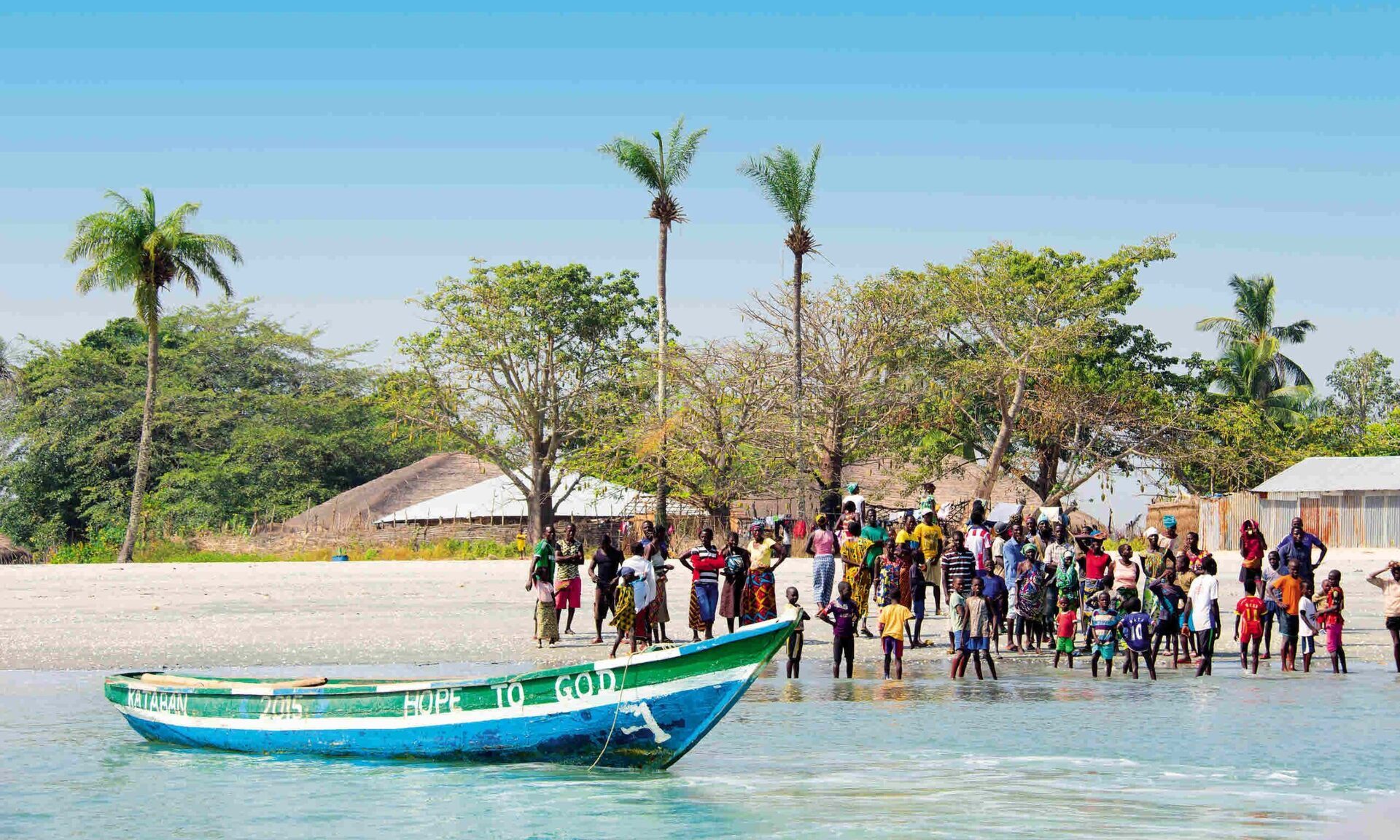
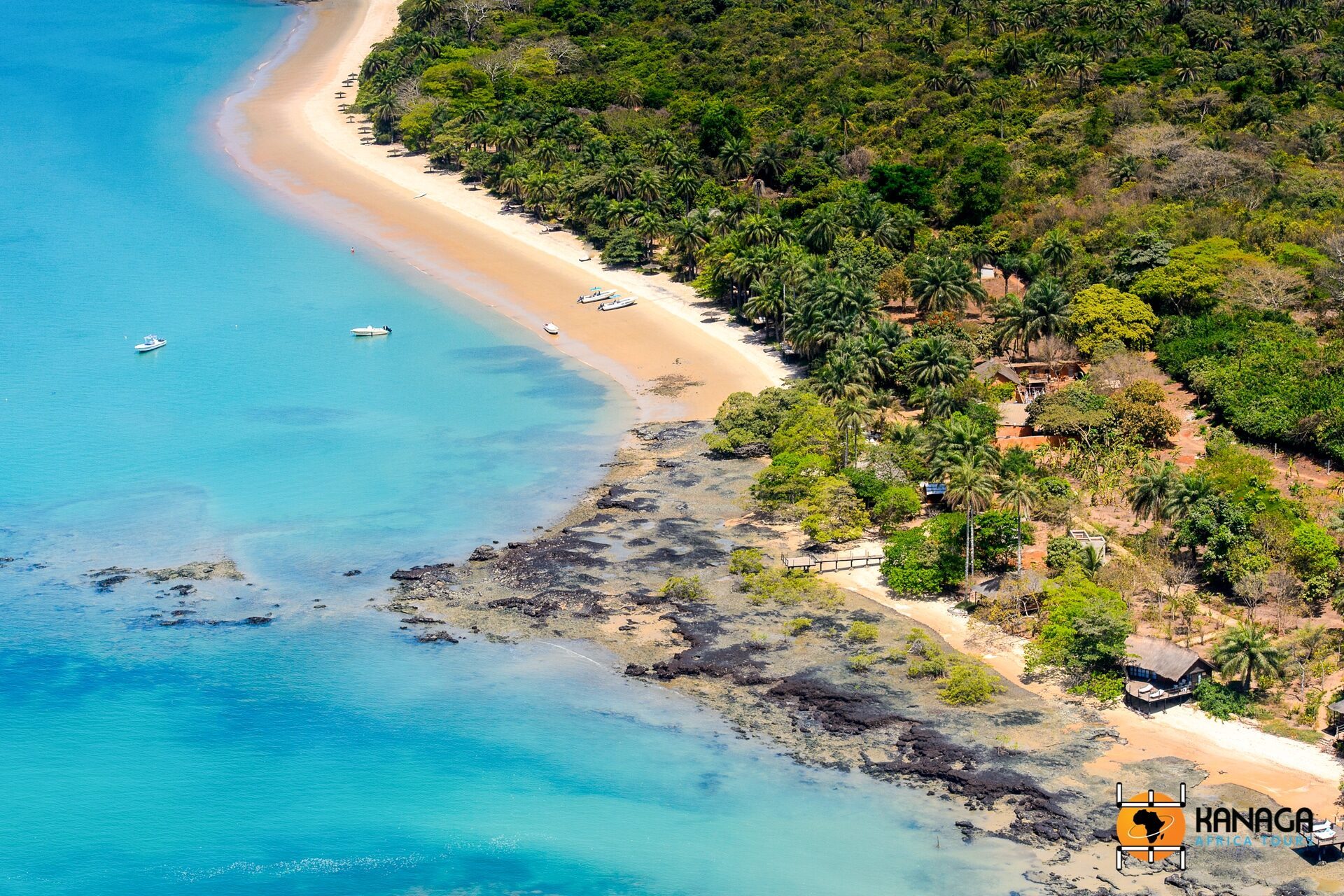
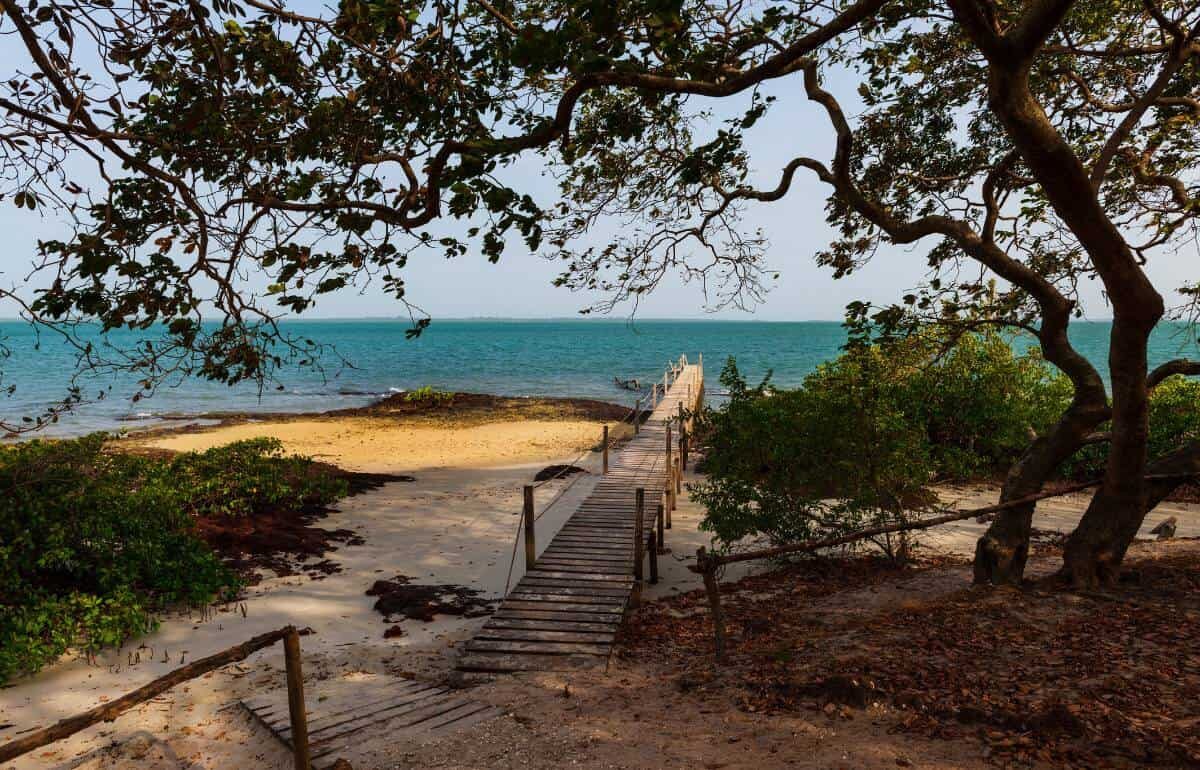
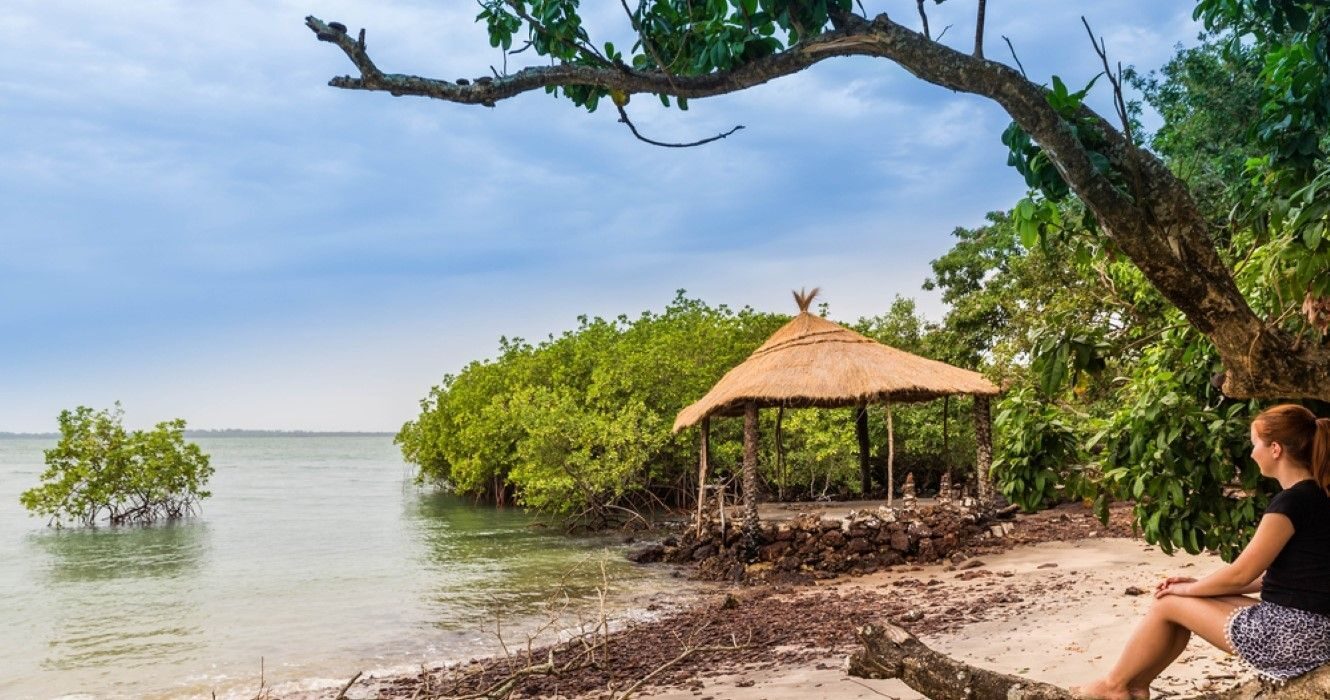
The Bijagos Archipelago (88 islands, 23 inhabited) is the country's crown jewel, a UNESCO biosphere reserve with extraordinary biodiversity including saltwater hippos (unique to the Bijagos), green sea turtles, saltwater crocodiles, rare birds, and near-pristine mangroves. Orango National Park on Orango Island is the best place to observe the endemic saltwater hippos. Bissau's old Portuguese colonial quarter (including the crumbling but atmospheric Fortaleza d'Amura) gives a sense of the country's history. The Carnaval in Bissau (February/March) is one of West Africa's most vibrant.
Frequently Asked Questions
What are the Bijagos Islands?
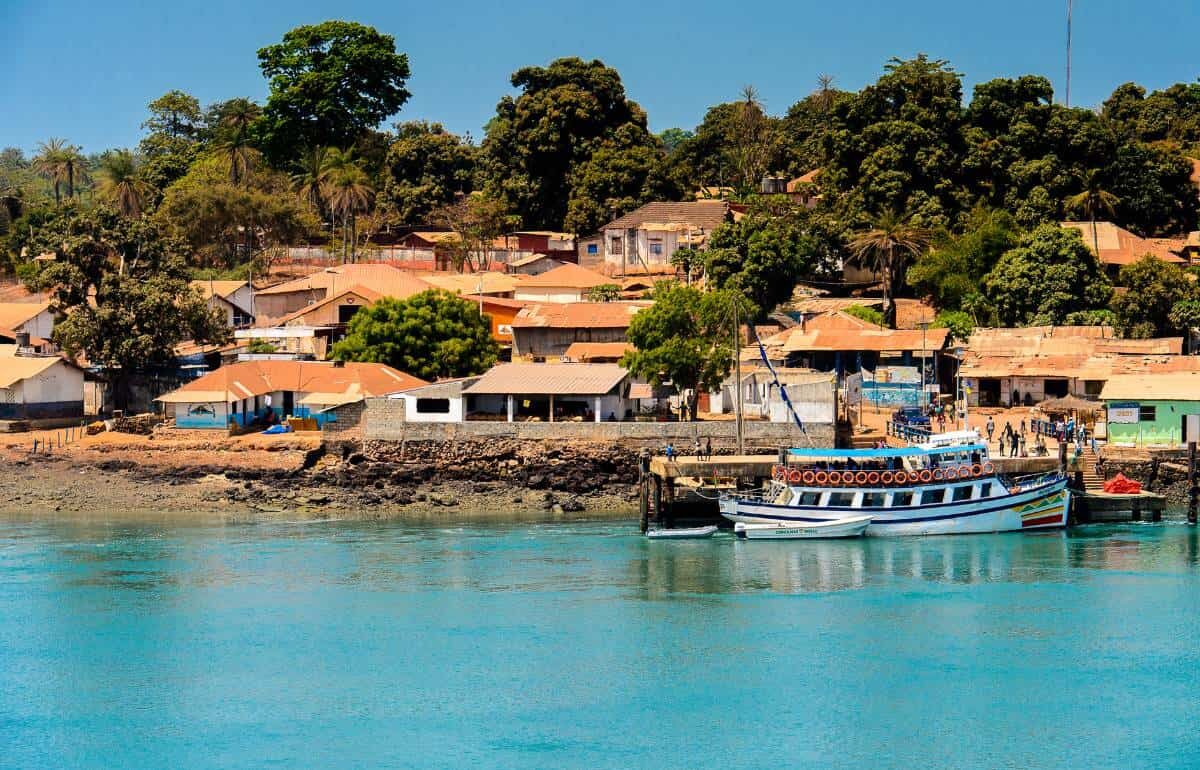
The Bijagos Archipelago is a group of 88 islands in the Atlantic Ocean off Guinea-Bissau's coast, forming a UNESCO biosphere reserve. The islands are famous for saltwater hippos (a unique population that lives in the sea, unlike any other hippos), green sea turtles, rare birds, saltwater crocodiles, and extraordinary untouched mangrove and savanna ecosystems. The Bijagos people maintain strong traditional animist cultures.
Are there really hippos living in the sea in Guinea-Bissau?
Yes. The saltwater hippos (hippopotamus amphibius) of the Bijagos Islands in Guinea-Bissau are the only known population of hippos that regularly swims in saltwater and lives on Atlantic islands. They feed on marine algae and grasses on the islands, swim between islands, and have adapted to the coastal marine environment. Orango Island is the best place to observe them.
How do I get to the Bijagos Islands?
From Bissau, the Bijagos Islands are reached by small boat or charter pirogues. Some lodges operate their own boat transfers. Travel times vary from 2-8 hours depending on the island. A few islands (Bubaque, Bolama) have small airstrips with light aircraft connections from Bissau. Most visitors book through specialized eco-lodges that include transfers.