Guinea Visa RequirementsFor United States passport holders
US citizens require a visa to visit Guinea (Guinea-Conakry). The tourist visa fee is approximately $100 and must be obtained in advance. The US State Department advises increased caution (Level 2) due to crime and political instability.
United States passport holders require a visa to enter Guinea.
Apply at the Guinea Embassy in Washington D.C. Required: completed visa application, valid US passport (6+ months validity), two passport photos, yellow fever certificate, return ticket, hotel confirmation, bank statement, and approximately $100 fee. Processing takes 5-7 business days. No e-visa is available. Invitation letters from local contacts or tour operators speed up the process.
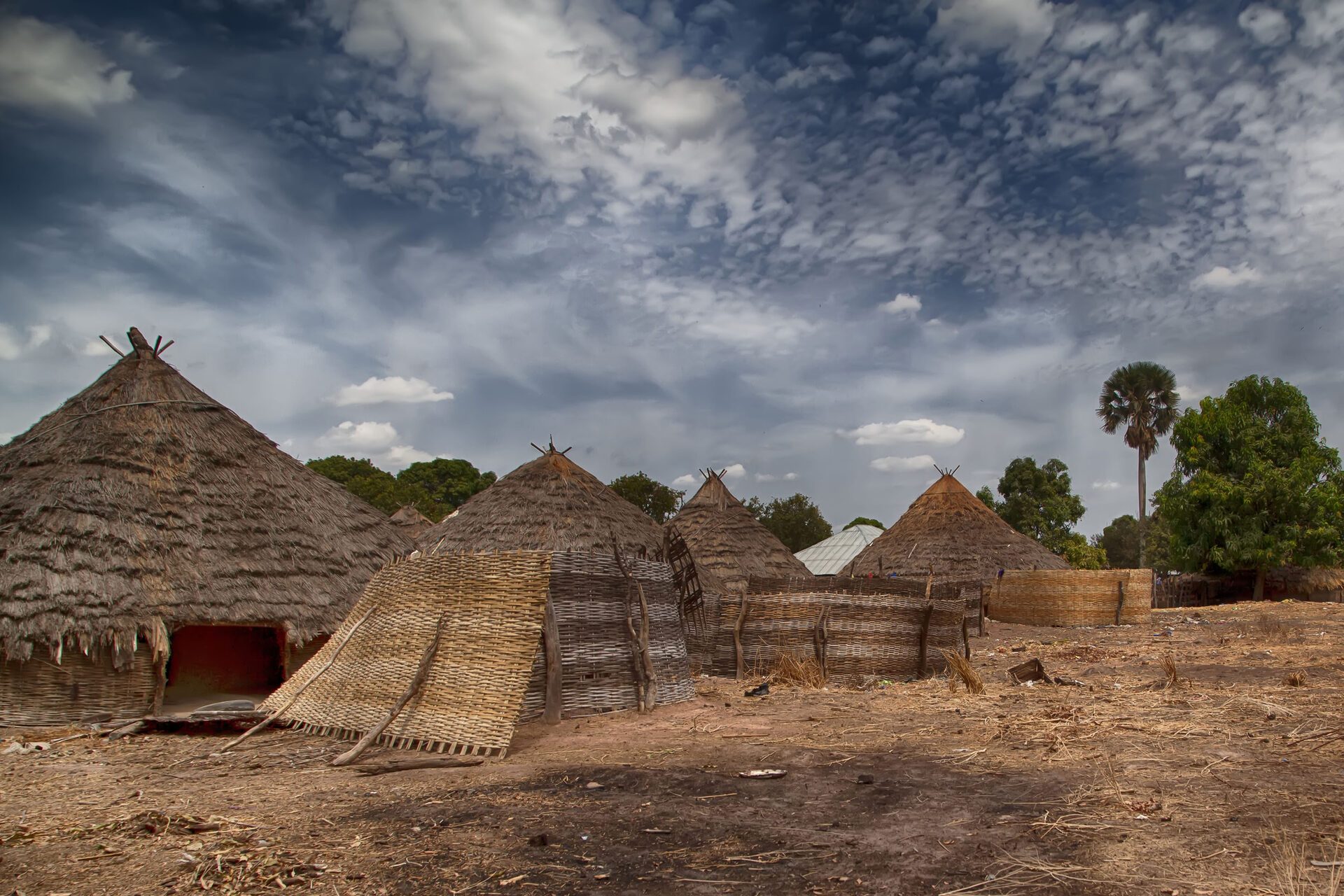
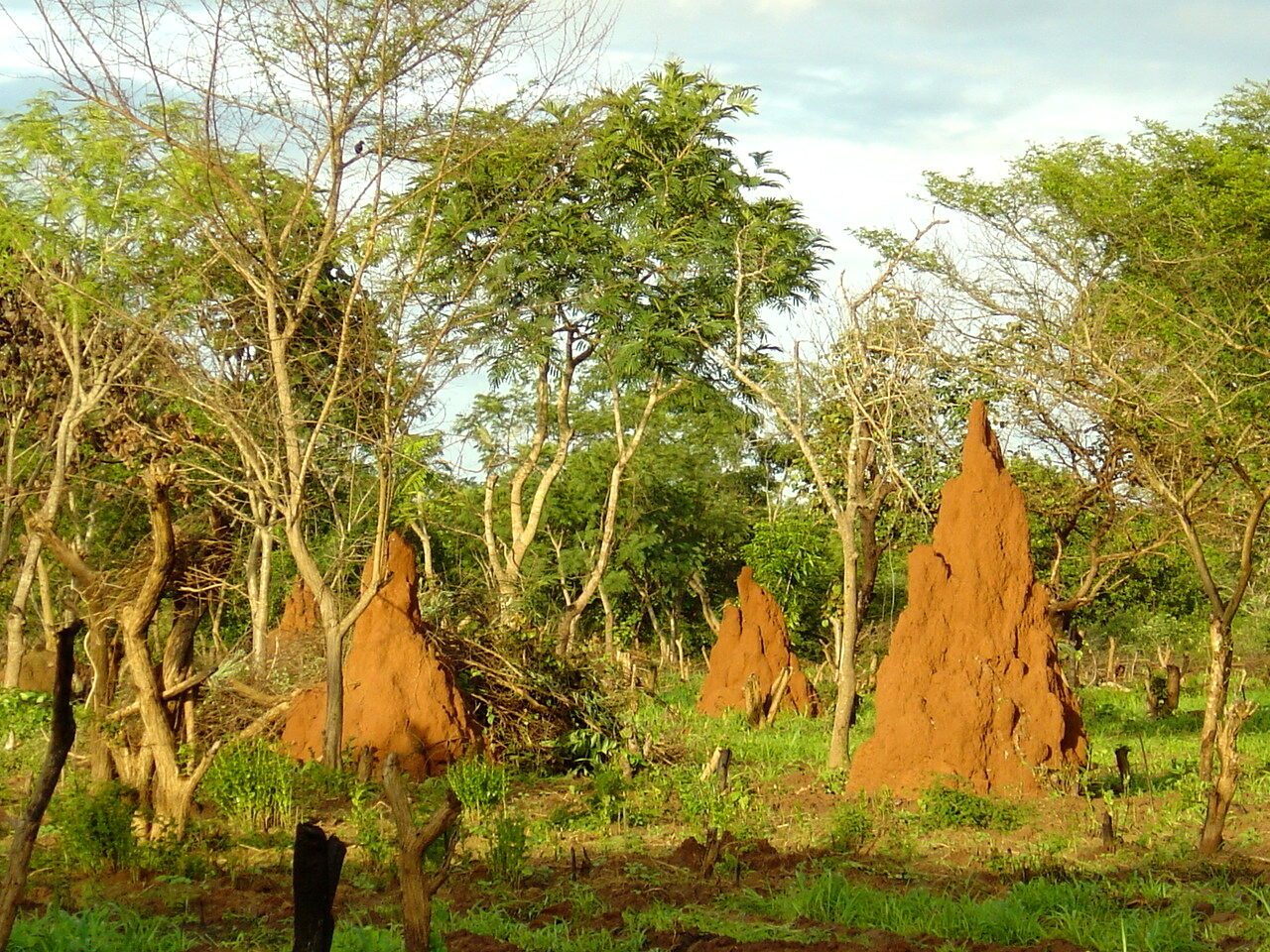
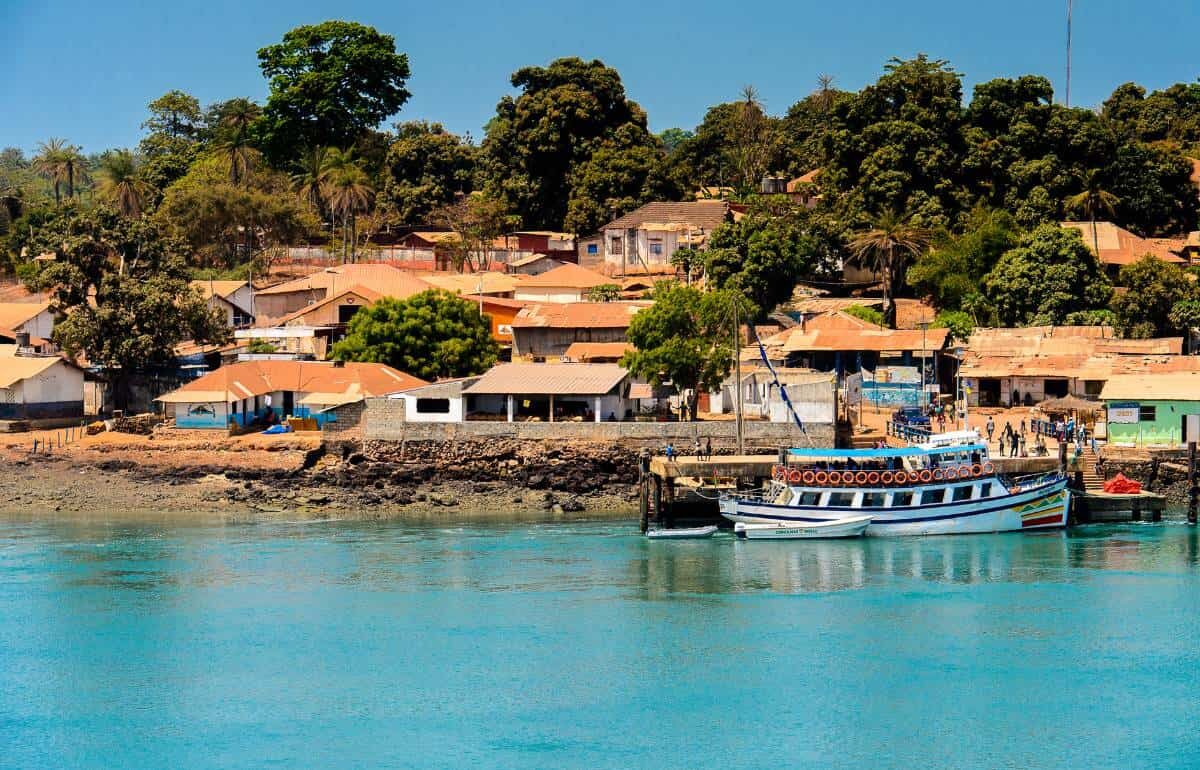
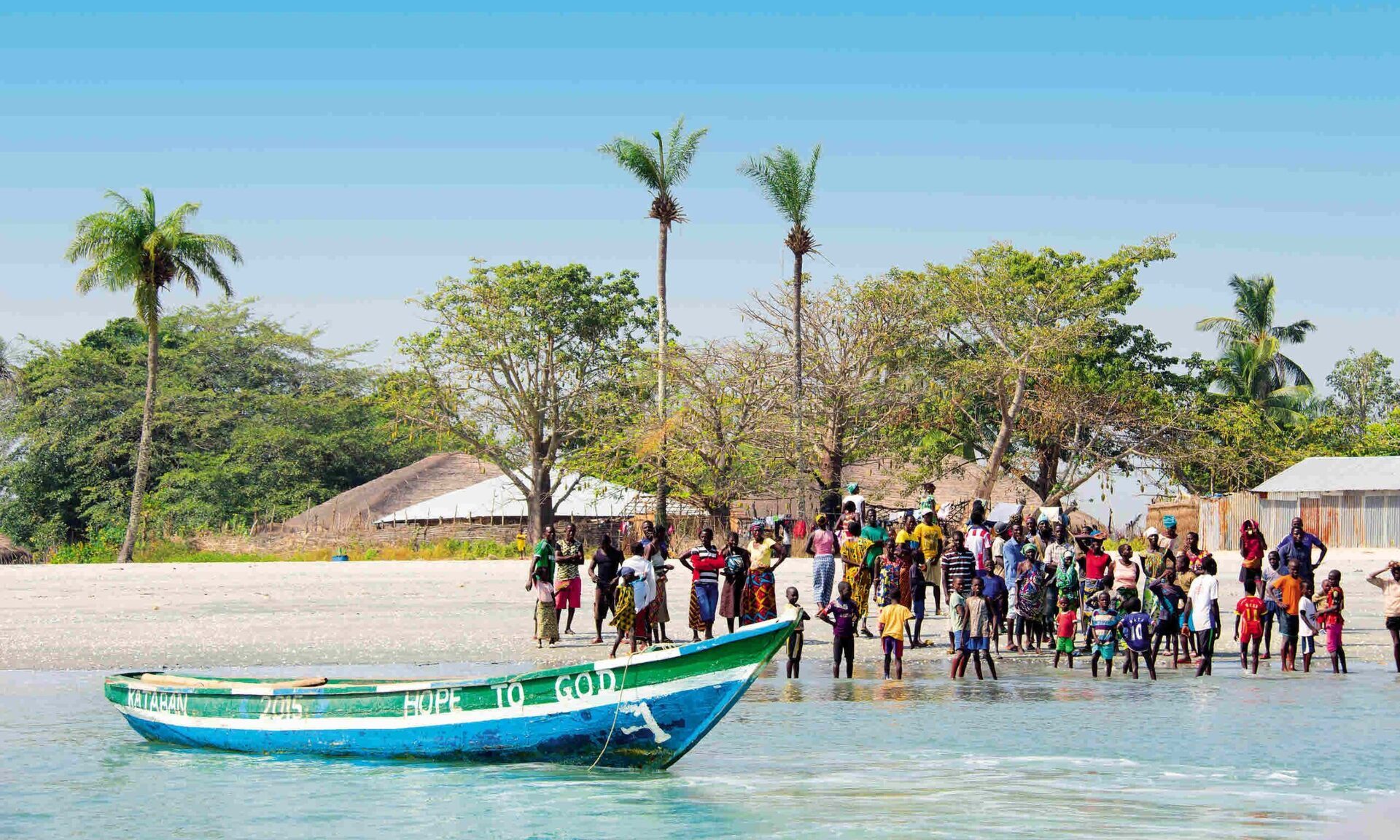
Entry Requirements
Passport Validity
6 months beyond date of entry
Blank Pages
2 blank pages required
Multiple Entry
Single entry only
Work Permitted
No - requires work visa
Entry Conditions
Valid passport with 6 months validity, yellow fever certificate.
Required Documents
Valid US Passport
Must be valid for at least 6 months beyond your planned stay with at least 2 blank pages for visa stamps
Completed Visa Application Form
Fill out the official visa application form from the embassy or consulate
Passport-size Photos
Two recent color photos (2x2 inches or 35x45mm) with white background, taken within last 6 months
Proof of Accommodation
Hotel reservations, rental agreement, or invitation letter with host address
Proof of Sufficient Funds
Recent bank statements (last 3 months), credit card statements, or sponsorship letter
Round-trip Flight Itinerary
Confirmed return or onward flight booking showing departure from the country
Employment or Business Letter
Letter from employer stating position, salary, and approved leave dates, or business registration documents
Travel Insurance Recommended
Comprehensive travel insurance covering medical expenses and emergency evacuation
Cover Letter Recommended
Personal letter explaining purpose of visit, itinerary, and ties to home country
Travel Essentials
Health & Safety
Safety Rating
Vaccinations
Hepatitis A, Hepatitis B, Typhoid, Malaria prophylaxis, Meningitis, Rabies
Tap Water
Bottled water recommended
Safety Tips
Guinea has experienced political instability including a 2021 military coup. Exercise caution, especially in Conakry during demonstrations. Petty crime exists in urban areas. Border areas with Mali, Senegal, and Guinea-Bissau require extra caution. Check current advisories as the situation can change.
Money & Costs
Currency
FG Guinean Franc (GNF)
Daily Budget (USD)
Budget: $35 · Mid: $70 · Luxury: $150+
Tipping
Tipping is appreciated but not mandatory. Small tips for good service are welcome.
Practical Info
Power
Type C, F, K, 220V 50Hz
Driving
Right side
Emergency
117 (Police)
Getting There
Main Airports
Conakry (CKY)
Culture & Travel Tips
Best Time to Visit
The best time to visit Guinea is during the dry season from November to April. December to February offers ideal conditions with less humidity. The rainy season (May-October) brings heavy rainfall, especially in the Fouta Djallon highlands. The coast around Conakry is hot and humid year-round.
Cultural Notes
Guinea has a rich musical heritage as the birthplace of West African styles that influenced global music. The Mandinka, Fula, and Susu are major ethnic groups with distinct traditions. Traditional instruments include the balafon, kora, and djembe drums. Greetings and hospitality are important cultural values.
Insider Tips
French is the official language. The Guinean Franc is the currency - bring cash as ATMs are unreliable. Guinea has beautiful natural attractions but limited tourism infrastructure. Travel can be challenging with poor roads, especially during rainy season. Guides are recommended for trekking.
Current Travel Situation
United States to Guinea: What You Need to Know
Guinea (officially Republic of Guinea, also known as Guinea-Conakry to distinguish from neighboring Guinea-Bissau and Equatorial Guinea) is a West African nation with one of the world's largest deposits of bauxite (aluminum ore). A military coup in September 2021 overthrew President Alpha Conde after he controversially altered the constitution to allow a third term. The transitional military government has delayed elections. Conakry International Airport (CKY) is served by Air France, Brussels Airlines, Ethiopian Airlines, and regional West African carriers. The US State Department advises Level 2 (Increased Caution).
How to Get There
Paris (CDG) via Air France and Addis Ababa via Ethiopian Airlines are the primary connection hubs. Brussels Airlines also connects. Regional connections from Dakar (Senegal), Abidjan (Ivory Coast), and Freetown (Sierra Leone) are available. Guinea is often combined with other West African destinations.
Money & Banking
Guinea uses the Guinean Franc (GNF). USD and Euros can be exchanged at banks and hotels in Conakry. ATMs are available in the capital but unreliable. Cash is essential throughout the country. Guinea is moderately priced: local restaurant meals cost $4-8 but upscale hotels in Conakry run $80-200/night.
Practical Tips
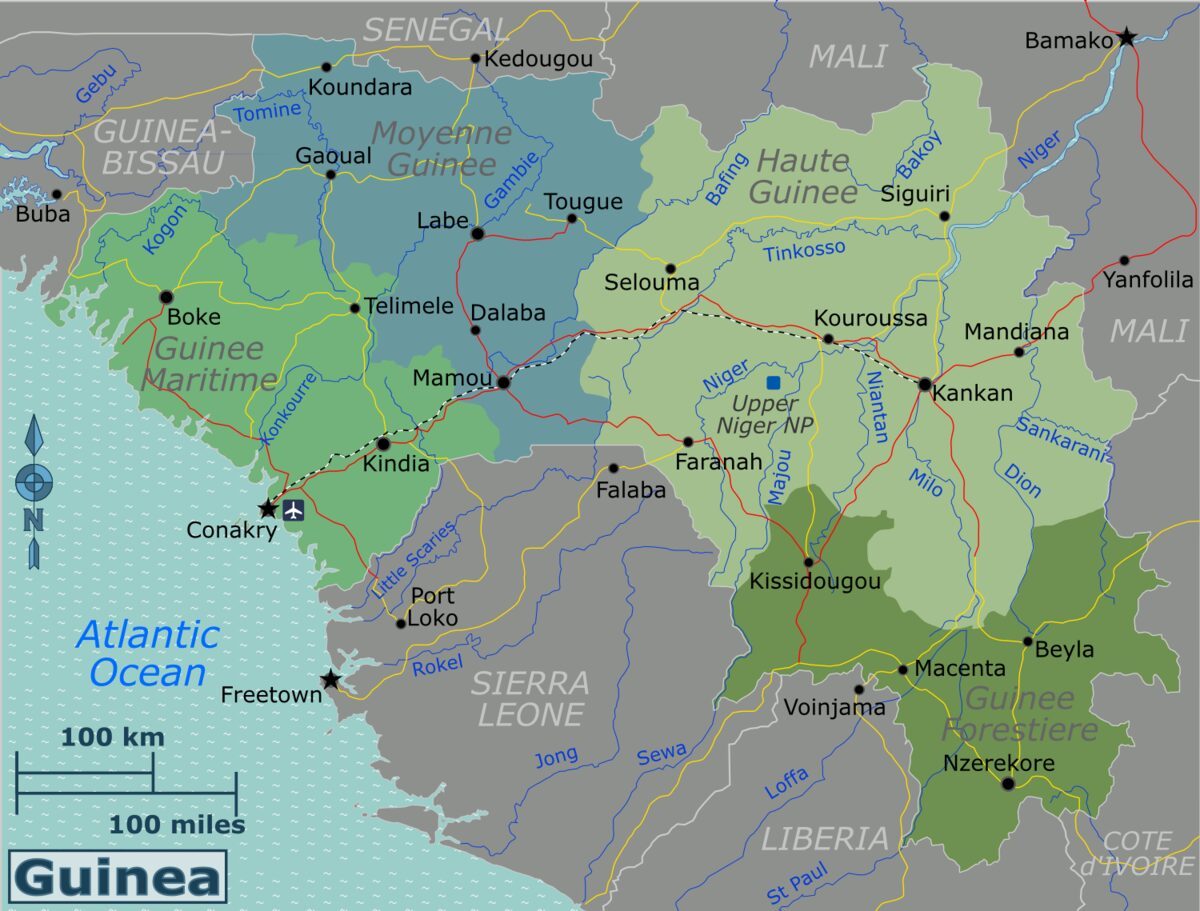
Fouta Djallon (Fouta Djalon) highlands in central Guinea offer excellent trekking through waterfalls, traditional Peul (Fulani) villages, and spectacular mountain scenery, one of West Africa's most underrated trekking destinations. The Simandou Range in the east contains extraordinary bauxite deposits and pristine forest. Conakry has a vibrant music scene; Guinea is the birthplace of Manding music traditions and many famous African musicians. The Baga and Kissi masks of coastal and forest Guinea are among West Africa's most powerful art forms.
Frequently Asked Questions
Is Guinea the same as Papua New Guinea or Equatorial Guinea?
No. There are three different countries with Guinea in their name: Guinea (Guinea-Conakry, West Africa), Guinea-Bissau (neighboring West African country), and Equatorial Guinea (Central Africa). Papua New Guinea is a completely separate country in the Pacific. When people say "Guinea" without a qualifier, they usually mean Guinea-Conakry.
What is Fouta Djallon?
The Fouta Djallon (or Fouta Djalon) is a highland plateau in central Guinea, rising to over 1,500 meters. It is the source of several major West African rivers including the Senegal, Niger tributaries, and Gambia River. The highlands feature spectacular waterfalls (Chutes de Kinkon, Chutes de la Sala), traditional Peul villages, and excellent trekking. It is one of West Africa's most scenic and undervisited regions.
Is Guinea safe for tourists?
The US State Department advises Level 2 (Increased Caution) for Guinea following the 2021 military coup. Major protests occasionally occur in Conakry. Crime is present in the capital. Fouta Djallon and interior regions are generally calmer. Check current conditions with the US Embassy and hire local guides for interior travel.