Georgia Visa RequirementsFor United States passport holders
US citizens can visit Georgia (the country) visa-free for up to 365 days. Georgia is an ancient Caucasus nation offering world-class wine, spectacular mountain scenery, and extraordinary hospitality.
Great news! United States passport holders can enter Georgia without a visa for tourism or business purposes. You can stay up to 365 days.
No visa is required for US citizens for up to 365 days. Simply present your valid US passport on arrival at Tbilisi International Airport, Kutaisi International Airport, or at land border crossings. Georgia is not part of the Schengen Area , days spent in Georgia do not count toward the Schengen allowance. The generous 365-day allowance can be extended by temporarily leaving and re-entering. Many US citizens use Georgia as a base for extended stays in the South Caucasus region.
Entry Requirements
Blank Pages
1 blank page required
Multiple Entry
Allowed
Work Permitted
No - requires work visa
Entry Conditions
Passport valid for the duration of stay. No minimum validity requirement but 6 months recommended.
Fines for overstaying. Generally straightforward to resolve.
Required Documents
Valid US Passport
Must be valid for the duration of stay
Valid US Passport
Must be valid for at least 3-6 months beyond your planned departure date (varies by country)
Return or Onward Ticket
Proof of departure from the country, such as a return flight or onward travel booking
Proof of Onward Travel Recommended
Return or onward travel ticket — recommended but not strictly required
Proof of Accommodation Recommended
Hotel reservation, Airbnb booking, or address where you will be staying
Proof of Sufficient Funds Recommended
Credit cards, bank statements, or cash to cover expenses during your stay
Travel Insurance Recommended
Recommended for all international travel covering medical emergencies
Travel Essentials
Health & Safety
Safety Rating
Vaccinations
Hepatitis A and B, Typhoid, Rabies, and routine vaccinations.
Tap Water
Safe to drink
Safety Tips
Georgia is very safe with low crime. Avoid the Russian-occupied regions of Abkhazia and South Ossetia. Tbilisi is walkable and safe at night. Driving can be aggressive.
Money & Costs
Currency
₾ Georgian Lari (GEL)
Daily Budget (USD)
Budget: $30 · Mid: $60 · Luxury: $150+
Tipping
Tipping 10% appreciated at restaurants but not expected. Round up for taxis.
Practical Info
Power
Type Type C/F, 220V, 50Hz
Driving
Right side
Emergency
112 (all emergencies), 022 (police)
Getting There
Main Airports
Kutaisi (KUT) · Tbilisi (TBS)
Culture & Travel Tips
Best Time to Visit
Georgia has a diverse climate - mild Mediterranean on the Black Sea coast and continental with cold winters inland and in the mountains. The best time to visit is late spring (May-June) or early autumn (September-October) when weather is pleasant for both Tbilisi sightseeing and mountain excursions. Summer (July-August) is warm and ideal for hiking in Kazbegi and Svaneti; Batumi beach season peaks then. Winter (December-February) is cold but perfect for skiing at Gudauri and exploring wine cellars. Autumn grape harvest (rtveli) in September-October is special in wine regions like Kakheti.
Cultural Notes
Georgian culture is distinct with its own alphabet (one of worlds few unique scripts), ancient Christian heritage (converted 337 AD, among the first nations), and a tradition of feasting that is practically a competitive sport. The supra (feast) features elaborate toasts led by a tamada (toastmaster), with wine flowing freely and guests expected to participate. Georgia claims to be the birthplace of wine - 8,000 years of winemaking history. Hospitality is sacred; guests are considered gifts from God. Georgian polyphonic singing is UNESCO-recognized. The Soviet period left marks but Georgian identity remained strong through preservation of language and church. The 2008 war with Russia over South Ossetia and Abkhazia remains sensitive; these regions are occupied by Russian forces.
Insider Tips
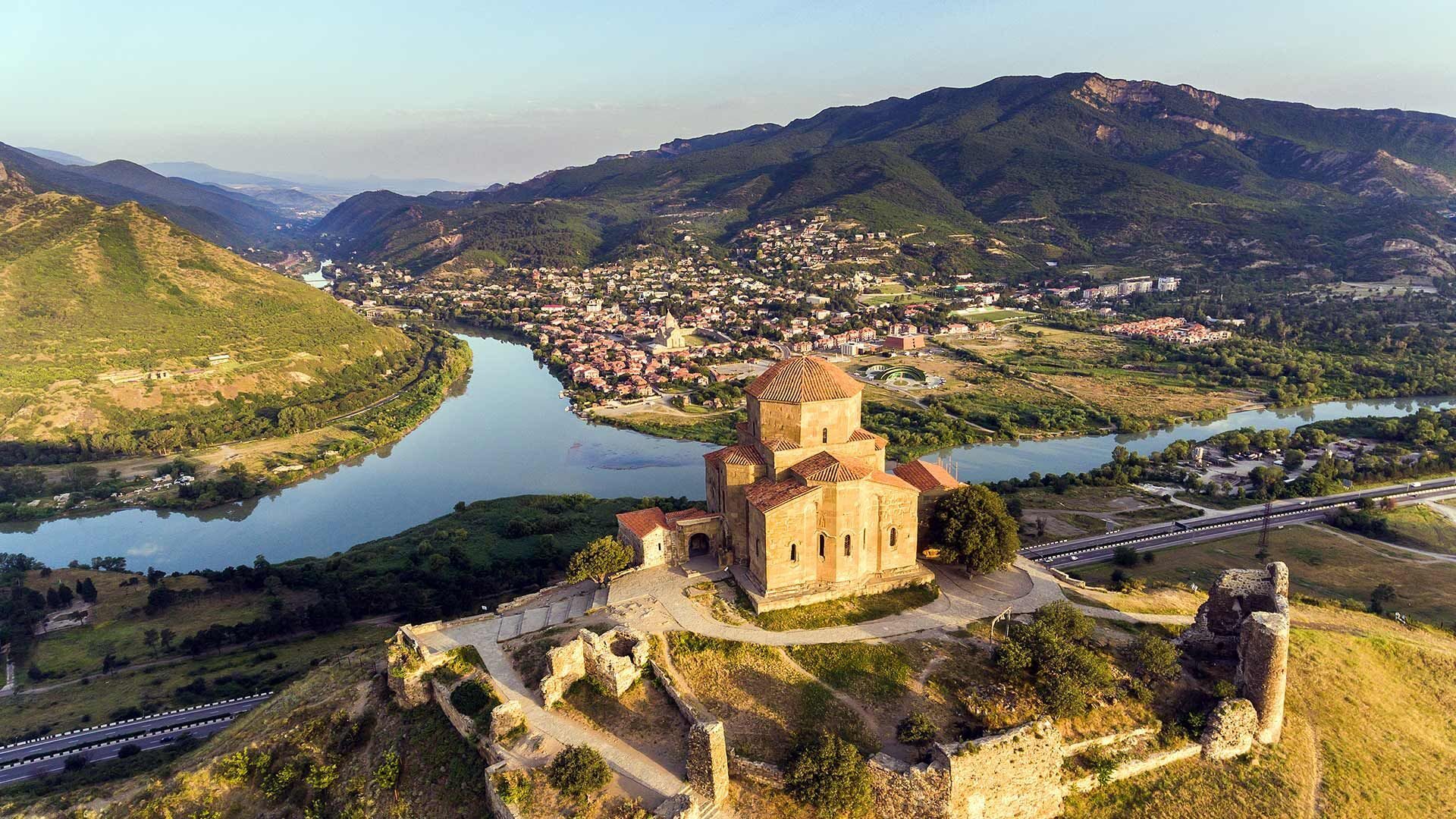
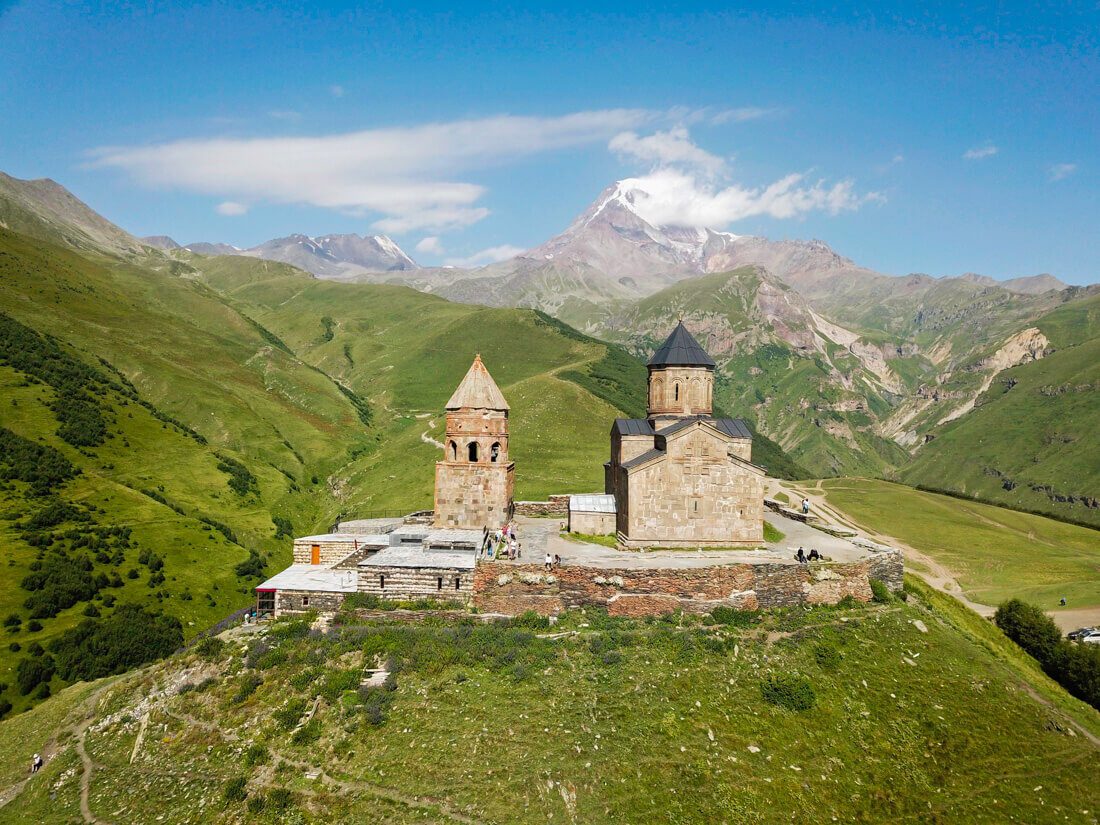
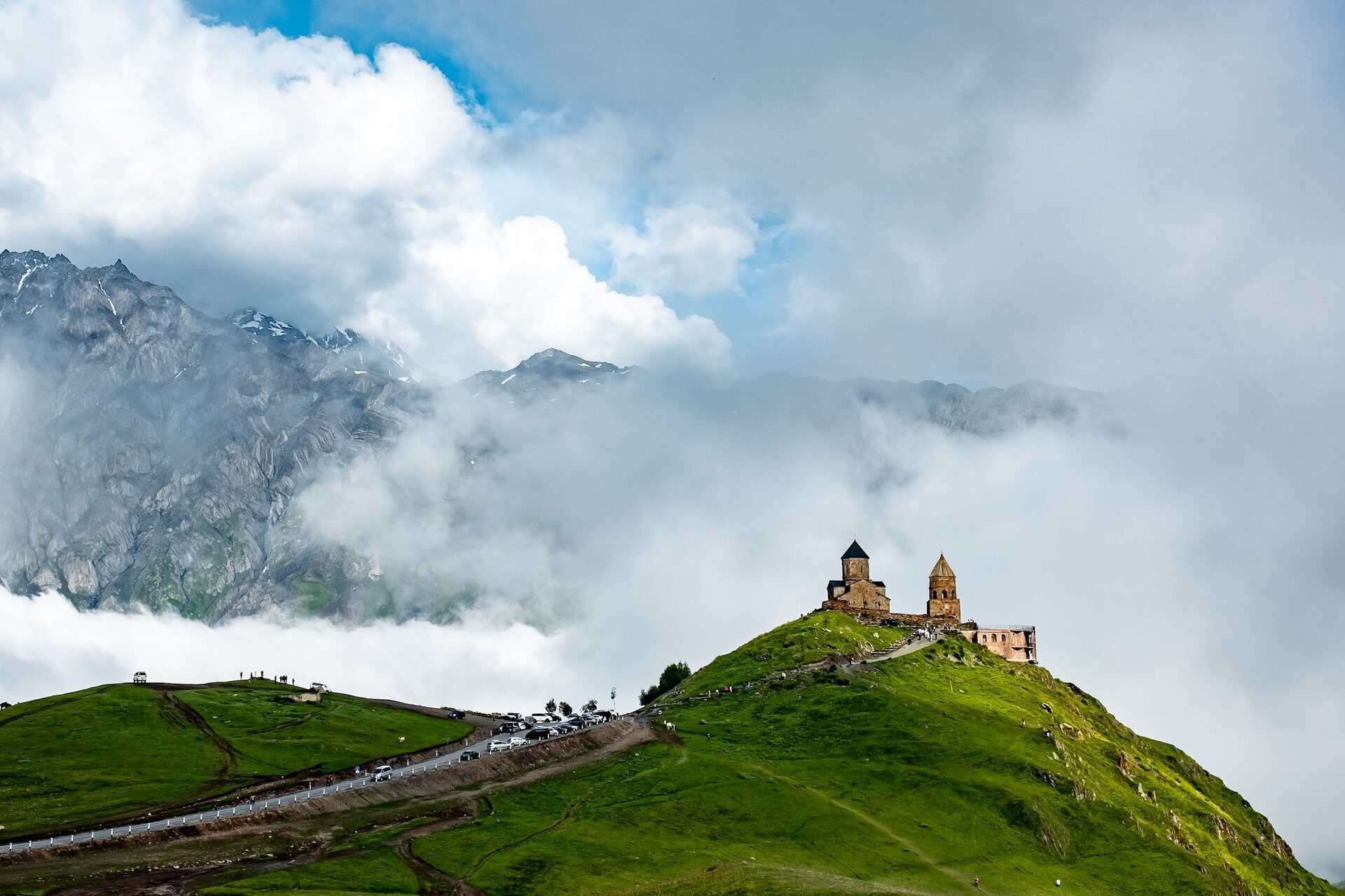
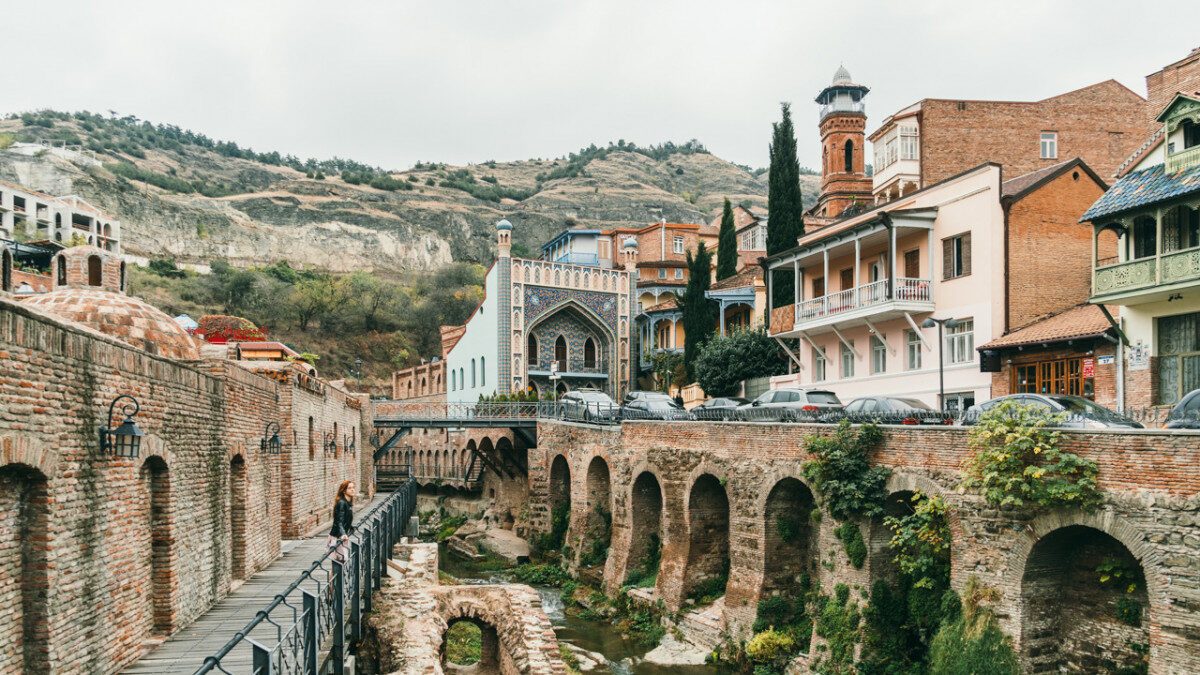
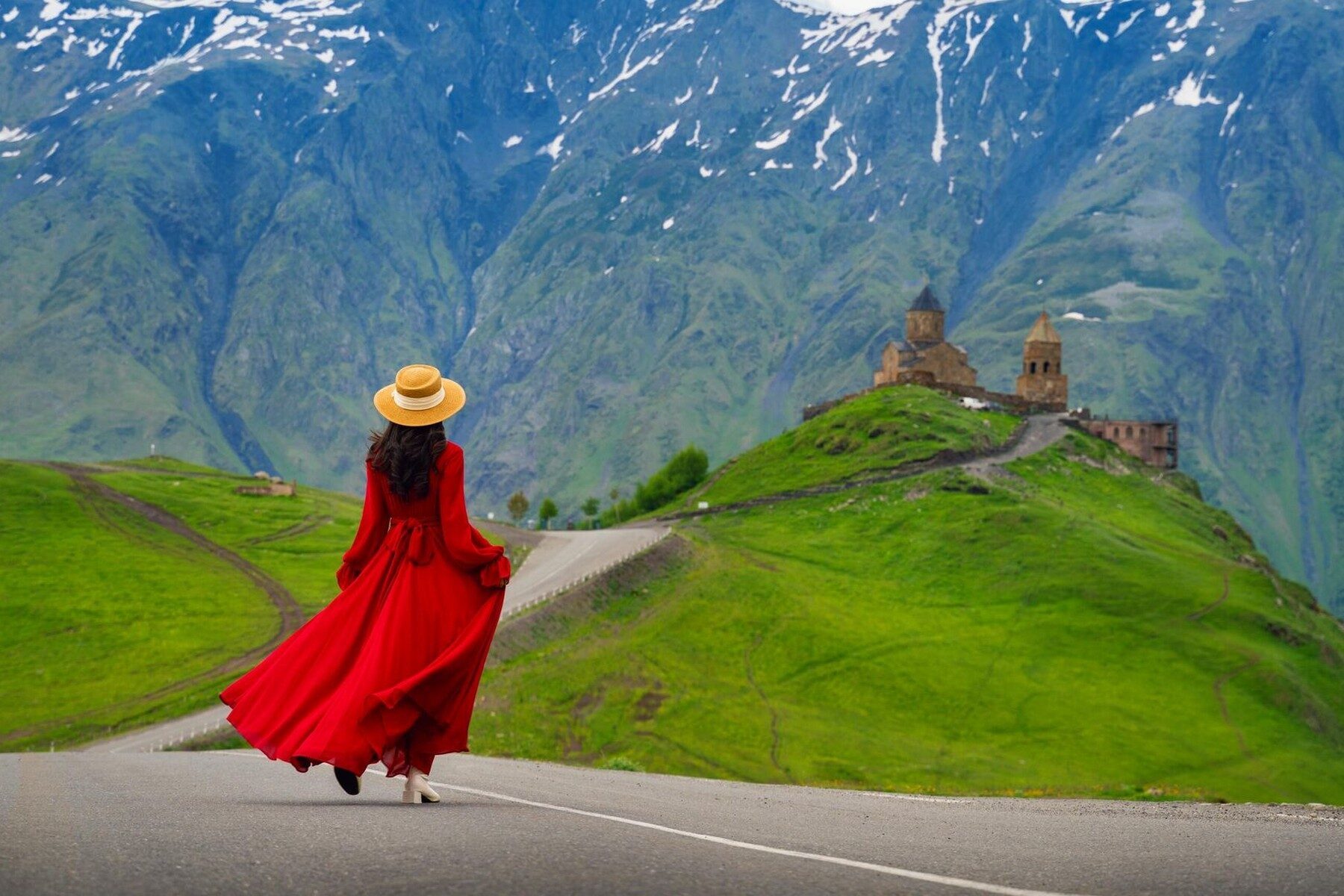
Georgia is the Caucasus rising star, offering ancient monasteries, stunning mountain scenery, excellent wine, and legendary hospitality at budget prices. Tbilisi old town blends Persian, Russian, and Art Nouveau architecture with vibrant cafe culture. Day trips reach the ancient capital Mtskheta (UNESCO) and Ananuri fortress. Kazbegi (Stepantsminda) offers dramatic views of Mount Kazbeg and Gergeti Trinity Church. Svaneti medieval towers are spectacular. The wine region Kakheti uses traditional qvevri clay-vessel methods (UNESCO heritage). Marshrutkas connect most destinations; trains are limited. The Georgian lari is the currency. English is growing but Georgian and Russian dominate; the unique Georgian alphabet takes practice. The cuisine - khinkali dumplings, khachapuri cheese bread - is excellent.
Current Travel Situation
United States to Georgia: What You Need to Know
The country of Georgia (not the US state) has granted US citizens one of the most generous visa-free allowances in the world , a full year of visa-free access. Georgia is an ancient nation at the crossroads of Europe and Asia, with a 3,000-year-old wine-making tradition (the world's oldest, using the qvevri clay vessel method , UNESCO Intangible Heritage). Georgia offers dramatic mountain landscapes in the Greater Caucasus (Kazbegi/Stepantsminda with the iconic Gergeti Trinity Church against Mt. Kazbek), the medieval cave city of Vardzia, the coastal resort of Batumi on the Black Sea, and the vibrant capital Tbilisi with its sulfur bath district, old town, and eclectic architecture. Georgia has been attracting increasing numbers of American digital nomads, with its low costs, excellent broadband, and warm hospitality.
How to Get There
Armenia is 5-6 hours from Tbilisi by shared taxi or bus (the Tbilisi-Yerevan route is popular). Azerbaijan's Baku is accessible by overnight train or bus from Tbilisi (8-9 hours). Turkey's northeastern region (Trabzon, Kars, and the magical Sumela Monastery) is accessible overland from Batumi in a few hours. Russia borders Georgia to the north but the main land crossing through the Kazbegi/Lars border is frequently closed , check current status.
Money & Banking
Georgia uses the Georgian lari (GEL). The lari trades at approximately 2.7 GEL per USD. Georgia is affordable , meals at family restaurants (where you'll be treated to generous portions of khinkali, khachapuri, and local wine) cost $8-20 USD; accommodation from $25-60 USD/night in good guesthouses. Georgian wine (predominantly from the Kakheti region) is exceptional and inexpensive. The Tbilisi digital nomad scene has hotels and cafes catering specifically to remote workers.
Practical Tips
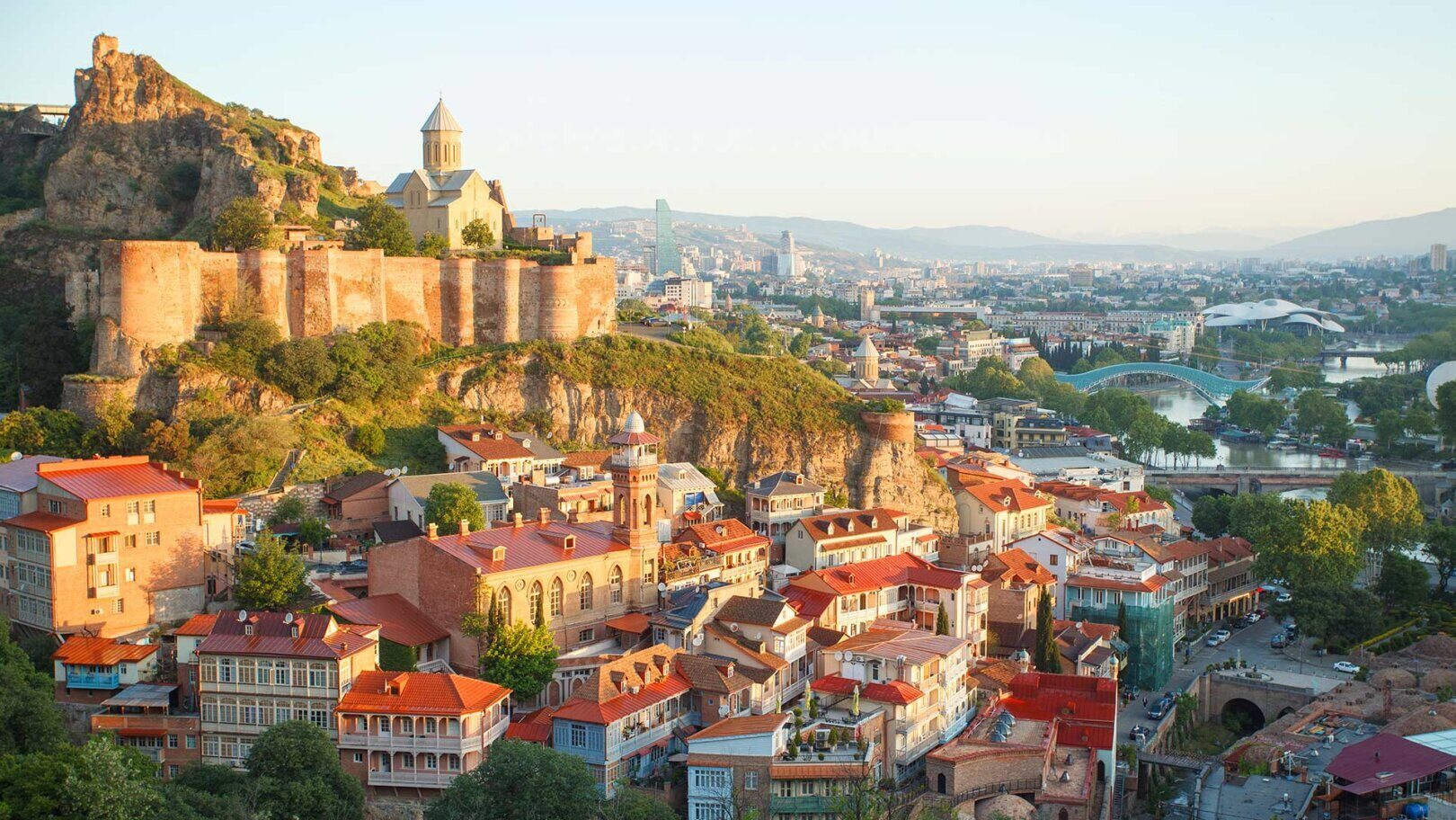
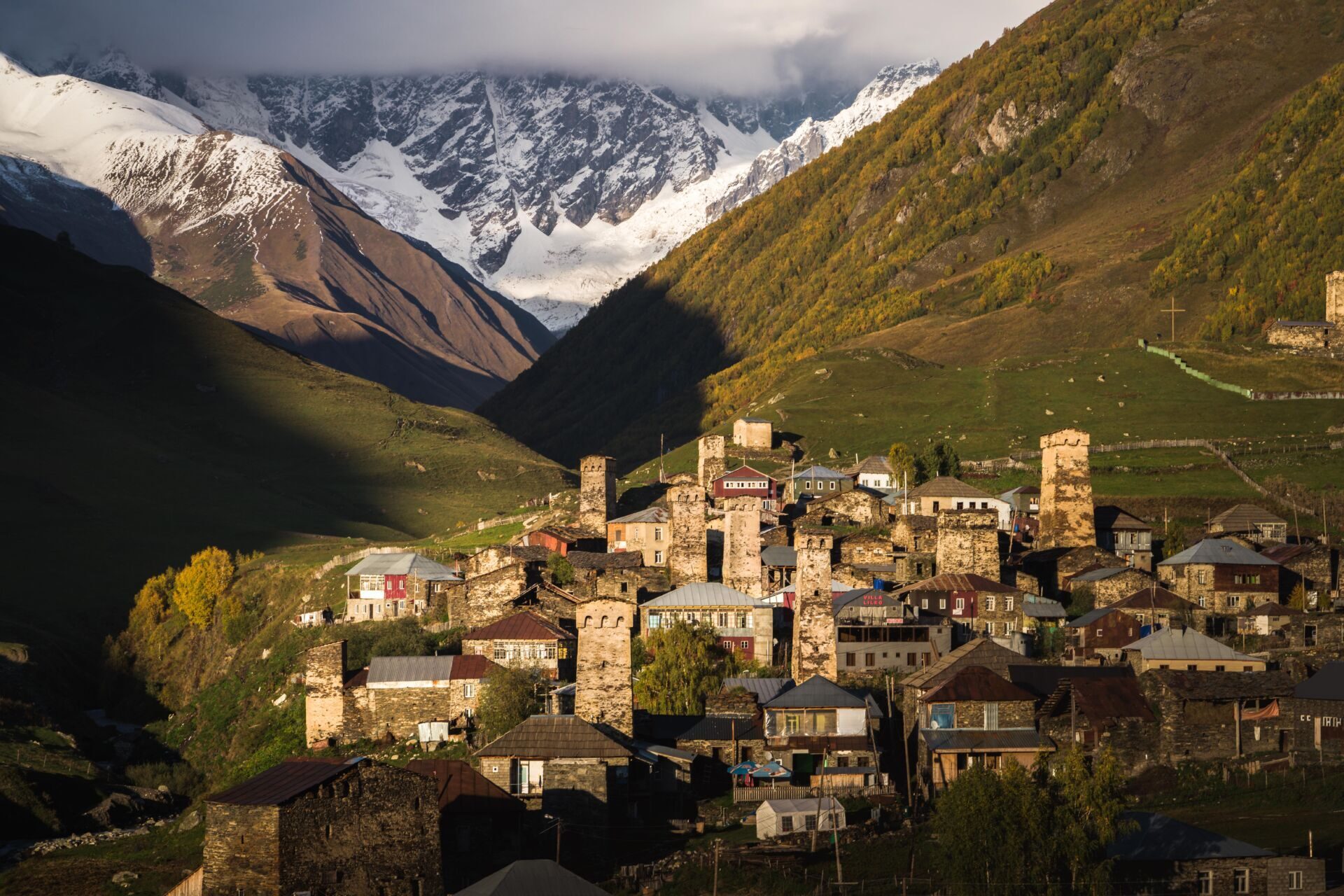
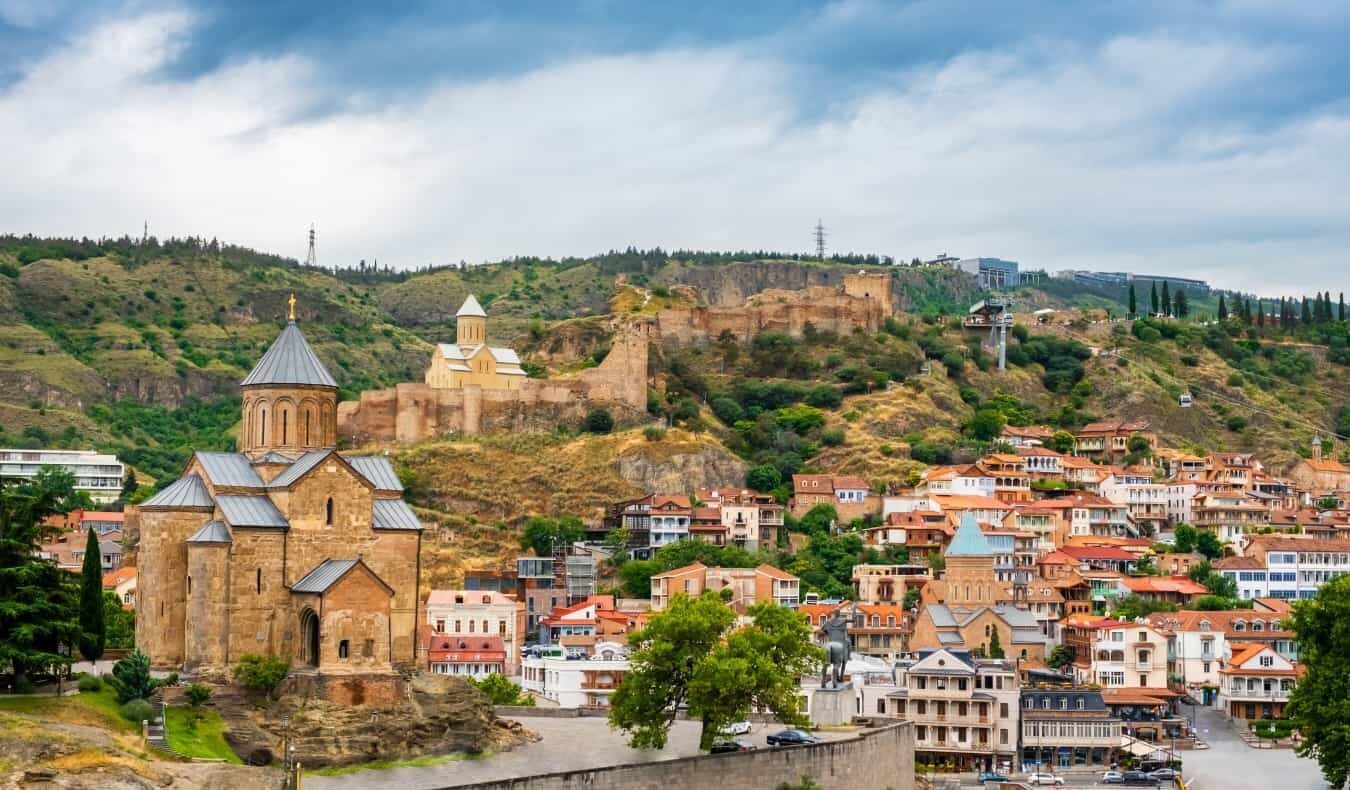
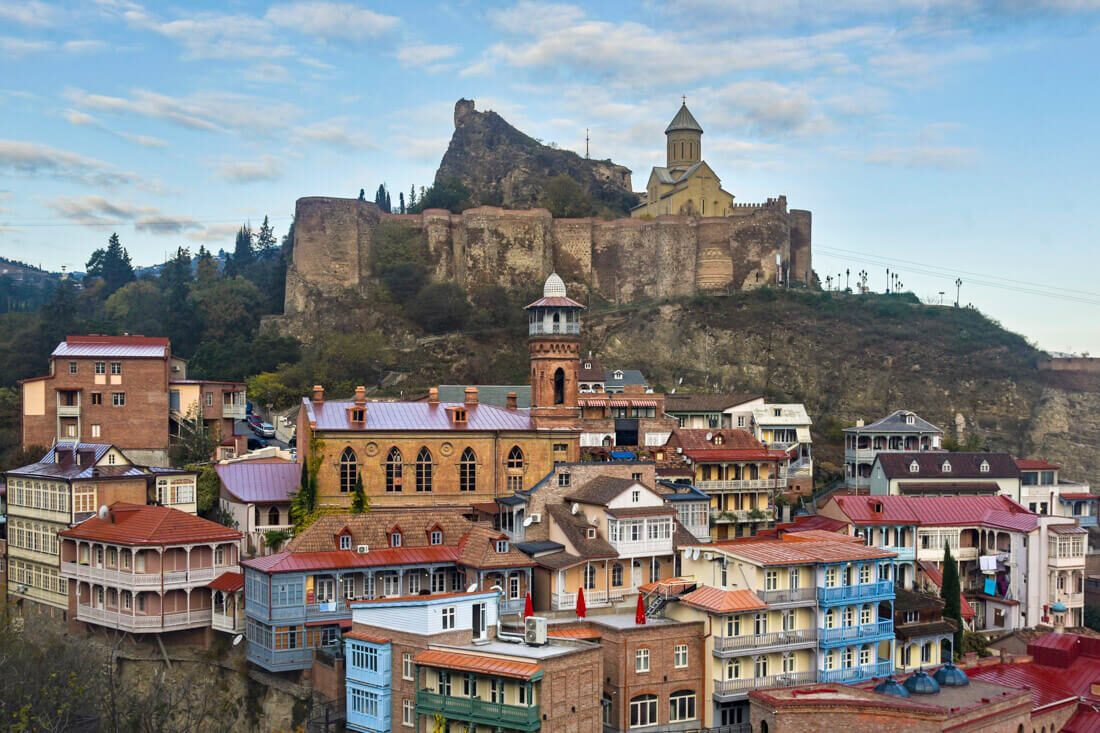
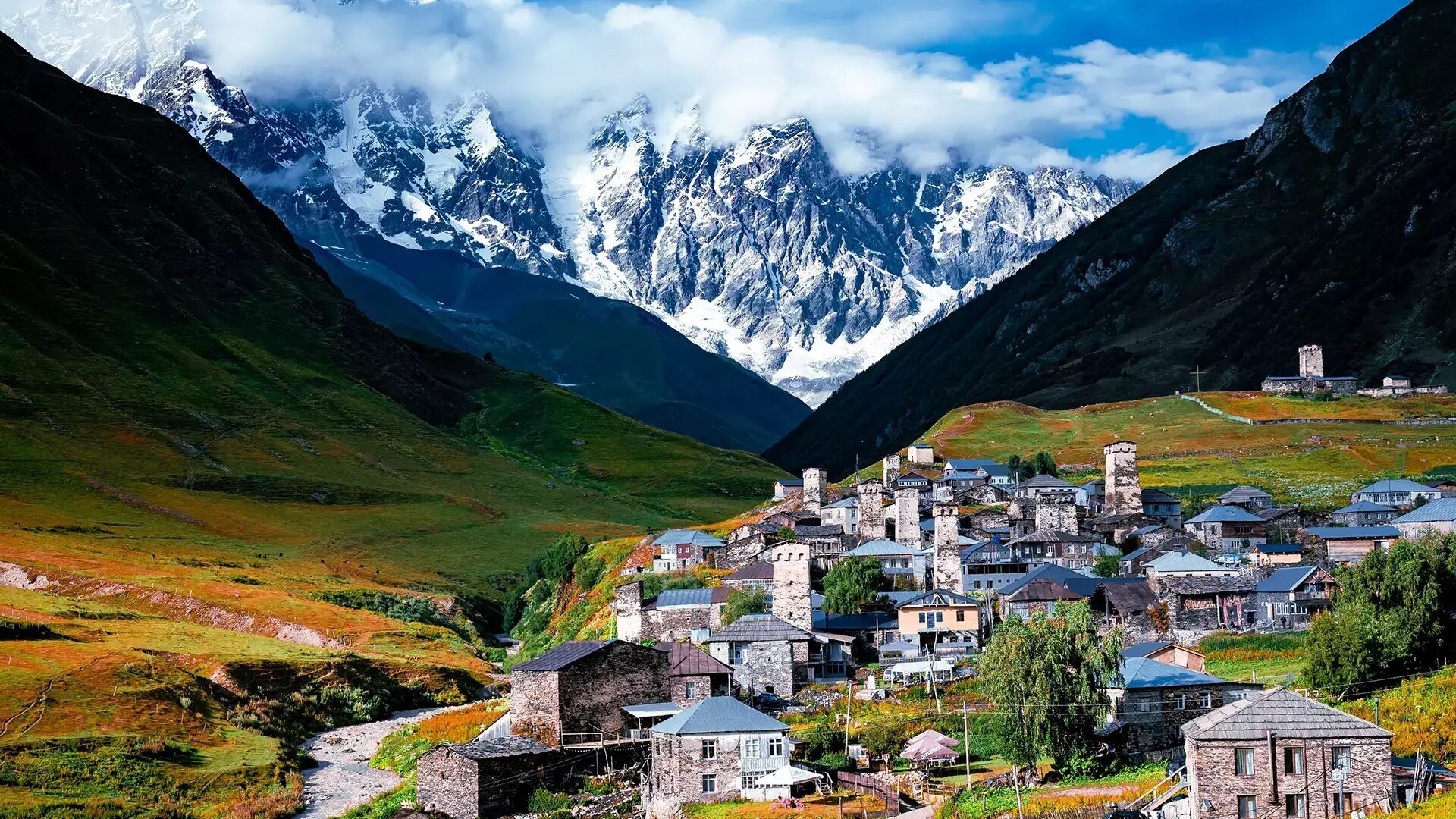
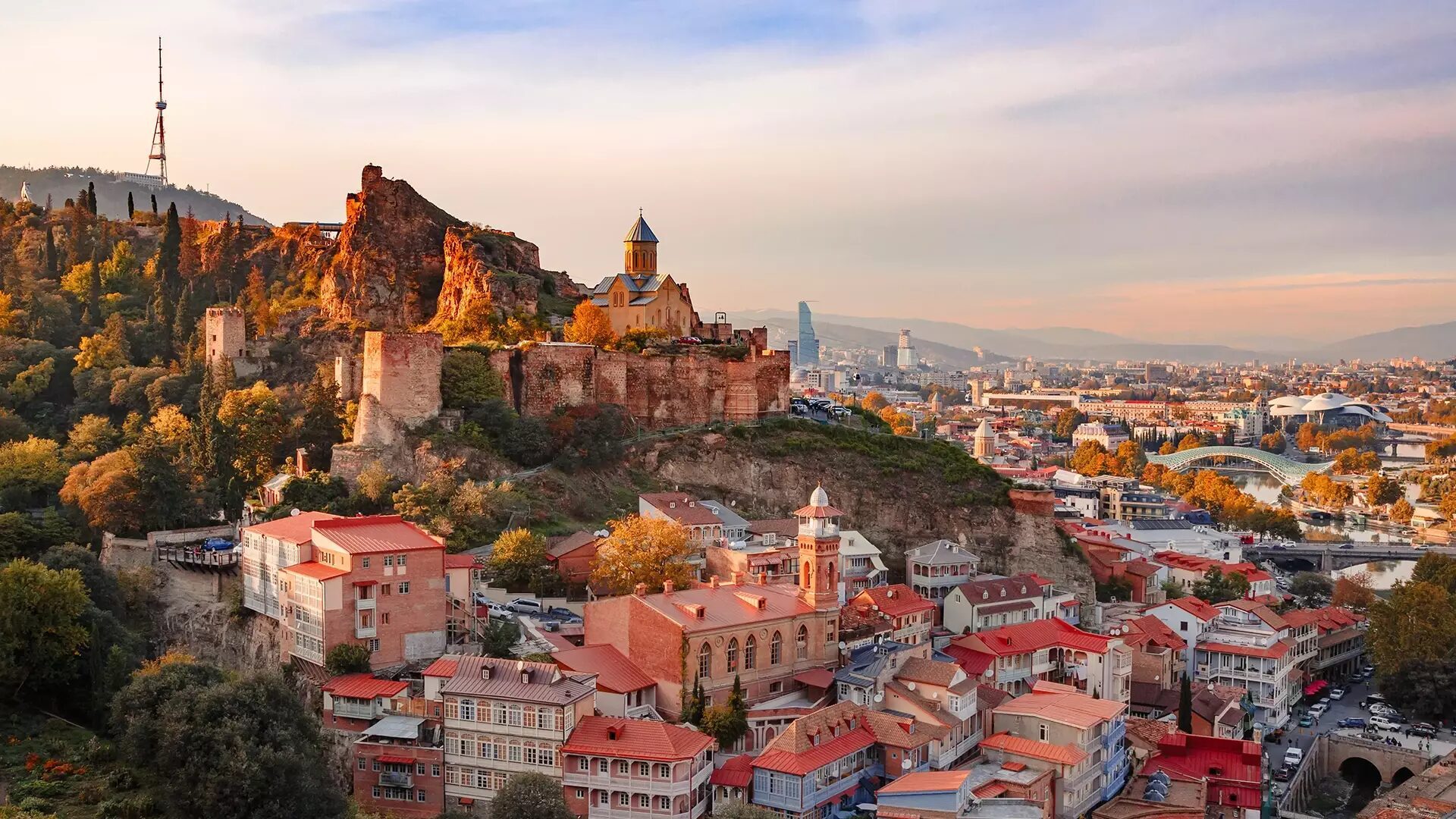
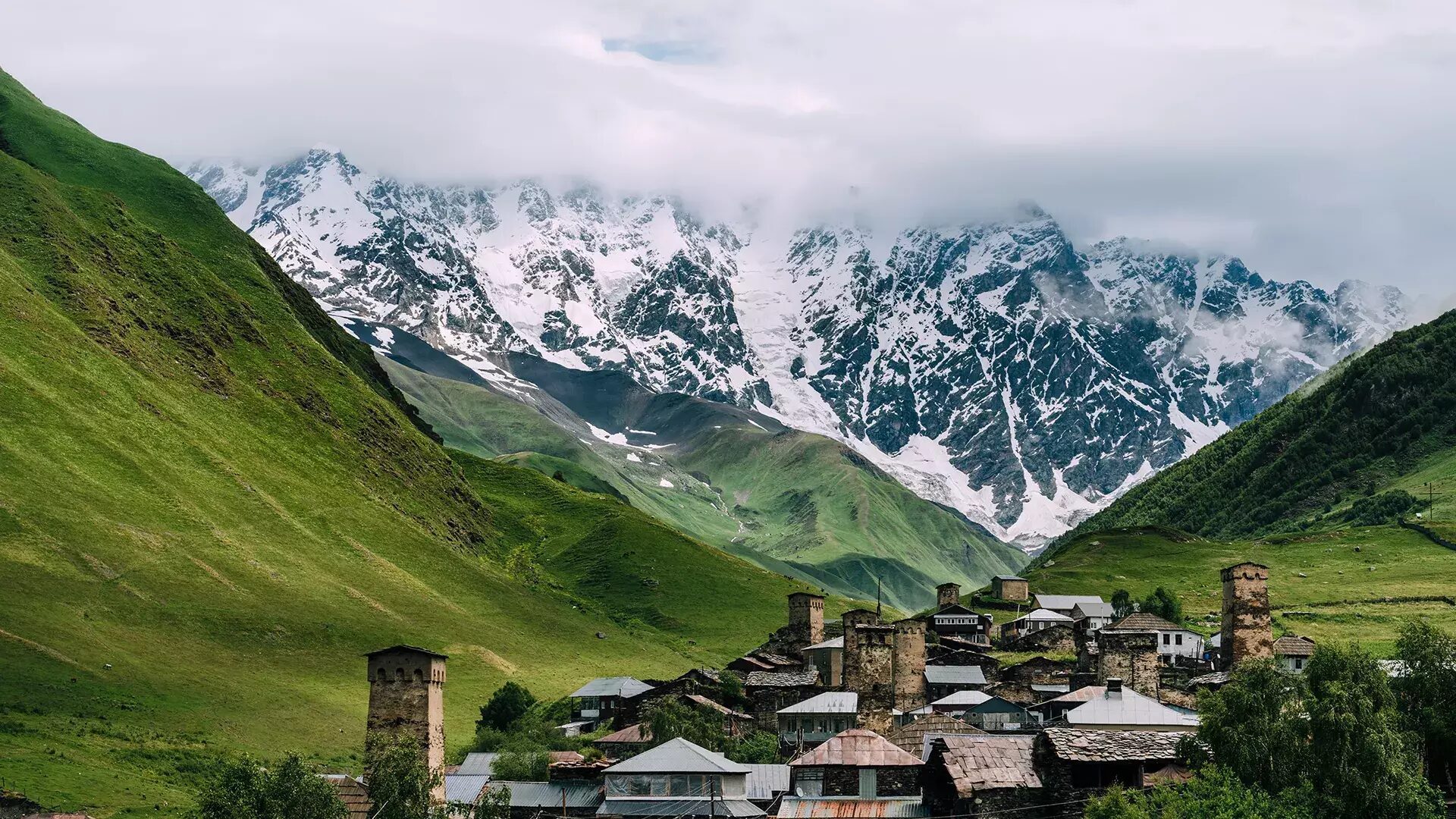
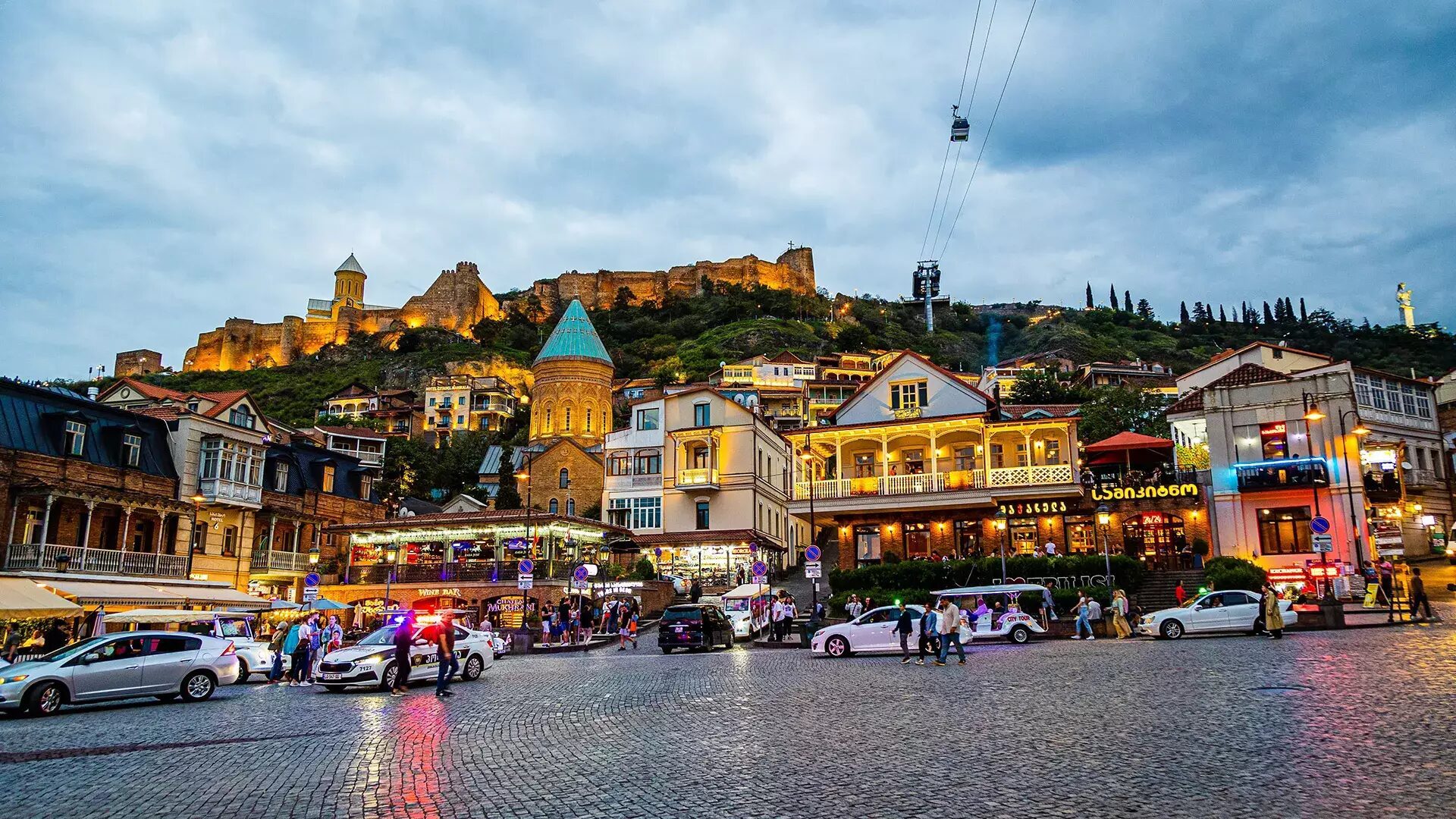
Tbilisi's old town (Narikala Fortress, sulfur baths, Metekhi Church, Bridge of Peace) is extraordinary. Georgian cuisine is extraordinary: khinkali (soup dumplings), khachapuri (cheese-filled bread), shashlyk, lobiani (bean bread), and churchkhela (walnut-grape candy). The Upper Svaneti region (Mestia, Ushguli) in the Greater Caucasus is a UNESCO World Heritage Site with medieval stone tower villages and 4,000m+ peaks , one of Europe's most spectacular hiking destinations. The Alazani Valley in Kakheti is Georgia's wine heartland with monasteries, fortresses, and roadside wine cellars.
Frequently Asked Questions
Do US citizens need a visa to visit Georgia?
No, US citizens can stay in Georgia for up to one year without a visa, one of the world's most generous visa-free allowances. There's no minimum passport validity requirement, though 6 months is recommended. This liberal policy, combined with low costs, great food and wine, and stunning scenery, has made Georgia increasingly popular with remote workers and long-term travelers. After one year, you can simply leave and re-enter to reset the period.
Do US citizens need a visa for Georgia?
No. US citizens can stay in Georgia visa-free for up to 365 days — one of the world's most generous visa-free allowances. Simply show your US passport on arrival.
What is a supra and what should I expect?
A supra is a traditional Georgian feast and one of the most memorable cultural experiences. It features abundant food, wine, and elaborate toasting led by a tamada (toastmaster). Toasts follow a specific order, honoring themes like God, Georgia, ancestors, friends, and love. You're expected to drain your glass (or at least take a substantial sip) after each toast. Food comes in waves: khinkali (dumplings), khachapuri (cheese bread), grilled meats, salads, and more. Wine flows from qvevri (clay vessels). Supras can last hours. Being invited to a supra is an honor; accept graciously.
Is Georgia in the Schengen Area?
No. Georgia is not part of the EU or Schengen Area. Days spent in Georgia do not count toward the Schengen 90-day allowance. This makes Georgia an excellent addition to a European trip without affecting Schengen days.
What is Georgian wine and why is it special?
Georgia is often called the "birthplace of wine," with 8,000 years of continuous winemaking tradition. The traditional qvevri method uses large clay vessels buried underground for fermentation and storage, now UNESCO-protected. Georgian amber wines (also called orange wines) are made from white grapes with extended skin contact, creating distinctive colors and flavors unlike conventional wines. The Kakheti region is Georgia's wine heartland with numerous wineries open for tastings. Try varieties like Saperavi (red) and Rkatsiteli (white). Wine is deeply intertwined with Georgian hospitality and culture.
Is Georgia (the country) good for digital nomads?
Yes. Georgia has become a popular digital nomad base — fast internet in Tbilisi, very low cost of living, one-year visa-free stays, a welcoming expat community, and excellent food and wine. The startup ecosystem and English-speaking community in Tbilisi are well-developed.
What are the must-see places in Georgia?
Tbilisi, the capital, charms with its old town, sulfur baths, diverse architecture, and vibrant nightlife. The Kazbegi region offers dramatic Caucasus peaks and the iconic Gergeti Trinity Church against Mt. Kazbek. Kakheti is wine country with wineries, monasteries, and the picturesque town of Sighnaghi. Svaneti in the northwest has medieval tower houses and Europe's highest settlements. Vardzia is a remarkable 12th-century cave monastery complex. Mtskheta, Georgia's ancient capital, has UNESCO-listed churches. Batumi on the Black Sea coast offers beaches and modern architecture. The country is small enough to see highlights in 1-2 weeks.