Gambia Visa RequirementsFor United States passport holders
US passport holders can visit The Gambia without a visa for up to 90 days. The Gambia is a small West African country known as the "Smiling Coast of Africa."
Great news! United States passport holders can enter Gambia without a visa for tourism or business purposes. You can stay up to 90 days.
No visa is required for US citizens for stays up to 90 days. Carry your valid US passport (6+ months validity), return or onward ticket, and accommodation confirmation. No pre-registration or advance fee required.
Entry Requirements
Passport Validity
6 months beyond date of entry
Blank Pages
2 blank pages required
Multiple Entry
Single entry only
Work Permitted
No - requires work visa
Entry Conditions
Valid passport with at least 6 months validity. Yellow fever vaccination certificate required.
Required Documents
Valid US Passport
Must be valid for at least 3-6 months beyond your planned departure date (varies by country)
Return or Onward Ticket
Proof of departure from the country, such as a return flight or onward travel booking
Proof of Accommodation Recommended
Hotel reservation, Airbnb booking, or address where you will be staying
Proof of Sufficient Funds Recommended
Credit cards, bank statements, or cash to cover expenses during your stay
Travel Insurance Recommended
Recommended for all international travel covering medical emergencies
Travel Essentials
Health & Safety
Safety Rating
Vaccinations
Hepatitis A, Hepatitis B, Typhoid, Malaria prophylaxis, Meningitis
Tap Water
Bottled water recommended
Safety Tips
The Gambia is generally safe for tourists, known as the "Smiling Coast of Africa" for its friendly people. Petty crime like pickpocketing occurs in tourist areas - take normal precautions. Avoid isolated beaches at night. The political situation has stabilized since 2017. Be cautious about "bumsters" (beach touts) who can be persistent.
Money & Costs
Currency
D Gambian Dalasi (GMD)
Daily Budget (USD)
Budget: $30 · Mid: $70 · Luxury: $180+
Tipping
Tipping is appreciated. 10% in restaurants is standard. Tips for guides, drivers, and hotel staff are expected in tourism.
Practical Info
Power
Type G, 230V 50Hz
Driving
Right side
Emergency
117 (Police), 118 (Fire), 116 (Ambulance)
Getting There
Main Airports
Banjul (BJL)
Culture & Travel Tips
Best Time to Visit
The best time to visit The Gambia is during the dry season from November to May. This period offers sunny weather, minimal mosquitoes, and excellent bird watching as European migratory species arrive. The rainy season (June-October) brings lush landscapes but roads can be difficult and some tourist facilities close. Peak season is December to February.
Cultural Notes
The Gambia has a rich cultural heritage with major ethnic groups including Mandinka, Fula, and Wolof. Traditional music features the kora (21-string harp) and djembe drums. The country has historical significance for the slave trade - Kunta Kinteh Island (James Island) is a UNESCO World Heritage Site. Hospitality is deeply ingrained in the culture.
Insider Tips
English is the official language, making communication easy. The Dalasi is the currency but euros are widely accepted in tourist areas. Bargaining is expected at markets. Dress modestly, especially outside resort areas. The Gambia is one of Africa's smallest countries - most attractions are easily accessible from the coast.
Current Travel Situation
United States to Gambia: What You Need to Know
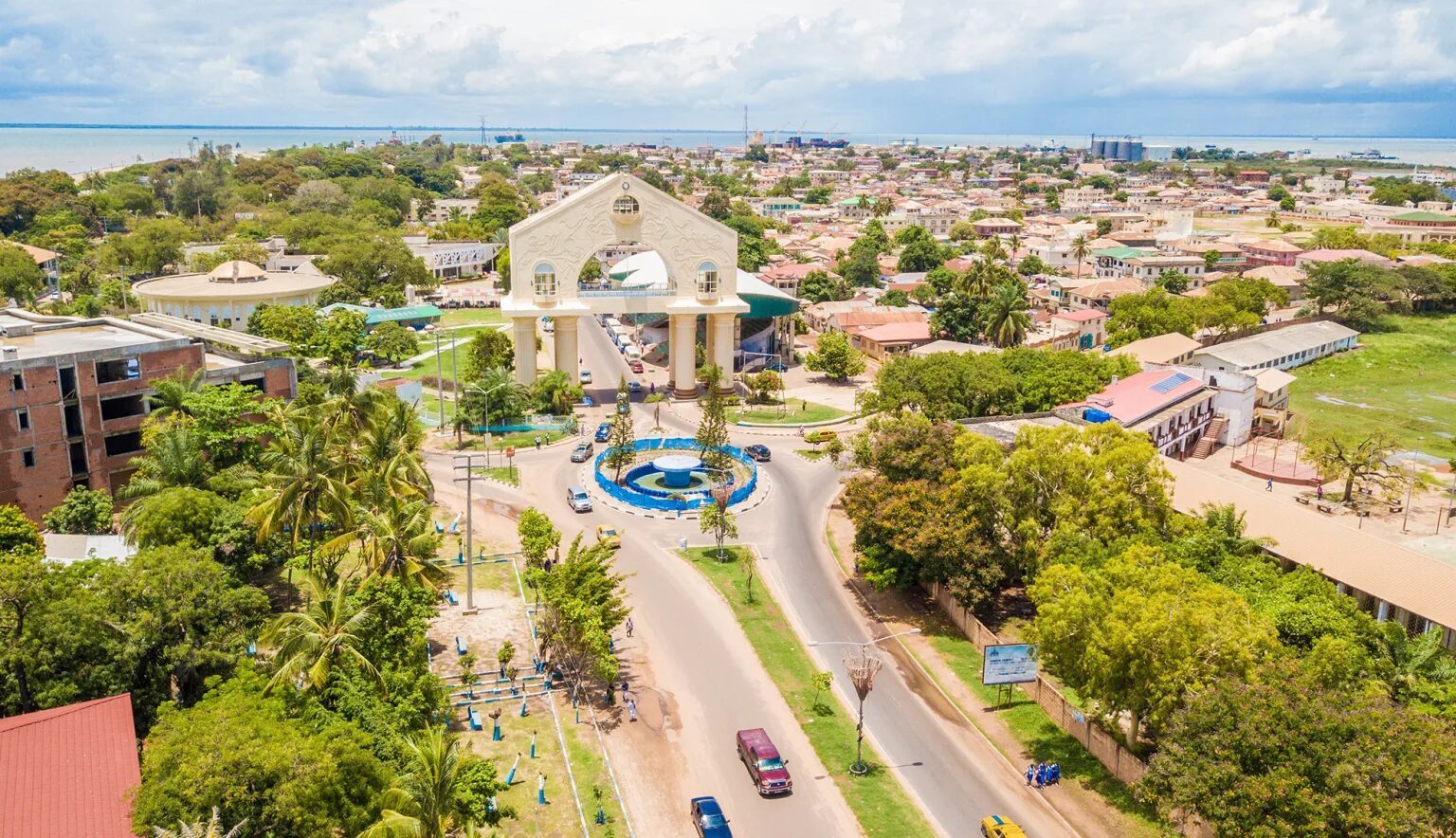
The Gambia is the smallest mainland country in Africa, a narrow strip of land (50 km wide) stretching 320 km along the Gambia River, entirely surrounded by Senegal on three sides and the Atlantic Ocean to the west. Banjul International Airport (BJL) is served by British charter operators and some scheduled services from London, Brussels, Paris, and Frankfurt, making The Gambia a popular European beach holiday destination, particularly in winter. President Adama Barrow replaced the long-serving dictator Yahya Jammeh in 2017 through an election landmark for West African democracy. The US State Department has a Level 1 advisory (Exercise Normal Precautions).
How to Get There
London (LGW/LHR) has charter and scheduled services to Banjul. Brussels, Paris, and Frankfurt also connect. From the US, there are no direct flights; route via London, Brussels, Casablanca, or Dakar (Senegal). Dakar is the most convenient connection point for US travelers: from Dakar it is a 4-6 hour bus or taxi-brousse journey to the Gambia-Senegal border and then onward to Banjul.
Money & Banking
The Gambia uses the Gambian Dalasi (GMD). USD and British Pounds are commonly accepted at hotels and tourist businesses. ATMs are available in Banjul and tourist areas; carry cash for rural areas. The Gambia is very affordable: a local restaurant meal costs $3-7, budget guesthouses $20-50/night. The beachfront resort area near Kololi and Senegambia is pricier.
Practical Tips
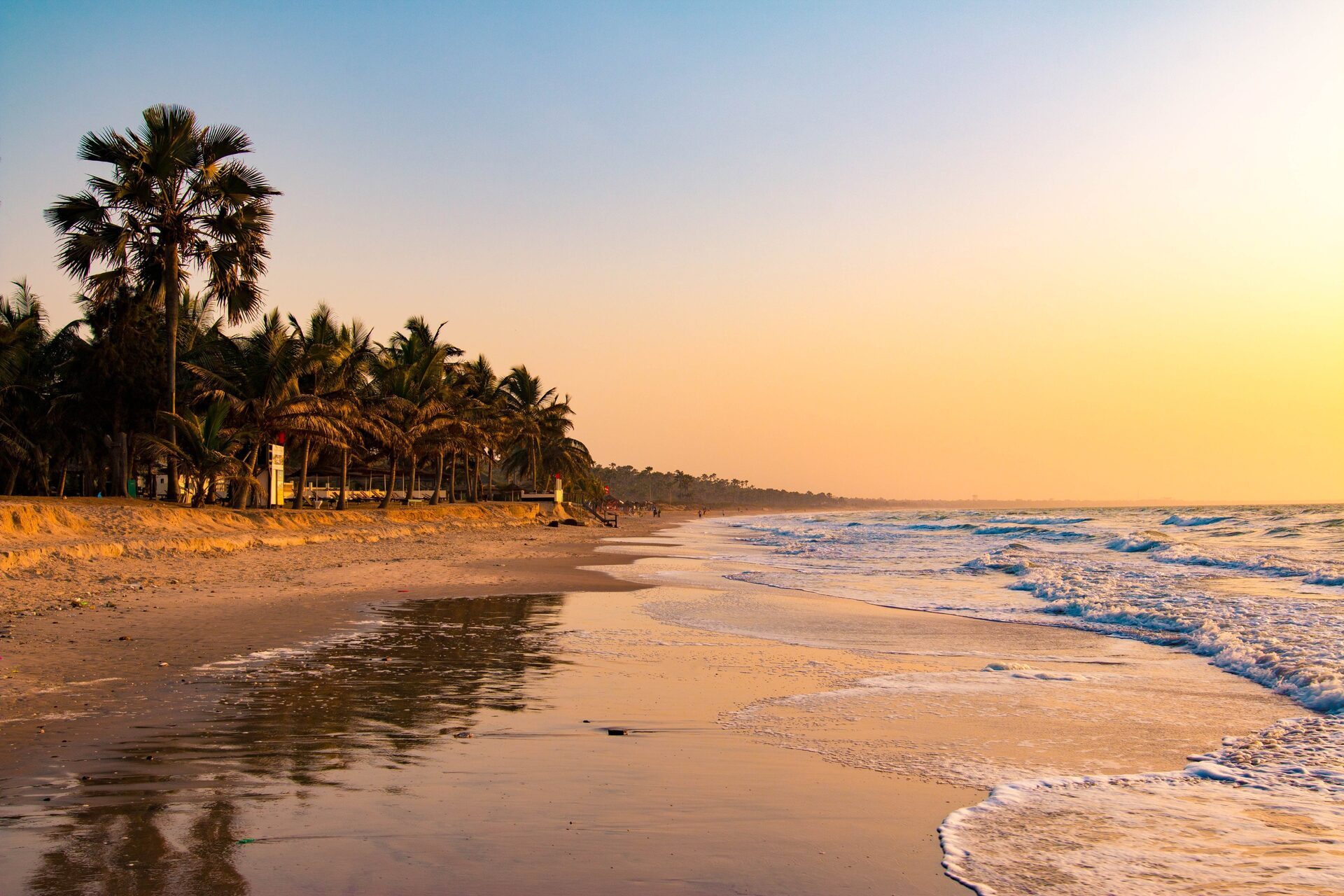
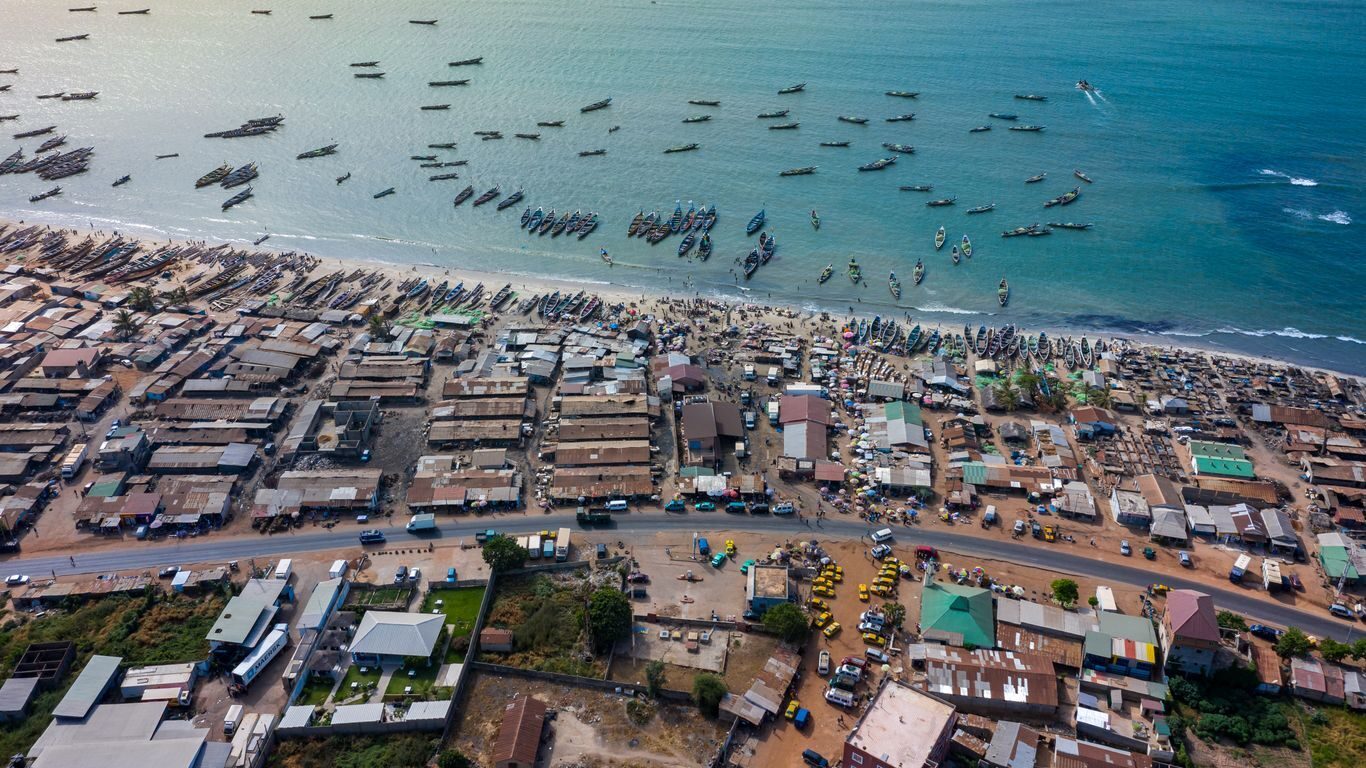
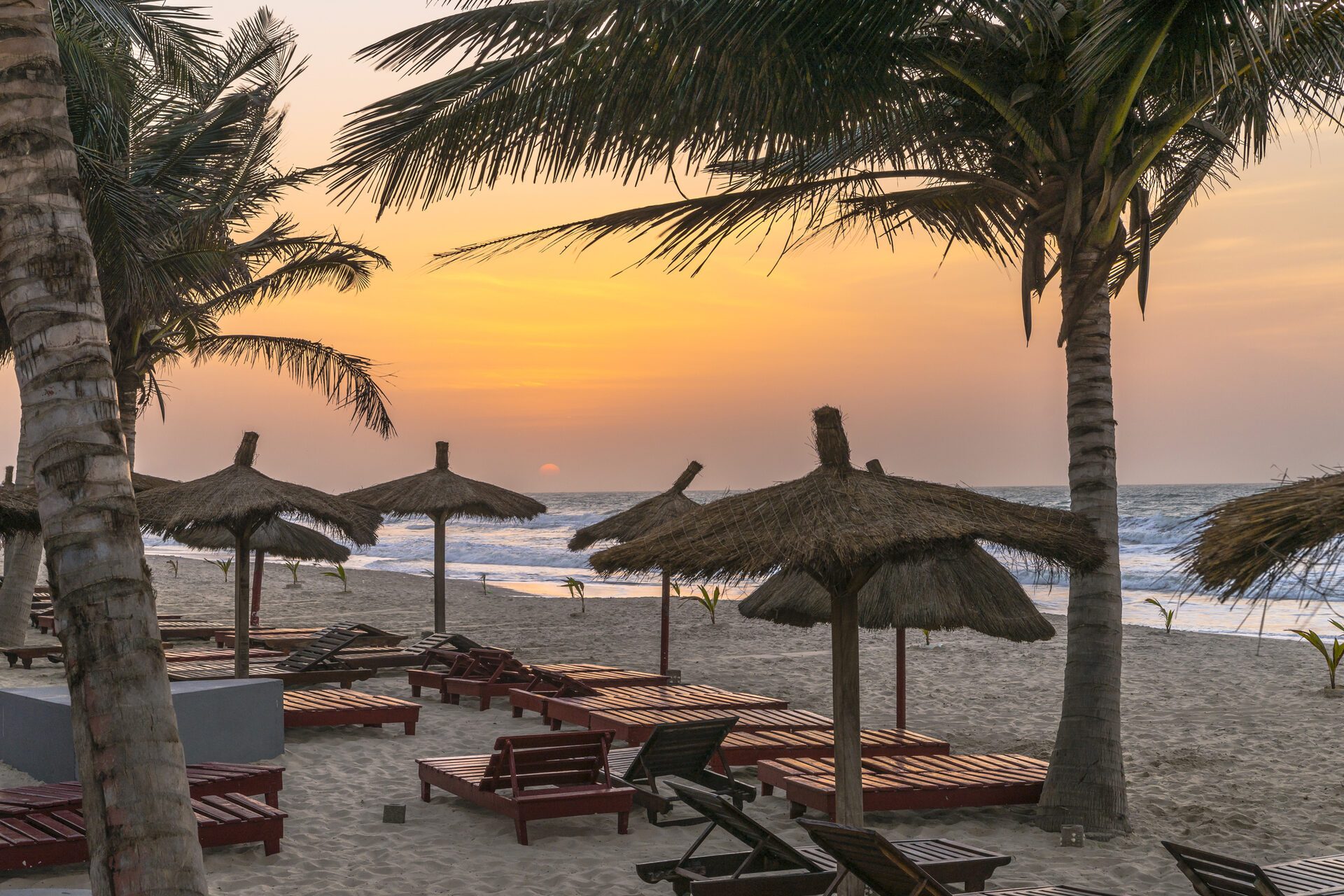
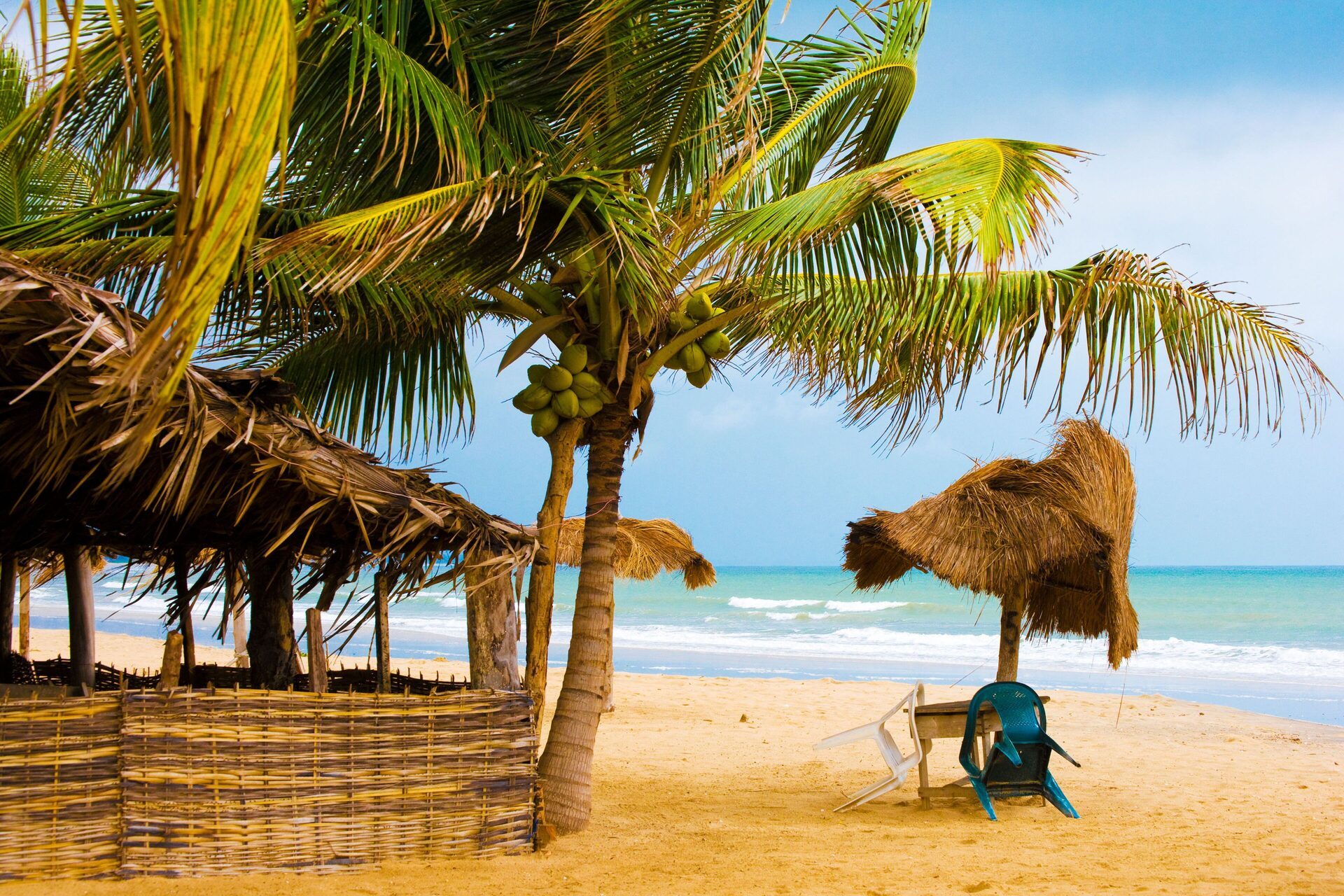
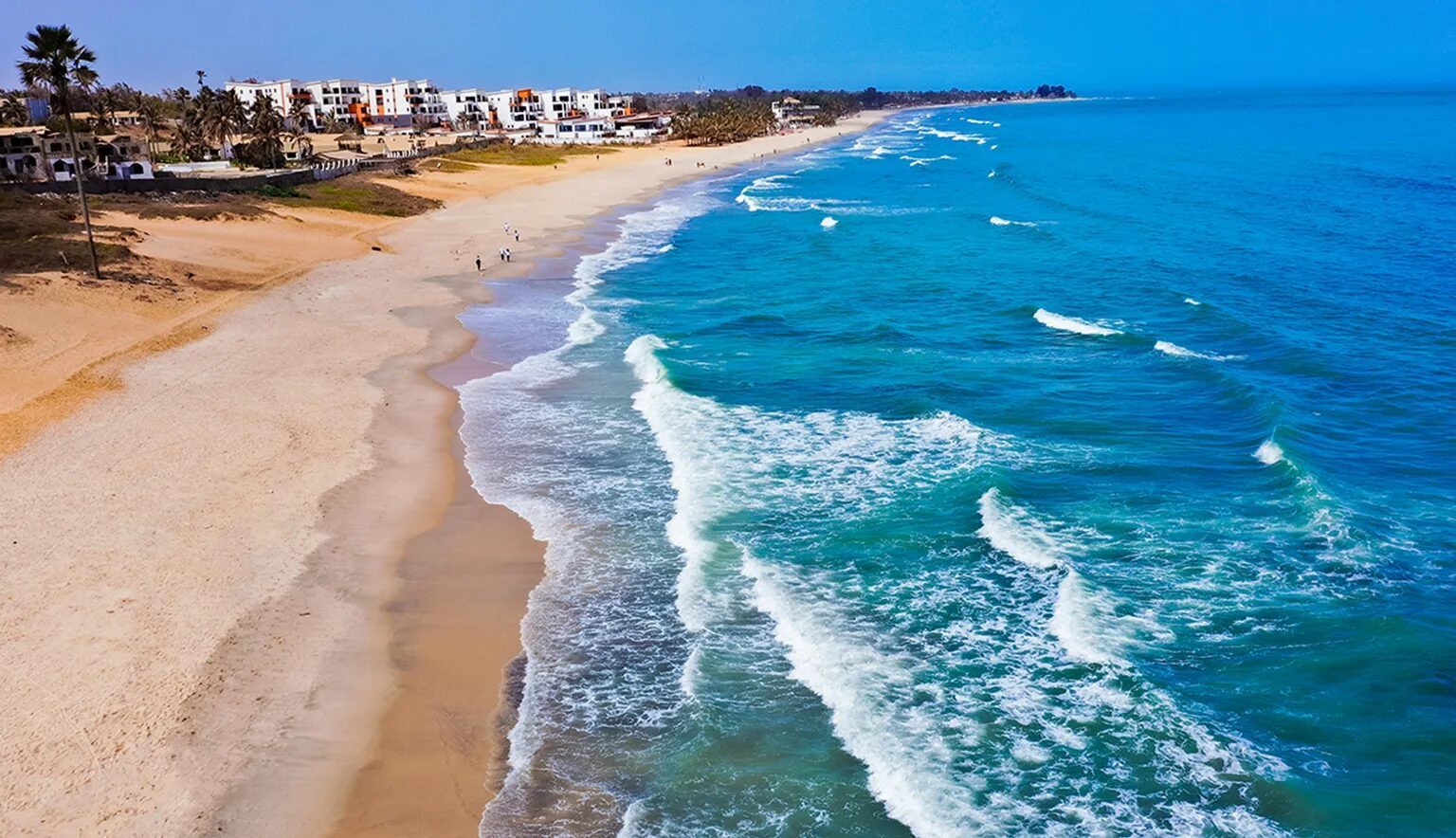
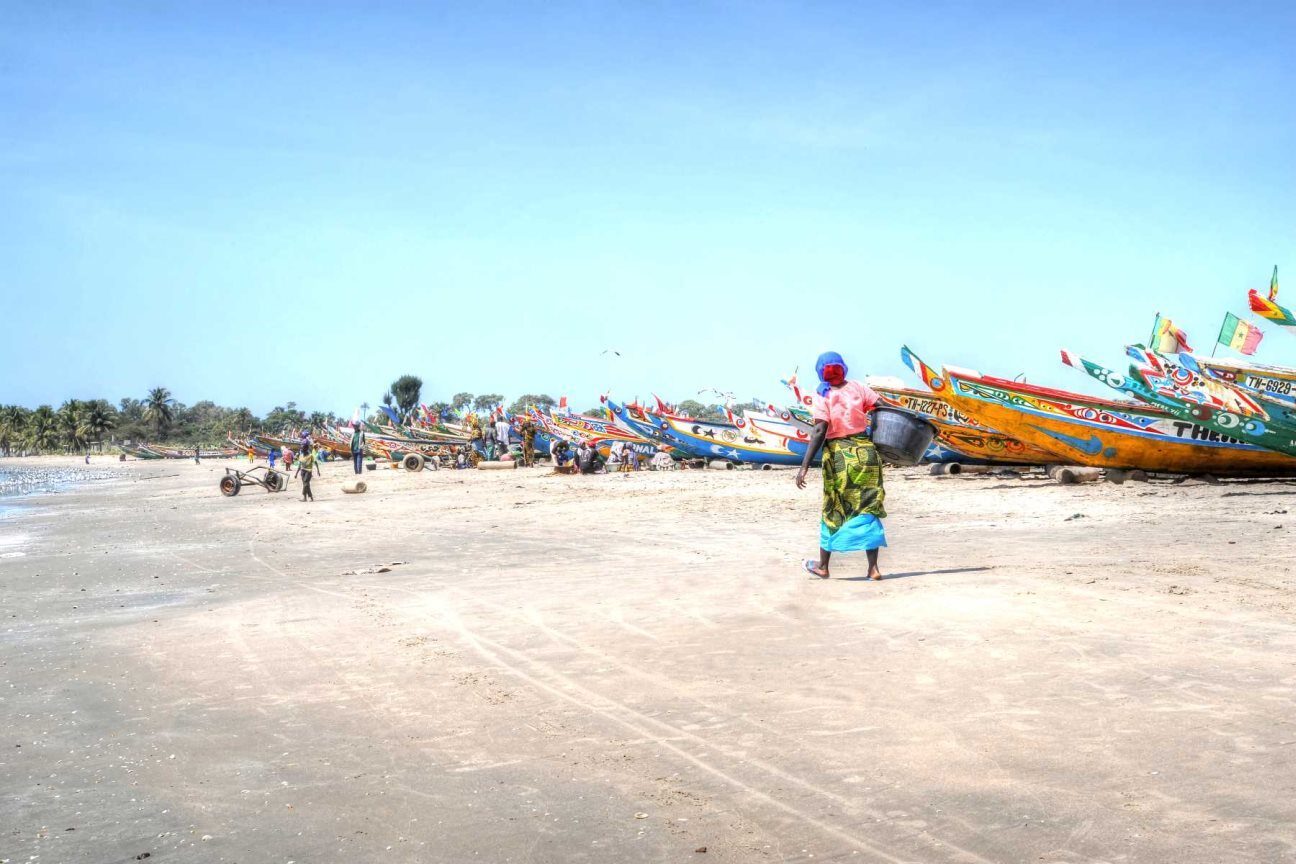
The Gambia is one of Africa's best birdwatching destinations, with over 600 species including many West African endemics that are difficult to see elsewhere. The beachfront around Kololi and Senegambia has warm Atlantic waters and a relaxed beach scene. A Gambia River boat trip passes bird-rich mangroves, hippo pools, and traditional fishing villages. Juffureh (site of Alex Haley's "Roots" story about Kunta Kinte) and the nearby Albreda slave fort (UNESCO) are important historical sites. The kankurang masquerade ceremony and wrestling traditions are living cultural practices.
Frequently Asked Questions
Why is The Gambia called the Smiling Coast?
The Gambia earned the nickname "Smiling Coast of Africa" for its reputation for hospitable, friendly people (the official motto is "The Gambia Smiles with You") and its Atlantic beaches in a mostly inland African continent. The nickname is also a play on the shape of the country on a map -- a long, narrow strip resembling a smile.
Is The Gambia good for birdwatching?
The Gambia is one of Africa's premier birdwatching destinations despite its tiny size. Over 600 species have been recorded -- including sunbirds, kingfishers, weavers, raptors, and many West African endemics. The combination of mangroves, riverine woodland, and savanna habitats along the Gambia River supports extraordinary diversity. Abuko Nature Reserve near Banjul is excellent for beginners, while Kiang West National Park offers more wilderness birding.
What is the connection between The Gambia and the book Roots?
Alex Haley's 1976 novel and TV miniseries "Roots: The Saga of an American Family" traces Haley's ancestry to Kunta Kinte, a young Mandinka man captured near Juffureh village in The Gambia and enslaved in the 18th century. Juffureh (across the river from Albreda, a former French slave trading post) became a pilgrimage site for African-American visitors seeking to connect with ancestral heritage after the Roots book and TV show were published.