Ethiopia Visa RequirementsFor United States passport holders
US citizens need an e-Visa to visit Ethiopia, costing approximately $82 for a 90-day single-entry visa. Apply online at the Ethiopian e-Visa portal. Ethiopia is an extraordinary destination , home to Lalibela's rock-hewn churches, the ancient city of Aksum, Danakil Depression (one of Earth's most extreme landscapes), and unique coffee culture.
United States passport holders must apply for an electronic visa (eVisa) online before traveling to Ethiopia.
Apply at evisa.ethiopia.gov.et. Required: valid US passport, digital photo, travel itinerary, return flight details, and credit/debit card ($82 fee). Processing: typically 3–5 business days. The e-Visa is sent by email. Print it and present at Addis Ababa Bole International Airport (ADD) or other international entry points. Yellow fever vaccination certificate may be required if arriving from a country with yellow fever.
Entry Requirements
Passport Validity
6 months beyond date of entry
Blank Pages
2 blank pages required
Multiple Entry
Single entry only
Work Permitted
No - requires work visa
Entry Conditions
Passport valid for at least 6 months with 2 blank pages. Return/onward ticket. Yellow fever certificate if arriving from endemic country.
Fines and potential detention for overstaying.
Required Documents
Valid US Passport
Must be valid for at least 6 months beyond your planned arrival date with at least one blank page
Digital Passport Photo
Recent color photo in JPEG format meeting specific size requirements (usually 35x45mm, 600x600 pixels)
Completed Online Application
Fill out the official eVisa application form on the government portal
Travel Itinerary
Detailed travel plans including dates and places you intend to visit
Proof of Accommodation
Hotel bookings, Airbnb reservations, or host invitation letter
Return or Onward Flight
Confirmed flight booking showing departure from the country
Proof of Sufficient Funds Recommended
Bank statements or credit card showing adequate funds for your stay
Travel Insurance Recommended
Recommended coverage for medical emergencies and trip cancellation
Travel Essentials
Health & Safety
Safety Rating
Vaccinations
Hepatitis A and B, typhoid, rabies, malaria prophylaxis for some areas.
Tap Water
Bottled water recommended
Safety Tips
Check current travel advisories - some regions have conflict. Addis Ababa is generally safe with standard precautions. Northern historic route is usually safe. Avoid border areas with Eritrea, Somalia, Sudan.
Money & Costs
Currency
Br Ethiopian Birr (ETB)
Daily Budget (USD)
Budget: $30 · Mid: $80 · Luxury: $200+
Tipping
Tipping 10% is appreciated in restaurants. Tip guides and drivers.
Practical Info
Power
Type C, E, F, L, 220V
Driving
Right side
Emergency
991 (police), 939 (fire), 907 (ambulance)
Getting There
Main Airports
Axum (AXU) · Addis Ababa (ADD) · Lalibela (LLI)
Culture & Travel Tips
Best Time to Visit
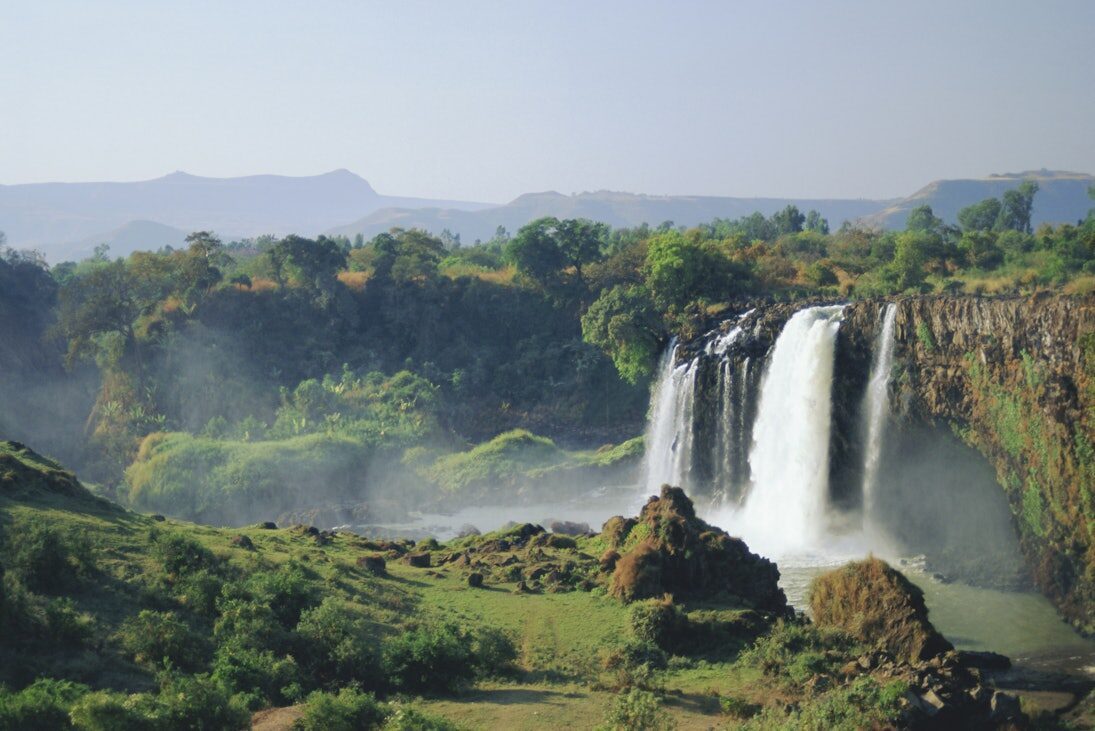
Ethiopia highlands have a pleasant temperate climate, while lowlands are hot year-round. The best time to visit is during the dry season (October-May), particularly October-January when landscapes are green from recent rains and temperatures comfortable. The Timkat (Epiphany) festival in January is spectacular. The main rainy season (June-September) makes travel difficult in some areas but is when the Blue Nile Falls are most impressive. The Omo Valley in the south is best visited October-March. Lalibela and the historical circuit are accessible year-round. Danakil Depression is best visited November-March when temperatures are relatively lower.
Cultural Notes
Ethiopia is unique in Africa - never colonized (except brief Italian occupation 1936-1941), using its own calendar (7-8 years behind the Gregorian), and practicing its own ancient form of Christianity. The Ethiopian Orthodox Church dates to the 4th century, with traditions including fasting, ancient Geez liturgy, and the Ark of the Covenant (claimed to reside in Axum). Ethiopia is also home to ancient Muslim cities like Harar. The country has over 80 ethnic groups with distinct languages and traditions. Ethiopian hospitality is genuine, with coffee ceremonies offering an intimate cultural exchange. Food is communal, shared from a single platter. Time is measured differently - sunrise is hour one, creating confusion with schedules. Political tensions and ethnic conflicts have increased in recent years.
Insider Tips
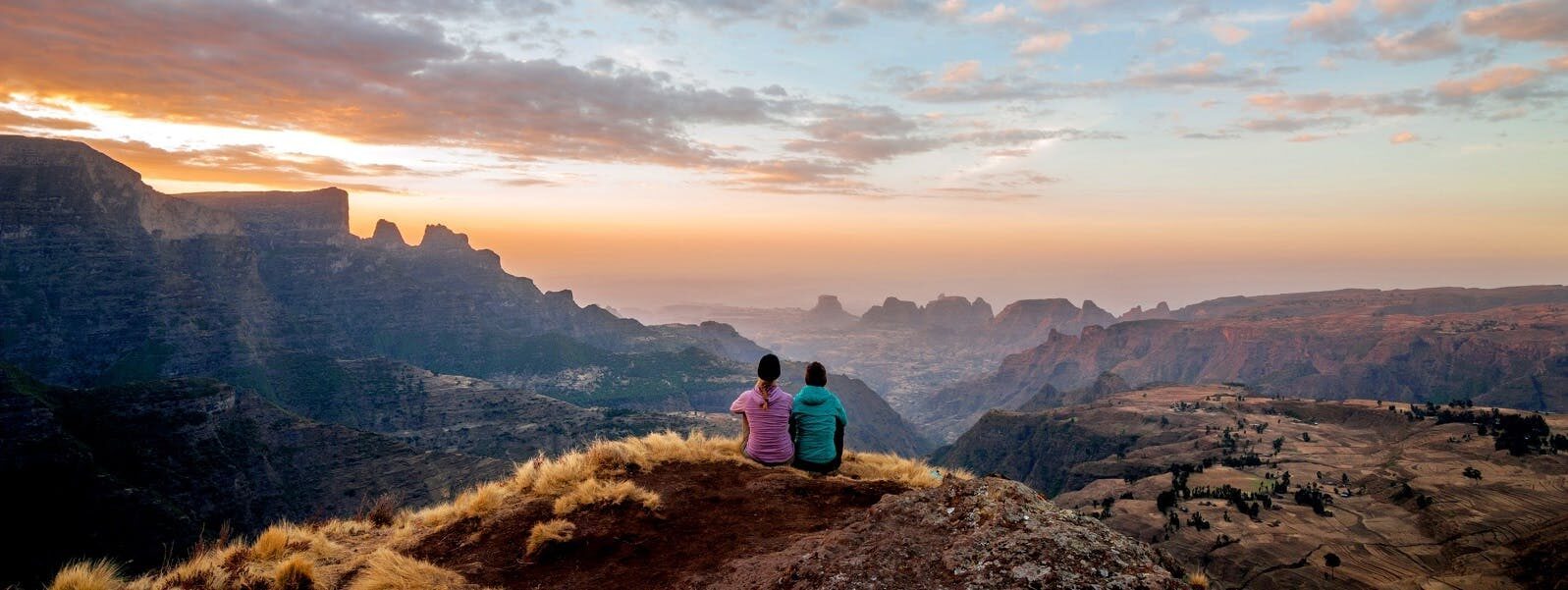
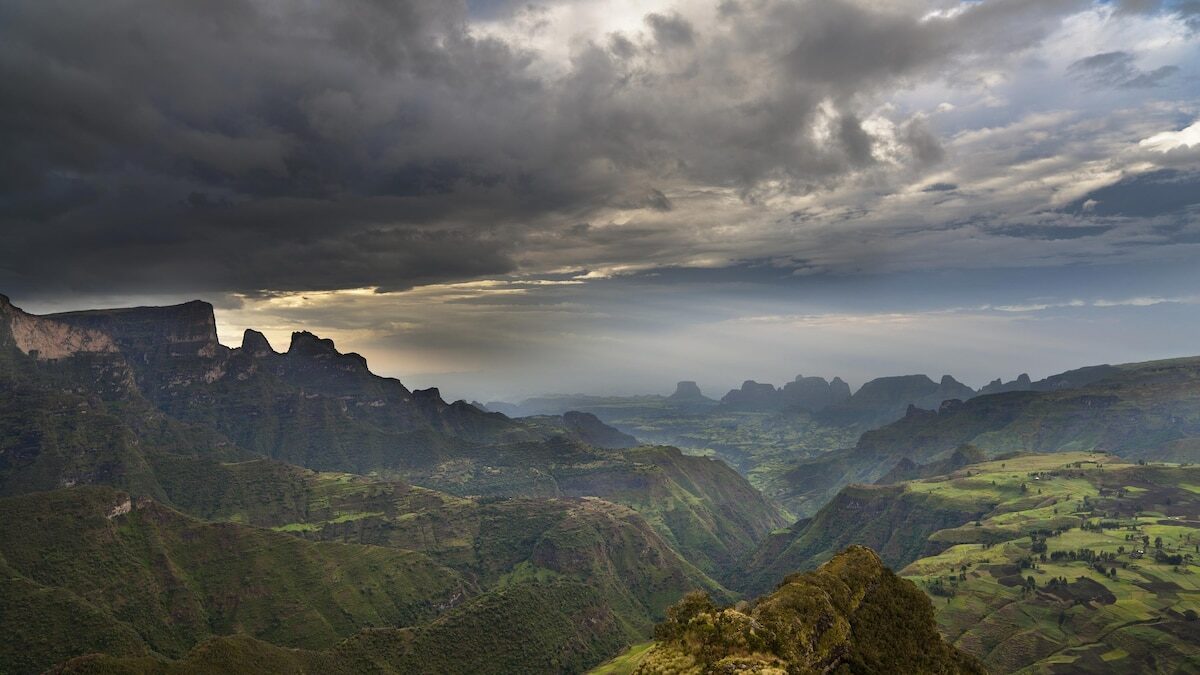
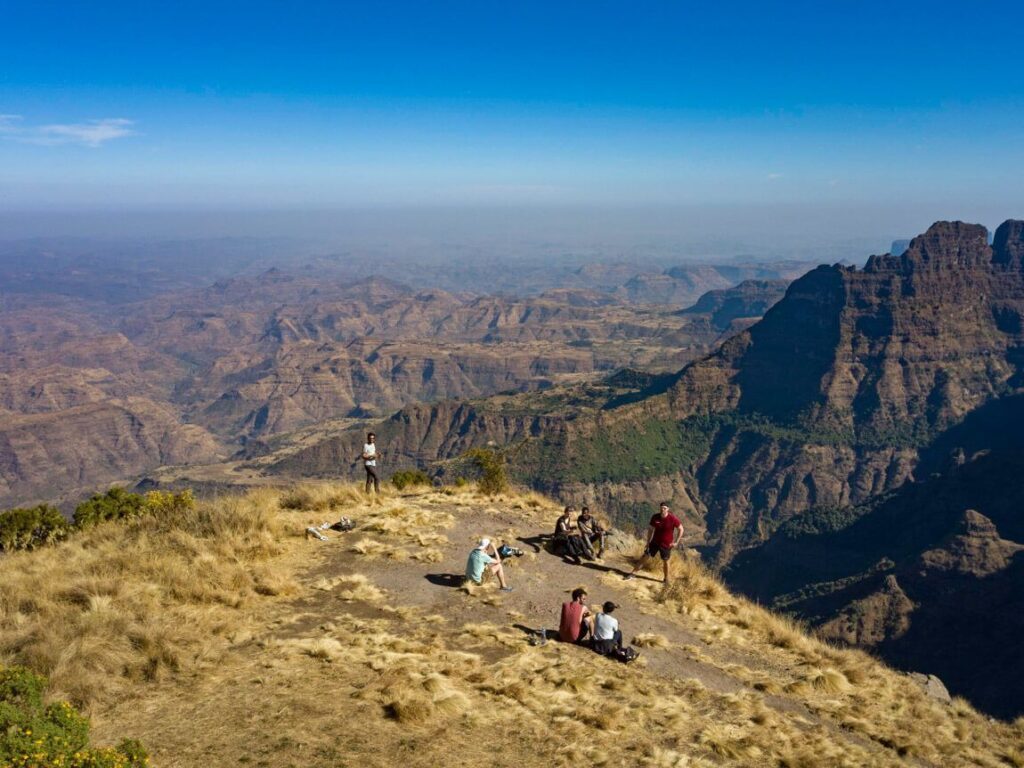
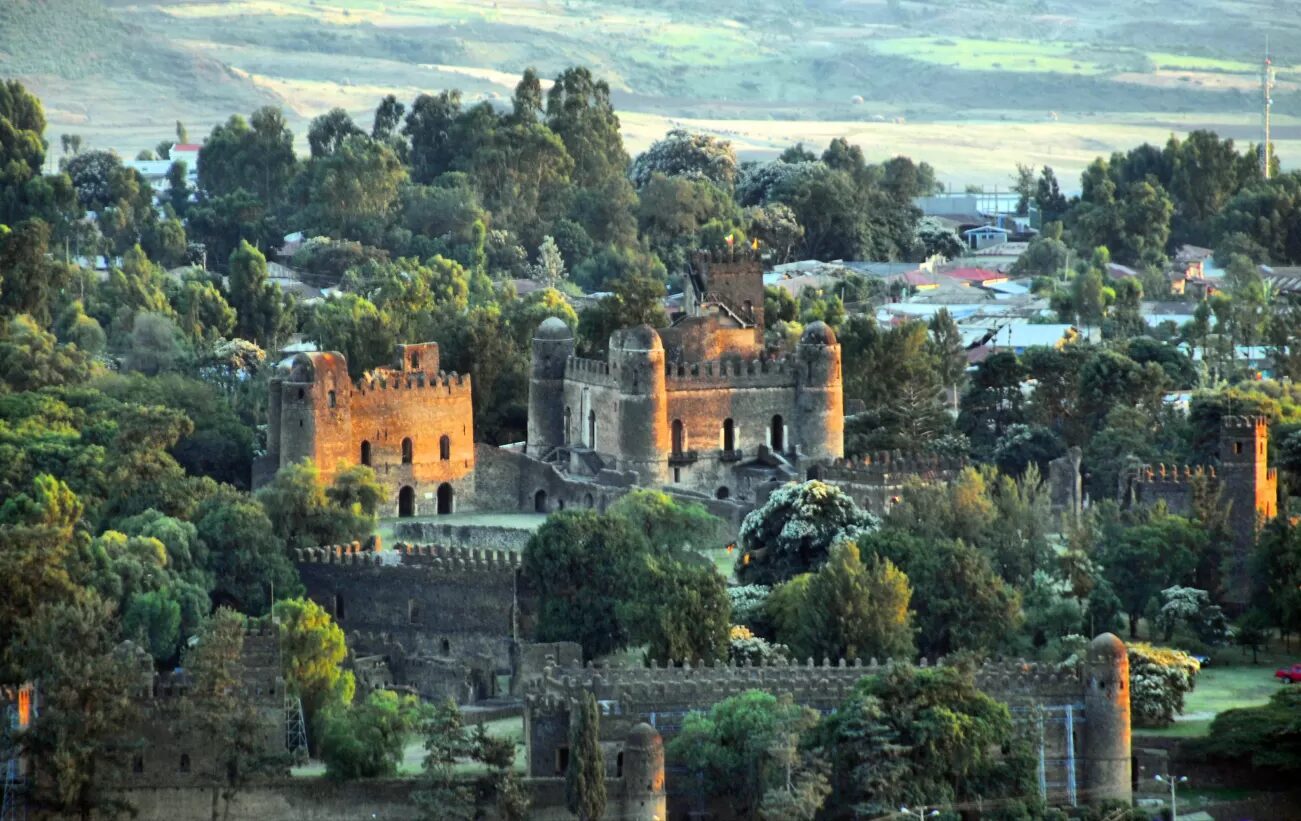
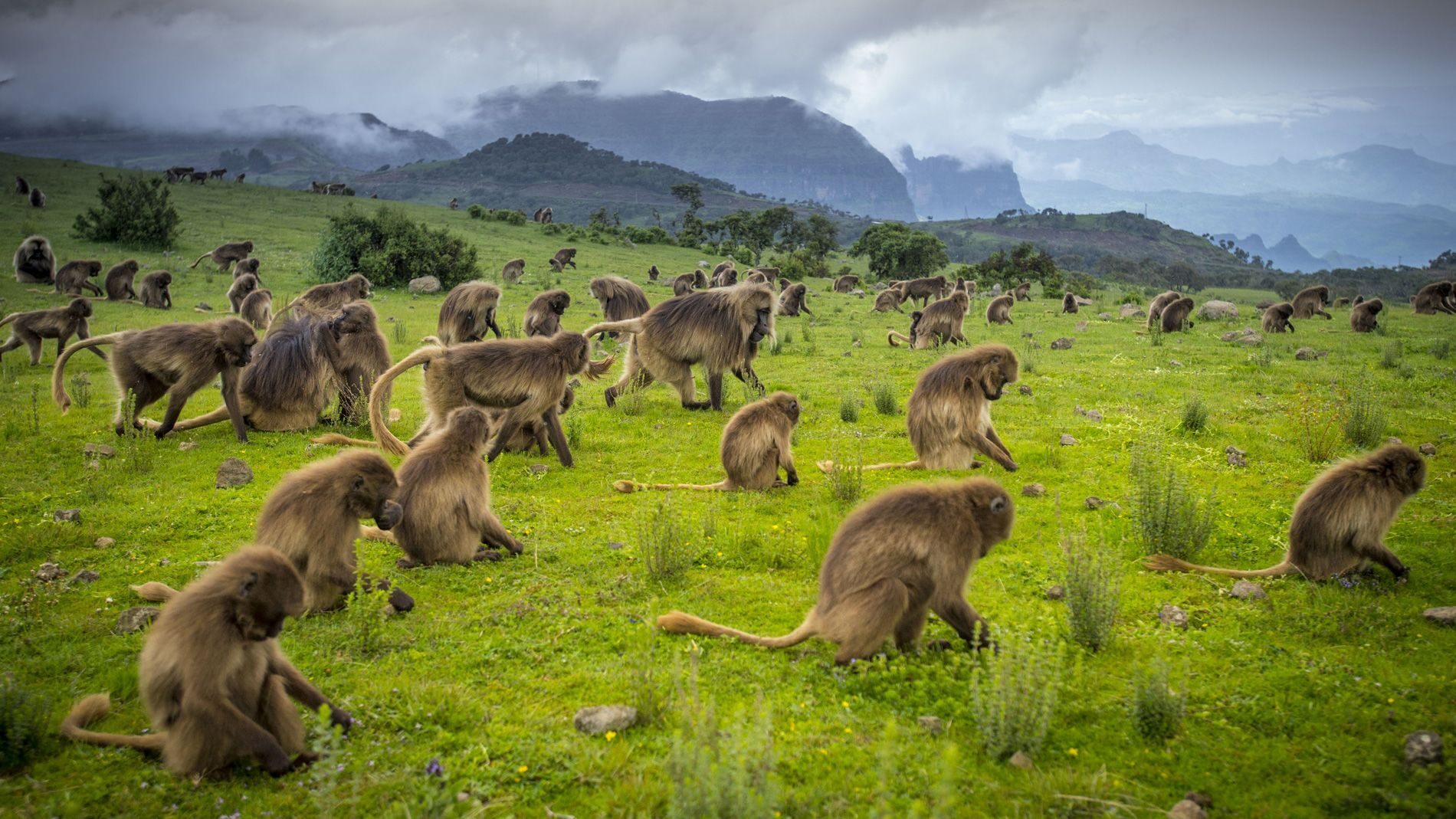
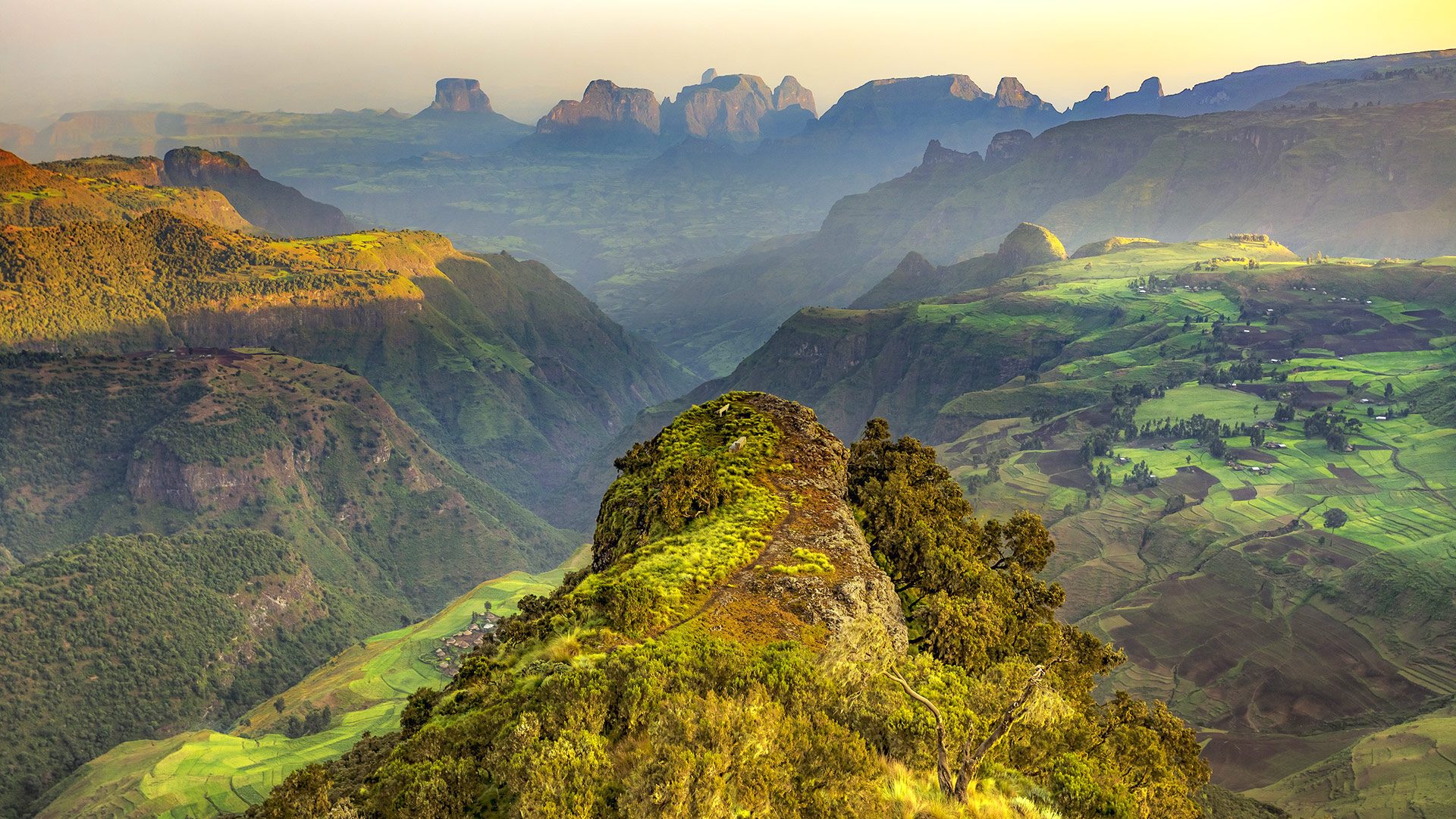
Ethiopia is a land of ancient civilizations, unique culture, and dramatic landscapes largely untouched by colonialism. The historical circuit in the north includes Lalibela rock-hewn churches (often called the eighth wonder of the world), Gondar castles, and Axum obelisks marking ancient empires. The Simien Mountains offer spectacular trekking with endemic wildlife like the gelada baboon. The Danakil Depression features active volcanoes and sulfur lakes in one of Earths most extreme environments. The Omo Valley has diverse tribal cultures. Ethiopian Airlines connects major destinations domestically. The birr is the currency. Amharic is the main language; English is limited. Ethiopian cuisine centers on injera flatbread and various stews. Coffee ceremonies are cultural rituals.
Current Travel Situation
United States to Ethiopia: What You Need to Know
Ethiopia offers an e-Visa system for US citizens and most other nationalities. Apply before travel at evisa.ethiopia.gov.et. The e-Visa costs $82 for a 90-day single-entry tourist visa. Ethiopia is Africa's second-most populous country and one of the continent's most historically rich , it was the only African country (alongside Liberia) to resist European colonization, and it has 9 UNESCO World Heritage Sites. Note: some parts of Ethiopia have security concerns, particularly Tigray and other conflict-affected regions. Check the US State Department advisory before visiting.
How to Get There
Ethiopian Airlines operates from major US cities including New York, Washington DC, Chicago, Houston, and Los Angeles to Addis Ababa (ADD). Ethiopian Airlines is one of Africa's largest and most awarded carriers , direct from New York takes about 14–15 hours. Addis Ababa is a major transit hub for all of Africa.
Money & Banking
Ethiopia uses the Ethiopian Birr (ETB). ATMs are available in Addis Ababa and major cities. Credit cards accepted at top-end hotels; cash is essential for most daily expenses. Ethiopia is one of Africa's most affordable destinations for mid-range travel , budget $40–80/day. Coffee ceremony participation, local tej (honey wine) and injera (spongy sourdough flatbread with stews) are affordable cultural experiences.
Practical Tips
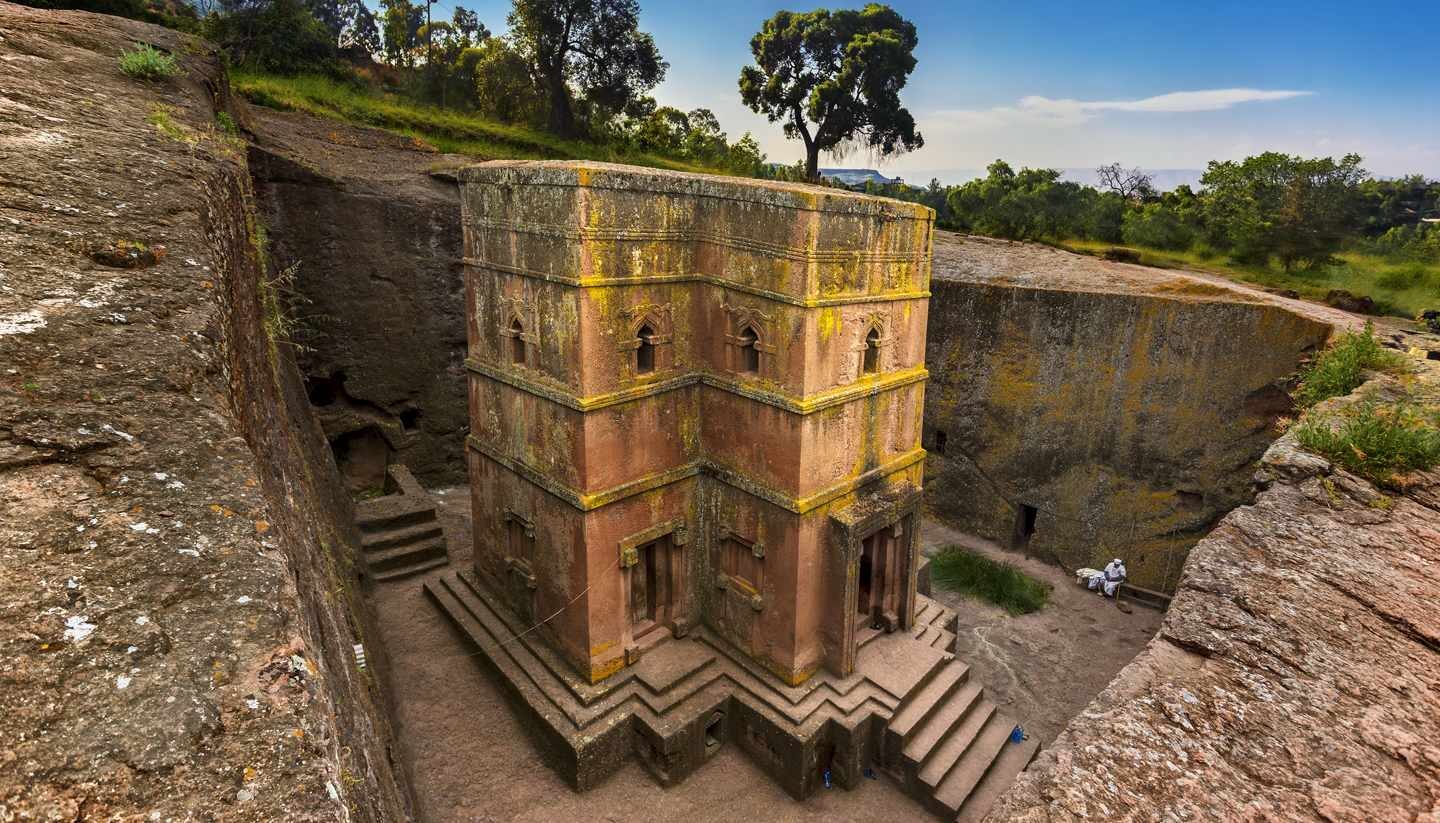
Ethiopia's extraordinary highlights: Lalibela (11 monolithic rock-hewn churches, 12th–13th century, a pilgrimage site of profound spiritual power), Aksum (UNESCO, ancient capital with towering stone stelae, Ark of the Covenant is believed kept here), Gondar (16th century castles, UNESCO), the Danakil Depression (one of the world's most extreme landscapes at 100m below sea level , acid lakes, sulfur springs, active Erta Ale lava lake), the Simien Mountains (UNESCO, dramatic highlands with gelada baboons), and Omo Valley (fascinating indigenous tribes).
Frequently Asked Questions
Do US citizens need a visa to visit Ethiopia?
Yes, US citizens need a visa. The easiest method is the e-Visa through evisa.gov.et, which takes 1-3 business days to process. Costs are $82 for a 30-day single entry or $102 for 90 days. Visa on arrival is also available at Addis Ababa Bole Airport for the same prices but e-Visa is recommended to avoid potential lines. You'll need a passport valid for 6 months with 2 blank pages. Ethiopian Airlines is a major African hub, making connections convenient.
Do US citizens need a visa for Ethiopia?
Yes. An e-Visa is required, costing approximately $82 for a 90-day stay. Apply online at evisa.ethiopia.gov.et before travel.
What are the main attractions in Ethiopia?
Ethiopia offers unique historical and natural wonders. The rock-hewn churches of Lalibela, carved from solid rock in the 12th-13th centuries, are one of the world's great architectural achievements. Gondar has castles and palaces from the 17th century Ethiopian Renaissance. Axum was the center of an ancient empire with 1,700-year-old obelisks. The Simien Mountains offer dramatic trekking and endemic wildlife. The Danakil Depression is one of Earth's most extreme landscapes. The Omo Valley has traditional tribes. Addis Ababa, Africa's diplomatic capital, has the National Museum (home of "Lucy"), excellent Ethiopian food scene, and vibrant culture.
Is Ethiopia safe for American tourists?
Safety varies by region. Addis Ababa and major tourist sites like Lalibela, Gondar, and Aksum are generally safe, though conditions can change. Some regions (Tigray, parts of Amhara) have experienced conflict. Check the current US State Department advisory carefully before booking.
What should I know about Ethiopian food and culture?
Ethiopian cuisine is unique and delicious. Injera, a spongy sourdough flatbread, is the base of most meals, topped with various stews (wot) including spicy meat dishes and vegetarian options. You eat with your hands, tearing injera and scooping up stews. Coffee originated in Ethiopia and the coffee ceremony is an important cultural ritual. Ethiopian Orthodox Christianity involves numerous fasting periods when meat is avoided, so vegetarian options are always excellent. Ethiopia uses its own calendar (7-8 years behind the Gregorian calendar) and 12-hour clock starting at dawn (6am is "12 o'clock"). Respect is important; remove shoes in homes and churches.
Are there direct flights from the US to Ethiopia?
Yes. Ethiopian Airlines flies direct from New York, Washington DC, Chicago, Houston, and Los Angeles to Addis Ababa (ADD). Ethiopian Airlines is consistently rated among Africa's best carriers. The New York–Addis flight takes about 14–15 hours.
Is Ethiopia safe to visit?
Safety in Ethiopia varies significantly by region. Addis Ababa is generally safe for tourists with standard precautions against petty theft. The Historic Northern Circuit (Lalibela, Gondar, Axum, Bahir Dar) is the most visited tourist route and is typically safe, though always check current conditions. Avoid border regions with Eritrea, Somalia, and Sudan, and the Tigray region has experienced conflict. The Omo Valley and Danakil Depression require organized tours. Always check current travel advisories before planning. Political demonstrations should be avoided. Most tourists visit without incident, but informed planning is essential.
What is Ethiopia's coffee culture like?
Ethiopia is the birthplace of coffee. The traditional Ethiopian coffee ceremony — where green beans are roasted, ground, and brewed in front of guests over three rounds — is a central part of social culture. Participating in a coffee ceremony is one of the most memorable travel experiences in Africa.
What are the Lalibela churches?
Lalibela is a sacred town in northern Ethiopia containing 11 monolithic rock-hewn churches, carved downward into the rock in the 12th–13th centuries. UNESCO-listed, they are considered the eighth wonder of the world by many Ethiopians. The complex is still an active pilgrimage site for Ethiopian Orthodox Christians.