Eswatini Visa RequirementsFor United States passport holders
US passport holders can visit Eswatini (formerly Swaziland) without a visa for up to 30 days. Eswatini is a small landlocked kingdom in southern Africa known for its royal culture and wildlife.
Great news! United States passport holders can enter Eswatini without a visa for tourism or business purposes. You can stay up to 30 days.
No visa is required. Carry your valid US passport (6+ months validity), return or onward ticket, and accommodation details. Entry is typically smooth at major land borders from South Africa. No advance registration needed.
Entry Requirements
Passport Validity
6 months beyond date of entry
Blank Pages
2 blank pages required
Multiple Entry
Single entry only
Work Permitted
No - requires work visa
Entry Conditions
Valid passport with at least 6 months validity and blank pages.
Required Documents
Valid US Passport
Must be valid for at least 3-6 months beyond your planned departure date (varies by country)
Return or Onward Ticket
Proof of departure from the country, such as a return flight or onward travel booking
Proof of Accommodation Recommended
Hotel reservation, Airbnb booking, or address where you will be staying
Proof of Sufficient Funds Recommended
Credit cards, bank statements, or cash to cover expenses during your stay
Travel Insurance Recommended
Recommended for all international travel covering medical emergencies
Travel Essentials
Health & Safety
Safety Rating
Vaccinations
Hepatitis A, Hepatitis B, Typhoid, Rabies
Tap Water
Bottled water recommended
Safety Tips
Eswatini is generally safe for tourists with low crime rates in tourist areas. Avoid driving at night due to pedestrians and animals on roads. The 2021 civil unrest has calmed but avoid large gatherings. HIV/AIDS prevalence is high - take appropriate precautions.
Money & Costs
Currency
E Swazi Lilangeni (SZL)
Daily Budget (USD)
Budget: $40 · Mid: $80 · Luxury: $180+
Tipping
Tipping is appreciated. 10% in restaurants. Tips for guides and hotel staff are welcome.
Practical Info
Power
Type M, 230V 50Hz
Driving
Left side
Emergency
999 (Emergency), 2404 2221 (Police Mbabane)
Getting There
Main Airports
Manzini (SHO)
Culture & Travel Tips
Best Time to Visit
The best time to visit Eswatini is during the dry winter months from May to September when game viewing is optimal. The Umhlanga (Reed Dance) ceremony occurs in August/September and the Incwala ceremony in December/January. Summer (November-March) brings rain but lush landscapes.
Cultural Notes
Eswatini maintains strong traditional culture alongside modernity. The King (Ngwenyama) and Queen Mother (Ndlovukazi) hold significant power. The Umhlanga Reed Dance and Incwala ceremonies are highlights of Swazi culture, celebrating fertility and kingship. Traditional dress and customs remain important.
Insider Tips
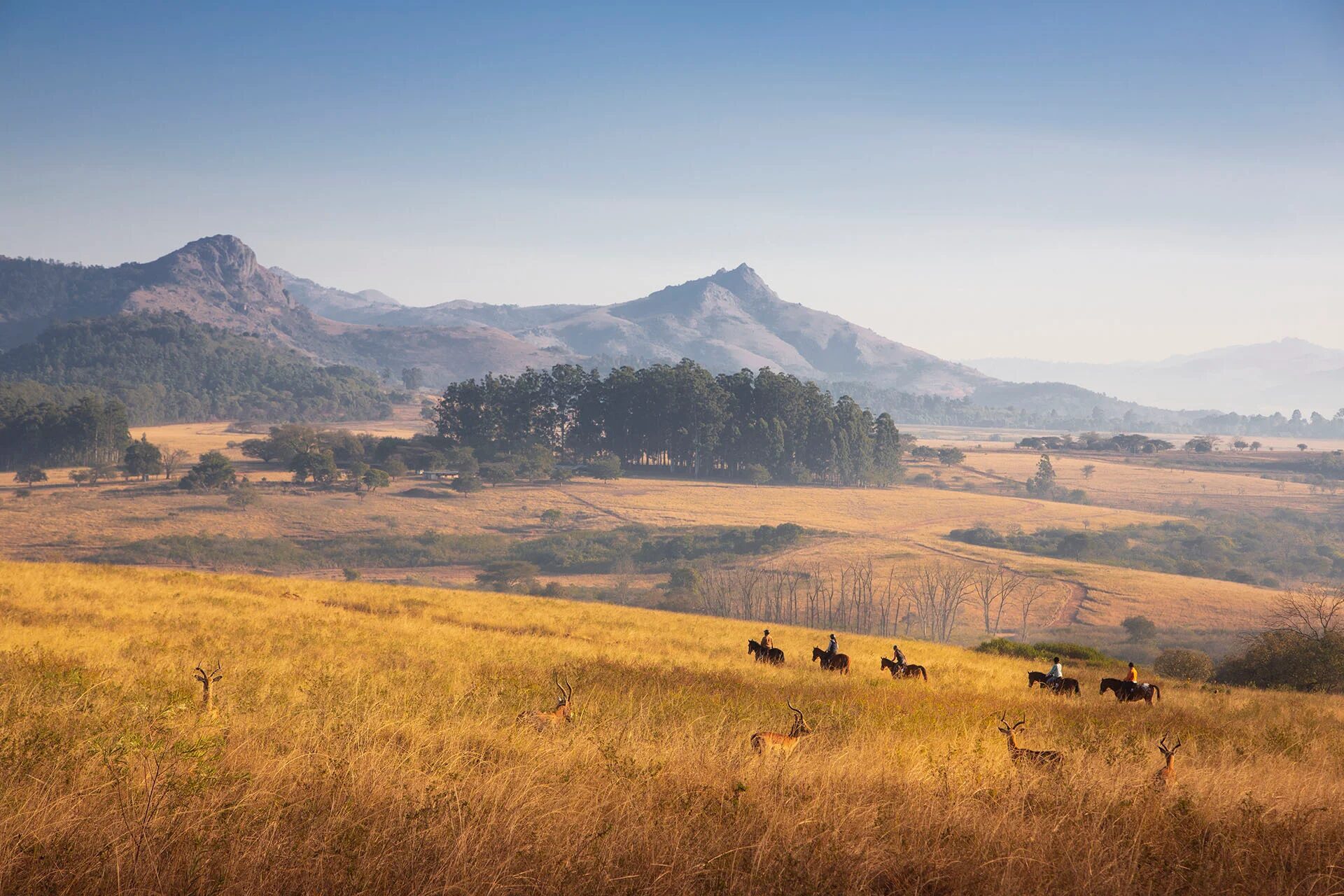
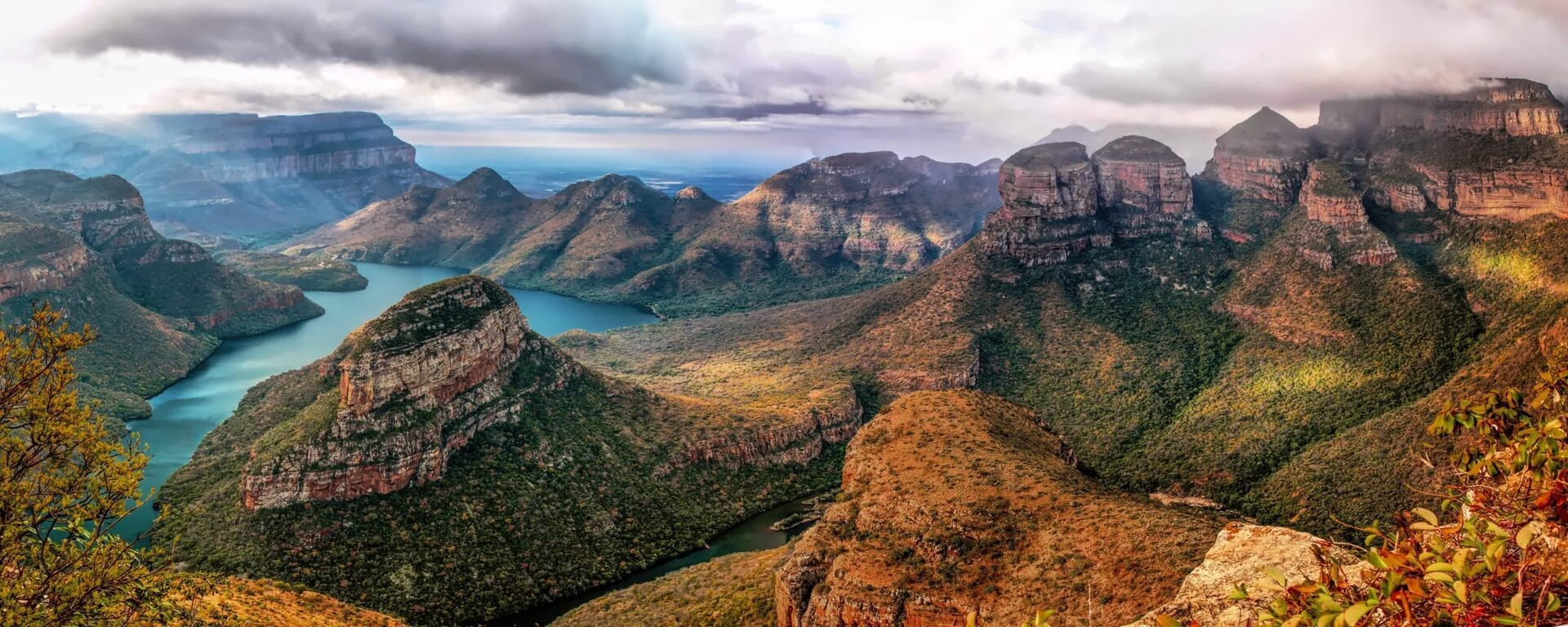
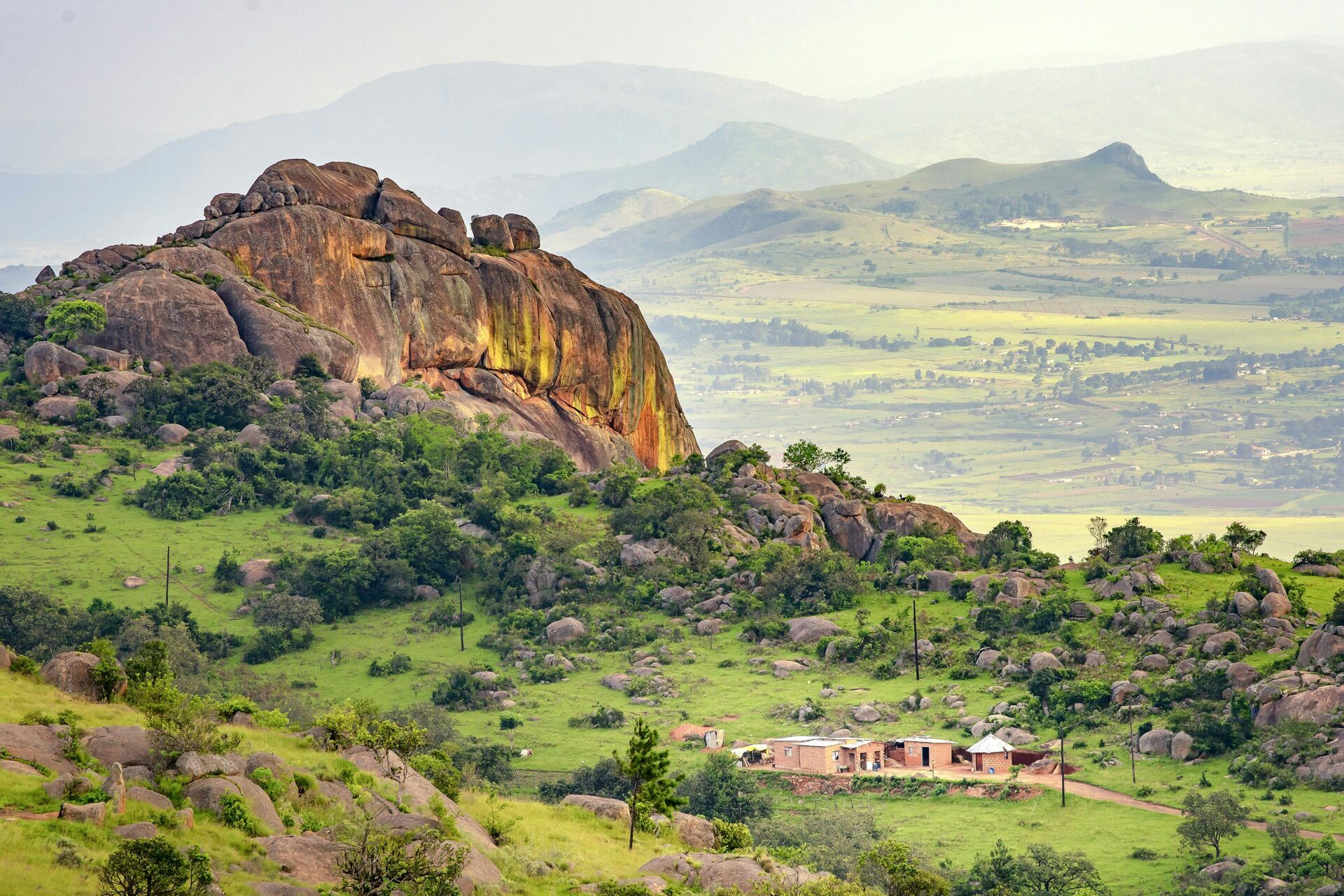
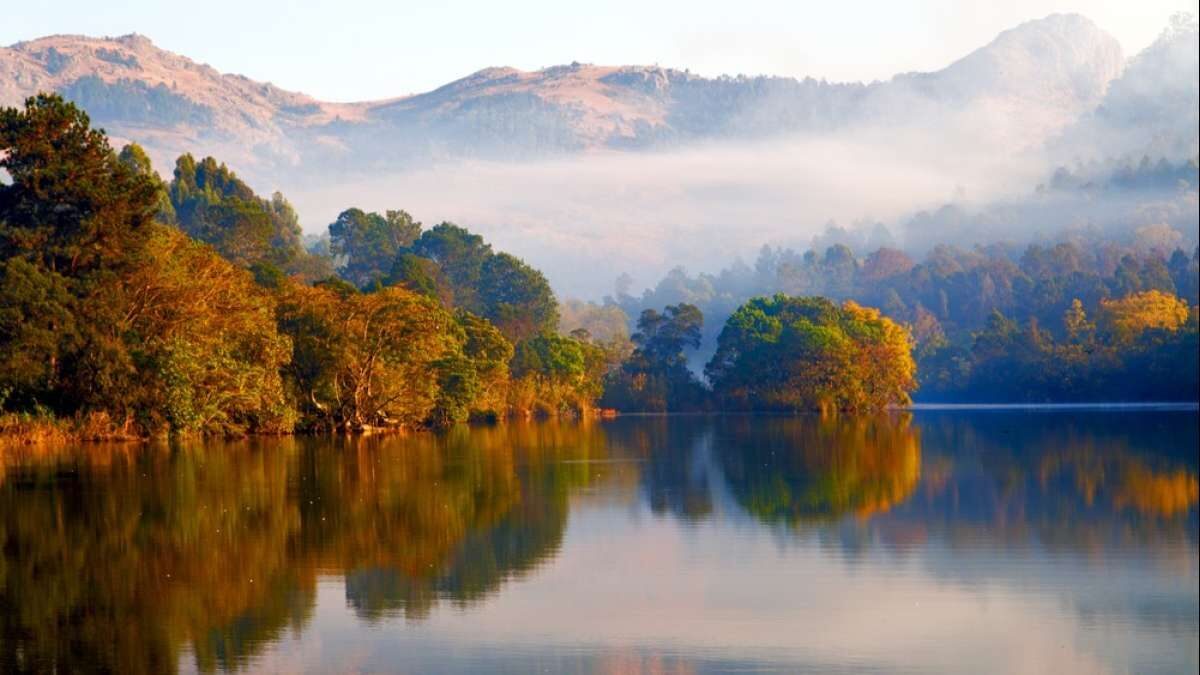
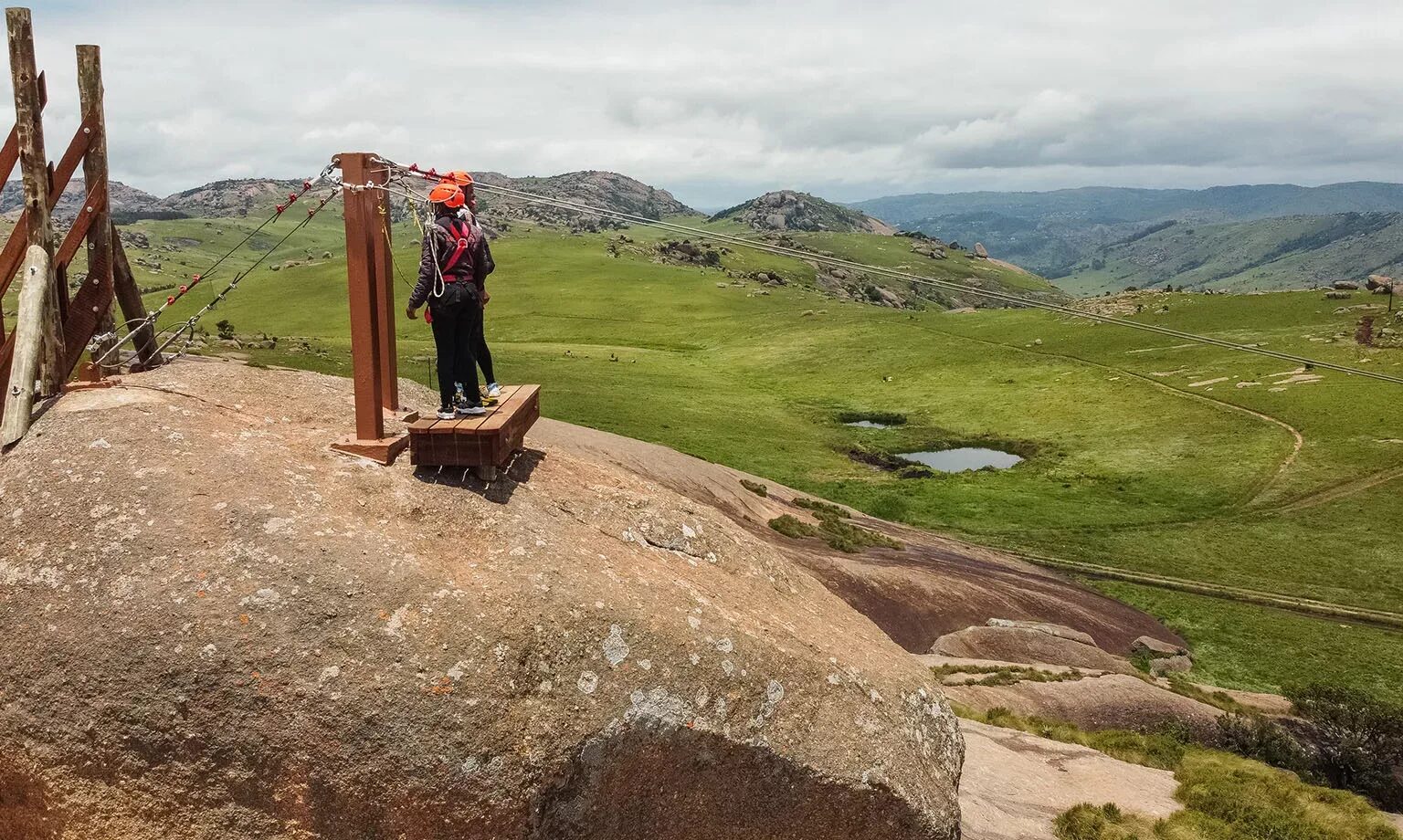
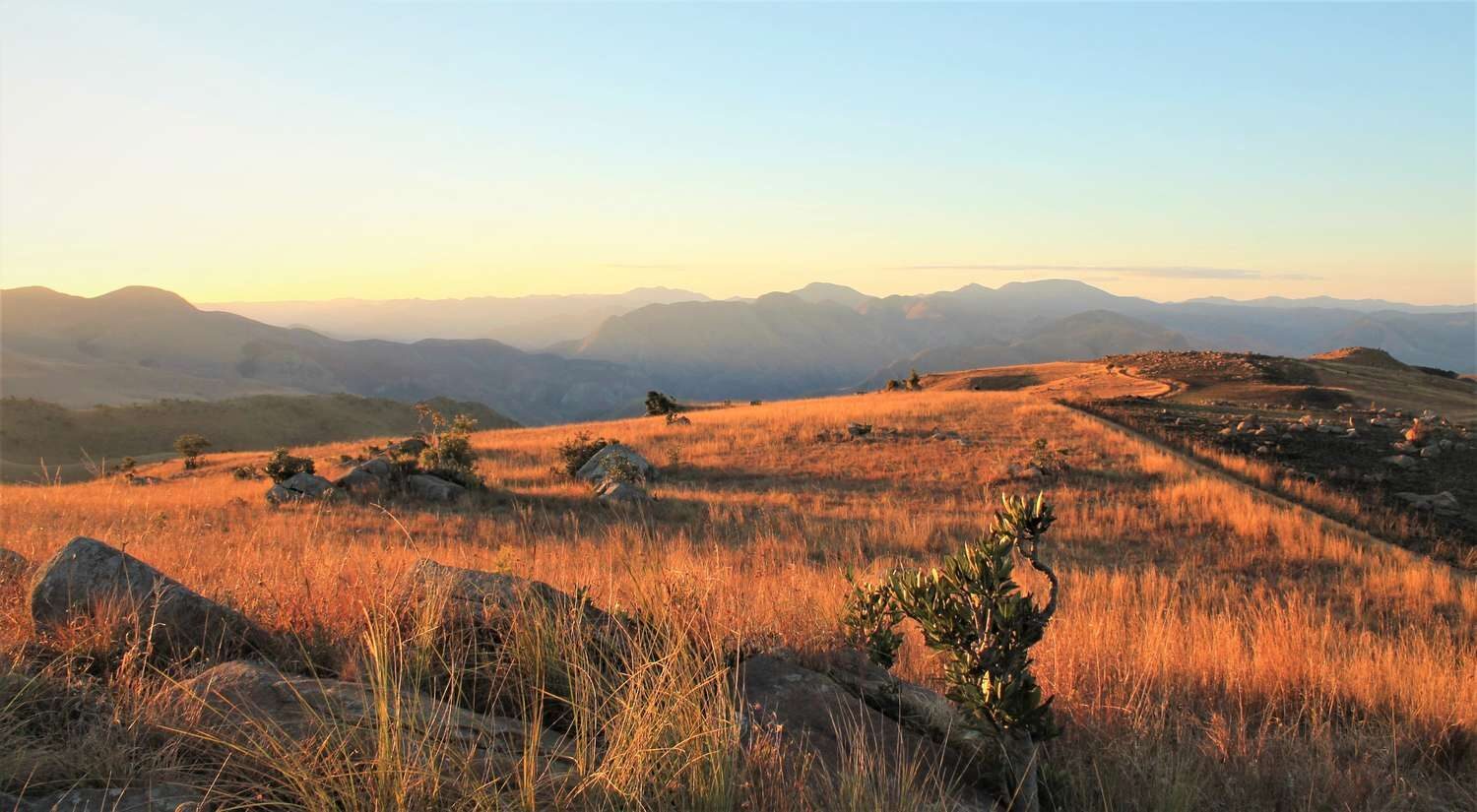
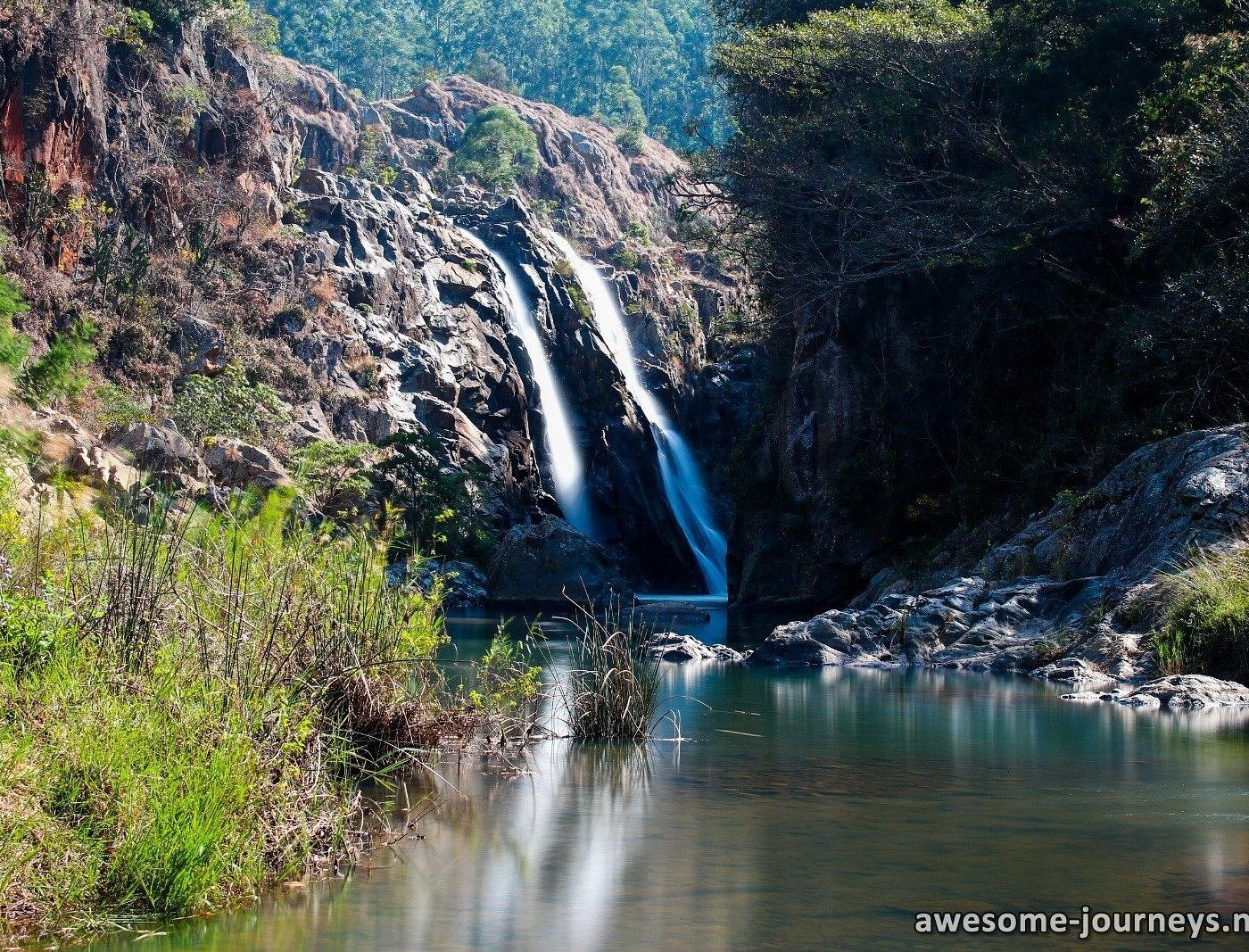
English and siSwati are official languages. The Lilangeni is the currency (pegged to the South African Rand, which is also accepted). The country is small and can be explored in a few days. Handicrafts like sisal and candles are famous. The mountain and bushveld landscapes are scenic.
Current Travel Situation
United States to Eswatini: What You Need to Know
Eswatini (renamed from Swaziland in 2018 by King Mswati III) is a small landlocked kingdom entirely surrounded by South Africa and Mozambique. It is one of Africa's last absolute monarchies: the king rules without a legislature by decree and political parties are banned. The capital is Mbabane (administrative) and Lobamba (royal/legislative). Matsapha Airport (MTS) has connections from Johannesburg and regional southern African cities. Most visitors arrive overland from South Africa. The US State Department advises Level 1 (Exercise Normal Precautions).
How to Get There
Johannesburg (JNB) via OR Tambo is the main regional hub, a 4-hour drive or bus ride to Mbabane through stunning mountain scenery. Komatipoort (South Africa) is the closest major South African gateway town to Eswatini's most popular border crossing at Jeppe's Reef. Durban (South Africa) is about 3.5 hours away. Most tourists include Eswatini as part of a broader South Africa itinerary.
Money & Banking
Eswatini uses the Swazi Lilangeni (SZL), pegged 1:1 to the South African Rand (ZAR). Rand is also accepted everywhere. Credit cards work at hotels and larger establishments; cash is preferred in rural areas and markets. Eswatini is affordable: a restaurant meal $6-12, guesthouses $40-80/night. National park entrance fees are charged in Lilangeni or Rand.
Practical Tips
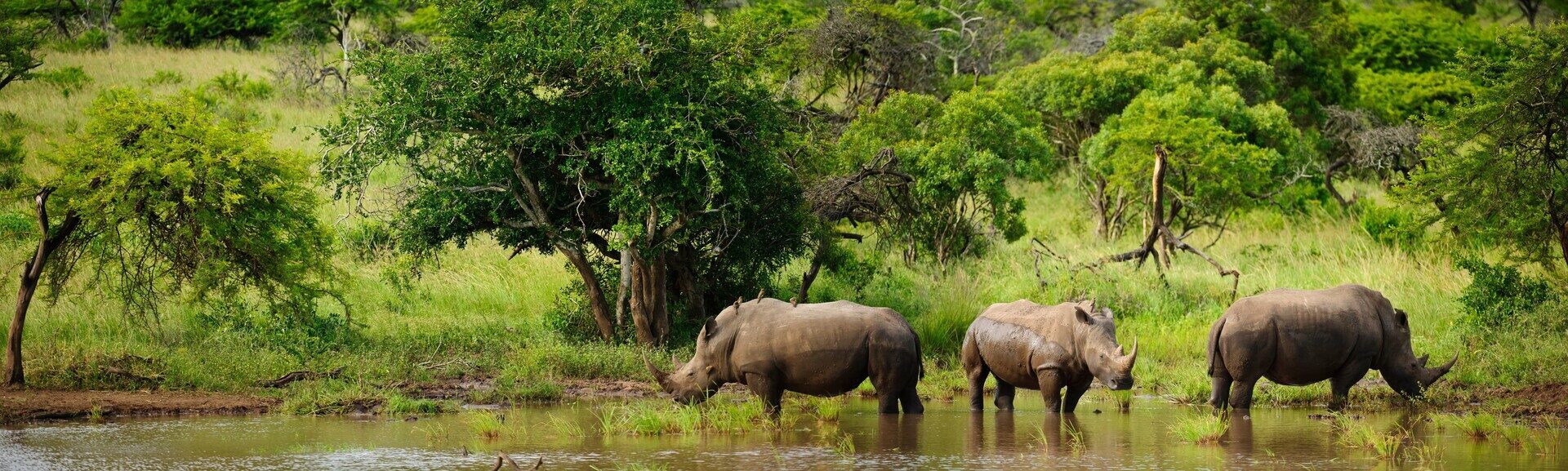
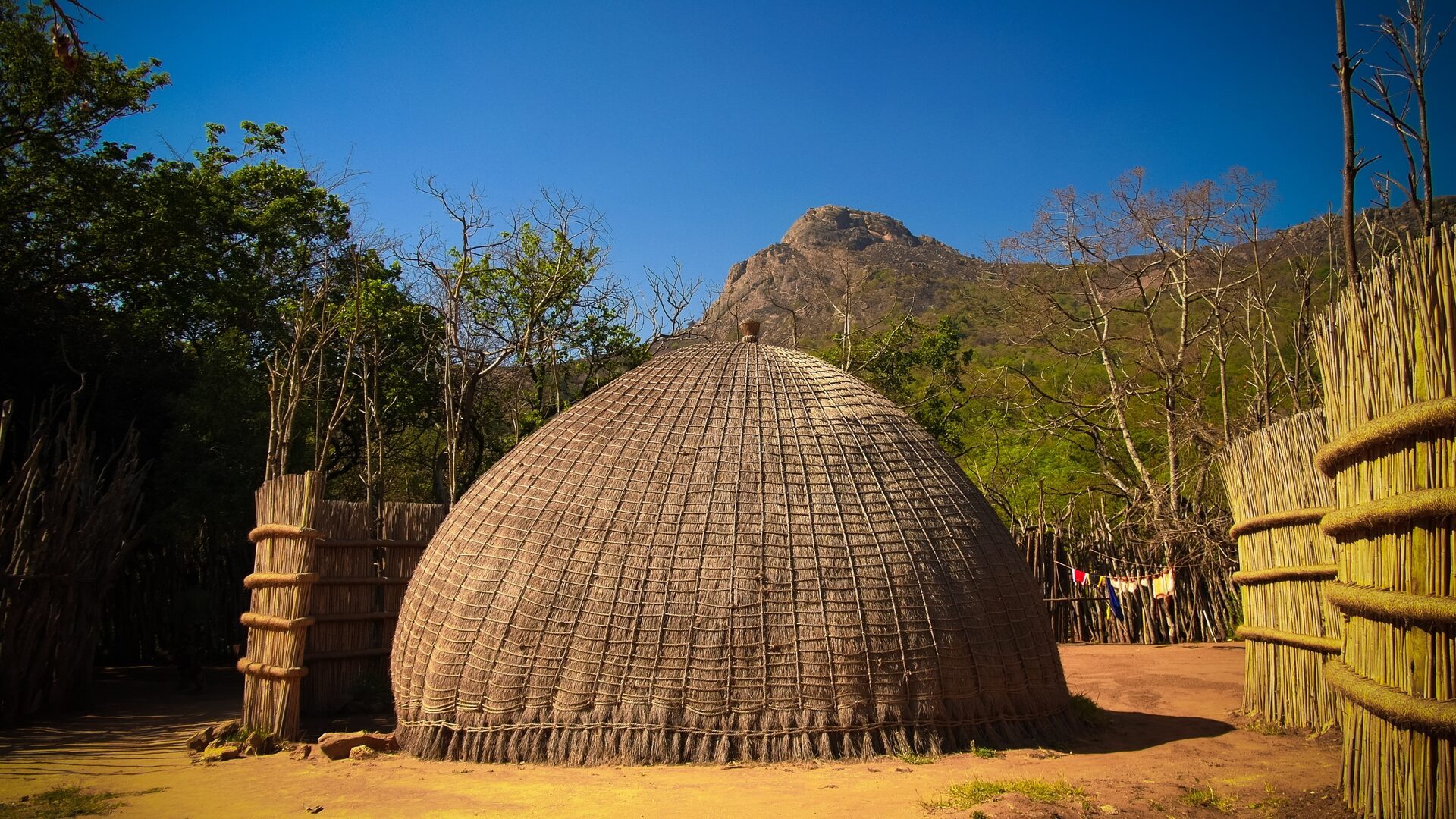
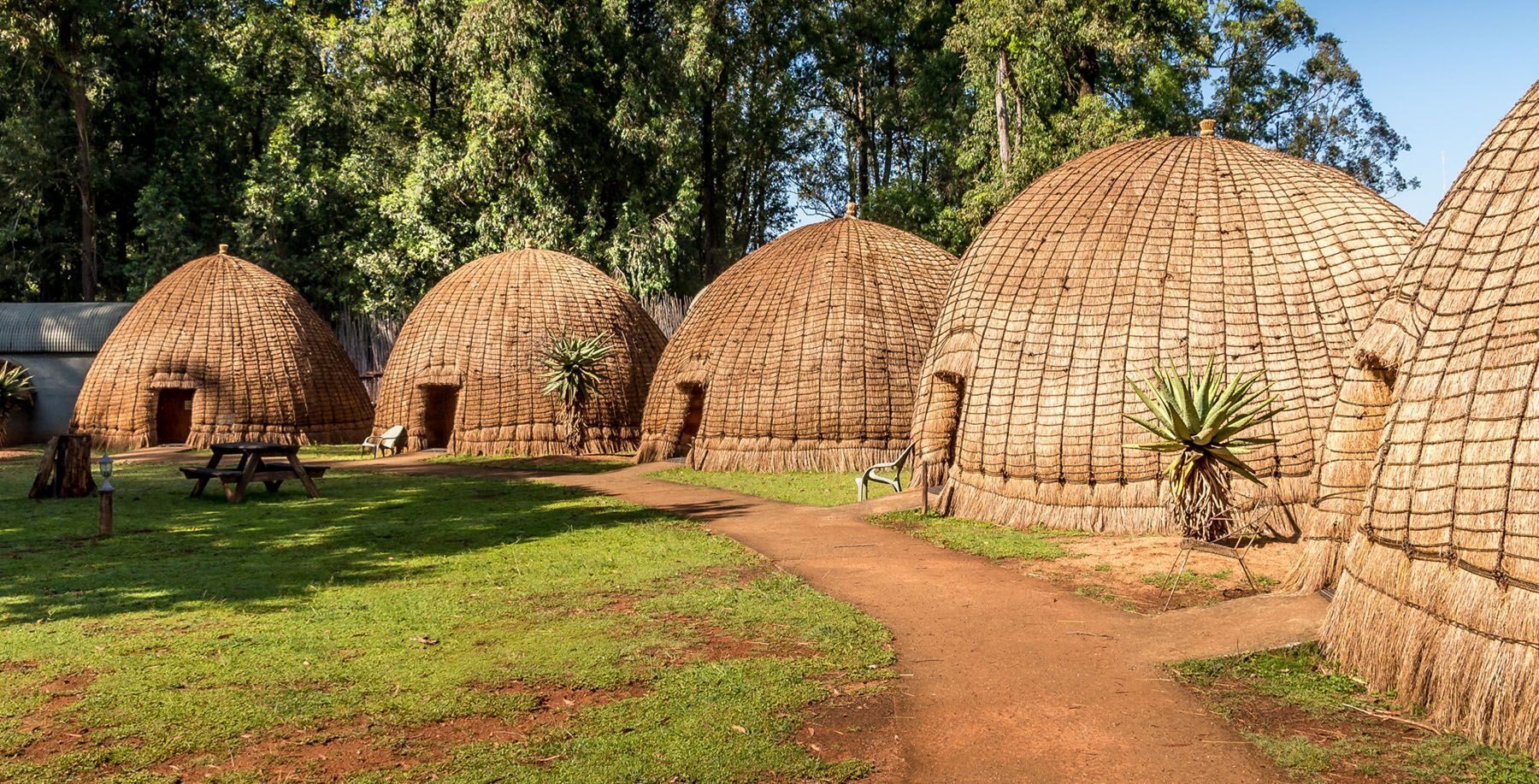
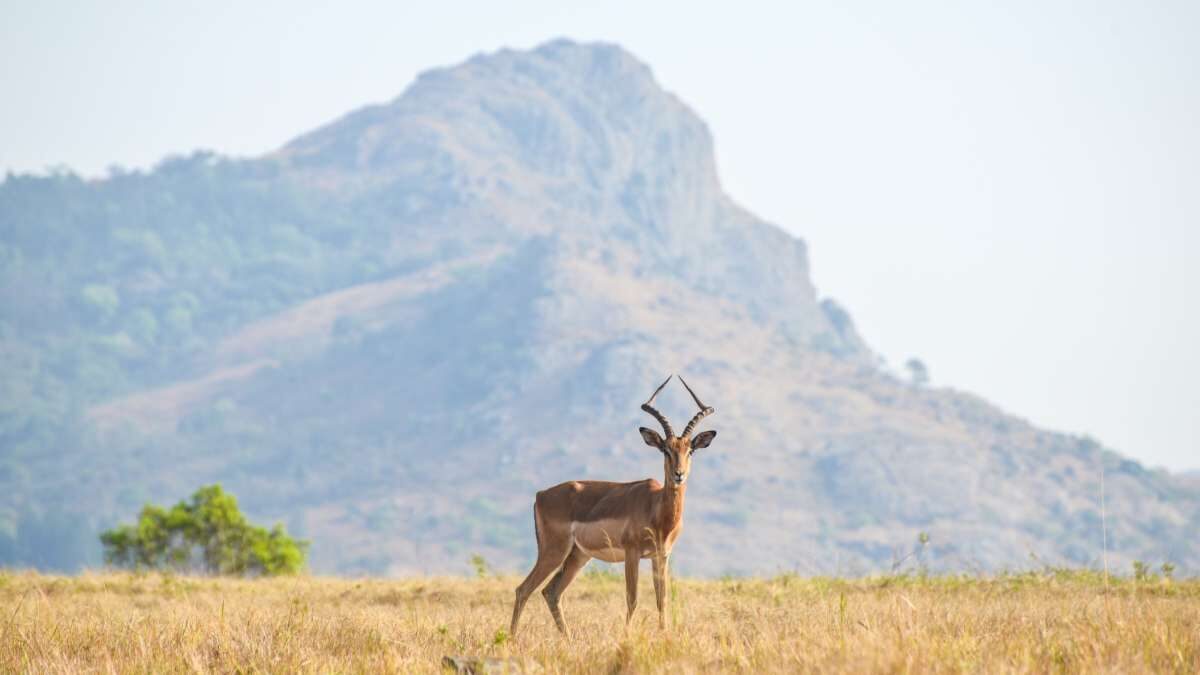
Hlane Royal National Park has white rhinos, elephants, lions (introduced), and numerous antelope species; excellent safari without the South Africa crowds or prices. Mkhaya Game Reserve is a private, exclusive reserve for black and white rhino conservation with outstanding guided walks. The Mlilwane Wildlife Sanctuary near Mbabane allows walking and cycling among game. The Swazi cultural experience at Mantenga Cultural Village demonstrates traditional beehive hut architecture, music, and dance. The Incwala and Umhlanga (Reed Dance) ceremonies (August/September) are extraordinary royal cultural events.
Frequently Asked Questions
Why is the country called Eswatini and not Swaziland?
King Mswati III renamed the country from Swaziland to Eswatini in April 2018 (on the 50th anniversary of independence) to end confusion with Switzerland and to use the traditional Swati name for the country. "Eswatini" means "Land of the Swazis" in siSwati. The king's decision was unilateral and not subject to parliamentary approval since Eswatini is an absolute monarchy.
Is Eswatini worth visiting as a standalone destination?
Eswatini is small but compact and rewarding. Most visitors include it as a 2-3 day stop on a South Africa road trip. The rhino encounters at Mkhaya and Hlane, the traditional Swazi culture, and the scenic mountain landscapes offer a genuinely different experience from South Africa's larger parks. The country is safe, friendly, and very manageable for independent travelers.
What is the Reed Dance (Umhlanga) in Eswatini?
Umhlanga (Reed Dance) is an annual Swazi ceremony held in late August or early September at Ludzidzini Royal Village. Tens of thousands of unmarried Swazi women and girls gather to cut reeds and present them to the Queen Mother, then perform traditional dances before the king. It is both a cultural ceremony and an opportunity for the king to choose a new wife. Visitors are welcome to observe and photograph the ceremony.