Equatorial Guinea Visa RequirementsFor United States passport holders
US citizens require a visa to visit Equatorial Guinea. The visa is difficult to obtain, expensive ($150), and tourism infrastructure is extremely limited. Equatorial Guinea is the only Spanish-speaking country in Africa.
United States passport holders require a visa to enter Equatorial Guinea.
Apply at the Equatorial Guinea Embassy in Washington D.C. Required: invitation letter from a local sponsor or hotel, completed visa application, valid US passport (6+ months validity), two passport photos, yellow fever certificate, return ticket, and approximately $150. The visa process can take several weeks and may require additional documentation. An invitation letter from a recognized hotel or tour company is essentially mandatory for obtaining a tourist visa.
Entry Requirements
Passport Validity
6 months beyond date of entry
Blank Pages
2 blank pages required
Multiple Entry
Single entry only
Work Permitted
No - requires work visa
Entry Conditions
Valid passport with 6 months validity, invitation letter, proof of funds.
Required Documents
Valid US Passport
Must be valid for at least 6 months beyond your planned stay with at least 2 blank pages for visa stamps
Completed Visa Application Form
Fill out the official visa application form from the embassy or consulate
Passport-size Photos
Two recent color photos (2x2 inches or 35x45mm) with white background, taken within last 6 months
Proof of Accommodation
Hotel reservations, rental agreement, or invitation letter with host address
Proof of Sufficient Funds
Recent bank statements (last 3 months), credit card statements, or sponsorship letter
Round-trip Flight Itinerary
Confirmed return or onward flight booking showing departure from the country
Employment or Business Letter
Letter from employer stating position, salary, and approved leave dates, or business registration documents
Travel Insurance Recommended
Comprehensive travel insurance covering medical expenses and emergency evacuation
Cover Letter Recommended
Personal letter explaining purpose of visit, itinerary, and ties to home country
Travel Essentials
Health & Safety
Safety Rating
Vaccinations
Hepatitis A, Hepatitis B, Typhoid, Malaria prophylaxis, Rabies
Tap Water
Bottled water recommended
Safety Tips
Equatorial Guinea is relatively safe in terms of crime, but the authoritarian government creates a restrictive environment. Photography is severely restricted. Security forces are sensitive. Avoid political discussions. The country is not tourist-oriented and facilities are limited outside the oil industry.
Money & Costs
Currency
CFA Central African CFA Franc (XAF)
Daily Budget (USD)
Budget: $100 · Mid: $200 · Luxury: $400+
Tipping
Tipping is appreciated but not expected. Service charges may be included in hotels.
Practical Info
Power
Type C, E, 220V 50Hz
Driving
Right side
Emergency
114 (Police)
Getting There
Main Airports
Bata (BSG) · Malabo (SSG)
Culture & Travel Tips
Best Time to Visit
The best time to visit Equatorial Guinea is during the dry seasons: December to February and June to August. The wet seasons bring heavy rainfall. Bioko Island has a cooler highland climate while the mainland (Río Muni) is hotter.
Cultural Notes
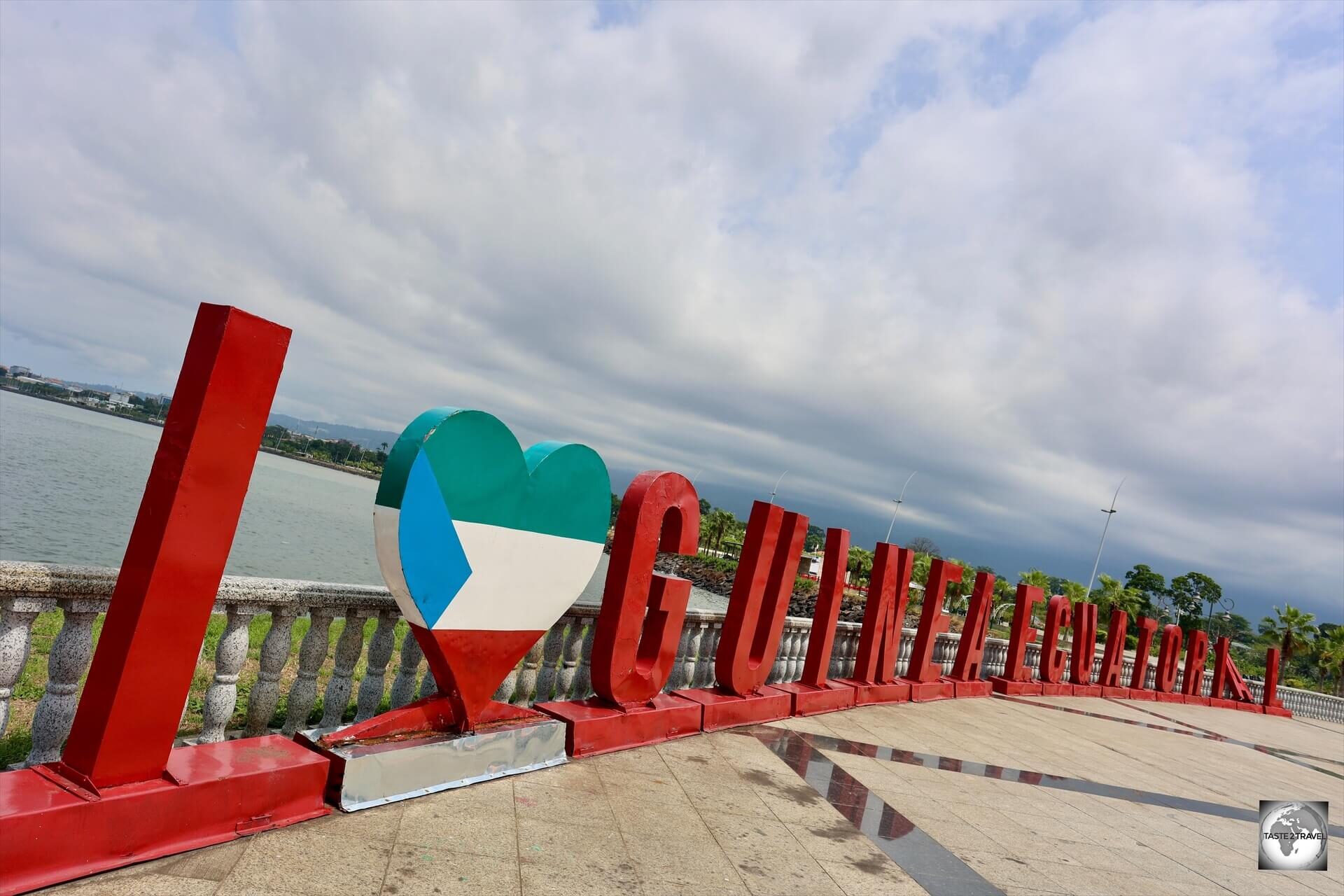
Equatorial Guinea is Africa's only Spanish-speaking country. The Fang people are the dominant ethnic group on the mainland, while Bubi people inhabit Bioko Island. Traditional beliefs coexist with Christianity. The country has significant oil wealth but limited development outside Malabo and Bata.
Insider Tips
Spanish is the official language along with French and Portuguese, making it easy for Spanish speakers. The Central African CFA franc is the currency. Equatorial Guinea is extremely expensive due to the oil economy. Photography of government buildings, military, airports, and ports is prohibited. Permits may be needed for general photography.
Current Travel Situation
United States to Equatorial Guinea: What You Need to Know
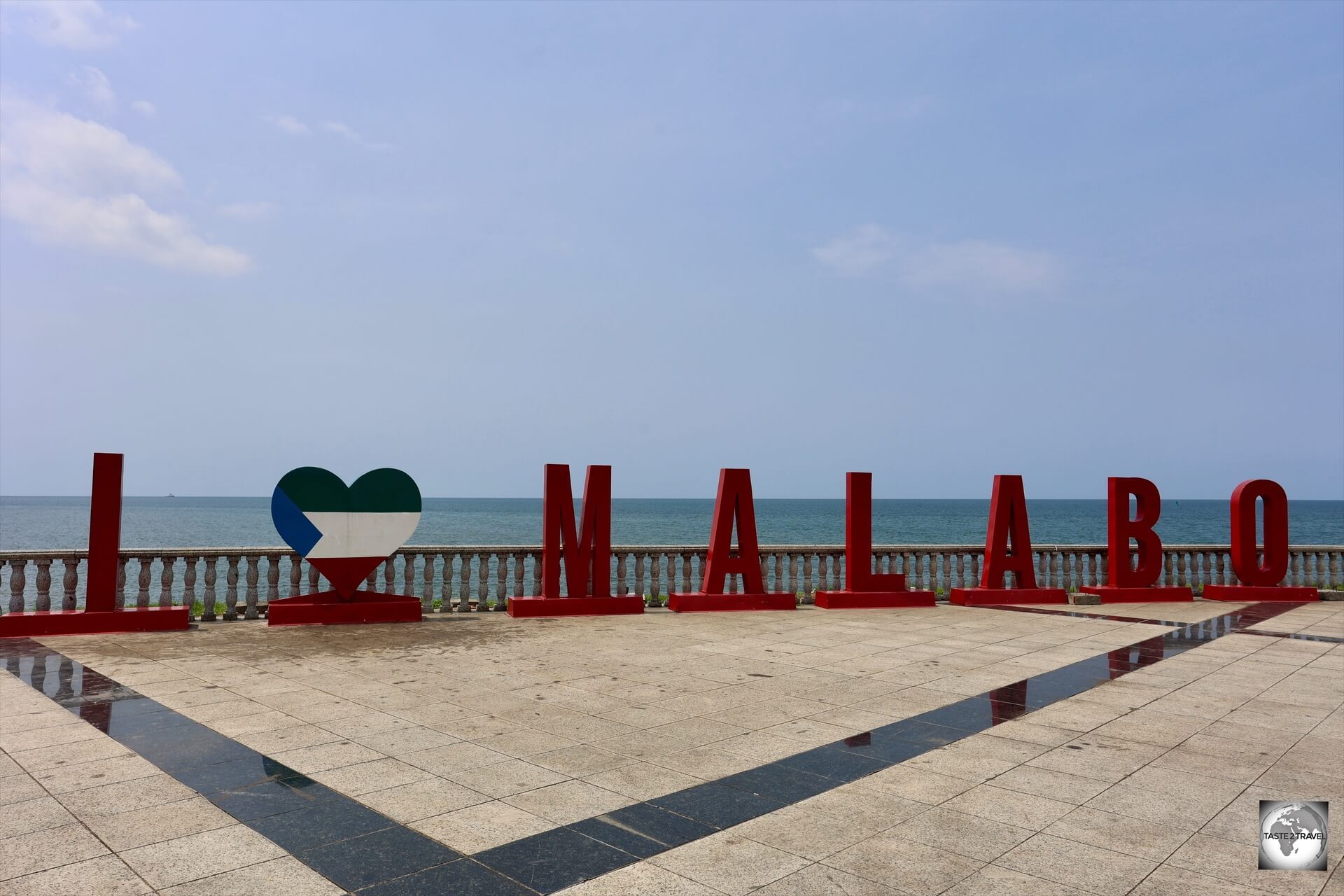
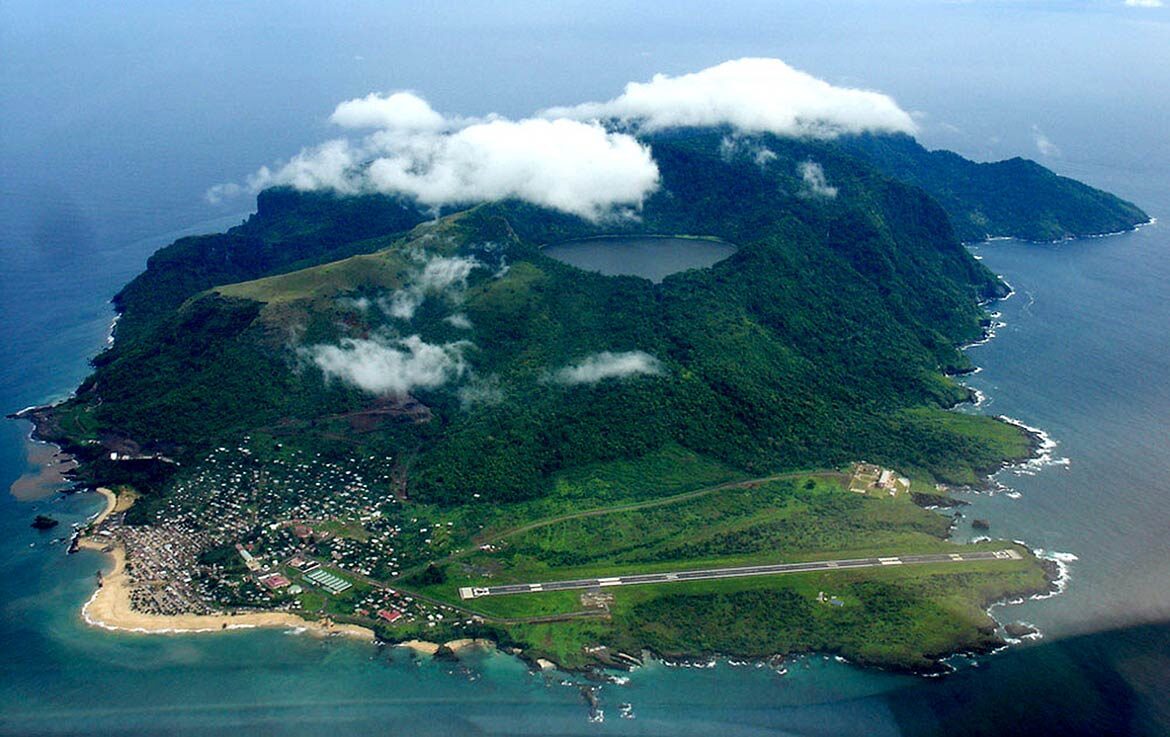
Equatorial Guinea is a small Central African country consisting of a mainland region (Rio Muni, bordering Cameroon and Gabon) and the island of Bioko (where the capital Malabo is located). It has been ruled since 1979 by President Teodoro Obiang Nguema Mbasogo (the world's longest-serving non-royal head of state), and is ranked among the most repressive governments globally. Despite enormous oil wealth (discovered in 1995), income inequality is extreme. Malabo International Airport (SSG) has connections from Madrid, Casablanca, Addis Ababa, and regional African cities. The US State Department advises Level 2 (Increased Caution) due to crime and civil unrest.
How to Get There
Madrid (MAD) via Iberia and Addis Ababa via Ethiopian Airlines are the main connections to Malabo (SSG). Douala (Cameroon) has regional connections. Bata (BSG) on the mainland has fewer international connections.
Money & Banking
Equatorial Guinea uses the Central African CFA Franc (XAF). USD and Euros can be exchanged at banks in Malabo and Bata. ATMs are available but unreliable. Equatorial Guinea is expensive despite being surrounded by poorer countries; oil wealth has inflated costs. A hotel room in Malabo runs $100-250/night, meals $15-30.
Practical Tips
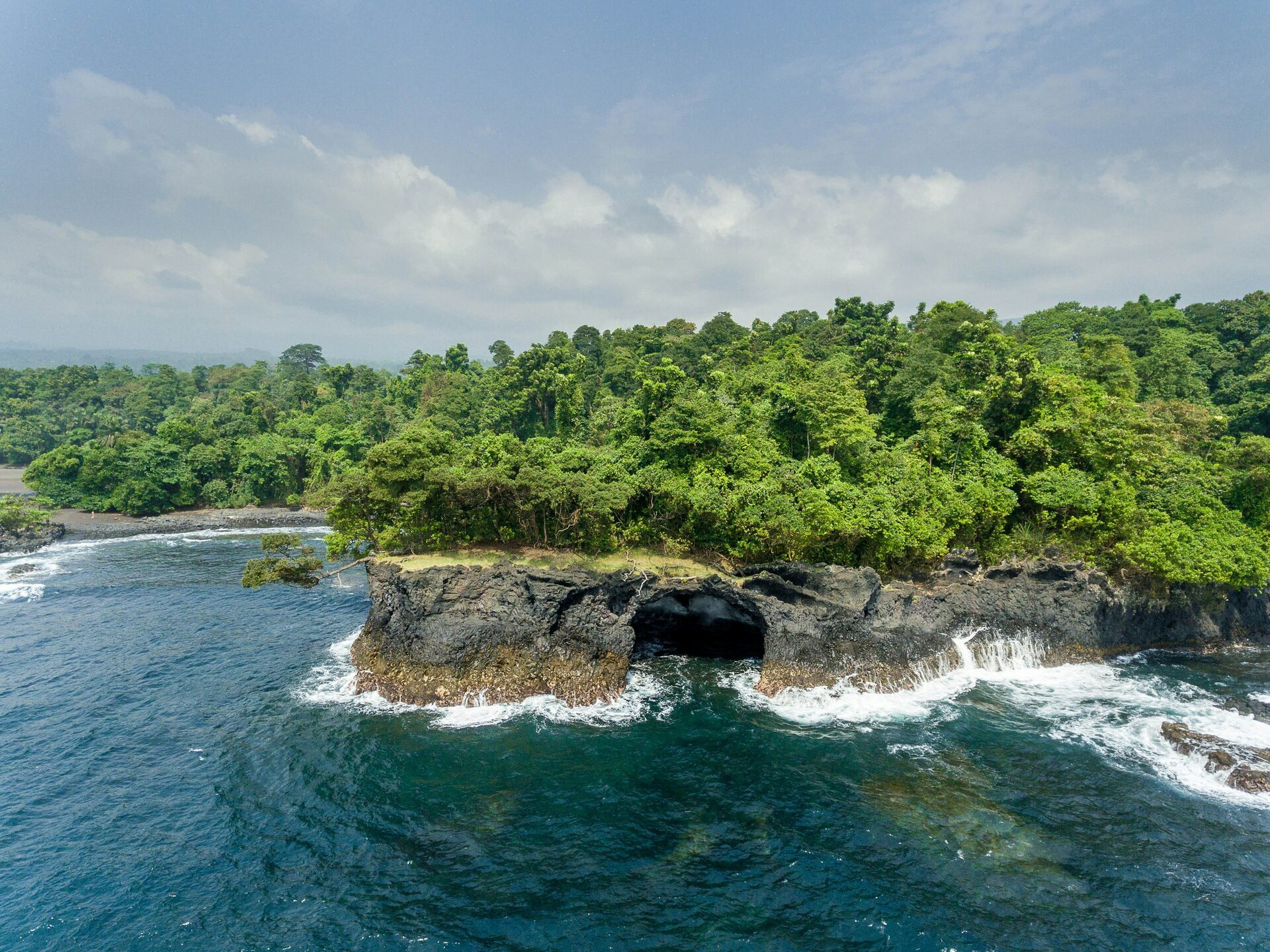
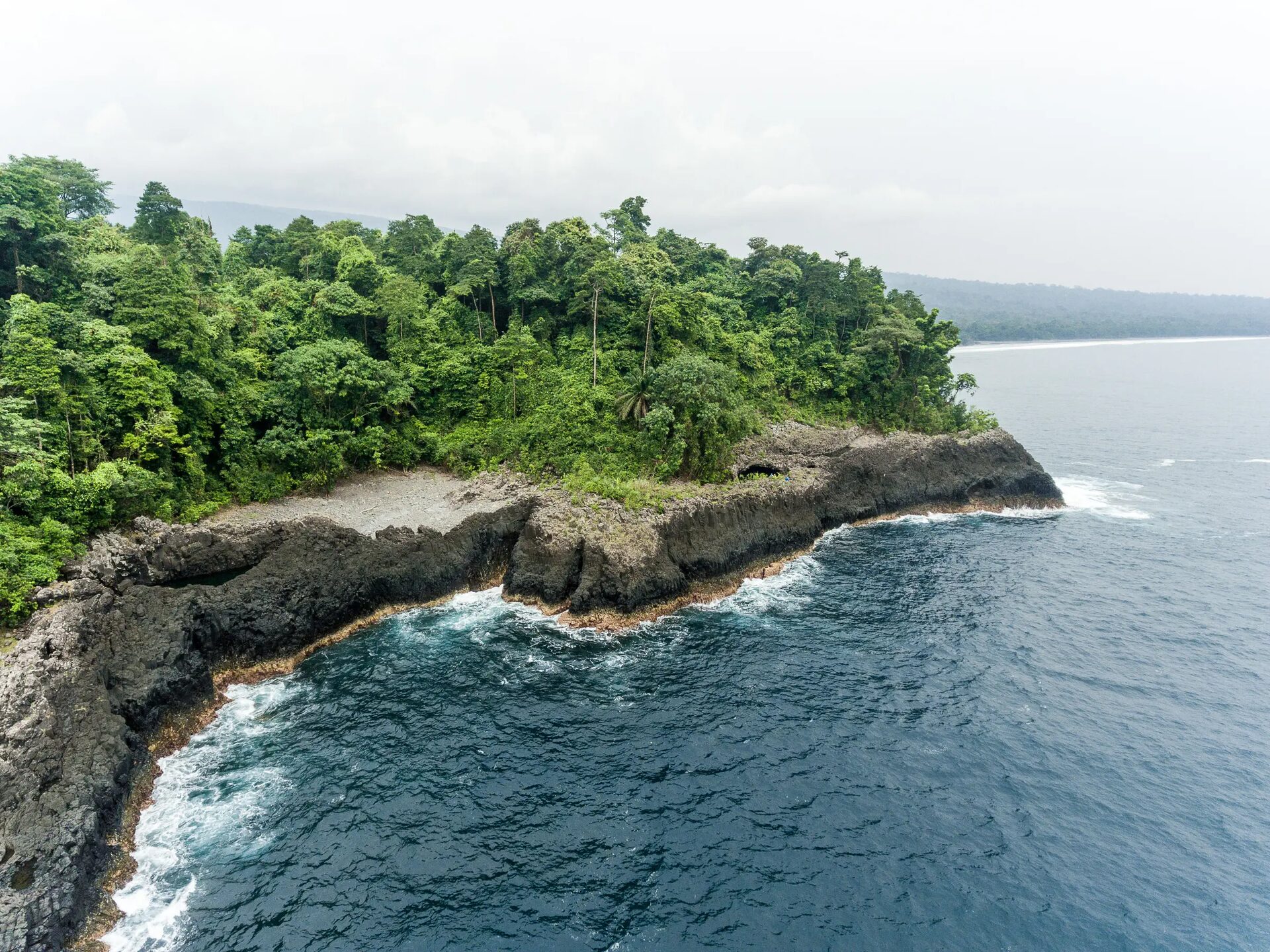
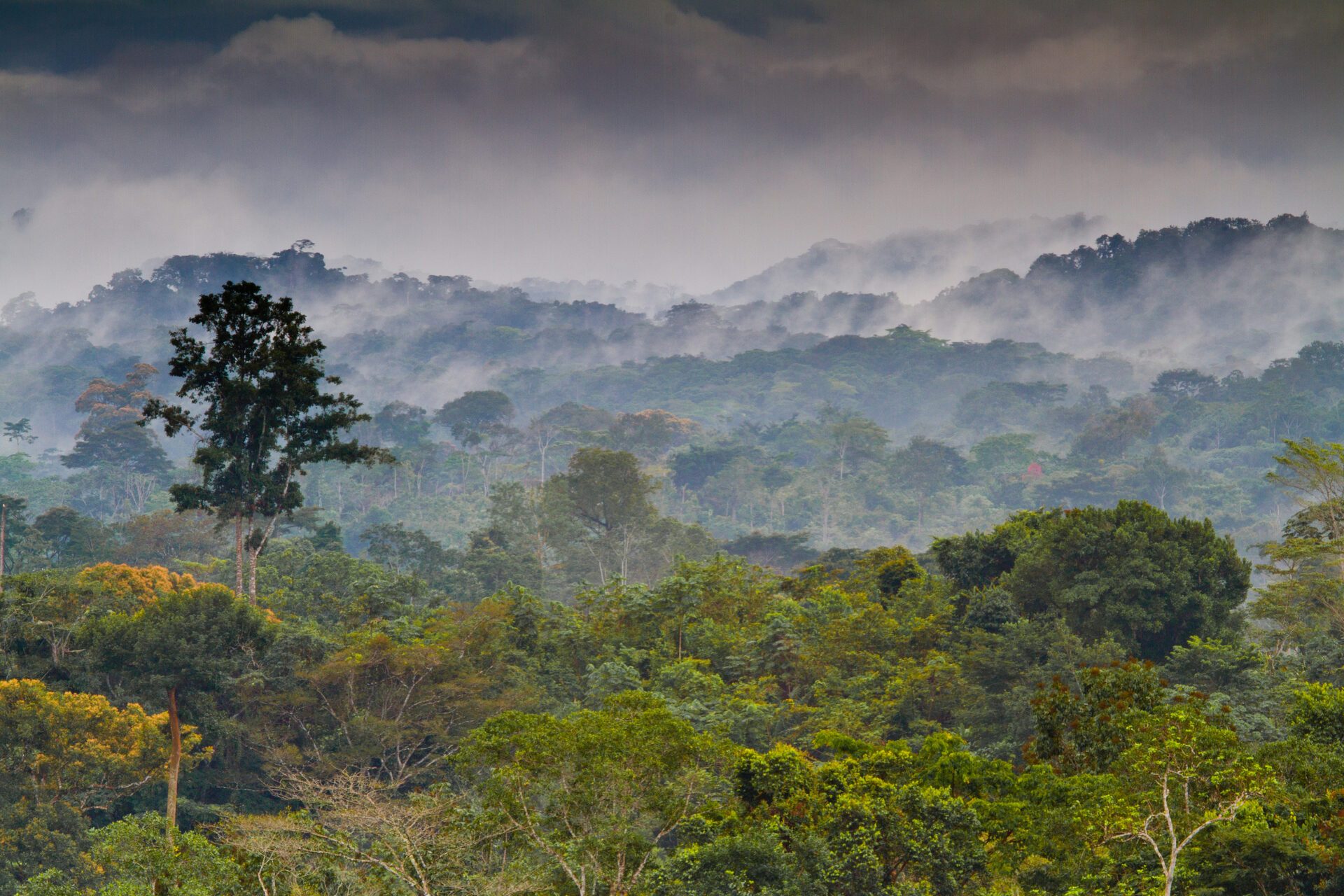
Malabo has an interesting Spanish colonial old town and the Cathedral of Santa Isabel. Bioko Island has excellent birdwatching (several endemic species), sea turtle nesting beaches (August-March), and primary rainforest on the southwestern slopes of Mount Malabo. Monte Alen National Park on the mainland protects a pristine rainforest with western lowland gorillas (though access requires a permit and guide). Tourism is extremely underdeveloped and infrastructure outside Malabo is very basic.
Frequently Asked Questions
Why is Equatorial Guinea the only Spanish-speaking country in Africa?
Equatorial Guinea was a Spanish colony (Spanish Guinea) from the late 18th century until independence in 1968. Spanish remains the official language alongside French (added in 1997 when Equatorial Guinea joined the Francophone world) and Portuguese (added 2010 when it joined the CPLP). Most of the population speaks indigenous languages (Fang, Bubi) as their primary tongue.
Is Equatorial Guinea wealthy?
Equatorial Guinea has significant per-capita GDP on paper thanks to oil revenues discovered in 1995. However, this wealth is concentrated among the ruling family and elite. The majority of the population lives in poverty. President Obiang's son Teodorin Nguema has been convicted in absentia in France for embezzlement of hundreds of millions of dollars in public funds.
What wildlife can I see in Equatorial Guinea?
Bioko Island has rare endemic birds, sea turtles (leatherback, green, hawksbill) nesting on its southern beaches, and chimpanzees in the island's forests. Monte Alen National Park on the mainland protects western lowland gorillas, forest elephants, and chimpanzees in one of Central Africa's least disturbed rainforests. Wildlife tourism is very underdeveloped and requires specialized operators.