Czech Republic Visa RequirementsFor United States passport holders
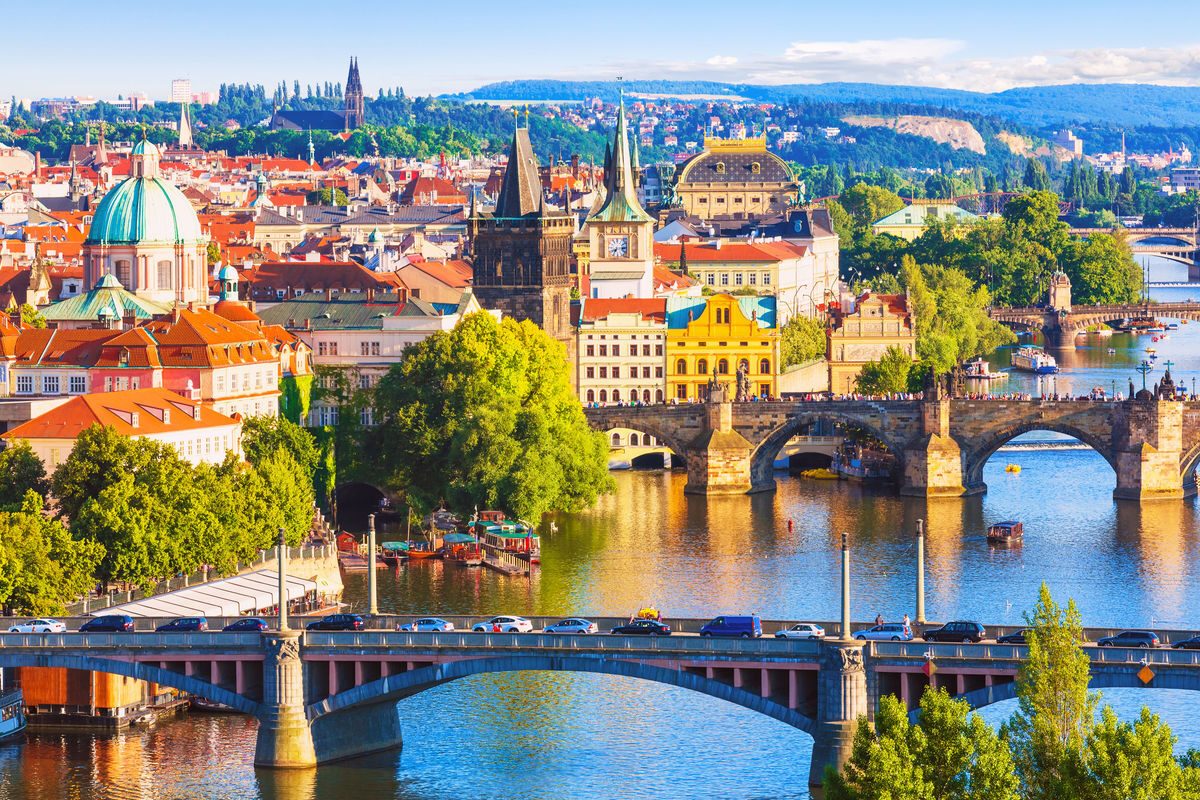
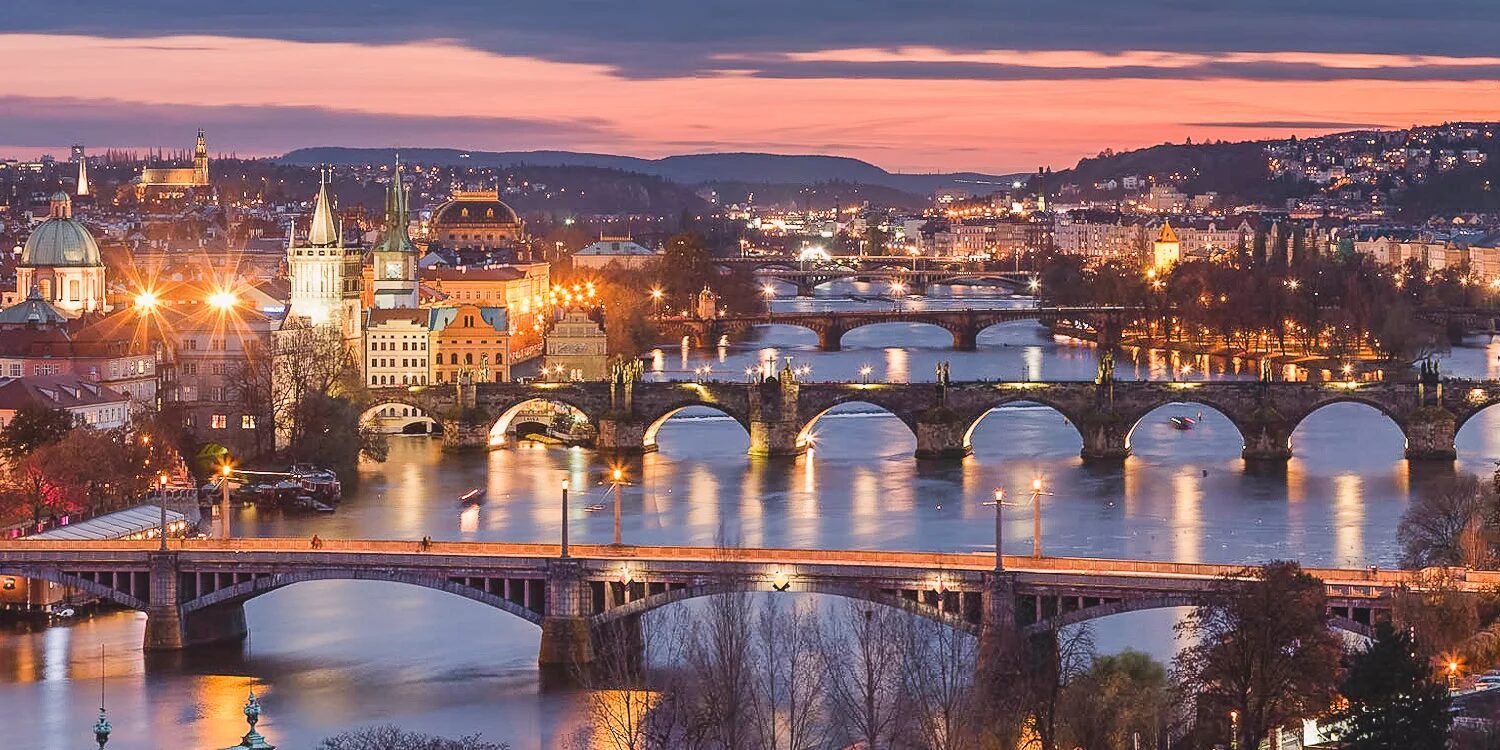
American citizens can visit the Czech Republic visa-free for up to 90 days in any 180-day period as part of the Schengen Area. Prague is one of the most visited cities in Europe, renowned for its extraordinary medieval Old Town, fairytale castle complex, and vibrant nightlife, all at prices significantly lower than Western European capitals.
Great news! United States passport holders can enter Czech Republic without a visa for tourism or business purposes. You can stay up to 90 days.
No visa required for US passport holders visiting the Czech Republic for up to 90 days. The Czech Republic is part of the Schengen Area. Ensure your US passport has at least 3 months validity beyond your planned departure date. At Prague Vaclav Havel Airport (PRG), US citizens pass through the non-EU line and receive a Schengen entry stamp. The 90-day limit applies to all Schengen countries combined.
Czech Republic is part of the Schengen Area. Your stay counts toward the 90-day limit within any 180-day period for the entire Schengen zone. Learn more about Schengen rules →

Entry Requirements
Passport Validity
6 months beyond departure from Schengen
Blank Pages
2 blank pages required
Multiple Entry
Allowed
Work Permitted
No - requires work visa
Entry Conditions
Valid passport for 3+ months beyond stay. Proof of accommodation, return ticket, sufficient funds.
Required Documents
Valid US Passport
Must be valid for at least 3-6 months beyond your planned departure date (varies by country)
Valid US passport (minimum 3 months validity beyond stay)
Return or Onward Ticket
Proof of departure from the country, such as a return flight or onward travel booking
Return or onward flight ticket Recommended
Proof of Accommodation Recommended
Hotel reservation, Airbnb booking, or address where you will be staying
Proof of accommodation Recommended
Proof of Sufficient Funds Recommended
Credit cards, bank statements, or cash to cover expenses during your stay
Evidence of sufficient funds Recommended
Travel Insurance Recommended
Recommended for all international travel covering medical emergencies
Travel Essentials
Health & Safety
Safety Rating
Vaccinations
Routine vaccines (MMR, Tetanus, COVID-19). Tick-borne encephalitis for rural areas.
Tap Water
Safe to drink
Safety Tips
The Czech Republic is very safe. Petty crime like pickpocketing occurs in Prague's tourist areas - watch belongings on Charles Bridge and the astronomical clock square. Be wary of taxi scams - use apps or negotiate price first. ATM skimming has been reported - use machines inside banks.
Money & Costs
Currency
Kč Czech Koruna (CZK)
Daily Budget (USD)
Budget: $50 · Mid: $100 · Luxury: $250+
Cards & ATMs
Cards widely accepted. Cash useful for smaller places.
Tipping
Tipping is appreciated but not obligatory. Round up or leave 10% in restaurants. Tell the server what you want to pay rather than leaving money on the table. In pubs, round up to the nearest 10 crowns. Hotel porters appreciate 20-50 CZK.
Practical Info
Power
Type C, E, 230V, 50Hz
Driving
Right side
Emergency
Emergency: 112
Police: 158
Ambulance: 155
Fire: 150
Mobile/SIM
Buy a SIM card from T-Mobile, O2, or Vodafone stores. Prepaid packages cost 300-500 CZK for 7-30 days with data. Registration may require passport. EU roaming means your European SIM works here. Coverage is excellent throughout the country.
Getting There
Main Airports
Prague (PRG)
Airport Transfers
Prague Václav Havel (PRG): Bus 119 to Veleslavín metro station (40 CZK, 15 minutes) then metro to center (15 minutes). Airport Express bus to Main Station (100 CZK, 35 minutes). Taxi CZK 600-800 (30 minutes). Uber available.
Local Transport
Prague has excellent trams, metro, and buses - buy a travel pass. RegioJet and Czech Railways connect cities cheaply. Student Agency buses are popular for budget travel. Trains to Vienna, Berlin, and other European cities are easy. Uber and Bolt work in Prague and larger cities.
Culture & Travel Tips
Best Time to Visit
Visit the Czech Republic from April through October for pleasant weather. May-June and September offer the best balance of good weather and manageable crowds.
Summer (July-August) brings warmth and festival season but heavy tourism in Prague. Český Krumlov and other hotspots are packed.
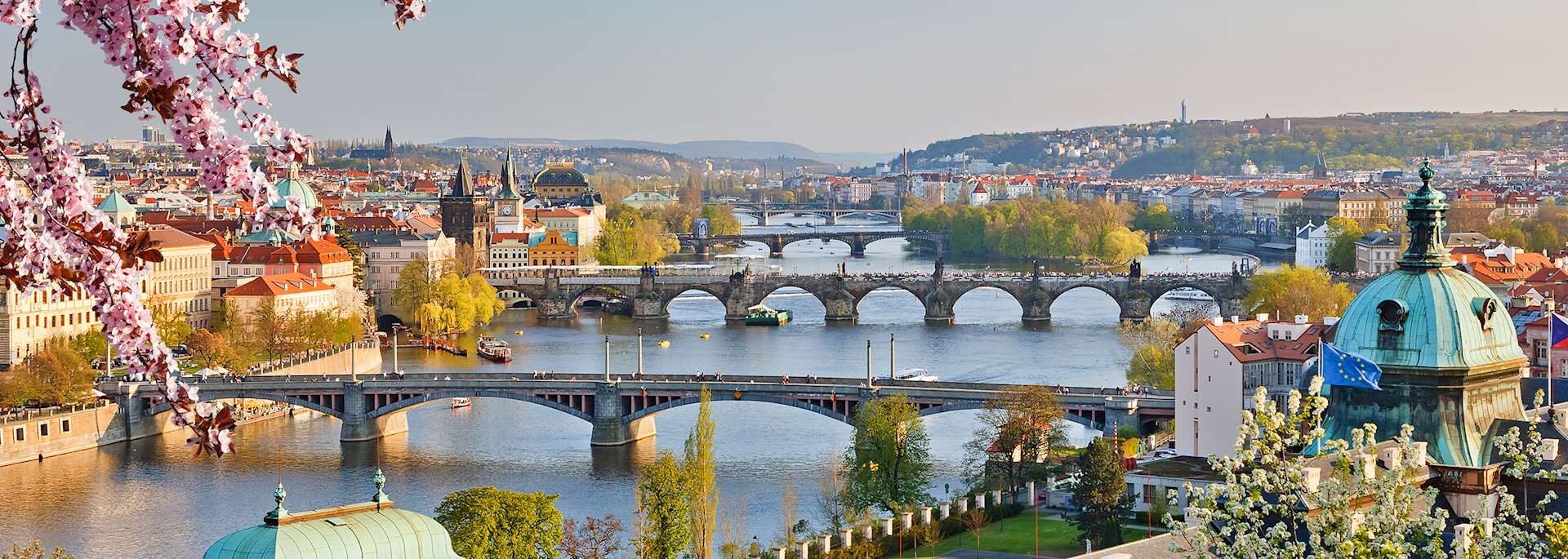
Spring sees Prague in bloom with Easter markets and reopening outdoor attractions. Fall brings autumn colors, wine harvest in Moravia, and thinning crowds.
Winter (November-February) is cold and gray but atmospheric - Christmas markets are magical, and Prague without crowds has its own charm.
Cultural Notes
Beer is cheaper than water and the national drink - Czechs consume more per capita than any nation. Pilsner was invented here; respect the brewing tradition.
Czechs can seem reserved initially but warm up, especially over beer. Direct communication is valued over American-style friendliness.
Remove shoes in Czech homes - this is universal.
Prague's tourist center doesn't represent the country - explore Brno, Olomouc, or smaller towns for authentic Czech Republic.
Insider Tips
The Czech Koruna (CZK) is the currency, not Euro. Exchange at banks, not tourist area exchange booths with misleading rates. ATMs offer fair rates.
Prague tourist areas are expensive but venture slightly outside and prices drop dramatically. Local pubs (hospody) offer cheap beer and food.
Student Agency buses connect cities cheaply and comfortably. Trains are scenic but slower.
Book Prague attractions (Prague Castle, Jewish Quarter) online to skip lines. Avoid Old Town Square restaurants - tourist traps with mediocre food.
Learn to say 'pivo prosím' (beer please) - Czech beer is excellent and cheaper than water in many places.
Dress Code
Casual dress fine.
Current Travel Situation
United States to Czech Republic: What You Need to Know
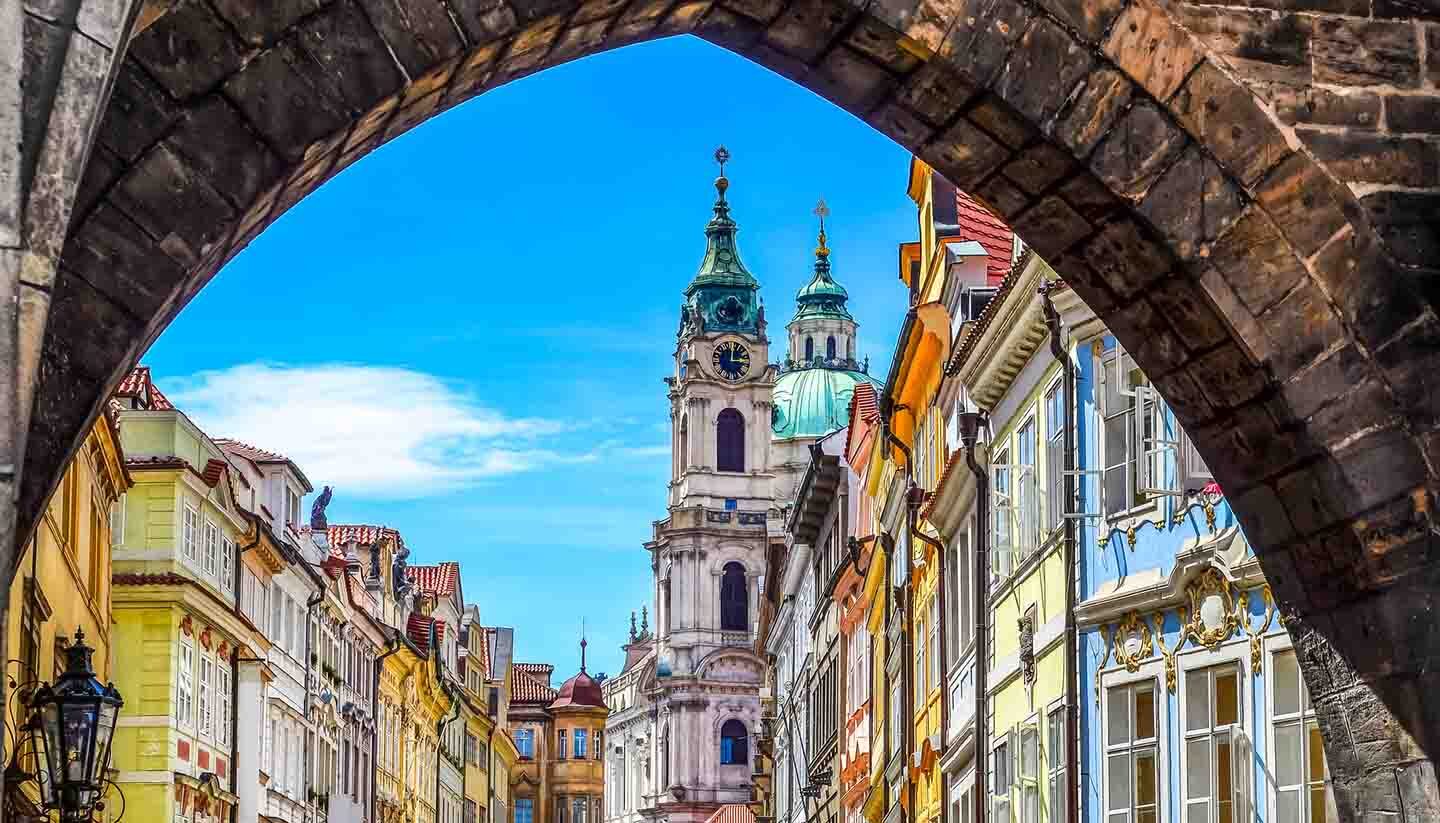
The Czech Republic joined the Schengen Area in 2007, extending visa-free access to American citizens. The Czech Republic is a NATO and EU member with strong US ties: American forces liberated western Bohemia in 1945, and the Czech dissident movement and Velvet Revolution (1989) were closely followed by the US. Prague has become one of Europe's most popular city break destinations, attracting millions of visitors annually to its UNESCO World Heritage Old Town. The city's extraordinary architectural density (Gothic, Baroque, Art Nouveau, and Cubist buildings within walking distance) makes it one of Europe's most photogenic cities. Prague also benefits from being less expensive than Paris, Amsterdam, or London.
How to Get There
Czech Airlines (Czech Republic's flag carrier) operates limited transatlantic service. Most Americans fly to Prague via London (British Airways/Ryanair), Frankfurt (Lufthansa/United), Amsterdam (KLM), Paris (Air France), or Dublin (Aer Lingus). United, American, and Delta connect via their European hub partners. Flight time New York to Prague with one connection is approximately 12-14 hours. Prague is also easily reached by train from Vienna (4 hours), Berlin (4 hours), or Budapest (7 hours).
Money & Banking
The Czech Republic uses the Czech koruna (CZK), not the euro. Prague is significantly more affordable than Western European capitals: budget CZK 2,500-4,000 ($115-185 USD) per day including comfortable accommodation, meals, and sightseeing. A restaurant dinner with beer typically costs CZK 300-600 ($14-28 USD). Czech beer (Pilsner Urquell, Budvar, Kozel) is world-famous and very cheap; a pint in a local pub costs approximately CZK 50-80 ($2.50-4 USD). Use CZK cash for markets and smaller restaurants; cards widely accepted elsewhere.
Practical Tips
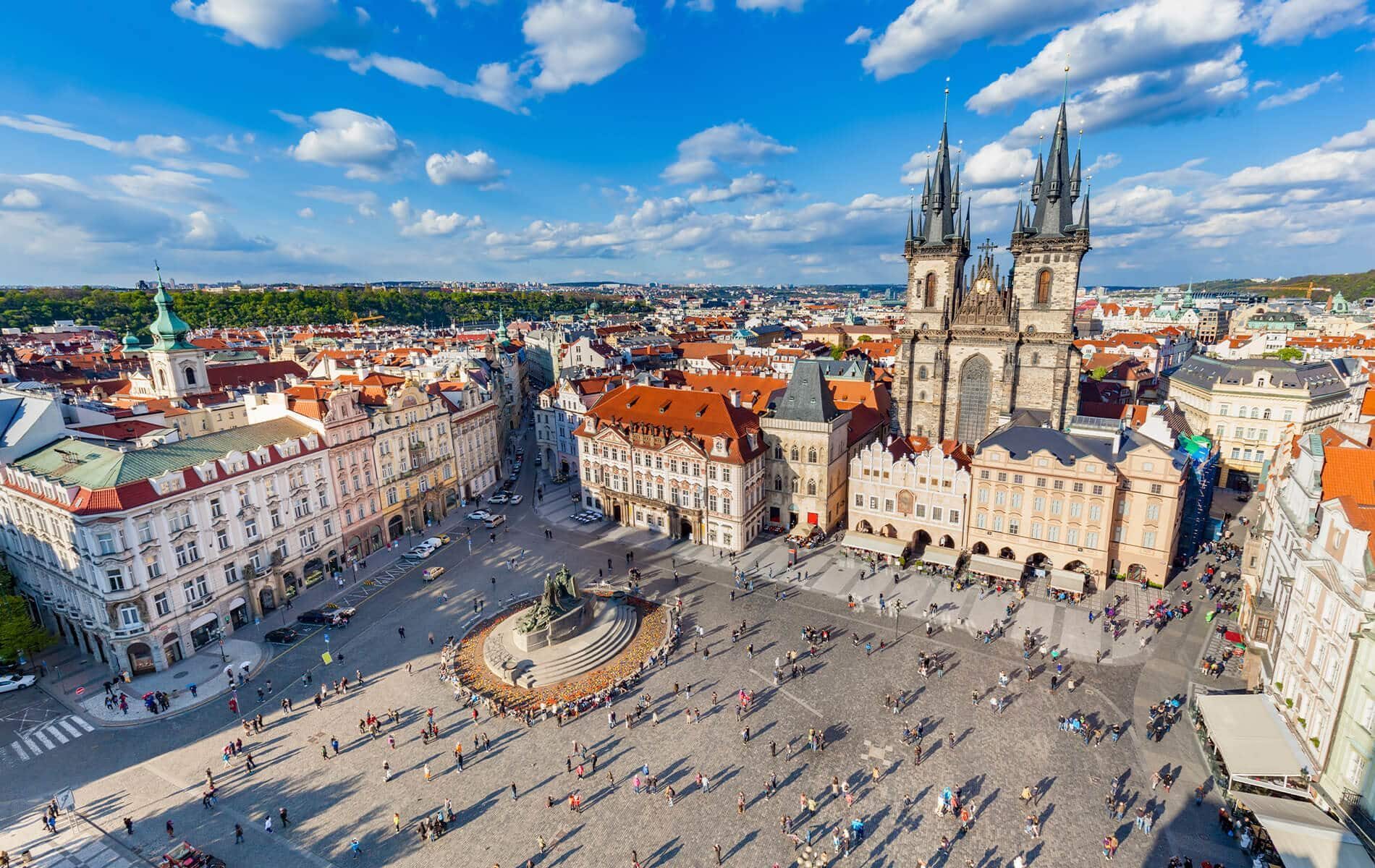
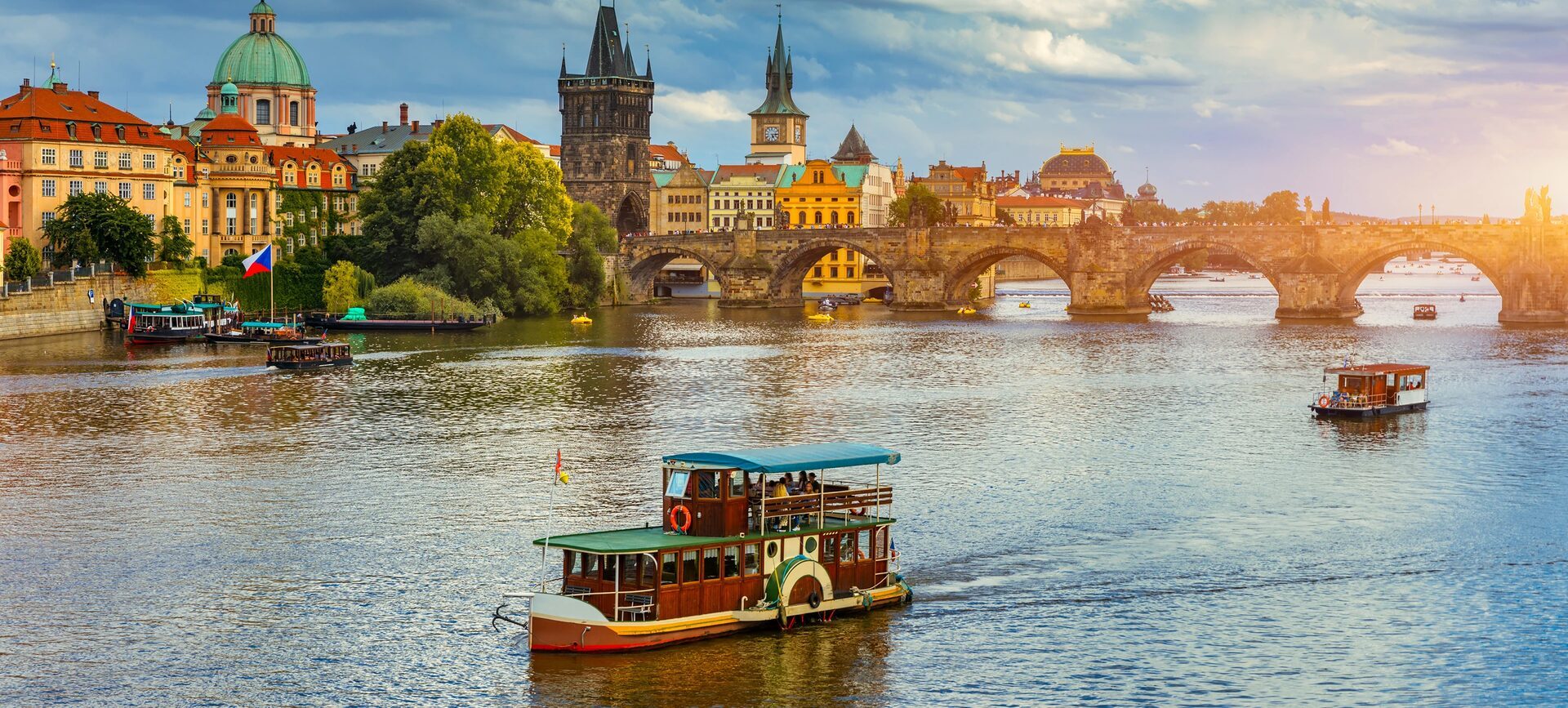
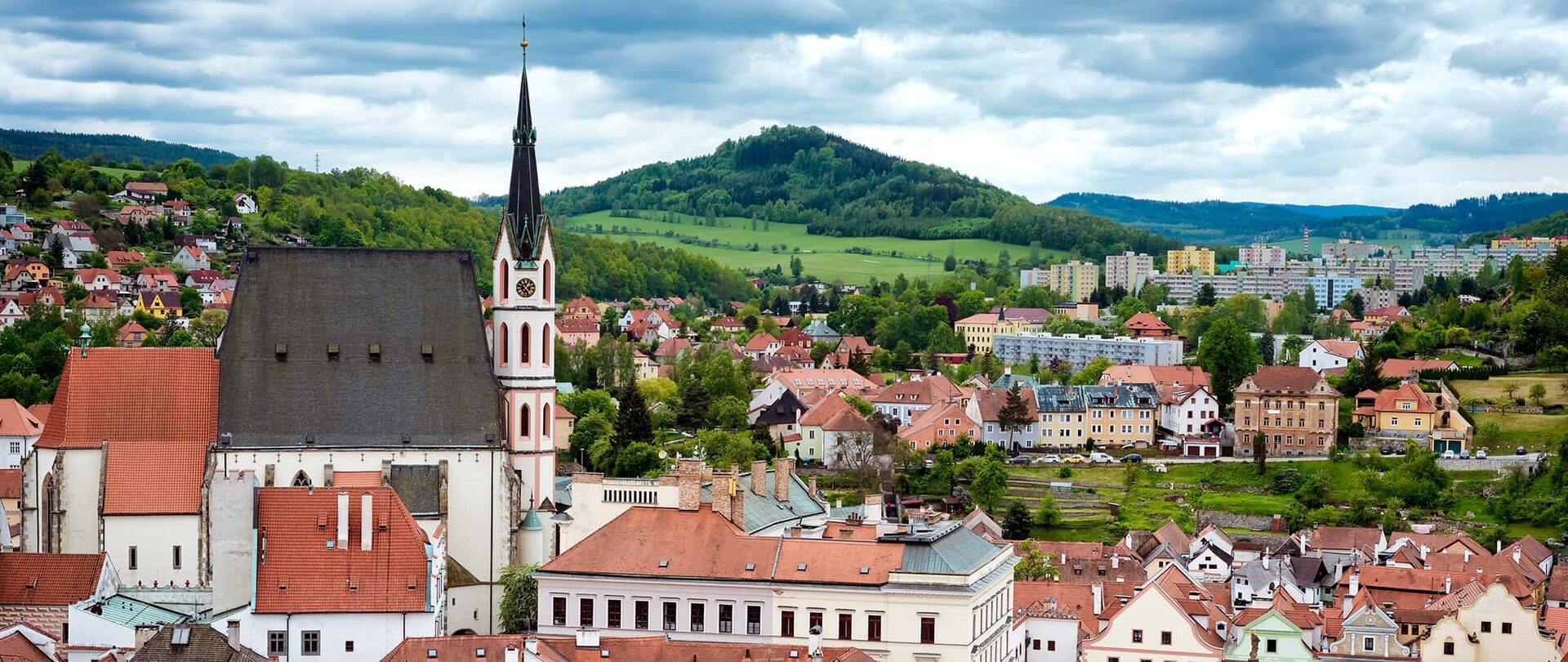
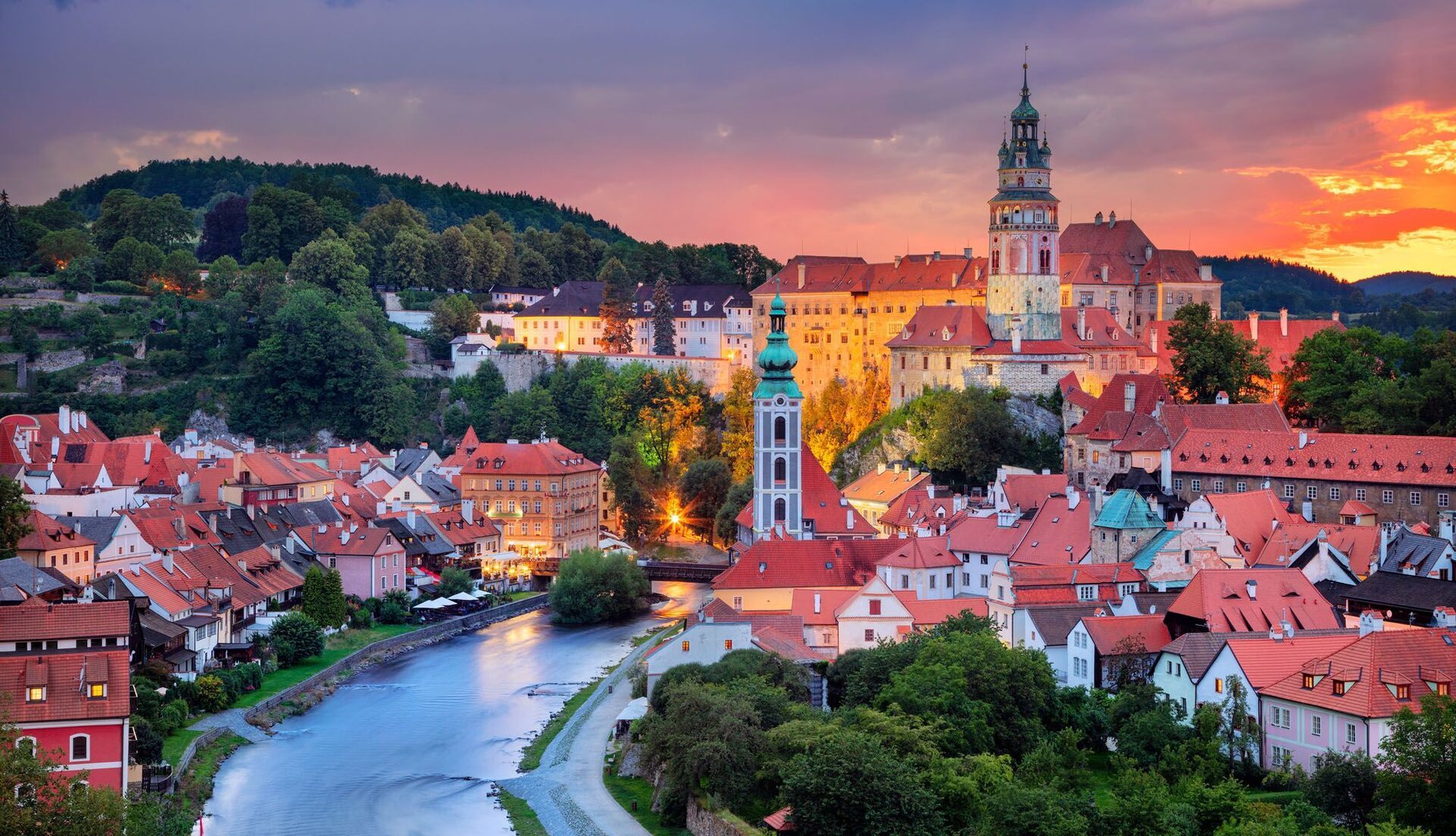
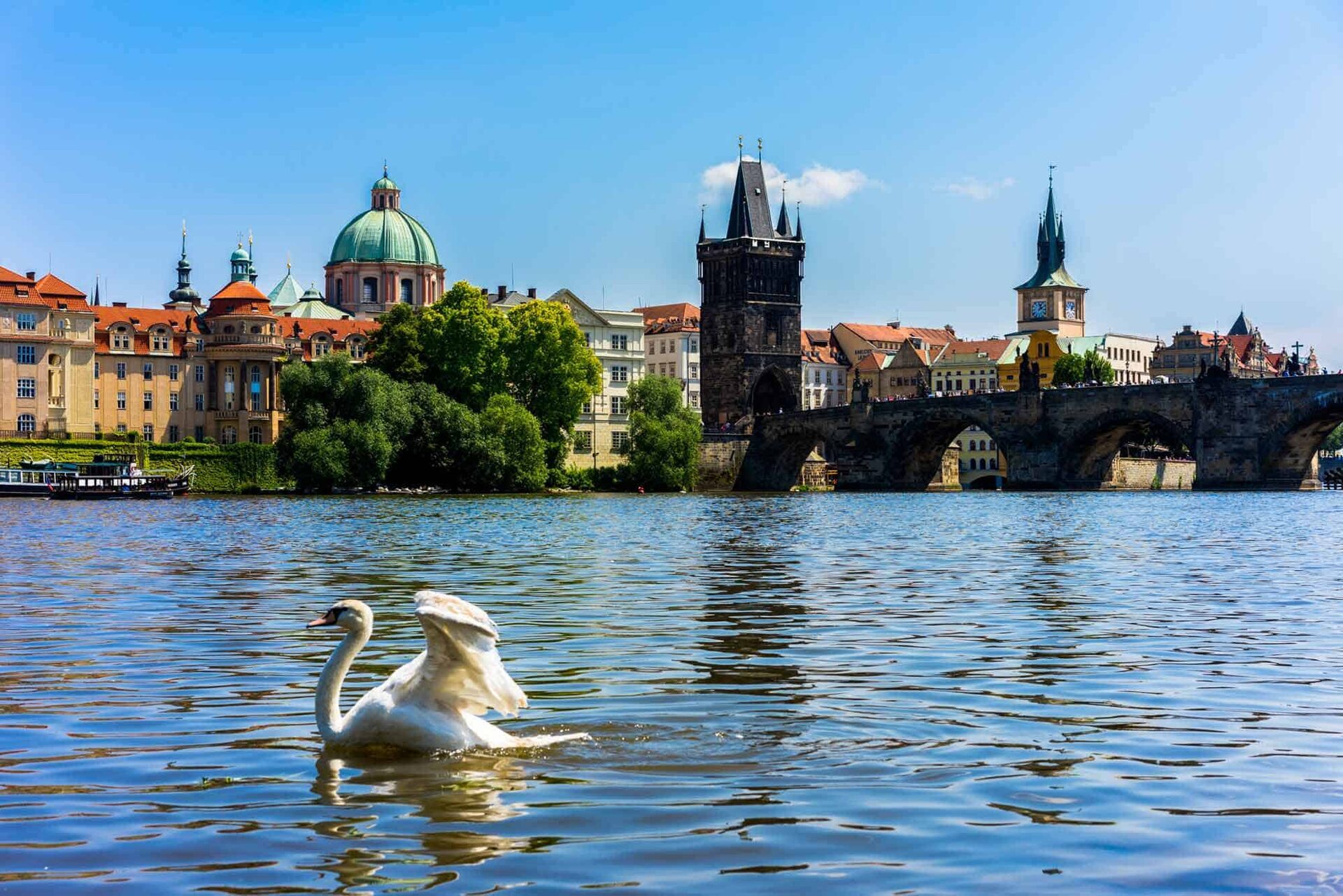
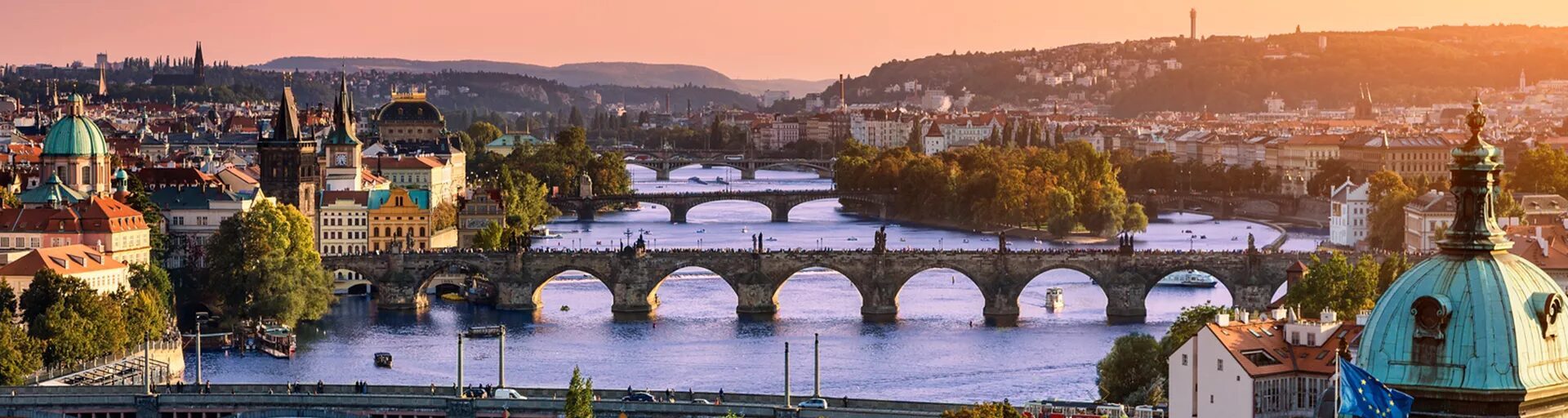
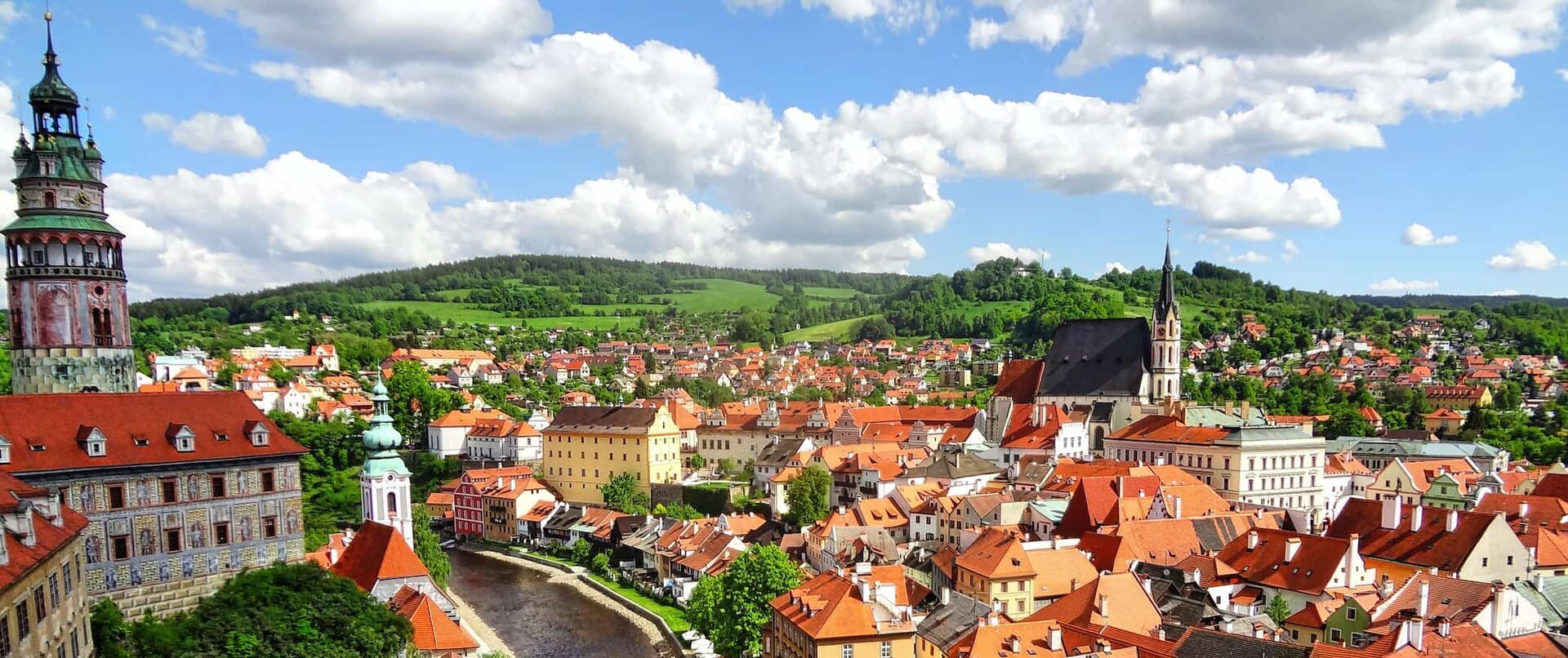
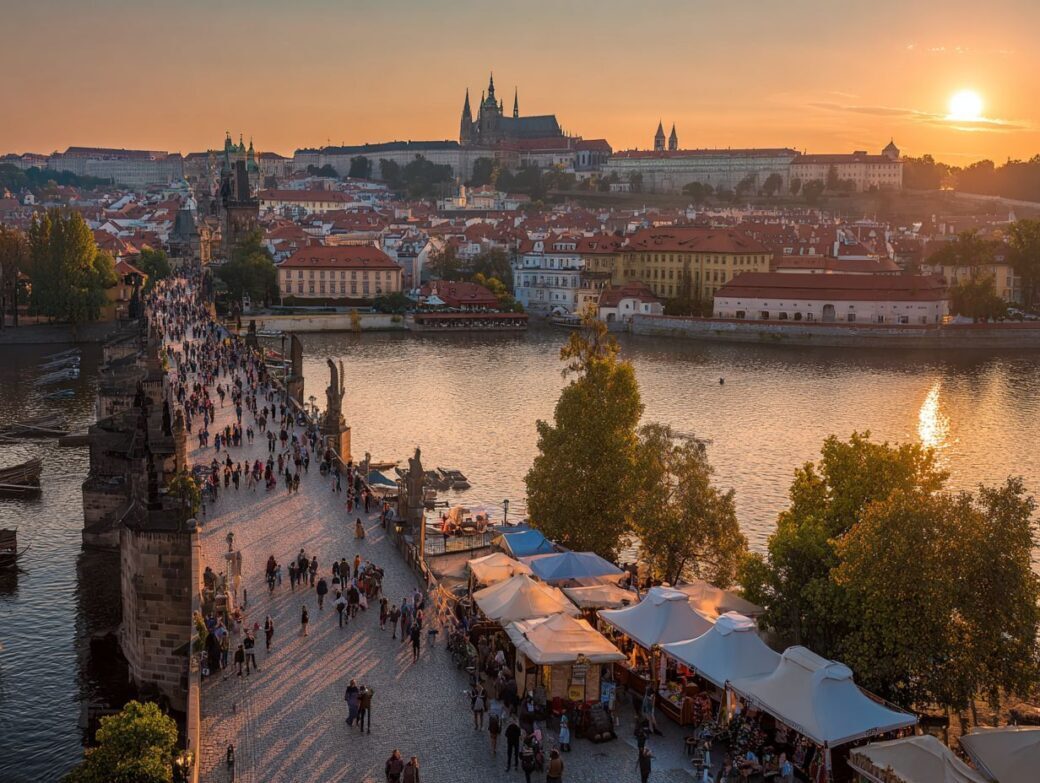
Prague: Prague Castle complex (St. Vitus Cathedral, the Royal Palace, Golden Lane, the largest castle in the world by area), the Old Town Square with the Astronomical Clock (every hour performance), Charles Bridge (lined with Baroque statues), Josefov (former Jewish Quarter with six synagogues and the Old Jewish Cemetery), the Wenceslas Square. Beyond Prague: Cesky Krumlov (UNESCO medieval town, 3 hours from Prague), Kutna Hora (medieval silver mining town with the Sedlec Ossuary, a church decorated with human bones). Prague's bar and nightlife scene is one of Europe's most vibrant. For beer lovers, the U Fleku pub has been brewing since 1499.
Frequently Asked Questions
Do US citizens need a visa to visit Czech Republic?
No, US citizens can visit Czech Republic and other Schengen Area countries for up to 90 days within any 180-day period without a visa. Starting in 2025, travelers will need ETIAS (European Travel Information and Authorization System) authorization, which costs €7 and is valid for 3 years. Your passport must be valid for at least 3 months beyond your planned departure from the Schengen Area. Czech Republic is a full Schengen member, so days spent in any Schengen country count toward your 90-day limit.
Do US citizens need a visa for the Czech Republic?
No. American passport holders can visit the Czech Republic visa-free for up to 90 days in any 180-day period. No visa is required. Note that the Czech Republic uses the Czech koruna (CZK), not the euro, even though it is an EU member.
What should I know before visiting Prague?
Prague is one of Europe's most beautiful cities with stunning medieval architecture largely untouched by WWII. Key attractions include Prague Castle (the world's largest ancient castle complex), Charles Bridge (arrive early morning to avoid crowds), Old Town Square with the Astronomical Clock, and the Jewish Quarter. The city is walkable but uneven cobblestones require comfortable shoes. Czech koruna (CZK) is the currency, though some tourist spots accept euros at poor rates, so withdraw korunas from ATMs. Prague is generally very safe. Beware of tourist traps and exchange offices with bad rates; use ATMs instead. Czech beer is world-famous and often cheaper than water in restaurants.
Is Prague cheaper than other European capitals for Americans?
Yes. Prague is significantly more affordable than Paris, London, or Amsterdam. Budget roughly $115-185 USD per day for comfortable travel. Czech beer is famously cheap and excellent, and restaurant meals with wine or beer typically cost $15-30 USD per person.
Is English widely spoken in Czech Republic?
In Prague and major tourist areas, English is widely spoken, especially by younger people and those in the tourism industry. Outside Prague and in rural areas, English proficiency decreases significantly. Learning a few Czech phrases is appreciated; basic greetings like "Dobrý den" (good day), "Děkuji" (thank you), and "Prosím" (please) go a long way. German is often a second language for older generations. Restaurant menus in tourist areas typically have English translations, and major attractions have English signage and tours. Google Translate can help with signs and menus. Czechs are reserved but warm up once you make an effort.
How do I get from Prague to other Central European cities?
Prague has excellent rail and bus connections. Train to Vienna: 4 hours (RegioJet/OBB). Train to Berlin: 4 hours (Deutsche Bahn/CD direct). Train to Budapest: 7 hours. Bus operator FlixBus serves many Central European routes at very low prices. A multi-city Central Europe trip (Prague-Vienna-Budapest) is a classic and easy route.