Curaçao Visa RequirementsFor United States passport holders
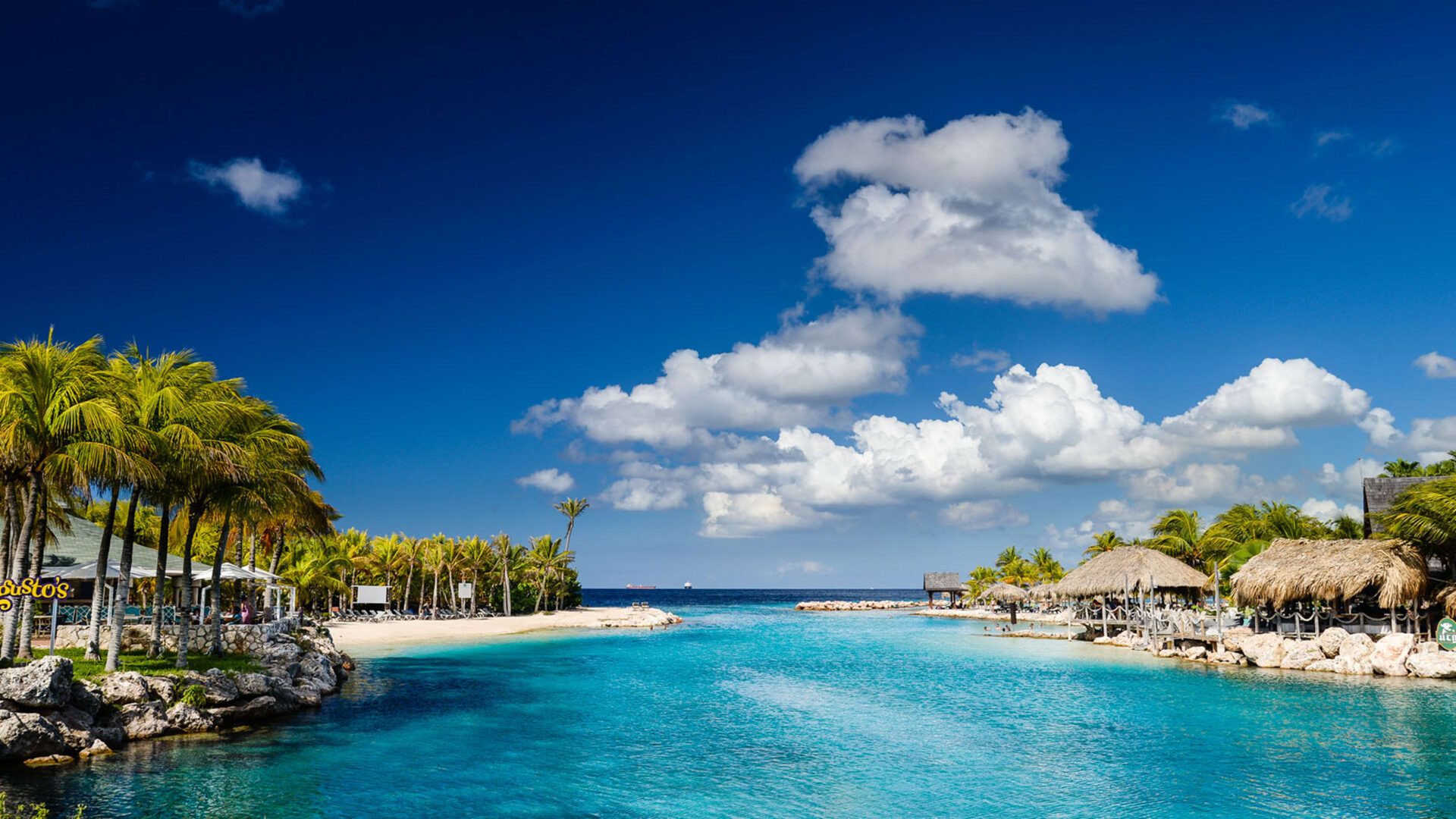
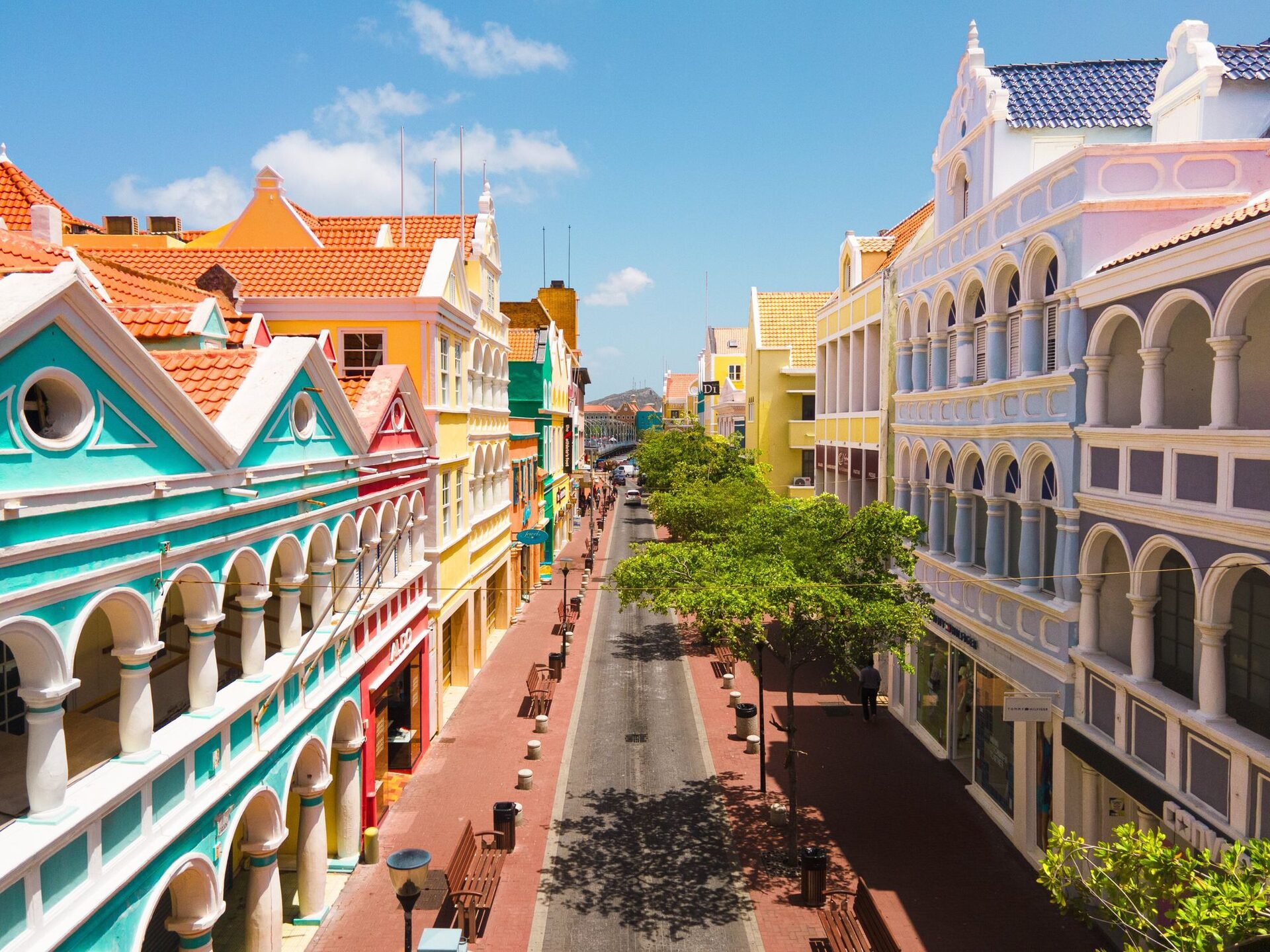
US citizens can visit Curaçao visa-free for up to 30 days. This Dutch Caribbean island offers colorful Dutch colonial architecture, world-class diving, and a unique Afro-Caribbean culture.
Great news! United States passport holders can enter Curaçao without a visa for tourism or business purposes. You can stay up to 30 days.
No visa is required for US citizens for stays up to 30 days. Complete the digital Embarkation/Disembarkation Card (ED Card) at dicardcuracao.com before departure. Present your valid US passport on arrival at Hato International Airport. A departure tax is typically included in airline ticket prices. The 30-day allowance can be extended at the Immigration Department in Willemstad.
Entry Requirements
Passport Validity
6 months beyond date of entry
Blank Pages
2 blank pages required
Multiple Entry
Single entry only
Work Permitted
No - requires work visa
Required Documents
Valid US Passport
Must be valid for the duration of stay
Digital ED Card
Complete free online at dicardcuracao.com before departure
Proof of Return Travel
Return or onward flight ticket
Proof of Accommodation
Hotel or villa booking
Valid US Passport
Must be valid for at least 3-6 months beyond your planned departure date (varies by country)
Return or Onward Ticket
Proof of departure from the country, such as a return flight or onward travel booking
Proof of Accommodation Recommended
Hotel reservation, Airbnb booking, or address where you will be staying
Proof of Sufficient Funds Recommended
Credit cards, bank statements, or cash to cover expenses during your stay
Travel Insurance Recommended
Recommended for all international travel covering medical emergencies
Travel Essentials
Health & Safety
Safety Rating
Vaccinations
Routine vaccinations.
Tap Water
Safe to drink
Safety Tips
Generally safe. Standard precautions in Willemstad. Avoid isolated areas at night.
Money & Costs
Currency
ƒ Netherlands Antillean Guilder (ANG)
Daily Budget (USD)
Budget: $80 · Mid: $180 · Luxury: $400+
Tipping
15% in restaurants.
Practical Info
Power
Type A, B, 127V
Driving
Right side
Emergency
911 (all)
Getting There
Main Airports
Willemstad (CUR)
Culture & Travel Tips
Best Time to Visit
Curaçao enjoys a semi-arid tropical climate with warm temperatures year-round (27-32°C/80-90°F) and significantly less rainfall than most Caribbean islands. The island sits outside the main hurricane belt, making it a reliable year-round destination. The dry season from January to September is ideal, with constant trade winds providing natural air conditioning. October through December sees slightly more rain but rarely enough to disrupt activities. Carnival season (January-March) brings colorful celebrations culminating in the Grand Parade. The Curaçao North Sea Jazz Festival in August attracts international artists.
Cultural Notes
Curaçao culture reflects its complex history as a Dutch colony with African, Latin American, and Portuguese-Jewish influences. Papiamentu, the local creole language, blends Portuguese, Spanish, Dutch, and African languages - a linguistic symbol of this diversity. The island was a center of the Caribbean slave trade and later became home to one of the oldest Jewish communities in the Americas (the Mikve Israel-Emanuel Synagogue dates to 1732). Curaçaoans are proud of their distinct identity from the Netherlands. Music genres include tumba (carnival music) and tambu (African-rooted drum music). The liqueur Curaçao, made from local laraha oranges, was invented here. Carnival is the cultural highlight, months of preparation culminating in spectacular parades.
Insider Tips
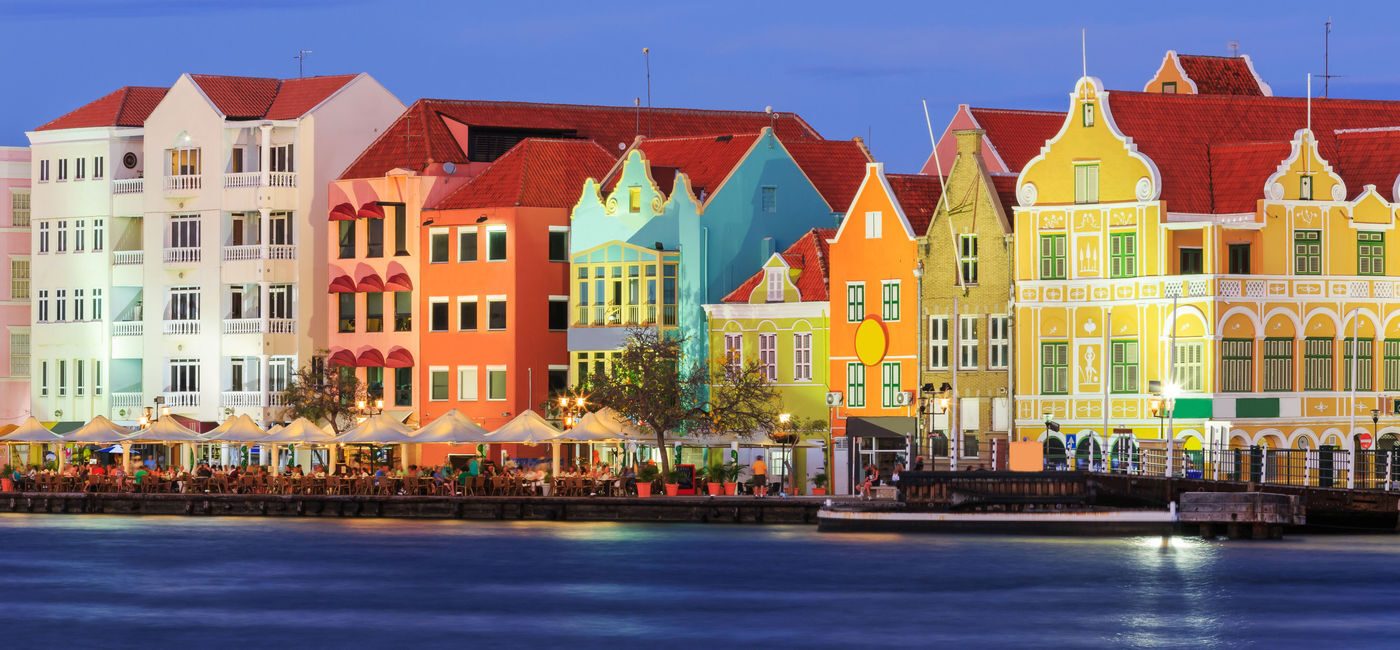
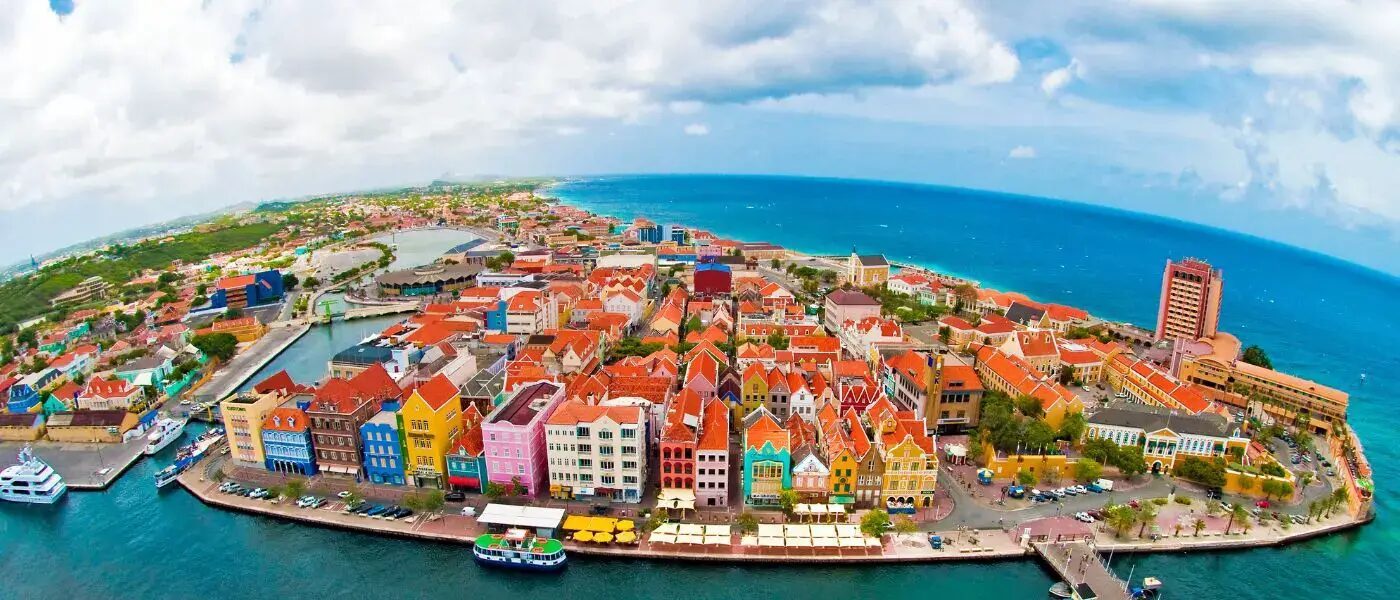
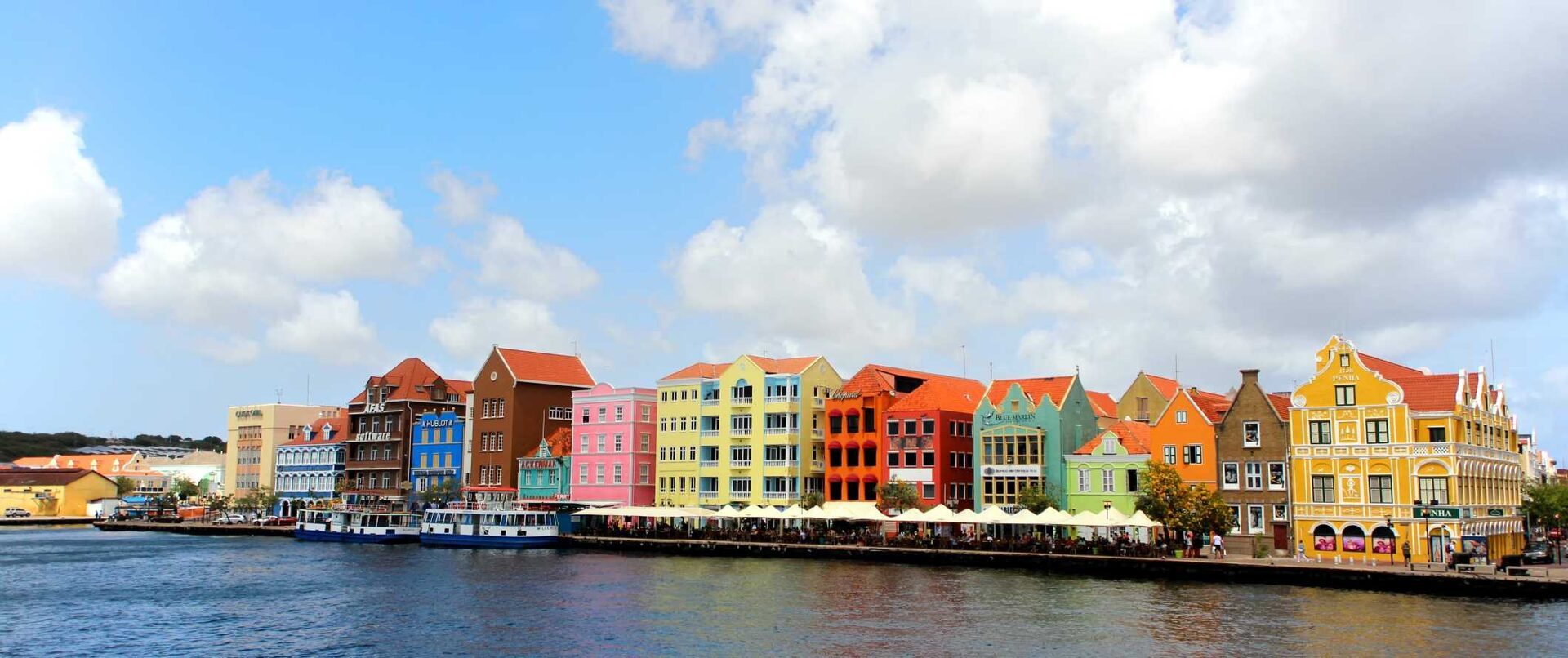
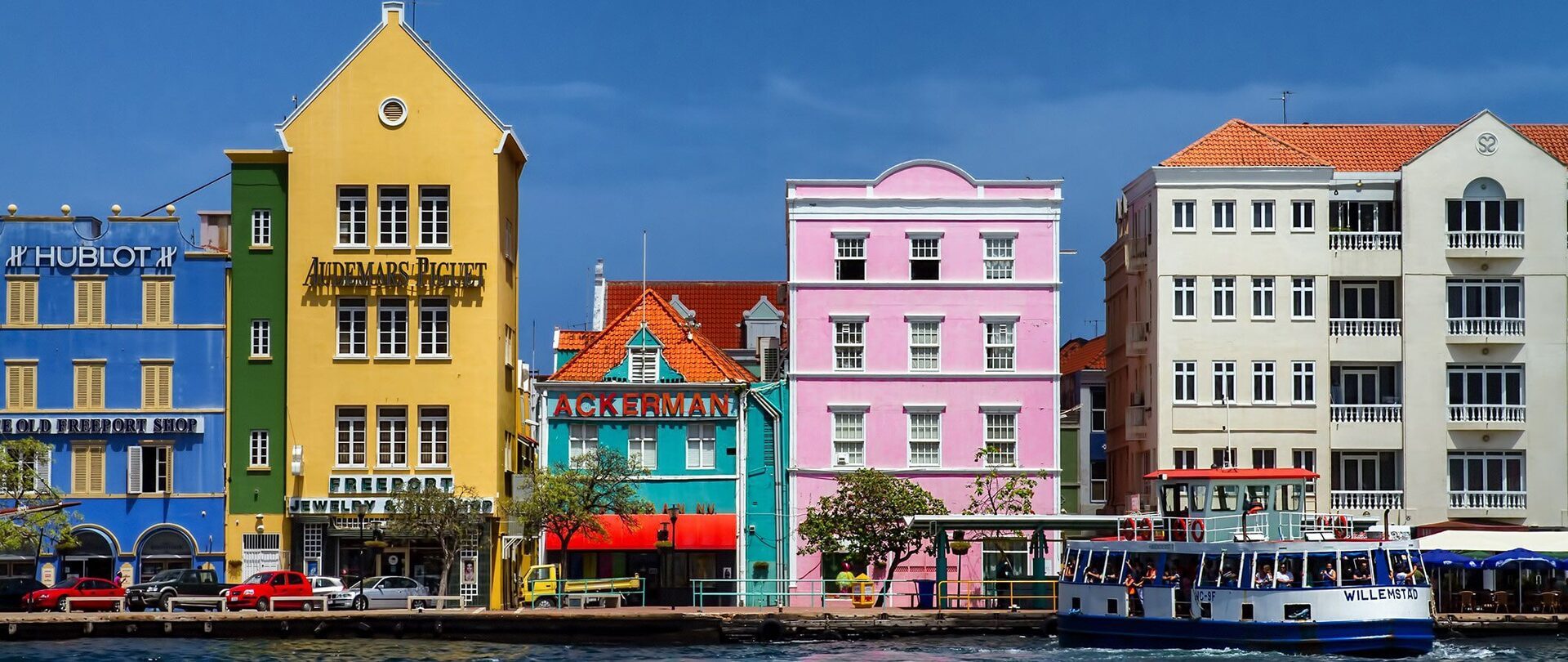
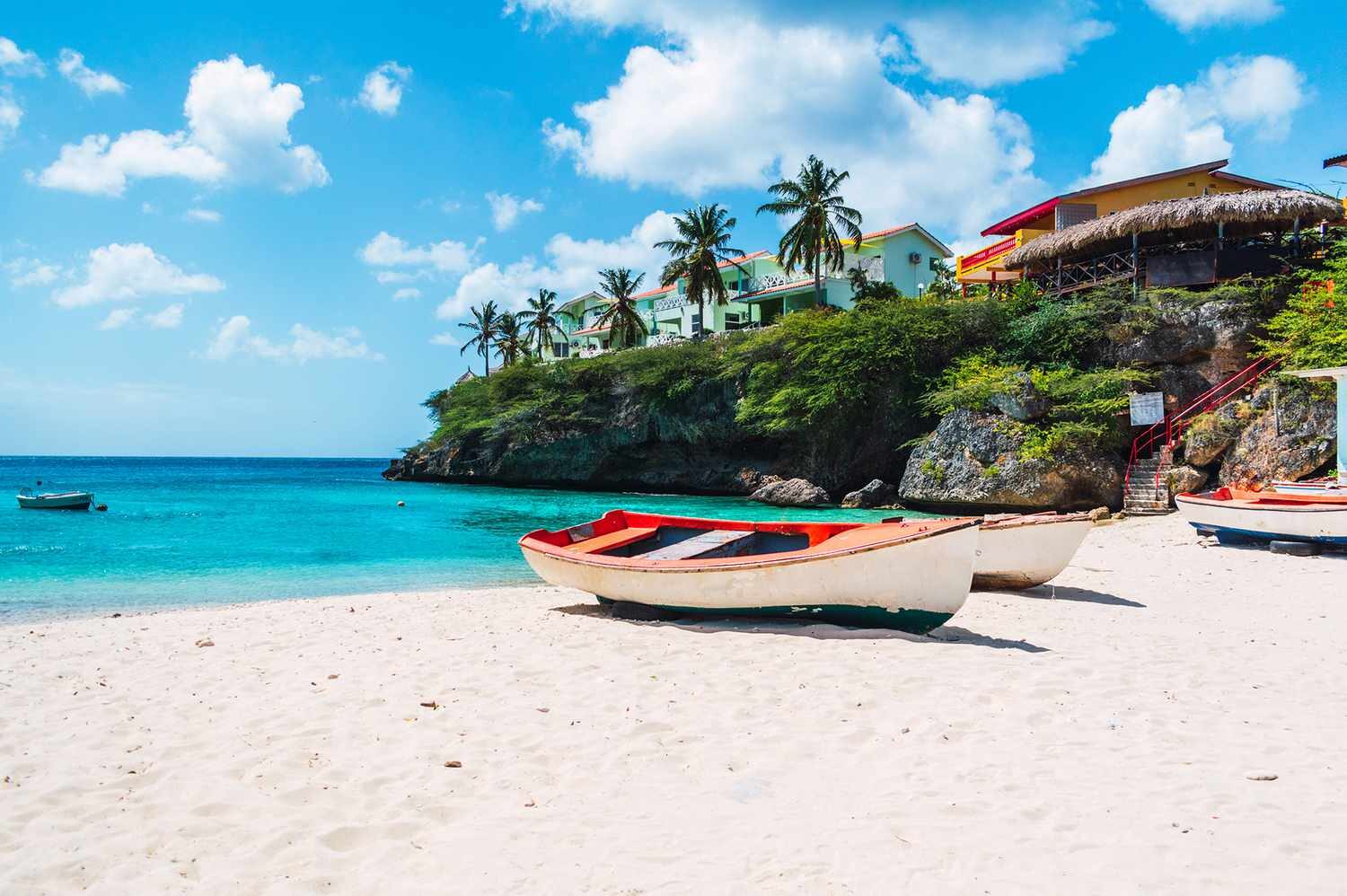
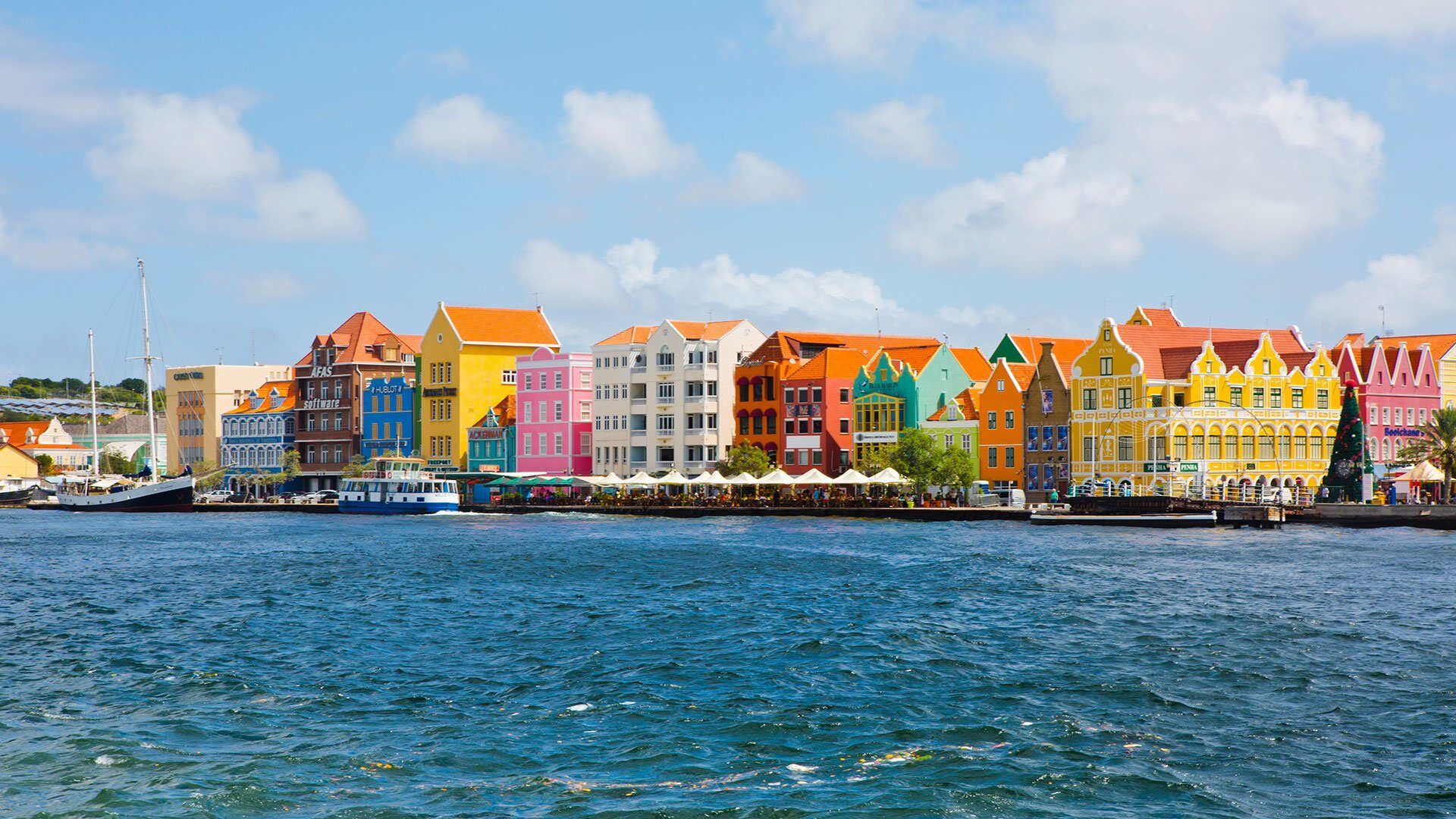
Curaçao is part of the ABC islands (with Aruba and Bonaire) in the Dutch Caribbean, offering a unique blend of Caribbean beaches and Dutch colonial architecture. Willemstad UNESCO-listed waterfront features iconic pastel-colored buildings along the Handelskade. The island has over 35 beaches, from resort-equipped to hidden coves accessible only by 4WD. Diving and snorkeling are excellent, particularly at Playa Kalki and the Mushroom Forest. Rent a car to explore - roads are good and the island is manageable in size. The currency is the Netherlands Antillean guilder but US dollars are widely accepted. Dutch, Papiamentu (local creole), Spanish, and English are all spoken. Try keshi yena, the national dish of stuffed cheese.
Current Travel Situation
United States to Curaçao: What You Need to Know
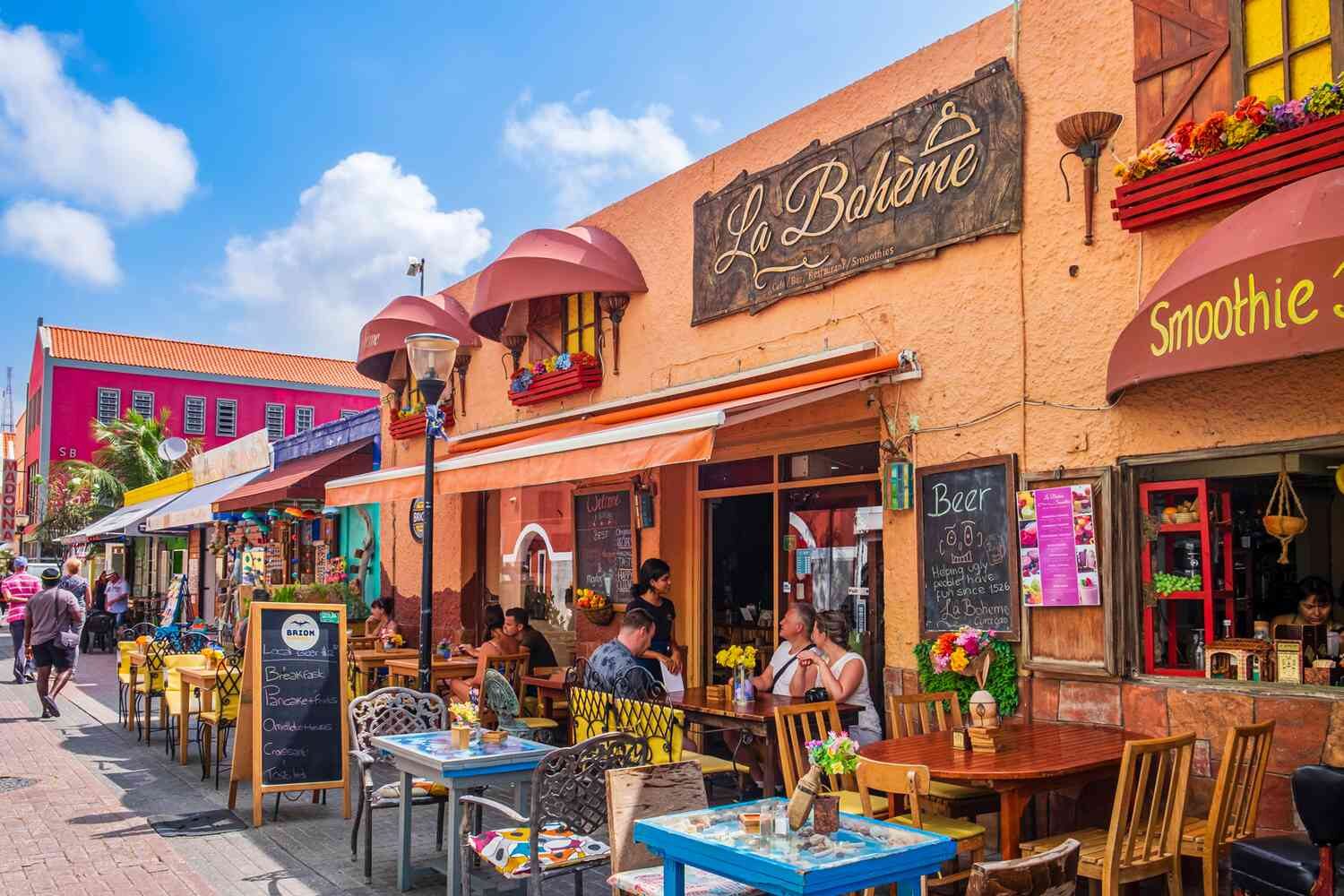
Curaçao is a constituent country of the Kingdom of the Netherlands in the southern Caribbean, just 65km north of Venezuela. US citizens enjoy visa-free access. Curaçao differs from typical Caribbean beach destinations , its landscape is more arid, the architecture is distinctly Dutch colonial (the colorful Handelskade waterfront of Willemstad is a UNESCO World Heritage Site), and its culture is a unique blend of Dutch, Portuguese Jewish, African, and Caribbean influences. The local Papiamentu language is a Portuguese-based Creole. Curaçao is excellent for diving , it has walls, caves, and wrecks accessible directly from shore along much of the island's coastline.
How to Get There
Aruba (the "A" of the ABC Islands) is 30 minutes by short flight or accessible by ferry. Bonaire (the "B") is 15 minutes by flight and is the world's premier shore diving destination. Venezuela (in political crisis) is 65km away but not recommended for tourist visits. Sint Maarten/Saint Martin is accessible by short regional flight.
Money & Banking
Curaçao uses the Netherlands Antillean guilder (ANG) and the US dollar is also widely accepted. Card payments are accepted at hotels and major restaurants. ATMs are available in Willemstad. Curaçao is moderately priced for the Caribbean , less expensive than Aruba or Bonaire for accommodation.
Practical Tips
Willemstad's colorful Dutch colonial waterfront (Handelskade) is one of the Caribbean's most iconic streetscapes , the swinging Queen Emma pedestrian pontoon bridge opens for ship traffic. The Kura Hulanda Museum documents the history of the Atlantic slave trade comprehensively. Playa Kenepa (Knip Bay) and Cas Abao beach are Curaçao's best beaches. Shore diving directly from beaches is a highlight , rent tanks, drive to a site, and dive. The Hato Caves have stalactites, petroglyphs, and cave-dwelling bats.
Frequently Asked Questions
Do US citizens need a visa for Curaçao?
No. US citizens can visit Curaçao visa-free for 30 days. Complete the digital ED Card at dicardcuracao.com before departure.
What makes Curaçao different from other Caribbean islands?
Curaçao has a distinctive Dutch colonial character, with Willemstad's colorful harbor being a UNESCO World Heritage Site. The island has a vibrant mix of Dutch, Portuguese Jewish, and Afro-Caribbean culture, speaks the unique Papiamentu language, and offers exceptional shore diving along its rocky, arid coastline.