Croatia Visa RequirementsFor United States passport holders
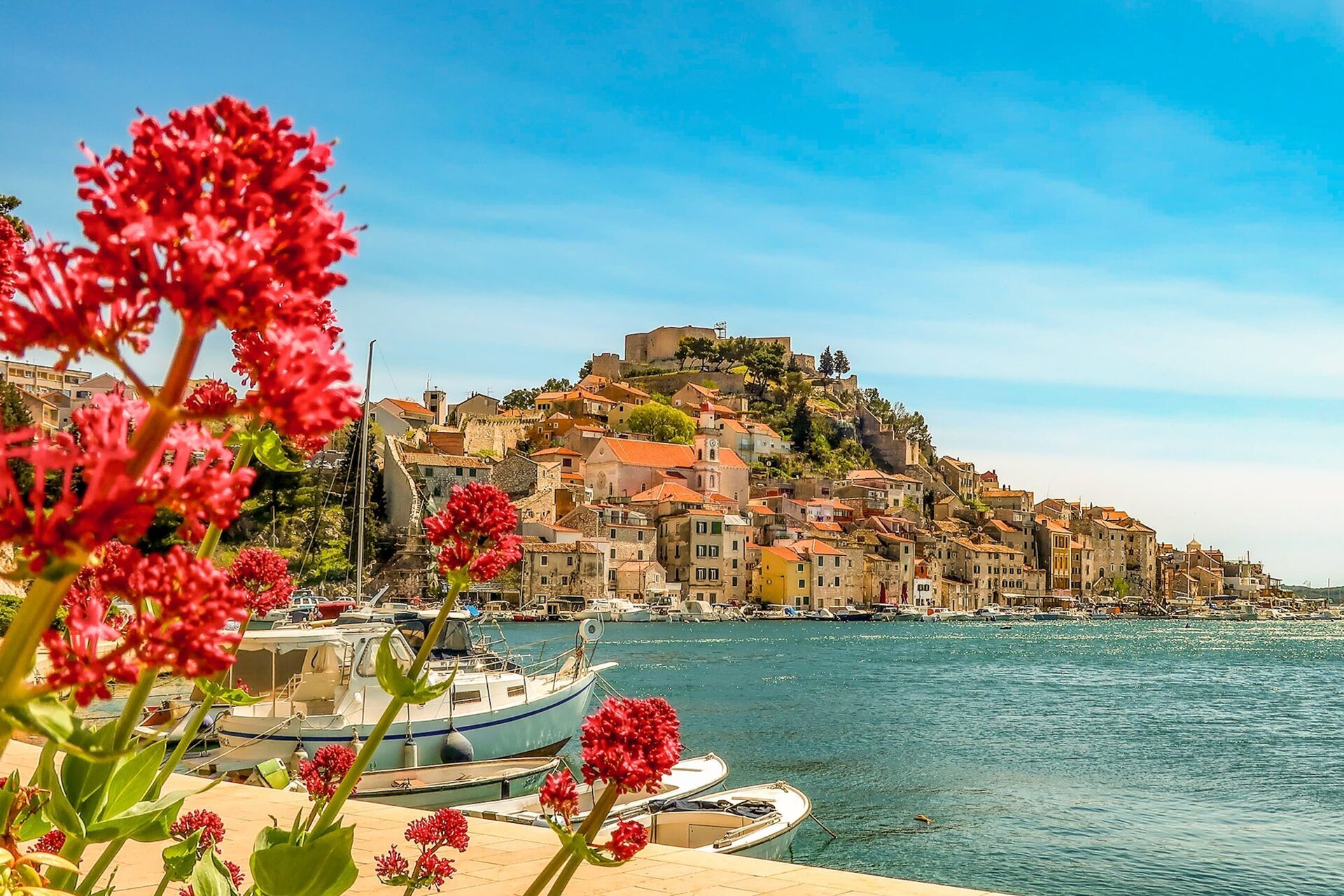
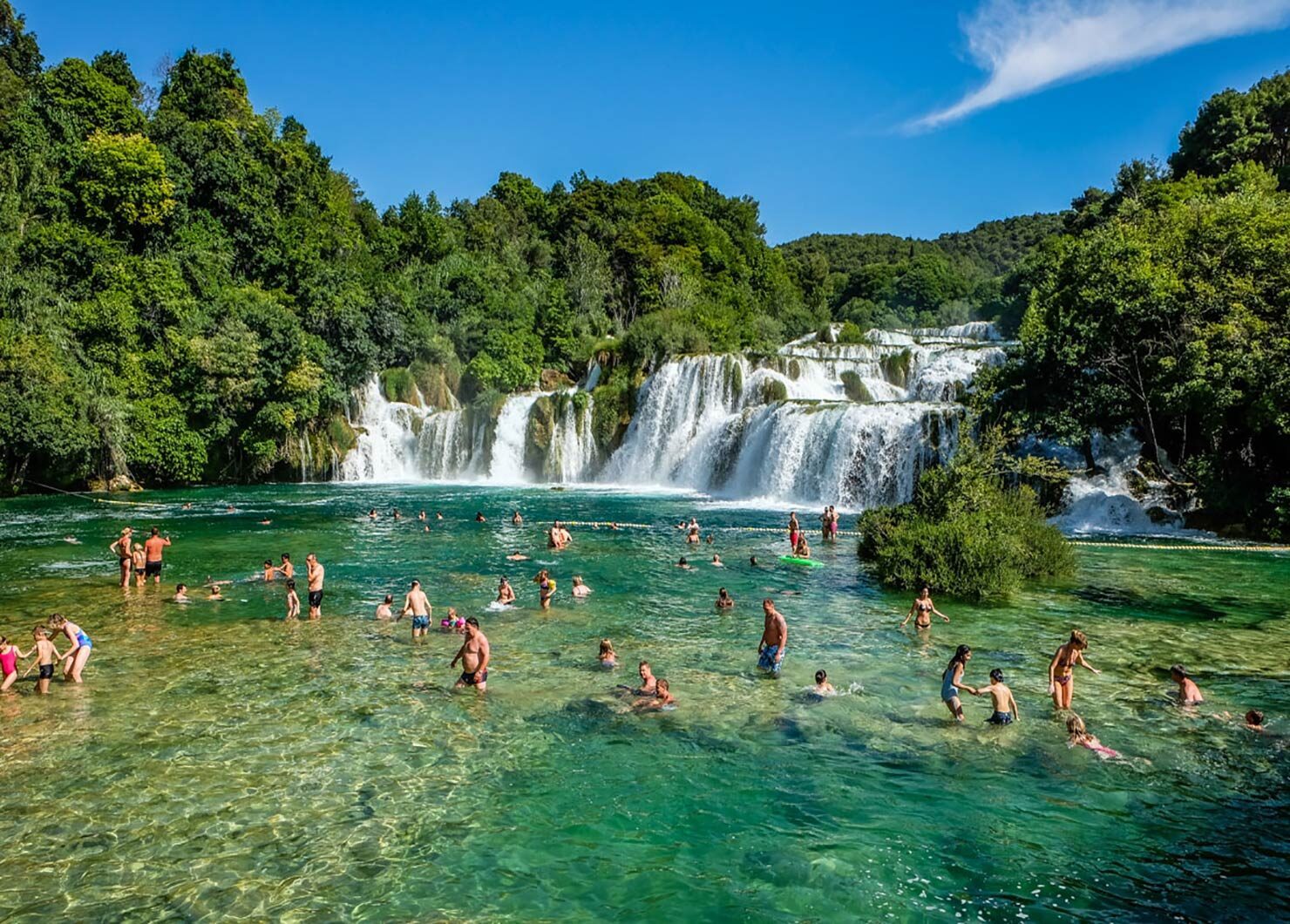
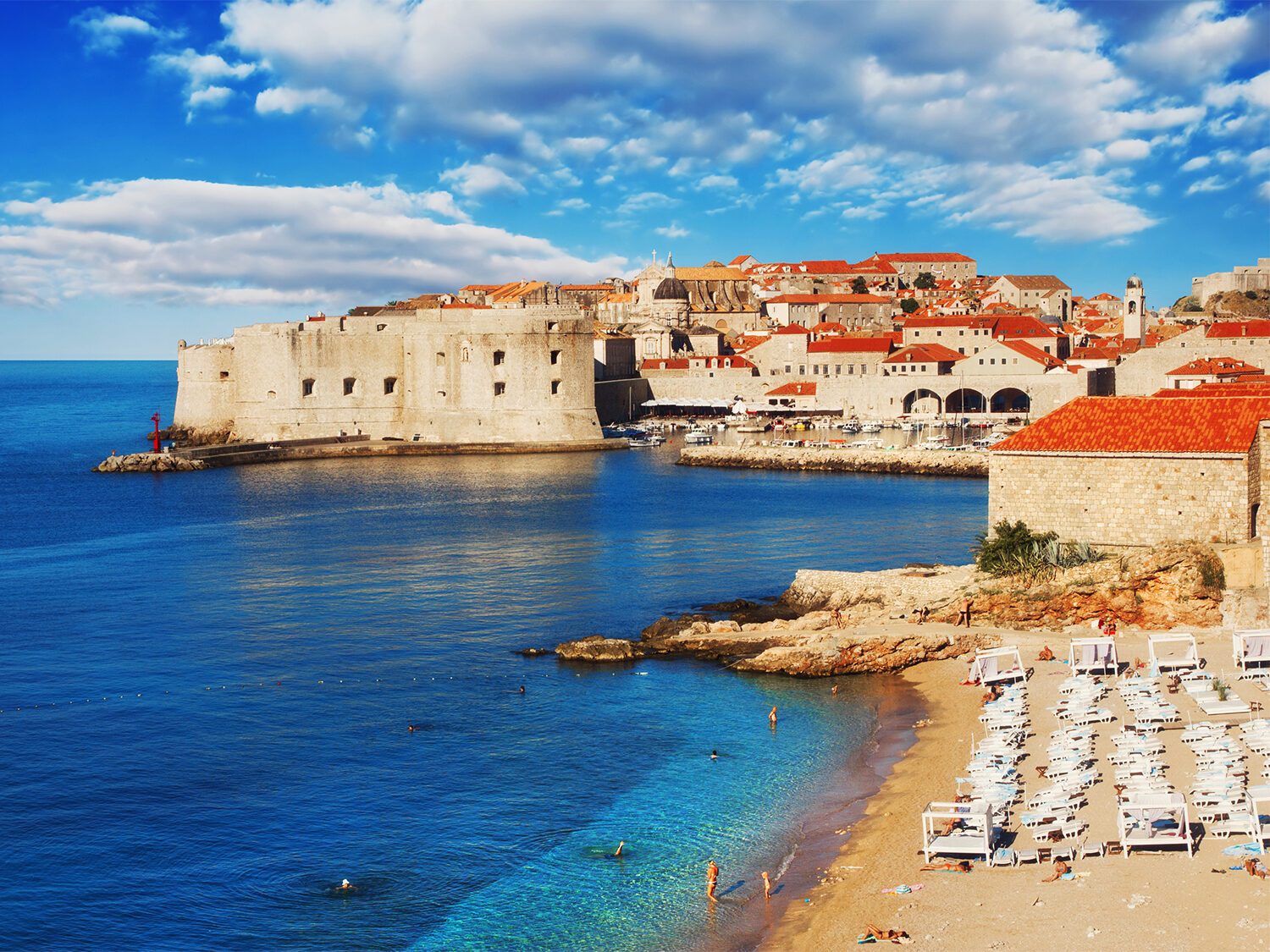
US citizens can visit Croatia visa-free for up to 90 days. Croatia joined the Schengen Area in January 2023, making it part of Europe's borderless travel zone. The Dalmatian Coast, Dubrovnik, Split, and the Plitvice Lakes draw millions of visitors , Americans among the most enthusiastic.
Great news! United States passport holders can enter Croatia without a visa for tourism or business purposes. You can stay up to 90 days.
No visa or advance application needed. Present your valid US passport at Zagreb International Airport (ZAG), Dubrovnik Airport (DBV), Split Airport (SPU), or at any land border crossing from EU/Schengen neighbors (Slovenia, Hungary). Keep track of your Schengen days if you plan to visit other Schengen countries during the same trip. The 90-day limit applies across all Schengen countries combined, not per country.
Croatia is part of the Schengen Area. Your stay counts toward the 90-day limit within any 180-day period for the entire Schengen zone. Learn more about Schengen rules →
Entry Requirements
Passport Validity
6 months beyond date of entry
Blank Pages
2 blank pages required
Multiple Entry
Allowed
Work Permitted
No - requires work visa
Required Documents
Valid US Passport
Must be valid for at least 3-6 months beyond your planned departure date (varies by country)
Return or Onward Ticket
Proof of departure from the country, such as a return flight or onward travel booking
Proof of Accommodation Recommended
Hotel reservation, Airbnb booking, or address where you will be staying
Proof of Sufficient Funds Recommended
Credit cards, bank statements, or cash to cover expenses during your stay
Travel Insurance Recommended
Recommended for all international travel covering medical emergencies
Travel Essentials
Health & Safety
Safety Rating
Vaccinations
Routine vaccines. Hepatitis A for some.
Tap Water
Safe to drink
Safety Tips
Safe. Petty crime in tourist areas.
Money & Costs
Currency
€ Euro (EUR)
Daily Budget (USD)
Budget: $55 · Mid: $110 · Luxury: $280+
Cards & ATMs
Cards accepted in tourist areas. Cash for smaller places.
Tipping
10% in restaurants appreciated.
Practical Info
Power
Type C, F, 230V, 50Hz
Driving
Right side
Emergency
Emergency: 112
Police: 192
Ambulance: 194
Mobile/SIM
Buy at A1, T-Mobile, Telemach.
Getting There
Airport Transfers
Zagreb: Bus €6/30min. Dubrovnik: Bus €8/25min.
Local Transport
Buses main transport. Ferries to islands.
Culture & Travel Tips
Best Time to Visit
Visit Croatia from May through June or September for the ideal combination of good weather, swimmable seas, and manageable crowds. Temperatures hover around 75-85°F (24-29°C) and prices are more reasonable than peak summer.
July and August bring scorching temperatures, packed beaches, and premium prices - especially in Dubrovnik and Split. Cruise ship crowds can make old towns unbearable midday. If you must visit in summer, go early morning or evening.
Shoulder seasons offer excellent value. May has beautiful wildflowers and empty hiking trails. Late September and October bring pleasant weather, wine harvest festivals, and truffle season in Istria.
Croatia's coast is Mediterranean; the interior is continental. Zagreb and Plitvice Lakes get snow in winter when the coast remains mild. Split and Dubrovnik can be visited year-round with proper expectations.
Island ferries run reduced schedules November through April - check routes carefully if planning island-hopping in off-season.
Cultural Notes
Croatians are proud of their young nation (independent since 1991) and distinct from other ex-Yugoslav countries. Don't conflate them with Serbia or call the language 'Serbo-Croatian.'
The pace of life is relaxed, especially along the coast. 'Fjaka' is the Dalmatian concept of doing nothing contentedly - embrace it rather than fighting Mediterranean schedules.
Coffee culture is serious - Croatians linger for hours over a single cup. Service won't rush you. Ordering 'to go' is unusual and slightly odd.
Tipping isn't obligatory but appreciated - round up or leave 10% for good service. Cash tips are better than adding to card payments.
Greetings matter - say 'dobar dan' (good day) when entering shops or restaurants. A simple greeting changes how you're treated.
Avoid war topics unless Croatians bring them up - the 1990s conflict remains within living memory and can be sensitive. The country has healed remarkably but scars remain.
Insider Tips
Croatia uses the Kuna (HRK), not the Euro. Exchange money at banks or exchange offices - never on the street. Cards are widely accepted in tourist areas but carry cash for smaller establishments.
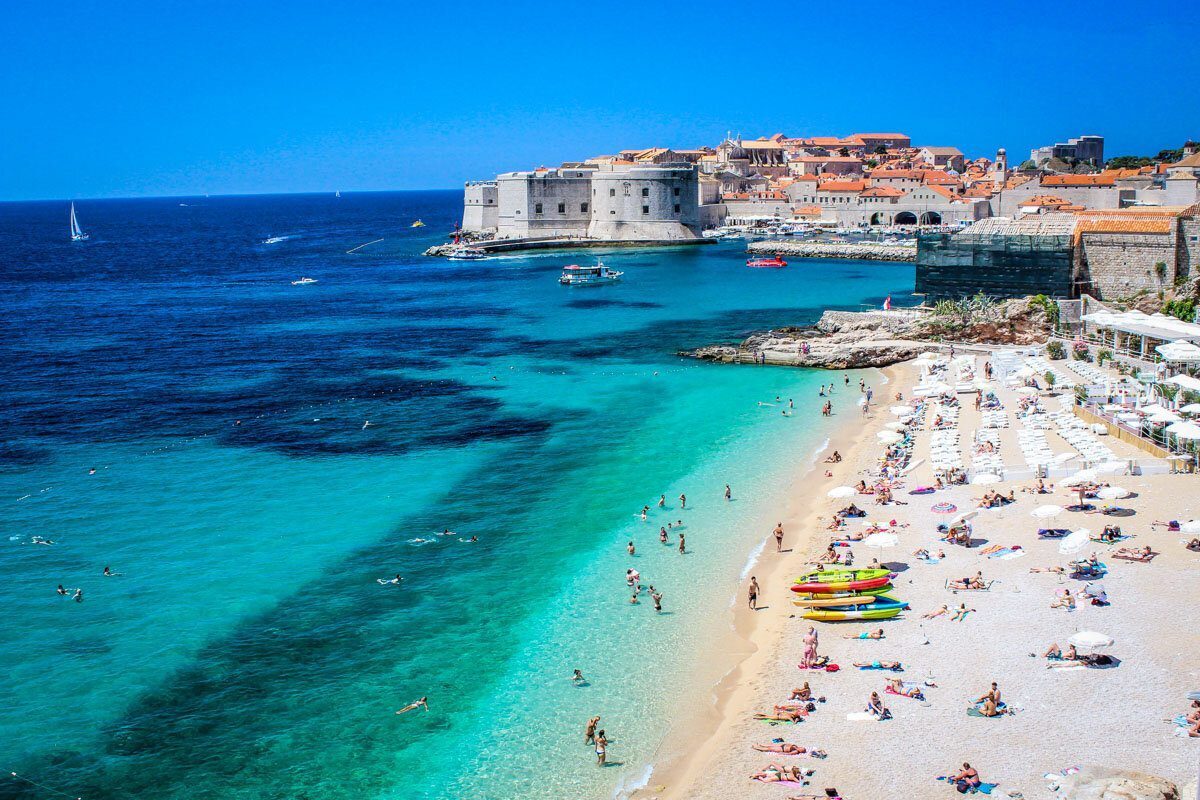
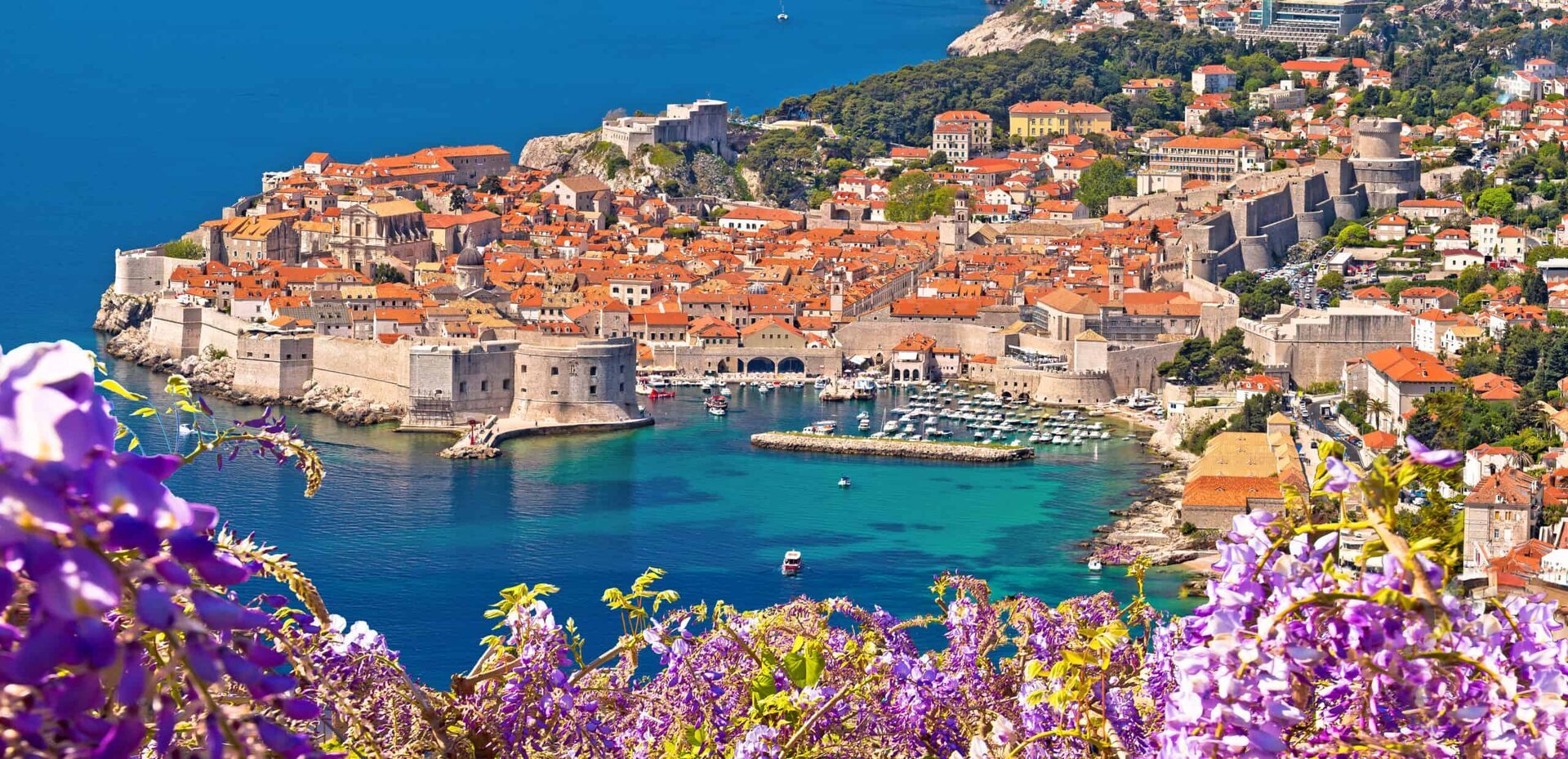
Dubrovnik is expensive by any standard - consider staying in nearby Cavtat or the Lapad neighborhood for better value. Visit the old town early morning before cruise ships arrive.
Island hopping by ferry is wonderful - Jadrolinija runs the main routes. Book ferries with cars in advance during summer; foot passengers can usually walk on. Catamarans are faster but pricier.
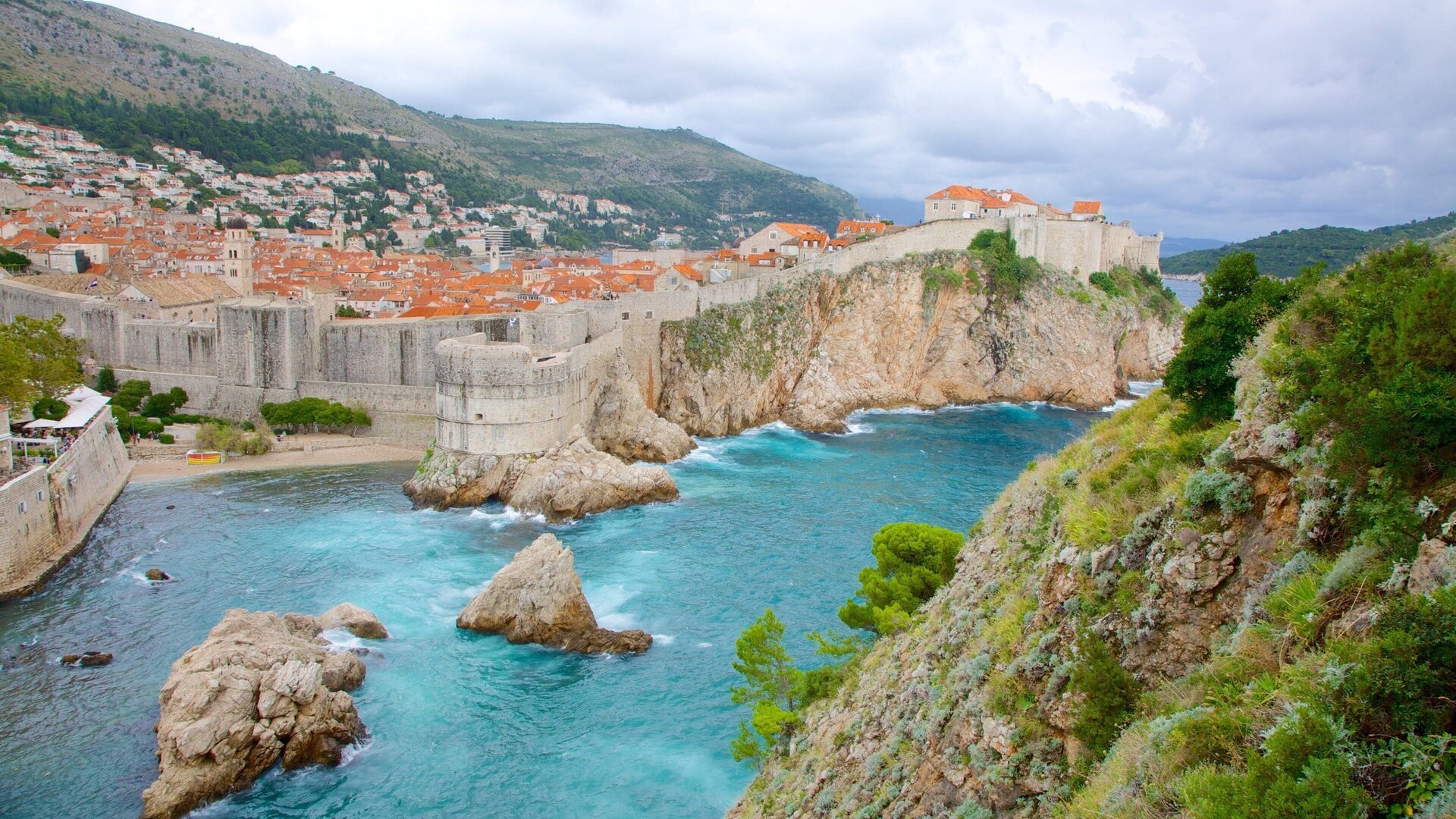
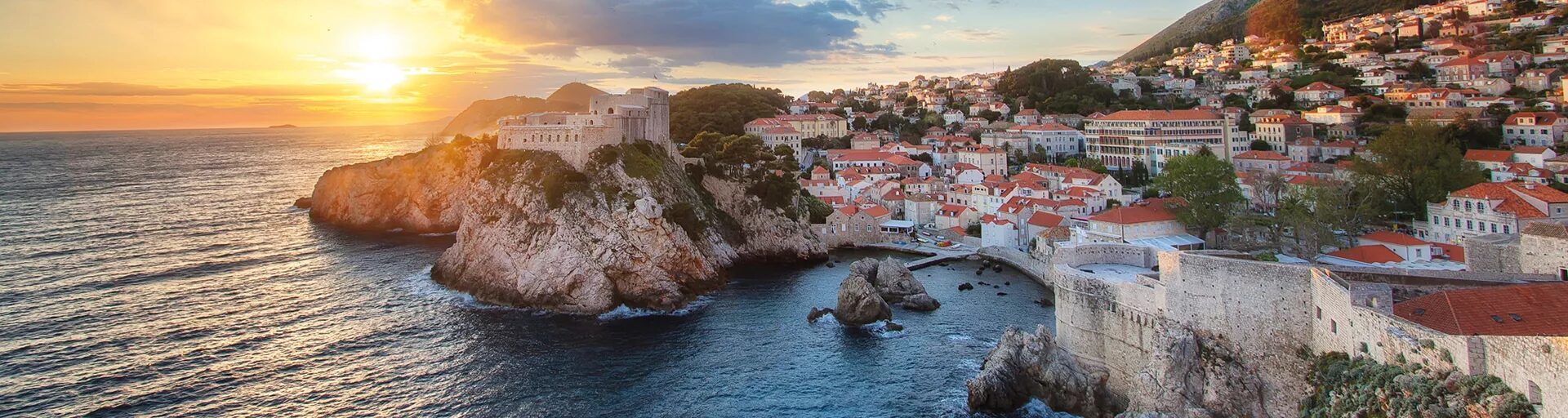
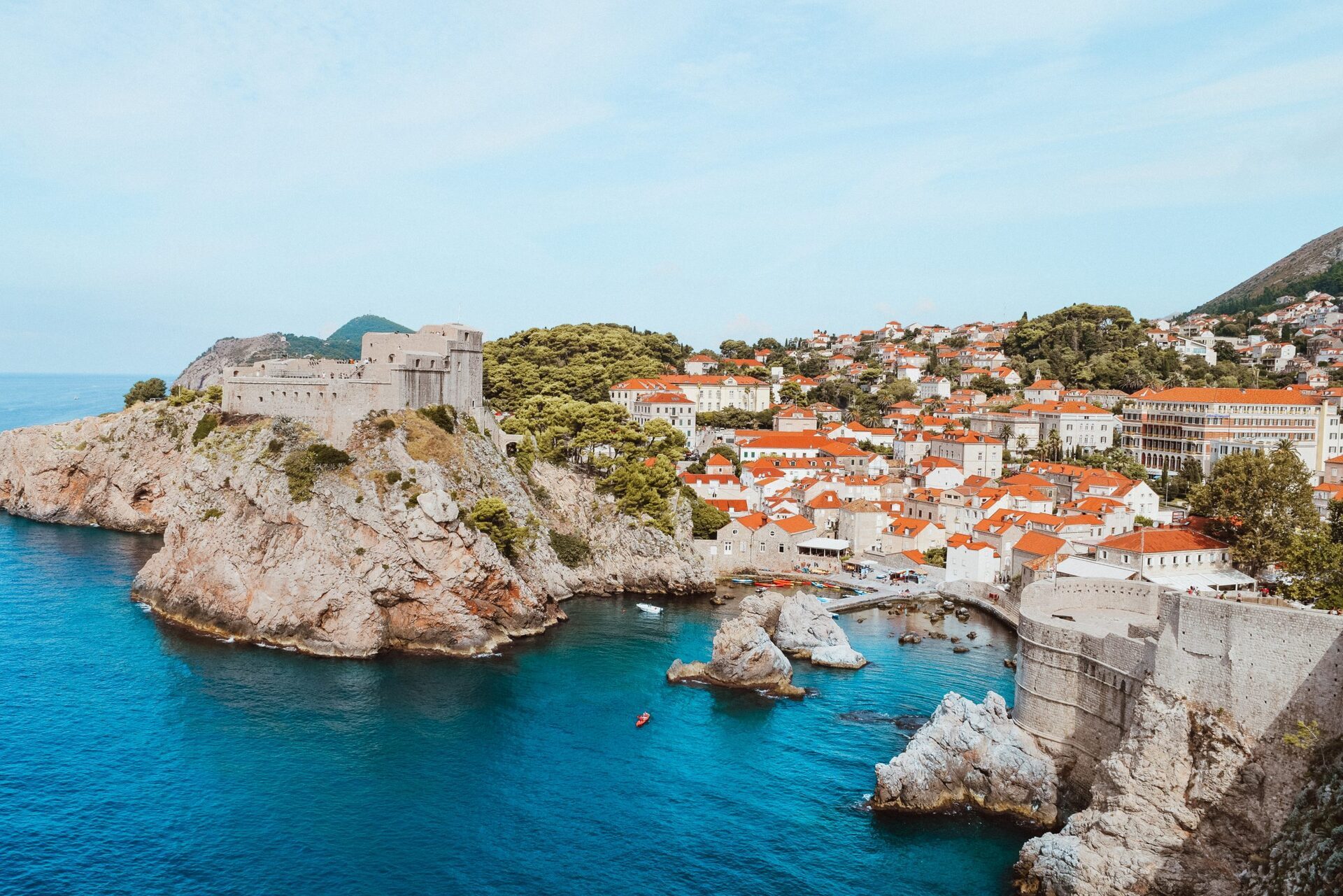
Game of Thrones fans will recognize many Croatian locations - tours are everywhere but the sites are impressive regardless of the show.
Croatian drivers can be aggressive - exercise caution if renting a car. The coastal road is beautiful but winding and traffic-heavy in summer. Tolls on highways add up quickly.
Pack reef shoes for swimming - many beaches are pebble or rocky. Crystal-clear water makes up for the lack of sand.
Dress Code
Casual. Cover in churches.
Current Travel Situation
United States to Croatia: What You Need to Know
Croatia joined the Schengen Area on January 1, 2023, meaning it is now part of the same 90-day-in-180-day travel zone as the rest of Schengen Europe. US citizens can visit Croatia and all other Schengen countries without a visa for up to 90 cumulative days in any 180-day period. Croatia also joined the Eurozone in January 2023 and now uses the Euro, replacing the Croatian Kuna. The country is an EU member and has excellent infrastructure for tourism.
How to Get There
Direct flights from New York JFK/EWR and Chicago to Dubrovnik and Zagreb operate seasonally (summer), served by United, Delta, and seasonal charter operators. Year-round, fly via London (British Airways, American), Frankfurt (Lufthansa), Amsterdam (KLM), Paris (Air France), or Vienna (Austrian). Dubrovnik (DBV) is the main gateway for the Dalmatian Coast; Zagreb (ZAG) for inland Croatia. Split (SPU) is also well served.
Money & Banking
Croatia uses the Euro (EUR) since January 2023. ATMs are widely available. Credit cards accepted at most hotels, restaurants, and shops. Tipping 10–15% is appreciated. Croatia is mid-range in European costs , budget €80–150/day for comfortable travel. The Dalmatian Coast is pricier in summer peak season (July–August). Shoulder season (May–June, September–October) offers better value.
Practical Tips
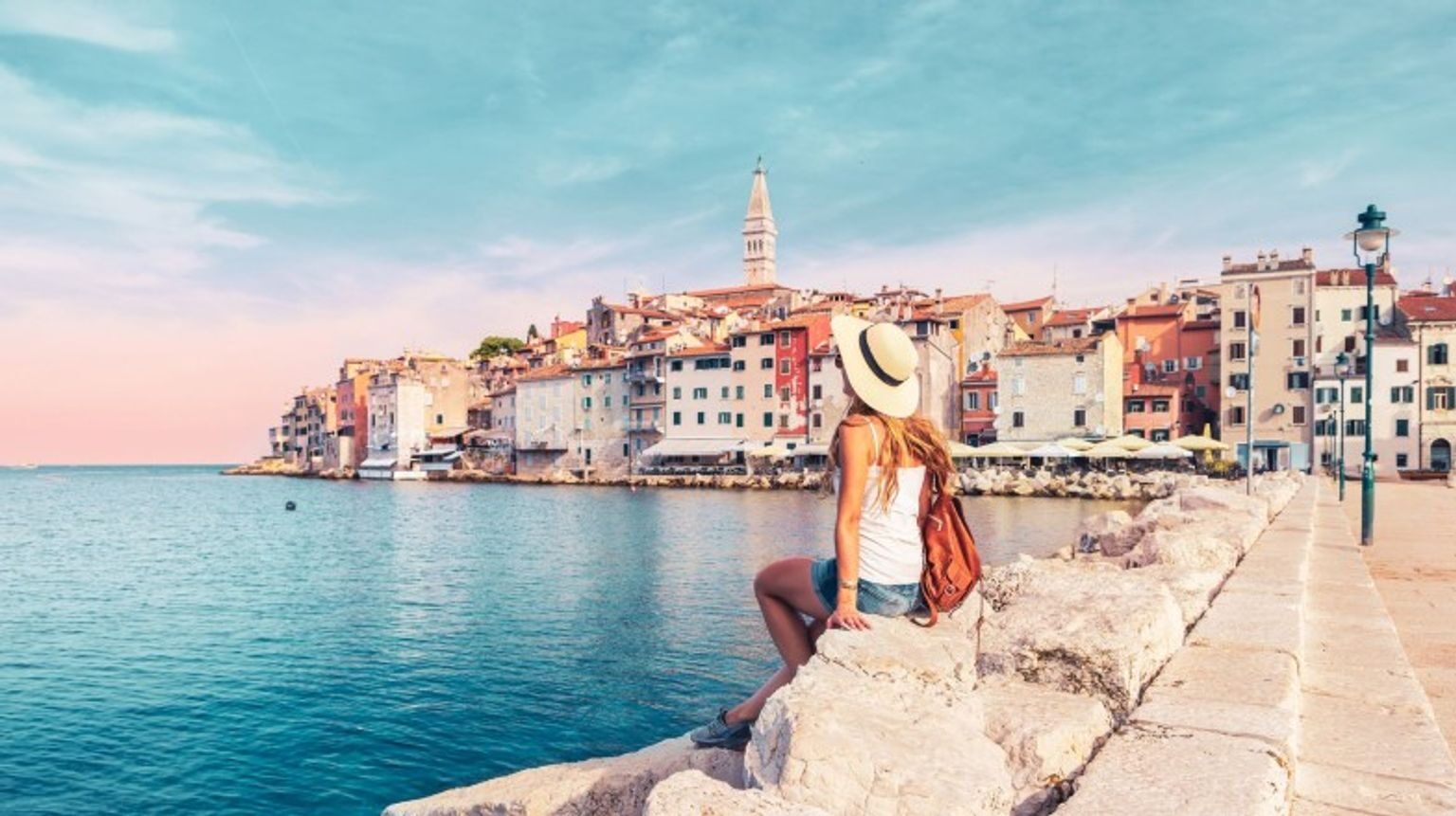
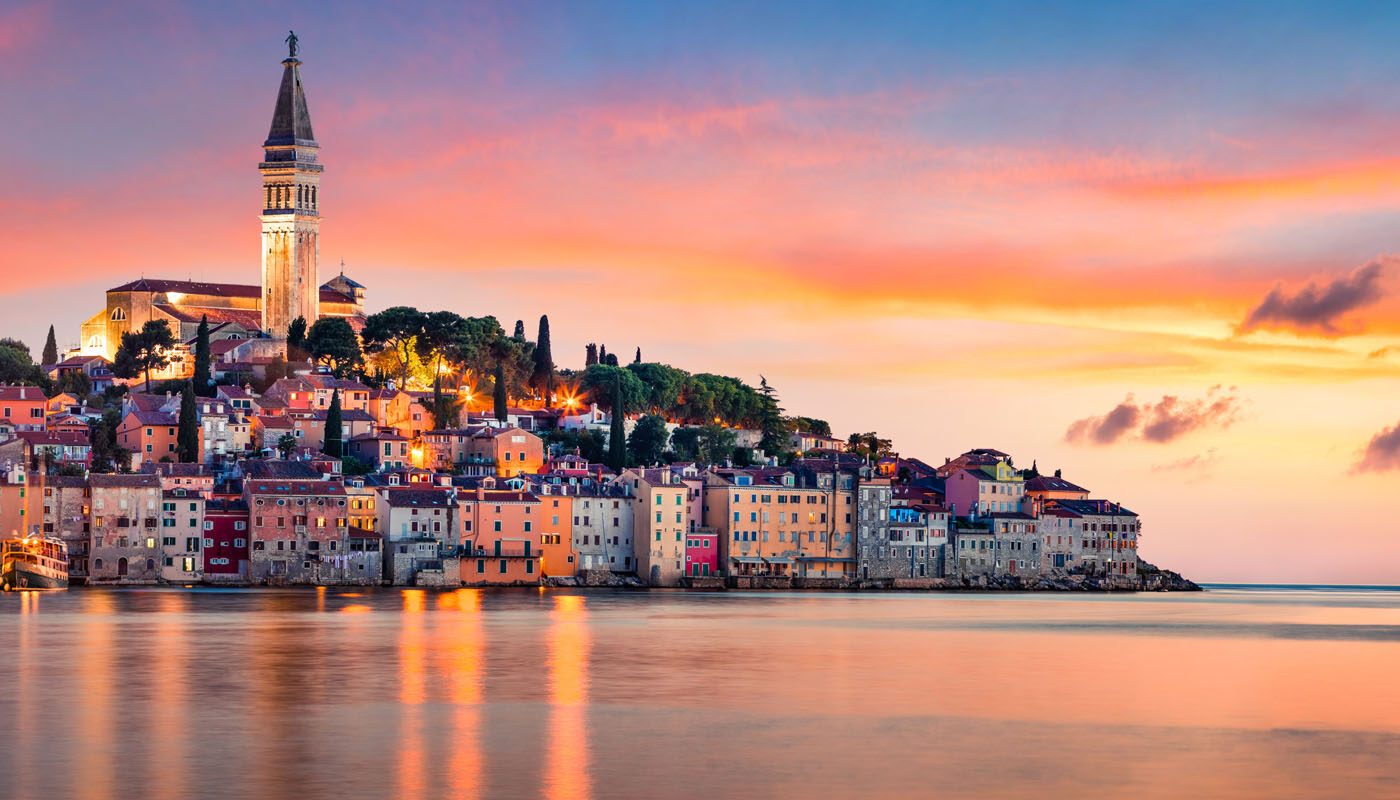
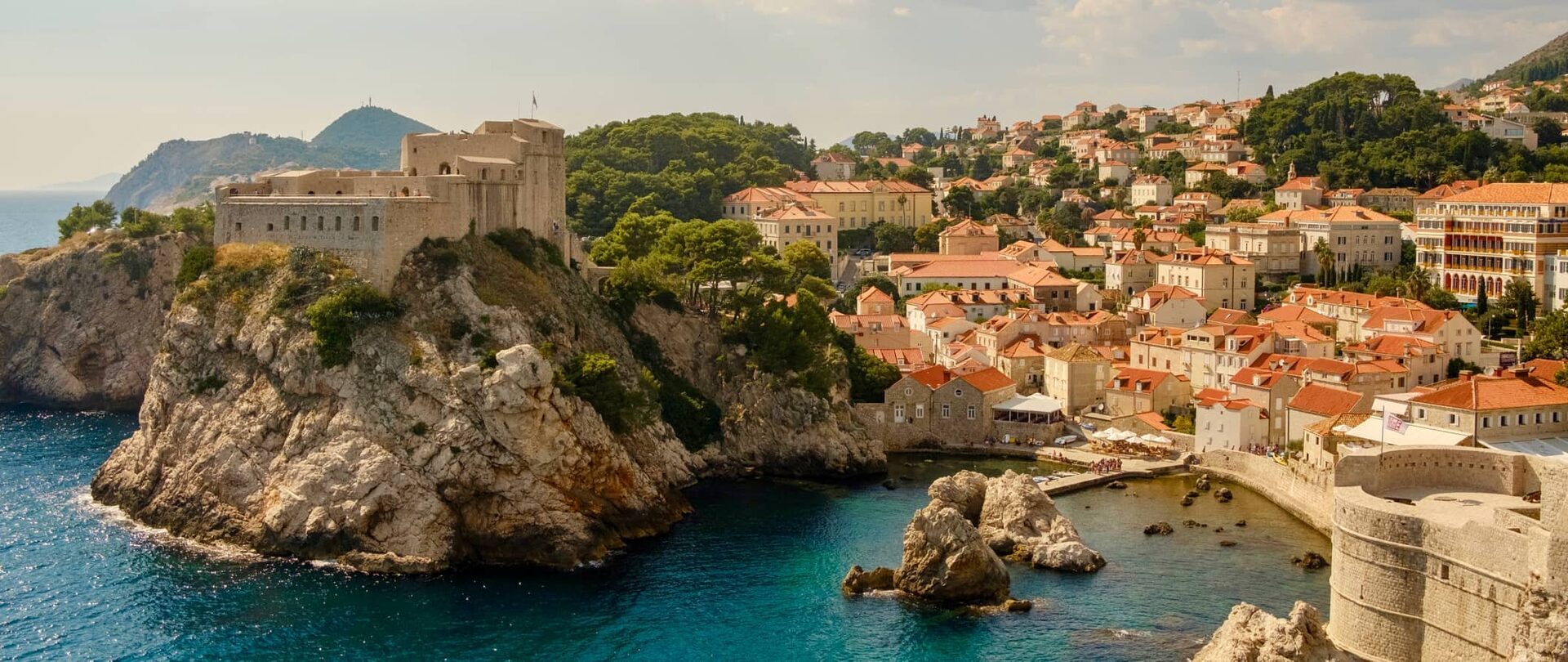
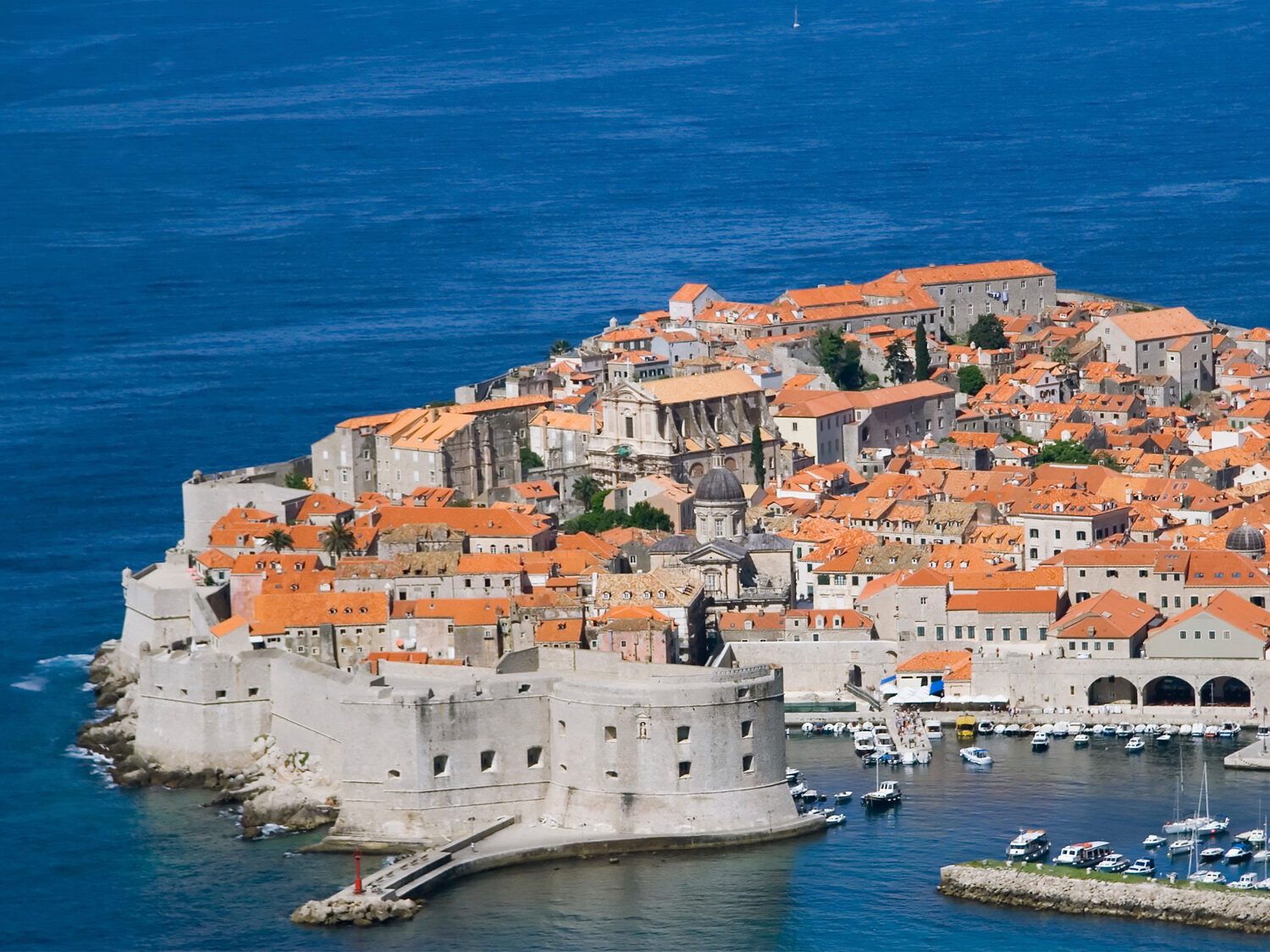
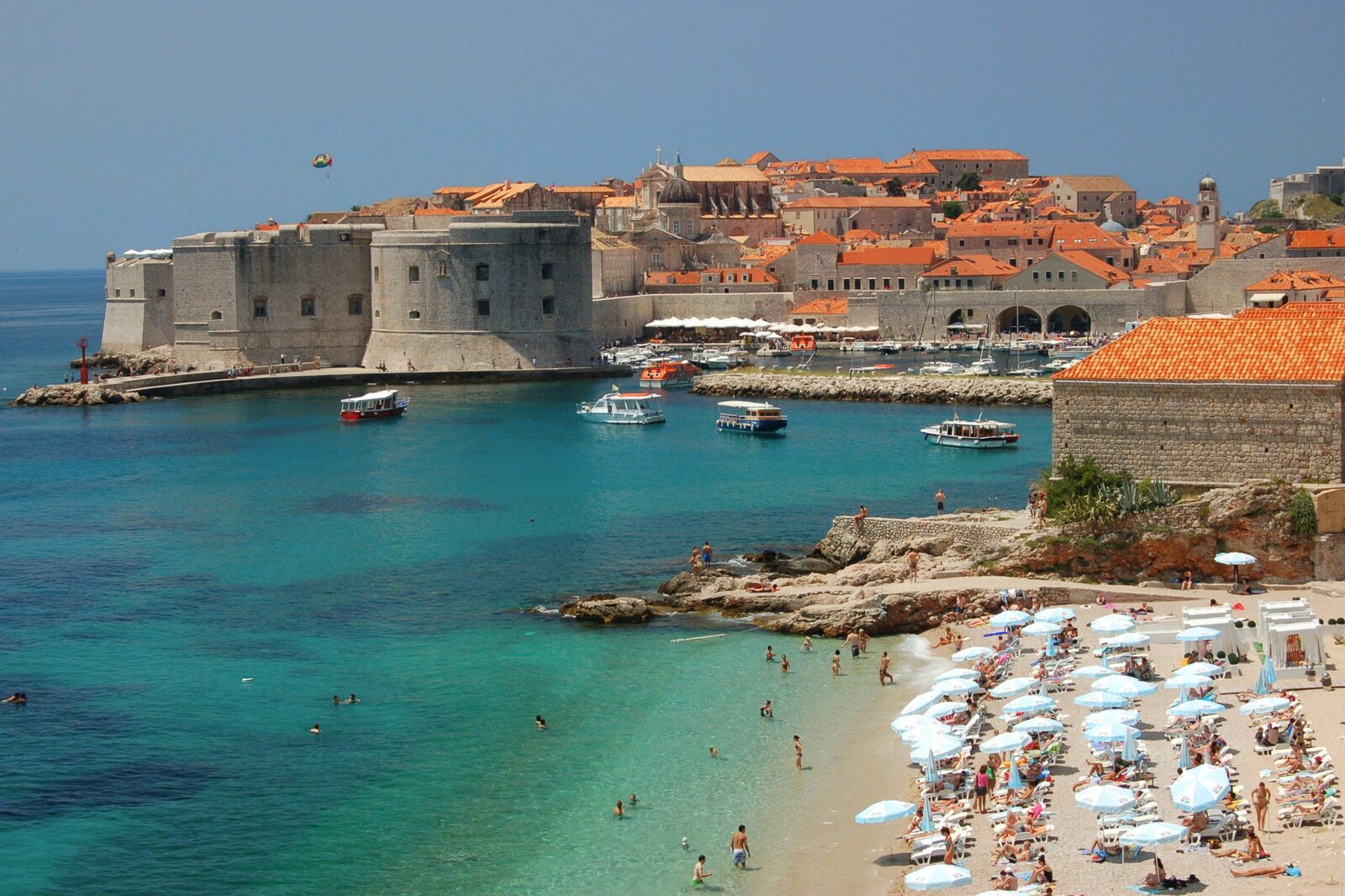
Croatia is extraordinary: Dubrovnik Old City (UNESCO, the "Pearl of the Adriatic"), the Diocletian's Palace in Split (UNESCO, a 4th-century Roman palace you can live inside), the Plitvice Lakes National Park (UNESCO, cascading turquoise lakes), the islands of Hvar, Brač, Korčula, and Vis, Rovinj and Pula in Istria, and white-water rafting on the Cetina River. Game of Thrones fans recognize Dubrovnik as King's Landing.
Frequently Asked Questions
Do US citizens need a visa for Croatia?
No. Croatia is a Schengen member (since January 2023). US passport holders can visit Croatia and all other Schengen countries visa-free for up to 90 days in any 180-day period.
Does Croatia use the Euro?
Yes. Croatia adopted the Euro on January 1, 2023. Credit cards are widely accepted throughout the country.
When is the best time to visit Croatia?
May–June and September–October for pleasant weather and fewer crowds. July–August is peak season with the best weather but highest prices and busy beaches. Dubrovnik in particular gets very crowded in summer.
Are there direct flights from the US to Croatia?
Yes, seasonally in summer. United flies New York–Dubrovnik and Delta/American fly similar routes. Year-round options involve connecting through London, Amsterdam, Frankfurt, or Vienna.
Is Croatia worth visiting for American travelers?
Absolutely. Croatia offers an extraordinary combination of Roman history, stunning island coastline, turquoise sea, medieval walled cities, national parks, excellent food and wine, and warm hospitality — at prices below Western European rivals like France or Italy.