Burundi Visa RequirementsFor United States passport holders
US citizens can obtain a visa on arrival in Burundi for $90. The US State Department advises reconsidering travel (Level 3) due to civil unrest and crime.
United States passport holders can obtain a Visa on Arrival at Burundi ports of entry.
Visa on arrival is available at Bujumbura airport. Fee: $90 USD (cash). Required: valid US passport, return/onward ticket, and accommodation details. A single-entry 30-day visa is issued. Extending the visa requires visiting the immigration office in Bujumbura. An e-visa is also available at migration.gov.bi.
Entry Requirements
Passport Validity
6 months beyond date of entry
Blank Pages
2 blank pages required
Multiple Entry
Single entry only
Work Permitted
No - requires work visa
Entry Conditions
Valid passport with 6 months validity, yellow fever certificate, return ticket.
Required Documents
Valid US Passport
Must be valid for at least 6 months beyond your arrival date with at least 2 blank pages
Passport-size Photos
Two recent color photos (2x2 inches or 35x45mm). Bring extra copies as requirements may vary
Completed Arrival Card
Immigration arrival/departure card provided on flight or at port of entry
Proof of Accommodation
Hotel reservation, booking confirmation, or address where you will be staying
Return or Onward Flight Ticket
Confirmed flight booking showing departure from the country within visa validity
Visa Fee (Cash)
Payment for visa on arrival fee - bring exact amount in USD or local currency
Proof of Sufficient Funds Recommended
Cash, credit cards, or bank statements showing adequate funds for your stay
Travel Insurance Recommended
Recommended coverage for medical emergencies during your trip
Travel Essentials
Health & Safety
Safety Rating
Vaccinations
Hepatitis A, Hepatitis B, Typhoid, Malaria prophylaxis, Meningitis, Rabies
Tap Water
Bottled water recommended
Safety Tips
Burundi has experienced political instability and violence, particularly since the 2015 political crisis. The situation has improved but remains fragile. Bujumbura is relatively calm with precautions. Avoid political gatherings and border areas. Check current advisories as conditions change.
Money & Costs
Currency
FBu Burundian Franc (BIF)
Daily Budget (USD)
Budget: $40 · Mid: $80 · Luxury: $160+
Tipping
Tipping is appreciated but not expected. Small tips for good service welcome.
Practical Info
Power
Type C, E, 220V 50Hz
Driving
Right side
Emergency
117 (Police), 118 (Fire)
Getting There
Main Airports
Bujumbura (BJM)
Culture & Travel Tips
Best Time to Visit
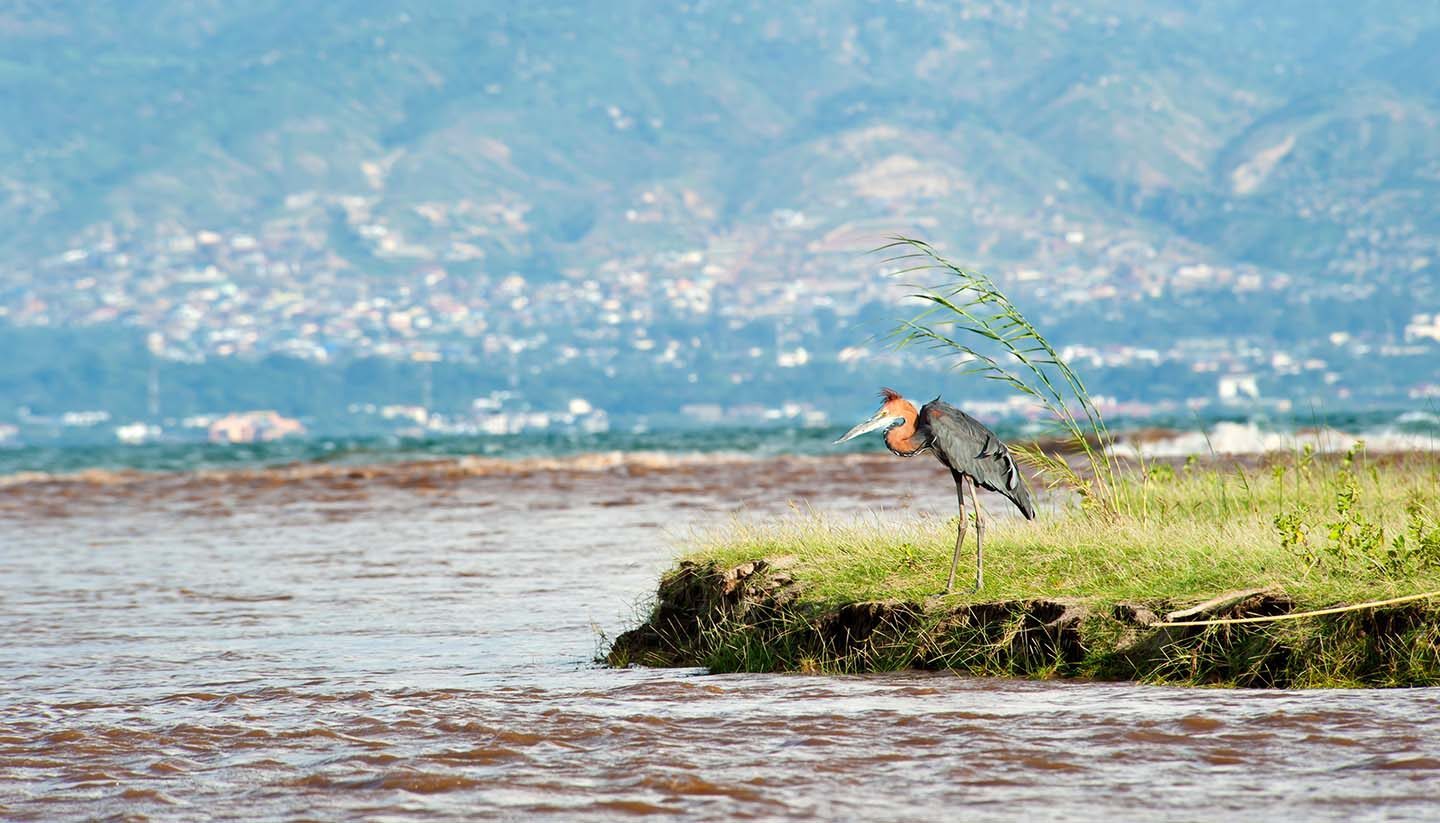
The best time to visit Burundi is during the dry seasons: June to August and December to January. The rainy seasons (February-May and September-November) make roads difficult. Lake Tanganyika moderates coastal temperatures.
Cultural Notes
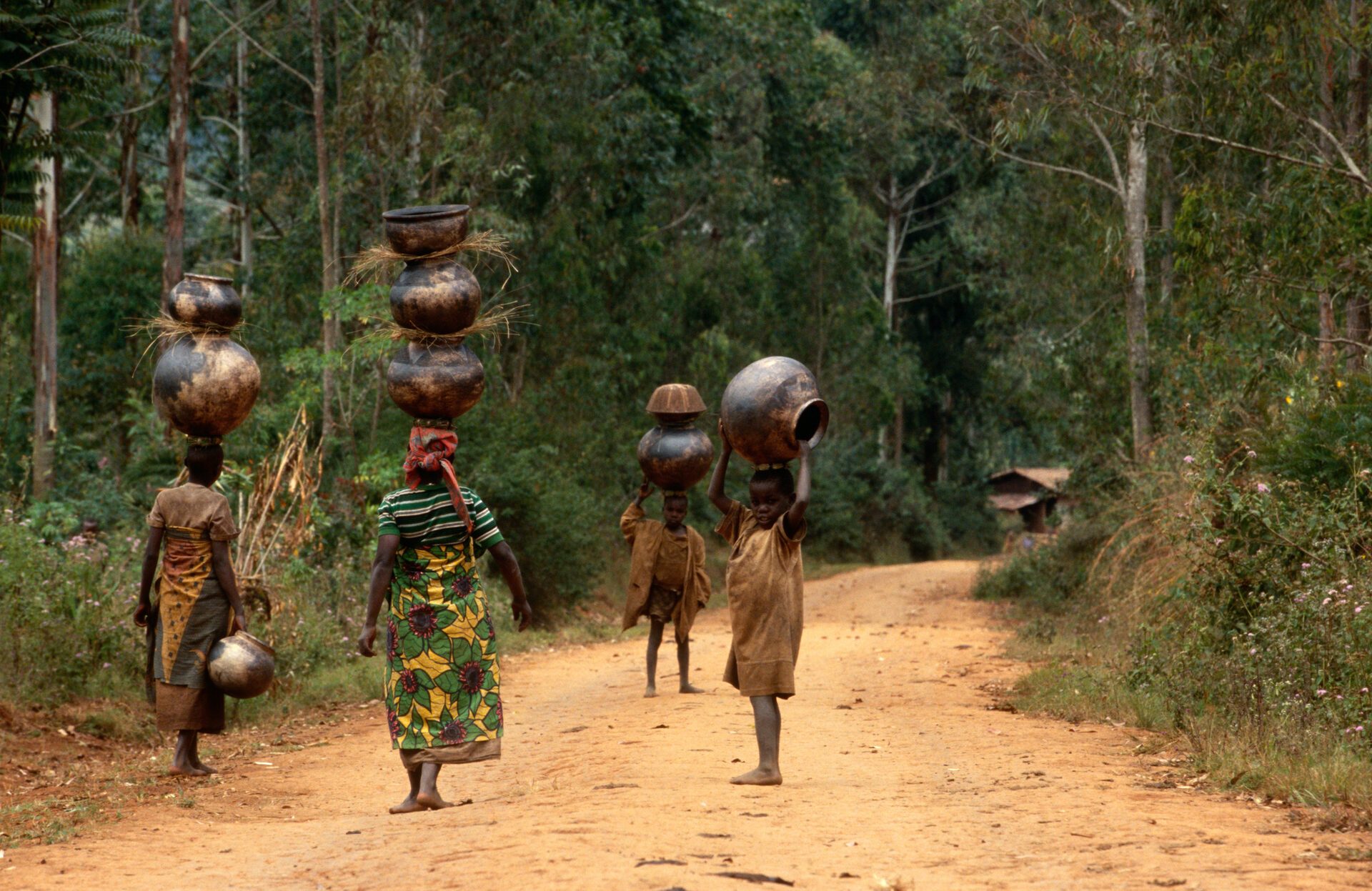
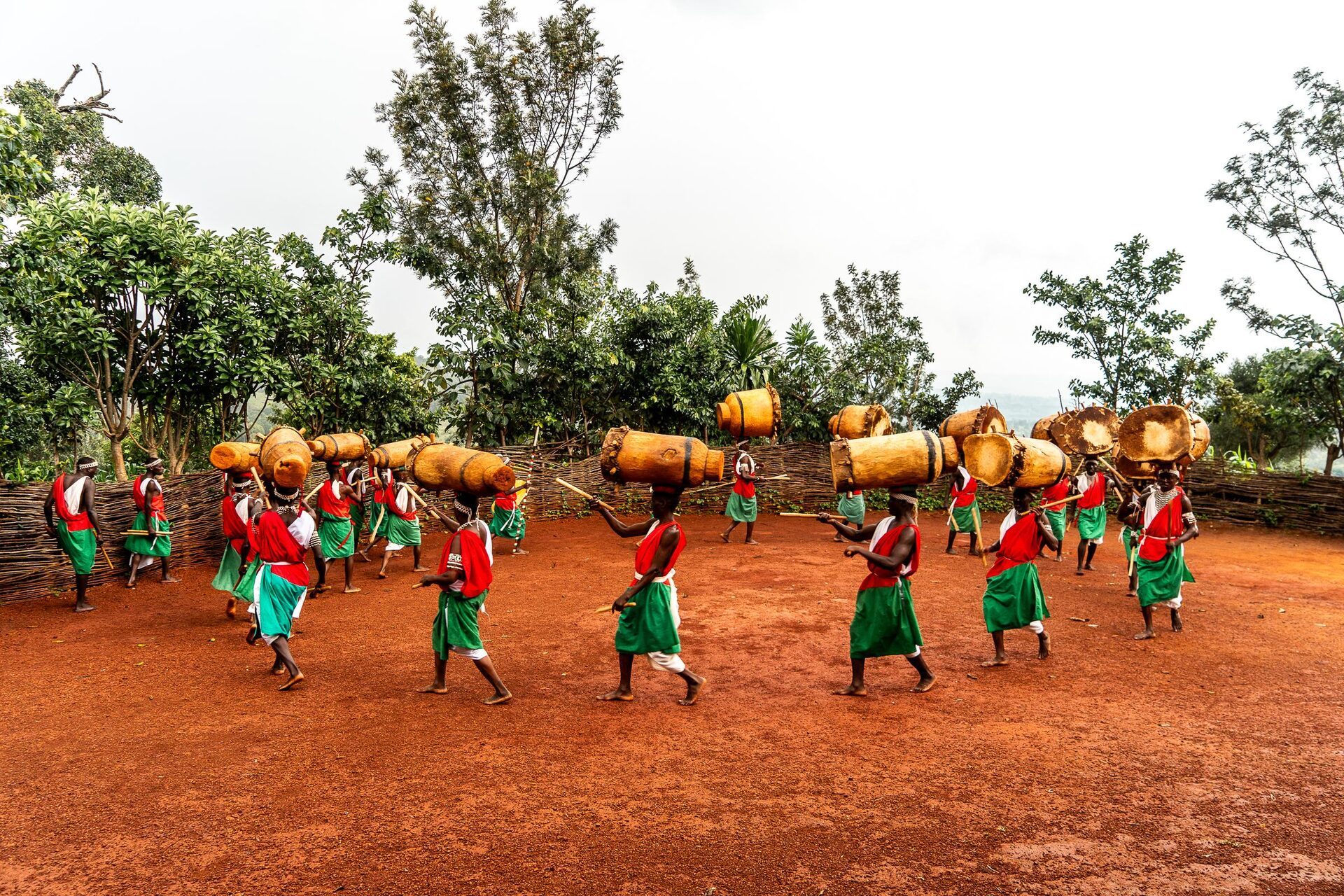
Burundi shares cultural heritage with Rwanda, including the Hutu, Tutsi, and Twa peoples. Traditional drumming (UNESCO heritage) is a powerful cultural expression. The royal drum sanctuaries are sacred sites. Despite troubled history, Burundian culture values community and traditional values. Coffee production is economically important.
Insider Tips
Kirundi, French, and English are official languages. The Burundian Franc is the currency. Burundi is one of Africa's smallest and poorest countries. Infrastructure is limited. Lake Tanganyika offers swimming and relaxation. The country has potential for chimpanzee trekking but facilities are basic.
Current Travel Situation
United States to Burundi: What You Need to Know
Burundi is a small, densely populated landlocked country in central Africa, bordered by Rwanda, Tanzania, and the Democratic Republic of Congo. Bujumbura International Airport (BJM) is the main gateway with limited connections from Nairobi, Addis Ababa, and Kigali. Burundi is one of the world's poorest countries by per capita income and has experienced cycles of political violence and ethnic tension. The government of President Evariste Ndayishimiye (in office since 2020) has maintained political stability compared to the 2015-2018 crisis, but human rights abuses by security forces continue. The US Embassy has reduced staffing.
How to Get There
Nairobi (NBO) via Kenya Airways and Addis Ababa via Ethiopian Airlines are the main hubs for Burundi. Kigali (Rwanda) is a 3-hour drive by road, a common overland combination for the Lake Tanganyika region. Dar es Salaam (Tanzania) connects via ferry across Lake Tanganyika (long but scenic).
Money & Banking
Burundi uses the Burundian Franc (BIF). USD and Euros can be exchanged at banks in Bujumbura. ATMs are available in the capital; cash is essential elsewhere. Burundi is very affordable by African standards, with local meals costing $3-6 and guesthouses $20-50/night. However, the limited tourism infrastructure makes independent travel challenging.
Practical Tips
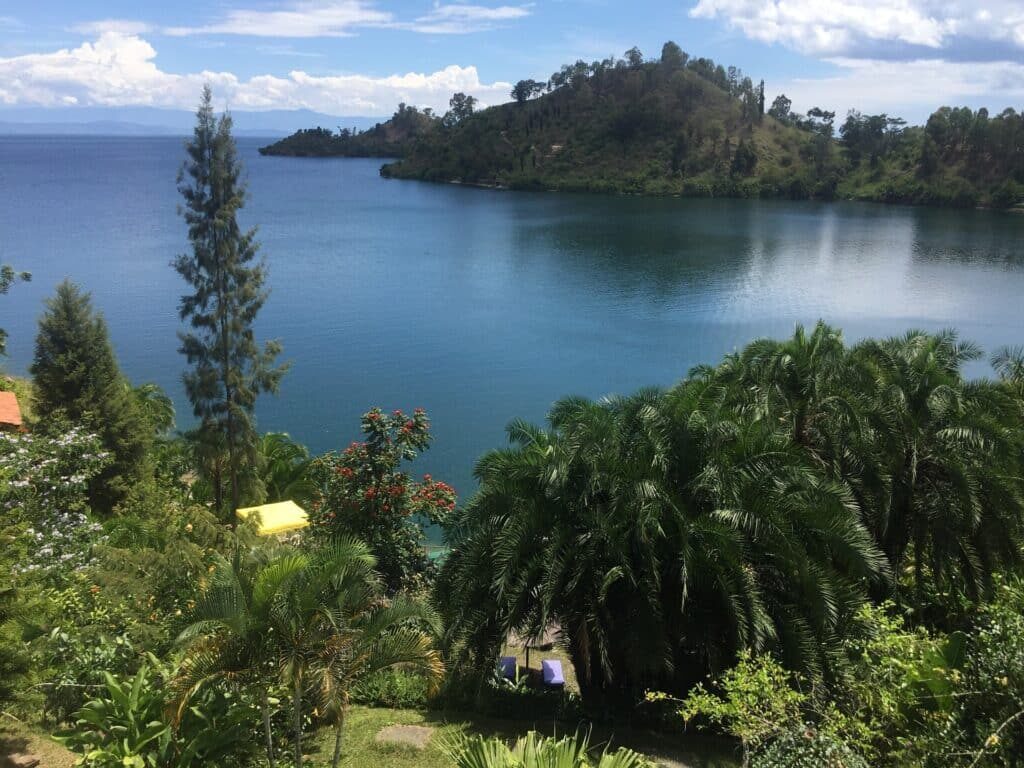
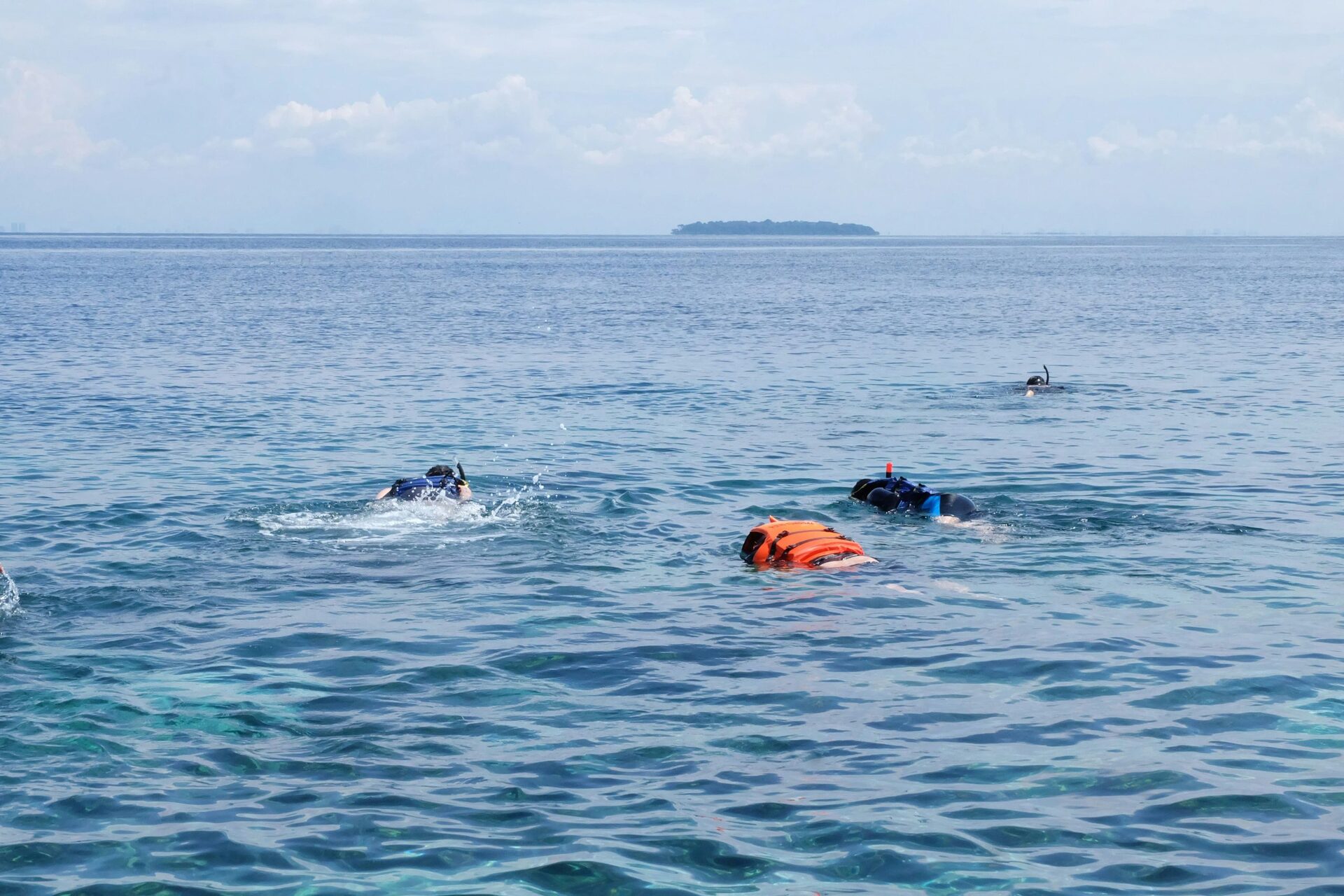
Lake Tanganyika (the world's second-deepest lake) has excellent freshwater snorkeling and diving, with endemic cichlid fish in extraordinary diversity. Kibira National Park protects one of Central Africa's largest remaining mountain rainforests. Bujumbura has a lively lakeside promenade and beach scene. The Livingstone-Stanley Monument at Mugere commemorates the 1871 meeting of the two explorers. Burundi has chimpanzee trekking opportunities in Kibira and Vyanda forests. Given the Level 3 advisory, careful trip planning and embassy registration are essential.
Frequently Asked Questions
Is Burundi safe for tourists?
The US State Department advises Level 3 (Reconsider Travel) for Burundi due to civil unrest, crime, and human rights abuses by security forces. The situation has improved from the 2015-2018 crisis but remains fragile. Tourist travelers who take appropriate precautions and avoid political gatherings can visit major sites, but US consular assistance is limited due to reduced Embassy staffing.
What is Lake Tanganyika?
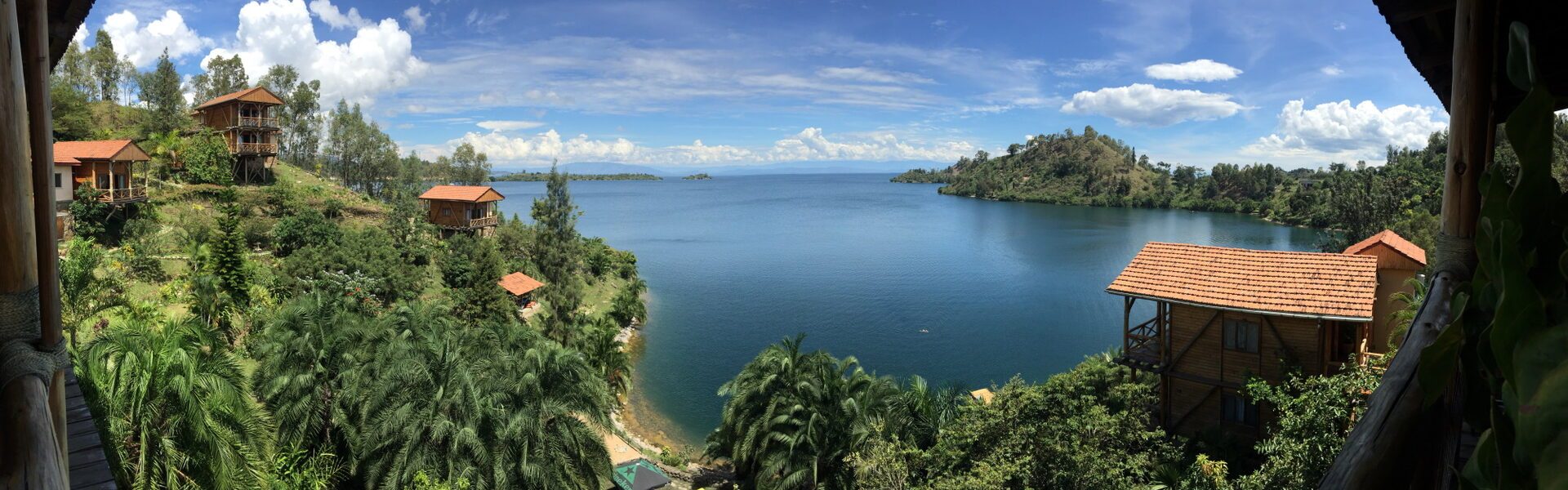
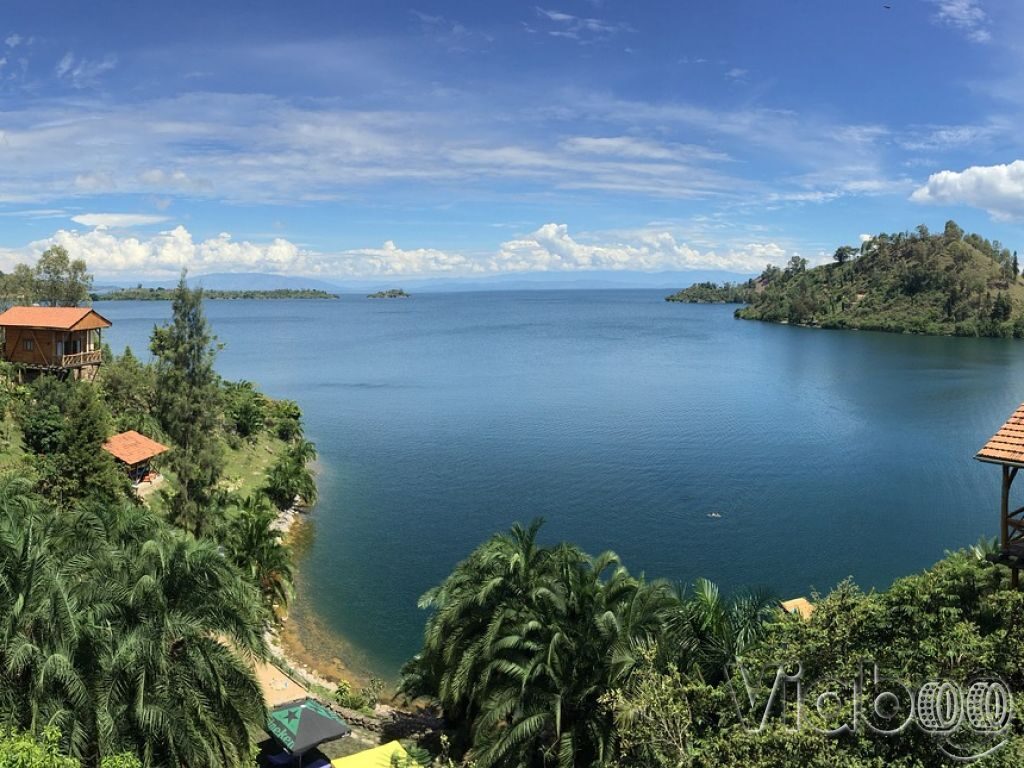
Lake Tanganyika is the world's longest freshwater lake and the second-deepest (after Lake Baikal), reaching 1,470 meters deep. It borders Burundi, Tanzania, Zambia, and the Democratic Republic of Congo. The lake contains over 350 species of cichlid fish, the majority found nowhere else on Earth, making it extraordinary for snorkeling and diving. The lakeside in Bujumbura has beaches popular with locals.
How does Burundi relate to Rwanda as a travel destination?
Burundi and Rwanda share a border and similar landscapes (part of the African Great Rift Valley). Rwanda is much more developed for tourism (gorilla trekking, established infrastructure, Level 1 advisory), while Burundi remains off the beaten path. Travelers combining both typically base in Rwanda (Kigali) and take a day trip or short extension to Bujumbura -- the 3-hour road journey is scenic.