Bulgaria Visa RequirementsFor United States passport holders
US citizens can visit Bulgaria visa-free for up to 90 days. Bulgaria joined the Schengen Area in 2024, adding Schengen travel benefits to US visitors.
Great news! United States passport holders can enter Bulgaria without a visa for tourism or business purposes. You can stay up to 90 days.
No visa is required for US citizens for stays up to 90 days within the Schengen area. Carry a valid US passport with at least 3 months validity beyond planned departure from Bulgaria. Since Bulgaria joined Schengen in 2024, days in Bulgaria now count toward the 90/180-day Schengen allowance. ETIAS may apply starting 2025 , check current status.
Bulgaria is part of the Schengen Area. Your stay counts toward the 90-day limit within any 180-day period for the entire Schengen zone. Learn more about Schengen rules →
Entry Requirements
Passport Validity
6 months beyond date of entry
Blank Pages
2 blank pages required
Multiple Entry
Allowed
Work Permitted
No - requires work visa
Required Documents
Valid US Passport
Must be valid for at least 3 months beyond planned stay
Valid US Passport
Must be valid for at least 3-6 months beyond your planned departure date (varies by country)
Return or Onward Ticket
Proof of departure from the country, such as a return flight or onward travel booking
Proof of Onward Travel Recommended
Return or onward flight recommended
Proof of Accommodation Recommended
Hotel reservation, Airbnb booking, or address where you will be staying
Proof of Sufficient Funds Recommended
Credit cards, bank statements, or cash to cover expenses during your stay
Travel Insurance Recommended
Recommended for all international travel covering medical emergencies
Travel Essentials
Health & Safety
Safety Rating
Vaccinations
Routine vaccines.
Tap Water
Safe to drink
Safety Tips
Generally safe. Petty crime in tourist areas.
Money & Costs
Currency
лв Bulgarian Lev (BGN)
Daily Budget (USD)
Budget: $30 · Mid: $60 · Luxury: $150+
Cards & ATMs
Common in cities.
Tipping
10% appreciated.
Practical Info
Power
Type C, F, 230V, 50Hz
Driving
Right side
Emergency
Emergency: 112
Mobile/SIM
Buy at A1, Telenor, Vivacom.
Getting There
Airport Transfers
Sofia: Metro 1.60 lev/20min.
Local Transport
Sofia has metro. Buses between cities.
Culture & Travel Tips
Best Time to Visit
The best time to visit Bulgaria depends on your interests. For general sightseeing and cities like Sofia, Plovdiv, and Veliko Tarnovo, May through June and September offer ideal weather (65-80°F/18-27°C) without peak crowds.
July and August are perfect for Black Sea beaches in Varna, Burgas, and Sunny Beach, though resorts get crowded and prices rise. The coast stays warm through early September.
Ski season runs December through March in Bansko, Borovets, and Pamporovo - excellent value compared to Western European resorts with improving infrastructure.
The Rose Valley celebrates rose harvest in late May-early June with festivals - a unique Bulgarian experience. Fall brings grape harvest and wine festival season.
Winter in Sofia is cold and gray but authentic. Few tourists mean you'll experience genuine Bulgarian life. Spring arrives late (April-May) with wildflowers covering mountain meadows.
Cultural Notes
Bulgarians can seem reserved initially but warm up quickly. Hospitality is important - if invited to a home, bring wine or flowers (odd numbers only).
Coffee culture runs deep - Bulgarians spend hours in cafes socializing. Service might seem slow; it's not neglect, it's allowing you to enjoy the experience.
Rakiya (fruit brandy) is the national drink - refusing a toast can offend. It's strong; pace yourself. Homemade rakiya from family recipes is prized.
Bulgaria has a complicated history with Russia - opinions vary widely and it's a sensitive topic. The country has deep historical ties but younger generations are more Western-oriented.
Religious Orthodox traditions remain strong despite communist-era suppression. Many holidays follow the Orthodox calendar, and name days are celebrated as much as birthdays.
'Baba Marta' on March 1st sees everyone wearing red-and-white martenitsi bracelets for health and happiness - a charming tradition you'll see everywhere in early spring.
Insider Tips
Bulgaria is remarkably affordable - your money goes far on accommodation, food, and transport. Budget travelers can live well on €30-40 per day.
Learn the Cyrillic alphabet basics - signs, menus, and schedules often lack Latin script outside major tourist areas. Google Translate's camera feature helps enormously.
Bulgarian head gestures are reversed: nodding means 'no' and shaking means 'yes.' This causes constant confusion - when in doubt, use words.
Trains are slow but scenic; buses are faster and more frequent for intercity travel. Book tickets at stations or use the Union Ivkoni bus company website.
Taxis should have meters - insist on using them and check the per-kilometer rate displayed on the window. Airport taxi scams exist; use OK Supertrans or Yellow Taxi apps in Sofia.
Bulgarian cuisine is hearty and meat-heavy. Vegetarians should learn 'bez meso' (without meat). Shopska salata (tomato, cucumber, pepper, cheese) is everywhere and excellent.
Dress Code
Casual.
Current Travel Situation
United States to Bulgaria: What You Need to Know
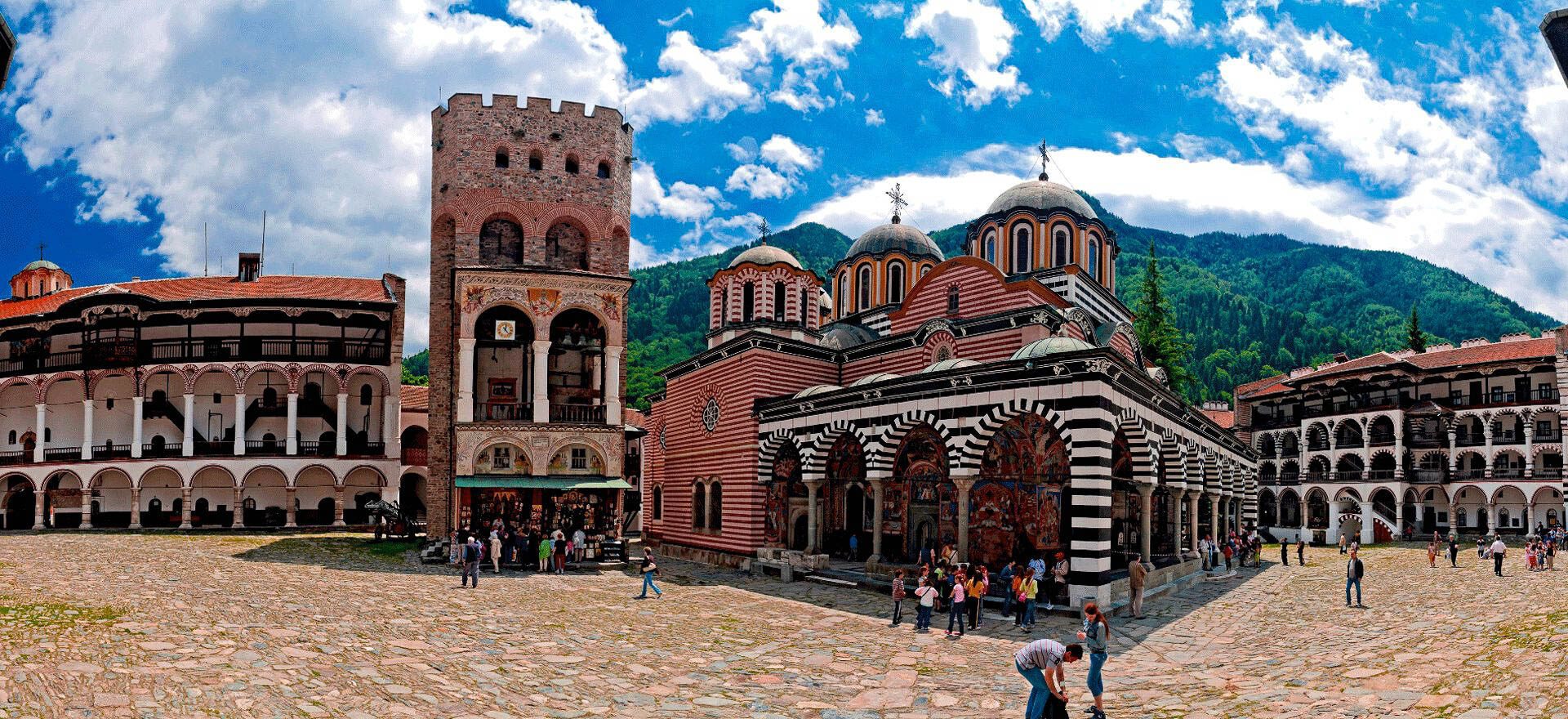
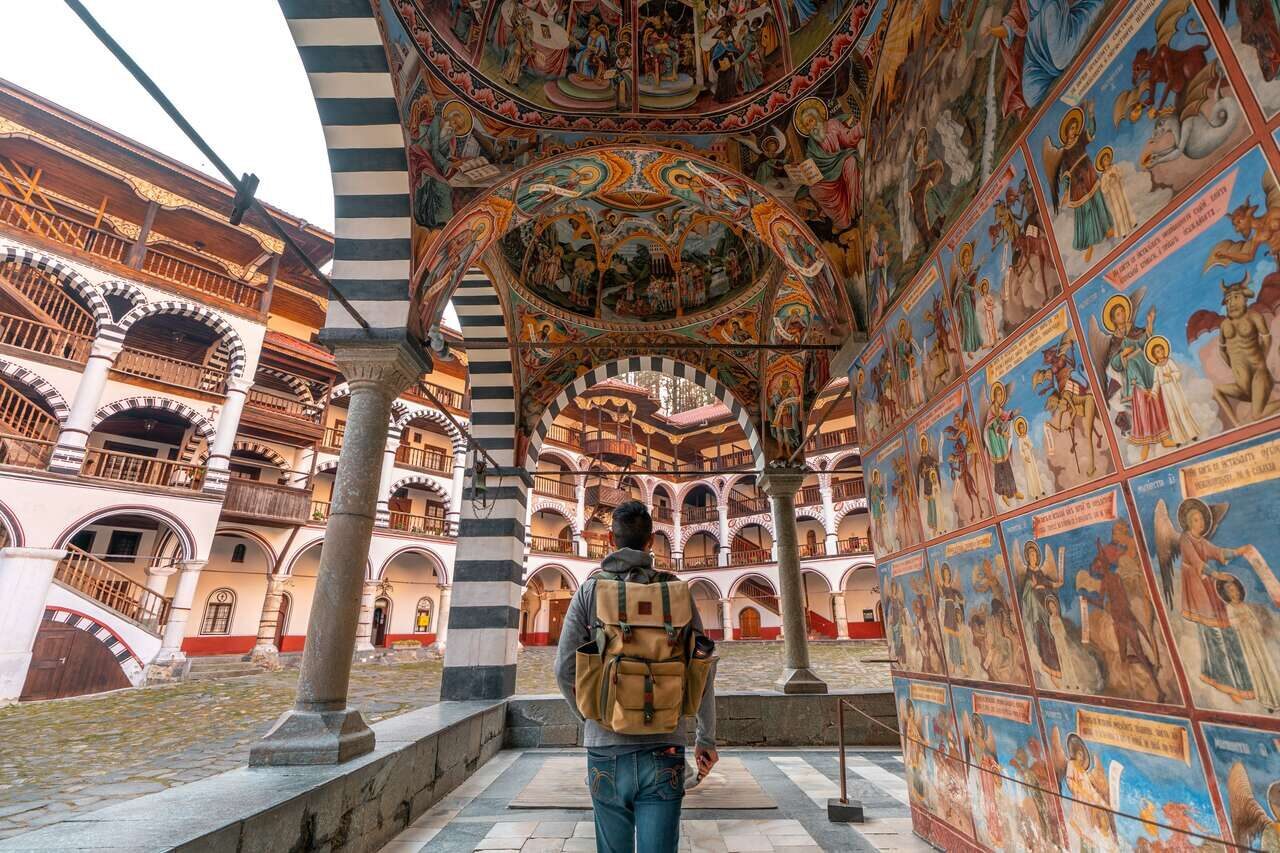
Bulgaria joined the Schengen Area in March 2024 (air and sea borders; land borders to follow). US citizens' 90-day visa-free allowance now includes Bulgaria as part of the collective Schengen 90 days in 180. Bulgaria is the most affordable EU member state for tourism , offering Black Sea beaches, ancient Thracian heritage (Valley of the Thracian Kings), Ottoman bazaars, Orthodox monasteries (Rila Monastery , UNESCO), and ski resorts (Borovets, Bansko) at prices far below Western European standards. Bulgaria is known to Americans mostly for its ancient history, rose oil production (the Kazanlak Rose Valley), and unexplored Roman ruins at Plovdiv.
How to Get There
Bulgaria borders Romania (EU, Schengen accession in progress), Greece (Schengen), Turkey (separate visa requirements for some nationalities), North Macedonia (not Schengen, visa-free for US), and Serbia (not Schengen, visa-free for US). Sofia is connected by budget airlines (Ryanair, Wizz Air) to many European cities. Istanbul is approximately 5-6 hours by bus from Sofia , a popular overland connection.
Money & Banking
Bulgaria uses the Bulgarian lev (BGN) pegged to the euro (1 EUR = 1.956 BGN). Bulgaria has not yet adopted the euro. Card payments are accepted at major hotels and restaurants in cities; cash preferred in smaller towns and markets. Bulgaria is very affordable , meals from BGN 12-25 ($7-14 USD); accommodation from BGN 50-120 ($28-67 USD)/night even in decent hotels. Black Sea resort accommodation in summer is moderately priced but higher than inland.
Practical Tips
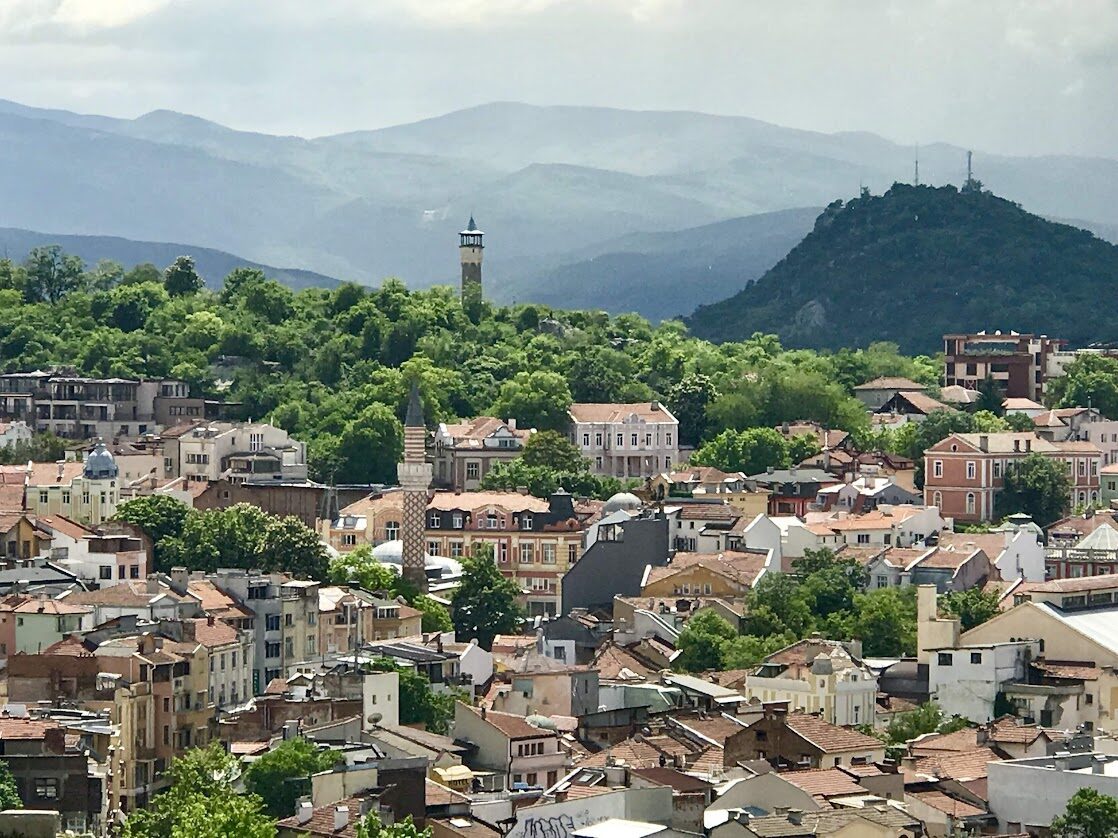
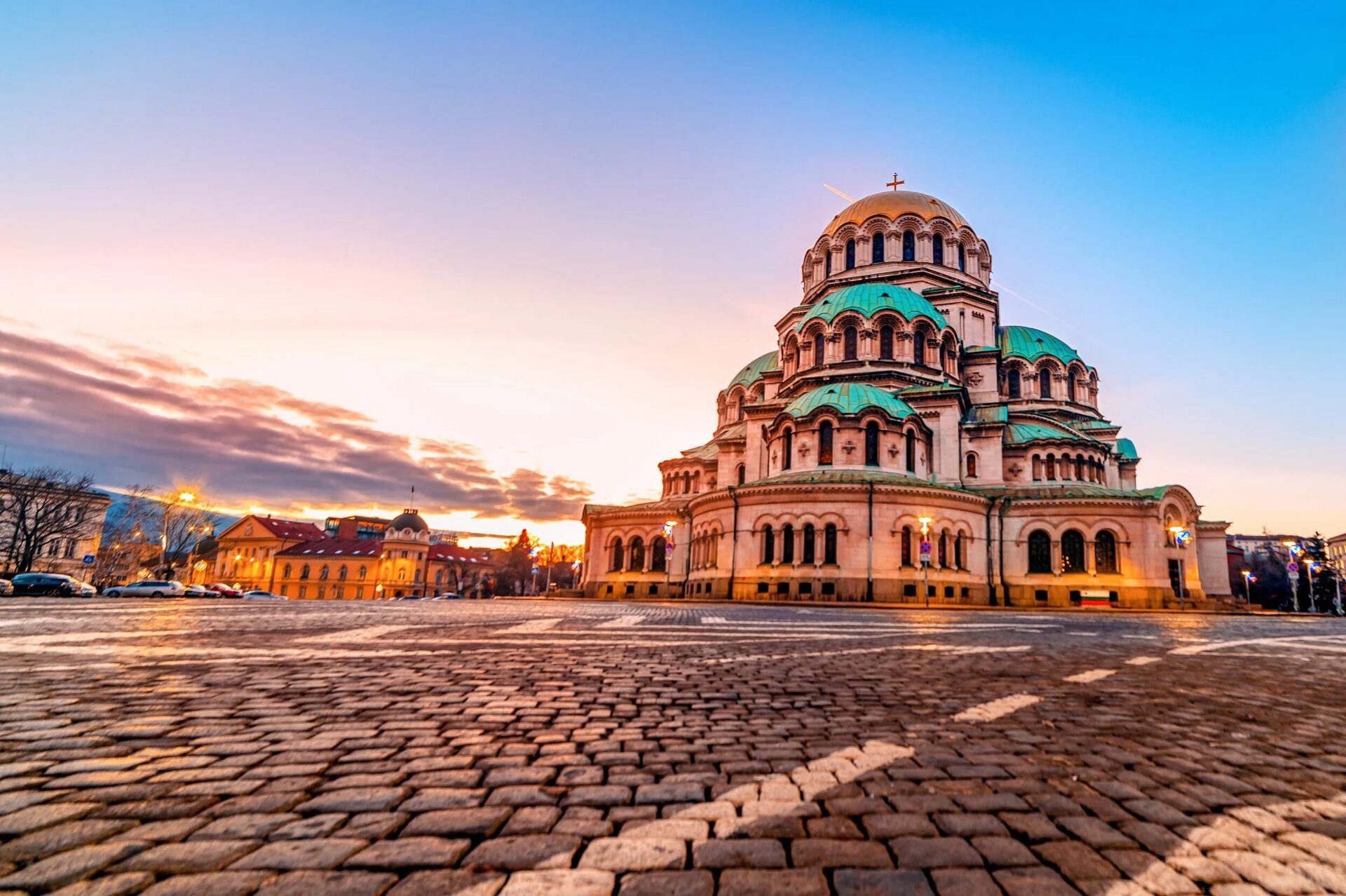
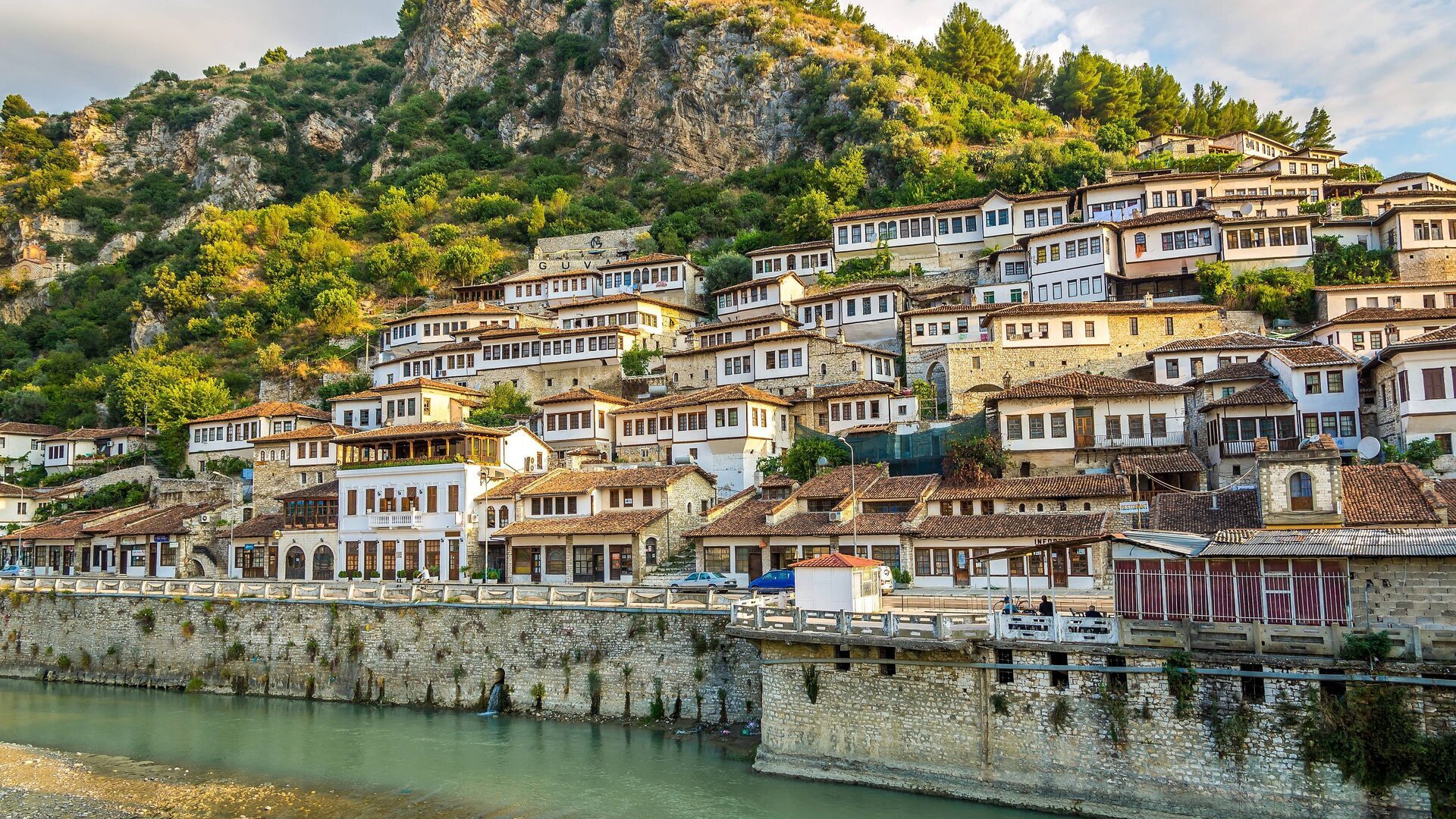
Sofia has an underrated city center with the Alexander Nevsky Cathedral (one of the Balkans' finest Orthodox churches), the Roman Serdica ruins beneath the city center, and a vibrant cafe and bar scene. Plovdiv is older than Athens and has an exceptionally preserved Roman theater, Ottoman old quarter, and art district , it held the European Capital of Culture title in 2019. Rila Monastery in the Rila Mountains (2-hour drive from Sofia) is one of the most magnificent monasteries in Eastern Europe. The Black Sea coast (Varna, Burgas, Nesebar) has excellent beaches though very crowded in July-August.
Frequently Asked Questions
Do US citizens need a visa for Bulgaria?
No. US citizens can visit Bulgaria visa-free for up to 90 days. Since Bulgaria joined Schengen in 2024, this counts toward the collective 90-day Schengen allowance. ETIAS pre-registration may be required starting 2025.
Has Bulgaria joined the Schengen Area?
Yes. Bulgaria joined the Schengen Area in March 2024 (air and sea borders). Days in Bulgaria now count toward the 90/180-day Schengen allowance, and Bulgaria shares the Schengen area with 26 other member states.