Botswana Visa RequirementsFor United States passport holders
US citizens can visit Botswana visa-free for up to 90 days. Botswana is considered Africa's premier safari destination and one of the continent's most stable democracies.
Great news! United States passport holders can enter Botswana without a visa for tourism or business purposes. You can stay up to 90 days.
No visa is required for US citizens for stays up to 90 days. Present your valid US passport at Sir Seretse Khama International Airport (Gaborone) or Kasane Airport (near Chobe) on arrival. Botswana is generally well organized for tourism. A yellow fever certificate is required if arriving from a yellow fever endemic country. Bring proof of return travel and sufficient funds as requested. The US State Department rates Botswana at Level 1 (Exercise Normal Precautions).
Entry Requirements
Passport Validity
6 months beyond date of entry
Blank Pages
2 blank pages required
Multiple Entry
Allowed
Work Permitted
No - requires work visa
Required Documents
Valid US Passport
Must be valid for at least 6 months beyond planned stay
Proof of Return Travel
Return or onward flight ticket
Valid US Passport
Must be valid for at least 3-6 months beyond your planned departure date (varies by country)
Return or Onward Ticket
Proof of departure from the country, such as a return flight or onward travel booking
Yellow Fever Certificate Recommended
Required if arriving from a yellow fever endemic country
Proof of Sufficient Funds Recommended
Bank statement or credit card may be requested
Proof of Accommodation Recommended
Hotel reservation, Airbnb booking, or address where you will be staying
Proof of Sufficient Funds Recommended
Credit cards, bank statements, or cash to cover expenses during your stay
Travel Insurance Recommended
Recommended for all international travel covering medical emergencies
Travel Essentials
Health & Safety
Safety Rating
Vaccinations
Hepatitis A/B, typhoid, rabies, malaria prophylaxis.
Tap Water
Safe to drink
Safety Tips
Botswana is one of Africa's safest countries. Standard safari safety applies - wildlife is wild. Gaborone has minimal crime.
Money & Costs
Currency
P Botswana Pula (BWP)
Daily Budget (USD)
Budget: $100 · Mid: $300 · Luxury: $1,000+
Tipping
Tip guides $10-20/day, camp staff $10/day.
Practical Info
Power
Type D, G, M, 230V
Driving
Left side
Emergency
999 (all emergencies)
Getting There
Main Airports
Kasane (BBK) · Maun (MUB) · Gaborone (GBE)
Culture & Travel Tips
Best Time to Visit
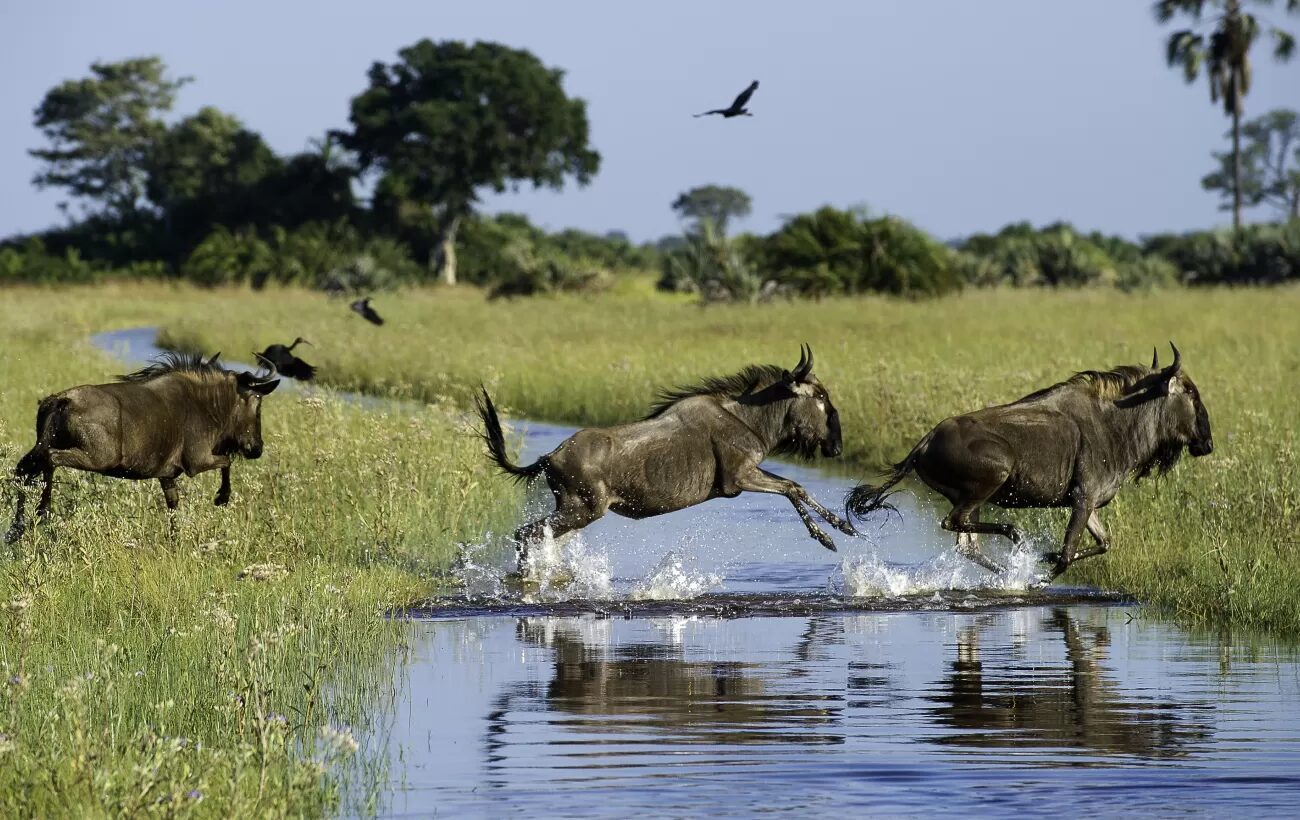
Botswana has a subtropical climate with distinct wet and dry seasons. The dry season (May-October) is ideal for wildlife viewing when animals congregate at diminishing water sources, making them easier to spot. This is also the cooler season with pleasant temperatures. The Okavango Delta floods peak from June to August, creating the paradox of a dry-season flood - this is when mokoro (canoe) trips are at their best. The wet season (November-April) brings thunderstorms, green landscapes, and migratory birds but also thick vegetation that obscures wildlife. Victoria Falls is best January-May when water levels are high.
Cultural Notes
Botswana is one of Africas great success stories - from one of the worlds poorest countries at independence in 1966 to an upper-middle-income nation, thanks to diamonds and good governance. The Tswana people form the majority, with San (Bushmen) communities in the Kalahari maintaining traditional knowledge as hunter-gatherers. Botswana avoided the conflicts that plagued neighbors, maintaining multi-party democracy and low corruption. Wildlife conservation is central to national identity and economy. The cattle-based culture of the Tswana influences rural life. Politeness and respect for elders are valued. The pula currency name means rain, reflecting its precious nature in this semi-arid country. Botswana has one of the worlds highest rates of HIV/AIDS but has managed it effectively.
Insider Tips
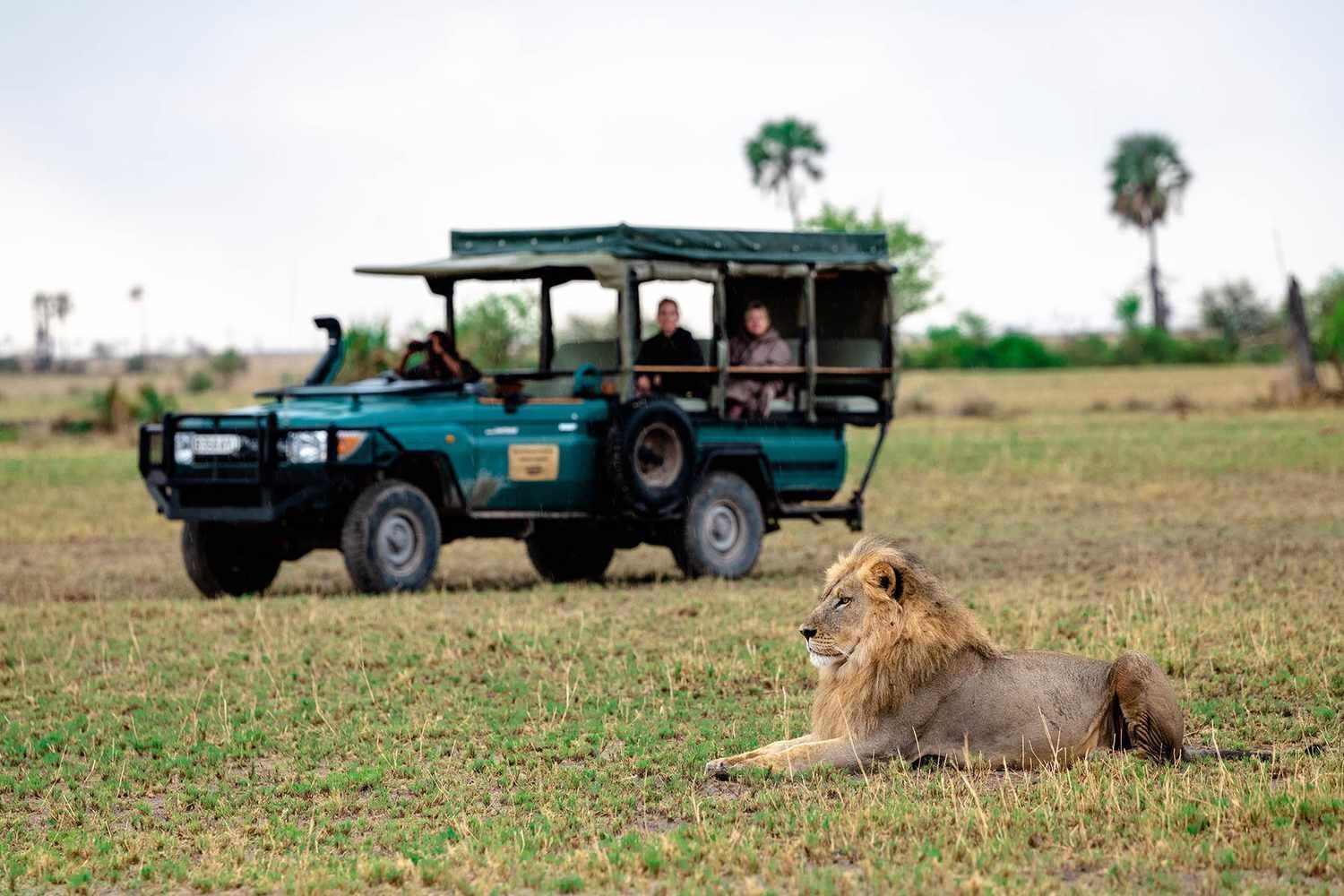
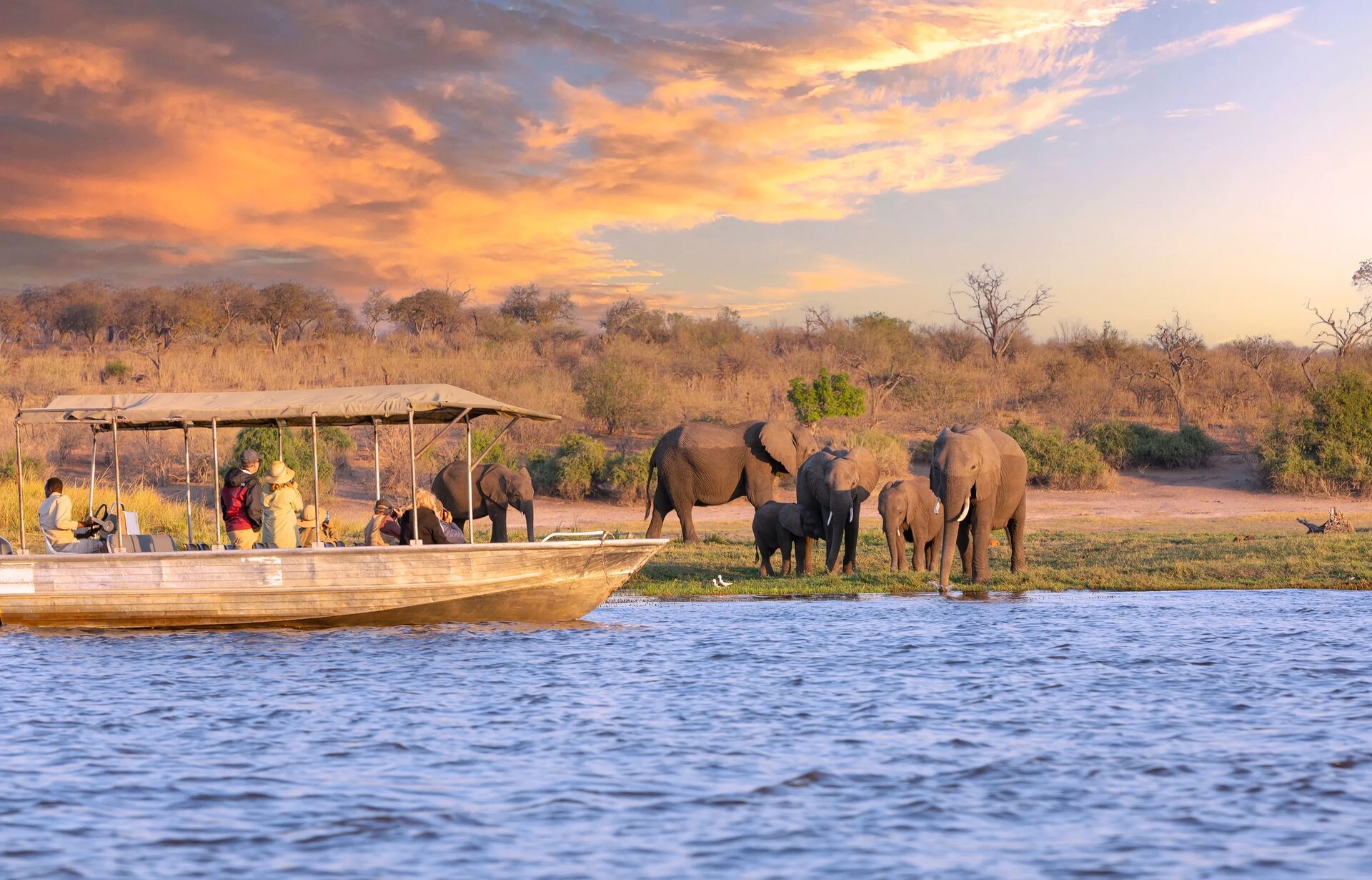
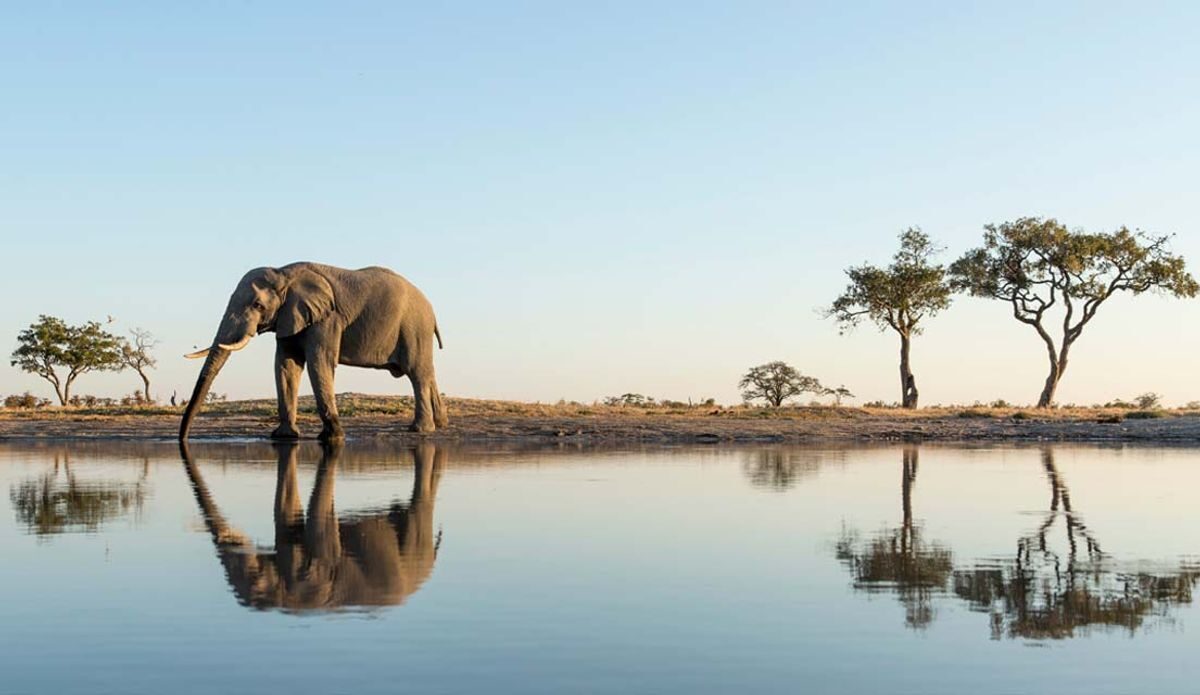
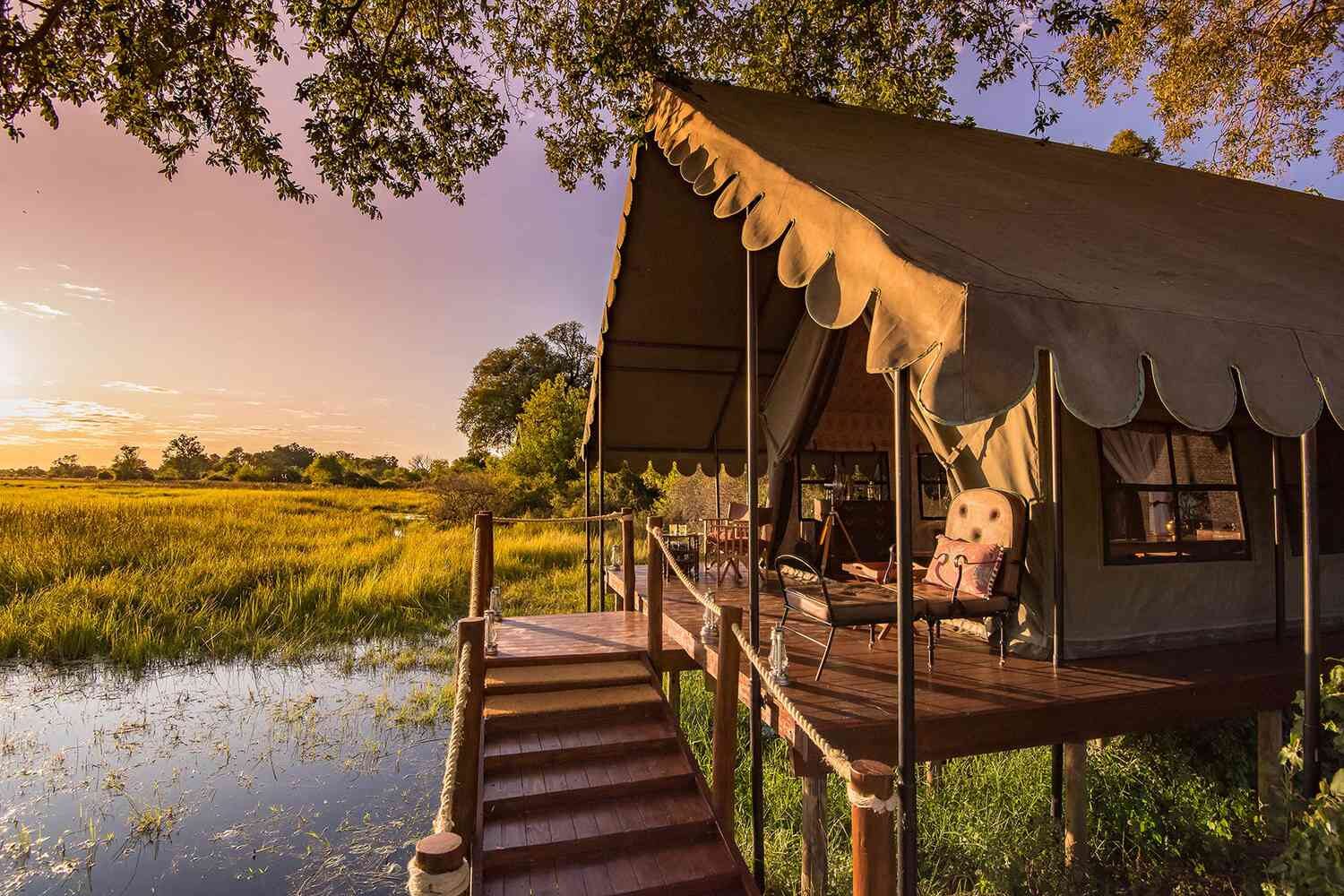
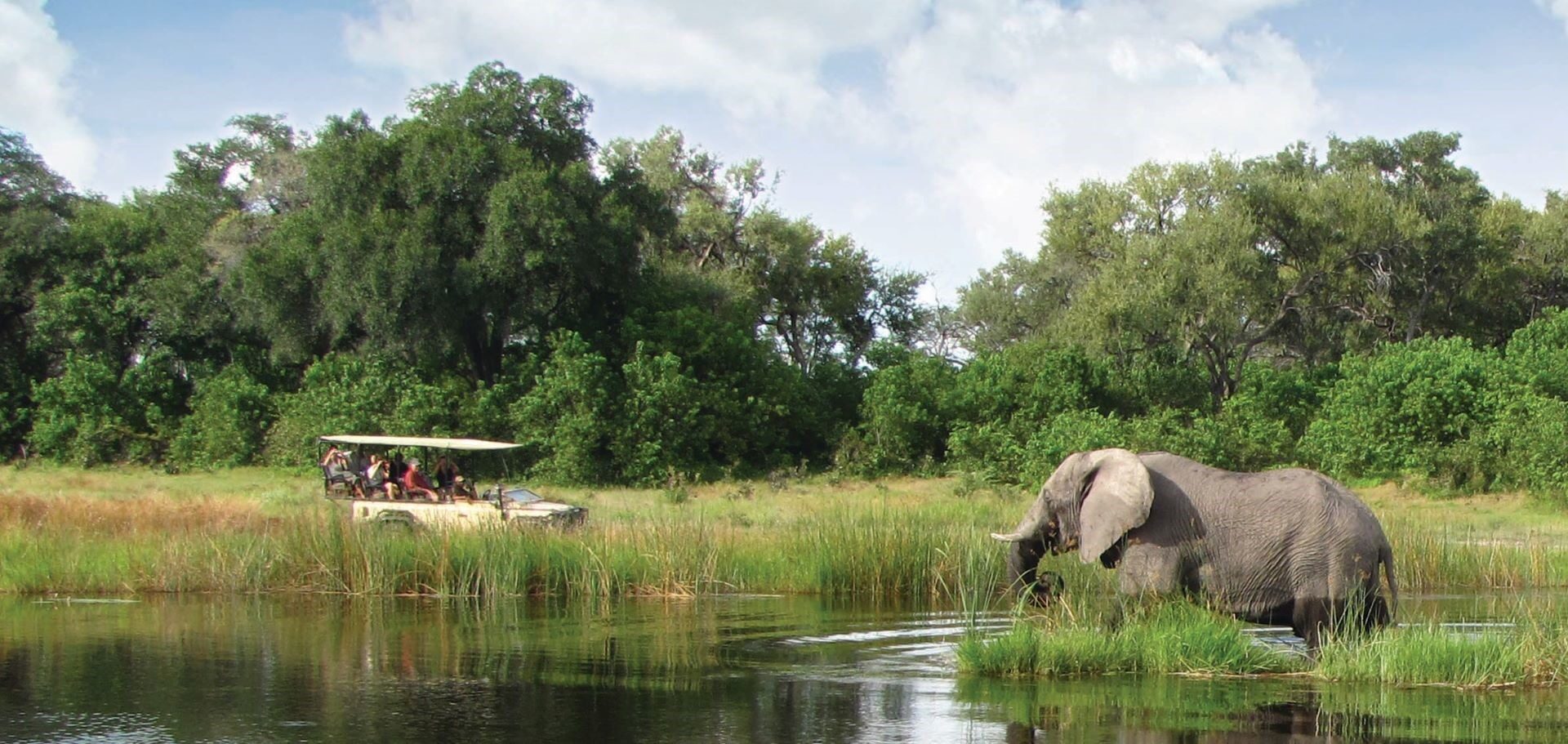
Botswana offers some of Africas best wildlife experiences, from the Okavango Delta, one of worlds largest inland deltas, to the elephant-rich Chobe National Park. The country has deliberately positioned itself as a high-value, low-impact destination - lodge prices are premium but the exclusivity and conservation outcomes are exceptional. Self-driving is possible in some areas; 4WD is essential for Delta regions. Mobile safaris and fly-in lodges are the classic Botswana experience. The pula is the currency. English is an official language alongside Setswana. Botswana is one of Africas most stable democracies with low corruption. Victoria Falls is easily combined from Kasane. Book lodges months in advance for peak season.
Current Travel Situation
United States to Botswana: What You Need to Know
Botswana offers visa-free access to US passport holders and is widely considered Africa's benchmark safari destination , combining exceptional wildlife with a conservation-focused, low-volume, high-value tourism model. Unlike Kenya or Tanzania, Botswana limits tourist numbers at many camps, maintaining exclusivity and minimal environmental impact. The Okavango Delta (a UNESCO World Heritage Site and one of Africa's Seven Natural Wonders) is a permanent inland delta in the middle of the Kalahari Desert that floods seasonally, creating extraordinary wildlife habitat. The Chobe National Park has one of Africa's highest concentrations of elephants. The Central Kalahari Game Reserve is vast and remote.
How to Get There
Zimbabwe (Chobe borders Zimbabwe at the Kasane/Kazungula crossing , Victoria Falls is 80km away) and Zambia (accessible via the Kazungula Ferry across the Zambezi River) are natural companions. Namibia borders Botswana's west , the Caprivi Strip/Kavango region is accessible from northeast Namibia. South Africa is the primary entry point for flights , Johannesburg is 1.5 hours by air from Gaborone; most Okavango-bound travelers fly Johannesburg to Maun.
Money & Banking
Botswana uses the Botswana pula (BWP). The pula trades at approximately 14 BWP per USD. Card acceptance is good in major towns; cash is essential at bush camps and remote lodges. Botswana is an expensive safari destination , expect $500-2,000+ USD per person per night at Okavango Delta camps (these include accommodation, meals, and game activities). Budget travelers can find cheaper options in Chobe National Park or by self-driving in 4WD vehicles. Maun serves as the gateway to the Okavango and has several midrange lodges ($150-400/night).
Practical Tips
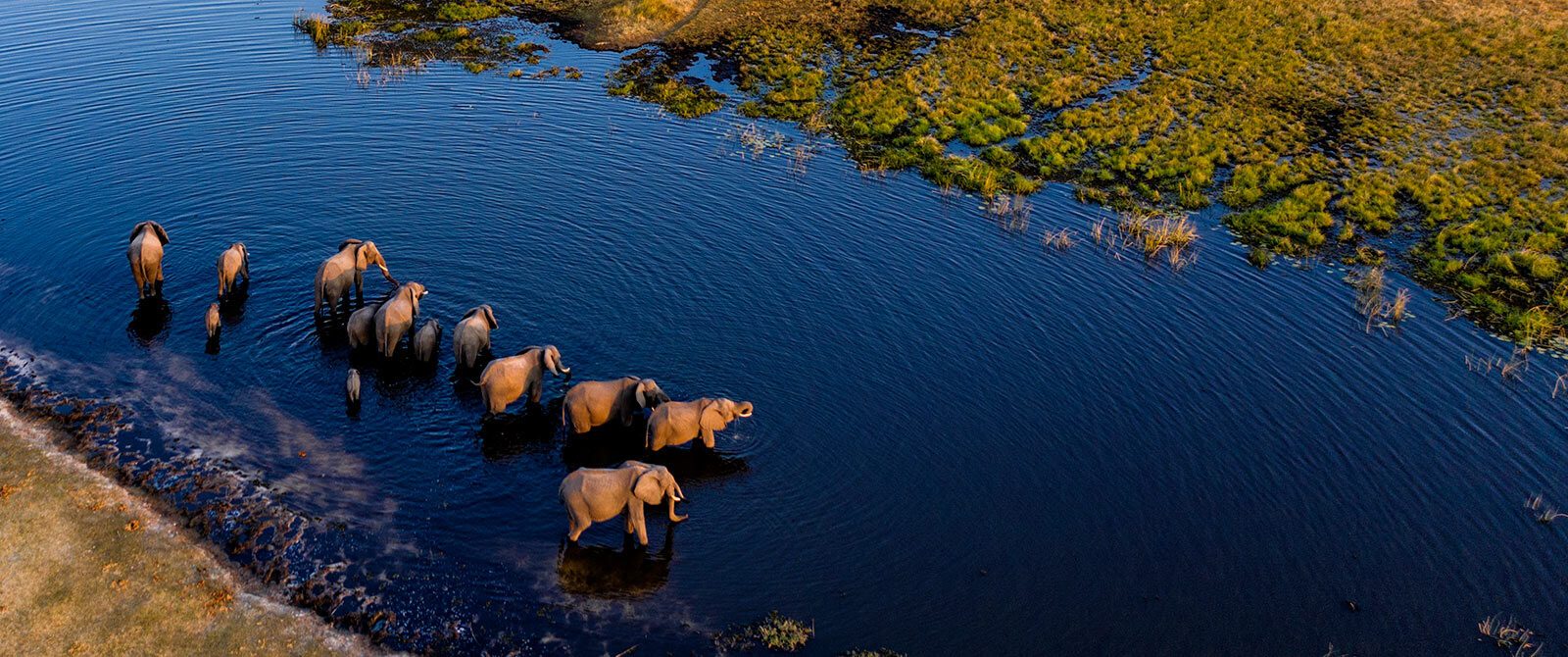
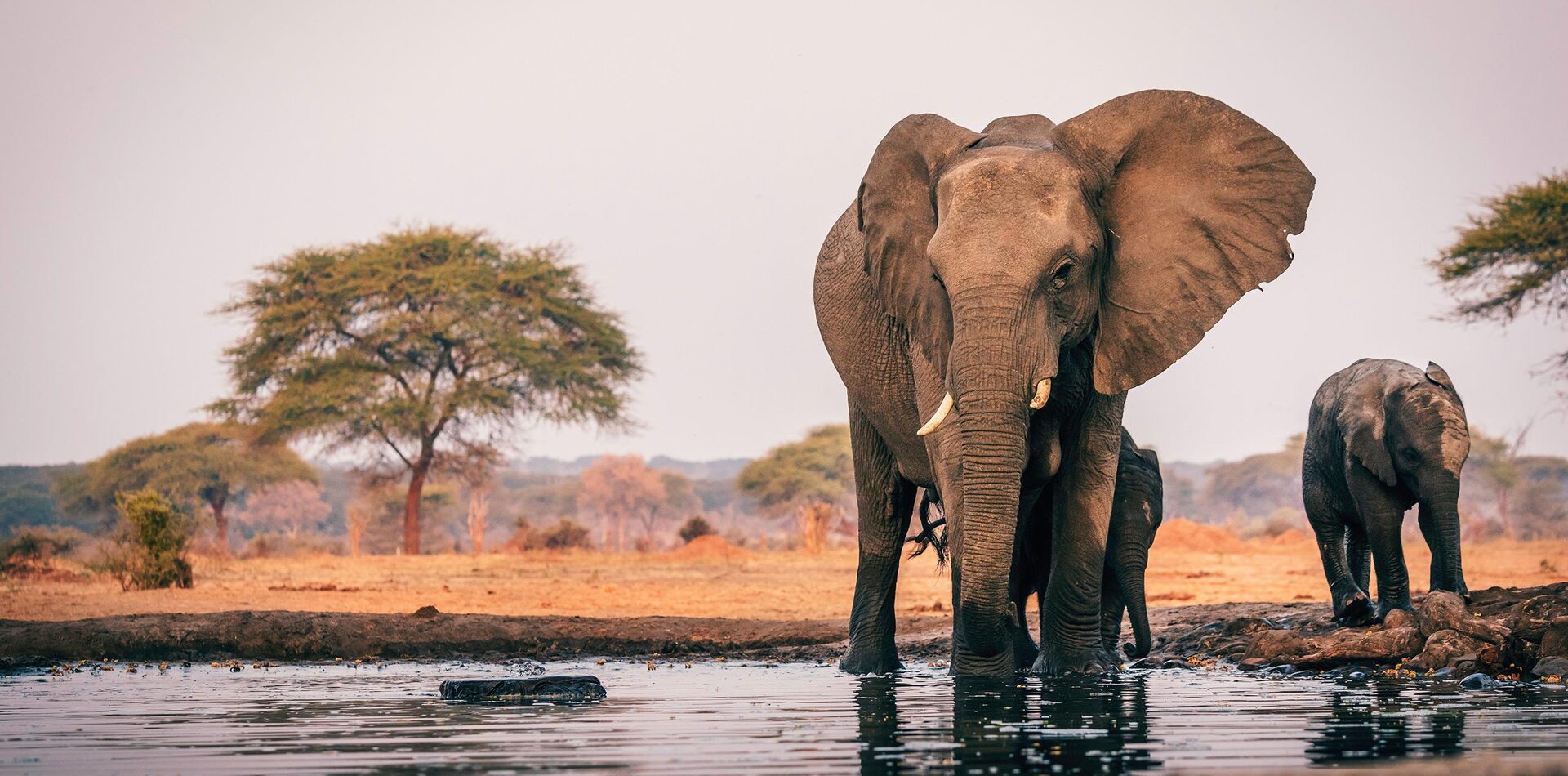
The Okavango Delta is best visited during the flood season (May-August) when wildlife concentrates on islands in the water. Activities include mokoro (dugout canoe) safaris, walking safaris, and boat trips. Chobe National Park is famous for its enormous elephant herds (over 50,000 elephants). Moremi Game Reserve offers some of the best general wildlife viewing in Africa. The Central Kalahari is one of the world's largest game reserves and home to San (Bushmen) communities , guided cultural experiences are available. Botswana has very strict anti-poaching laws and genuinely excellent conservation outcomes.
Frequently Asked Questions
Do US citizens need a visa for Botswana?
No. US passport holders can visit Botswana visa-free for up to 90 days. Simply present your passport on arrival at Gaborone or Kasane airports.
When is the best time to visit Botswana for safari?
The dry season (May-October) is the best time for wildlife viewing as animals concentrate around water sources and vegetation is sparse, improving visibility. July-September is peak season with the most activity but also highest prices. The green season (November-April) has fewer tourists and lower prices but dense vegetation makes wildlife harder to spot.
Is Botswana expensive for safari?
Yes. Botswana follows a deliberate high-cost, low-volume tourism model to protect its wilderness. Okavango Delta camps typically cost $500-2,000+ per person per night including activities. The Chobe area has more affordable options. Self-drive camping in Chobe National Park is possible and significantly cheaper (park fees plus camping costs).