Bolivia Visa RequirementsFor United States passport holders
US citizens can visit Bolivia visa-free for up to 90 days. Bolivia is home to the world's largest salt flat and some of South America's most dramatic Andean landscapes.
Great news! United States passport holders can enter Bolivia without a visa for tourism or business purposes. You can stay up to 90 days.
No visa is required for US citizens for up to 90 days. Present your valid US passport at El Alto International Airport (La Paz) or other border crossings. Bolivia is at very high altitude , altitude sickness (soroche) affects many visitors arriving in La Paz. Allow 1-3 days to acclimatize before strenuous activity. The 90-day allowance can be renewed once annually from a Bolivian immigration office for another 90 days.
Entry Requirements
Passport Validity
6 months beyond date of entry
Blank Pages
1 blank page required
Multiple Entry
Allowed
Work Permitted
No - requires work visa
Entry Conditions
Passport valid for 6 months. Yellow fever certificate required if arriving from endemic country. Return/onward ticket.
Fines for overstaying. Must pay before departure.
Required Documents
Valid US Passport
Must be valid for the duration of stay
Valid US Passport
Must be valid for at least 3-6 months beyond your planned departure date (varies by country)
Return or Onward Ticket
Proof of departure from the country, such as a return flight or onward travel booking
Proof of Return Travel Recommended
Return or onward ticket may be requested
Yellow Fever Certificate Recommended
Required if arriving from a yellow fever endemic country; recommended if visiting Amazon lowlands
Proof of Accommodation Recommended
Hotel reservation, Airbnb booking, or address where you will be staying
Proof of Sufficient Funds Recommended
Credit cards, bank statements, or cash to cover expenses during your stay
Travel Insurance Recommended
Recommended for all international travel covering medical emergencies
Travel Essentials
Health & Safety
Safety Rating
Vaccinations
Hepatitis A and B, Typhoid, Yellow Fever, Rabies, and routine vaccinations. Altitude medication.
Tap Water
Bottled water recommended
Safety Tips
La Paz requires standard urban precautions. Avoid protests and roadblocks (common). Altitude sickness is a major concern. Some areas have political instability.
Money & Costs
Currency
Bs Bolivian Boliviano (BOB)
Daily Budget (USD)
Budget: $25 · Mid: $50 · Luxury: $120+
Tipping
Tipping 10% appreciated at restaurants. Tip guides well for multi-day tours.
Practical Info
Power
Type Type A/C, 230V, 50Hz
Driving
Right side
Emergency
110 (police), 118 (ambulance)
Getting There
Main Airports
La Paz (LPB) · Santa Cruz (VVI)
Culture & Travel Tips
Best Time to Visit
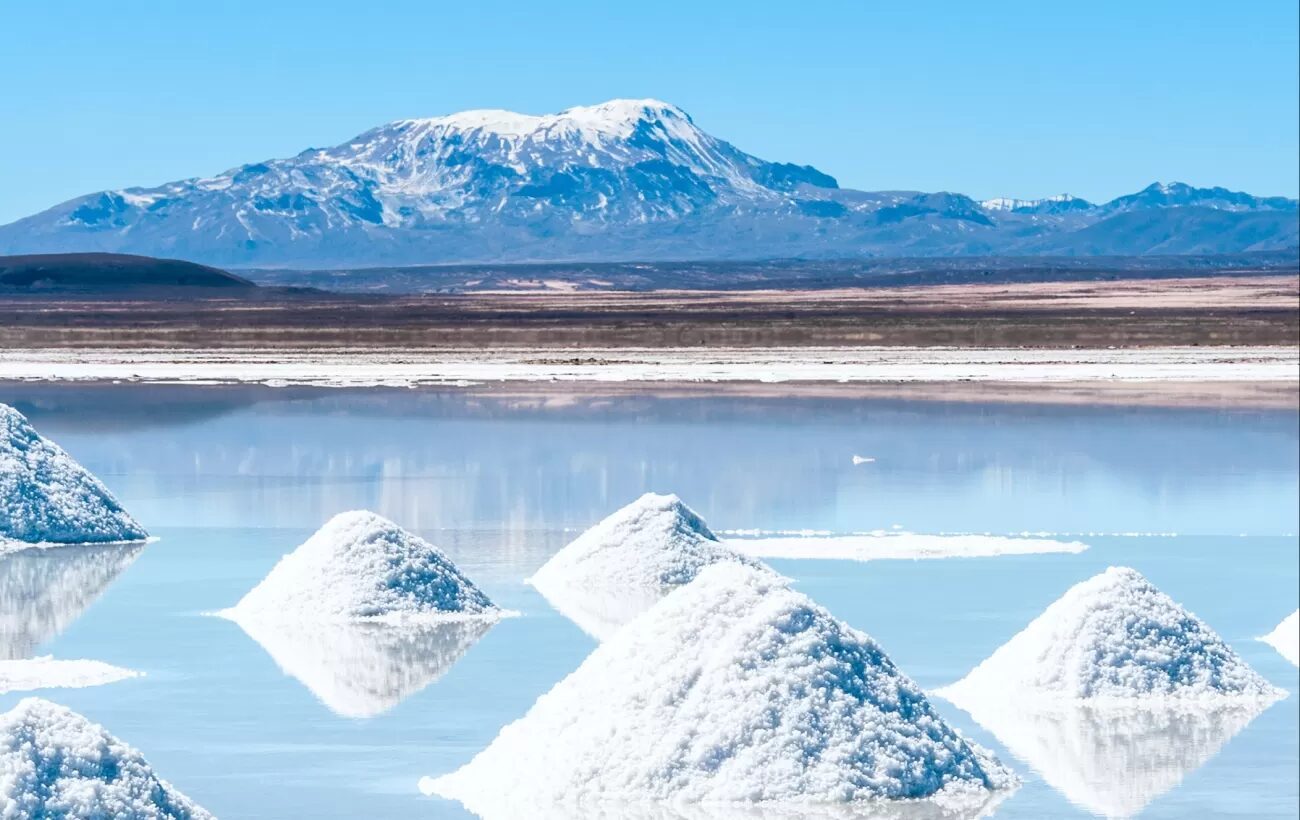
Bolivia has diverse climates across its varied terrain. The dry season (May-October) is best for most regions, with clear skies ideal for Salar de Uyuni visits and comfortable temperatures in the Altiplano. The Uyuni salt flat has different appeals - dry season offers hard, white expanses with hexagonal patterns; wet season (December-March) creates mirror-like reflections but some areas become inaccessible. The Amazon lowlands are hot and humid year-round but driest May-October. La Paz and highlands have cool temperatures year-round due to altitude. June-August is peak tourist season but also the coldest, especially at night on the Altiplano.
Cultural Notes
Bolivia has the highest proportion of indigenous population in South America, with Quechua and Aymara cultures remaining vibrant. Evo Morales election as the first indigenous president (2006-2019) marked a transformation in political representation. Traditional dress, festivals, and languages are part of daily life, particularly in rural areas. The Carnaval de Oruro is one of South Americas most spectacular, a UNESCO-recognized blend of Catholic and indigenous traditions. Coca leaves are legal, traditional, and helpful for altitude; they are not the same as cocaine. The country is landlocked, having lost its coast to Chile in the 1879 war - a national trauma still protested annually. Bolivian cuisine features salteñas (empanadas), silpancho, and quinoa.
Insider Tips
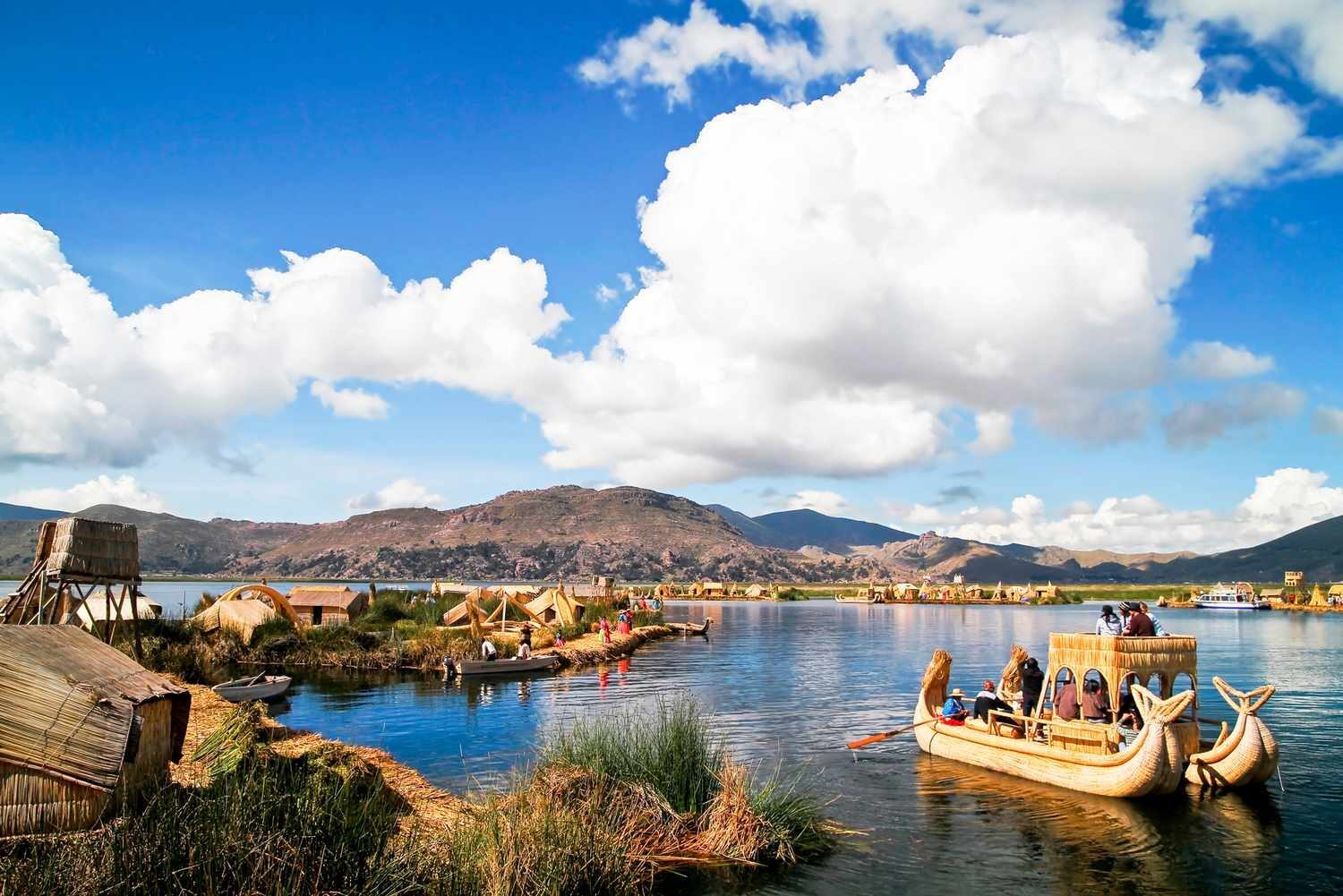
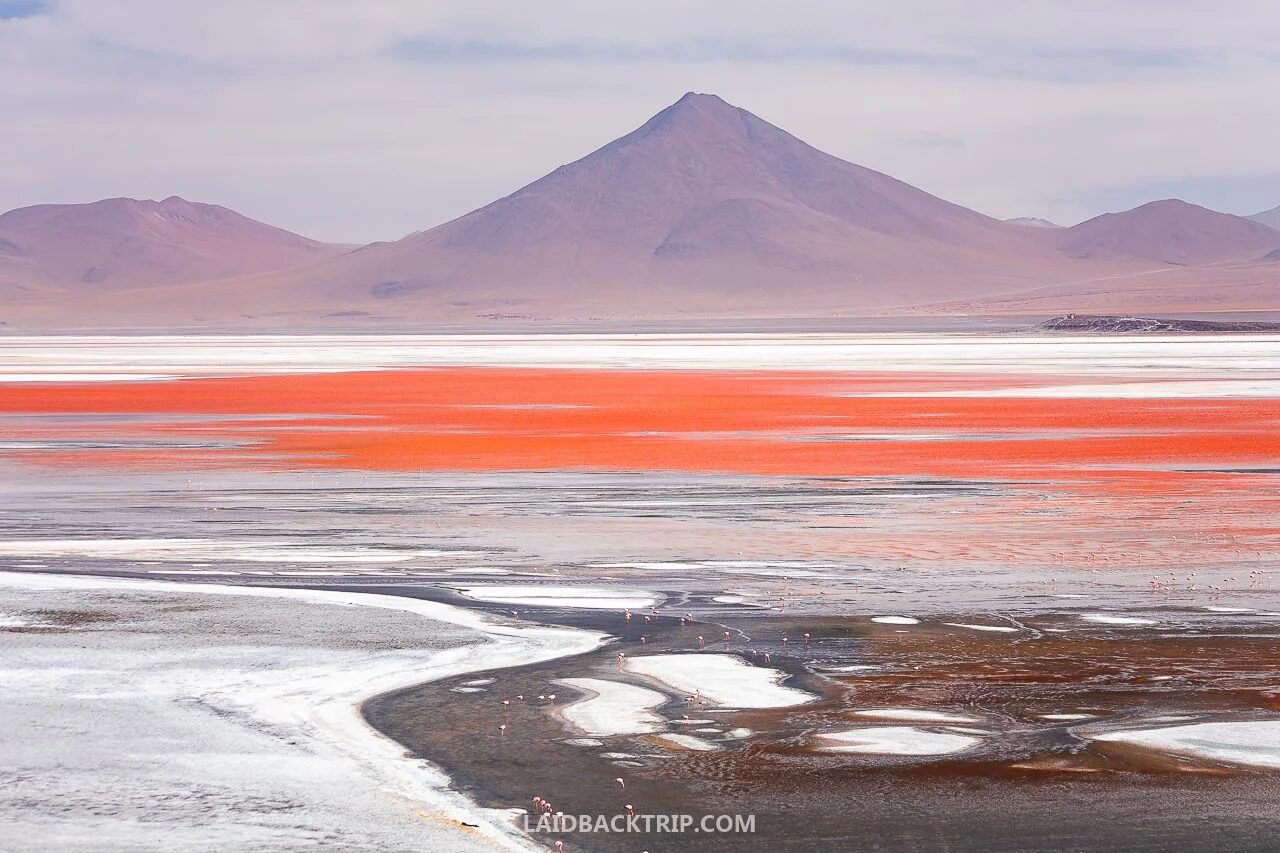
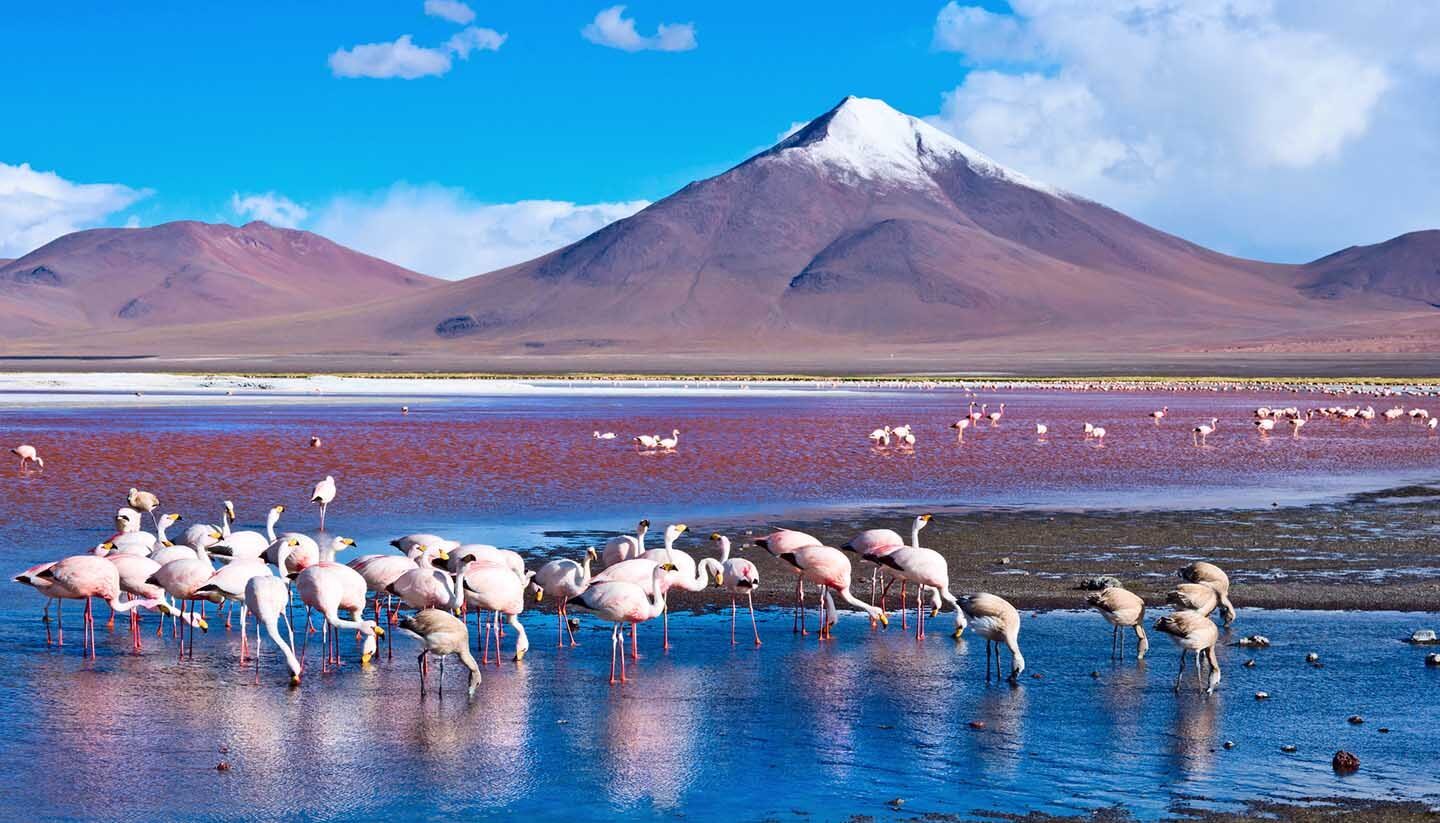
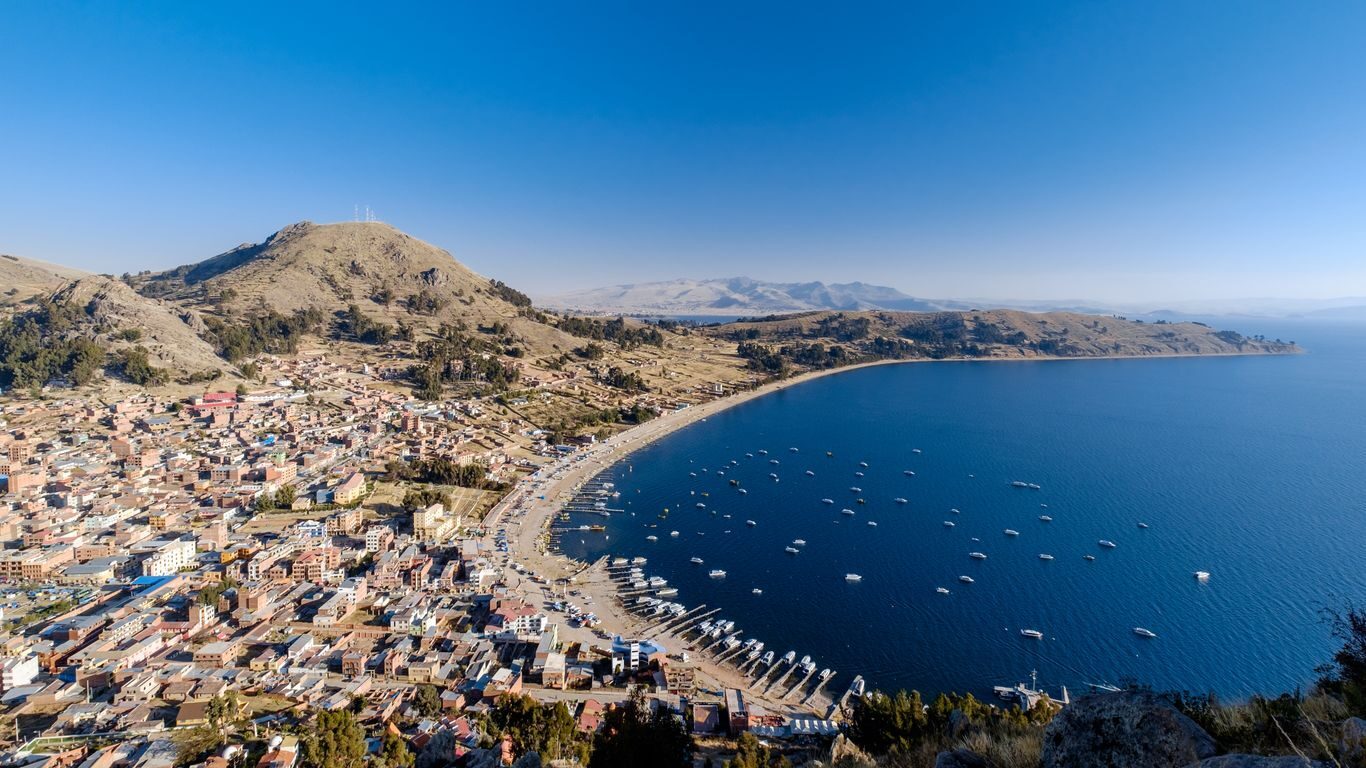
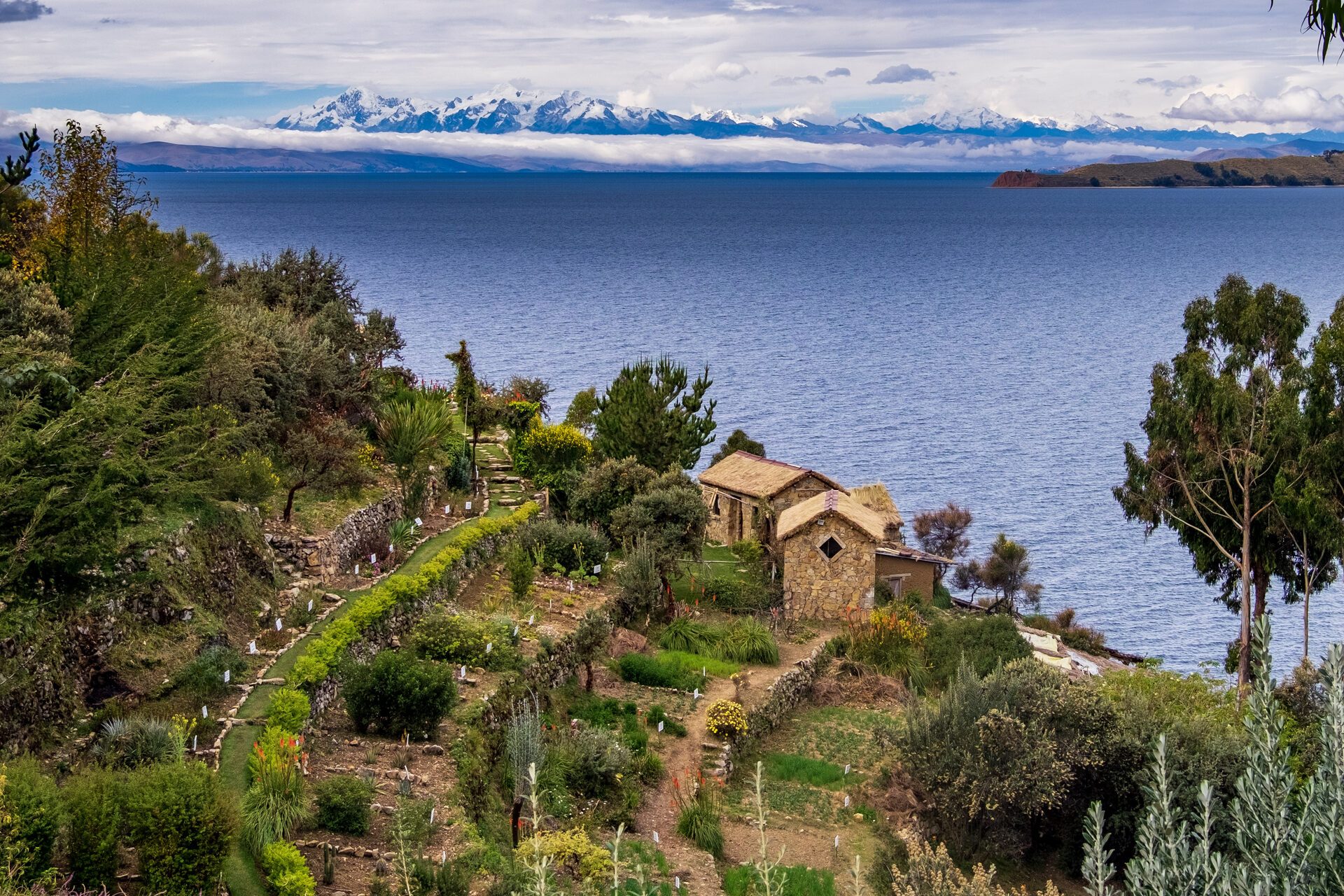
Bolivia offers some of South Americas most dramatic landscapes at budget prices. The Salar de Uyuni is the worlds largest salt flat - tours typically include the surreal colored lagoons, geysers, and flamingo-filled lakes of the Eduardo Avaroa Reserve. La Paz is the worlds highest capital, with a chaotic but fascinating atmosphere and the famous death road mountain biking. Lake Titicaca straddles the Peruvian border with Isla del Sol as a highlight. Potosi silver mines offer intense glimpses into working conditions. Sucre is the pretty colonial capital. Altitude affects most visitors - take it easy initially. The boliviano is the currency. Spanish is essential outside tourist areas. Buses are the main transport - roads can be harrowing.
Current Travel Situation
United States to Bolivia: What You Need to Know
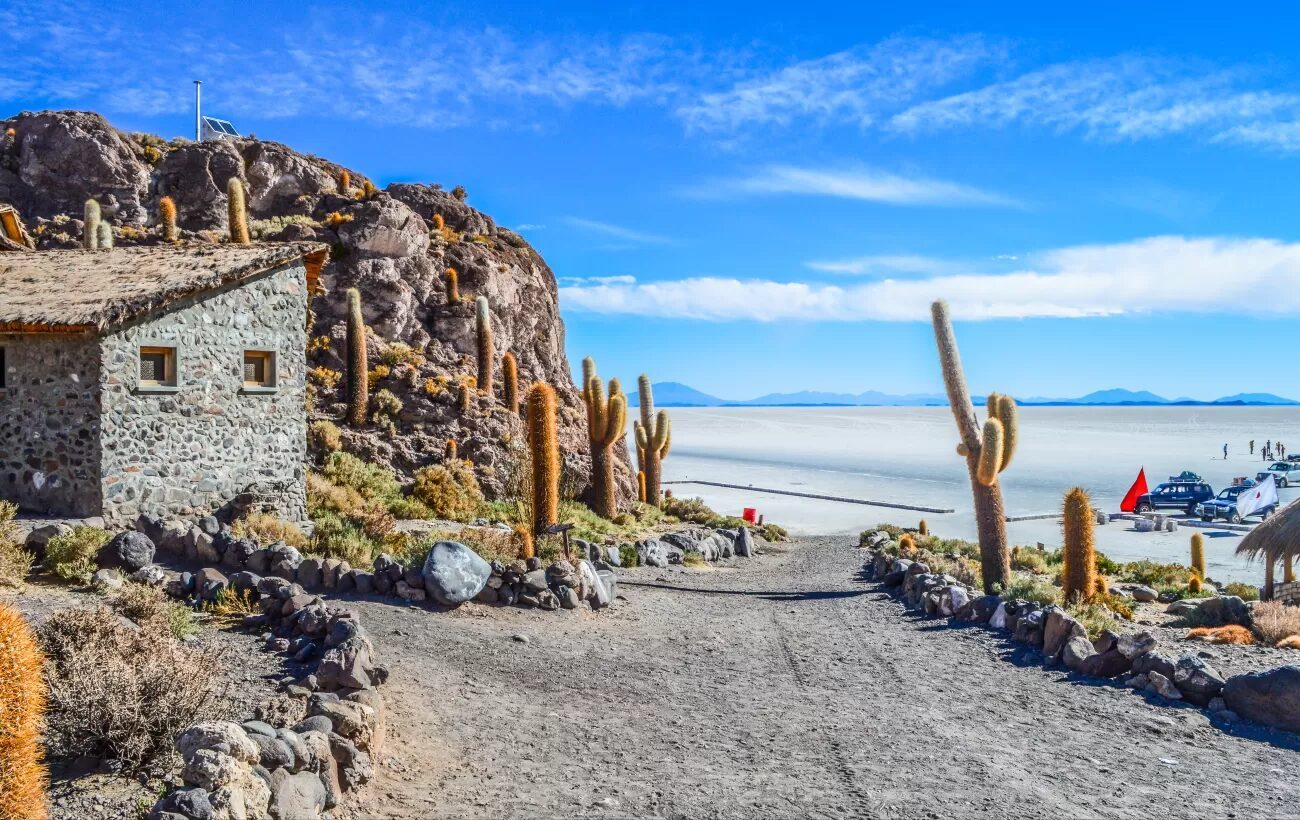
Bolivia offers visa-free access to US passport holders for up to 90 days, reflecting bilateral tourism and trade interests. Bolivia is a landlocked South American nation known for the Salar de Uyuni (the world's largest salt flat, a mind-bending reflective white expanse at 3,656m), Lake Titicaca (shared with Peru), the colonial mining city of Potosi (once the world's largest city, a UNESCO World Heritage Site), the Amazon basin in the north (Madidi National Park), and La Paz , the world's highest capital city at 3,640m above sea level. Bolivia is South America's most indigenous nation and one of its most affordable destinations.
How to Get There
Peru is the most natural companion country , Lake Titicaca straddles the Bolivia-Peru border and is accessible by boat across from Copacabana (Bolivia) to Puno (Peru). The bus journey from La Paz to Cusco takes 10-12 hours and is a classic South American overland route. Chile is accessible overland from Uyuni through the Atacama altiplano (stunning landscape). Argentina is accessible via Tupiza or Villazón in southern Bolivia.
Money & Banking
Bolivia uses the Bolivian boliviano (BOB). The boliviano trades at approximately 6.9 BOB per USD. Bolivia is one of South America's most affordable countries for travelers , local meals from $2-5 USD; accommodation from $10-30 USD/night in quality hostels and guesthouses. Card acceptance is limited outside La Paz; carry bolivianos or USD for most purchases. ATMs are available in La Paz, Cochabamba, Santa Cruz, and Sucre.
Practical Tips
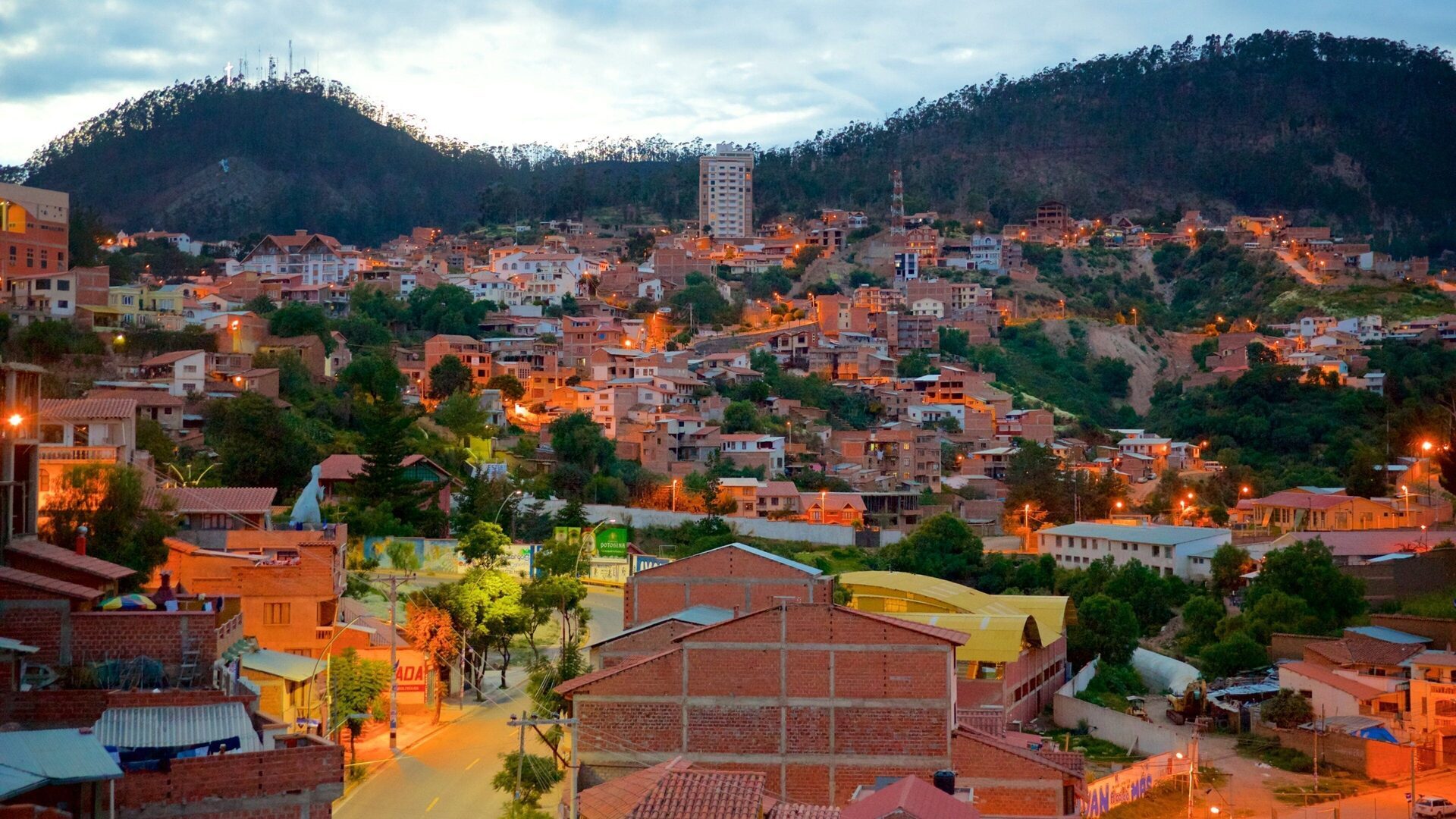
Altitude is the dominant challenge in Bolivia. La Paz sits at 3,640m; El Alto at 4,150m; Potosi at 4,090m; Uyuni at 3,656m. Allow 1-2 days of rest on arrival in La Paz before doing anything strenuous. Drink coca tea (legal in Bolivia, traditional altitude remedy). Symptoms of altitude sickness include headache, nausea, dizziness , if severe, descend to lower altitude immediately. The Uyuni salt flat tour typically departs from Uyuni town and covers 3 days to the Atacama border with Chile. Cholitas wrestlers (women wrestlers in traditional dress) perform in El Alto on Sundays , a unique Bolivian cultural spectacle.
Frequently Asked Questions
Do US citizens need a visa to visit Bolivia?
No, as of 2019, US citizens can visit Bolivia for up to 90 days per calendar year without a visa. This was a significant change as Bolivia previously required US citizens to obtain visas. You'll need a passport valid for 6 months and may be asked for proof of return/onward travel and yellow fever vaccination (recommended for lowland/Amazon areas). The 90-day limit is per calendar year, not per visit, so you cannot reset it by leaving and re-entering.
Do US citizens need a visa for Bolivia?
No. US passport holders can visit Bolivia visa-free for up to 90 days. Simply present your passport on arrival.
How do I deal with altitude sickness in Bolivia?
Altitude is a serious concern in Bolivia. La Paz sits at 3,650m (12,000ft), and El Alto airport is even higher at 4,061m (13,323ft), making it one of the world's highest commercial airports. Most visitors experience some altitude effects: headache, fatigue, shortness of breath, and nausea. Key strategies: arrive from lower altitudes and spend a day or two acclimatizing in La Paz before high-altitude activities, avoid alcohol and heavy meals initially, stay very hydrated, and consider coca tea (legal and traditional). Some travelers take acetazolamide (Diamox). If symptoms worsen significantly, descend immediately.
How do I deal with altitude sickness in Bolivia?
La Paz is at 3,640m — most visitors feel some effects. Rest for 24-48 hours on arrival, drink plenty of water, avoid alcohol your first day, and eat light meals. Coca tea is widely available and helps. Altitude medication (acetazolamide/Diamox) can be taken prophylactically — consult your doctor before travel.
What is the Salar de Uyuni and how do I visit it?
The Salar de Uyuni is the world's largest salt flat, covering over 10,000 square kilometers in southwestern Bolivia. During the wet season (November-April), a thin layer of water creates a perfect mirror reflecting the sky, creating surreal photographs. The dry season (May-October) shows the white hexagonal salt patterns. Most visitors take 3-4 day tours from Uyuni town, including the salt flat, colored lagoons (Laguna Colorada with flamingos), geysers, and desert landscapes ending at the Chilean border or returning to Uyuni. Tours are affordable ($150-300 for multi-day) but vary in quality; read reviews carefully.
How do I visit the Uyuni Salt Flats?
Take a flight or overnight bus from La Paz to Uyuni town. Book a 3-day tour from Uyuni that covers the salt flats, colored lagoons (Laguna Colorada, Laguna Verde), geysers, and the Atacama Desert border with Chile. Standard tours cost $100-200 USD and include accommodation, transport, and a guide.
Is the Death Road worth doing?
The North Yungas Road, known as "Death Road," was once the world's most dangerous road. Today, most traffic uses a new highway, leaving the old road as a popular mountain biking experience. The 64km descent drops from 4,700m to 1,200m through cloud forest with dramatic scenery. Reputable operators provide quality bikes, safety gear, and backup vehicles. While tourist fatalities have occurred, choosing a reputable company with good equipment significantly reduces risk. It's an adrenaline experience rather than technical biking, mostly downhill braking on gravel. Not for those afraid of heights or cliffs. Book with established operators; avoid the cheapest options.