Bhutan Visa RequirementsFor United States passport holders
US citizens require a visa to visit Bhutan. All tourists must pay a Sustainable Development Fee (SDF) of $100 per person per night, plus a $40 visa fee. All travel must be booked through a certified Bhutanese tour operator.
United States passport holders require a visa to enter Bhutan.
Tour operators submit visa applications to the Tourism Council of Bhutan on your behalf. You cannot apply directly. Steps: (1) Contact a certified Bhutanese tour operator and agree on an itinerary; (2) Pay the tour cost including SDF; (3) The operator applies for your visa; (4) You receive a visa clearance letter to show at your check-in airport; (5) Your actual visa stamp is issued on arrival at Paro. Applications typically take 5-7 business days. Indian nationals are exempt from the SDF and visa fee.
Entry Requirements
Passport Validity
6 months beyond date of entry
Blank Pages
1 blank page required
Multiple Entry
Single entry only
Work Permitted
No - requires work visa
Entry Conditions
Passport valid for 6 months. Pre-arranged tour with licensed operator. Visa clearance letter. Full payment in advance.
Strictly controlled by tour operator; overstaying is virtually impossible.
Required Documents
Valid US Passport
Must be valid for at least 6 months beyond your planned stay with at least 2 blank pages for visa stamps
Completed Visa Application Form
Fill out the official visa application form from the embassy or consulate
Passport-size Photos
Two recent color photos (2x2 inches or 35x45mm) with white background, taken within last 6 months
Proof of Accommodation
Hotel reservations, rental agreement, or invitation letter with host address
Proof of Sufficient Funds
Recent bank statements (last 3 months), credit card statements, or sponsorship letter
Round-trip Flight Itinerary
Confirmed return or onward flight booking showing departure from the country
Employment or Business Letter
Letter from employer stating position, salary, and approved leave dates, or business registration documents
Travel Insurance Recommended
Comprehensive travel insurance covering medical expenses and emergency evacuation
Cover Letter Recommended
Personal letter explaining purpose of visit, itinerary, and ties to home country
Travel Essentials
Health & Safety
Safety Rating
Vaccinations
Hepatitis A and B, Typhoid, Rabies, and routine vaccinations. Altitude medication advised.
Tap Water
Bottled water recommended
Safety Tips
Bhutan is one of the world's safest countries with virtually no crime against tourists. Your licensed guide accompanies you throughout. Natural hazards from mountain terrain are the main risks.
Money & Costs
Currency
Nu. Bhutanese Ngultrum (BTN)
Daily Budget (USD)
Budget: $200 · Mid: $300 · Luxury: $800+
Tipping
Tipping your guide and driver is expected ($5-10/day each is appropriate).
Practical Info
Power
Type Type D/F/G, 230V, 50Hz
Driving
Left side
Emergency
112 (all emergencies), 113 (police)
Getting There
Main Airports
Paro (PBH)
Culture & Travel Tips
Best Time to Visit
Bhutan has distinct seasons shaped by the Himalayan climate. Spring (March-May) and autumn (September-November) are the best times to visit, with clear skies revealing stunning mountain views including distant glimpses of the Himalayas. Spring brings rhododendron blooms and the Paro Festival; autumn offers harvest celebrations and trekking season. Summer (June-August) is monsoon season with heavy rains making trails muddy and views obscured. Winter (December-February) is cold but often clear, with fewer tourists and discounted daily rates. The Paro Tsechu festival in spring is the most famous cultural event. High-altitude treks require specific timing.
Cultural Notes
Bhutan measures success by Gross National Happiness rather than GDP, prioritizing wellbeing, culture, and environment over economic growth. This philosophy shapes policy: television and internet only arrived in 1999; plastic bags are banned; and at least 60% of land must remain forested. Buddhism permeates daily life - prayer flags flutter everywhere, monasteries anchor communities, and monks are respected teachers. Traditional dress (gho for men, kira for women) is required in government buildings and dzongs. Archery is the national sport, celebrated with traditional music and competition. Bhutanese are genuinely friendly but private. The Dzongkha language is taught alongside English. Development is deliberate and careful, preserving traditions while slowly modernizing.
Insider Tips
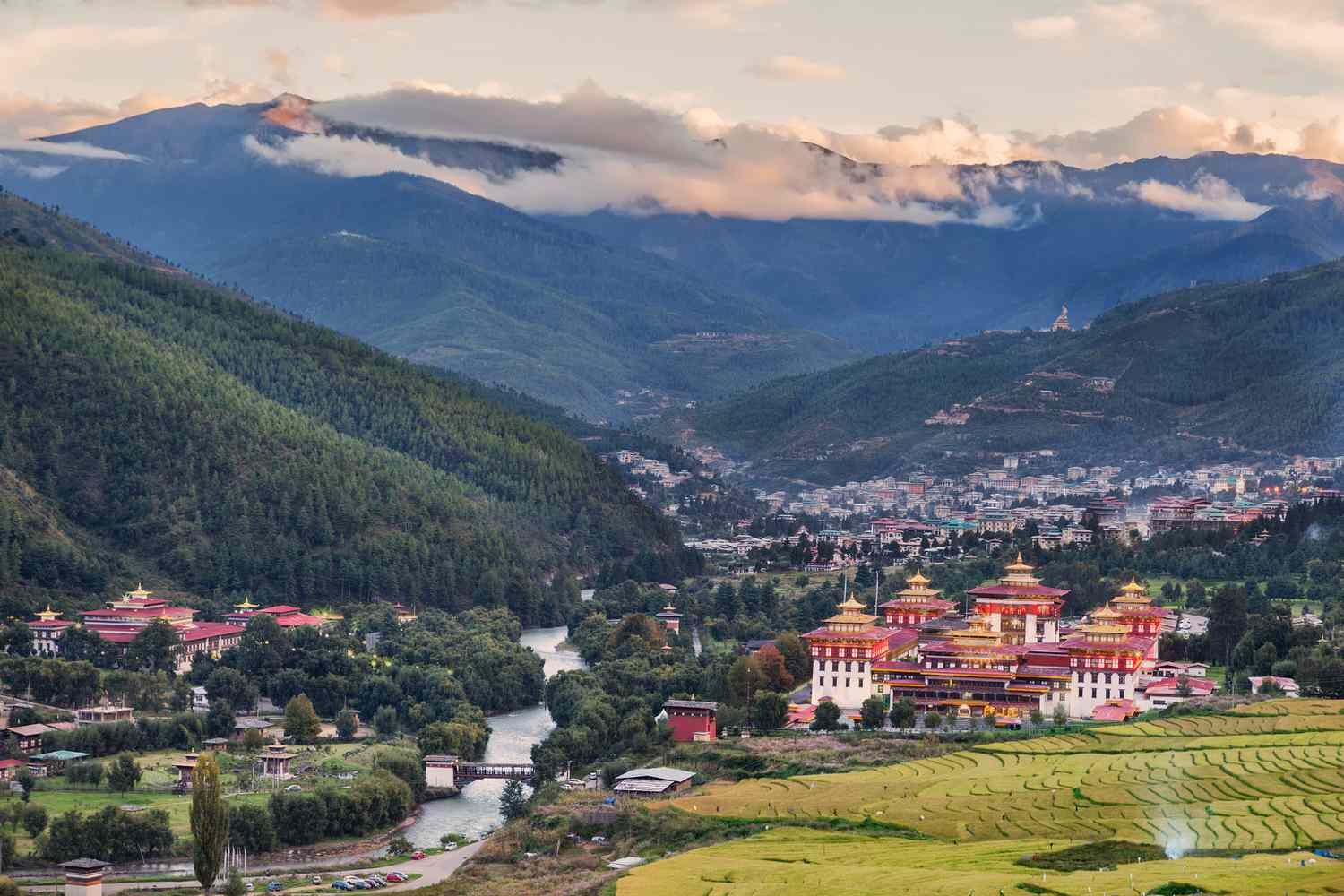
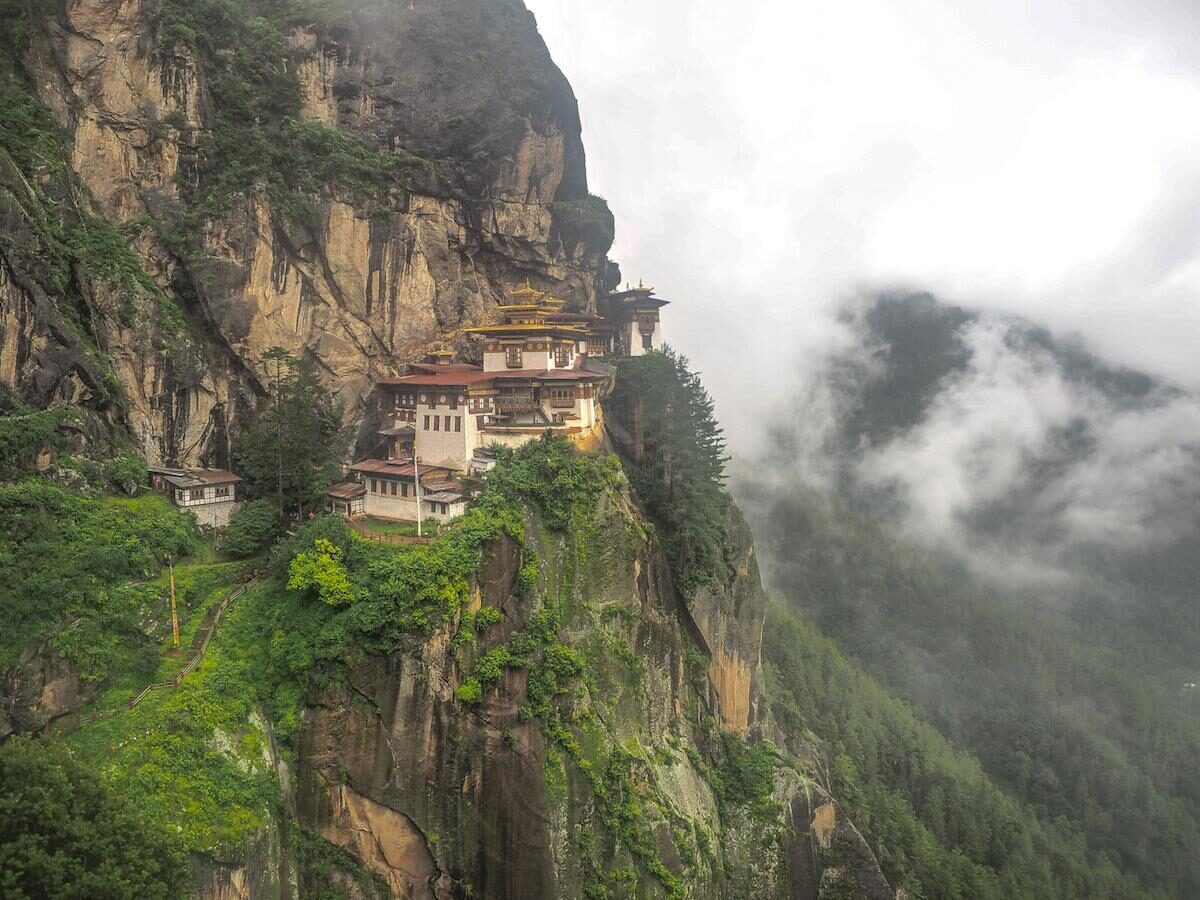
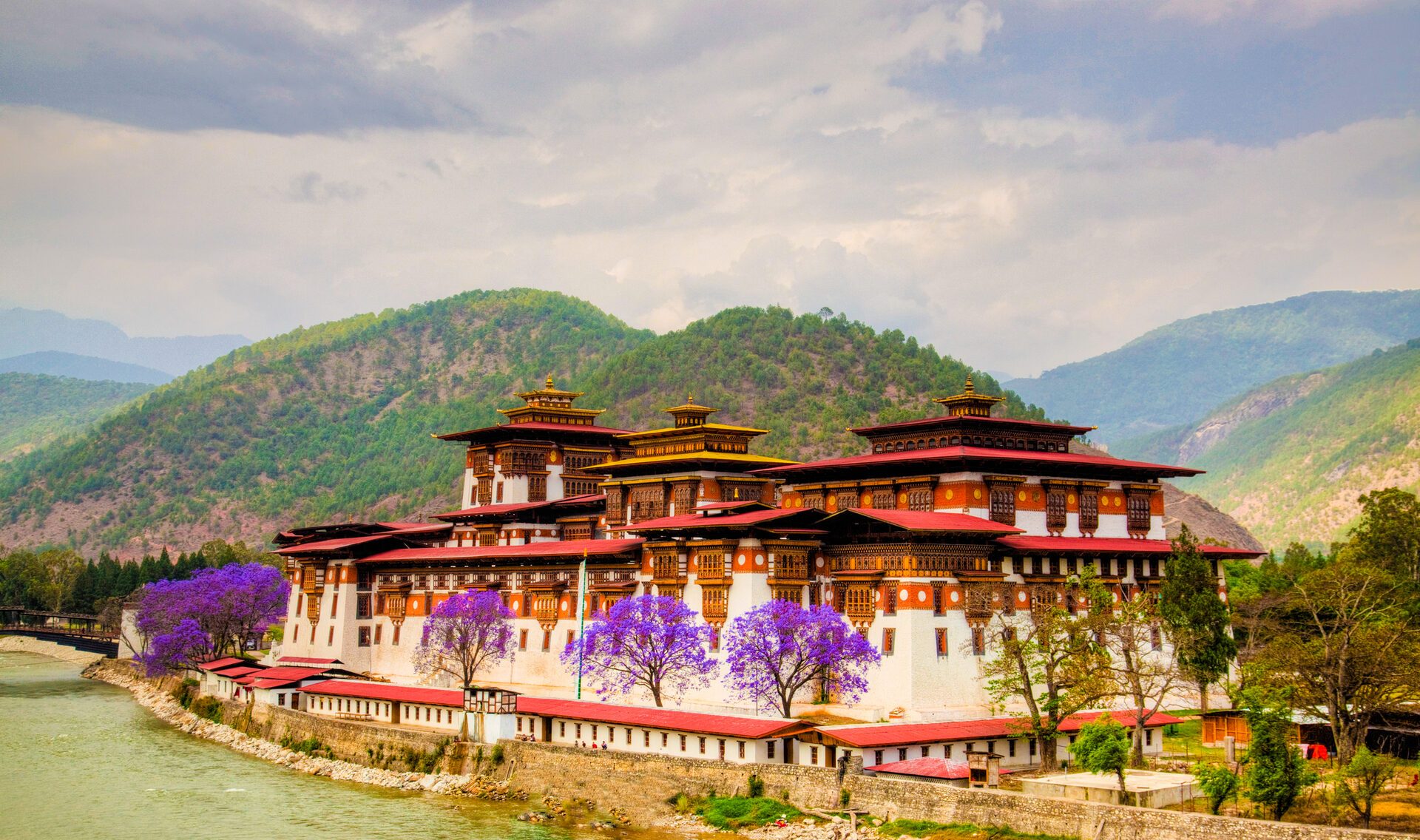
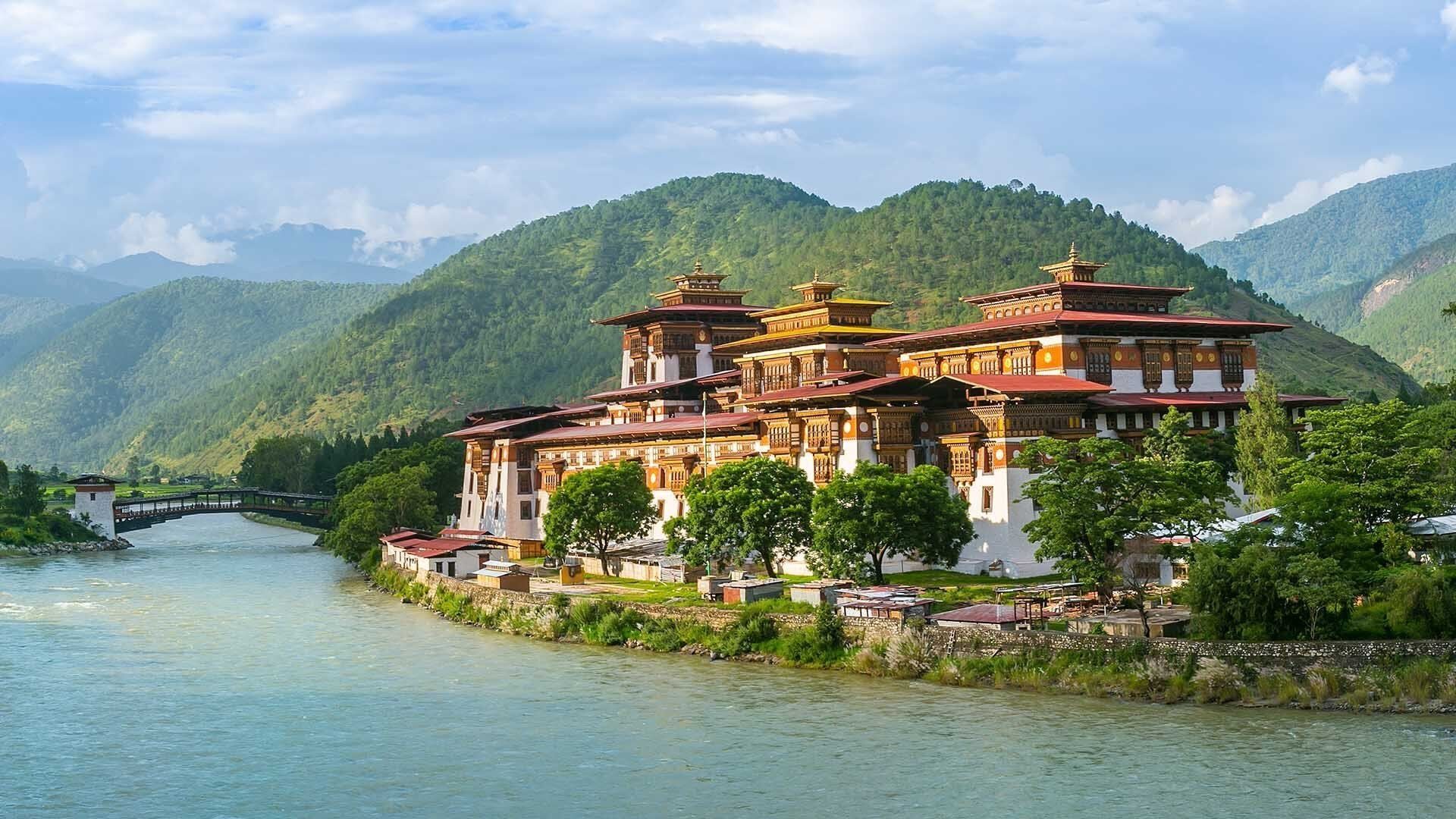
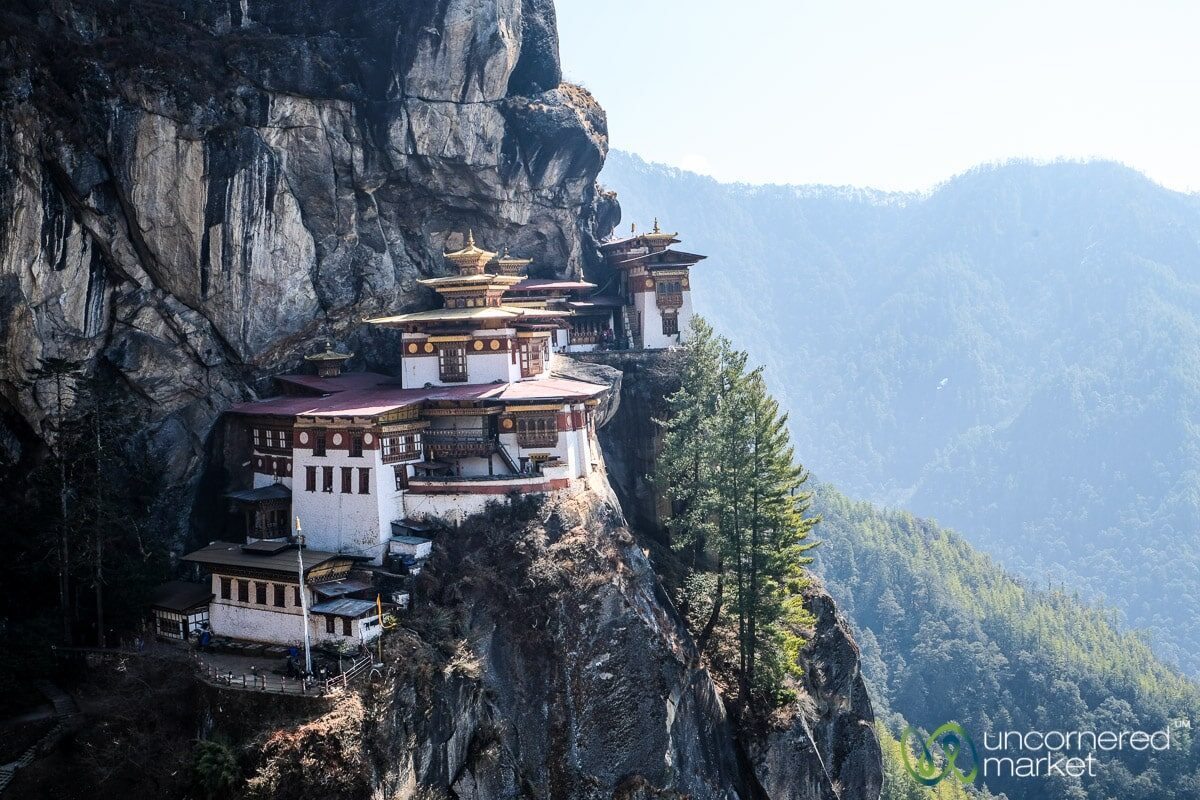
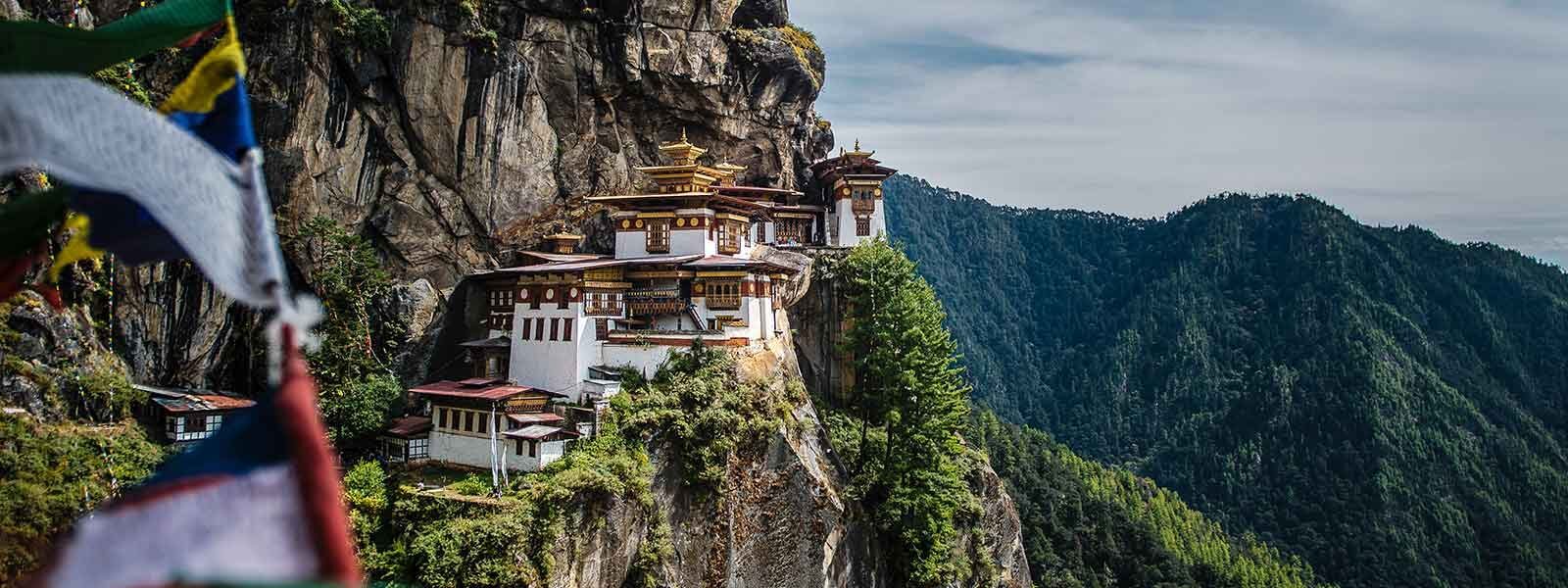
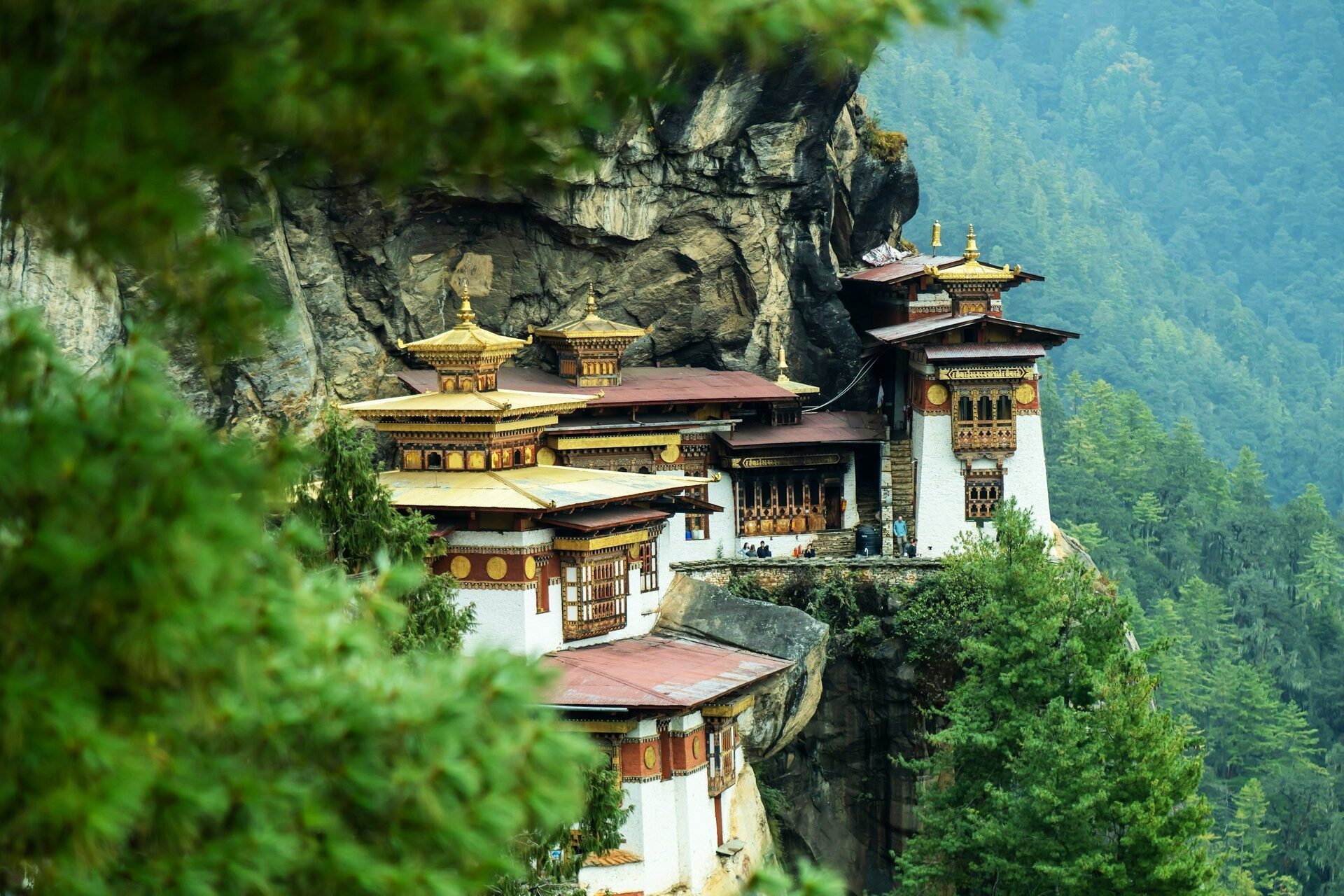
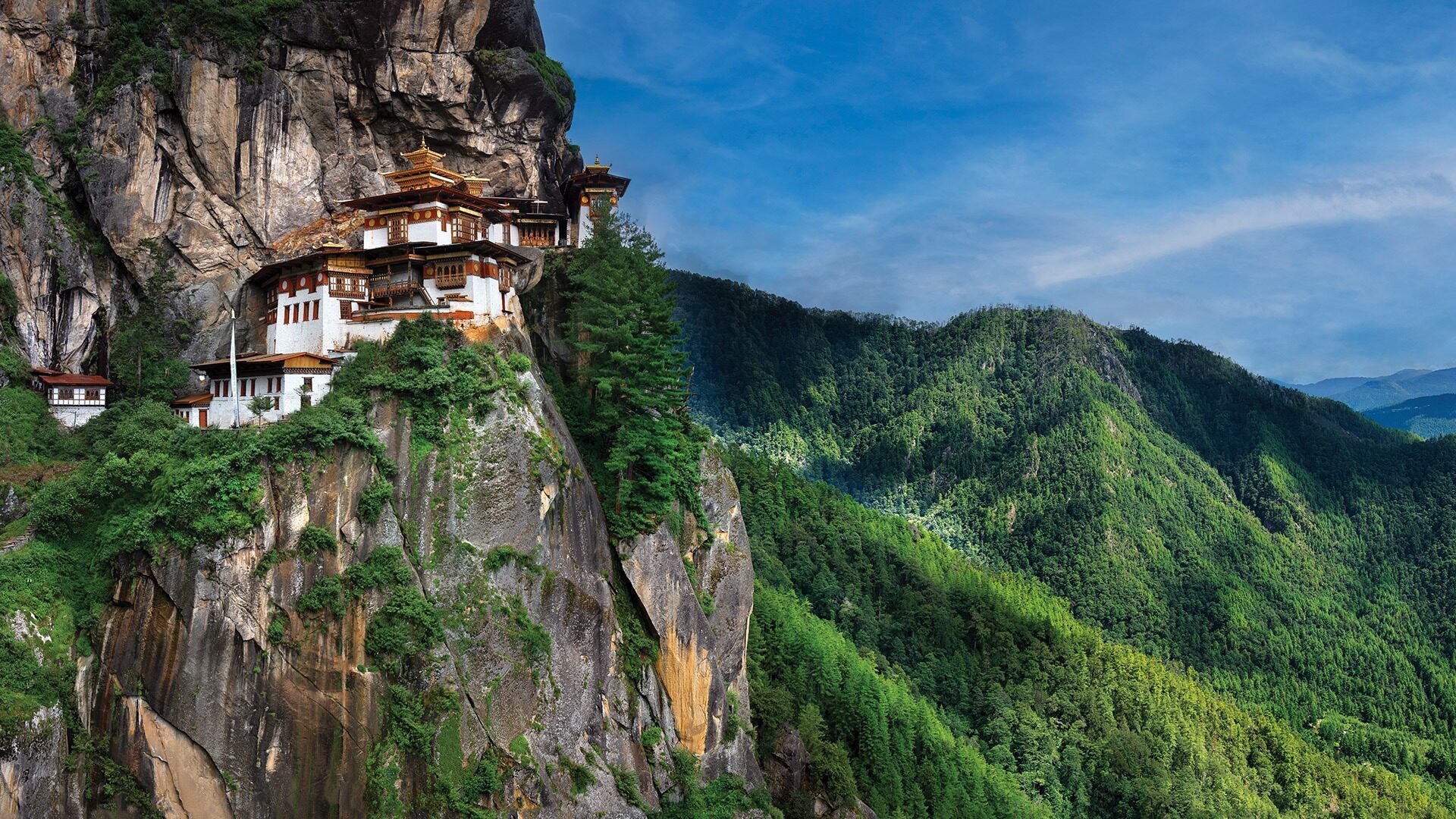
Bhutan is unlike any other destination - the kingdom controls tourism through a sustainable approach requiring visitors to pay a daily tariff (currently $200-300 depending on season) that includes accommodation, meals, guide, and transport. Independent travel is not permitted; you must book through a licensed tour operator. This keeps crowds minimal and funds education, healthcare, and conservation. Tigers Nest Monastery (Paro Taktsang), clinging to a cliff face, is the iconic image. Punakha Dzong, Thimphu, and the remote valleys offer fortress-monasteries, traditional villages, and pristine landscapes. Flights land at Paro, one of the worlds most challenging airports. Bring warm layers even in summer at altitude.
Current Travel Situation
United States to Bhutan: What You Need to Know
Bhutan practices high-value, low-impact tourism. All foreign visitors except Indian, Bangladeshi, and Maldivian nationals must travel through a certified Bhutanese tour operator, who handles the visa application and daily itinerary. The $100/night SDF (introduced in September 2022, reduced from $200) covers contribution to conservation and development. The $40 visa fee is paid once per entry. The total minimum daily cost including the SDF means Bhutan is not a budget destination. Bhutan is only accessible by air via Paro International Airport (PBH), served by Druk Air and Bhutan Airlines, or by land from India (only accessible to Indians and some exempted nationalities).
How to Get There
Paro (PBH) is served by flights from Delhi (DEL), Mumbai (BOM), Kolkata (CCU), Bangkok (BKK), Singapore (SIN), Kathmandu (KTM), and Dhaka (DAC). US travelers typically connect through one of these hubs. Delhi is the most common gateway. Druk Air and Bhutan Airlines are the only carriers permitted to fly into Paro. The mountain approach to Paro is one of the most dramatic in aviation.
Money & Banking
Bhutan uses the Bhutanese Ngultrum (BTN), pegged 1:1 to the Indian Rupee. Indian Rupees are also widely accepted. USD can be exchanged at banks and hotels. ATM availability is limited; Thimphu has a few international ATMs but rural areas have none. Because tour operators handle all payments, most tourists pay in advance through their agency and need limited daily cash. Credit cards are accepted at higher-end hotels.
Practical Tips
The Tiger's Nest Monastery (Paro Taktsang), perched on a cliff 900 meters above the Paro Valley, is Bhutan's iconic image and an incredible hike. Thimphu, the capital, has no traffic lights (replaced by white-gloved traffic police). The Punakha Dzong fortress at the confluence of two rivers is spectacular. Bhutanese Buddhism permeates every aspect of daily life: festivals (Tsechus) with masked dances are extraordinary if timed correctly. Bhutan measures Gross National Happiness instead of GDP.
Frequently Asked Questions
Why does Bhutan charge $100 per night?
Bhutan introduced the Sustainable Development Fee (SDF) to fund conservation, infrastructure, and social programs while limiting mass tourism. The fee ensures that visitor numbers remain manageable and that tourism genuinely benefits the country. In 2022, the SDF was changed from an all-inclusive daily tariff to a $100 per-night supplement on top of tour costs.
Can I visit Bhutan independently without a tour?
No. All foreign visitors (except Indian, Bangladeshi, and Maldivian nationals) must book through a certified Bhutanese tour operator who manages accommodation, transport, and a licensed guide. You cannot travel independently or self-guide. The operator handles your visa application.
How do I get to Bhutan from the US?
There are no direct flights from the US to Bhutan. The Paro airport (PBH) is served only by Druk Air and Bhutan Airlines from select Asian cities: Delhi, Mumbai, Kolkata, Bangkok, Singapore, Kathmandu, and Dhaka. Most Americans fly via Delhi (DEL) or Bangkok (BKK).
Do US citizens need a visa to visit Bhutan?
Yes, all US citizens need a visa to visit Bhutan, and the process is unique. You cannot obtain a visa independently; you must book through a licensed Bhutanese tour operator who arranges your visa. Once your tour is booked and paid for, your operator obtains a visa clearance letter. The actual visa ($40) is stamped on arrival at Paro Airport or land borders. The key requirement is the $200/day Sustainable Development Fee (SDF), which funds education, healthcare, and environmental conservation.
What is the Sustainable Development Fee and what does it cover?
The Sustainable Development Fee (SDF) is $200 per person per night, paid in advance through your tour operator. Contrary to common misconception, this fee is separate from your tour package costs; it doesn't cover accommodation, meals, or guide services. The SDF funds free education, free healthcare, poverty alleviation, and environmental conservation in Bhutan. Your tour operator charges separately for accommodation, meals, transport, and guide (typically $150-300+/day depending on hotel tier). Total costs thus start around $350-500/day minimum. The SDF policy changed in 2022; previously it was an all-inclusive $250/day.
Can I travel independently in Bhutan?
No, independent travel is not permitted in Bhutan. All tourists must book through a licensed Bhutanese tour operator, pay the SDF, and have a licensed guide throughout their stay. However, this doesn't mean you're locked into group tours. You can book a private customized itinerary with just yourself and your guide. Your guide accompanies you but you have flexibility in daily activities and pace. The policy ensures sustainable tourism, cultural preservation, and that tourism revenue benefits Bhutan broadly. Some find this limiting; others appreciate the cultural immersion a guide provides.
What are the highlights of visiting Bhutan?
The iconic Tiger's Nest Monastery (Paro Taktsang), clinging to a cliff at 3,120m, is Bhutan's most photographed site and a stunning half-day hike. Punakha Dzong, perhaps Bhutan's most beautiful fortress-monastery, sits at the confluence of two rivers. Thimphu, the capital, has the Memorial Chorten, Giant Buddha, and weekend market. The Phobjikha Valley is winter home to endangered black-necked cranes. Bhutanese festivals (tshechus) feature masked dances and are extraordinary cultural experiences. The journey itself through pristine Himalayan landscapes, traditional villages, and forests is memorable throughout.