Benin Visa RequirementsFor United States passport holders
US citizens must obtain a Benin e-visa before travel. The single-entry tourist e-visa costs $50 and allows a stay of up to 30 days.
United States passport holders must apply for an electronic visa (eVisa) online before traveling to Benin.
Apply for the e-visa at evisa.gouv.bj. Required: valid US passport (6+ months validity), passport photo, return/onward ticket, hotel confirmation, and bank statement. Fee: $50. Processing takes 24-72 hours. Print the approval to show on arrival at Cotonou airport. No visa on arrival is available for US citizens.
Entry Requirements
Passport Validity
6 months beyond date of entry
Blank Pages
2 blank pages required
Multiple Entry
Single entry only
Work Permitted
No - requires work visa
Entry Conditions
Valid passport with 6 months validity. Apply online at evisa.gouv.bj
Required Documents
Valid US Passport
Must be valid for at least 6 months beyond your planned arrival date with at least one blank page
Digital Passport Photo
Recent color photo in JPEG format meeting specific size requirements (usually 35x45mm, 600x600 pixels)
Completed Online Application
Fill out the official eVisa application form on the government portal
Travel Itinerary
Detailed travel plans including dates and places you intend to visit
Proof of Accommodation
Hotel bookings, Airbnb reservations, or host invitation letter
Return or Onward Flight
Confirmed flight booking showing departure from the country
Proof of Sufficient Funds Recommended
Bank statements or credit card showing adequate funds for your stay
Travel Insurance Recommended
Recommended coverage for medical emergencies and trip cancellation
Travel Essentials
Health & Safety
Safety Rating
Vaccinations
Hepatitis A, Hepatitis B, Typhoid, Malaria prophylaxis, Meningitis
Tap Water
Bottled water recommended
Safety Tips
Benin is relatively safe for West Africa but caution is advised. Petty crime occurs in cities - watch valuables in markets and at beaches. The northern border areas with Burkina Faso and Niger have security concerns - check current advisories. Cotonou and the coastal areas are generally safe for tourists taking normal precautions.
Money & Costs
Currency
CFA West African CFA Franc (XOF)
Daily Budget (USD)
Budget: $35 · Mid: $70 · Luxury: $150+
Tipping
Tipping is appreciated but not mandatory. 10% in restaurants is generous. Tips for guides and hotel staff are welcome.
Practical Info
Power
Type C, E, 220V 50Hz
Driving
Right side
Emergency
117 (Police), 118 (Fire), 112 (Emergency)
Getting There
Main Airports
Cotonou (COO)
Culture & Travel Tips
Best Time to Visit
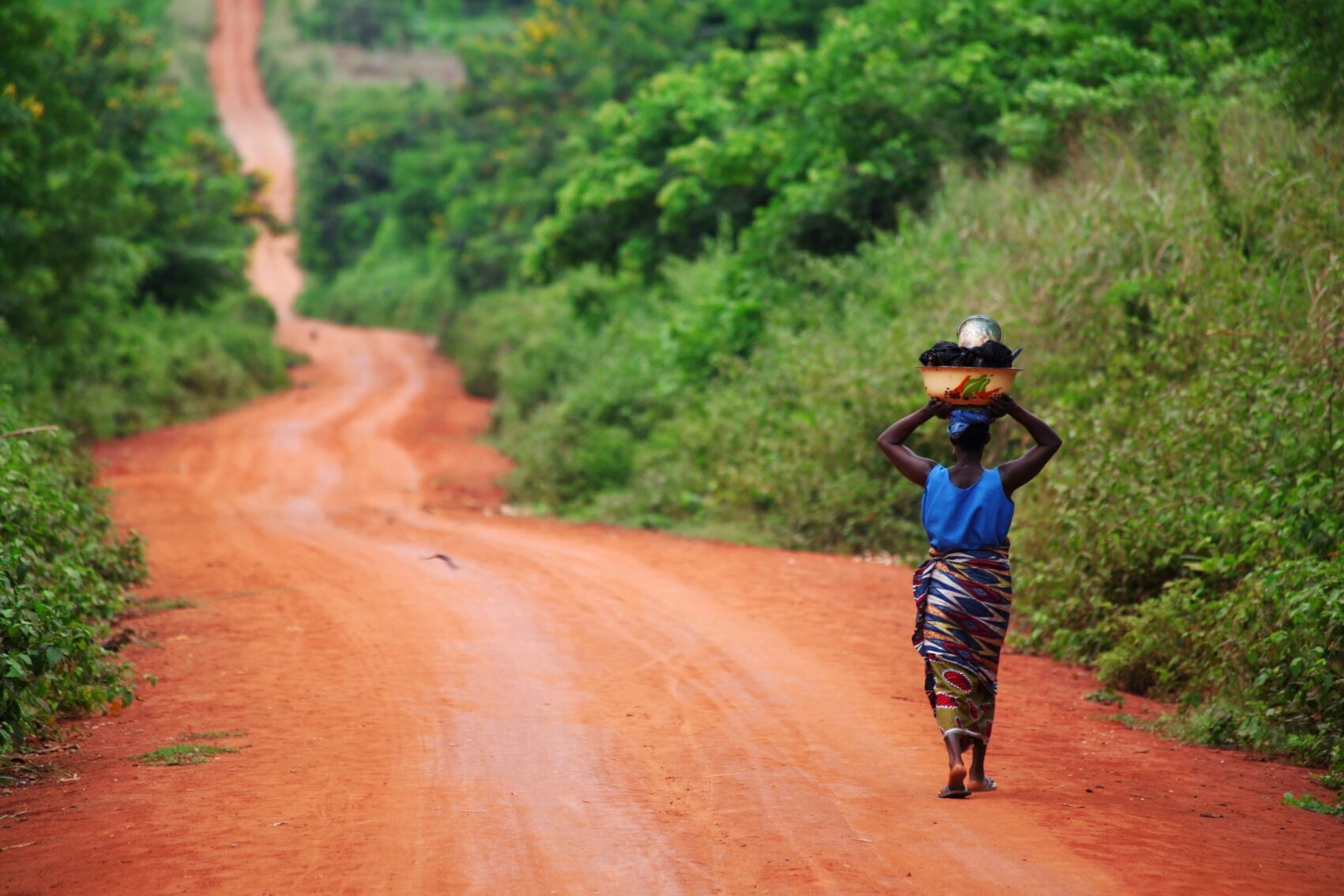
The best time to visit Benin is during the dry season from November to March. December to February offers ideal weather with lower humidity and pleasant temperatures. The rainy seasons (April-July and September-October) can make travel difficult, especially on unpaved roads. The Harmattan wind (December-February) can bring dusty conditions in the north.
Cultural Notes
Benin is the birthplace of Vodun (Voodoo), which remains a recognized religion. The annual Voodoo Festival in January in Ouidah is a major event. The Kingdom of Dahomey was one of the most powerful West African states. Traditional crafts include bronze work and appliqué fabrics. Music and dance are integral to ceremonies and celebrations.
Insider Tips
French is the official language. The West African CFA franc is the currency. Bargaining is expected at markets. Dress modestly when visiting religious sites. Photography of government buildings and military installations is prohibited. Benin has good road connections with neighboring Togo and Nigeria.
Current Travel Situation
United States to Benin: What You Need to Know
Benin is a small West African country sandwiched between Nigeria (east), Togo (west), Burkina Faso and Niger (north), and the Gulf of Guinea (south). Cotonou Cadjehoun Airport (COO) is the main gateway with connections from Paris (Air France), Brussels, Casablanca, Addis Ababa, and other West African cities. Benin is historically significant as the cradle of Vodoun (Voodoo) religion, as the kingdom of Dahomey (one of West Africa's major slave-trading powers), and as the birthplace of West African bronze casting. The US State Department has a Level 2 advisory (Increased Caution) due to terrorism risk in the north.
How to Get There
Paris (CDG) via Air France is the main connection hub for Benin. Addis Ababa (Ethiopian Airlines) and Casablanca (Royal Air Maroc) also connect to Cotonou. Regional connections from Lagos, Lome, Accra, and Abidjan are available. Benin is often combined with neighboring Togo and Ghana for a West Africa coastal itinerary.
Money & Banking
Benin uses the West African CFA Franc (XOF), pegged to the Euro. USD and Euros can be exchanged at banks and hotels in Cotonou. ATMs are available in Cotonou; cash is essential outside the capital. Benin is affordable, with a local restaurant meal costing $3-7 and guesthouses $20-50/night. Tourism infrastructure is modest outside the main sites.
Practical Tips
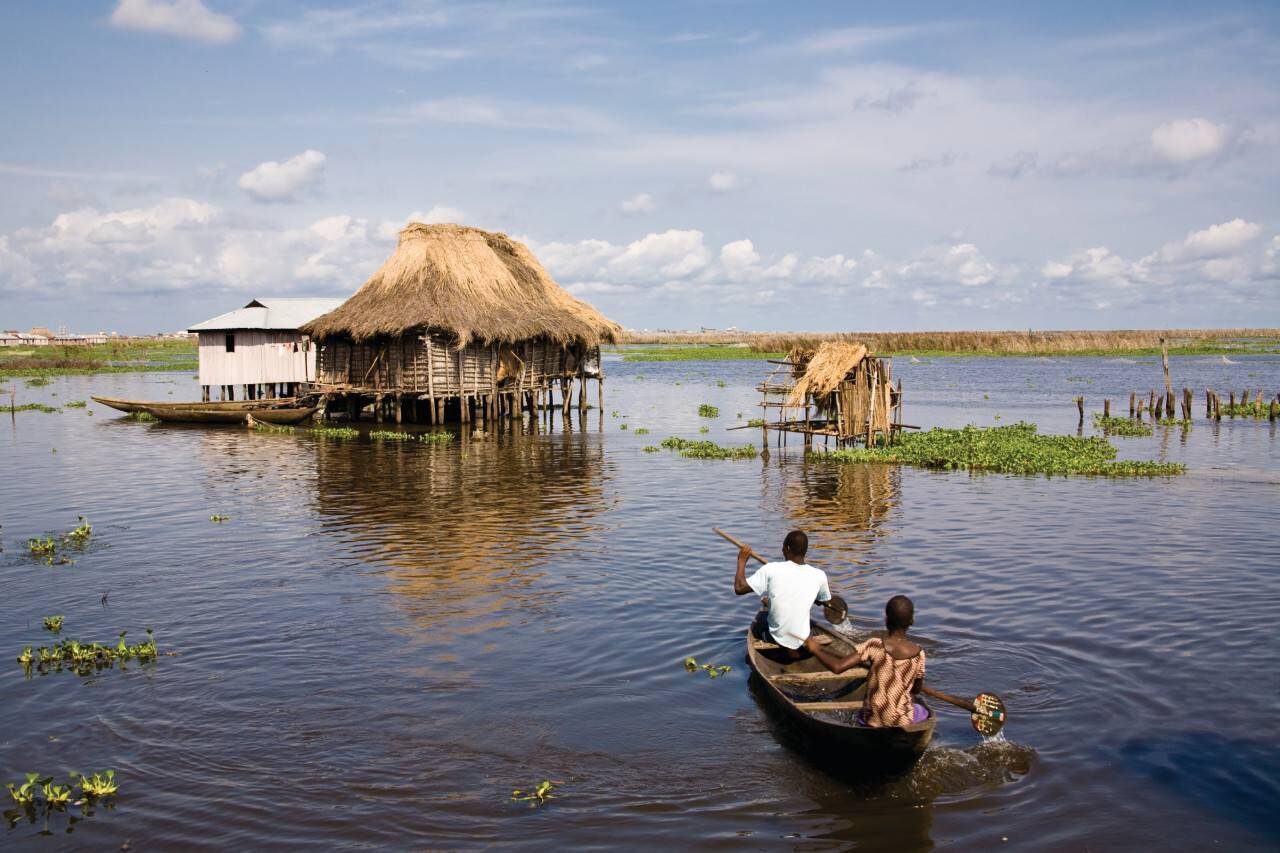
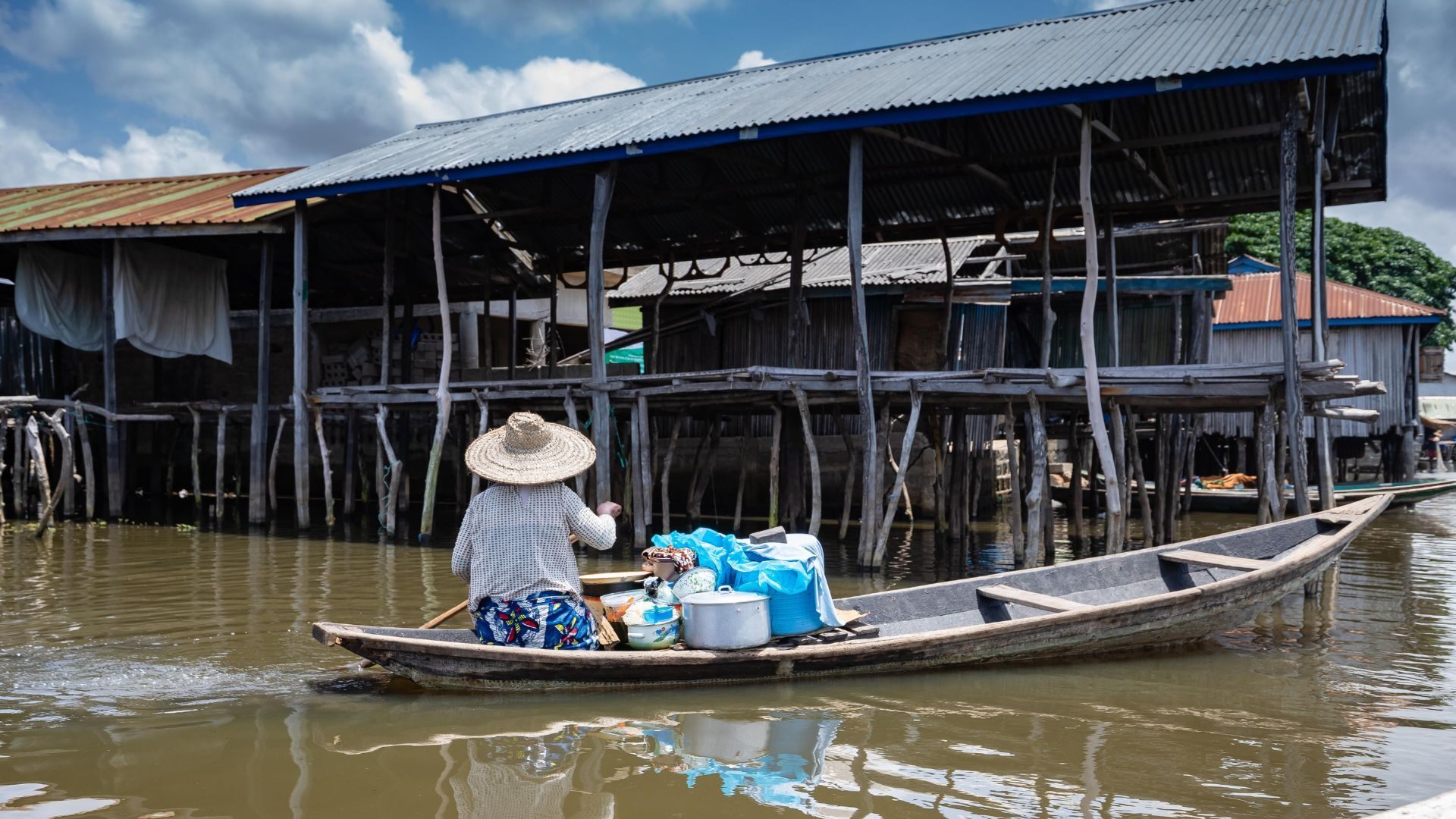
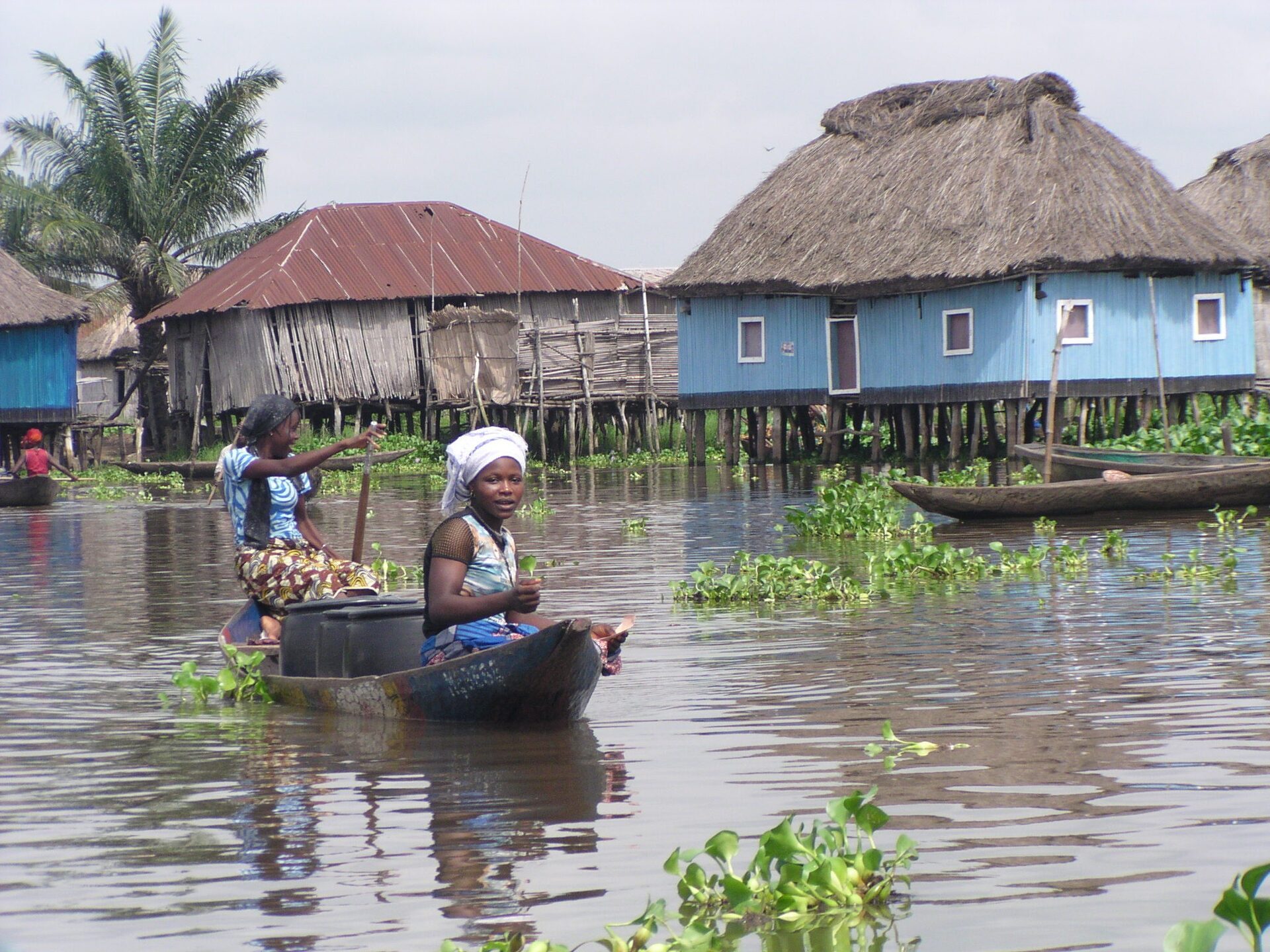
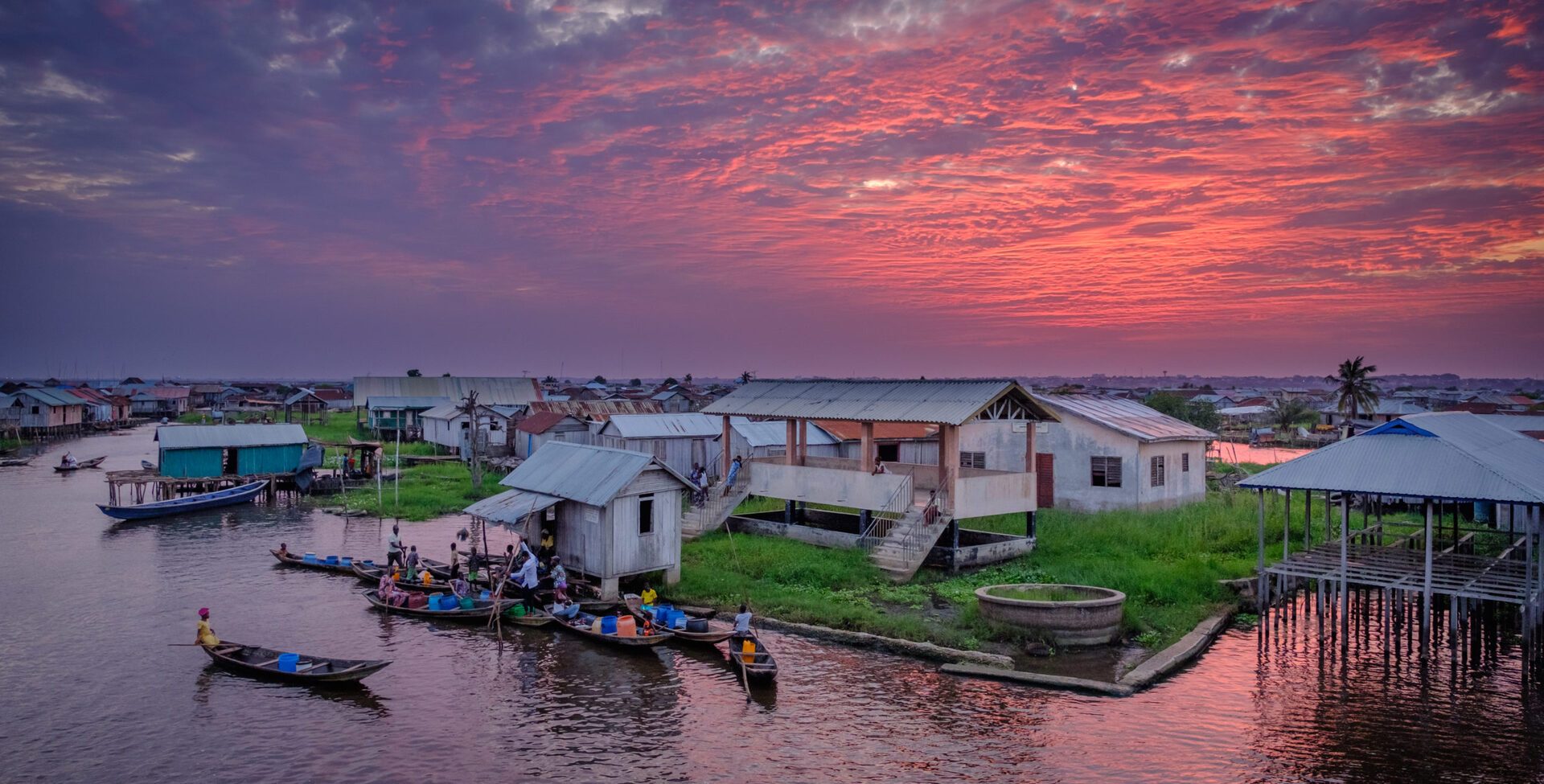
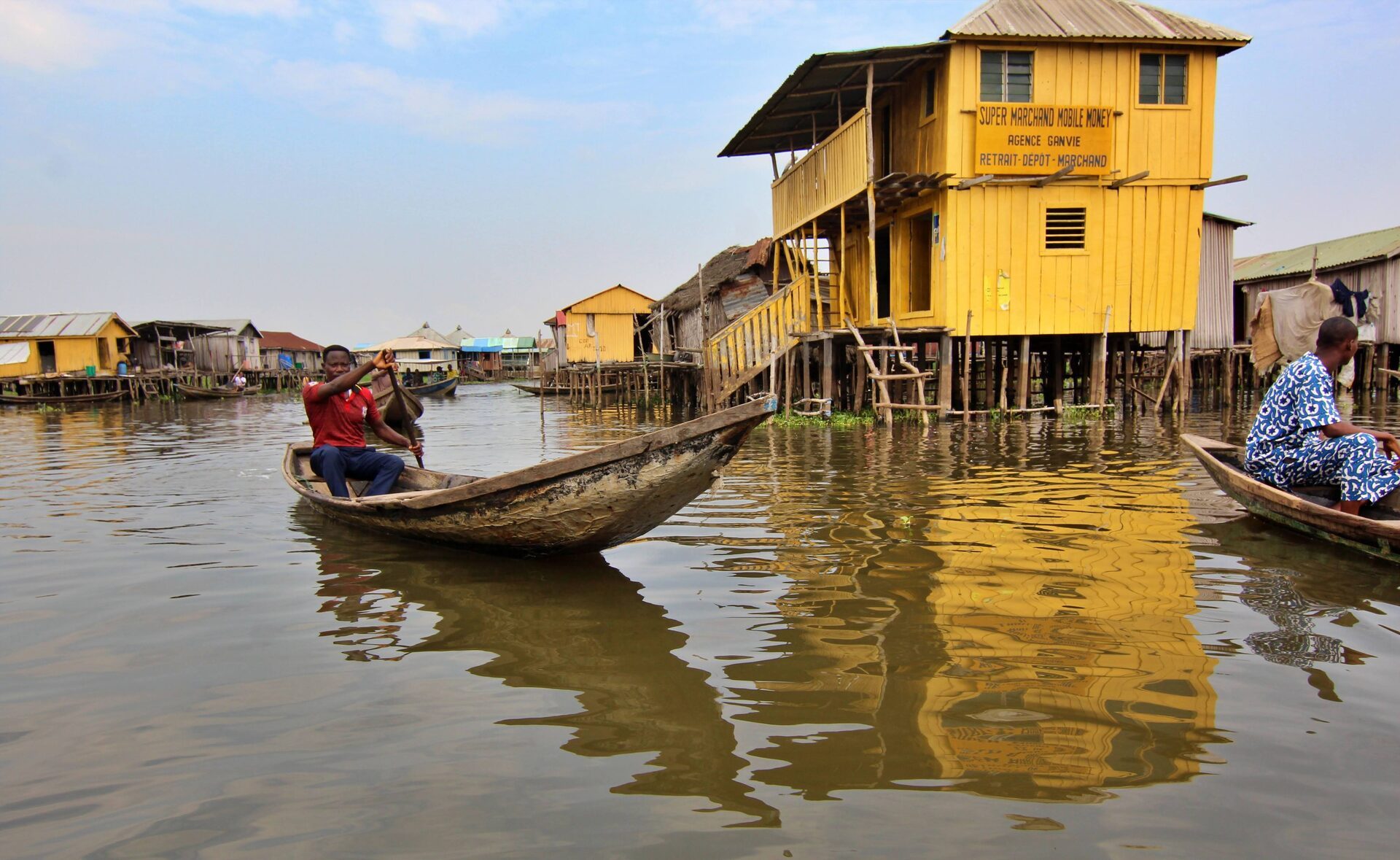
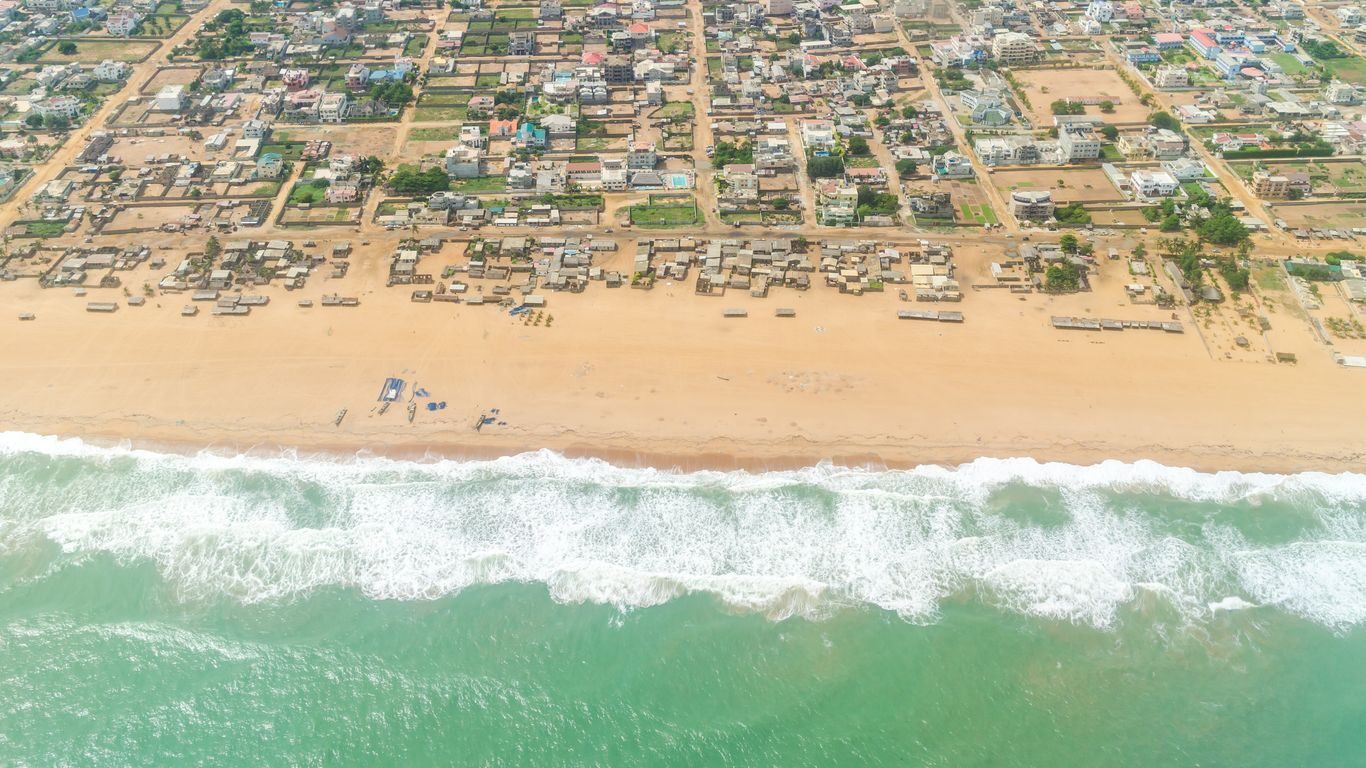
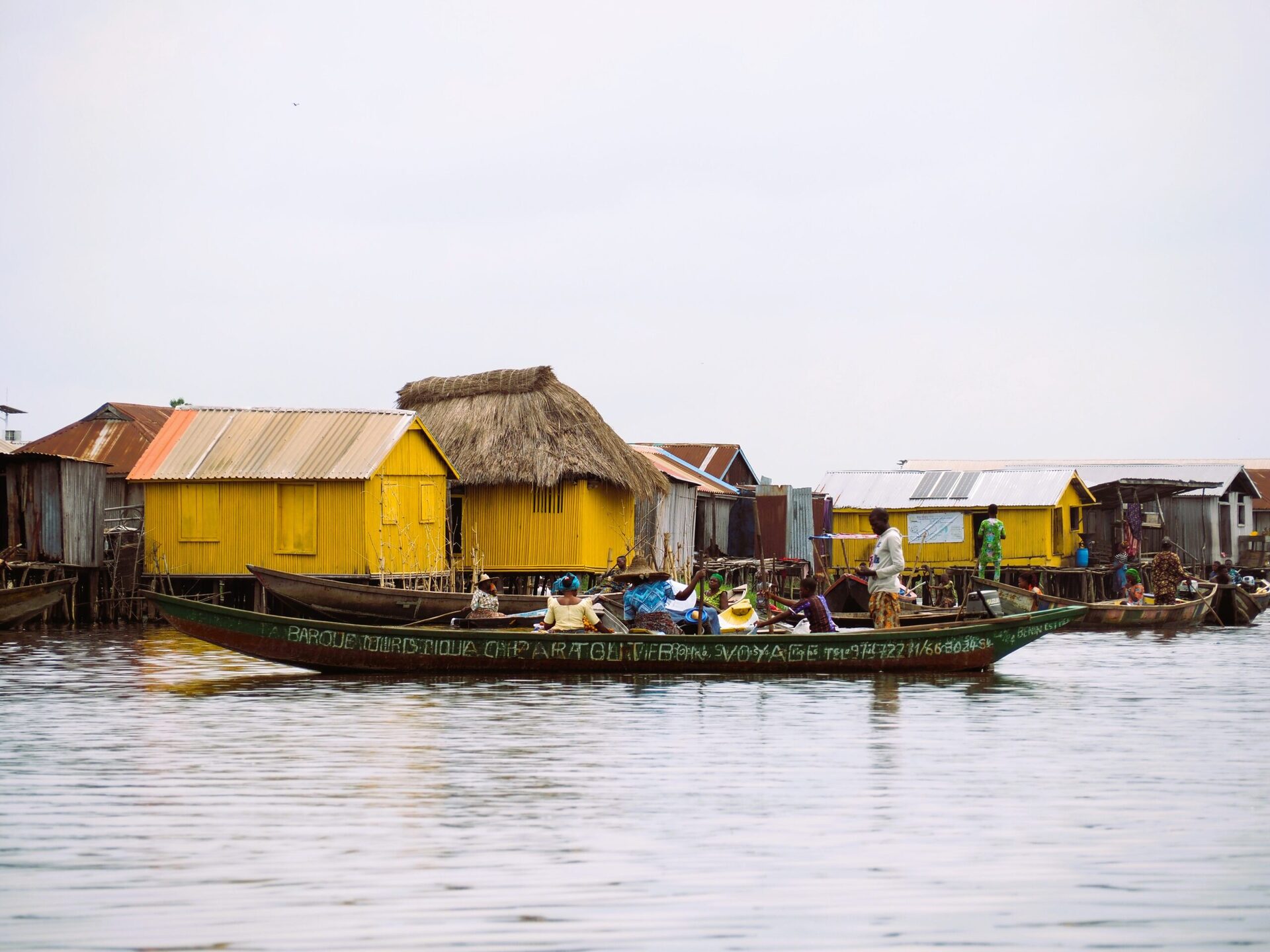
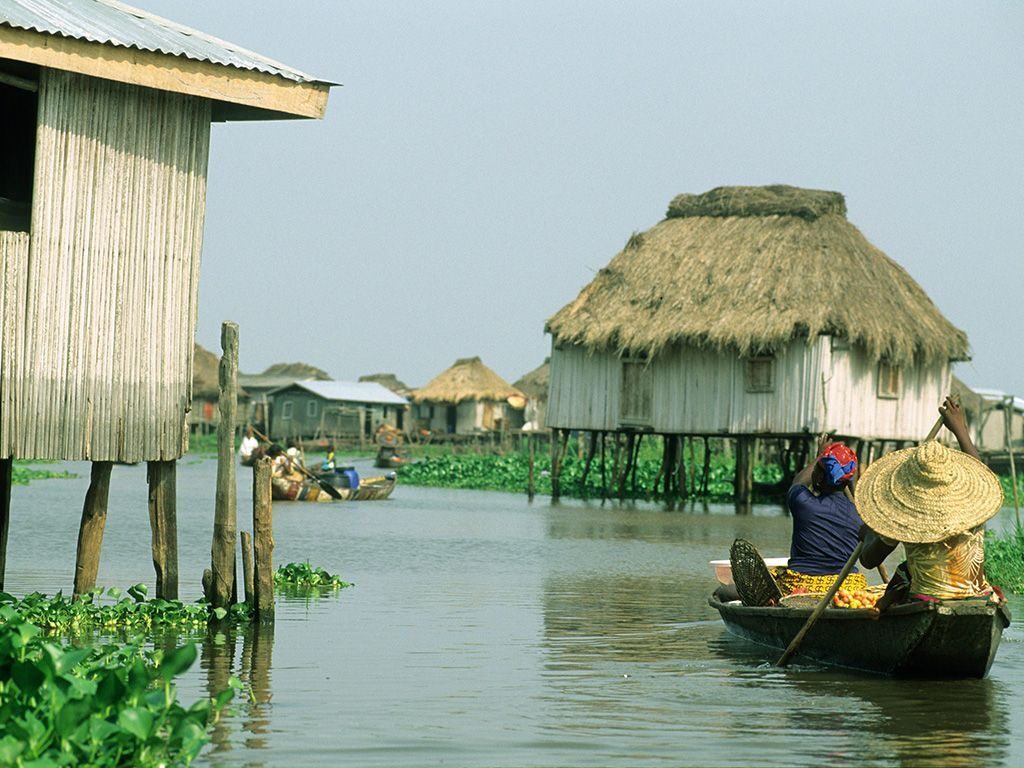
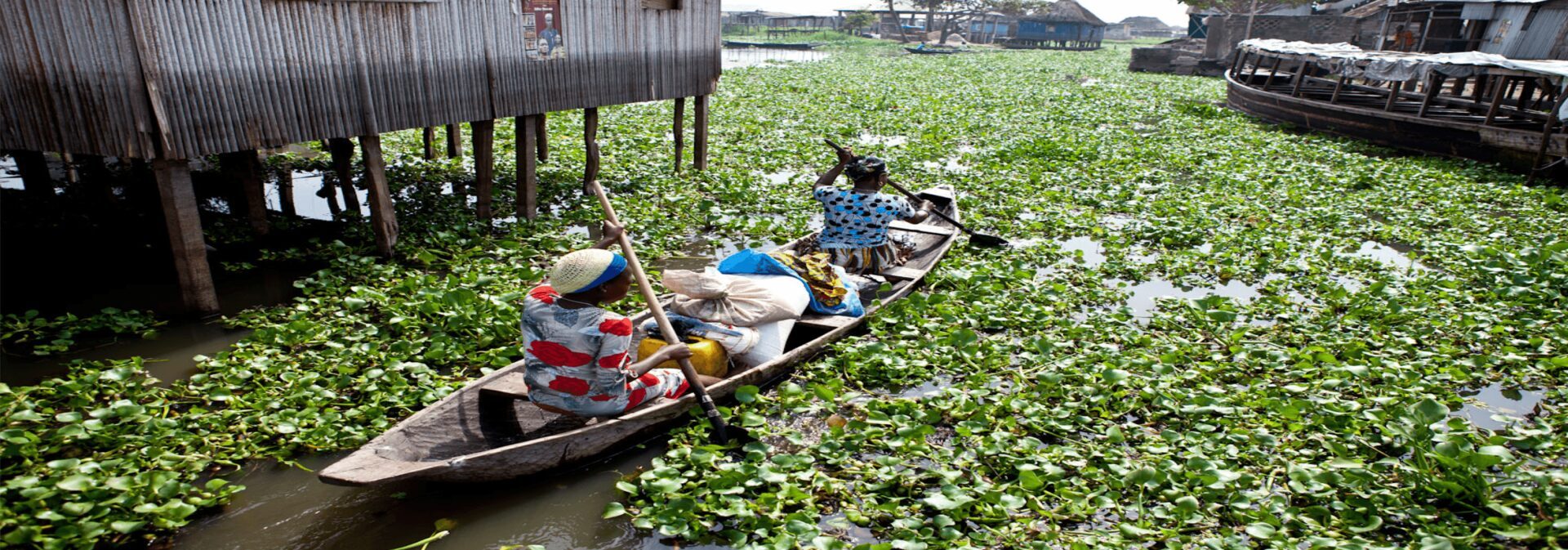
Ouidah is the spiritual heart of Vodoun. The Temple of Python (home to 50 live pythons), the Route des Esclaves (Slave Route) ending at the poignant Door of No Return on the beach, and the annual Vodoun Festival (January 10) are extraordinary. The Royal Palaces of Abomey (UNESCO) contain the art and artifacts of the Dahomey kings, including thrones decorated with human skulls. Ganvie (the "Venice of Africa") is a village of 30,000 people built entirely on stilts over Lake Nokoue. Pendjari National Park in the far north has elephants, lions, and buffalo.
Frequently Asked Questions
What is Vodoun (Voodoo) in Benin?
Vodoun is a traditional West African religion originating in the Kingdom of Dahomey (modern Benin) that involves worship of spirits (vodoun) through rituals, trance, and offerings. It spread to the Americas through the slave trade, giving rise to Haitian Vodou, Louisiana Voodoo, and Candomble in Brazil. Benin celebrates a national Vodoun Day (January 10) with ceremonies open to visitors in Ouidah and across the country.
What is Ganvie?
Ganvie is a lake village of approximately 30,000 people built entirely on wooden stilts above Lake Nokoue, near Cotonou. Founded in the 17th century by the Tofinu people who took refuge on the lake from Dahomey slave raiders (who were forbidden by religious law from fighting over water), Ganvie is often called the "Venice of Africa." Access is by wooden pirogue (canoe) from a nearby shore.
Is northern Benin safe to visit?
The US State Department advises avoiding travel to northern Benin near the Burkina Faso and Niger borders due to active jihadist activity that has spilled over from the Sahel region. The Pendjari and W national parks in the north require careful assessment of current conditions. Southern Benin (Cotonou, Ouidah, Porto-Novo, Ganvie) is generally safe for tourists.