Belgium Visa RequirementsFor United States passport holders
US citizens can visit Belgium visa-free for up to 90 days within any 180-day Schengen period. Brussels is the de facto capital of the European Union.
Great news! United States passport holders can enter Belgium without a visa for tourism or business purposes. You can stay up to 90 days.
No visa is required for US citizens for stays up to 90 days in any 180-day period. Carry a valid US passport with at least 3 months validity beyond planned Schengen departure. ETIAS pre-registration for Americans is expected to launch in 2025 , check current ETIAS status before travel.
Belgium is part of the Schengen Area. Your stay counts toward the 90-day limit within any 180-day period for the entire Schengen zone. Learn more about Schengen rules →
Entry Requirements
Passport Validity
3 months beyond departure from Schengen
Blank Pages
1 blank page required
Multiple Entry
Allowed
Work Permitted
No - requires work visa
Entry Conditions
Passport valid at least 3 months beyond planned Schengen departure, issued within previous 10 years. May require proof of accommodation, itinerary, sufficient funds (€45-75/day), and travel insurance.
Overstaying results in fines, deportation, and Schengen-wide entry ban.
Required Documents
Valid US Passport
Must be valid for at least 3 months beyond planned departure from Schengen Area
Proof of Onward Travel
Return or onward flight ticket
Valid US Passport
Must be valid for at least 3-6 months beyond your planned departure date (varies by country)
Return or Onward Ticket
Proof of departure from the country, such as a return flight or onward travel booking
Proof of Accommodation Recommended
Hotel bookings recommended
Proof of Accommodation Recommended
Hotel reservation, Airbnb booking, or address where you will be staying
Proof of Sufficient Funds Recommended
Credit cards, bank statements, or cash to cover expenses during your stay
Travel Insurance Recommended
Recommended for all international travel covering medical emergencies
Travel Essentials
Health & Safety
Safety Rating
Vaccinations
Routine vaccinations should be current.
Tap Water
Safe to drink
Safety Tips
Belgium is generally safe. Pickpocketing occurs in Brussels around tourist areas and train stations. Exercise normal urban caution, especially around Gare du Midi.
Money & Costs
Currency
€ Euro (EUR)
Daily Budget (USD)
Budget: $70 · Mid: $150 · Luxury: $350+
Tipping
Service is included in bills. Rounding up for excellent service is appreciated but not expected.
Practical Info
Power
Type Type E, 230V, 50Hz
Driving
Right side
Emergency
112 (general emergency), 101 (police), 100 (ambulance/fire)
Getting There
Main Airports
Antwerp (ANR) · Brussels (BRU) · Charleroi (CRL)
Culture & Travel Tips
Best Time to Visit
Belgium has a temperate maritime climate with mild temperatures year-round. The best time to visit is late spring through early autumn (May-September) when weather is pleasant for exploring cities on foot, outdoor cafes are lively, and daylight is longest. Summer can bring occasional heat waves but also frequent festivals. Winter (November-February) is cold and gray but magical with Christmas markets in Brussels, Bruges, and Ghent lighting up the medieval squares. Spring brings Belgian tulips and flower carpets. Any time is good for Belgian chocolate, beer, and waffles - the main attractions are indoor-accessible.
Cultural Notes
Belgium is a complex country divided between Dutch-speaking Flanders in the north and French-speaking Wallonia in the south, with Brussels officially bilingual. This linguistic divide shapes politics, identity, and even which football team people support. Despite (or because of) internal tensions, Belgium has become home to major European institutions - Brussels hosts the EU and NATO headquarters. Belgian culture excels in art (Bruegel, Rubens, Magritte), comics (Tintin, the Smurfs), and surrealism - the country has a distinctive absurdist humor. Beer culture is UNESCO-recognized, with over 1,500 varieties. Chocolate, waffles, and frites are national prides taken seriously. Belgians can seem reserved but are warm once acquainted.
Insider Tips
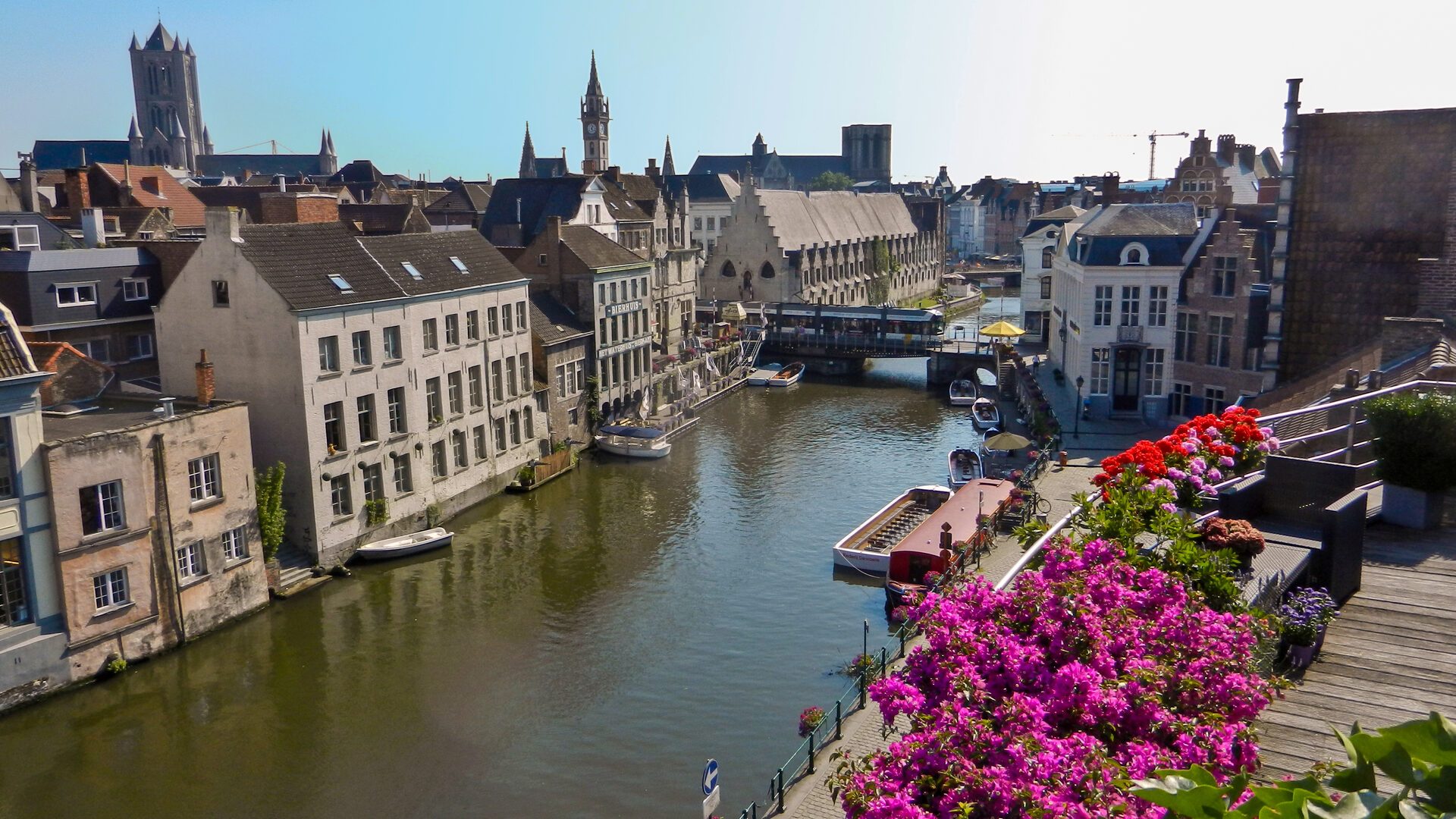
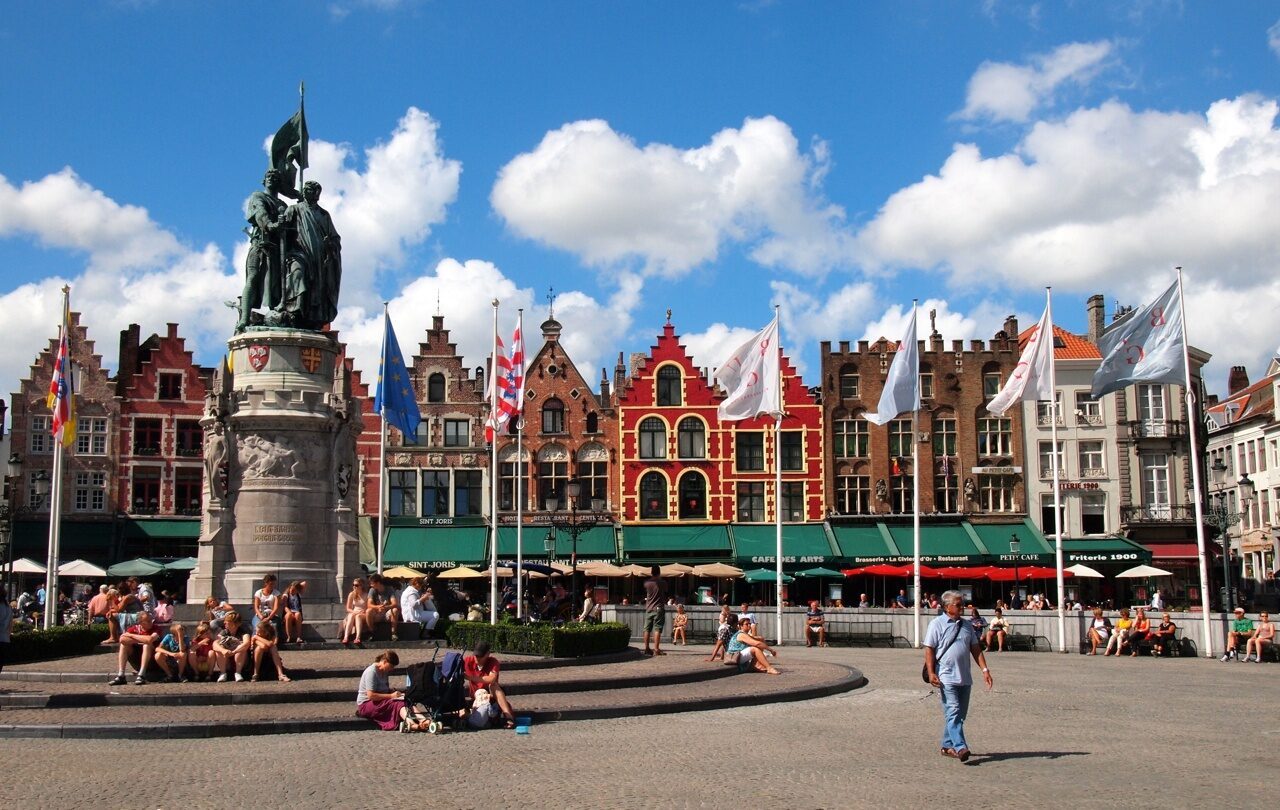
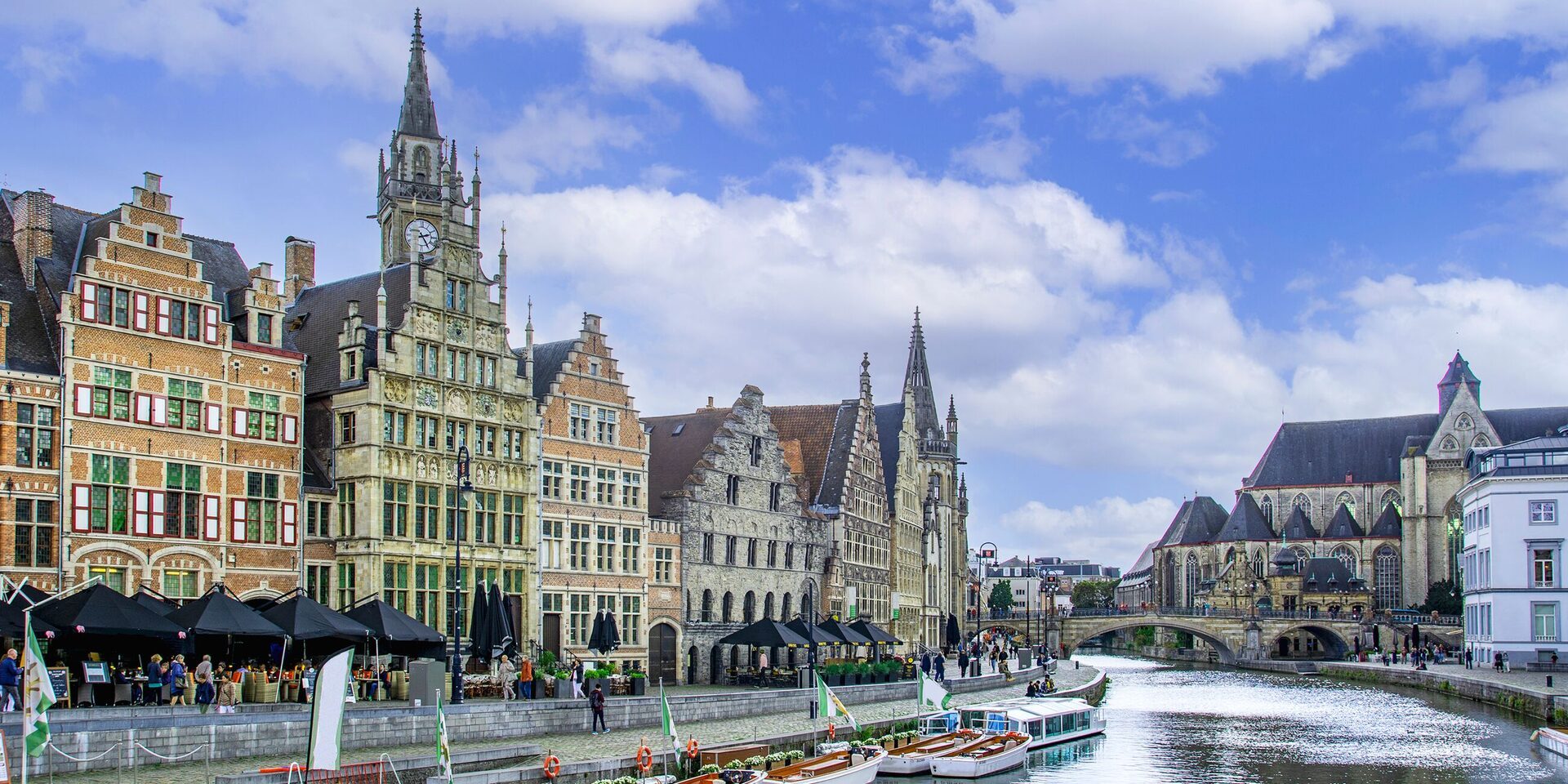
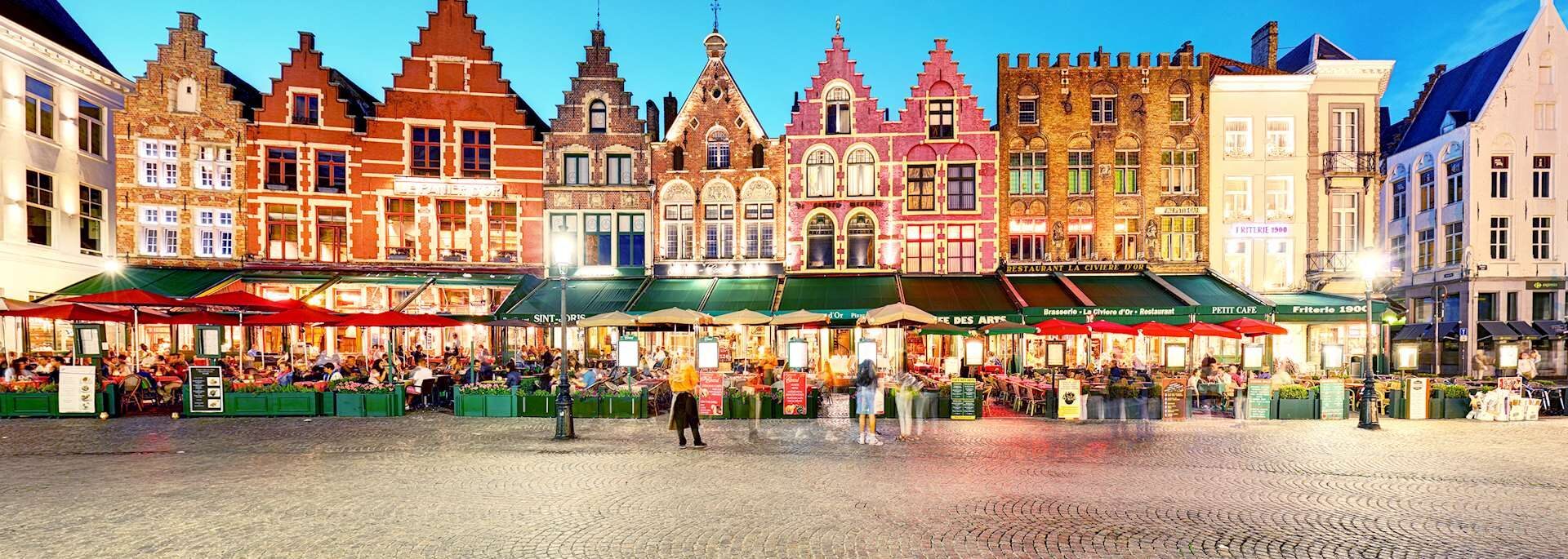
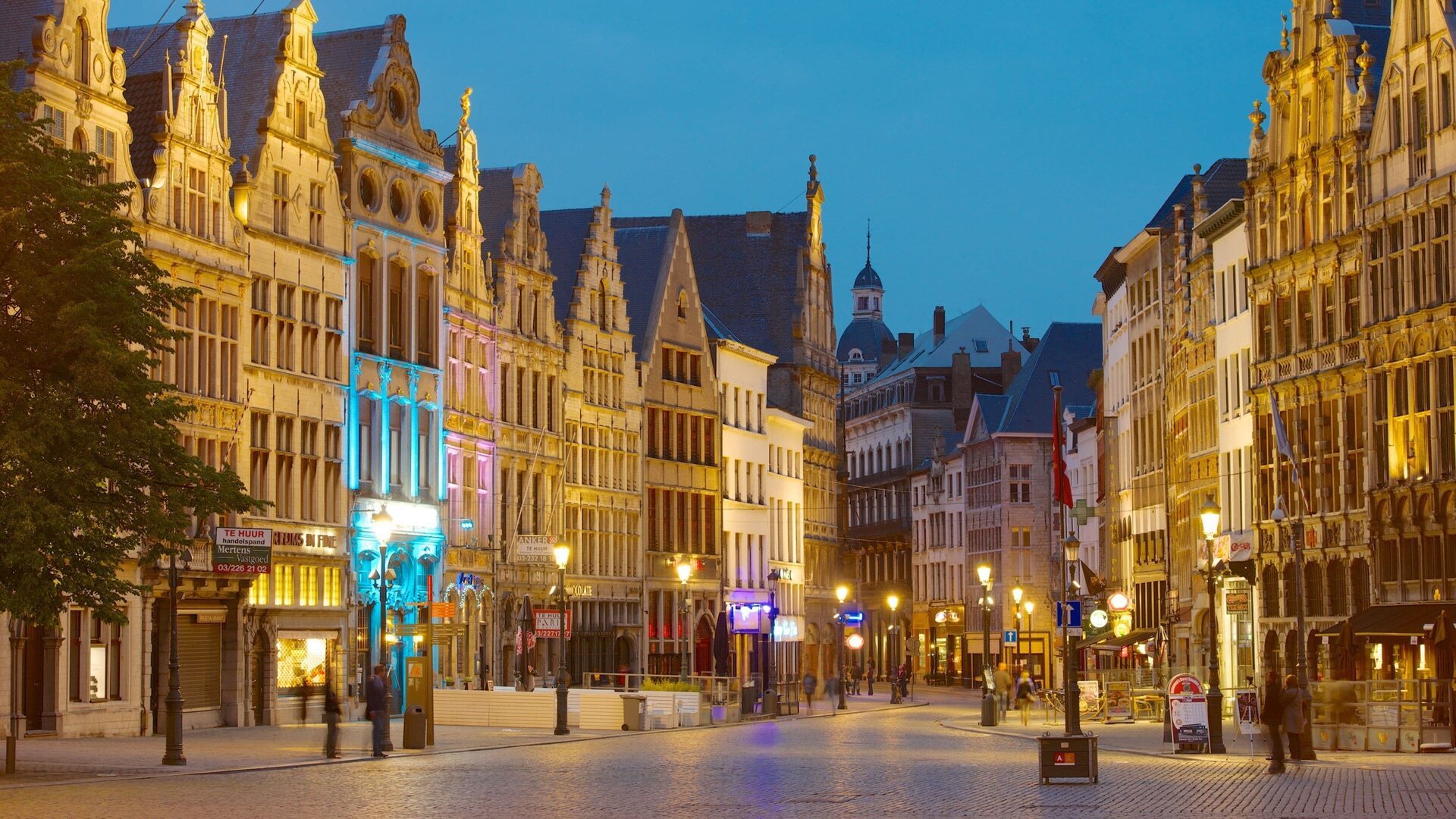
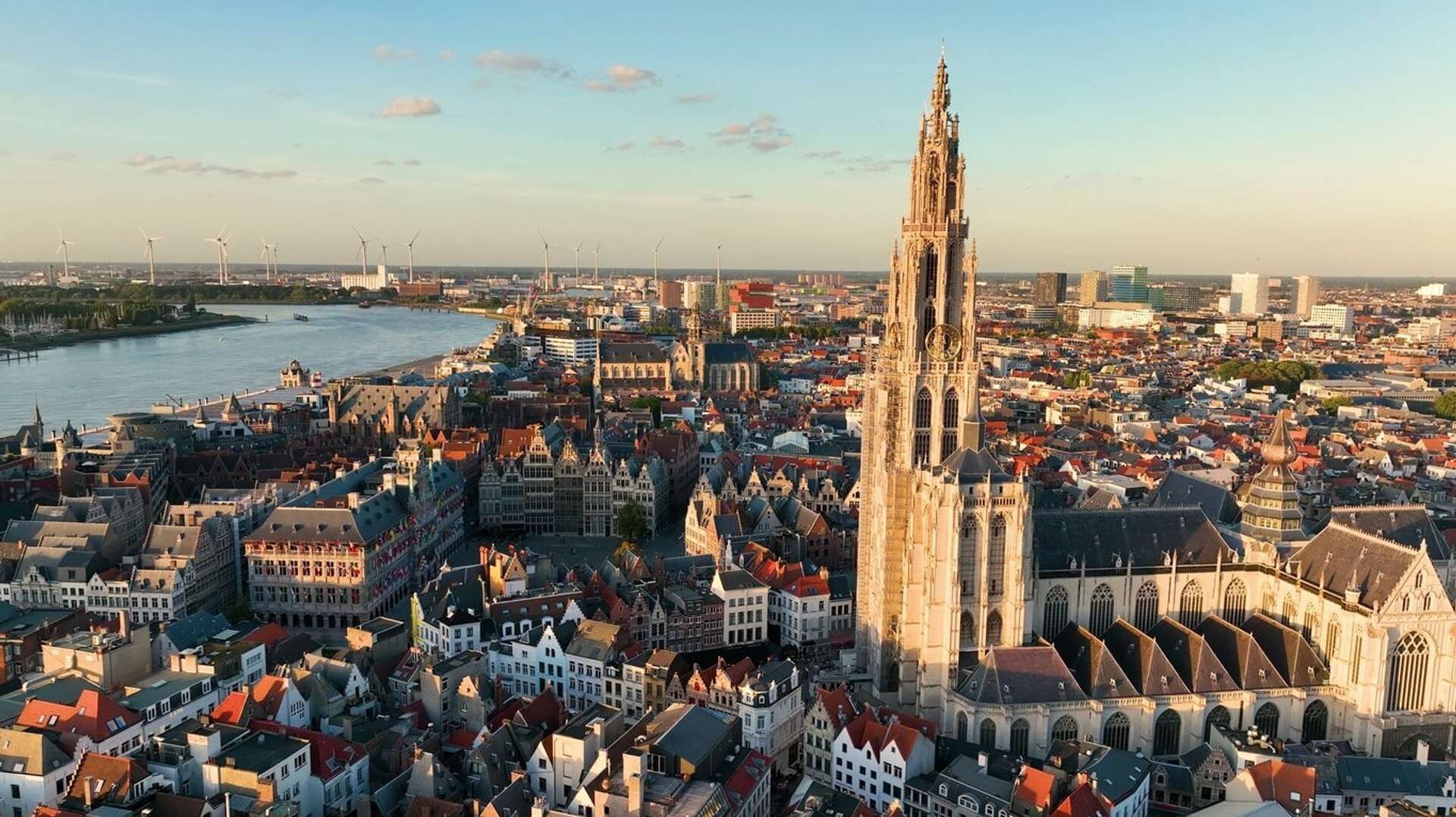
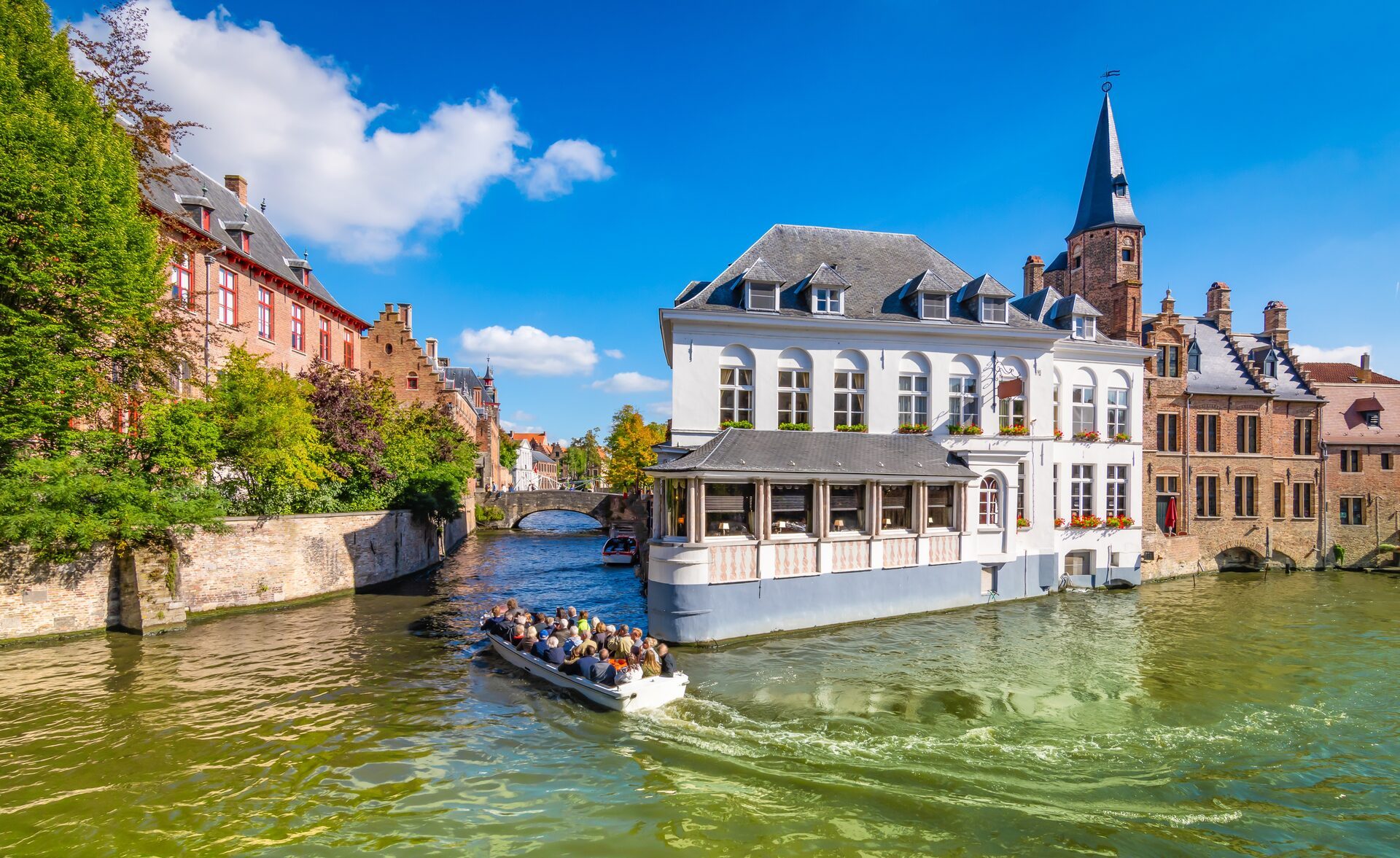
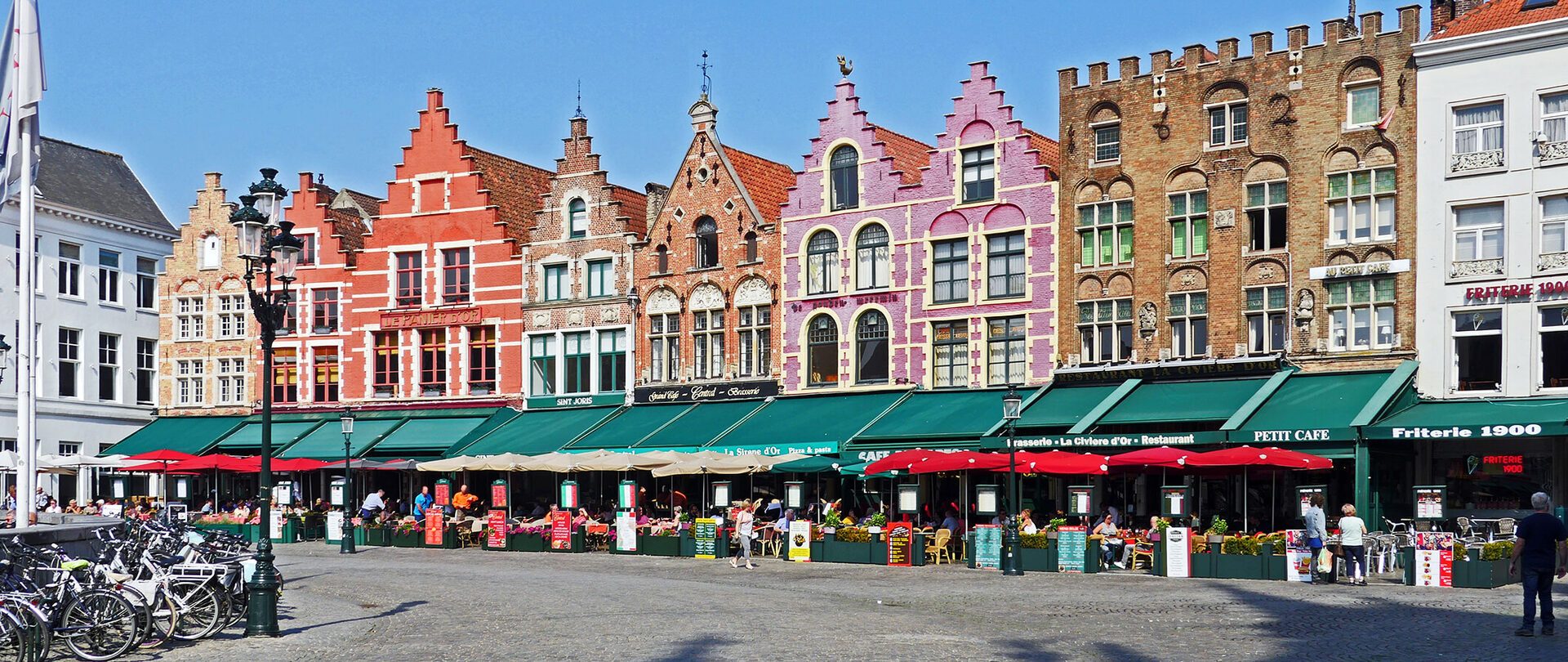
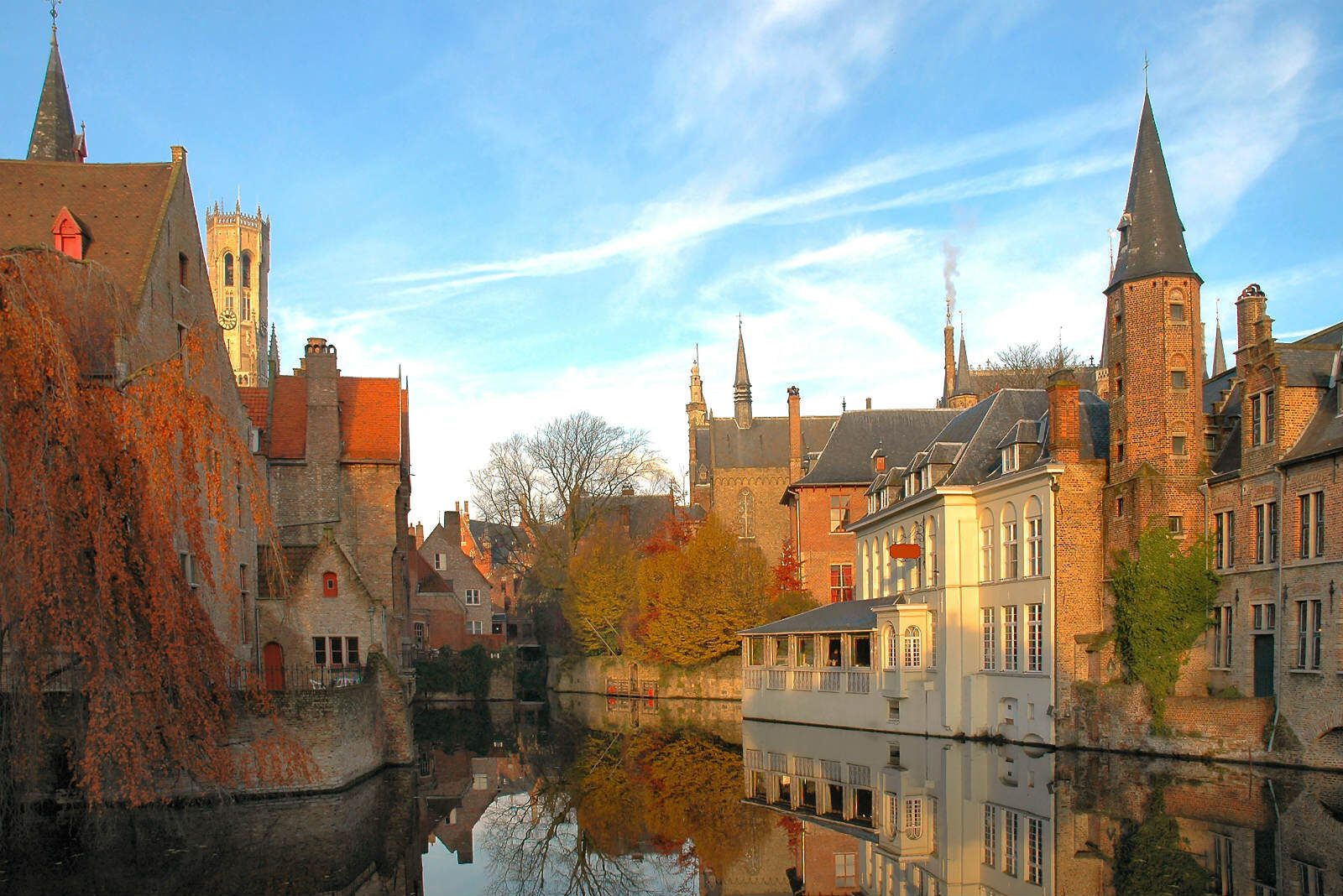
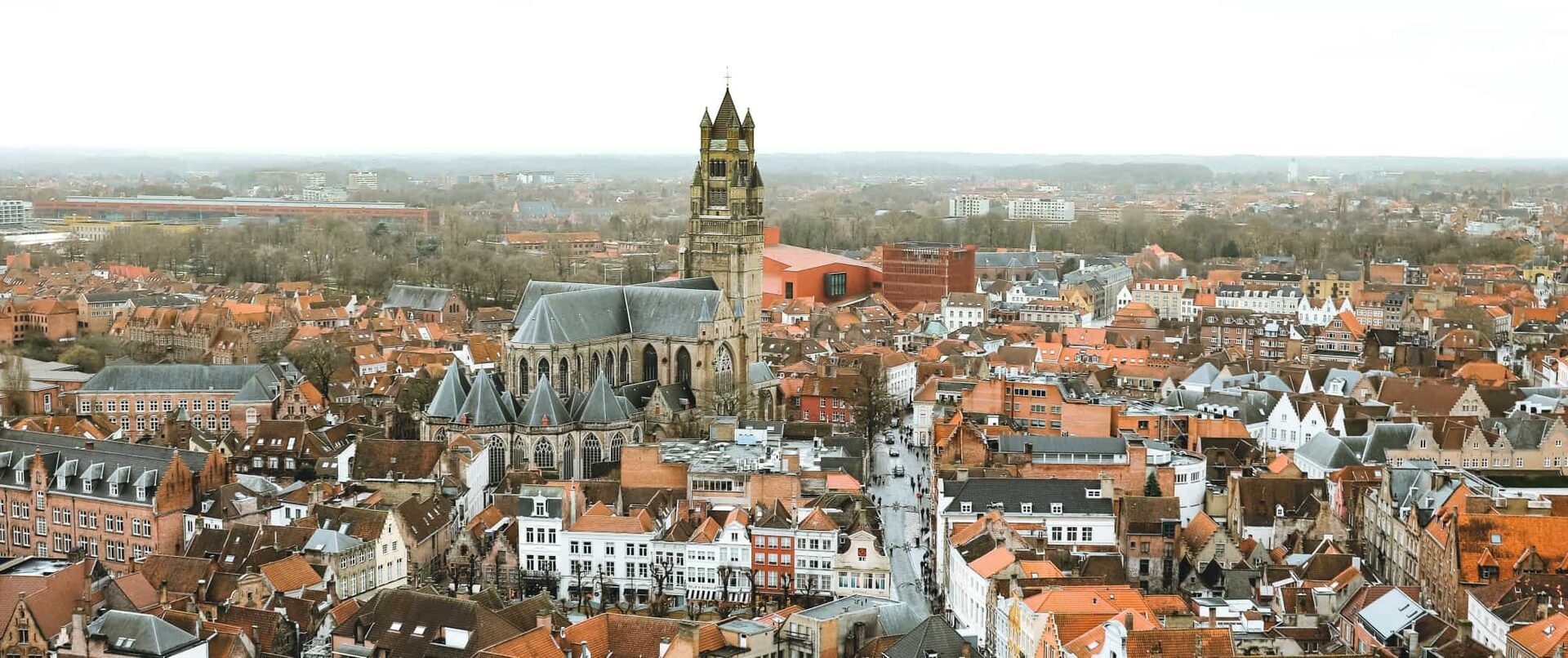
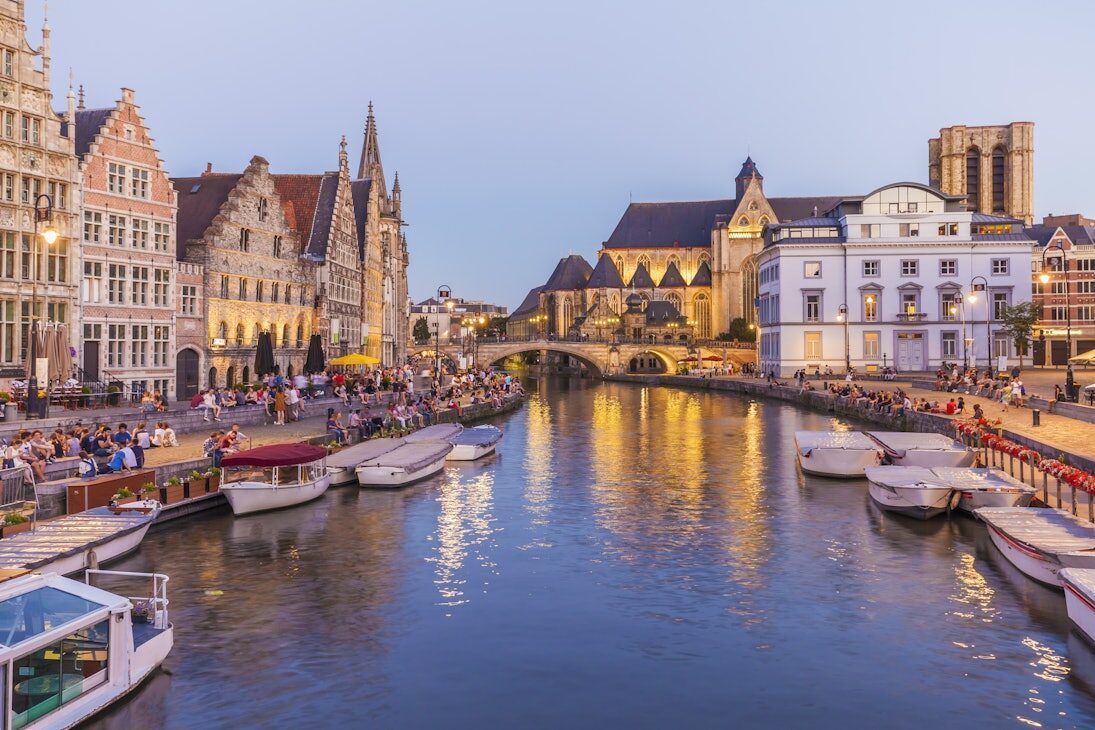
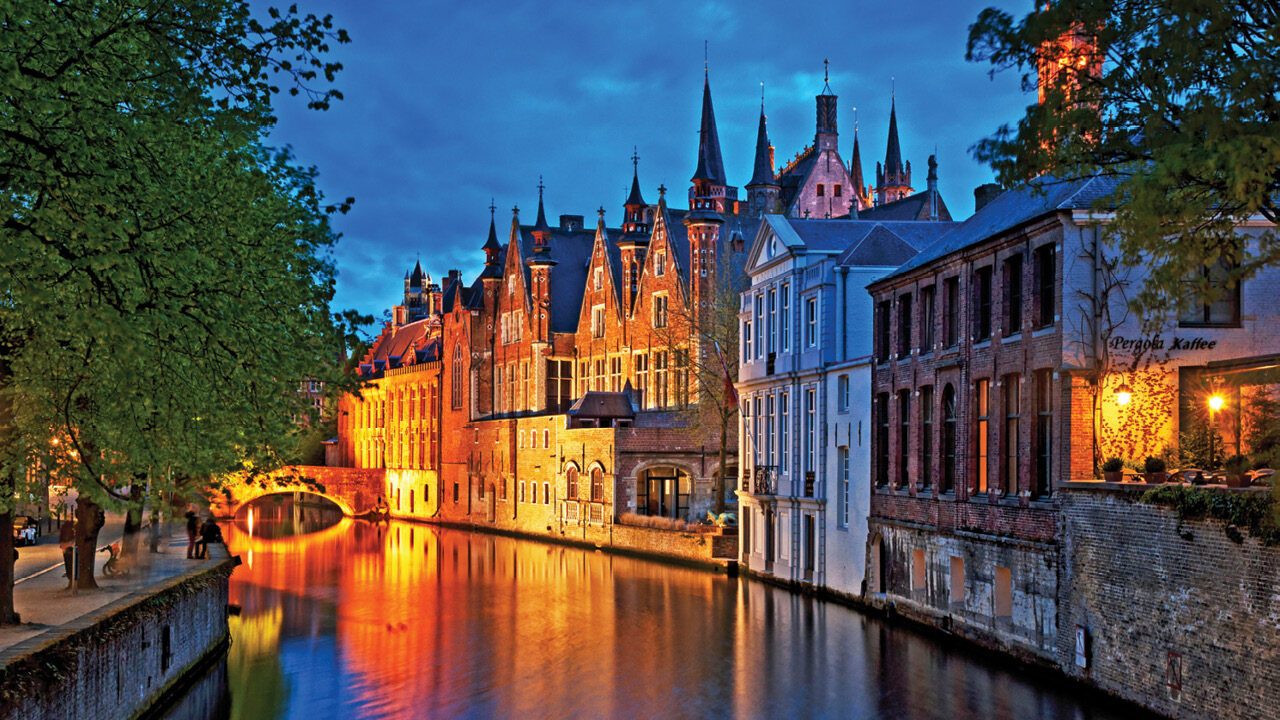
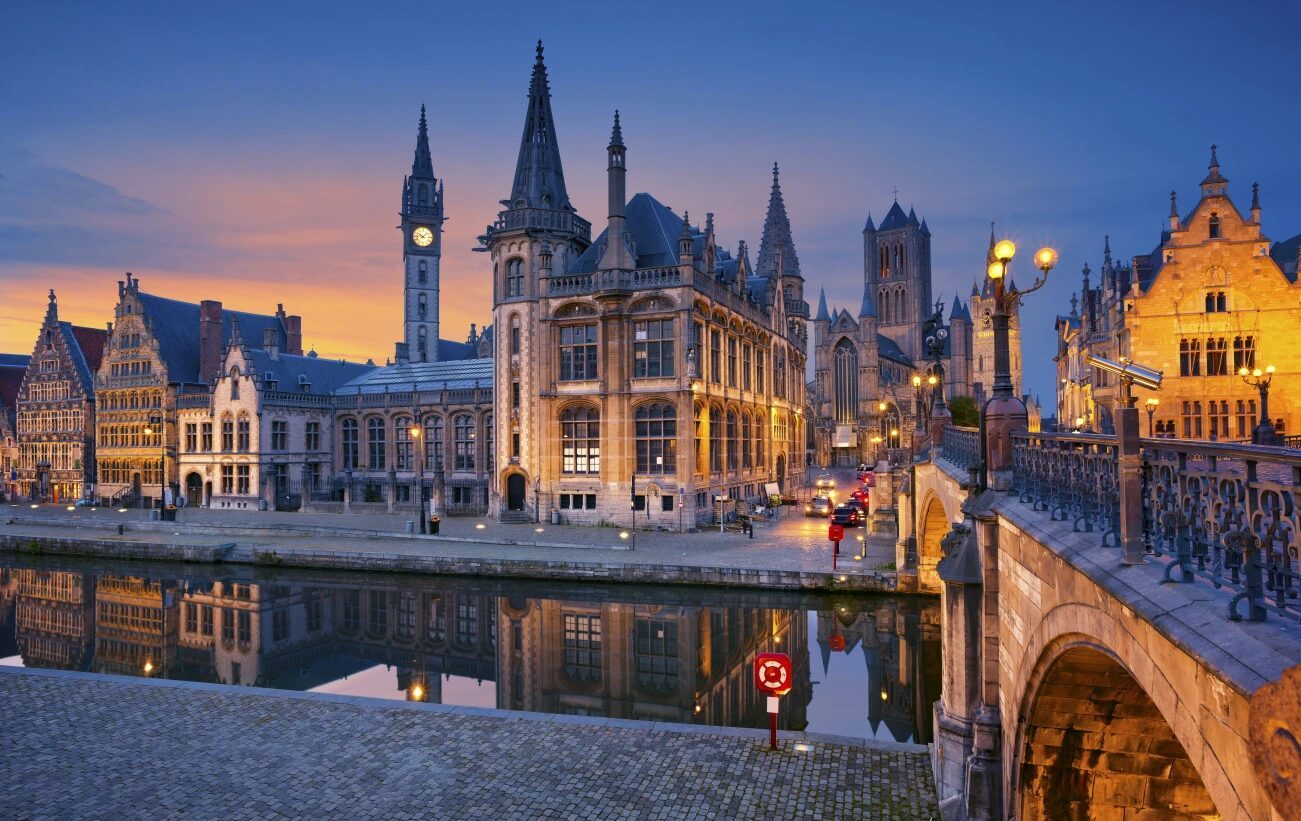
Belgium punches far above its weight in art, architecture, cuisine, and culture. Brussels is the EU capital with Grand Place, Art Nouveau architecture, and excellent museums. Bruges is the fairy-tale medieval city with canals and chocolate shops. Ghent balances medieval charm with contemporary culture and nightlife. Antwerp is the fashion and diamond capital with remarkable art (Rubens) and a buzzing scene. Belgian trains connect all cities efficiently and affordably; the compact size makes day trips easy. Belgium uses the Euro. Dutch (Flemish), French, and German are official languages depending on region - Brussels is bilingual. Belgian beer is among the worlds best - Trappist breweries are pilgrimage sites. Try frites with mayo, moules-frites, and waffles.
Current Travel Situation
United States to Belgium: What You Need to Know
Belgium is a full Schengen member and US citizens enjoy visa-free access. Belgium is a small but culturally rich country in Western Europe known for Brussels (headquarters of the EU and NATO), Bruges (perfectly preserved medieval canal city), Ghent, Antwerp (diamond and fashion capital), Belgian chocolate, beer (500+ varieties), waffles, and the WWI/WWII battlefield heritage of Flanders and the Ardennes (Battle of the Bulge). Belgium is a federalized country with three language communities: Dutch-speaking Flanders (north), French-speaking Wallonia (south), and the officially bilingual capital Brussels.
How to Get There
Belgium's small size and excellent rail connections make multi-country trips extremely efficient. Bruges to Amsterdam by train is 3 hours. Brussels to Paris by Thalys high-speed train is 1h20m. London via Eurostar is 2h from Brussels. Cologne is 1h50m. The Netherlands, Luxembourg, and France are all easily combined with Belgium on a single Schengen visa trip.
Money & Banking
Belgium uses the euro (EUR). Card payments are widely accepted throughout Belgium. Belgium is moderately expensive , Brussels hotel rooms from EUR 80-150/night; Belgian restaurant meals EUR 15-30. The country is famous for its gastronomic culture: moules-frites (mussels and fries), carbonade flamande (beer-braised beef stew), speculoos biscuits, and of course, Belgian chocolate (buy from Jacques, Neuhaus, or Leonidas rather than tourist trap shops). Belgium beer must be sampled: Trappist ales (Chimay, Westvleteren), saisons, lambics, and gueuzes.
Practical Tips
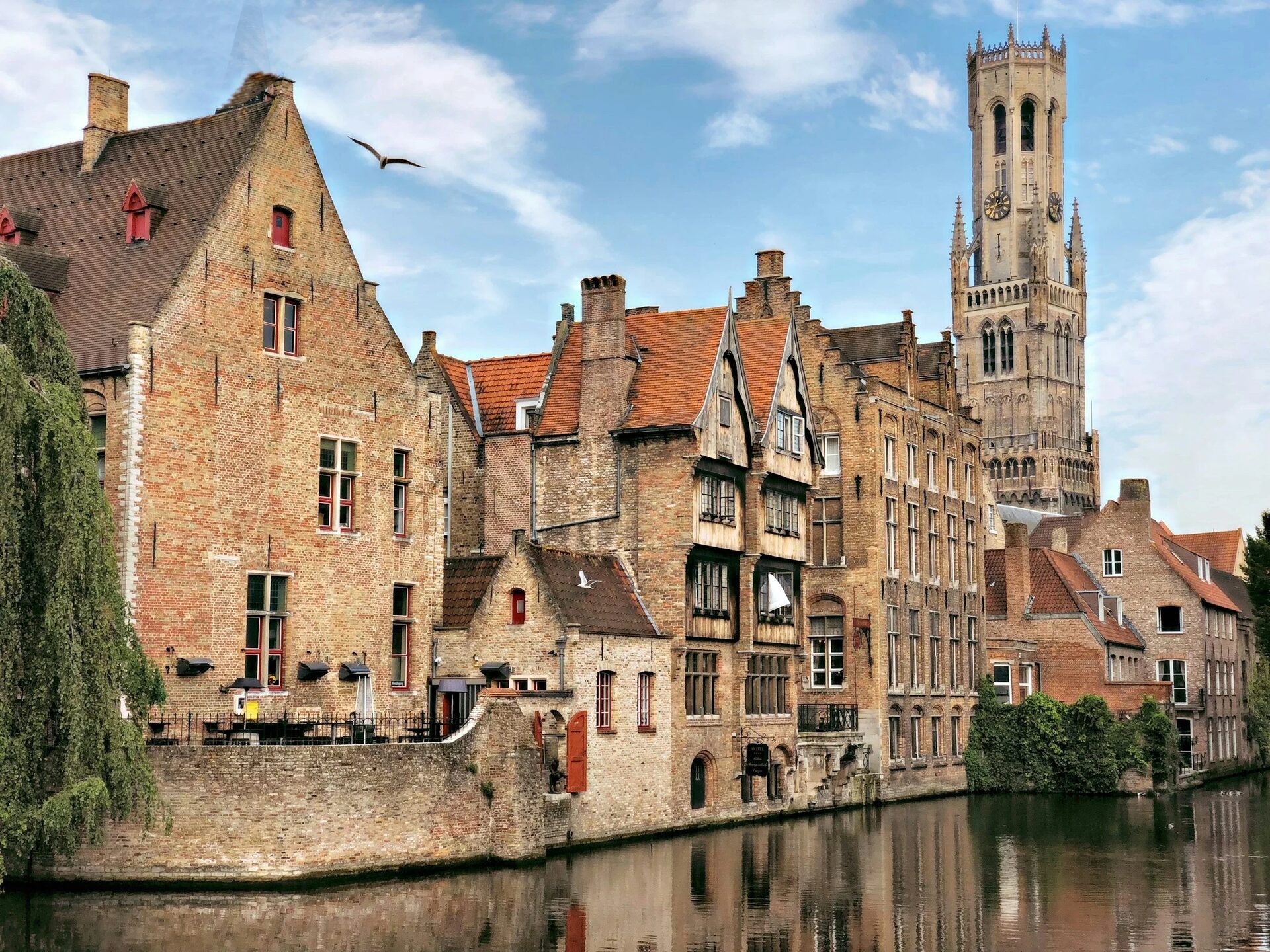
Bruges' medieval city center is a UNESCO World Heritage Site , the most complete medieval urban ensemble in Europe. It is extremely popular (and crowded in summer) , visit in early morning or off-season for a less touristy experience. The WWII Bastogne War Museum in the Ardennes is exceptional. Ghent's Gravensteen castle and the Van Eyck altarpiece at St. Bavo Cathedral are cultural treasures. Antwerp's diamond district, fashion district (Antwerp Six designers), and Rubenshuis (Rubens' home) make it Belgium's second cultural capital. Brussels' Manneken Pis and Grand Place are the classic tourist sights.
Frequently Asked Questions
Do US citizens need a visa to visit Belgium?
No, US citizens can visit Belgium and other Schengen Area countries for up to 90 days within any 180-day period without a visa. Starting in 2025, ETIAS (European Travel Information and Authorization System) authorization will be required, costing €7 and valid for 3 years. Your passport must be valid for at least 3 months beyond your planned departure from the Schengen Area. Belgium's central location makes it an ideal base for exploring Western Europe.
Do US citizens need a visa for Belgium?
No. US citizens can visit Belgium visa-free for up to 90 days as part of the Schengen Agreement. ETIAS registration may be required starting 2025.
What are the must-visit places in Belgium?
Belgium packs remarkable variety into a small country. Brussels offers the stunning Grand Place, Art Nouveau architecture, the Atomium, and EU institutions quarter. Bruges (Brugge) is a perfectly preserved medieval city with canals, chocolate shops, and Gothic architecture. Ghent combines medieval charm with vibrant student energy and the magnificent Ghent Altarpiece. Antwerp boasts fashion, diamonds, Rubens' house, and Belgium's largest port. For WWI history, visit the Ypres Salient and moving Flanders Fields memorials. The Ardennes forest offers outdoor activities and WWII Battle of the Bulge sites. Don't miss smaller gems like Mechelen, Leuven, and Dinant.
Is Bruges worth visiting or is it too touristy?
Bruges is extraordinary but very popular. In July-August, the center is packed with tourists. Visit in spring (April-May) or autumn (October-November) for manageable crowds and beautiful light. Alternatively, arrive very early morning when the canals and gabled houses are free of crowds.
What foods and drinks should I try in Belgium?
Belgian cuisine is exceptional. Must-tries include waffles (Brussels-style rectangular or Liège-style with sugar chunks), frites (Belgian fries, always with mayonnaise or other sauces, never ketchup to Belgians), mussels and fries (moules-frites), carbonnade flamande (beef stew in beer), waterzooi (creamy chicken or fish stew), and vol-au-vent. Belgian chocolate is world-renowned; visit chocolatiers like Neuhaus, Leonidas, or artisan shops. Belgian beer culture is UNESCO-recognized, with Trappist ales, lambics, sour beers, and hundreds of varieties. Order beer in the correct glass; each beer has its own. Speculoos cookies and Liège waffles make great gifts.
How do I get around Belgium and to nearby countries?
Belgium is small (about the size of Maryland) with excellent rail connections. SNCB/NMBS trains reach most destinations within 1-2 hours. The Rail Pass offers 10 journeys for frequent travelers. Brussels connects to Paris (1h22), Amsterdam (1h50), London (2h), and Cologne (1h50) via high-speed Thalys/Eurostar/ICE trains. City centers are compact and walkable. Brussels has an extensive metro, tram, and bus network. Bruges and Ghent are easily explored on foot. Belgium is very bike-friendly, especially in Flanders. Car rental is useful for the Ardennes but unnecessary for cities. Parking in historic centers is limited and expensive.