Afghanistan Visa RequirementsFor United States passport holders
US citizens require a visa to visit Afghanistan. The US State Department has issued a Level 4 "Do Not Travel" advisory for Afghanistan. There is no US Embassy in Afghanistan and consular assistance for Americans is essentially unavailable.
United States passport holders require a visa to enter Afghanistan.
Taliban authorities do issue visas through Afghan embassies and consulates abroad (not all of which remain operational). However, the US strongly advises against seeking Taliban visas. Any American detained in Afghanistan faces an essentially impossible diplomatic situation given the lack of US-Taliban relations and no US Embassy presence. Travel is strongly discouraged for all purposes.
Entry Requirements
Passport Validity
6 months beyond date of entry
Blank Pages
2 blank pages required
Multiple Entry
Single entry only
Work Permitted
No - requires work visa
Entry Conditions
Visa required. No U.S. consular services available. Travel is extremely dangerous.
Required Documents
Valid US Passport
Must be valid for at least 6 months beyond your planned stay with at least 2 blank pages for visa stamps
Completed Visa Application Form
Fill out the official visa application form from the embassy or consulate
Passport-size Photos
Two recent color photos (2x2 inches or 35x45mm) with white background, taken within last 6 months
Proof of Accommodation
Hotel reservations, rental agreement, or invitation letter with host address
Proof of Sufficient Funds
Recent bank statements (last 3 months), credit card statements, or sponsorship letter
Round-trip Flight Itinerary
Confirmed return or onward flight booking showing departure from the country
Employment or Business Letter
Letter from employer stating position, salary, and approved leave dates, or business registration documents
Travel Insurance Recommended
Comprehensive travel insurance covering medical expenses and emergency evacuation
Cover Letter Recommended
Personal letter explaining purpose of visit, itinerary, and ties to home country
Travel Essentials
Health & Safety
Safety Rating
Vaccinations
Hepatitis A, Hepatitis B, Typhoid, Rabies, Meningitis
Tap Water
Bottled water recommended
Safety Tips
Afghanistan is one of the world's most dangerous countries. Since the Taliban takeover in August 2021, foreign nationals face extreme risks including kidnapping, terrorism, arbitrary detention, and violence. Most embassies have closed. No consular assistance is available. All travel is strongly advised against.
Money & Costs
Currency
؋ Afghan Afghani (AFN)
Daily Budget (USD)
Budget: $40 · Mid: $80 · Luxury: $150+
Tipping
Not applicable as tourism does not exist.
Practical Info
Power
Type C, F, 220V 50Hz
Driving
Right side
Emergency
No reliable emergency services.
Getting There
Main Airports
Kabul (KBL)
Culture & Travel Tips
Best Time to Visit
IMPORTANT: Afghanistan has been under Taliban control since August 2021. Travel is extremely dangerous and not recommended by any government. Historically, spring (April-June) and autumn (September-November) offered the most pleasant conditions for travel, with moderate temperatures and clear skies ideal for viewing the Hindu Kush mountains and ancient sites. Summers were hot in lowland areas; winters cold with heavy snow closing mountain passes. The Bamiyan Valley and Band-e-Amir lakes were stunning when accessible. Until political stability and security return, tourism remains impossible and inadvisable.
Cultural Notes
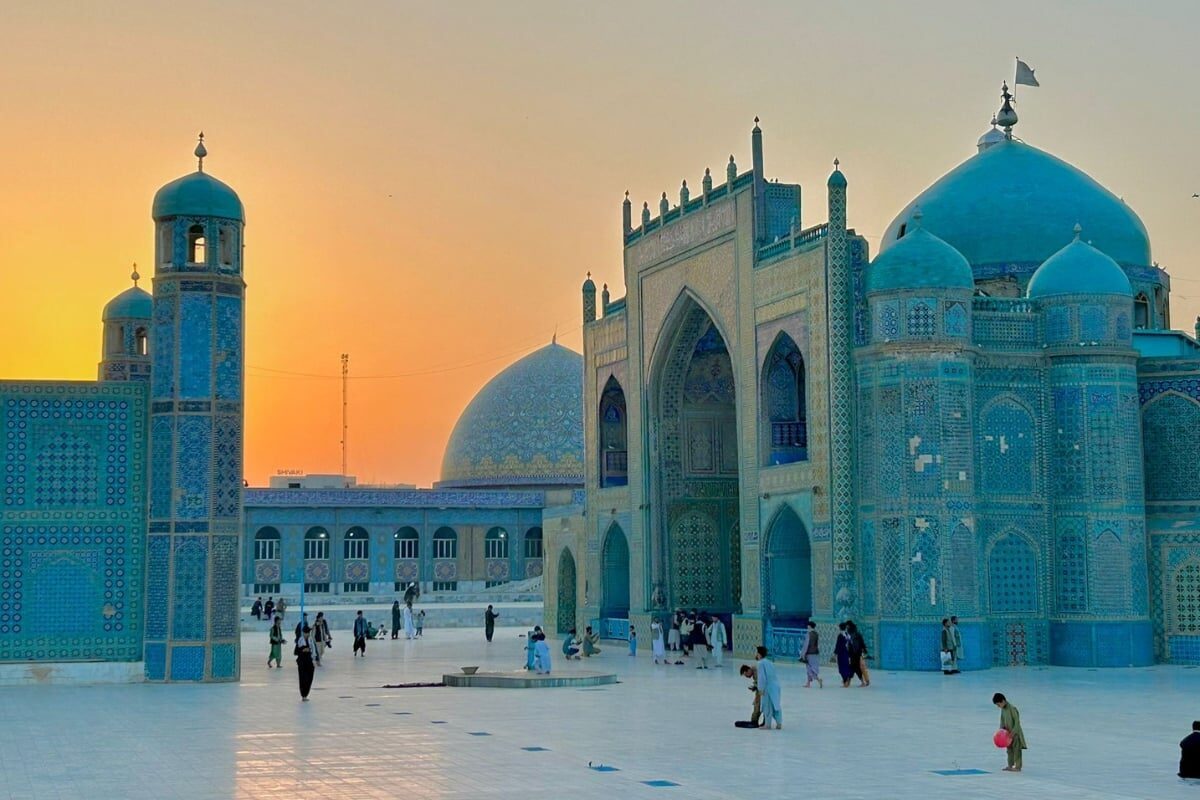
Afghanistan has been at the crossroads of civilizations for millennia - Greek, Buddhist, Persian, and Islamic cultures all left their mark before centuries of conflict. Afghan hospitality (melmastia) is legendary; guests were traditionally protected at all costs. The population is diverse: Pashtun majority, Tajiks, Hazaras, Uzbeks, and others, with varying dialects and customs. Islam is central to life, though practice varies between conservative rural areas and (formerly) more liberal urban centers. Poetry, particularly the works of Rumi (born in Balkh, now in Afghanistan), is treasured. The Taliban return in 2021 has severely restricted womens rights and cultural life. The Afghan diaspora worldwide maintains traditions and hopes for future peace and stability.
Insider Tips
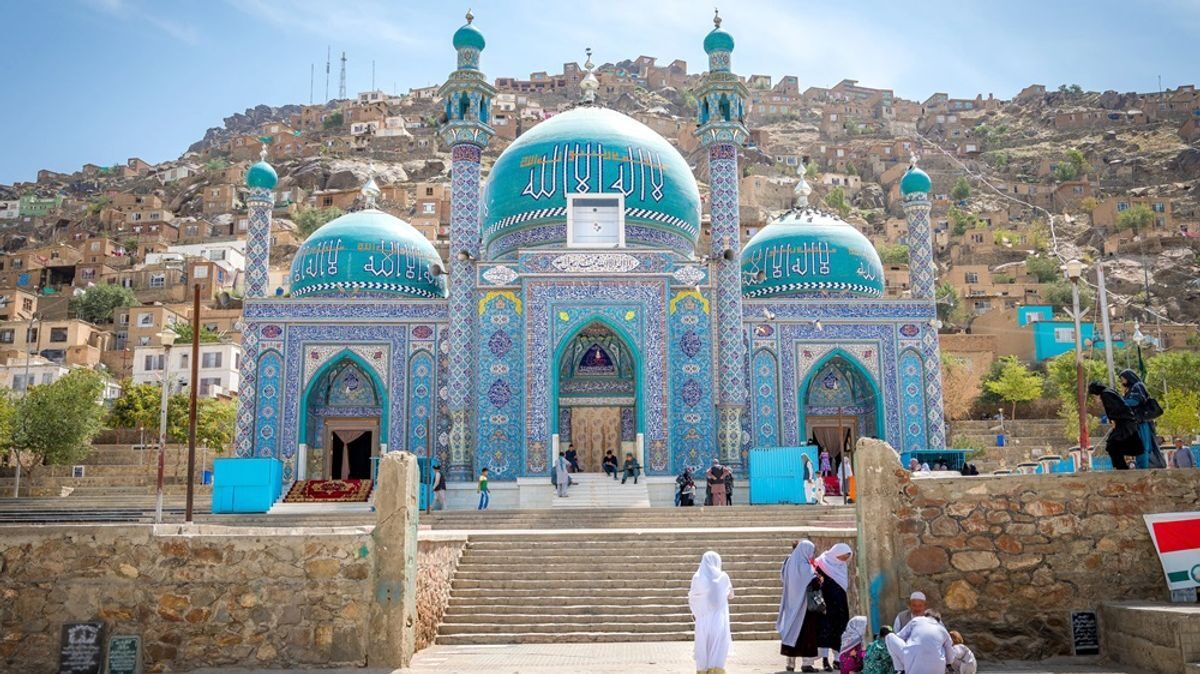
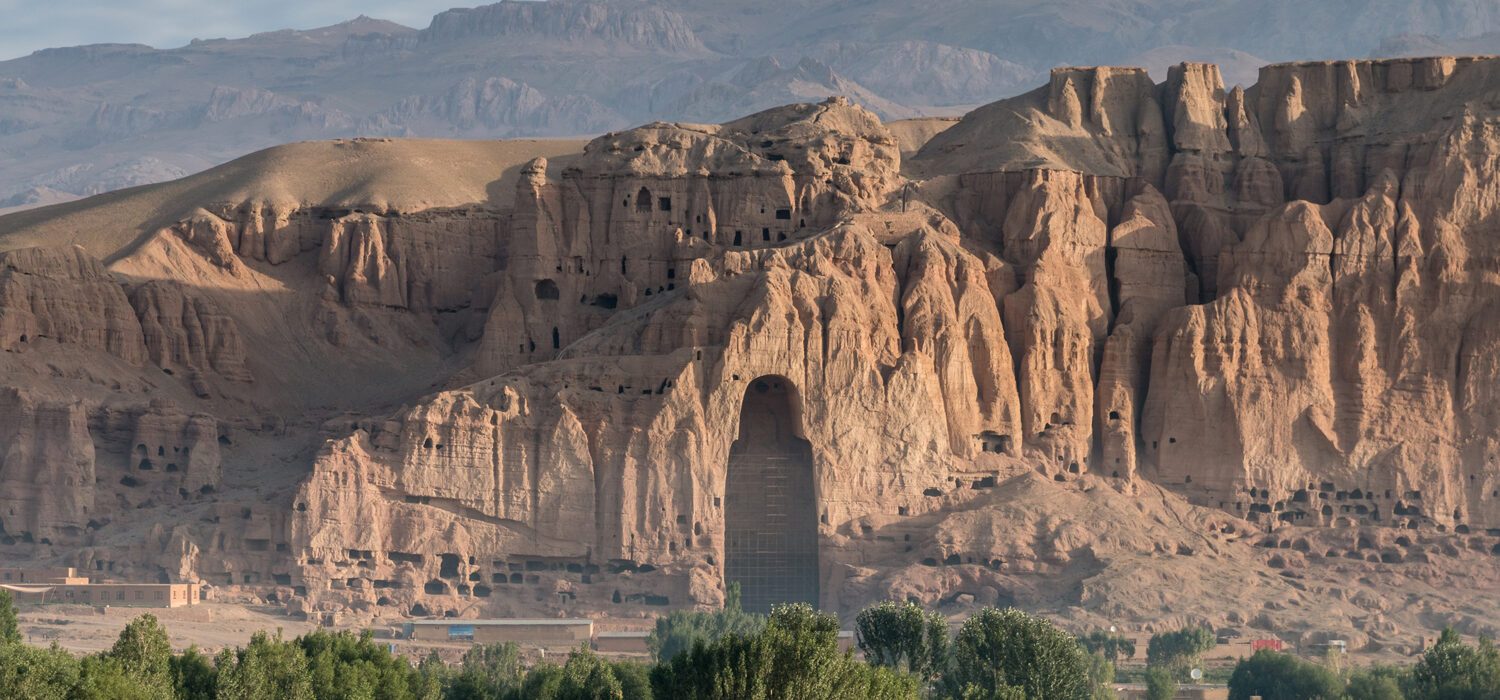
WARNING: Afghanistan is extremely dangerous with ongoing armed conflict, terrorism, and instability under Taliban rule. All governments advise against travel. No tourist infrastructure exists, and foreigners face kidnapping, arbitrary detention, and serious security threats. This information is for historical reference only. Pre-2021, adventure travelers and aid workers visited the Bamiyan Buddha niches (statues destroyed by Taliban in 2001), Band-e-Amir natural lakes, Panjshir Valley, and Kabul. The country has extraordinary landscapes, ancient Silk Road heritage, and hospitable people when safe access was possible. Afghan cuisine features kabuli pulao (rice with meat and raisins), kebabs, and green tea. Until significant changes occur, the country remains closed to tourism.
Current Travel Situation
United States to Afghanistan: What You Need to Know
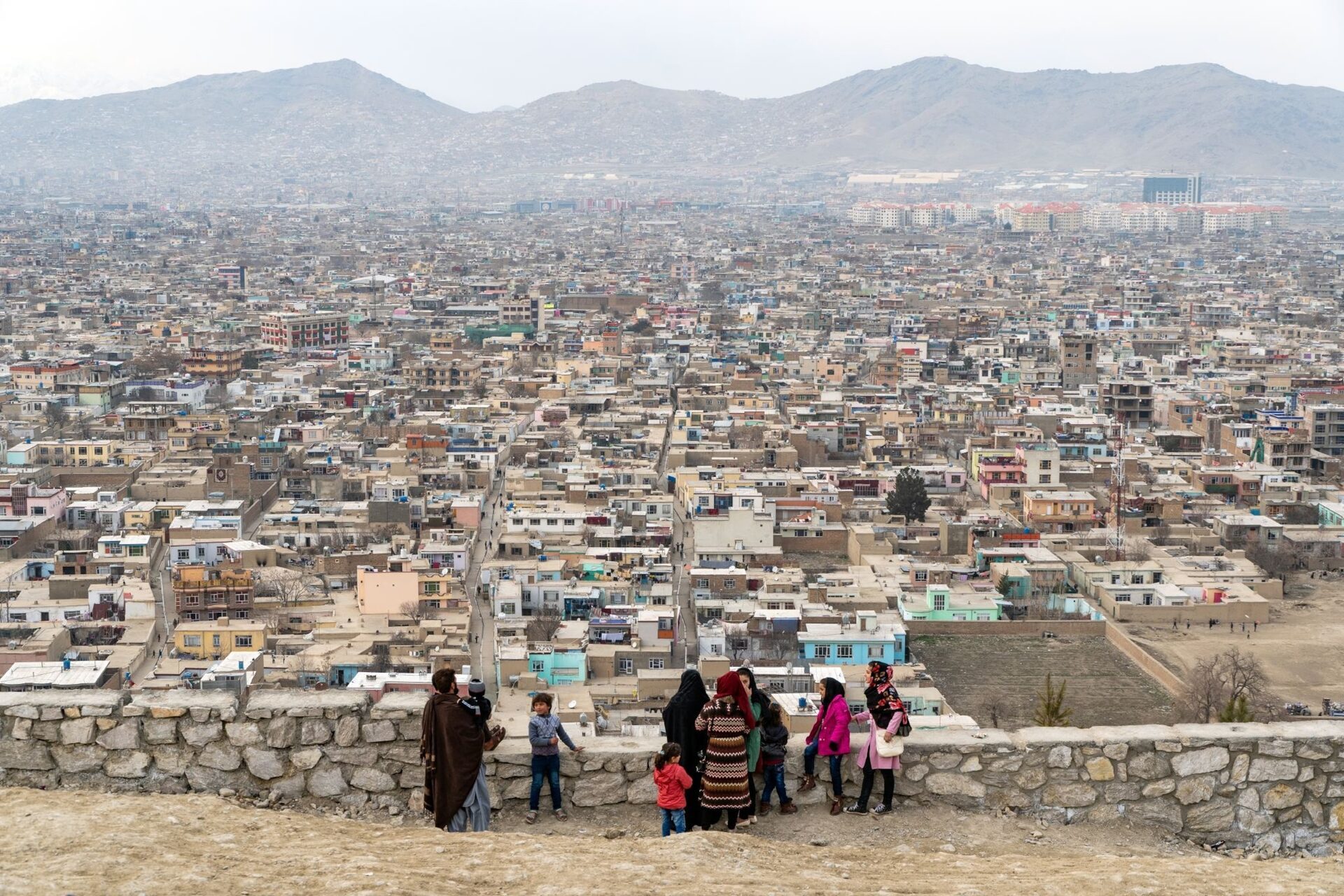
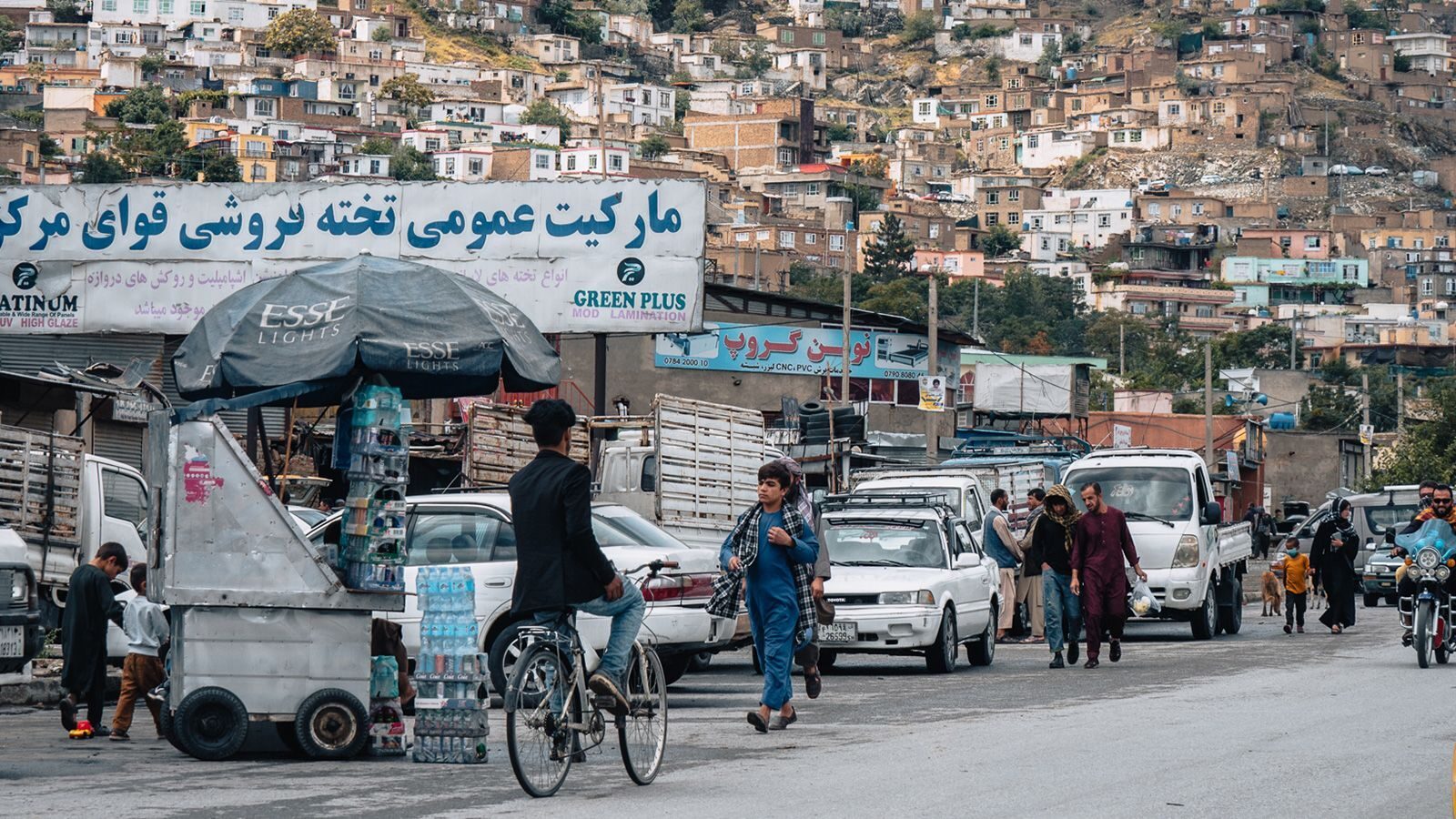
Afghanistan has been under Taliban control since the Taliban's rapid takeover following the US military withdrawal in August 2021. The Taliban government (Islamic Emirate of Afghanistan) is not recognized by the United States or most other governments. Women's rights have been drastically curtailed: girls are banned from education beyond 6th grade, women are banned from most employment and public life. Americans in Afghanistan face extraordinary risks: detention, hostage-taking, and the impossibility of evacuation or consular help given the lack of a US Embassy. Kabul International Airport (KBL) has limited connections from Dubai, Islamabad, Istanbul, and a few Central Asian cities.
How to Get There
Kabul is connected to Dubai (UAE), Islamabad (Pakistan), Istanbul, and a few Central Asian cities. All routes are complicated by the political and security situation. Pakistan's Torkham border crossing is technically open but extremely risky.
Money & Banking
Afghanistan uses the Afghan Afghani (AFN). Under Taliban rule, banking and financial access for foreigners is extremely limited. The Taliban have imposed cash restrictions and the economy has contracted severely. USD cash is essential for any transactions.
Practical Tips
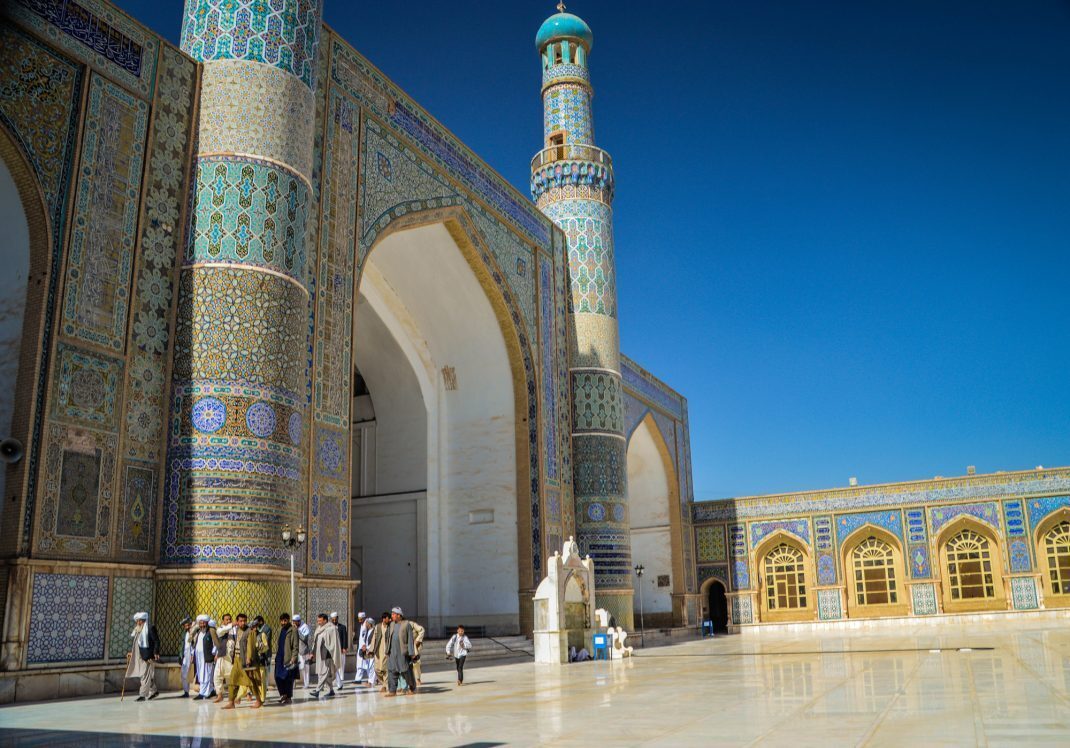
Travel to Afghanistan is strongly discouraged. The US State Department has issued its highest Level 4 warning. There is no US Embassy and no US military presence to assist Americans. An extremely small number of journalists and researchers enter Afghanistan for specific assignments with extensive security preparation. Afghanistan's extraordinary historical heritage, the Buddha niches at Bamiyan (destroyed by the Taliban in 2001), the Minaret of Jam (UNESCO), the Citadel of Herat, and the Band-e Amir lakes (Afghanistan's first national park), remains largely inaccessible to tourists under Taliban rule.
Frequently Asked Questions
Can Americans visit Afghanistan under Taliban rule?
Travel is strongly discouraged. The US State Department has a Level 4 "Do Not Travel" advisory and there is no US Embassy in Kabul. Americans face risks of arbitrary detention, hostage-taking, and having no diplomatic support. A tiny number of journalists and researchers enter Afghanistan, but they do so with extensive security protocols and expert local contacts.
What happened to the Buddhas of Bamiyan?
The Buddhas of Bamiyan were two colossal Buddha statues (55 m and 38 m tall) carved into a cliff in Bamiyan Valley in the 6th century CE. In March 2001, the Taliban declared them idolatrous and destroyed them with explosives after weeks of effort. The destruction was condemned internationally. The empty niches remain in the cliff. Bamiyan Valley (a UNESCO World Heritage Site for the cultural landscape and archaeological remains) was accessible to tourists before 2021 but is not safely visitable now.
When was Afghanistan last open to tourists?
Afghanistan attracted a small but growing number of adventure travelers between 2002-2021 following the fall of the first Taliban government. Cities like Kabul, Herat, and Bamyan received tourists, and the Wakhan Corridor was popular for trekking. The security situation was always complex and required careful planning, but travel was possible for experienced travelers with local support. The Taliban takeover in August 2021 ended independent tourism.